Loading subject page…


767,002 views

Video Summary: What Is Chemistry of Carbohydrates
Did you know that the sugar in your morning cereal and the wood in your pencil are both made of the same basic building blocks? The chemistry of carbohydrates reveals how simple molecules like glucose can form everything from quick energy sources to sturdy plant cell walls. From the fructose in American corn syrup to the cellulose in cotton fiber, understanding what is chemistry of carbohydrates helps explain how these carbon-based compounds power life on Earth. Watch the full video on JoVE Coach to master this concept with expert-led visuals and step-by-step explanations.
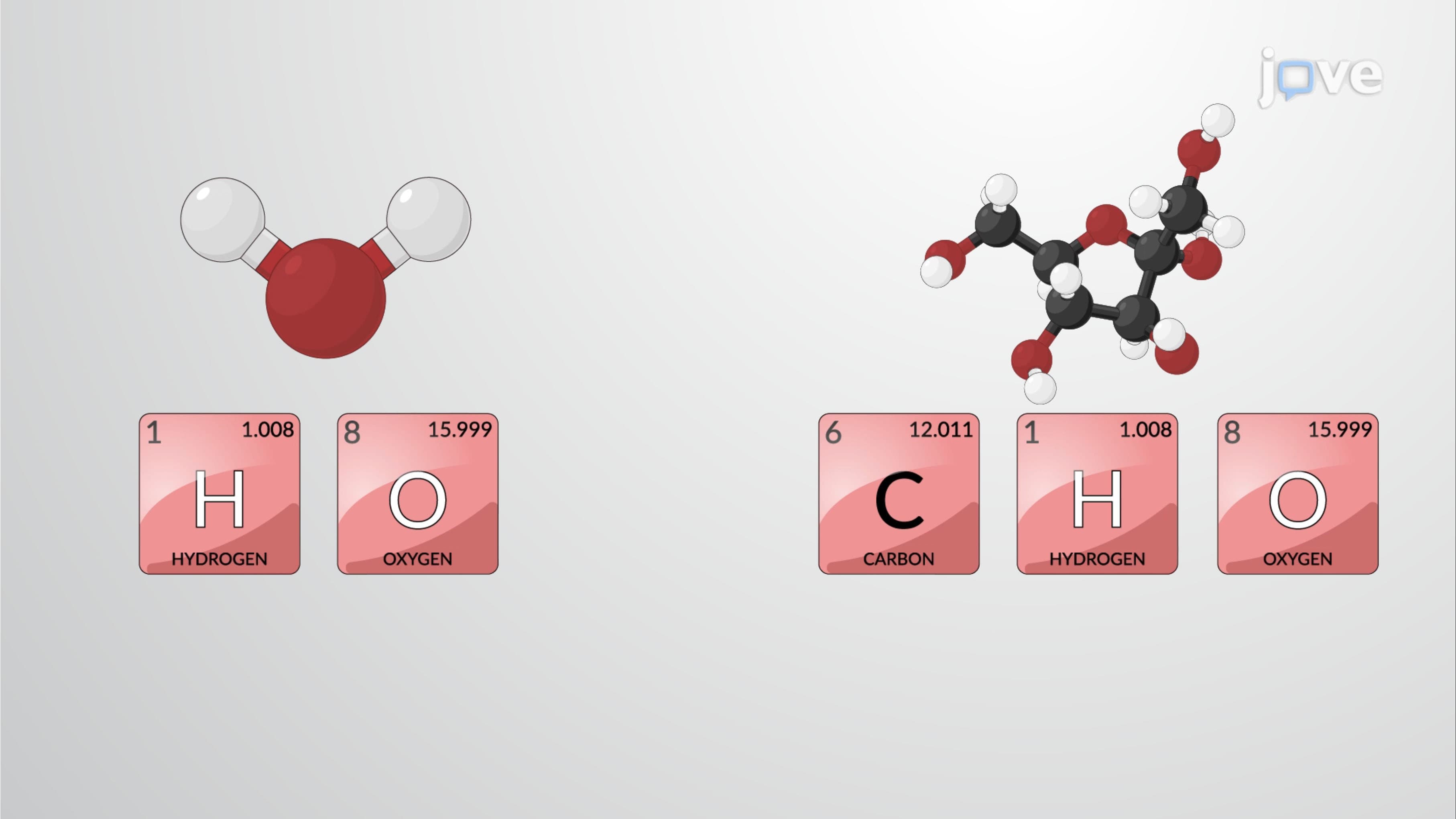
The chemistry of carbohydrates forms a cornerstone of biochemistry, explaining how life's most abundant organic molecules function at the molecular level. These compounds follow the general formula (CH₂O)n, though this empirical formula represents an oversimplification of their true structural diversity. In American food production, understanding carbohydrate chemistry is essential-from the high-fructose corn syrup in sodas to the complex starches in wheat flour used for bread making.
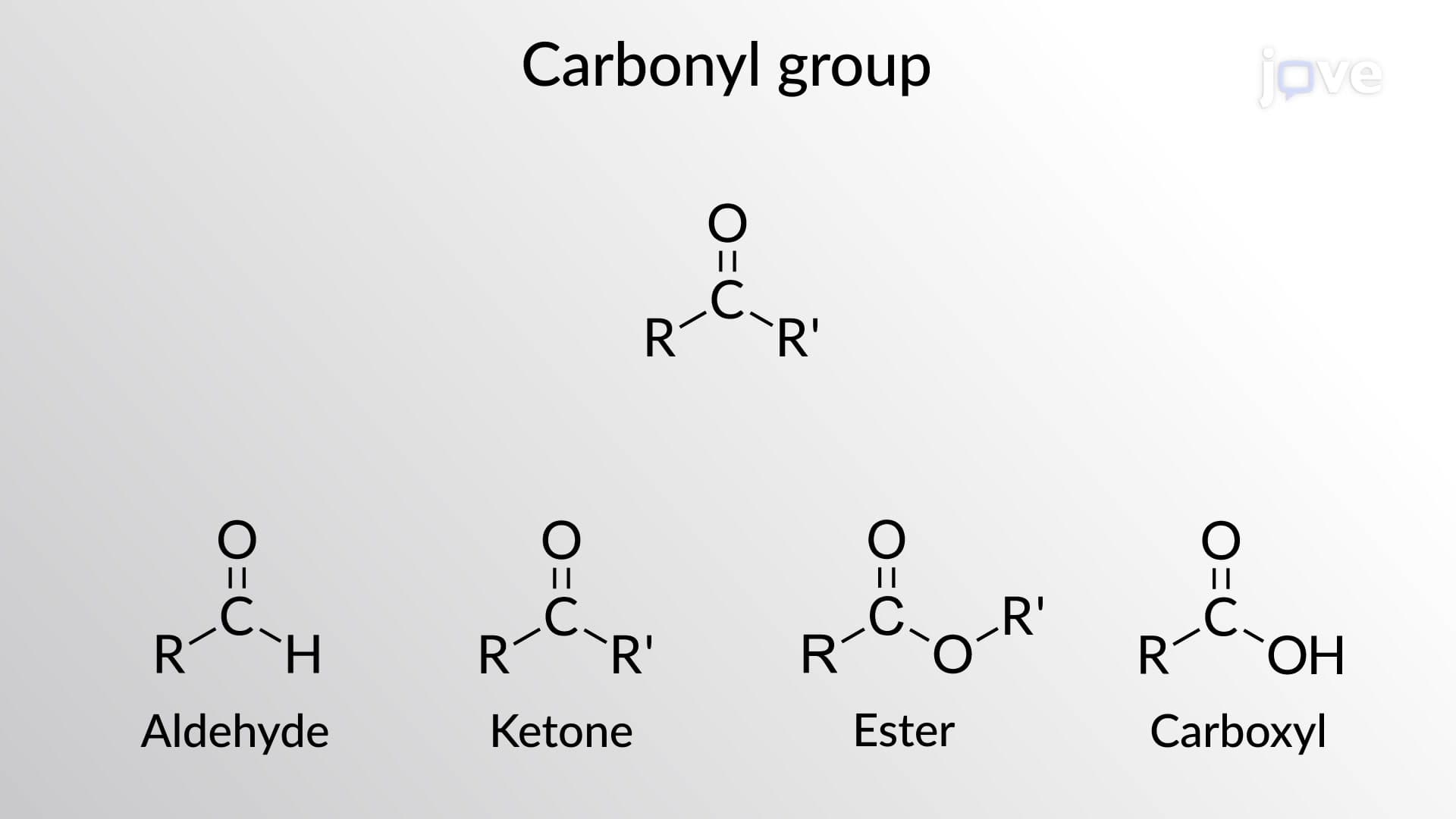
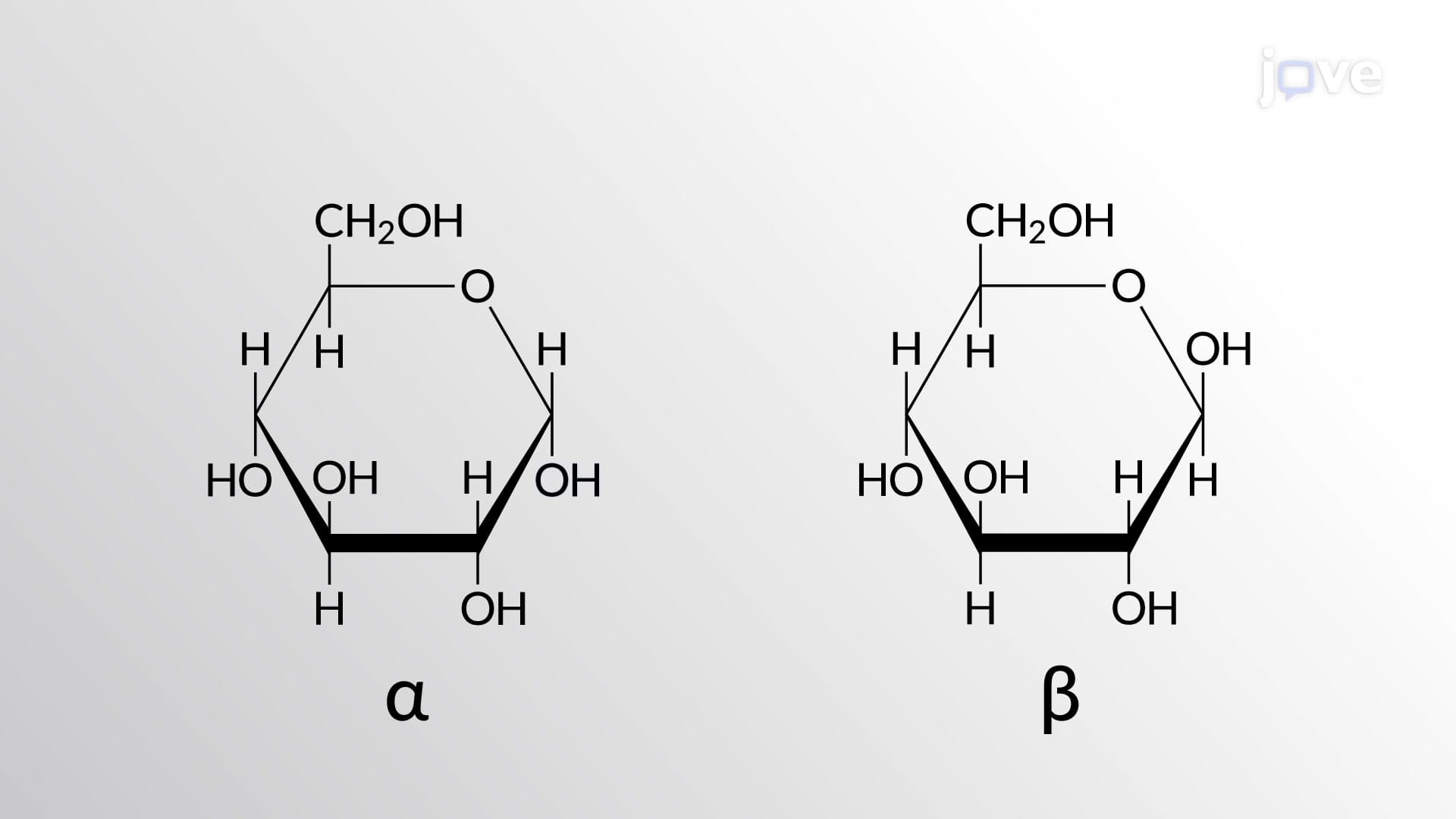
Monosaccharides represent the simplest carbohydrate units, classified by their functional groups as either aldoses (containing aldehyde groups) or ketoses (containing ketone groups). The most significant structural feature occurs when these linear molecules cyclize into ring structures through intramolecular reactions. This ring formation creates anomeric carbons, leading to α and β configurations that dramatically affect biological activity. For instance, α-glucose and β-glucose, while chemically similar, behave differently in human metabolism-a concept frequently tested on the MCAT and AP Biology exams.
The formation of glycosidic bonds represents a crucial mechanism in carbohydrate chemistry. When two monosaccharides connect through dehydration synthesis, the resulting disaccharides exhibit properties distinct from their constituent sugars. Common examples in the American diet include sucrose (table sugar), lactose (milk sugar), and maltose (found in beer production). The α-1,2 linkage in sucrose differs fundamentally from the β-1,4 linkage in lactose, explaining why some individuals can digest one but not the other.
Complex carbohydrates demonstrate how molecular structure determines function. Cellulose, with its β-1,4 glycosidic bonds, forms rigid plant cell walls and comprises the primary component of American cotton production. Conversely, starch (containing α-1,4 bonds) serves as digestible energy storage in crops like Iowa corn. Glycogen, featuring both α-1,4 and α-1,6 linkages, creates the branched structure necessary for rapid glucose release in human liver and muscle tissue. These structural differences appear regularly in college organic chemistry courses and standardized tests like the DAT and PCAT.
Related Micro-courses