Loading subject page…


767,002 views
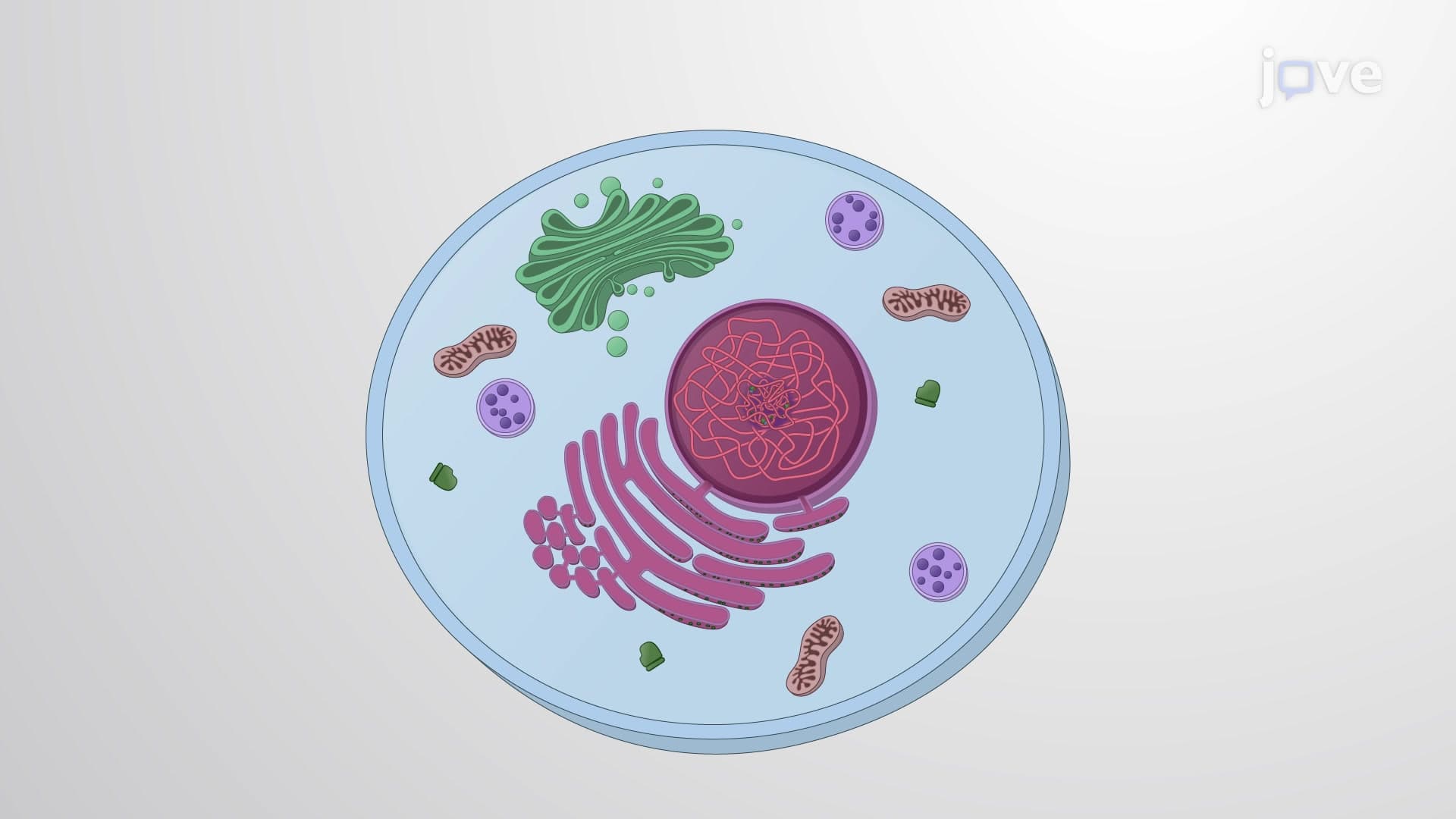

Video Summary: What Is Chemistry of the Cell
Did you know your cells are essentially sophisticated chemistry labs, with over 37 trillion microscopic reactors in your body alone? The chemistry of the cell encompasses the intricate molecular interactions that keep every living organism functioning, from the water molecules that make up 70% of cellular content to the complex proteins folding in precise three-dimensional shapes. Consider how pharmaceutical companies like Pfizer design drugs by understanding exactly how molecules interact within our cellular chemistry. What is Chemistry of The Cell becomes crucial when studying how life sustains itself through carefully orchestrated chemical processes. Watch the full video on JoVE Coach to master this concept with expert-led visuals and step-by-step explanations.
What is Chemistry of The Cell represents the study of molecular interactions that sustain life at the most fundamental level. Every cellular process, from muscle contraction in athletes to neurotransmitter release in students taking the SAT, depends on precisely controlled chemical reactions occurring within cellular boundaries.
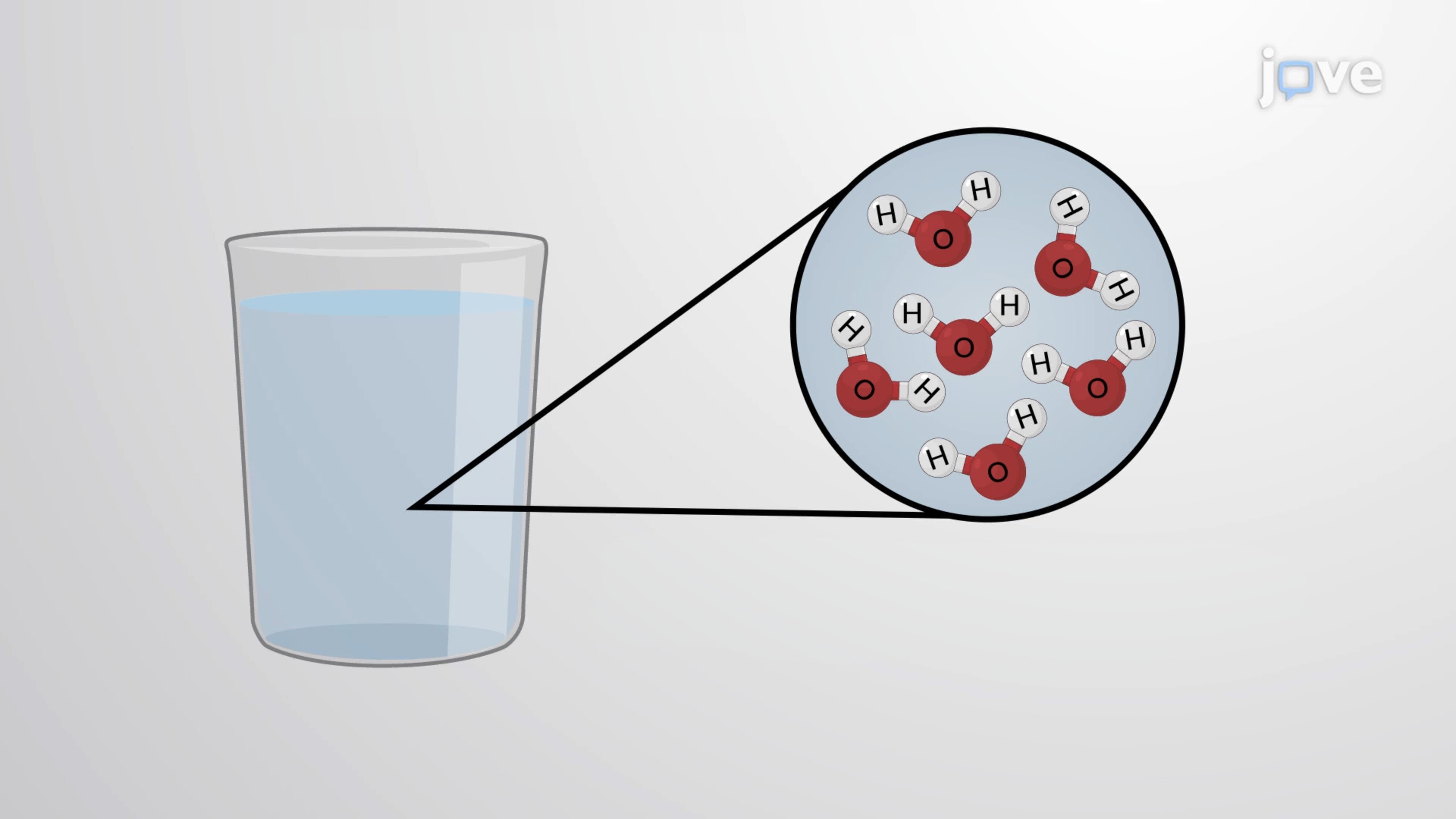
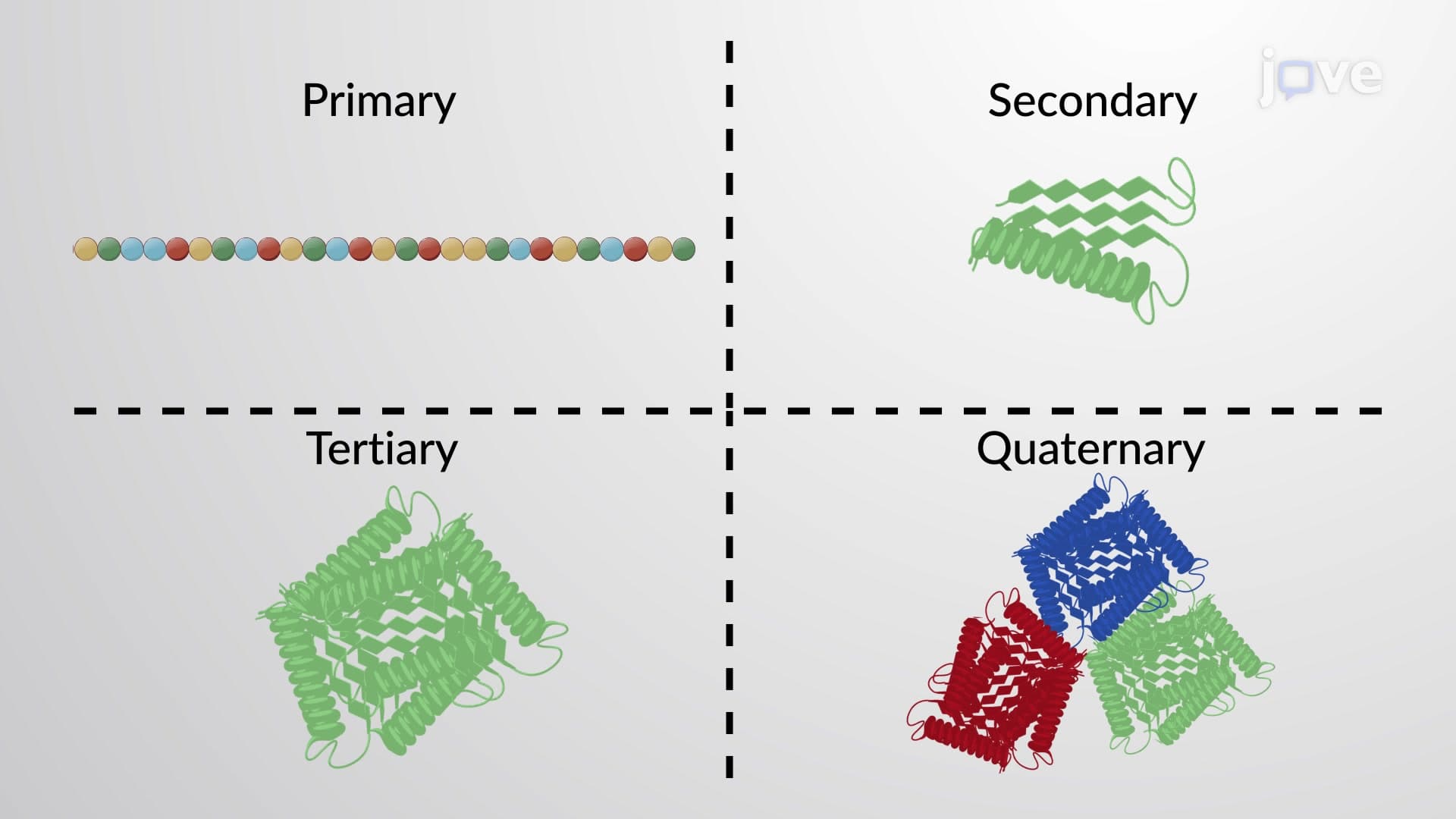
Water's dominance in cellular chemistry cannot be overstated. Comprising approximately 70% of cellular mass, water creates the aqueous environment where most biochemical reactions occur. Its polar nature allows it to dissolve ionic compounds and interact with other polar molecules, while simultaneously excluding nonpolar substances. This selectivity drives crucial processes like protein folding, where hydrophobic amino acids cluster inwardly while hydrophilic residues face the aqueous cytoplasm. Medical schools emphasize this concept heavily, as understanding water's role is essential for comprehending drug solubility and distribution within the human body.
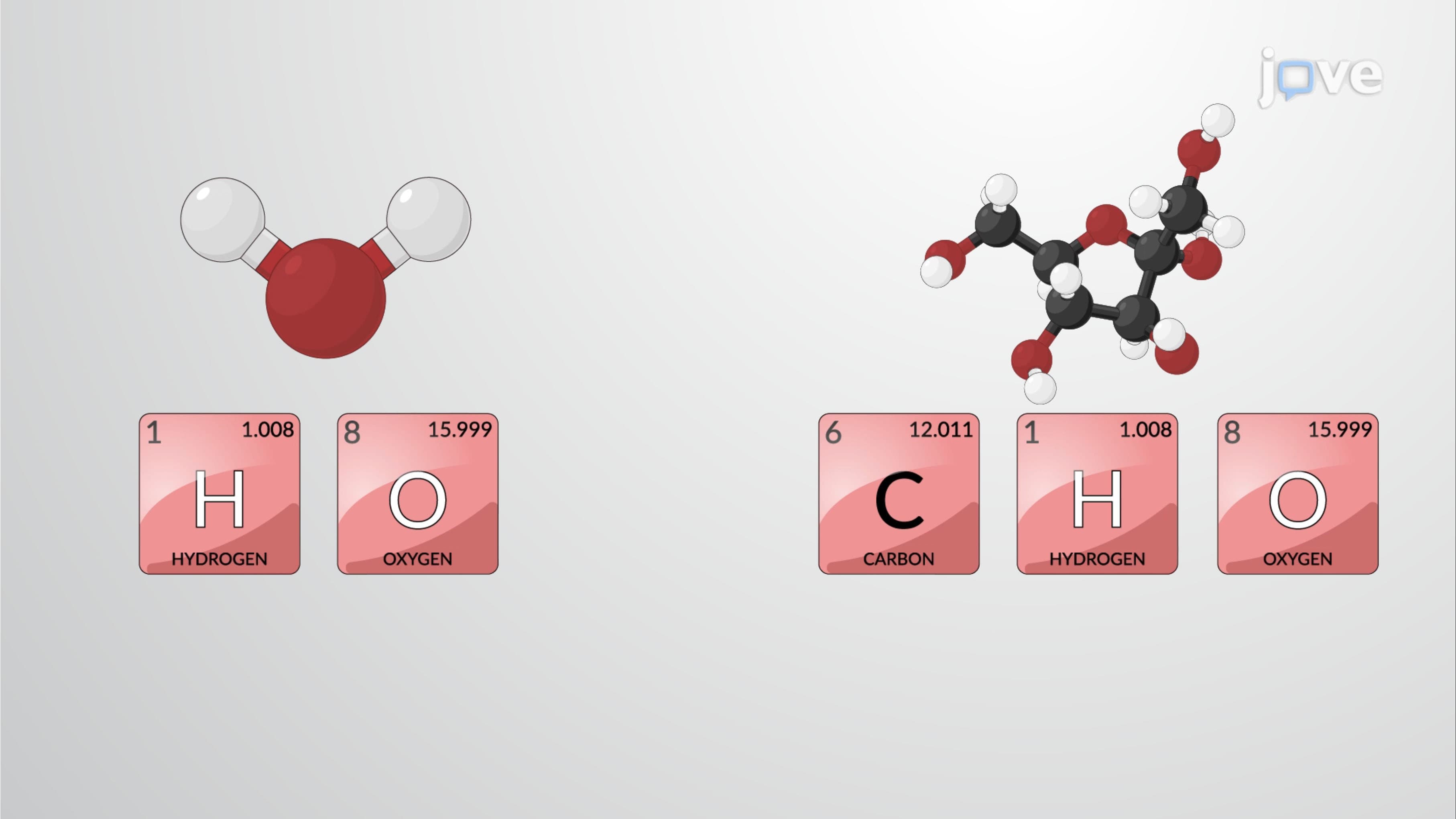
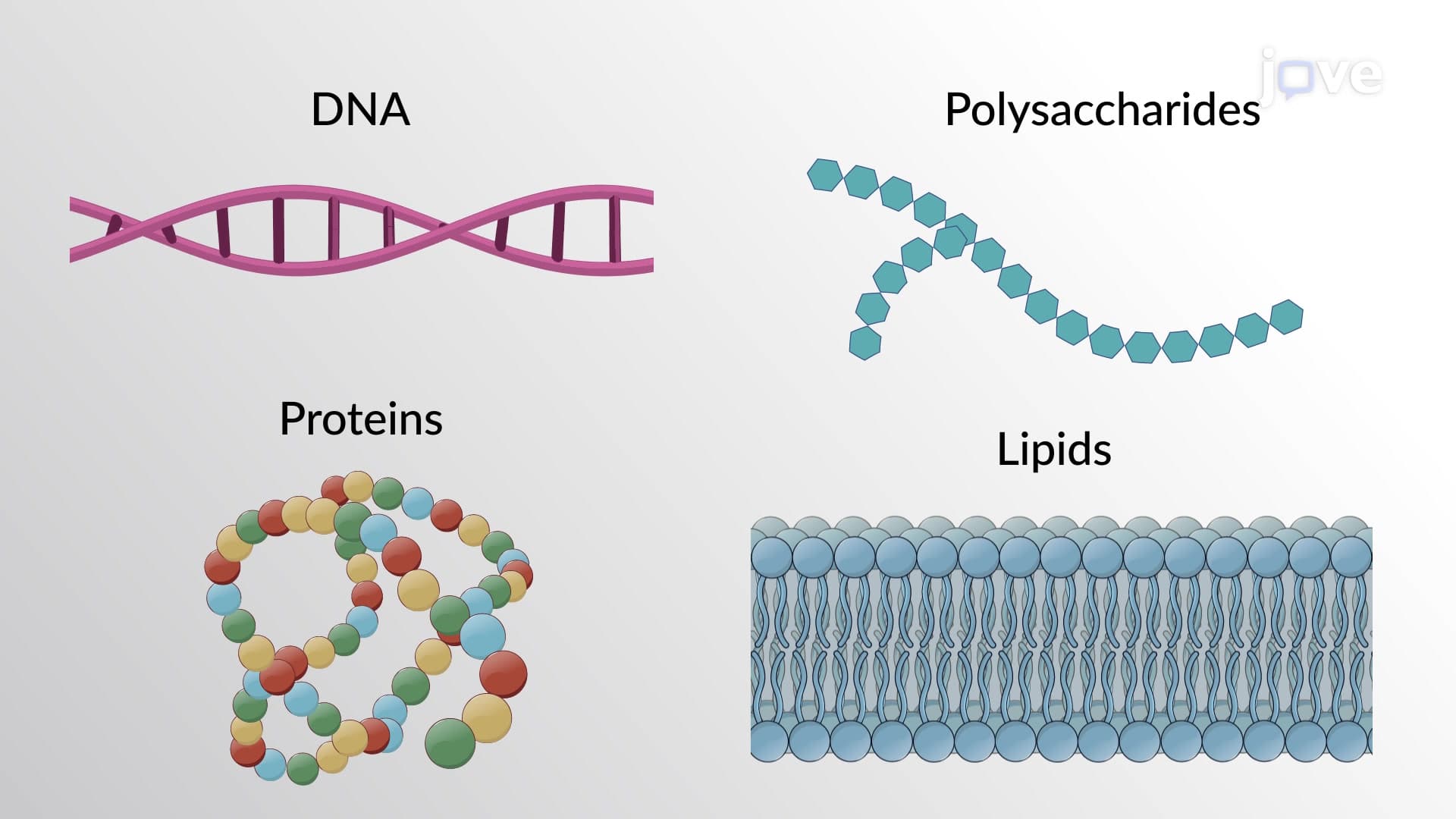
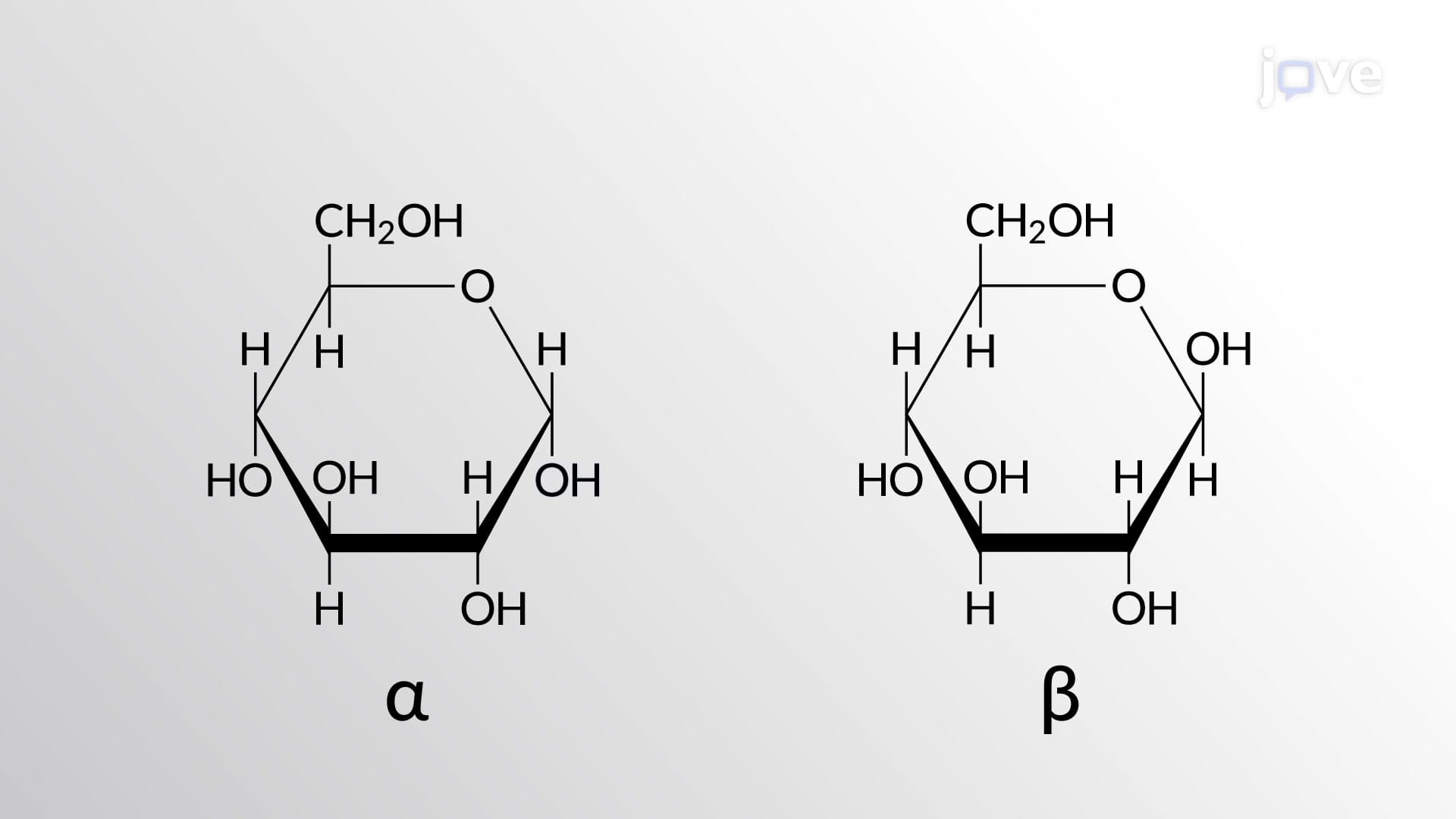
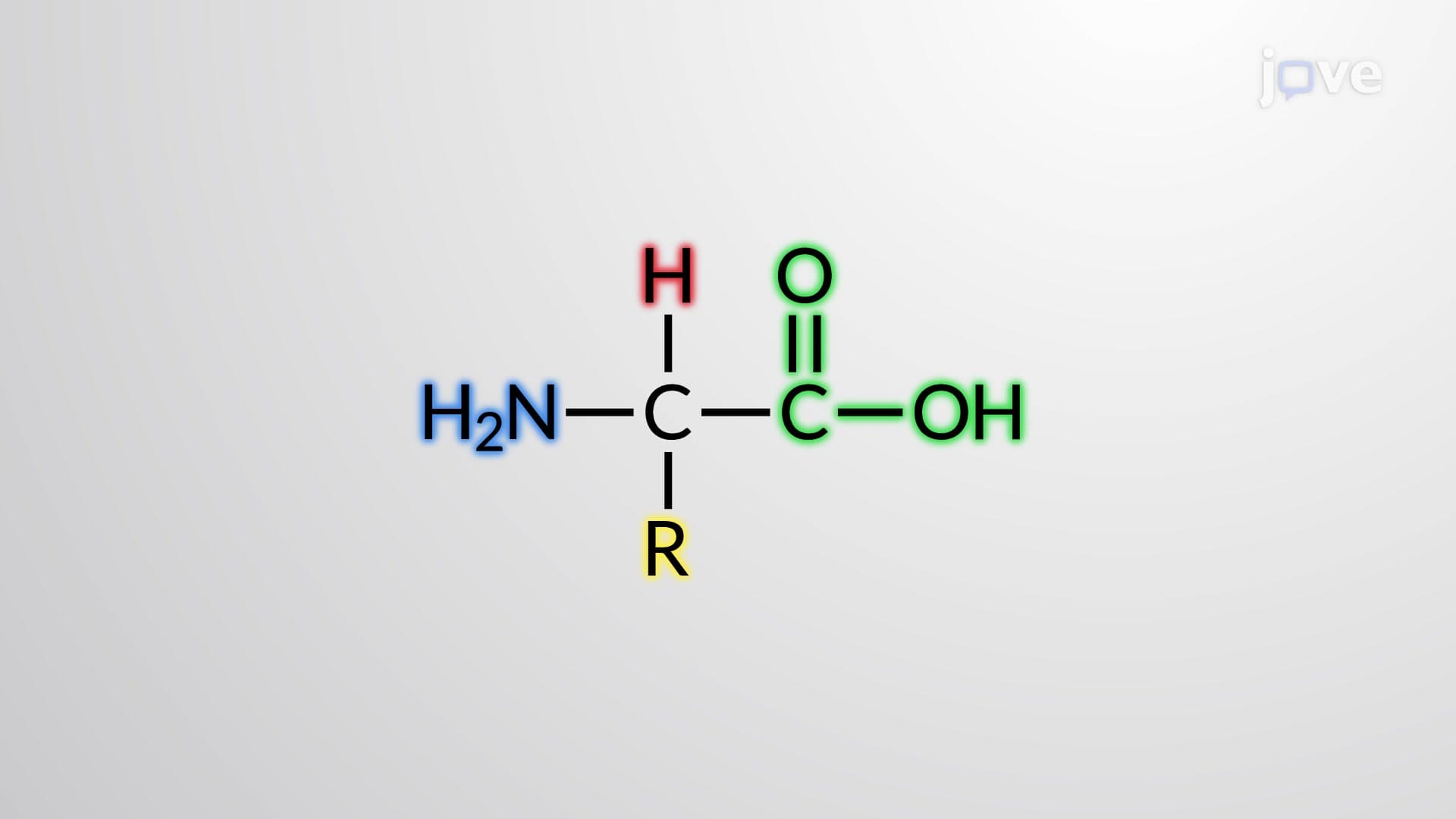
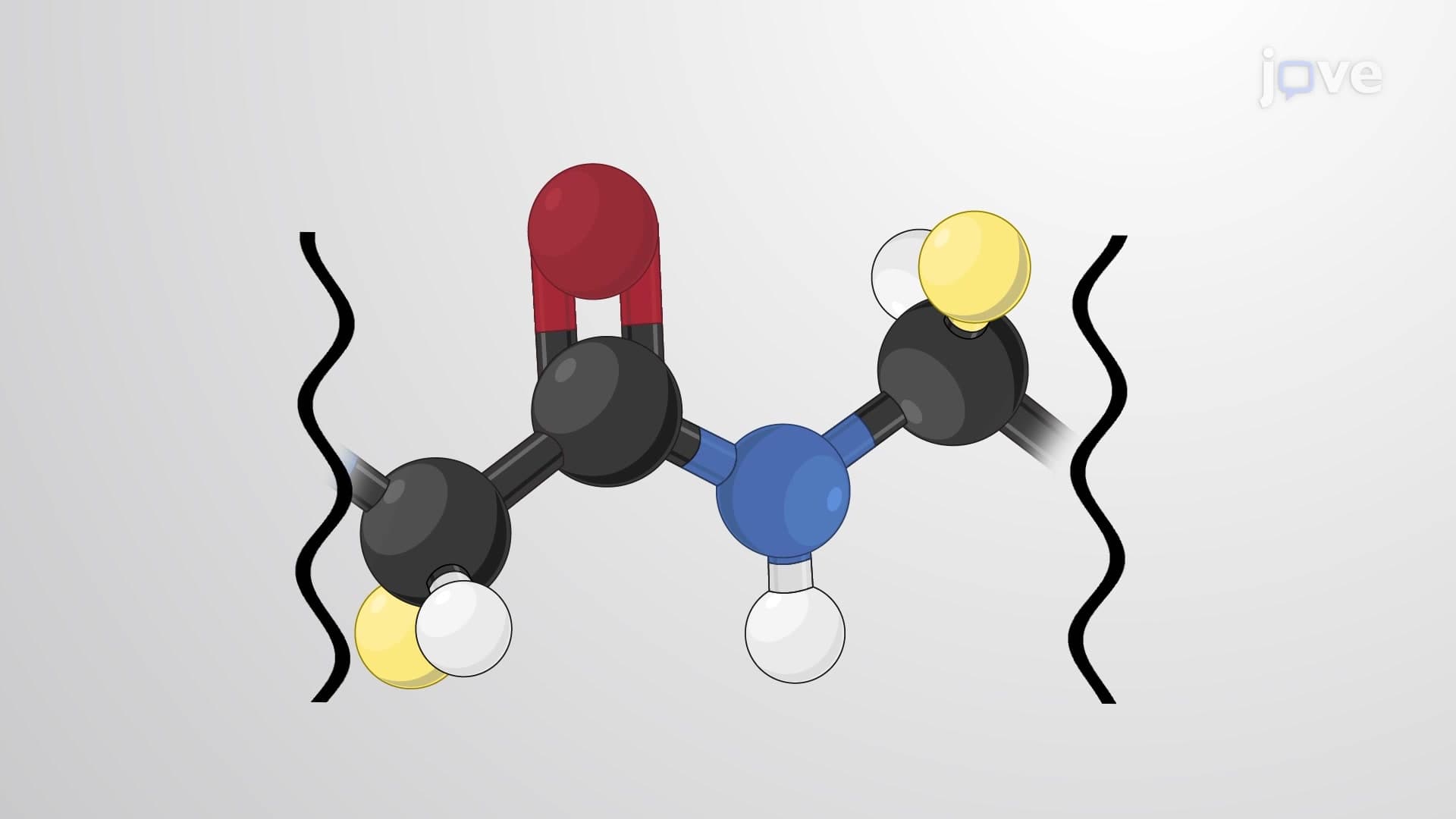
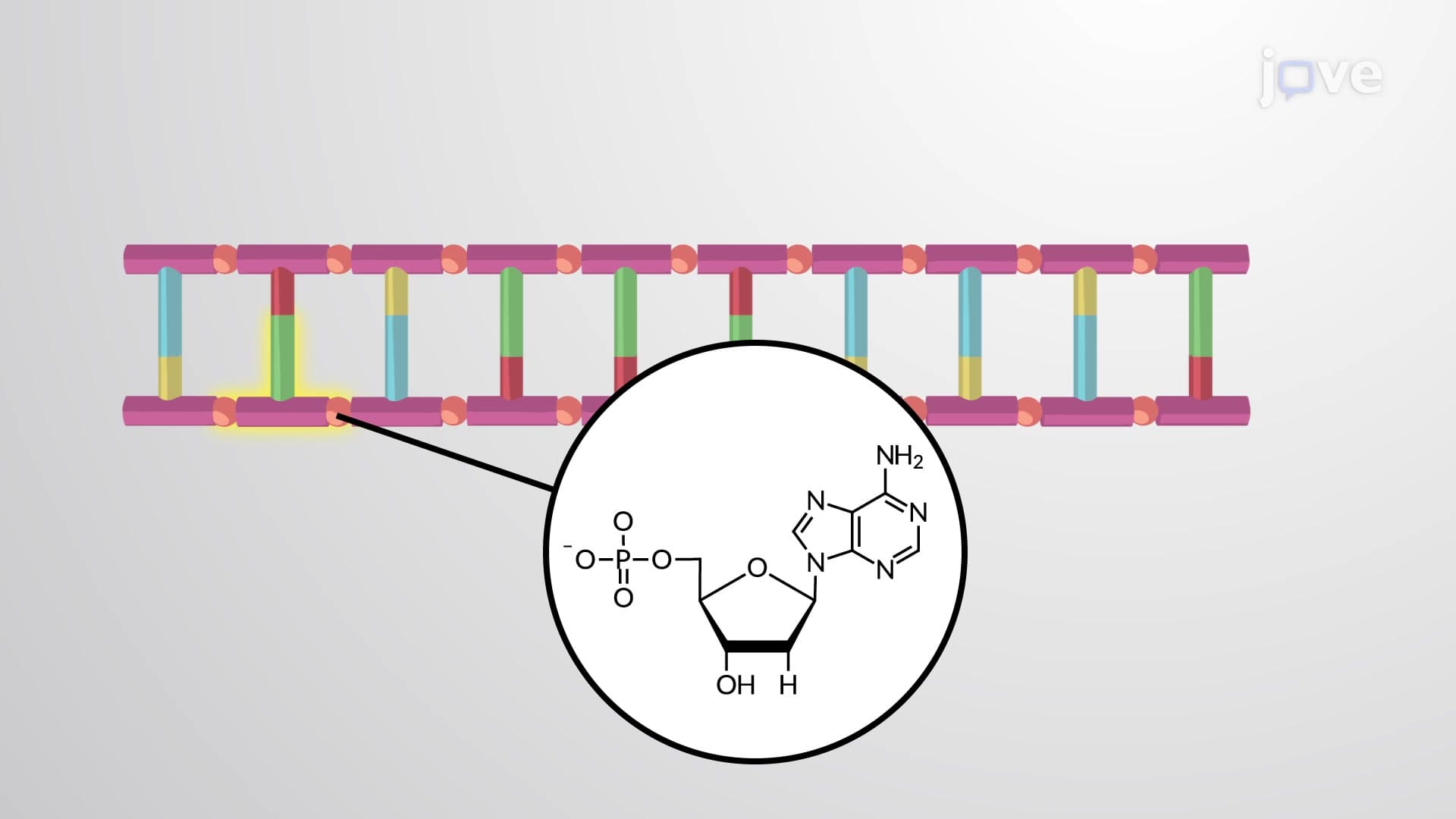
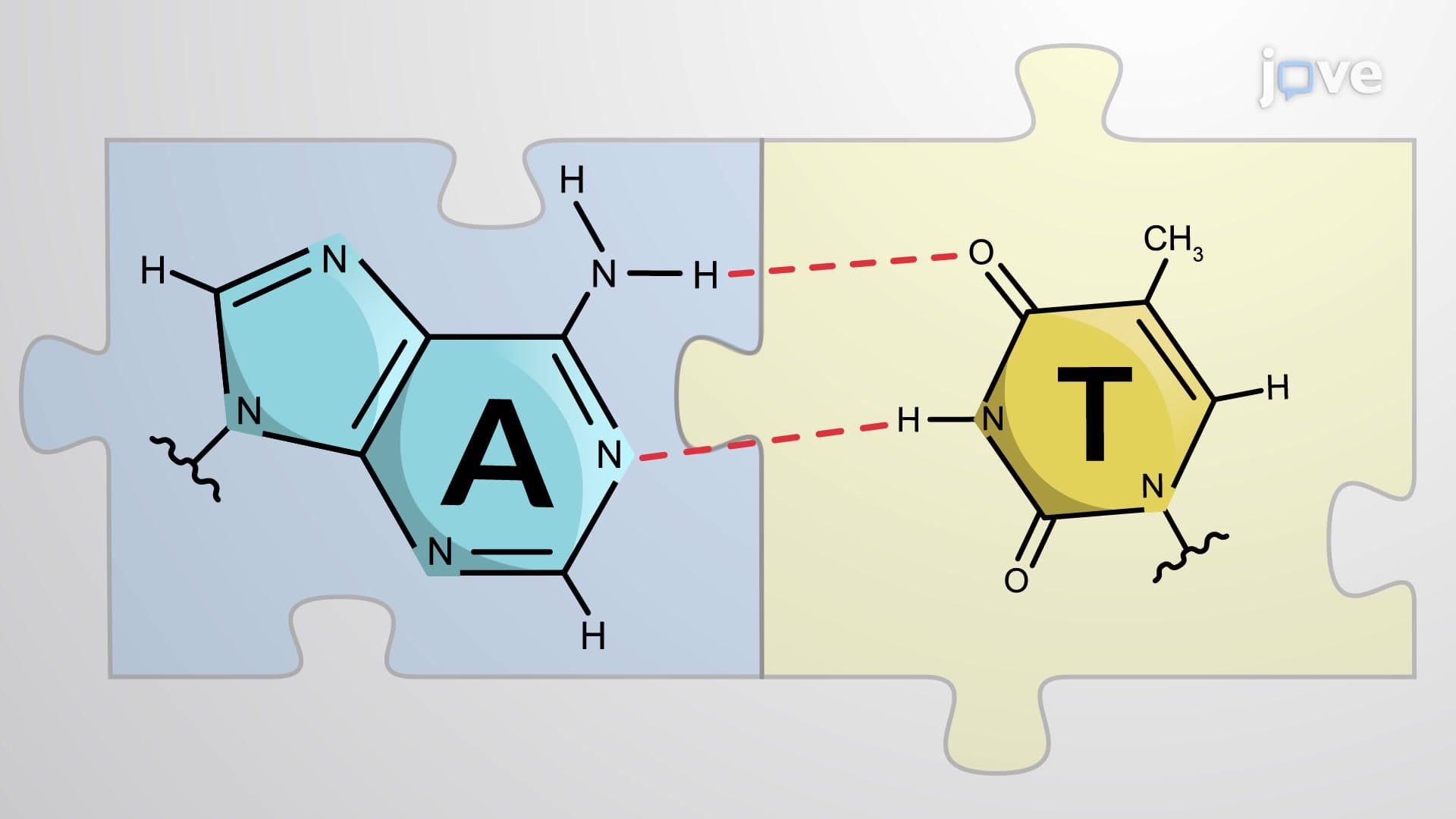
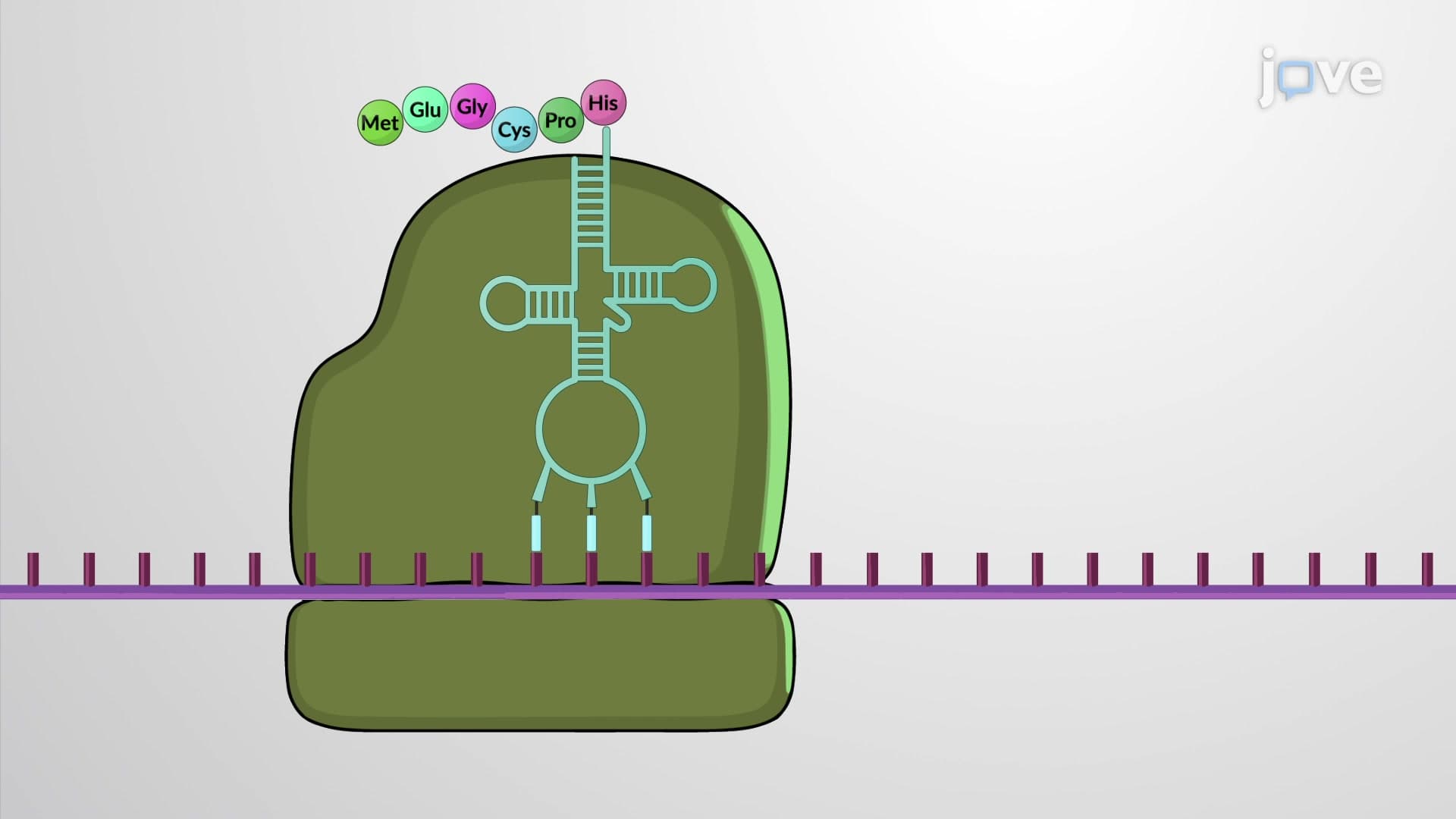
The four major classes of organic molecules each serve distinct cellular functions. Carbohydrates provide immediate energy through glucose metabolism, a process central to understanding diabetes management in American healthcare. Proteins function as enzymes, structural components, and signaling molecules-concepts frequently tested on AP Biology exams and the MCAT. Lipids form cellular membranes and serve as long-term energy storage, while nucleotides store genetic information and provide energy through ATP hydrolysis. Pre-med students at institutions like Harvard Medical School spend considerable time mastering these molecular interactions, as they form the foundation for understanding pharmacology and pathophysiology.
Cellular chemistry requires precise pH control, with different compartments maintaining distinct environments. The cytoplasm's neutral pH of 7.2 optimizes most enzymatic reactions, while lysosomes maintain acidic conditions around pH 5 for protein degradation. This compartmentalization allows cells to perform contradictory functions simultaneously. Inorganic ions, though representing less than 1% of cellular mass, orchestrate critical processes including nerve impulse transmission (sodium and potassium), muscle contraction (calcium), and enzymatic catalysis (magnesium). These concepts frequently appear in USMLE Step 1 questions, where students must understand ion gradients and their physiological consequences.
Related Micro-courses