Loading subject page…

- Chemistry
- Biochemistry
- Nucleic Acids
Micro-course: Biochemistry
767,000 views
Learn key concepts and earn your certificate.


Nucleic Acids

00:00
02:43
Video Summary: What are Nucleic Acids
Did you know that every cell in your body contains about 6 billion base pairs of DNA, enough to stretch from Earth to the moon and back 4,000 times? Nucleic acids biology explained reveals how these remarkable molecules store and transmit genetic information in all living organisms. From the DNA in your chromosomes to the RNA that helps make proteins, what are nucleic acids becomes clear when examining their structure and function. Consider how forensic scientists at the FBI use DNA analysis to solve crimes across America. Watch the full video on JoVE Coach to master this concept with expert-led visuals and step-by-step explanations.
- Understand what are nucleic acids and their fundamental role as information-storage molecules in living cells
- Identify the key structural differences between DNA and RNA, including sugar composition and nitrogenous bases
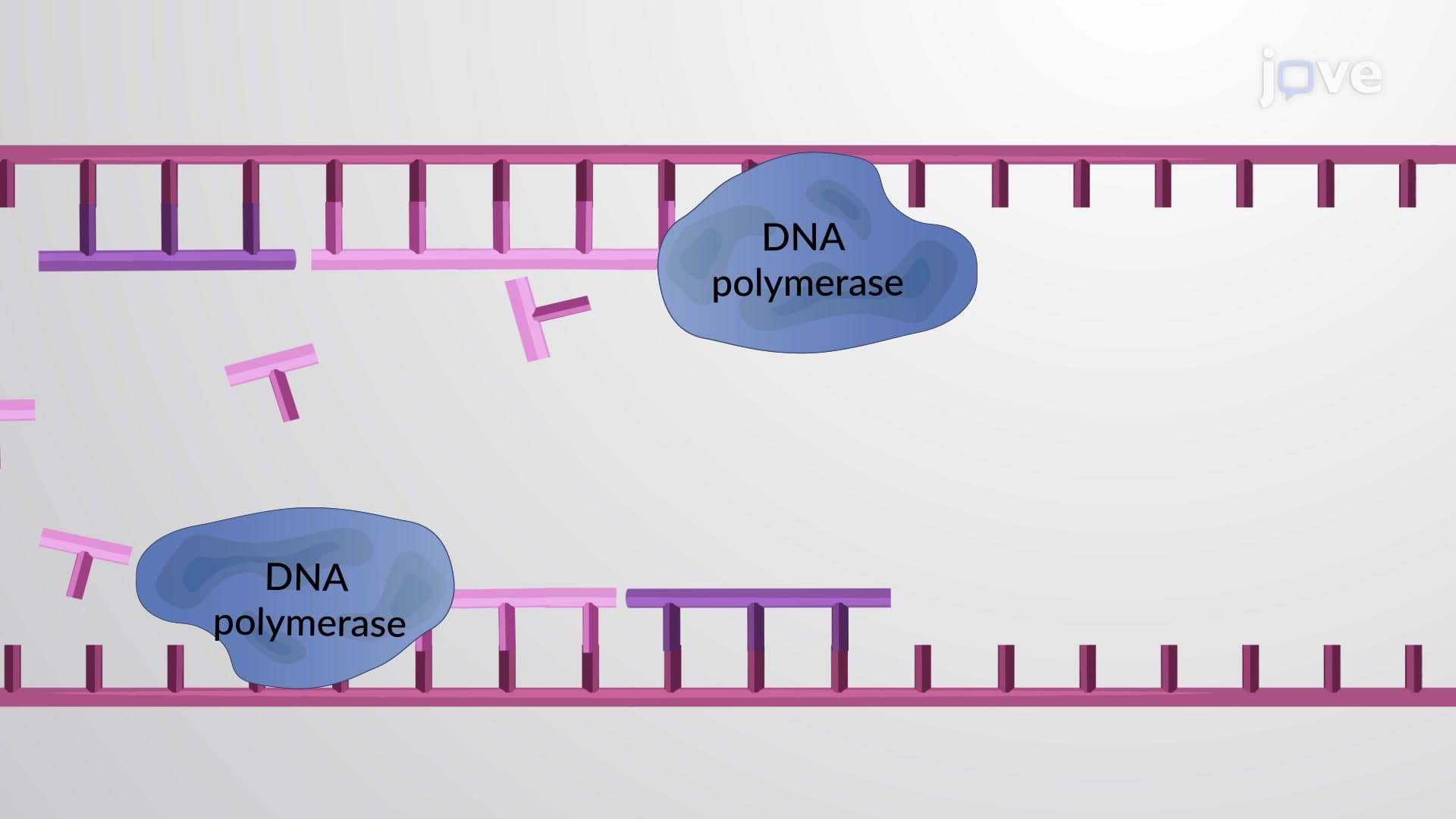
- Analyze how nucleotide building blocks combine to form complex nucleic acid polymers
- Compare complementary base pairing rules in DNA (A-T, G-C) versus RNA (A-U, G-C)
- Evaluate the significance of antiparallel strand orientation in double-helix DNA structure
- Apply knowledge of phosphodiester bond formation to understand nucleic acid synthesis
- Recognize how purine and pyrimidine bases contribute to genetic information storage
- Explore the diverse secondary structures of RNA and their cellular functions
Understanding What are Nucleic Acids: The Foundation of Life
Nucleic acids biology explained begins with recognizing these molecules as the fundamental blueprints of life. Every organism on Earth, from bacteria to humans, relies on nucleic acids to store, transmit, and express genetic information. In the United States, students first encounter these concepts in high school AP Biology courses, where understanding nucleic acid structure becomes essential for success on standardized tests and college preparation.
DNA vs RNA: Structural Distinctions That Define Function
The DNA RNA nucleic acid overview reveals critical differences that determine each molecule's cellular role. DNA contains deoxyribose sugar, creating a more stable structure perfect for long-term information storage in cell nuclei. RNA's ribose sugar, with its additional hydroxyl group, makes it less stable but more versatile for protein synthesis and gene regulation. These structural differences explain why DNA serves as the master copy in your chromosomes while RNA acts as the working copy that carries instructions throughout the cell.
American medical students preparing for the MCAT must master these distinctions, as questions frequently test understanding of how sugar composition affects molecular stability and function.
Nucleotide Building Blocks: The Alphabet of Genetics
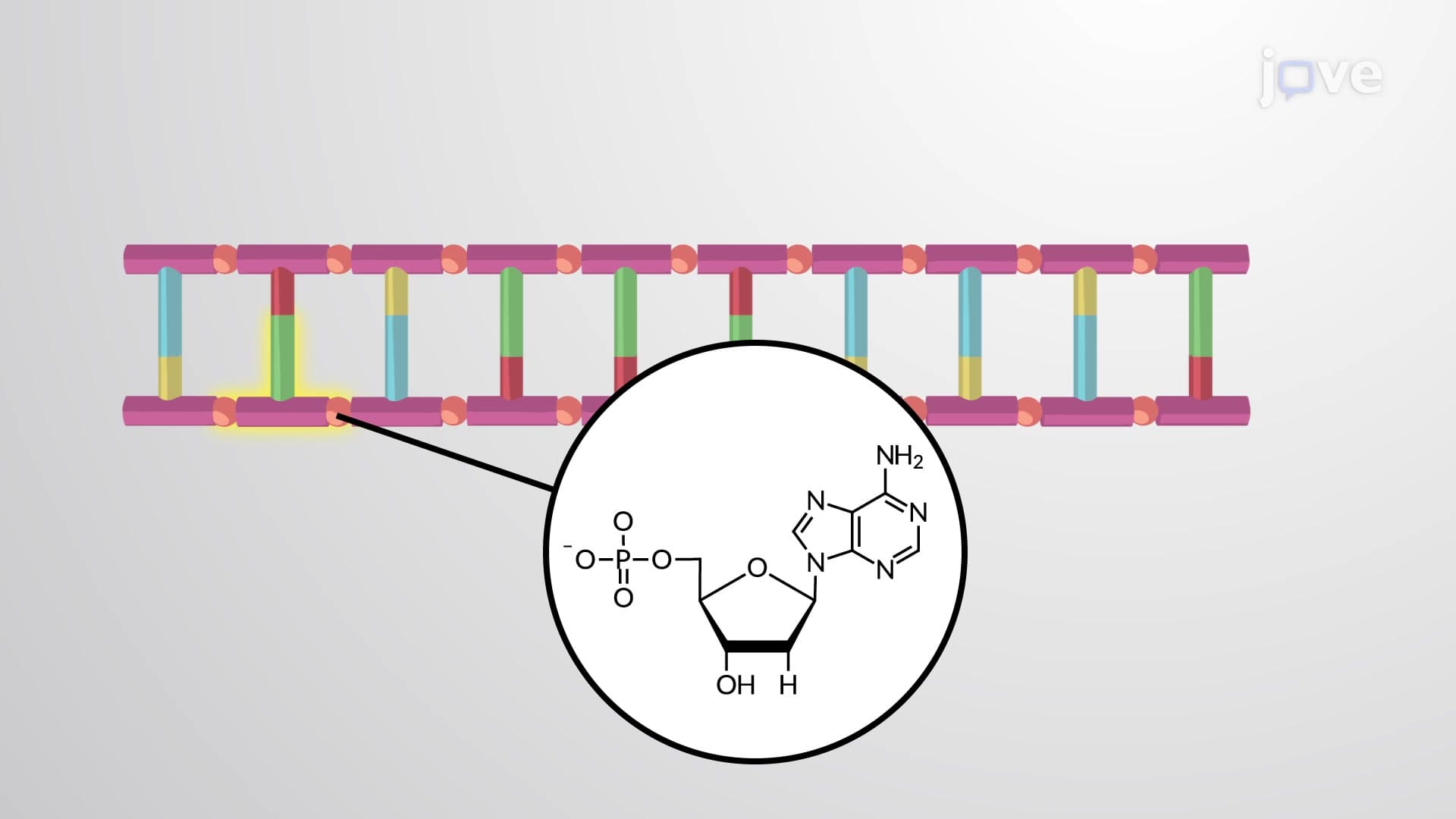
Nucleotide building block nucleic acids consist of three components: a pentose sugar, a phosphate group, and a nitrogenous base. The purine pyrimidine nucleic acid classification divides bases into two categories. Purines (adenine and guanine) are larger, double-ring structures, while pyrimidines (cytosine, thymine, and uracil) are smaller, single-ring molecules. This size difference ensures proper base pairing and maintains the DNA double helix's uniform width.
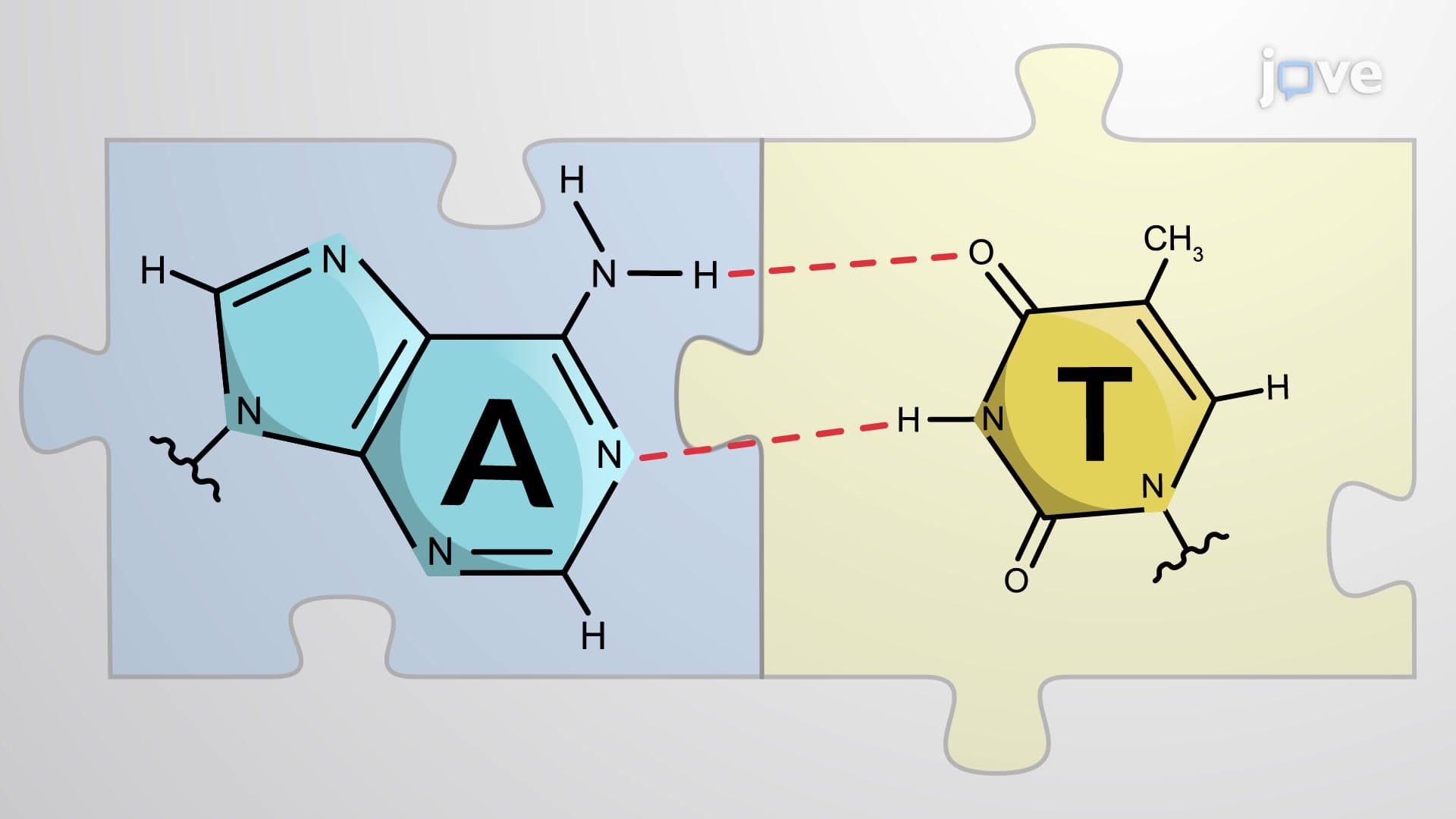
College biochemistry students often struggle with base pairing rules until they understand the hydrogen bonding patterns: A-T pairs form two hydrogen bonds, while G-C pairs form three, making G-C base pairs more stable and contributing to DNA's melting temperature.
Genetic Information Storage and Cellular Functions
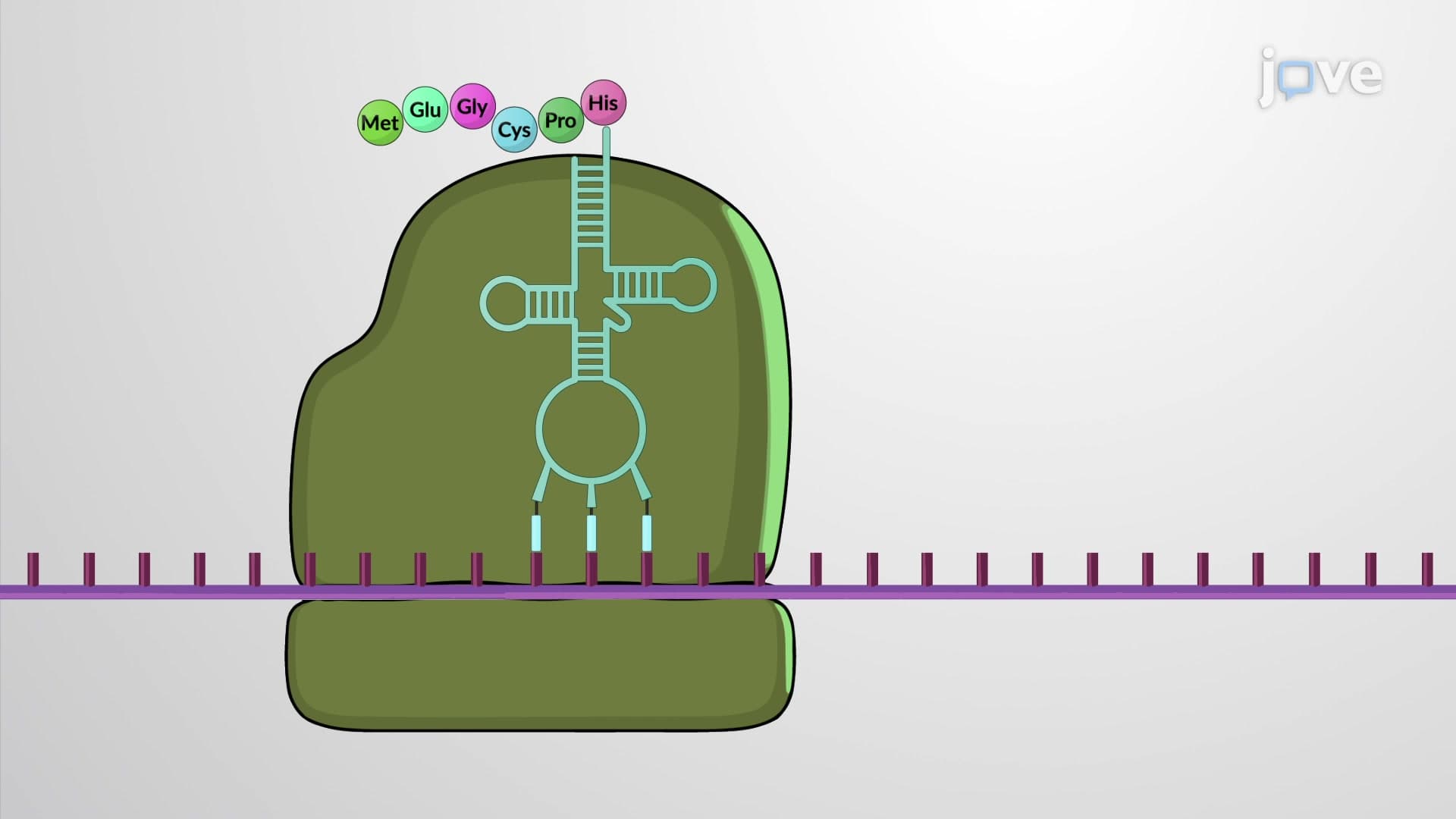
Nucleic acid information storage operates through precise base sequences that encode genetic instructions. Genetic nucleic acid function extends beyond simple storage to include gene expression regulation, protein synthesis, and cellular metabolism control. RNA's ability to form complex secondary structures enables diverse functions, from catalyzing reactions (ribozymes) to regulating gene expression (microRNA).
Students preparing for college entrance exams like the SAT Subject Test in Biology benefit from understanding these practical applications, as questions often connect molecular structure to cellular function in real-world scenarios.
Frequently Asked Questions
Nucleic acids are large biomolecules that store and transmit genetic information in all living organisms. They consist of two main types: DNA, which stores hereditary information in cell nuclei, and RNA, which helps translate that information into proteins. These molecules are essential because they control every aspect of cellular function, from growth and reproduction to metabolism and response to environmental changes.
AP Biology frequently tests nucleic acid structure, base pairing rules, and DNA replication mechanisms. Students should expect multiple-choice questions about complementary base pairing and free-response questions requiring explanation of transcription and translation processes. The exam often includes data analysis problems involving DNA sequences or RNA secondary structures.
The MCAT emphasizes structural differences: DNA has deoxyribose sugar and thymine, while RNA has ribose sugar and uracil instead of thymine. DNA is typically double-stranded and more stable, serving as permanent genetic storage, whereas RNA is usually single-stranded and more reactive, functioning in protein synthesis and gene regulation. Understanding these differences is crucial for biochemistry and molecular biology passages.
The FBI's Combined DNA Index System (CODIS) analyzes specific DNA regions called Short Tandem Repeats (STRs) to create unique genetic profiles. Forensic laboratories compare DNA evidence from crime scenes to databases containing millions of profiles, helping solve cold cases and identify suspects. This application demonstrates how understanding nucleic acid structure directly impacts criminal justice and public safety.
Basic high school chemistry concepts like hydrogen bonding and molecular polarity provide sufficient background for understanding nucleic acids. While advanced organic chemistry helps with detailed mechanisms, introductory biology courses focus on structure-function relationships that don't require extensive chemical knowledge. Most students successfully master these concepts with consistent practice and visual aids.
Use mnemonics like "Apple Tree" for A-T pairing and "Car Garage" for G-C pairing in DNA. Remember that RNA substitutes uracil for thymine, so adenine pairs with uracil in RNA. Practice drawing base pair structures and hydrogen bonding patterns repeatedly. Creating flashcards with base pair drawings on one side and hydrogen bond numbers on the other reinforces both visual and numerical memory.
Progress to DNA replication, transcription, and translation mechanisms to understand how genetic information becomes functional proteins. Explore gene regulation, including promoters, enhancers, and epigenetic modifications. Advanced students can investigate recombinant DNA technology, CRISPR gene editing, and genomics applications in personalized medicine, building on foundational nucleic acid knowledge.
Related Micro-courses
12 Concepts

7 Concepts
10 Concepts