Loading subject page…


797,515 views

Video Summary: Acids Bases and Neutralization Reactions Explained
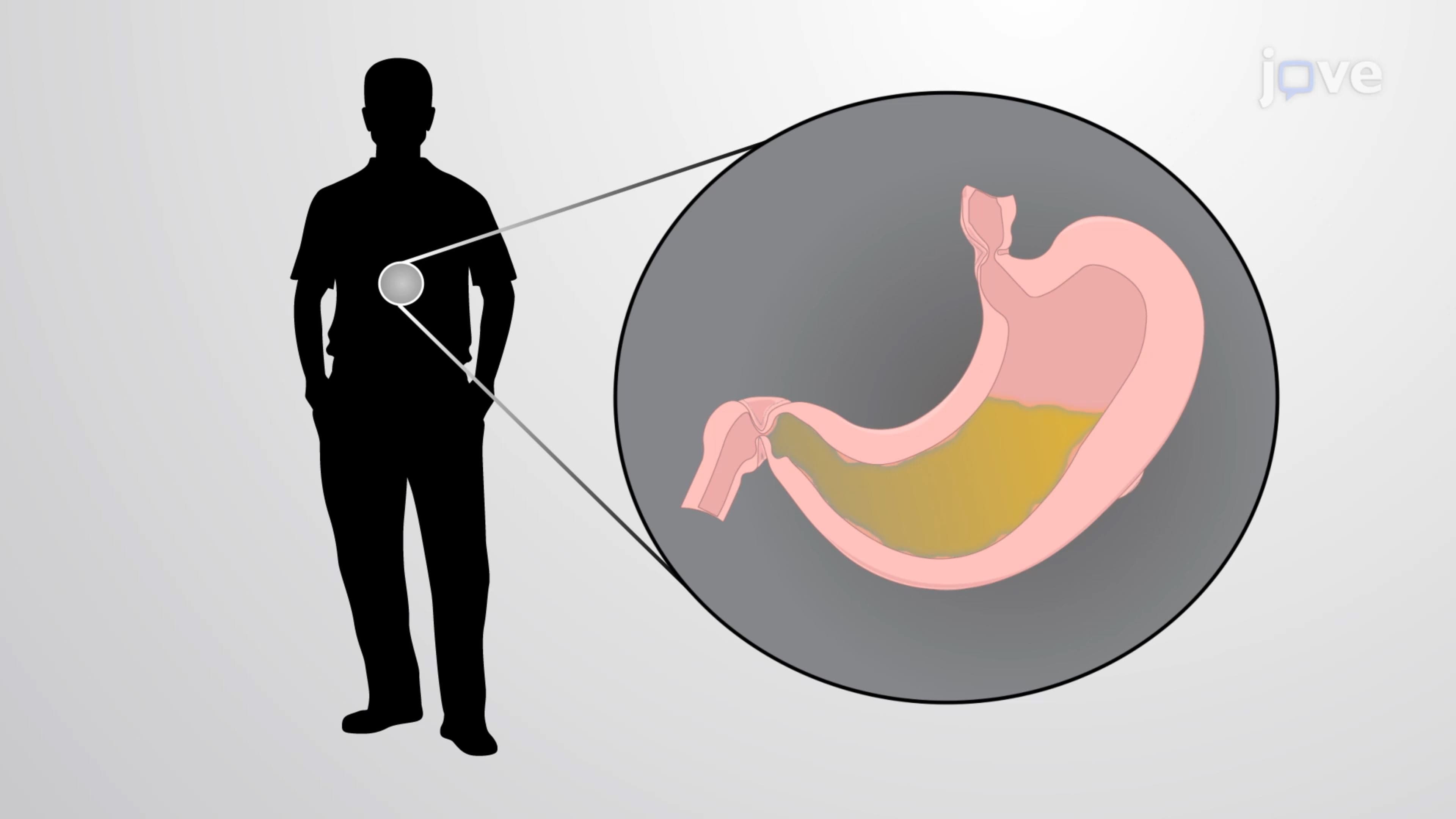
Ever wonder why Tums relieves heartburn so effectively? Acids bases and neutralization reactions occur constantly in your body and throughout chemistry. When stomach acid (HCl) causes discomfort, antacids like calcium carbonate neutralize the excess acidity through a classic acid-base reaction. This fundamental process involves proton transfer between acids (proton donors) and bases (proton acceptors), forming water and salts. Understanding acids bases and neutralization reactions explained helps explain everything from digestion to industrial processes. Watch the full video on JoVE Coach to master this concept with expert-led visuals and step-by-step explanations.
Acids bases and neutralization reactions form the cornerstone of general chemistry, appearing extensively on AP Chemistry exams and college coursework. These reactions involve the transfer of protons (H+ ions) between substances, creating predictable products that follow specific stoichiometric patterns.
Acids release hydrogen ions when dissolved in water, with the strength depending on dissociation completeness. Monoprotic acids like HCl and HNO3 release one proton per molecule, while polyprotic acids like H2SO4 (diprotic) and H3PO4 (triprotic) release multiple protons sequentially. This classification proves crucial for AP Chemistry free-response questions involving titration calculations.
Strong acids like hydrochloric acid dissociate completely in water, while weak acids like acetic acid (found in vinegar) only partially dissociate. Understanding this distinction helps explain why different acids have varying pH levels and neutralization capacities-concepts frequently tested on the MCAT's Chemical and Physical Foundations section.
Bases increase hydroxide ion concentration through two primary mechanisms. Arrhenius bases like NaOH directly release OH- ions, while Brønsted-Lowry bases like ammonia accept protons from water molecules. This dual definition explains why household ammonia effectively neutralizes acids despite containing no hydroxyl groups initially.
The neutralization salt water formation follows predictable patterns: acid + base → salt + water. For example, HCl + NaOH → NaCl + H2O. College students must master these stoichiometric relationships for quantitative analysis problems, particularly in analytical chemistry courses.
pH acid base reaction concepts explain numerous biological processes. Human blood maintains a narrow pH range (7.35-7.45) through carbonic acid-bicarbonate buffer systems. When blood becomes too acidic, bicarbonate ions neutralize excess hydrogen ions, preventing dangerous pH shifts that could disrupt enzyme function.
Industrial applications include wastewater treatment, where facilities use lime (calcium hydroxide) to neutralize acidic effluents before discharge. Understanding these acid base reaction types helps environmental science students analyze pollution control strategies and regulatory compliance requirements for US industries.
Related Micro-courses