Loading video…


 13 Concepts
 797.5K views

Video Summary: What are General Properties of Solutions
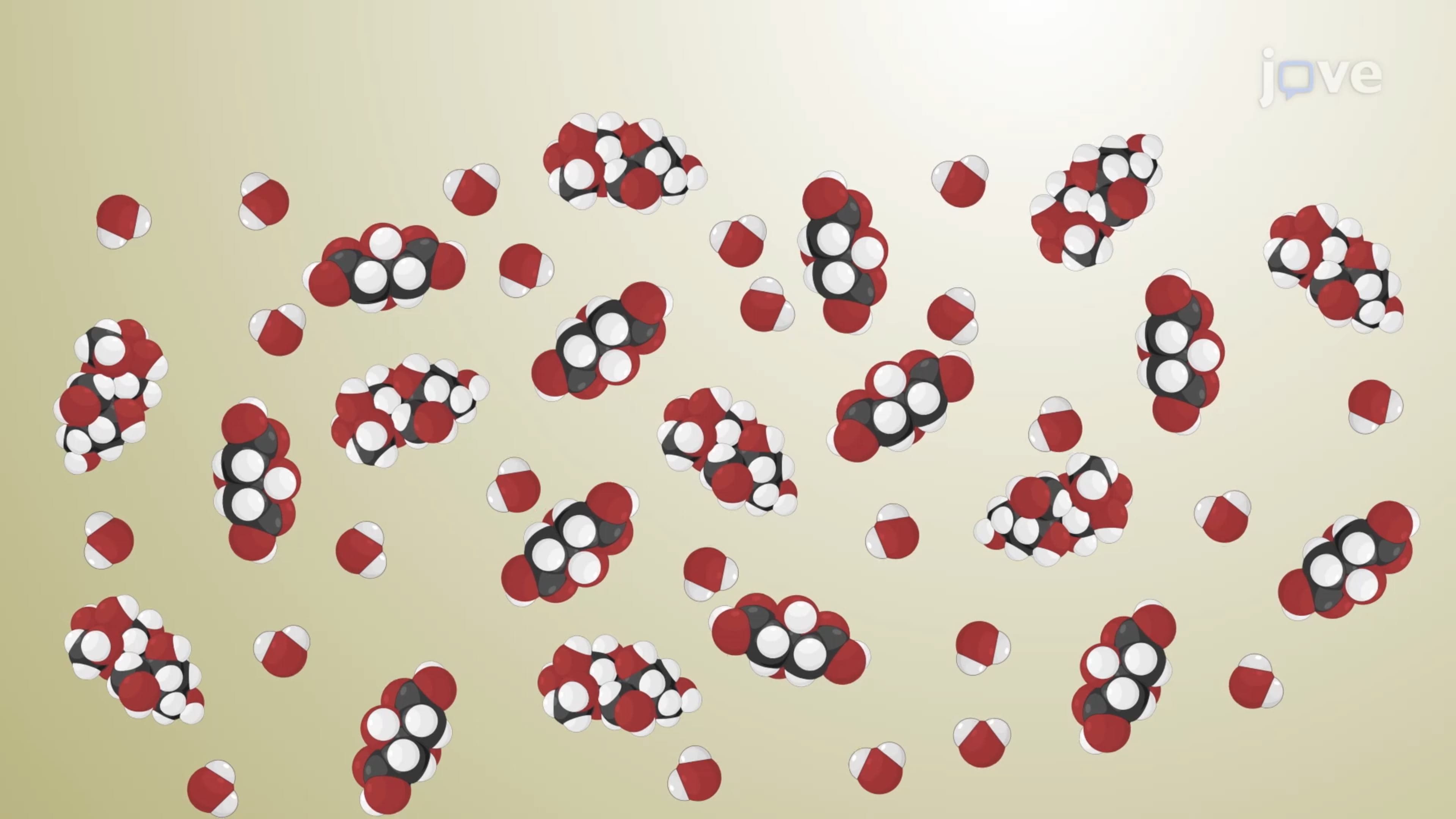
Why does salt disappear when you stir it into water, but sand doesn't? Understanding the general properties of solutions explains this everyday phenomenon that occurs in everything from sports drinks to IV fluids in hospitals. Solutions are homogeneous mixtures where one substance (the solute) dissolves completely into another (the solvent), creating a uniform composition throughout. A perfect example is saline solution used in US medical facilities, where salt dissolves uniformly in water. Watch the full video on JoVE Coach to master this concept with expert-led visuals and step-by-step explanations.
The general properties of solutions form the foundation for understanding countless processes in chemistry, biology, and everyday life. Solutions represent a special category of homogeneous mixtures where complete uniformity exists at the molecular level. Unlike heterogeneous mixtures such as oil and water, solutions exhibit identical composition and properties throughout their entire volume.
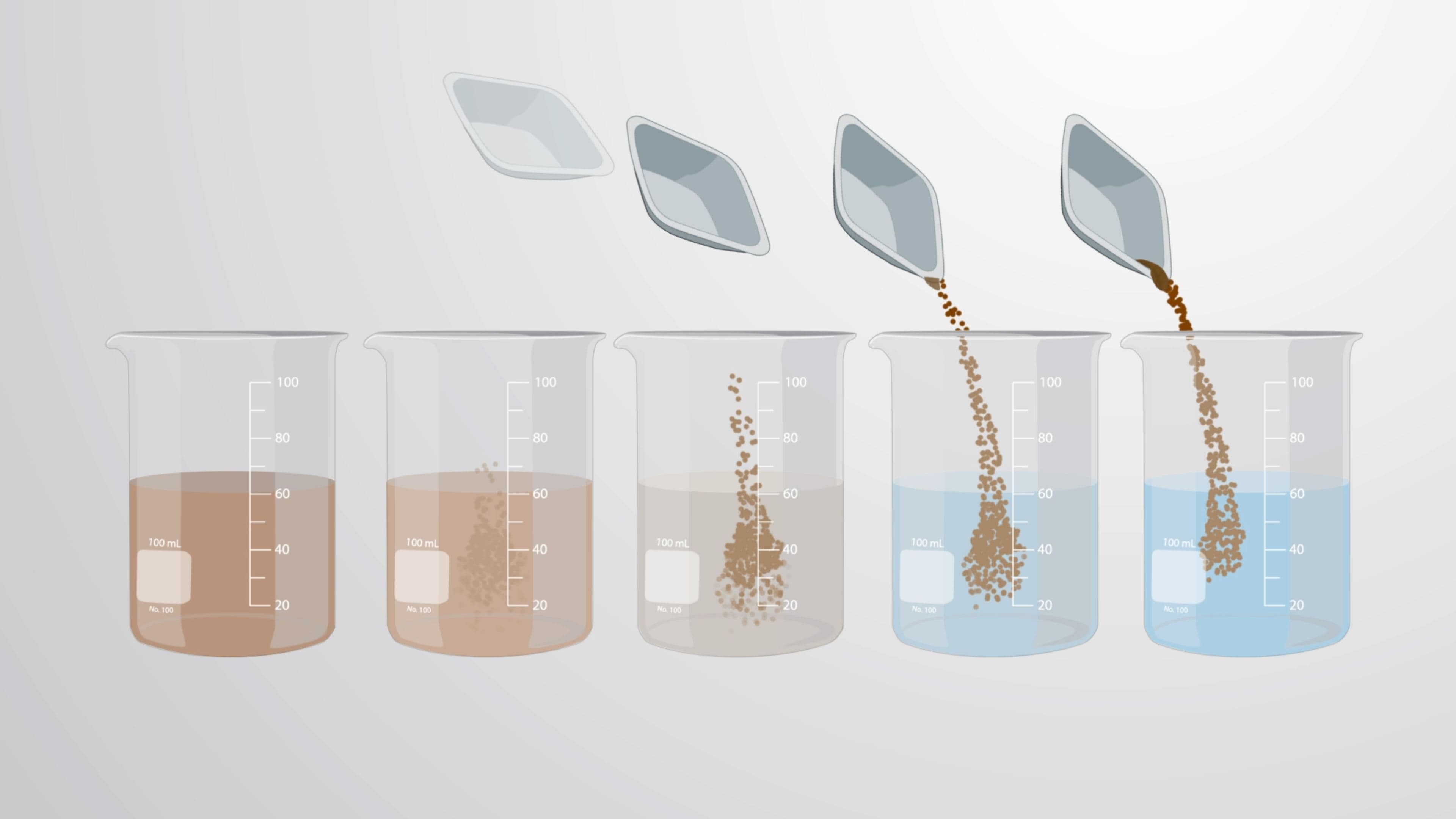
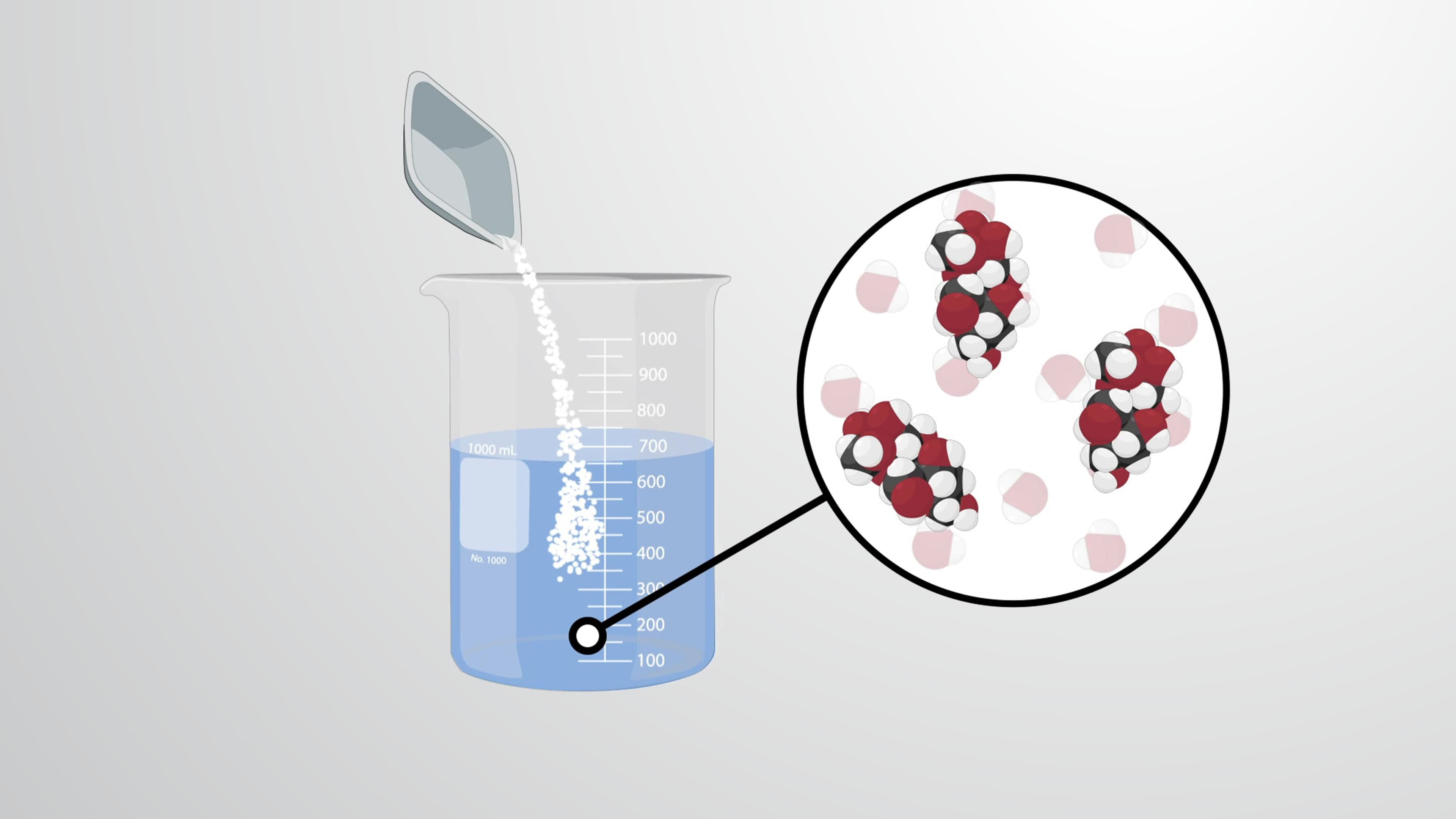
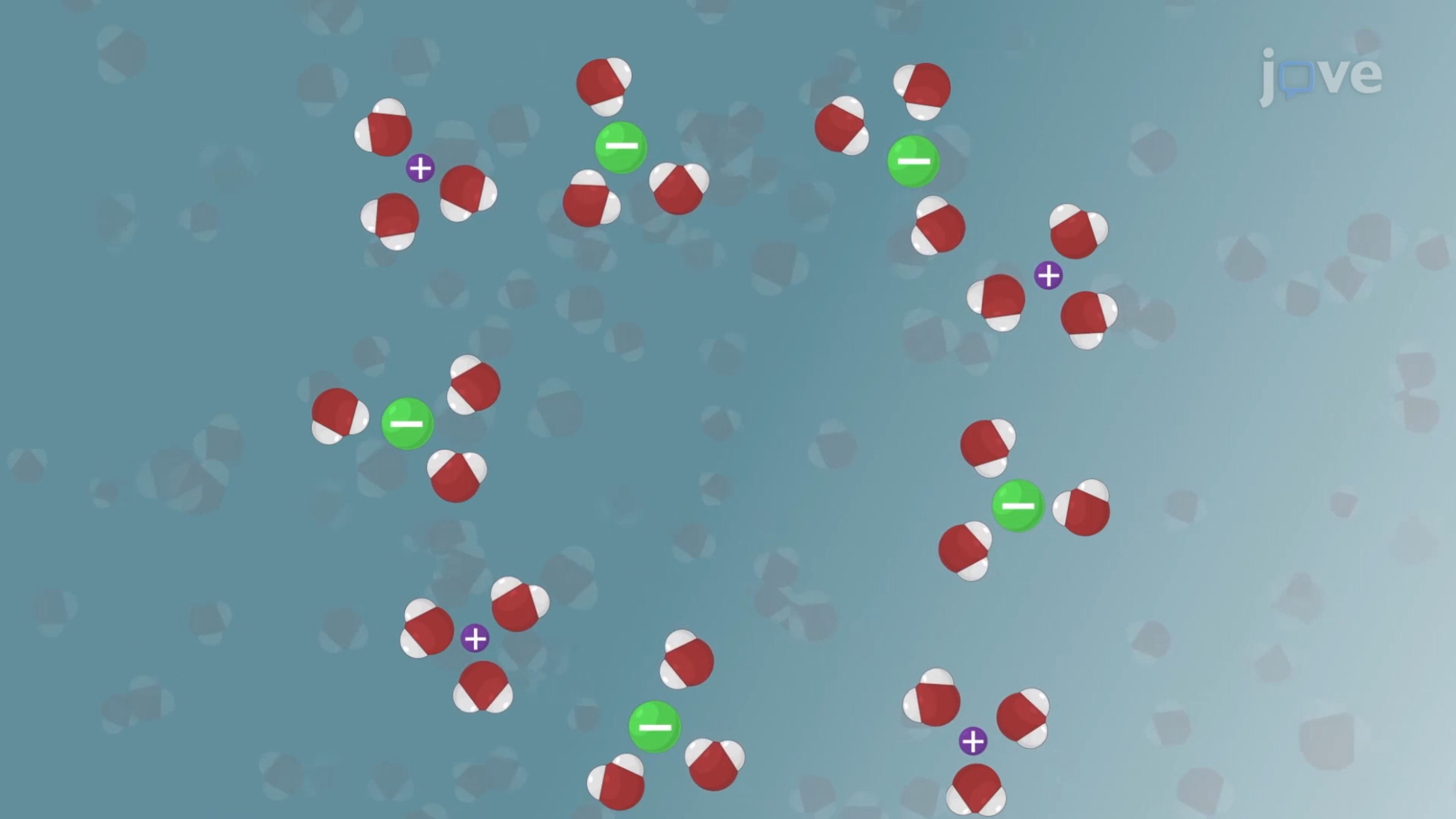
Solutions consist of two primary components: the solute (substance being dissolved) and the solvent (substance doing the dissolving). The solvent always predominates by quantity, typically comprising 50% or more of the solution. In aqueous solutions-those using water as the solvent-water molecules surround and interact with solute particles through the process of hydration. This explains why table salt (sodium chloride) dissolves readily in water to create the saline solutions used in US hospitals, while substances like oil cannot form true solutions with water.
The versatility of solutions becomes apparent when considering state combinations. Solid solutes can dissolve in liquid solvents (sugar in coffee), gases can dissolve in liquids (carbon dioxide in soda), and even solids can dissolve in other solids (metal alloys like brass). Regardless of the original states of the components, the final solution always matches the solvent's state and exists as a single phase.
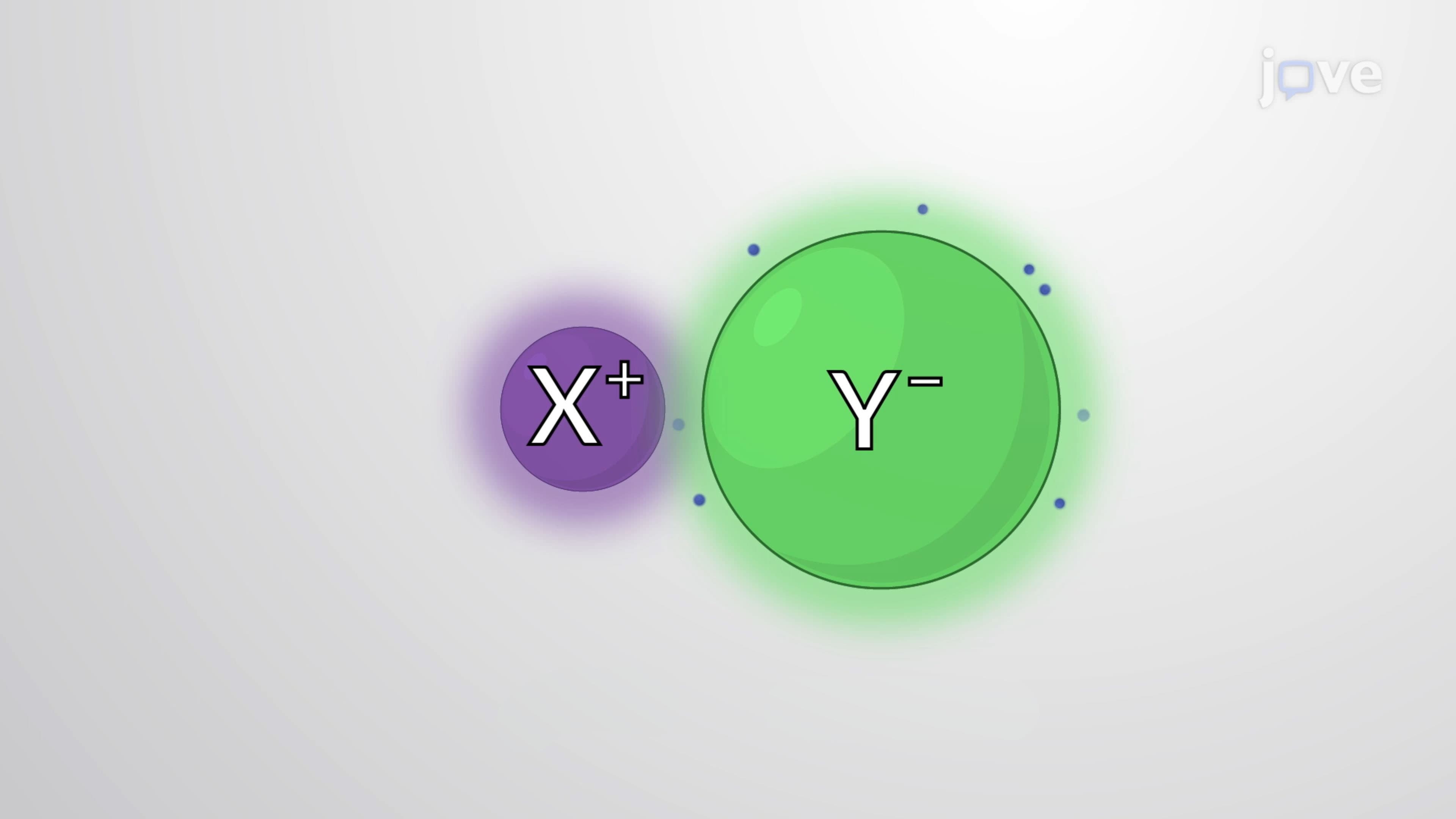
A critical distinction separates solution formation from chemical reactions. When substances dissolve, they retain their chemical identity while being physically redistributed among solvent molecules. Solvation-the general term for solute-solvent interactions-involves attractive forces rather than chemical bond formation. This explains why dissolved salt can be recovered by evaporating water, demonstrating the reversible nature of most solution processes.
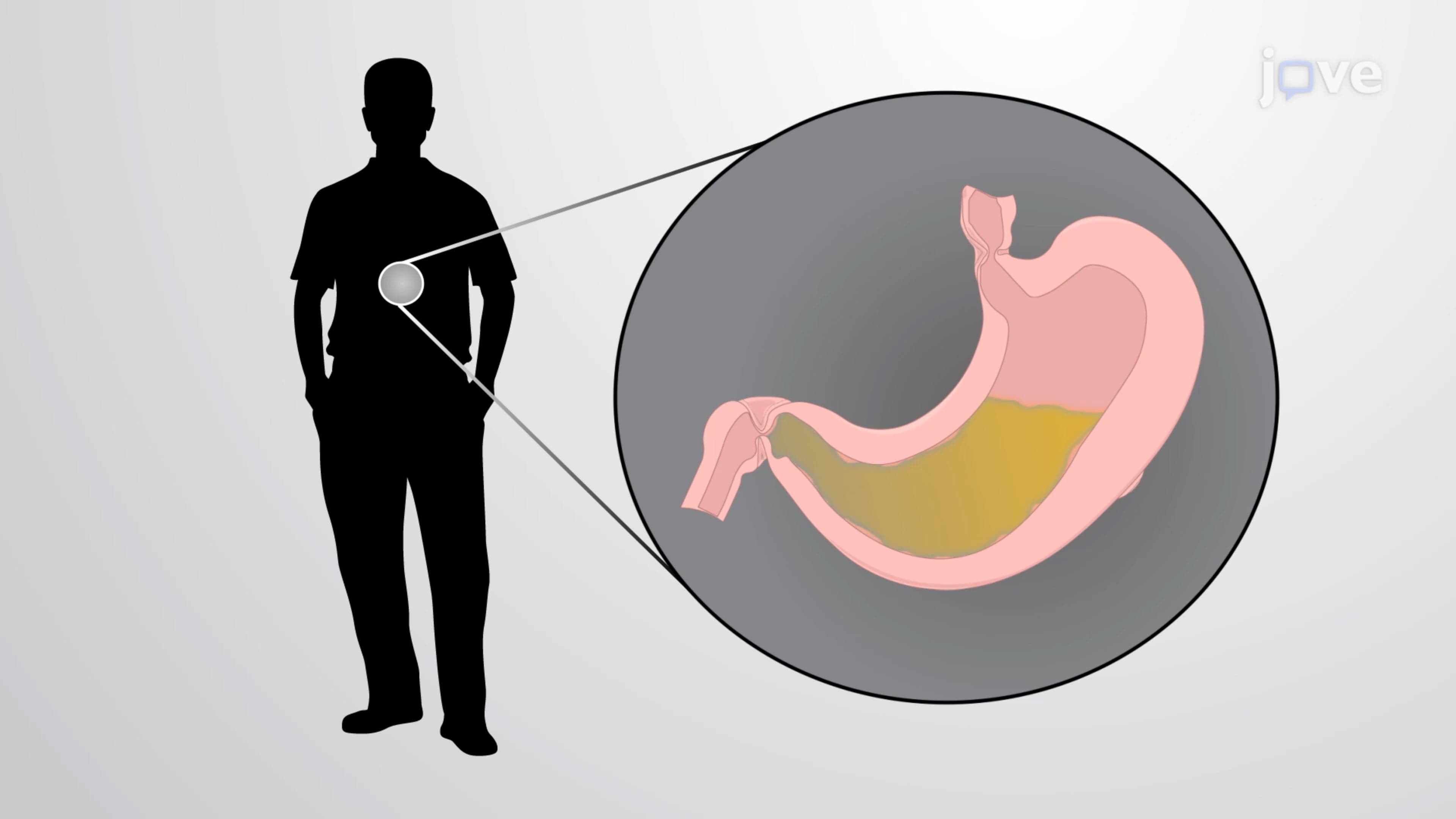
These principles appear regularly on standardized exams including AP Chemistry, MCAT, and college chemistry courses. Students often encounter solution problems involving concentration calculations, solubility predictions, and phase behavior analysis. In clinical settings, understanding solution properties proves essential for preparing IV fluids, medications, and diagnostic reagents used throughout the US healthcare system.
Related Micro-courses