Loading video…


 13 Concepts
 797.5K views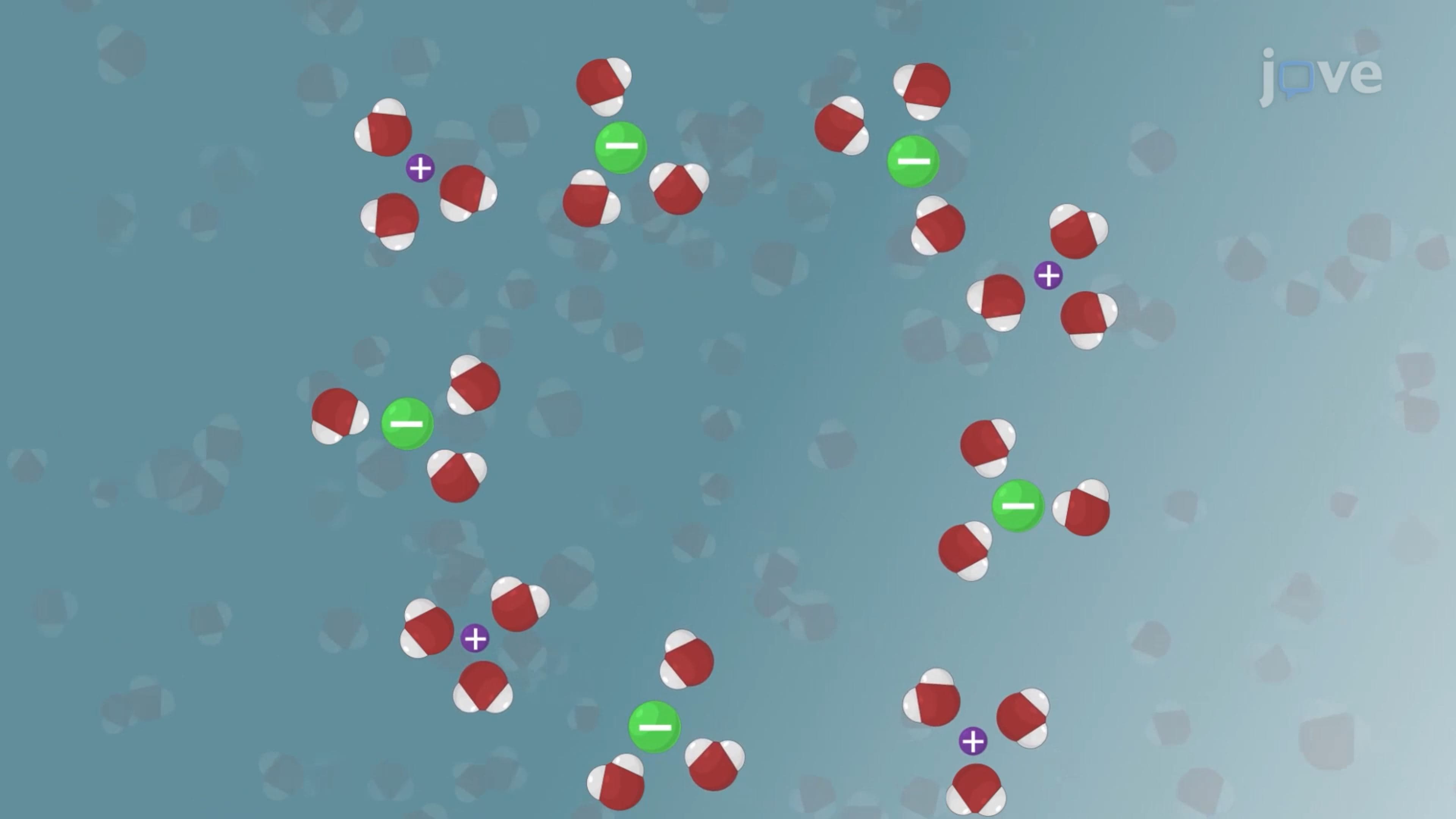

Video Summary: What Is Precipitation Reactions
Ever wonder why mixing two clear solutions sometimes creates a cloudy white solid, like when silver jewelry tarnishes in contact with certain chemicals? Precipitation reactions occur when two water-soluble ionic compounds combine to form an insoluble product that separates from solution. A classic example is mixing sodium chloride and silver nitrate solutions in US chemistry labs, producing solid silver chloride precipitate. Watch the full video on JoVE Coach to master this concept with expert-led visuals and step-by-step explanations.
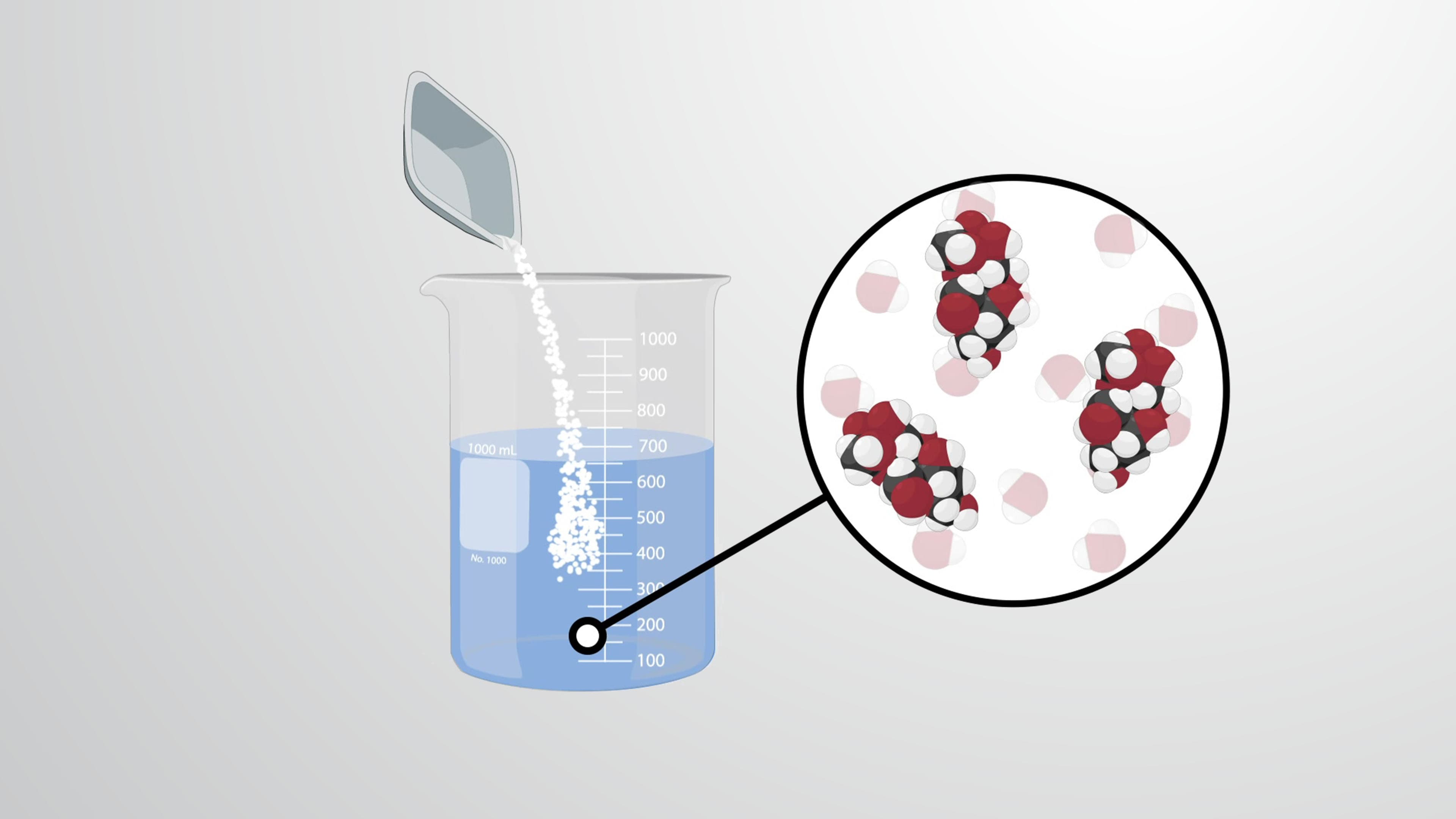
Precipitation reactions represent a fundamental class of chemical processes where mixing two aqueous solutions of ionic compounds results in the formation of an insoluble solid product. This solid, called a precipitate, separates from the solution and can be physically collected through filtration or decantation.
The driving force behind precipitation reactions lies in the concept of selective solubility. When two ionic compounds dissolve in water, they dissociate completely into their constituent ions. These ions exist freely in solution until conditions favor the formation of a new, less soluble compound. The process follows solubility rules-empirical guidelines that help predict which ionic compounds will dissolve in water and which will precipitate.
For US students preparing for AP Chemistry or college general chemistry courses, mastering solubility rules is crucial. Key patterns include: all nitrates are soluble, most chlorides are soluble except for silver and lead compounds, and most sulfates are soluble except for barium, strontium, and lead compounds. These rules appear frequently on standardized tests and determine precipitation outcomes.
Precipitation reactions typically follow a double displacement pattern, also known as salt metathesis. In this process, the positive and negative ions from two reactant compounds "swap partners" to form two new products. The reaction proceeds when one of these new products has limited water solubility, driving the equilibrium toward precipitate formation.
Consider the classic laboratory demonstration used in US high schools: mixing sodium chloride (NaCl) and silver nitrate (AgNO3) solutions. The sodium ions pair with nitrate ions to form soluble sodium nitrate, while silver ions combine with chloride ions to produce insoluble silver chloride precipitate. This reaction is represented as: NaCl(aq) + AgNO3(aq) → NaNO3(aq) + AgCl(s).
Precipitation reactions have substantial practical applications in US industries. Water treatment facilities use precipitation to remove heavy metal contaminants by converting them to insoluble compounds. The pharmaceutical industry employs controlled precipitation for drug purification and crystallization. In environmental chemistry, precipitation helps remediate contaminated groundwater by sequestering toxic metal ions as stable, insoluble compounds.
Understanding precipitation reactions also proves essential for pre-med students preparing for the MCAT, where these concepts appear in general chemistry and chemical processes sections. The ability to predict reaction outcomes and write balanced equations demonstrates critical thinking skills valued in medical and scientific careers.
Related Micro-courses