Loading subject page…


797,515 views

Video Summary: What Is Solution Concentration and Dilution
Did you know that the IV drips used in US hospitals rely on precise solution concentration and dilution calculations to deliver life-saving medications? Understanding solution concentration and dilution is fundamental to chemistry, where molarity serves as the bridge between the amount of dissolved substance and solution volume. From preparing laboratory reagents to formulating pharmaceutical doses, these concepts govern countless real-world applications in medicine, research, and industry. Watch the full video on JoVE Coach to master this concept with expert-led visuals and step-by-step explanations.
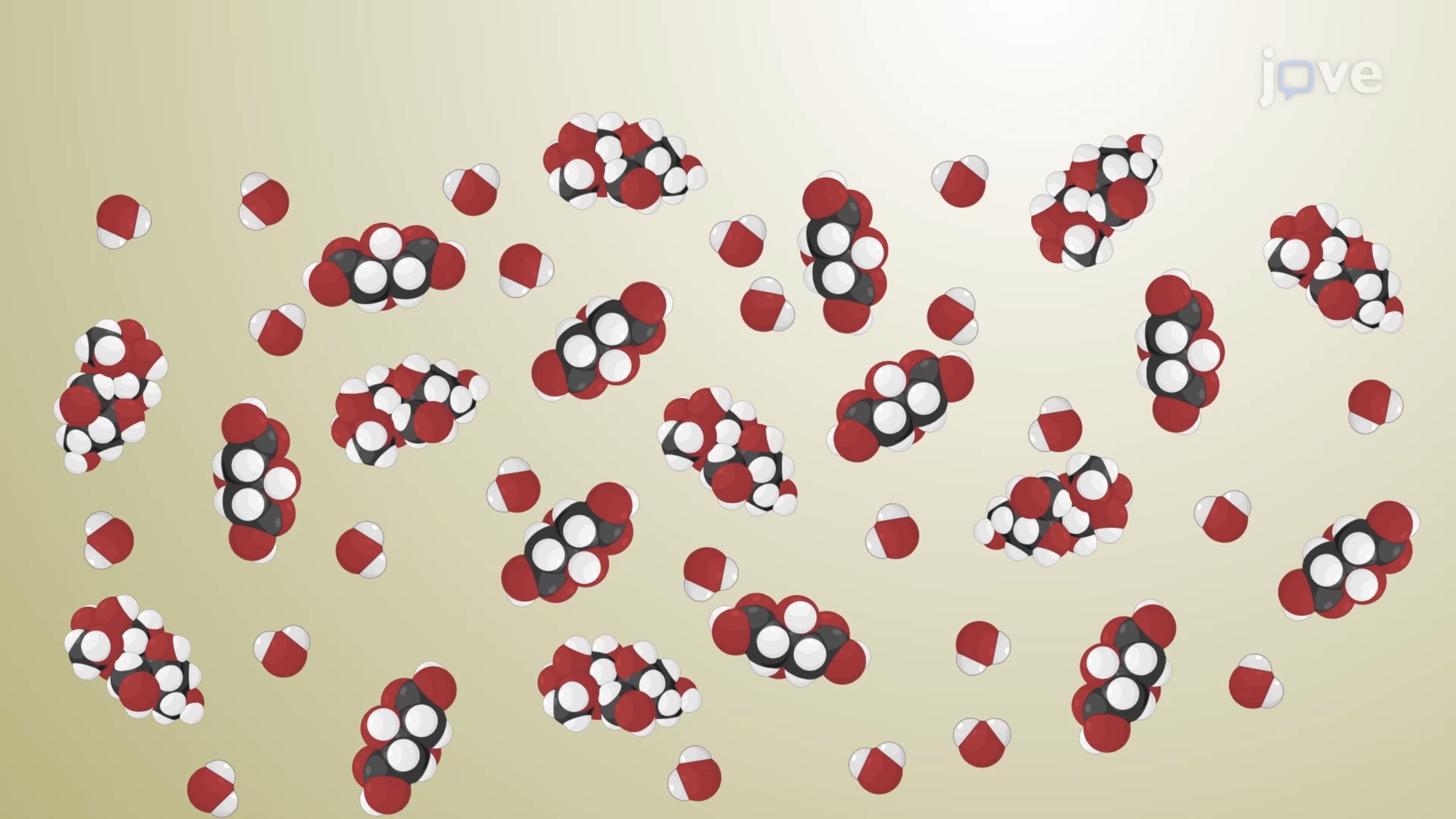
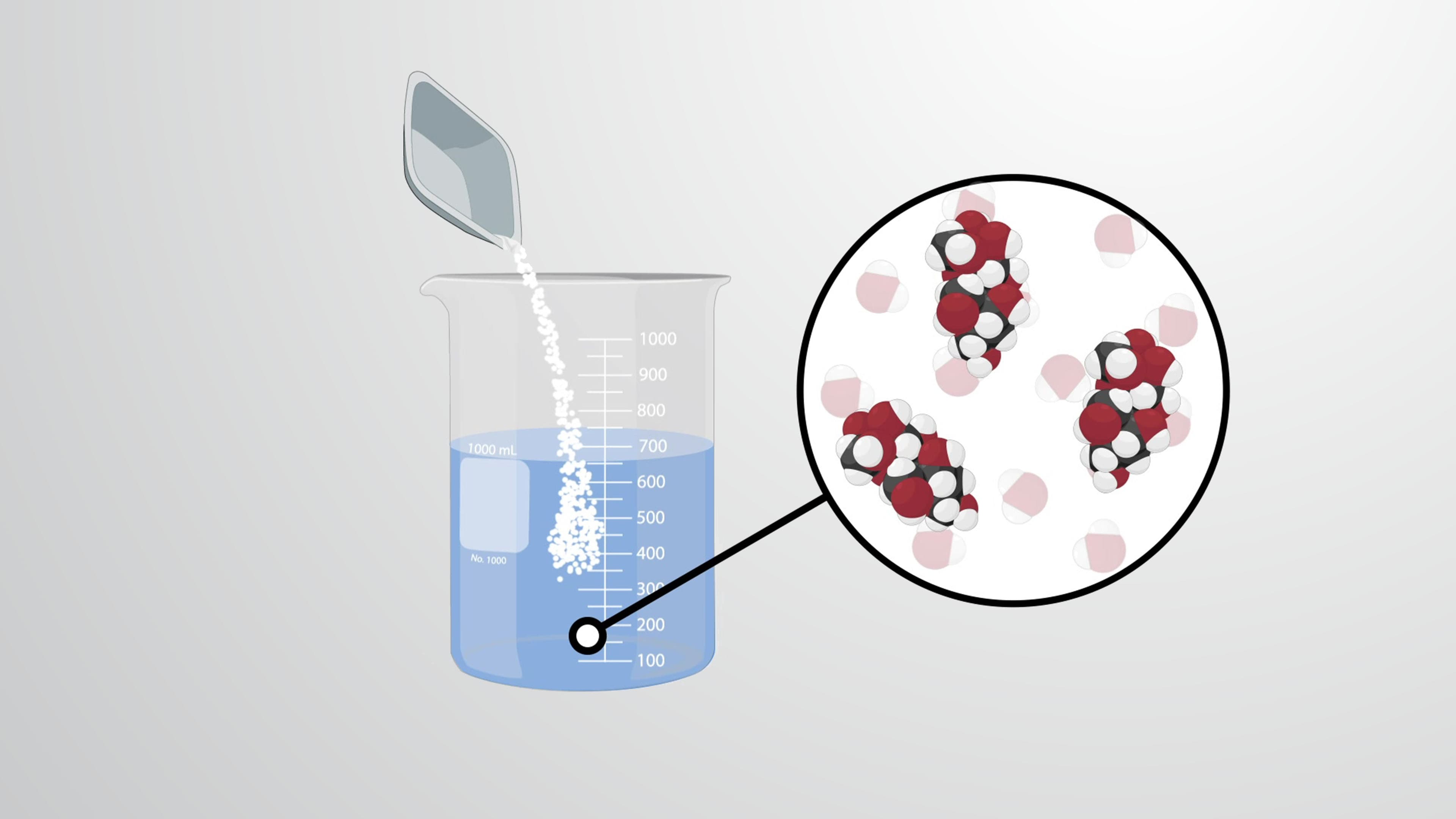
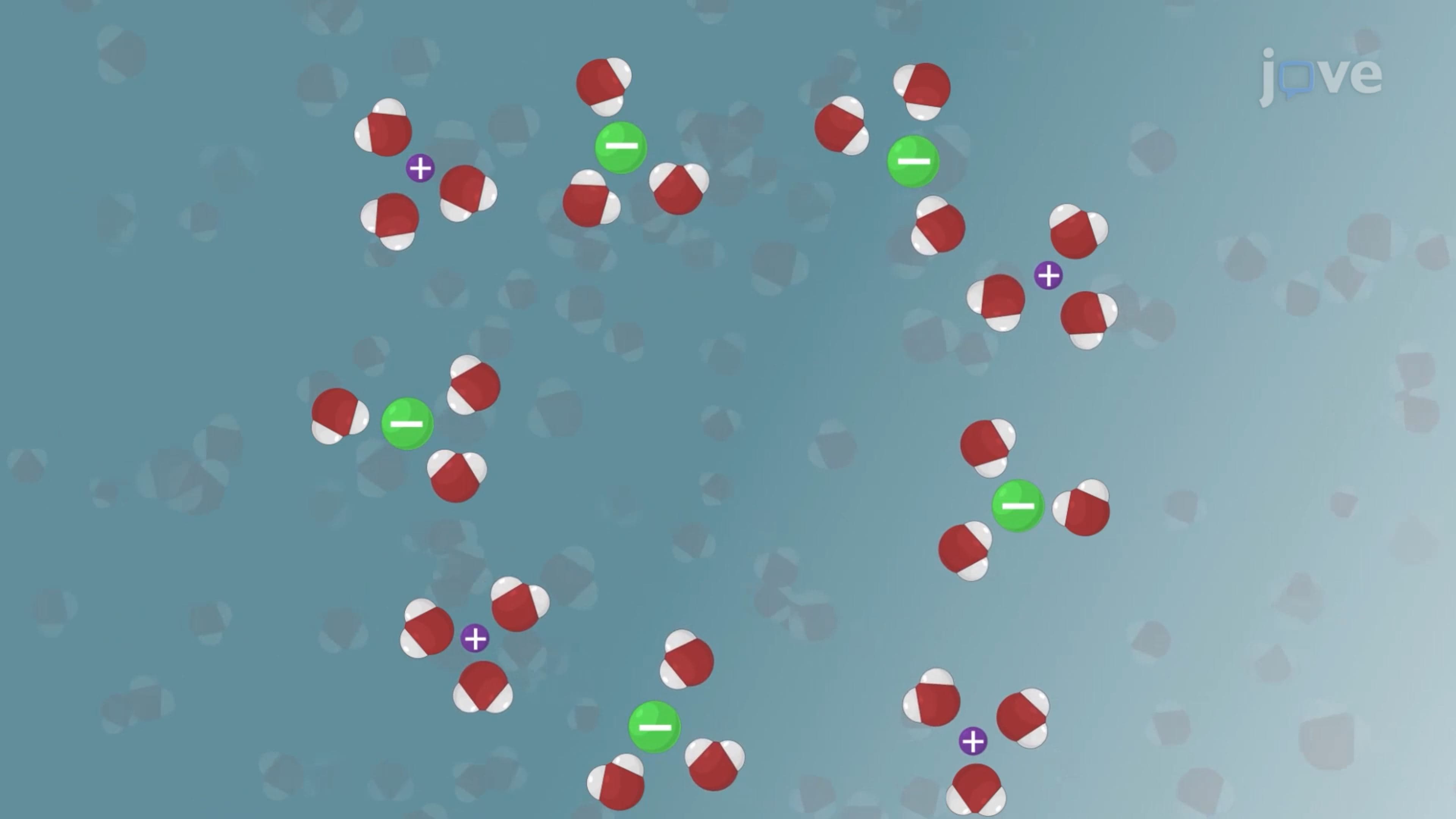
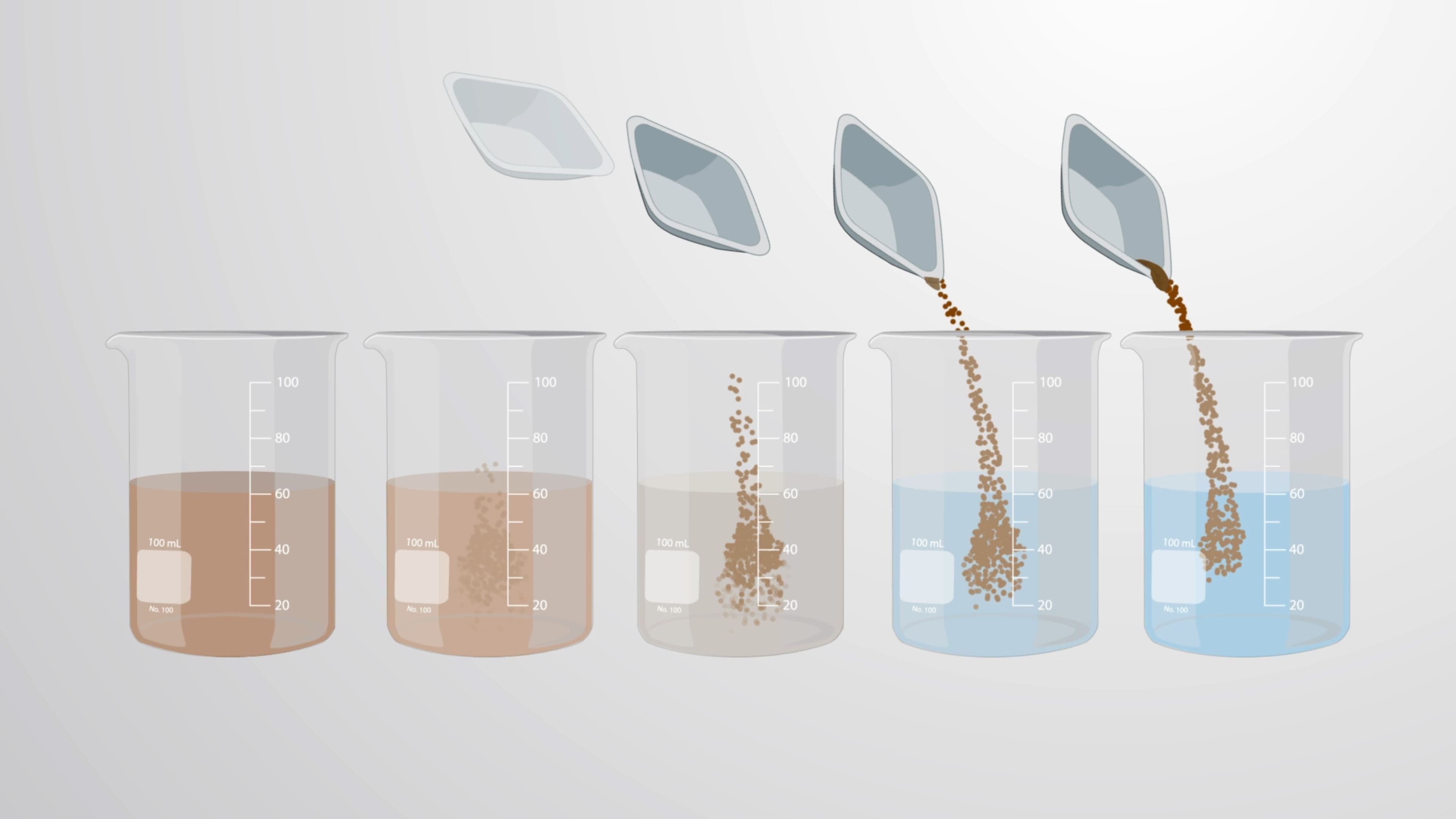
Solution concentration and dilution represents one of chemistry's most practical and widely-applied concepts. At its core, concentration describes how much solute (dissolved substance) exists within a given amount of solution. Think of it like describing the "strength" of your morning coffee, more coffee grounds in the same amount of water creates a stronger, more concentrated brew.
Molarity serves as chemistry's standard unit for expressing concentration, defined as moles of solute per liter of solution. This measurement proves crucial because it directly relates to the number of particles available for chemical reactions. US medical schools emphasize molarity heavily in biochemistry courses, while AP Chemistry students encounter it as a fundamental calculation skill.
When preparing solutions in laboratory settings, chemists use the relationship M = n/V, where M represents molarity, n equals moles of solute, and V represents solution volume in liters. This formula appears frequently on MCAT practice exams and college chemistry midterms.
Consider preparing solutions for a research laboratory at Johns Hopkins University. To create 500 mL of 0.1 M sodium chloride solution, you'd need 0.05 moles of NaCl (0.1 M × 0.5 L = 0.05 mol). Converting to grams using NaCl's molar mass (58.44 g/mol) yields approximately 2.92 grams of salt dissolved in enough water to make exactly 500 mL of final solution.
Dilution involves adding solvent to decrease solution concentration while maintaining constant solute moles. The dilution equation M₁V₁ = M₂V₂ becomes invaluable for calculating required volumes when preparing solutions from concentrated stock solutions.
Pharmaceutical companies routinely use dilution principles when formulating medications. A concentrated drug solution might be diluted to create various dosage strengths for different patient populations. Similarly, clinical laboratories dilute patient blood samples to bring analyte concentrations within instrument detection ranges.
Understanding solution concentration proves essential across numerous US industries. Hospital pharmacists calculate IV fluid concentrations, ensuring patients receive precise medication doses. Environmental scientists measure pollutant concentrations in water samples, while food scientists determine vitamin concentrations in fortified products.
College students preparing for healthcare careers encounter these calculations in prerequisite chemistry courses. The HESI A2 nursing entrance exam regularly tests dilution problems, while MCAT preparation requires mastery of concentration calculations for biological systems.
Related Micro-courses