Loading video…


 13 Concepts
 797.5K views

Video Summary: What Is Synthesis and Decomposition Reactions
Ever wonder why the Statue of Liberty turned green over time? Synthesis and decomposition reactions explain this oxidation process and countless other chemical transformations around us. These fundamental reaction types involve either combining simpler substances into complex products or breaking down complex compounds into simpler components. From the rusting of steel bridges across America to the digestion of food in our bodies, what is synthesis and decomposition reactions becomes clearer through everyday examples. Watch the full video on JoVE Coach to master this concept with expert-led visuals and step-by-step explanations.
Synthesis and decomposition reactions represent two of the most fundamental types of chemical transformations in chemistry. These reactions are mirror images of each other, involving the formation or breaking of chemical bonds through electron transfer processes. Understanding these reactions is crucial for success in AP Chemistry, college general chemistry courses, and standardized tests like the MCAT.
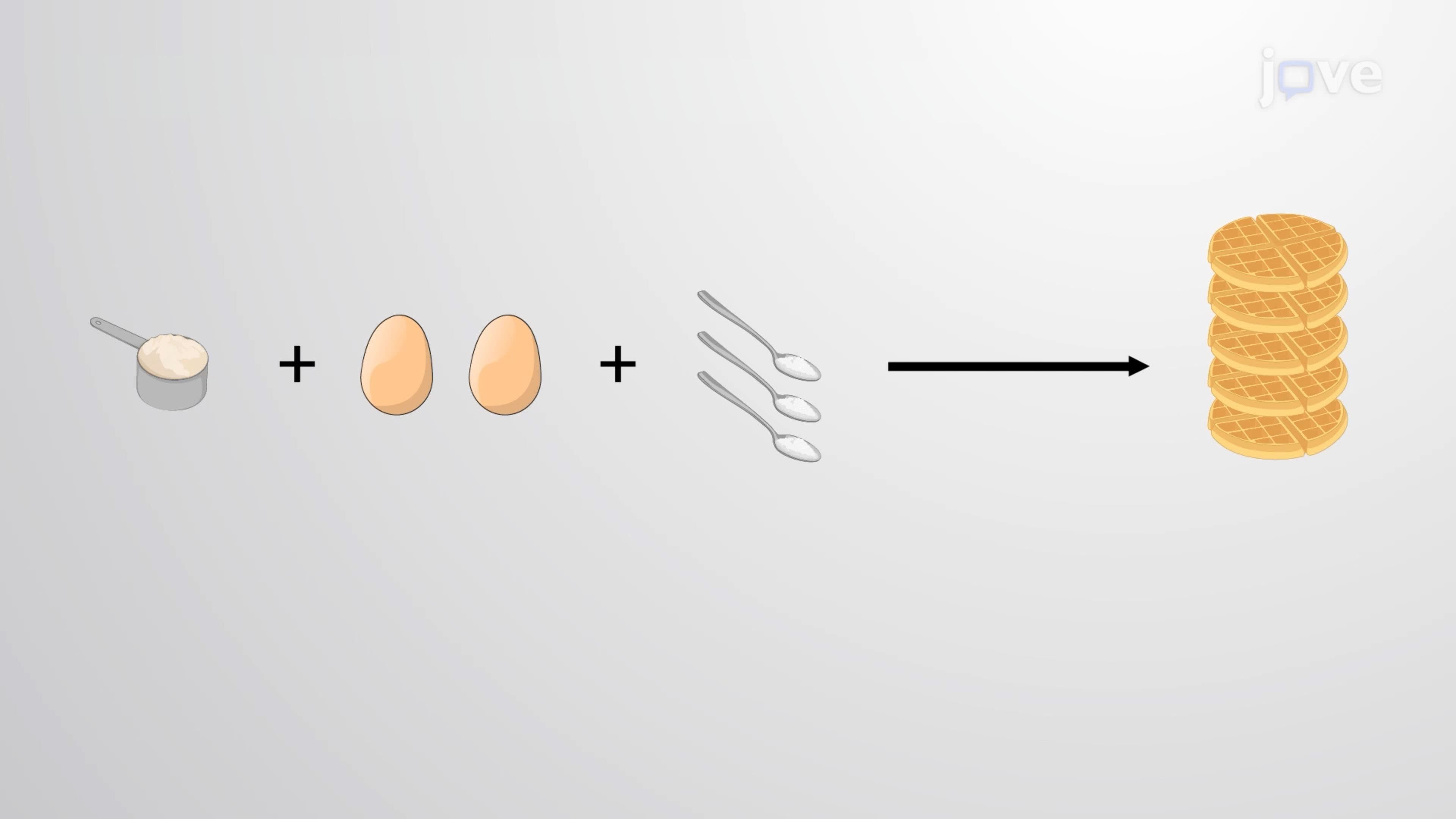
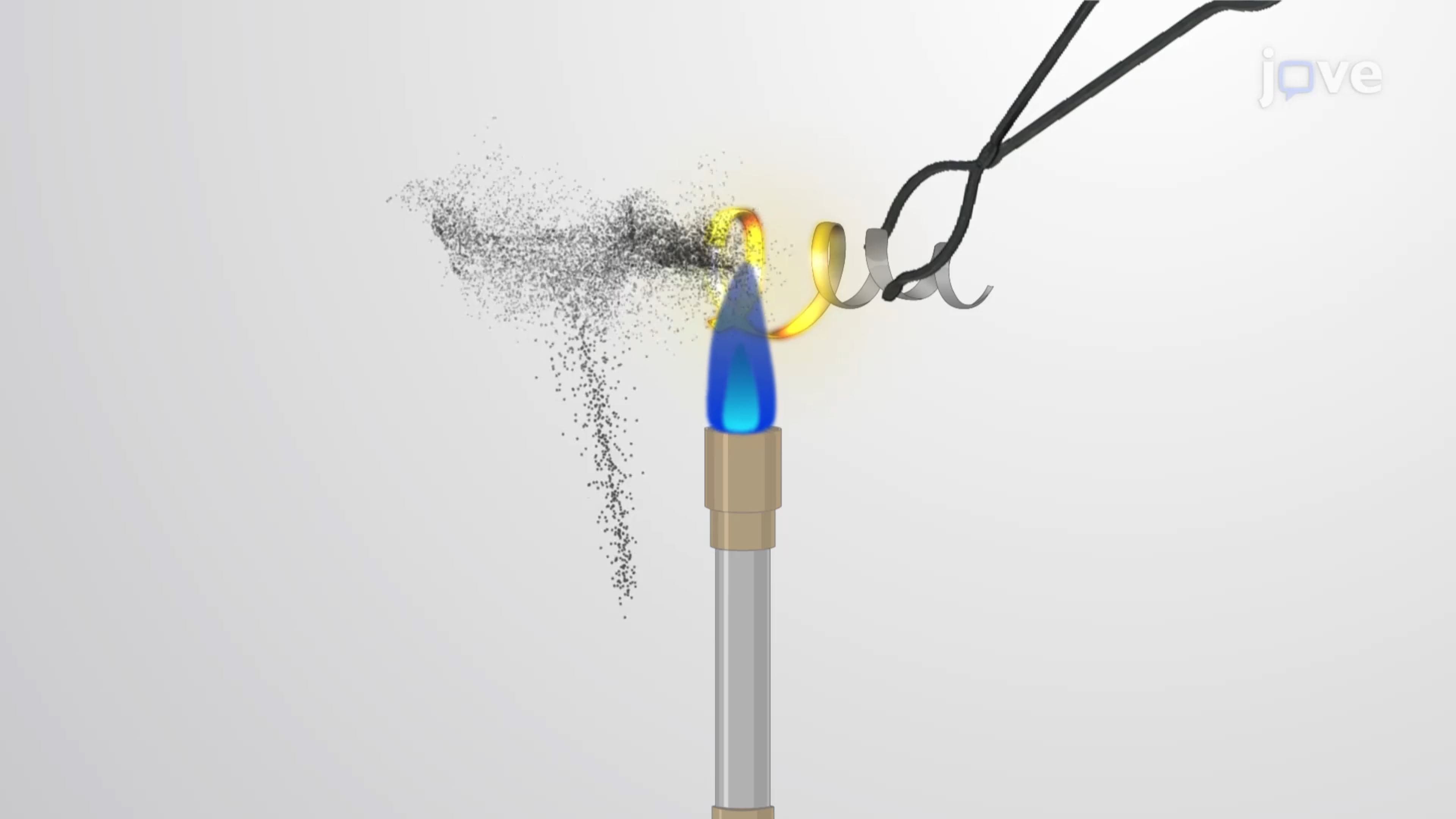
Synthesis reactions, also known as combination reactions, follow the general pattern A + B → AB. Multiple reactants combine to form a single, more complex product. These reactions typically release energy (exothermic) and often involve the reduction of one reactant and oxidation of another.
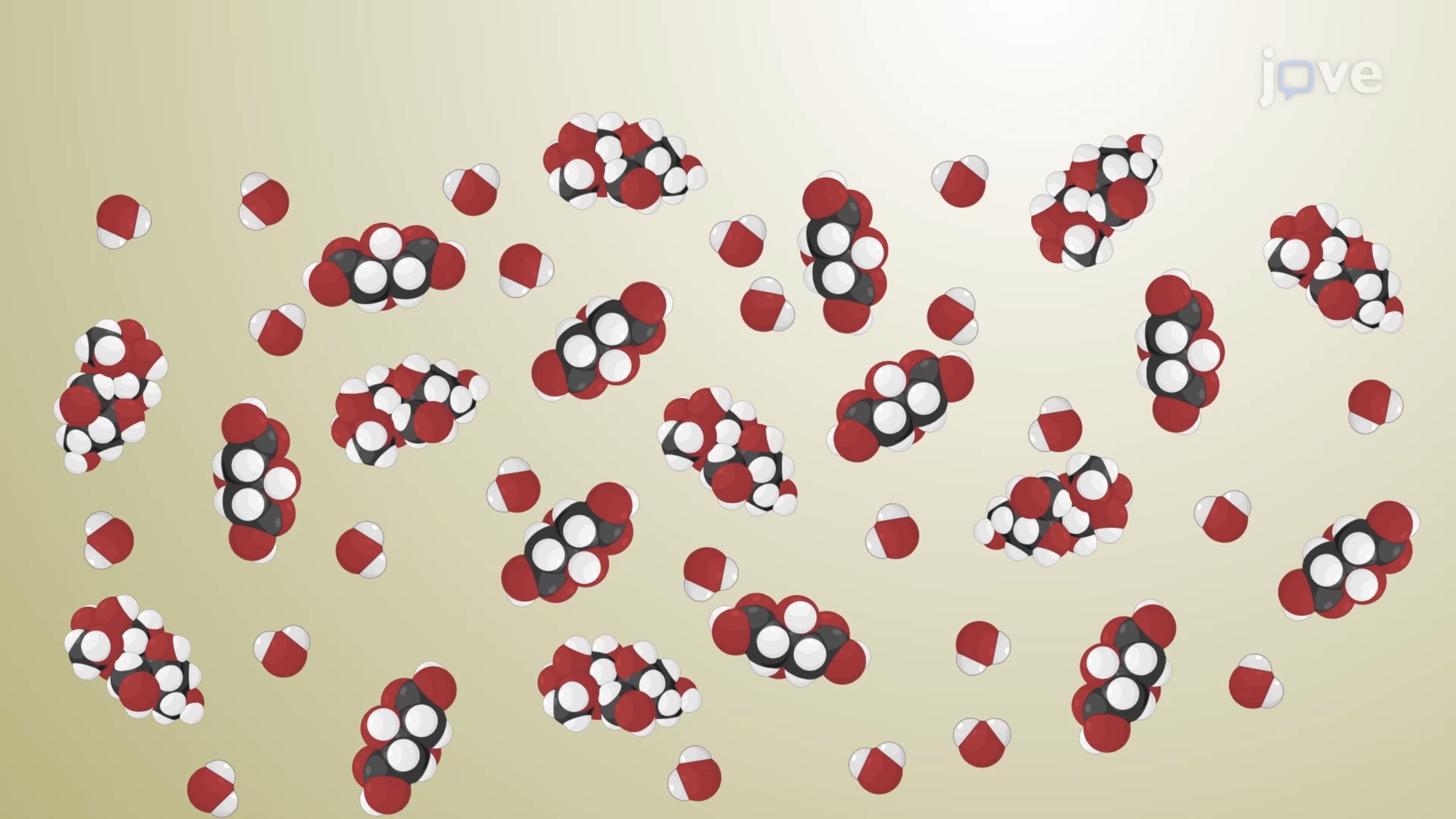
Classic examples include the formation of water from hydrogen and oxygen gases (2H₂ + O₂ → 2H₂O), which powers fuel cells in NASA spacecraft, and the industrial synthesis of ammonia via the Haber process (N₂ + 3H₂ → 2NH₃), crucial for fertilizer production across American farms. In biological systems, protein synthesis combines amino acids into complex proteins, while photosynthesis combines carbon dioxide and water to create glucose.
Decomposition reactions follow the opposite pattern: AB → A + B. A single complex reactant breaks down into two or more simpler products. These reactions typically require energy input (endothermic) in the form of heat, light, or electricity. The energy requirement distinguishes decomposition from synthesis reactions and makes them essential in energy storage systems.
American industries rely heavily on decomposition reactions. Electrolysis of water produces hydrogen for fuel cells, thermal decomposition of limestone (CaCO₃ → CaO + CO₂) creates lime for steel production, and the decomposition of hydrogen peroxide provides oxygen for water treatment plants. In medicine, the controlled decomposition of medications allows for time-release drug formulations.
Both reaction types involve oxidation-reduction processes where electrons transfer between reactants. This electron transfer creates observable changes in oxidation states, making these reactions detectable through color changes, gas evolution, or energy release. Understanding these concepts proves essential for AP Chemistry students tackling electrochemistry problems and college students studying thermodynamics.
Related Micro-courses