Loading video…


 15 Concepts
 774.4K views


Video Summary: The Aufbau Principle and Hund Explained
Ever wonder why neon signs glow with such vibrant colors while carbon forms countless compounds? The aufbau principle and hund's rule reveal the secret behind electron behavior that determines an atom's chemical personality. These fundamental principles explain how electrons fill atomic orbitals in a predictable pattern, from hydrogen's single electron to the complex arrangements in transition metals used in smartphone batteries. Watch the full video on JoVE Coach to master this concept with expert-led visuals and step-by-step explanations.
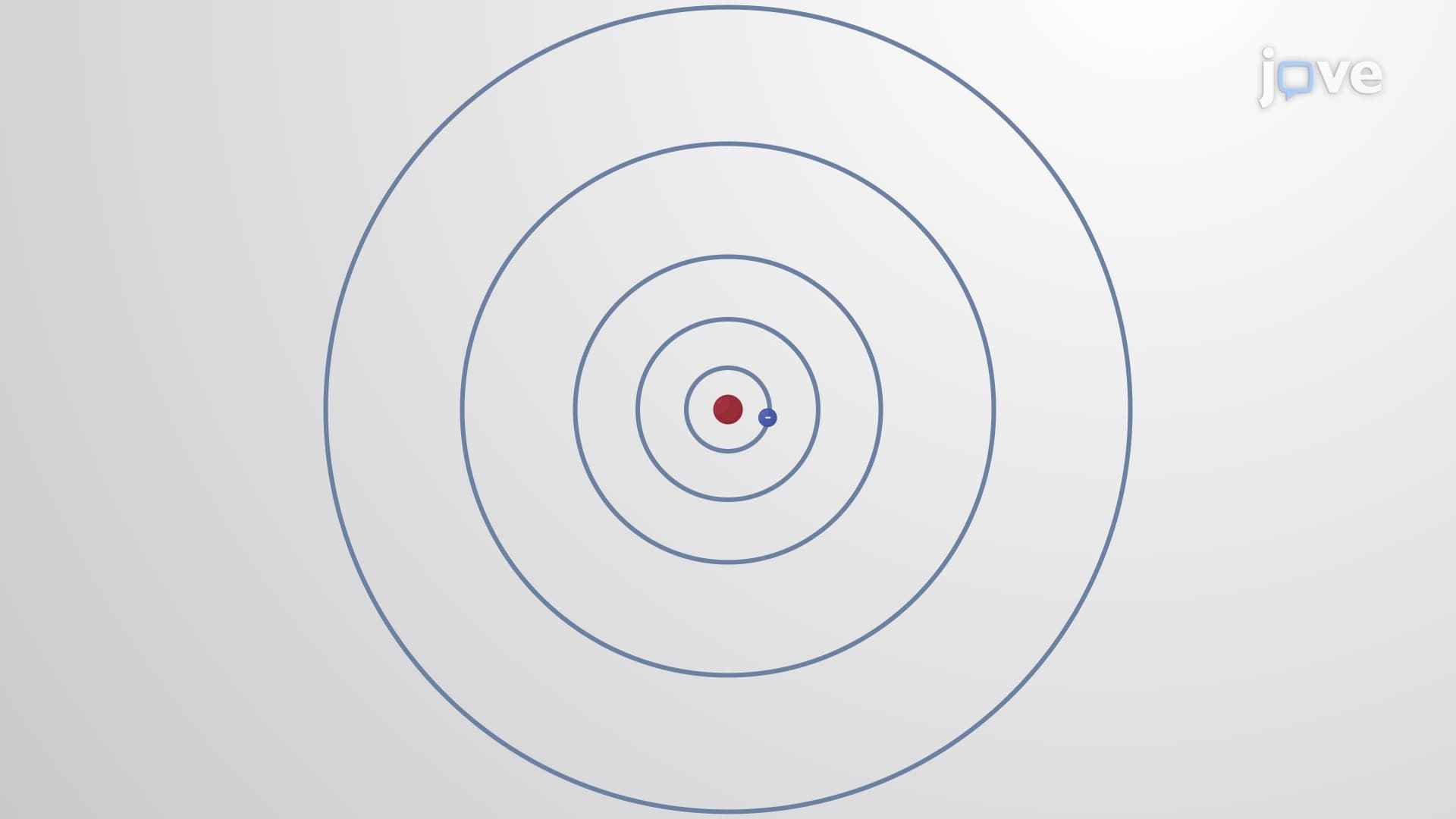
The aufbau principle and Hund's rule form the backbone of modern atomic theory, explaining how electrons arrange themselves in atoms. The German word "aufbau" means "building up," perfectly describing how electrons fill orbitals from lowest to highest energy. This principle, combined with Hund's rule of maximum multiplicity, allows chemists to predict an element's chemical behavior and bonding patterns.
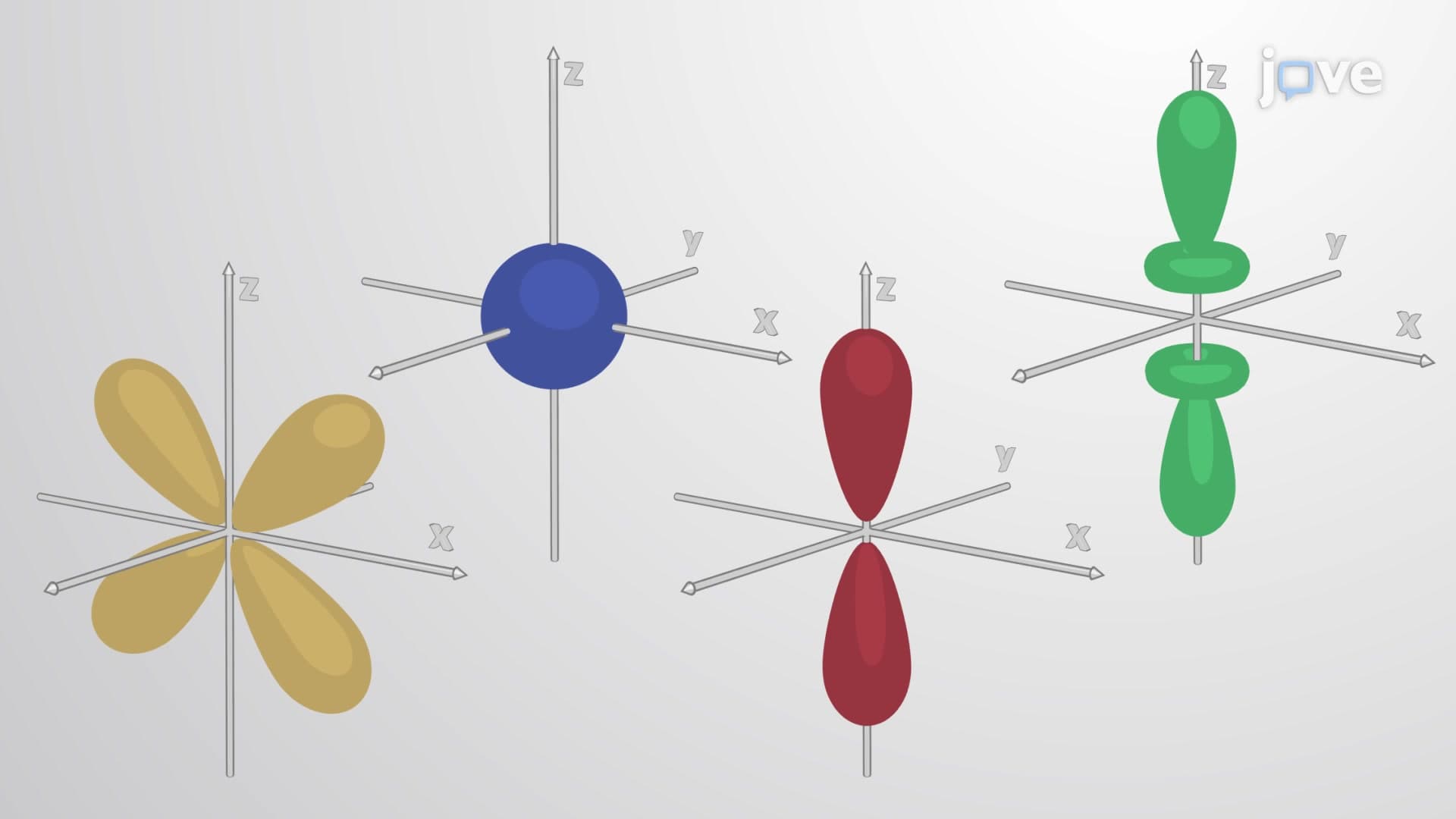
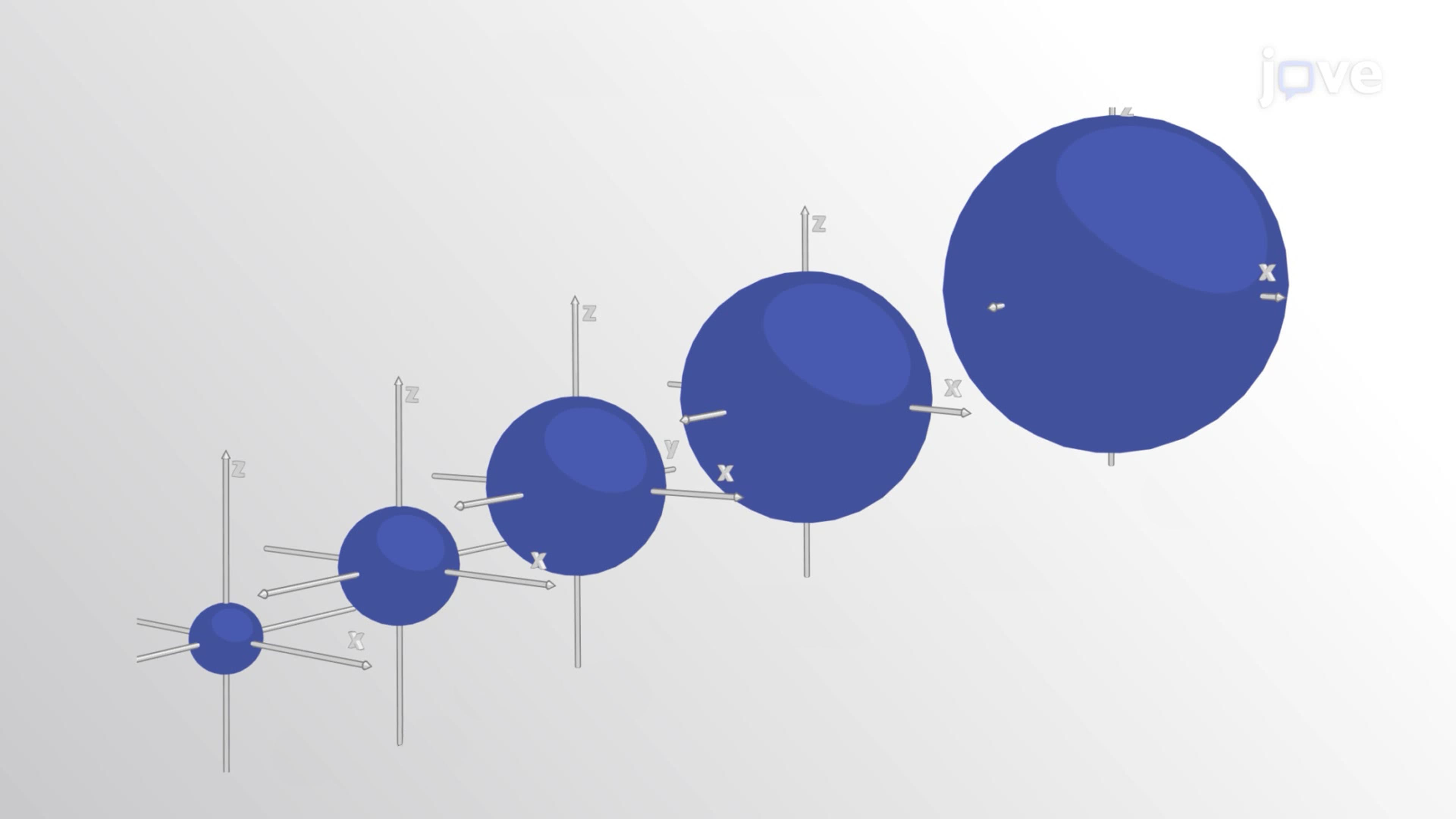
Electrons don't simply fill orbitals in numerical order. The aufbau principle reveals that 4s orbitals actually fill before 3d orbitals, despite being in a higher shell. This occurs because s orbitals penetrate closer to the nucleus, experiencing less shielding from inner electrons. The standard filling order-1s, 2s, 2p, 3s, 3p, 4s, 3d, 4p-becomes crucial for AP Chemistry students tackling electron configuration problems.
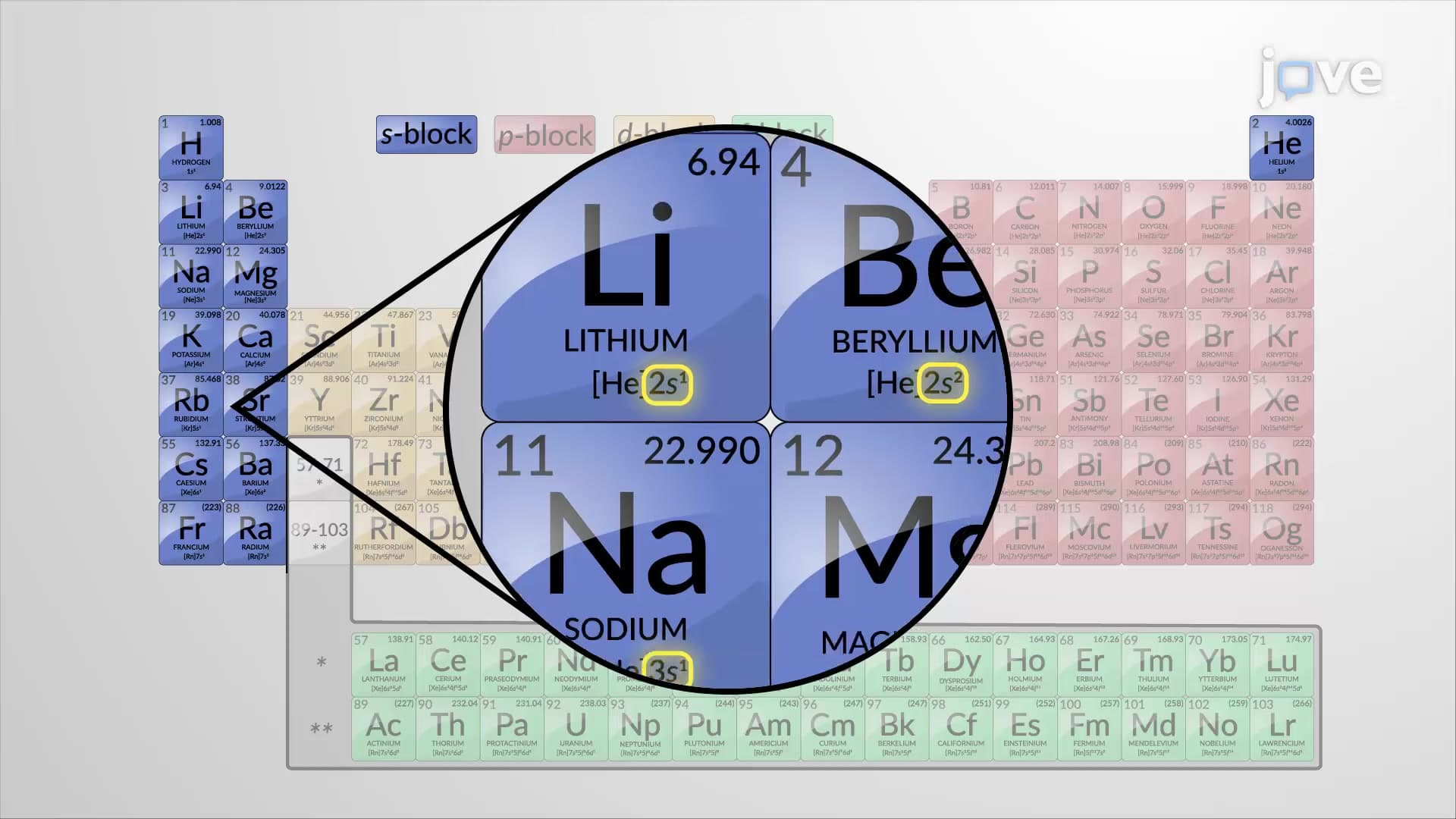
Students at UCLA and other top universities use diagonal charts to memorize this sequence. The pattern explains why scandium (atomic number 21) has the configuration [Ar]4s²3d¹ rather than [Ar]3d³, directly impacting its role as a lightweight metal in aerospace applications.
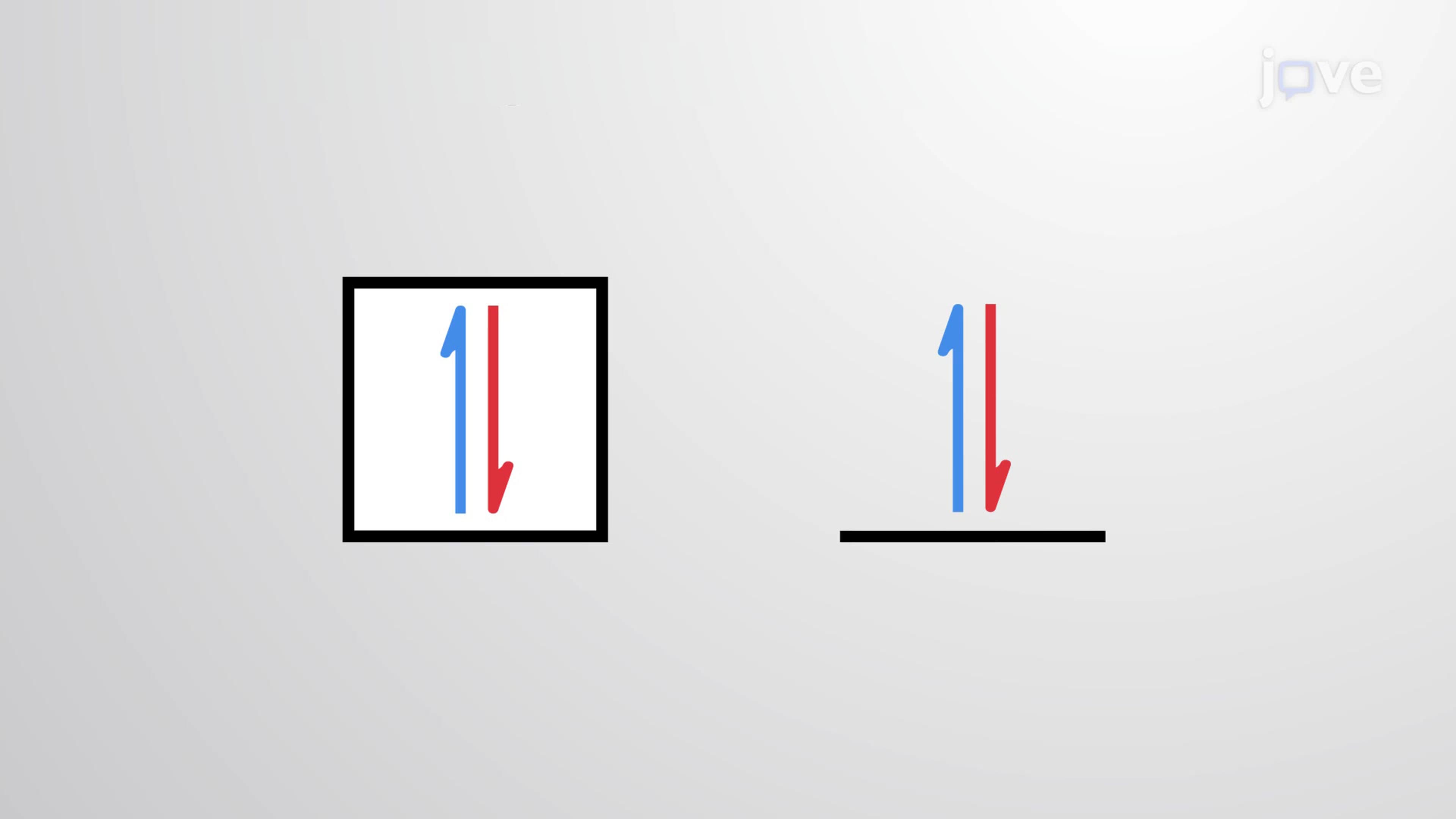
Hund's rule states that electrons occupy orbitals singly before pairing up, maintaining parallel spins to minimize repulsion. This principle explains why nitrogen has three unpaired electrons in its 2p orbitals, making it paramagnetic-attracted to magnetic fields. Understanding this concept helps pre-med students tackle MCAT questions about molecular oxygen's magnetic properties.
The rule applies critically in transition metal chemistry. Iron's electron configuration [Ar]4s²3d⁶ shows four unpaired electrons in 3d orbitals, explaining iron's ferromagnetic properties that make it essential in electric motors and MRI machines used in American hospitals.
These principles directly impact technologies students encounter daily. The electron configurations of silicon and germanium, following aufbau and Hund's rules, determine their semiconductor properties in computer chips manufactured by Intel and AMD. Similarly, the unpaired electrons in copper (due to its unusual [Ar]4s¹3d¹⁰ configuration) contribute to its excellent electrical conductivity in household wiring.
For college students preparing for graduate school, mastering these concepts opens doors to advanced topics like molecular orbital theory and coordination chemistry, essential for careers in pharmaceutical development and materials science.
Related Micro-courses