Loading video…


 15 Concepts
 774.4K views

Video Summary: The Energies of Atomic Orbitals Explained
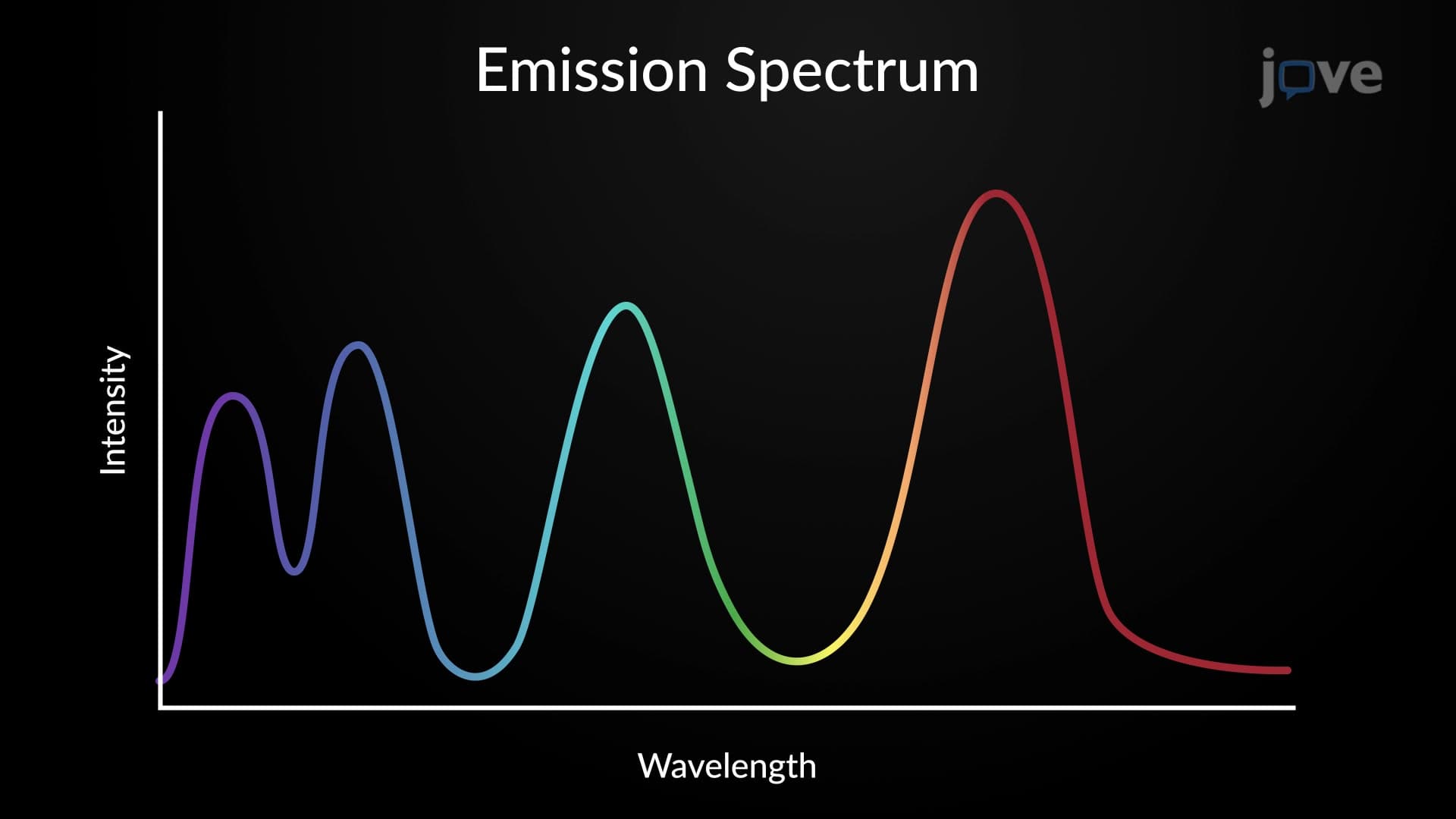
Ever wonder why hydrogen burns so vibrantly with its distinctive color in laboratory demonstrations? The energies of atomic orbitals determine these characteristic emission spectra that we observe in high school chemistry labs across America. These orbital energies arise from three fundamental factors: Coulomb interactions between charged particles, electron shielding effects, and orbital penetration abilities. Understanding how electrons occupy different energy levels explains everything from chemical bonding patterns to the periodic table's organization. Watch the full video on JoVE Coach to master this concept with expert-led visuals and step-by-step explanations.
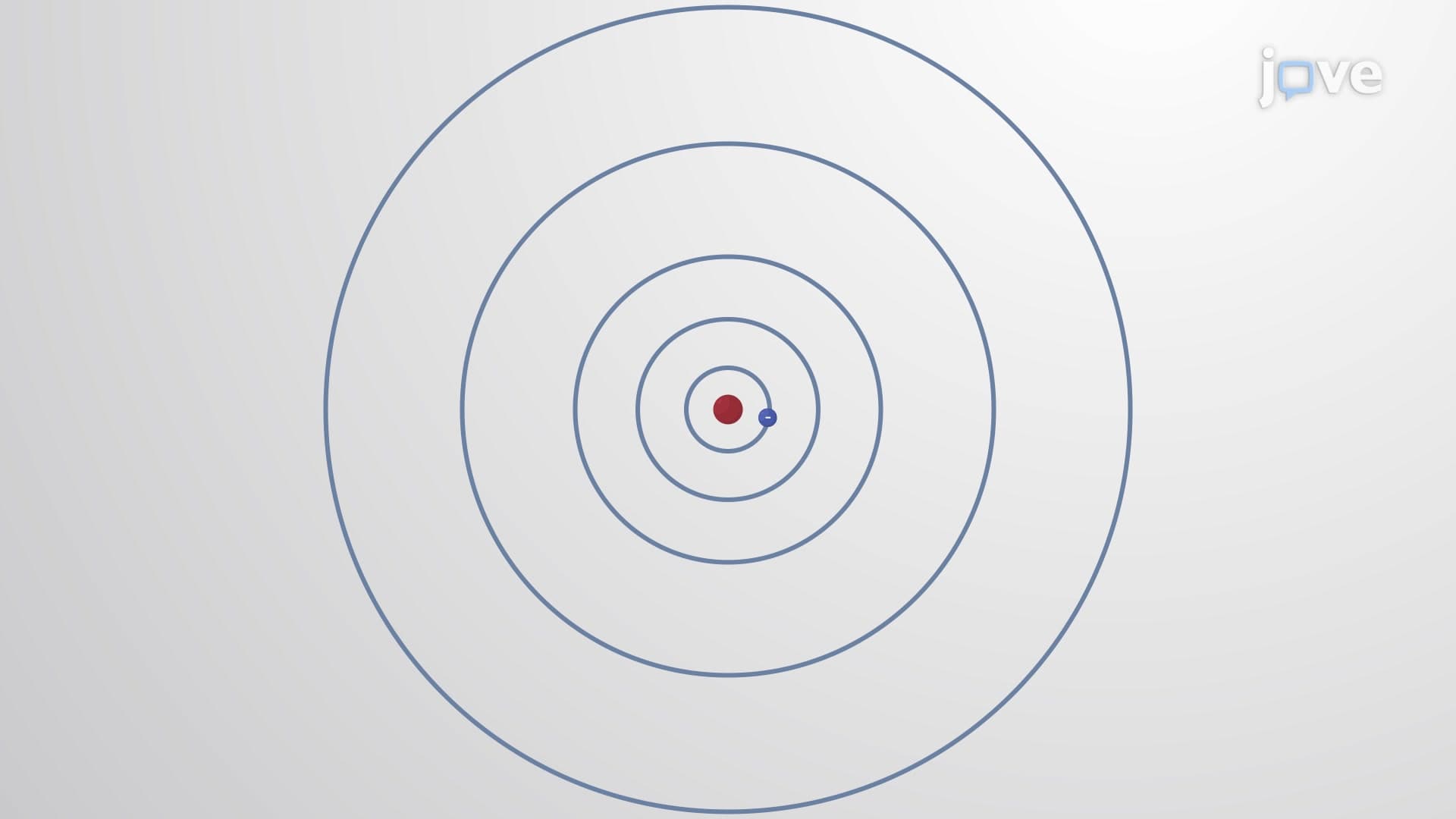
The energies of atomic orbitals represent one of chemistry's most fundamental concepts, explaining why electrons occupy specific regions around atomic nuclei. Unlike the simple planetary model, electrons exist in probability clouds with distinct energy levels determined by quantum mechanical principles. This concept appears extensively on the AP Chemistry exam and forms the basis for understanding chemical bonding in college-level general chemistry courses.
Coulomb's law provides the fundamental framework for understanding orbital energies. The equation F = k(q1 × q2)/r² reveals that attractive forces between the positively charged nucleus and negatively charged electrons decrease dramatically with distance. As electrons occupy orbitals farther from the nucleus (higher shell numbers), they experience weaker nuclear attraction and possess higher energies. This relationship explains why ionization energy generally decreases down periodic table groups-outer electrons are easier to remove because they're held less tightly.
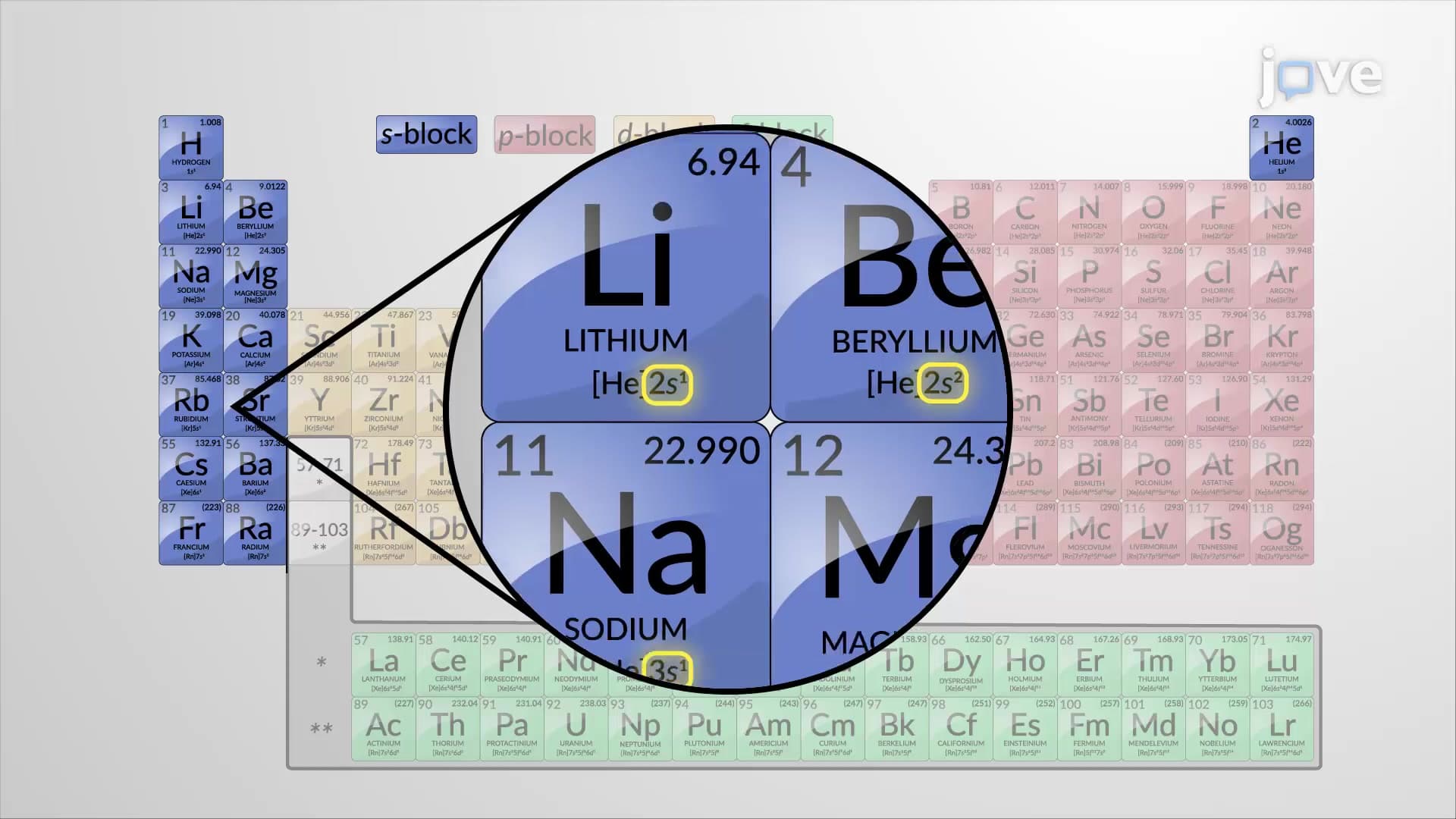
In practical terms, consider lithium used in psychiatric medications and battery technology. Its single 2s electron experiences much less nuclear attraction than the 1s electrons, making lithium highly reactive and useful in these applications.
The shielding effect occurs when inner electrons partially block outer electrons from feeling the full nuclear charge. This phenomenon significantly impacts orbital energies within the same atom. The effective nuclear charge (Z-effective) equals the actual nuclear charge minus the shielding constant: Z-eff = Z - S.
For example, in sodium (atomic number 11), the ten inner electrons shield the outermost 3s electron, reducing the effective nuclear charge it experiences. This shielding effect explains why sodium readily loses its outer electron to form Na+ ions, making it essential for biological processes like nerve signal transmission.
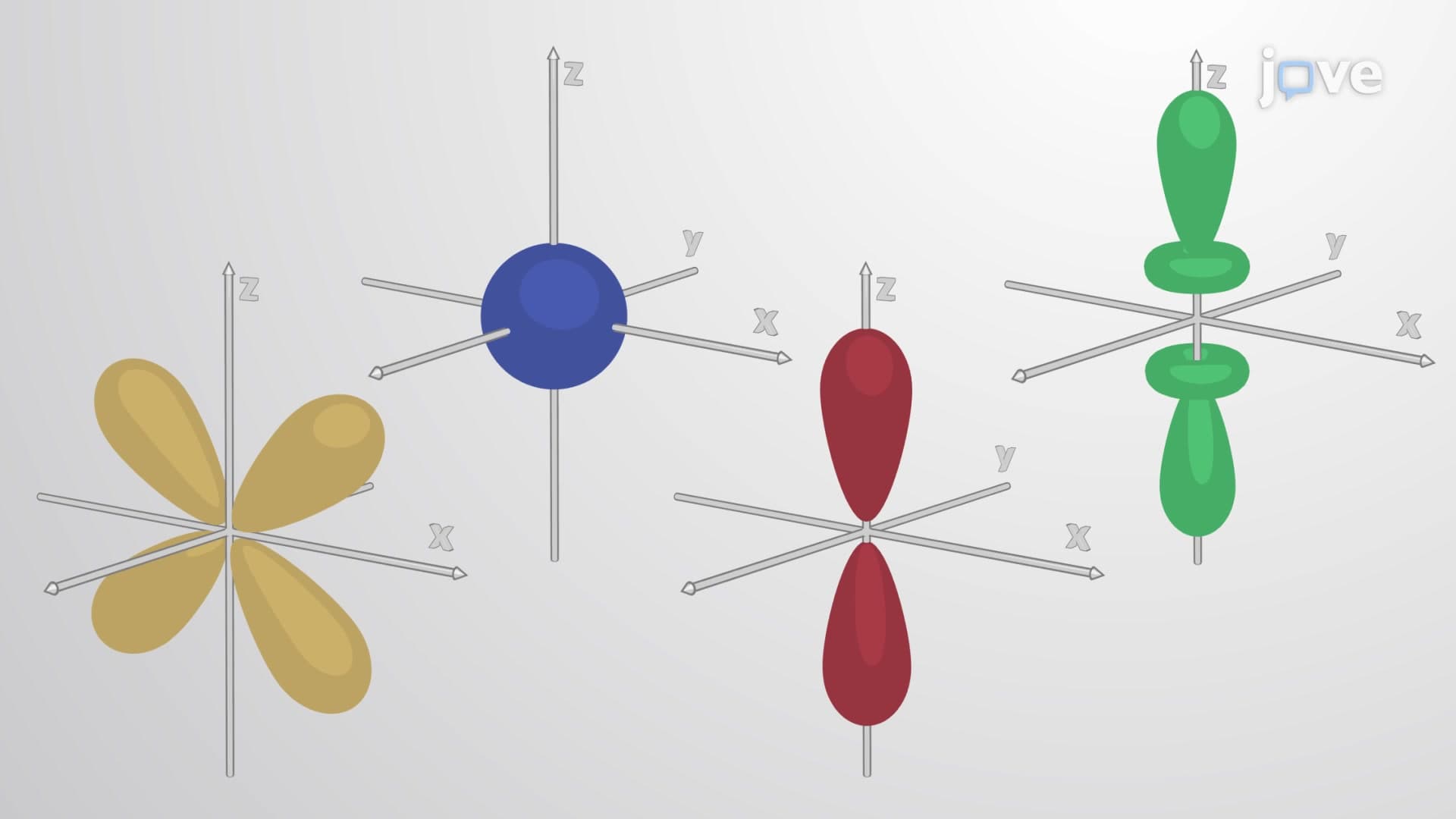
Different orbital shapes create varying penetration abilities, where electrons can approach the nucleus through gaps in inner electron clouds. Radial distribution functions reveal that s orbitals penetrate most effectively, followed by p, then d, and finally f orbitals. This penetration ability directly correlates with lower orbital energies-electrons that can get closer to the nucleus are more tightly bound.
The penetration effect becomes so pronounced in higher shells that 4s orbitals actually have lower energy than 3d orbitals, explaining the familiar electron configuration pattern seen in transition metals. This concept frequently appears on MCAT questions and college chemistry exams, particularly when explaining the aufbau principle and electron configuration anomalies in chromium and copper.
Related Micro-courses