Loading video…


 15 Concepts
 774.4K views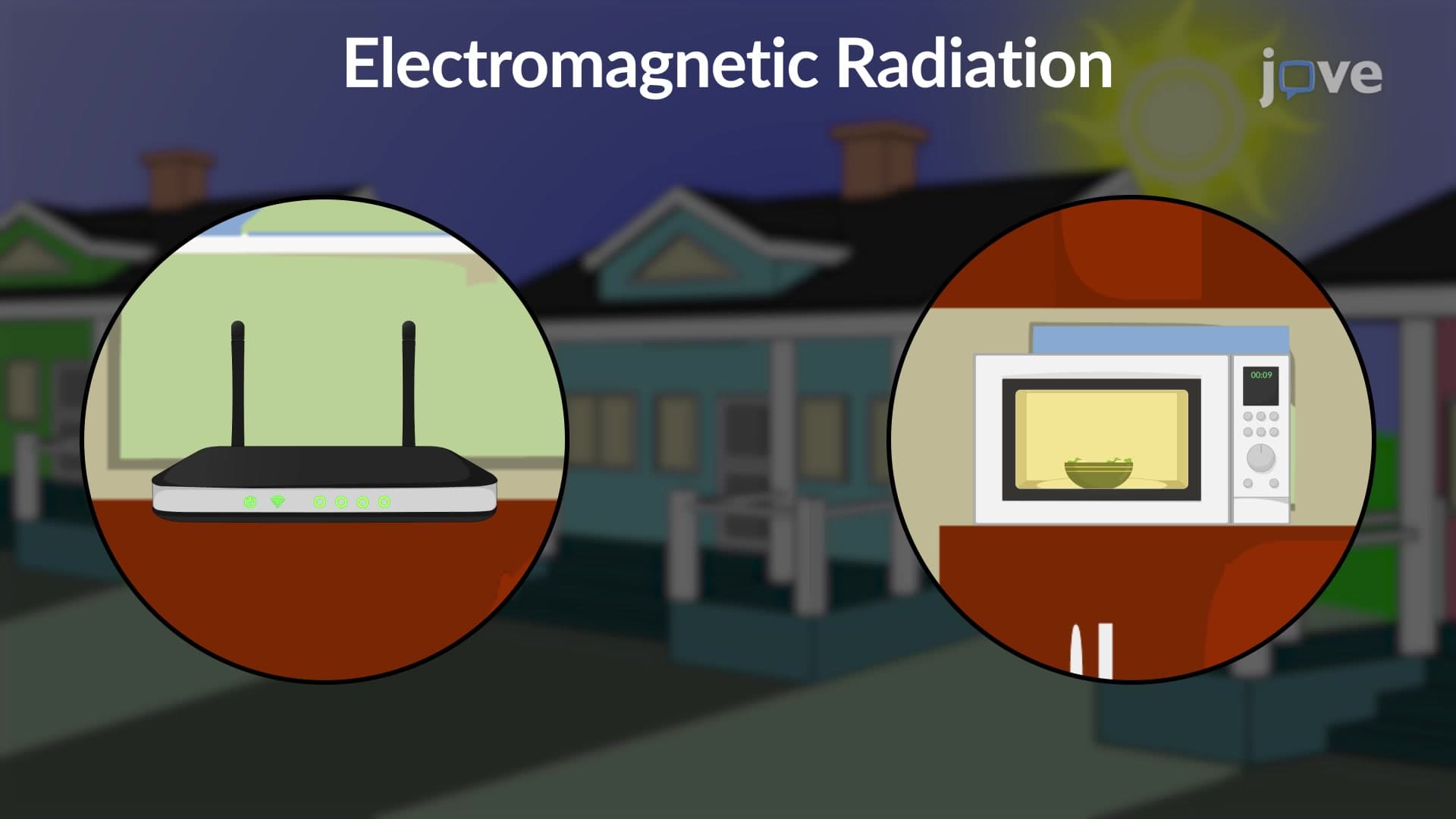

Video Summary: The Wave Nature of Light Explained
When you adjust the brightness on your smartphone screen, you're directly experiencing the wave nature of light in action. The wave nature of light explains how electromagnetic radiation travels through space as oscillating electric and magnetic fields, with properties like wavelength and frequency determining everything from the deep red of a sunset to the violet glow of a blacklight used in forensic investigations by the FBI. Understanding these fundamental wave properties helps explain why radio waves from your car's antenna can travel miles while X-rays used in American hospitals penetrate solid matter. Watch the full video on JoVE Coach to master this concept with expert-led visuals and step-by-step explanations.
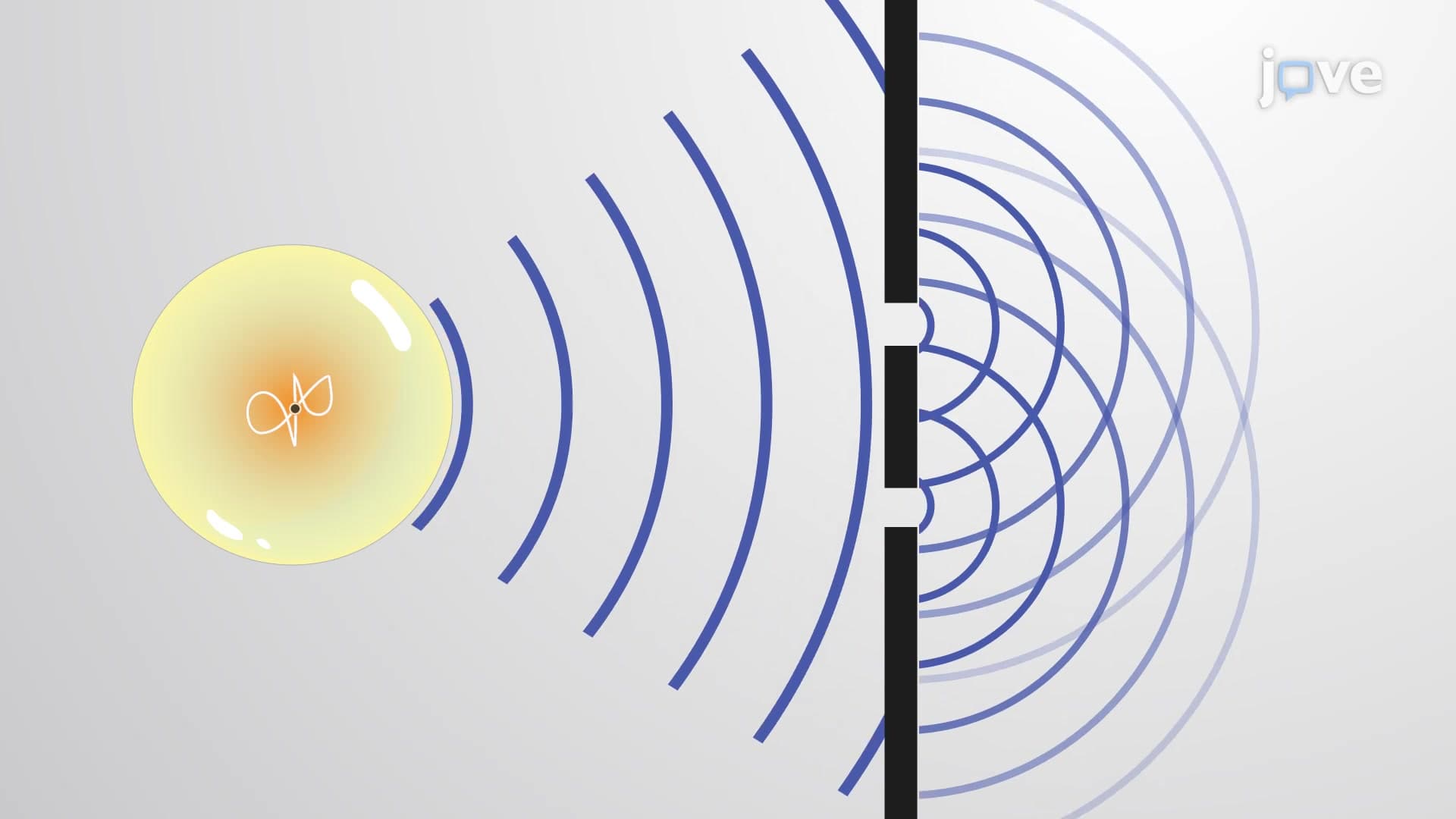
The wave nature of light revolutionized our understanding of electromagnetic phenomena and forms the foundation for modern physics and technology. Unlike mechanical waves that require a medium, electromagnetic waves propagate through empty space, carrying energy through oscillating electric and magnetic fields oriented perpendicular to each other and to the direction of wave motion.
Three critical properties define electromagnetic waves. Amplitude determines intensity-higher amplitude means more energy and brighter light. Wavelength (λ), measured from peak to peak, ranges from kilometers for radio waves to picometers for gamma rays. Frequency (ν), measured in hertz, represents cycles per second. These properties connect through the fundamental equation c = λν, where c equals the speed of light (3.00 × 10^8 m/s).
This relationship appears frequently on AP Physics exams and college assessments. Students often encounter problems calculating frequency when given wavelength, or determining energy levels for different electromagnetic regions. The inverse relationship between wavelength and frequency means radio waves (long wavelength) have low frequency, while X-rays (short wavelength) have high frequency.
American applications demonstrate electromagnetic radiation's versatility. Radio waves (10^3 to 10^-1 meters) power FM/AM broadcasting and GPS systems. Microwaves (10^-1 to 10^-3 meters) heat food and enable cellular communication. Infrared radiation (10^-3 to 10^-6 meters) appears in thermal imaging used by firefighters and military applications. Visible light (400-750 nanometers) enables human vision and photography. Ultraviolet light (10^-8 to 10^-10 meters) sterilizes medical equipment, while X-rays and gamma rays serve diagnostic and therapeutic medical purposes.
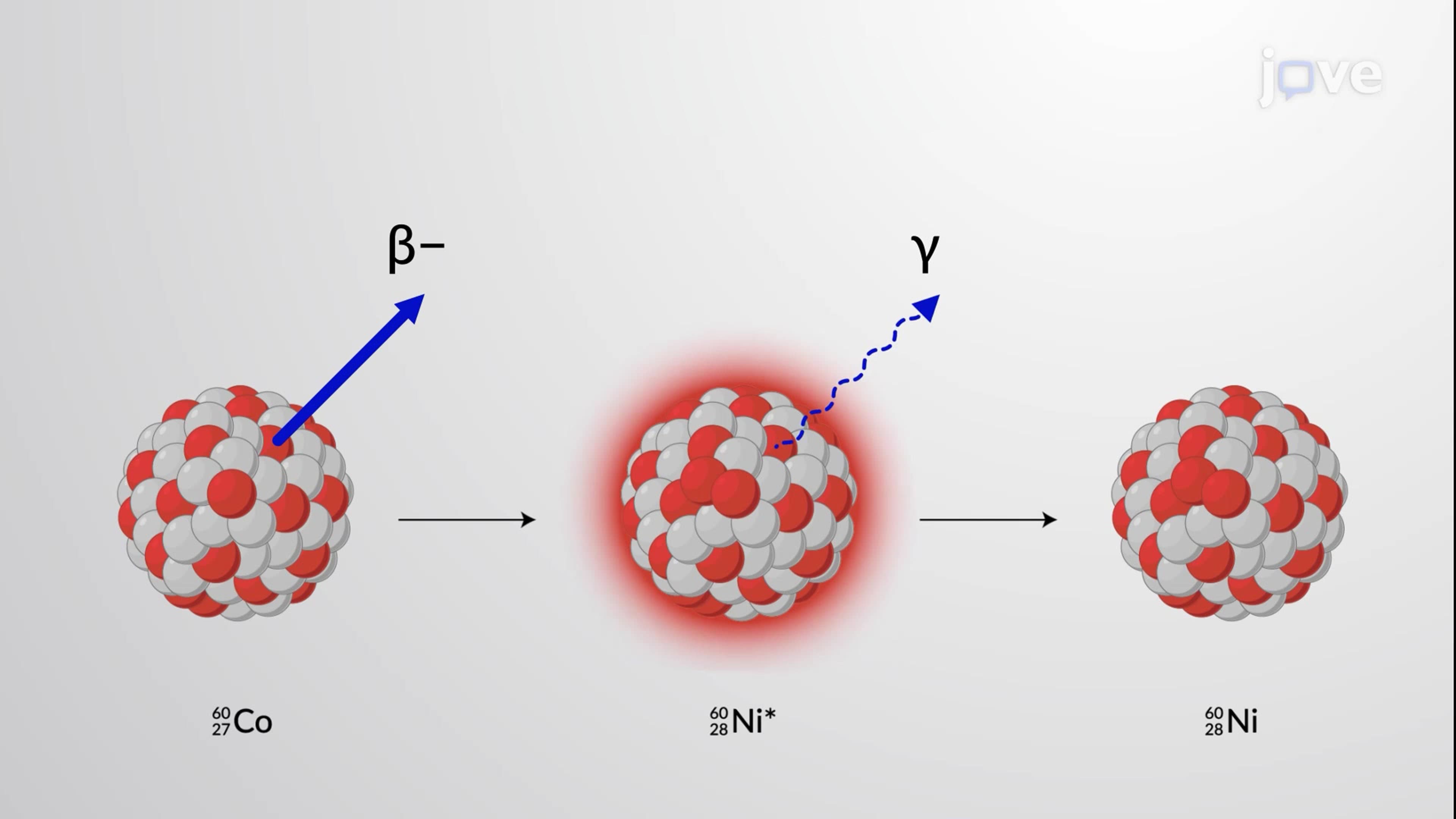
Higher frequency electromagnetic radiation carries more energy, explaining why gamma rays used in cancer treatment can damage cells while radio waves cannot. This energy-frequency relationship (E = hν) helps students understand why UV light causes sunburn while infrared light provides gentle warmth. Medical schools and MCAT preparation emphasize these concepts when discussing radiation therapy and diagnostic imaging techniques used in American healthcare systems.
Related Micro-courses