Loading subject page…


774,416 views


Video Summary: What are Atomic Orbitals
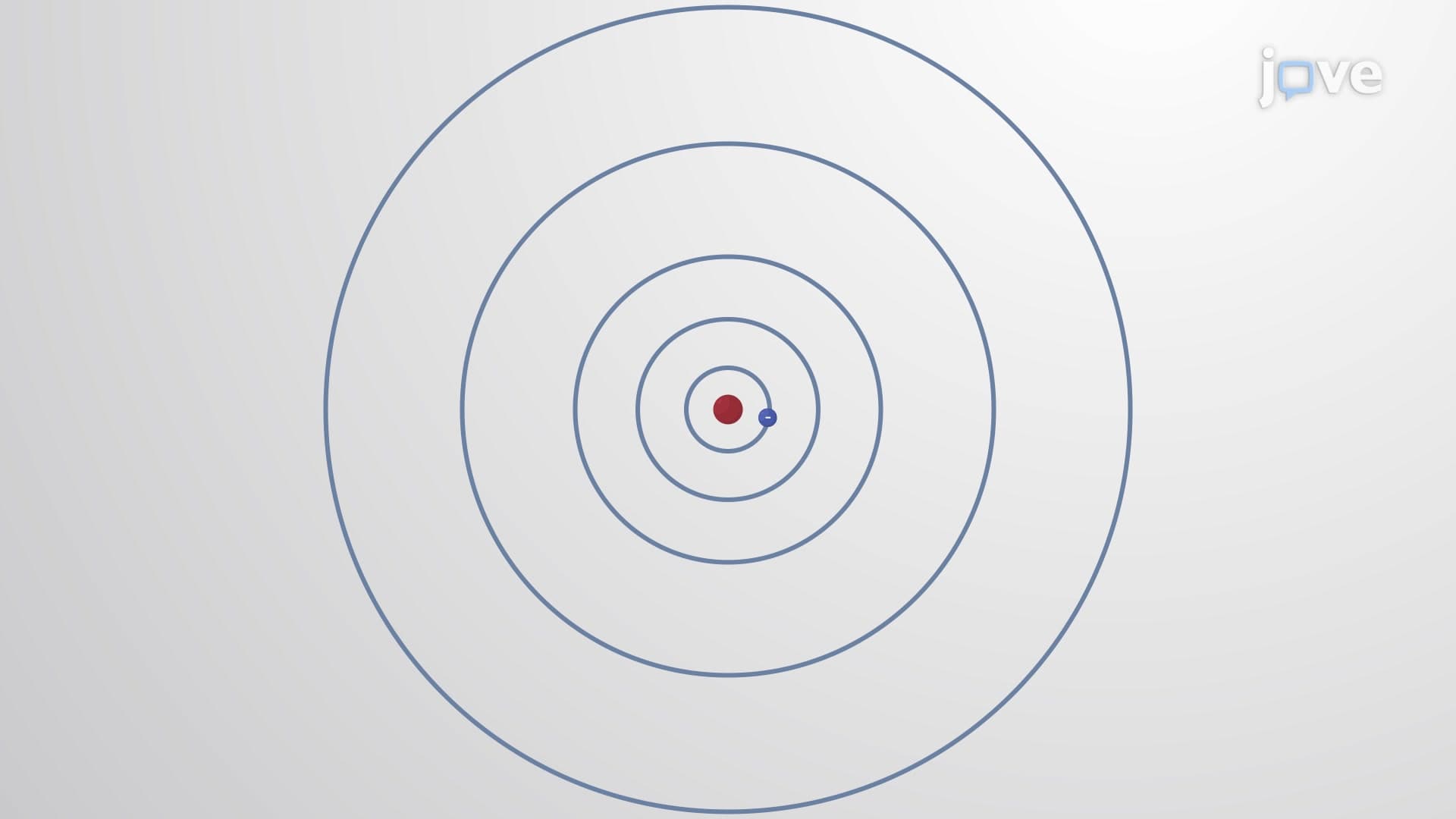
Ever wondered why atoms are depicted as spheres when electrons seem to "orbit" like planets? Atomic orbitals reveal the fascinating truth: electrons exist in probability clouds with specific shapes determined by quantum mechanics. The 1s orbital of hydrogen places electrons most likely at 52.9 picometers from the nucleus-a distance that defines atomic size in compounds like water molecules studied in AP Chemistry courses across American high schools. Watch the full video on JoVE Coach to master this concept with expert-led visuals and step-by-step explanations.
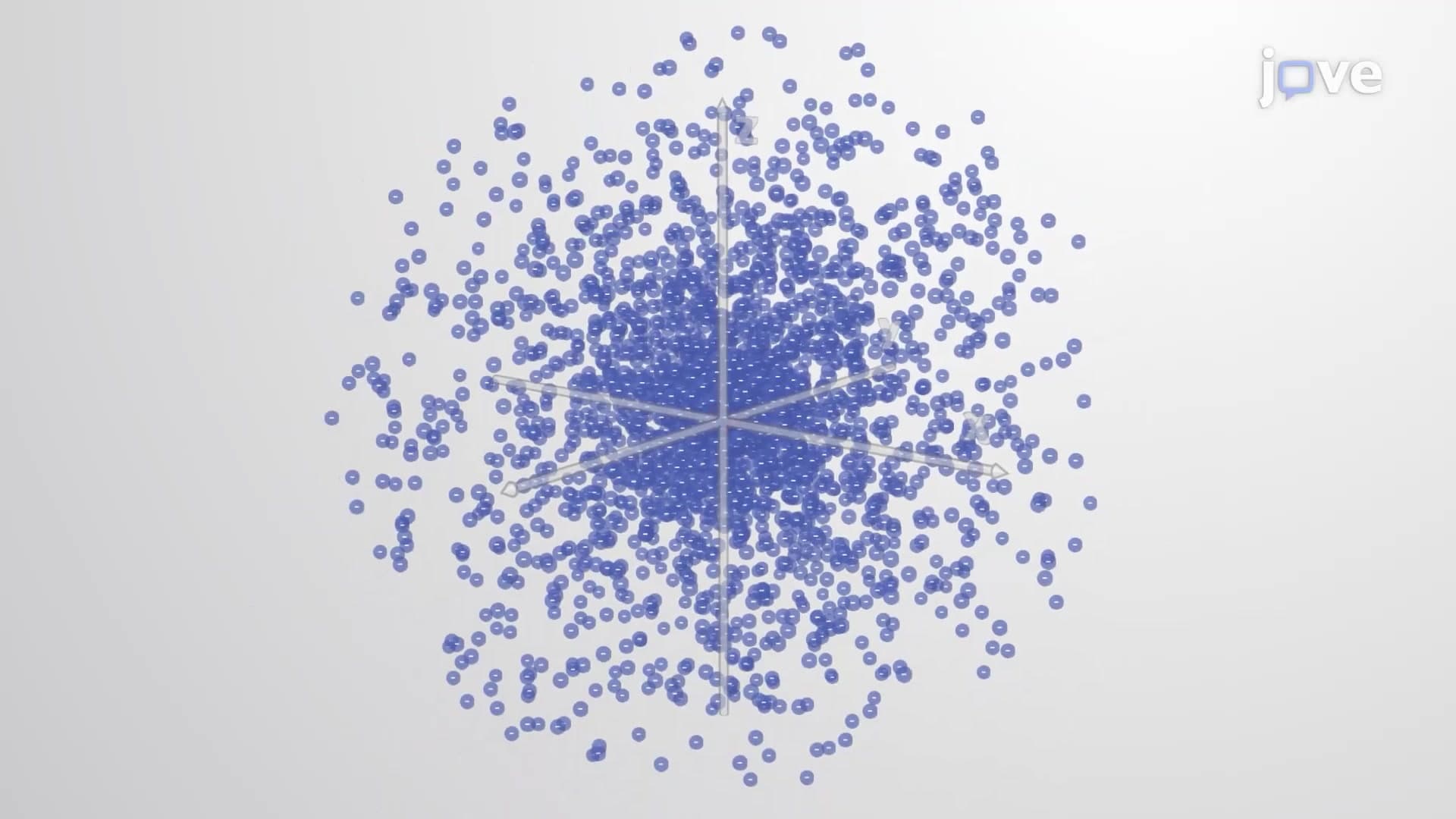
Atomic orbitals represent one of chemistry's most elegant concepts, describing where electrons are most likely to exist around an atom's nucleus. Unlike the outdated planetary model, orbitals define probability regions-three-dimensional spaces where finding an electron is statistically favorable. This quantum mechanical approach revolutionized our understanding of atomic structure and directly impacts how American students approach advanced chemistry courses from AP Chemistry through organic chemistry in college.
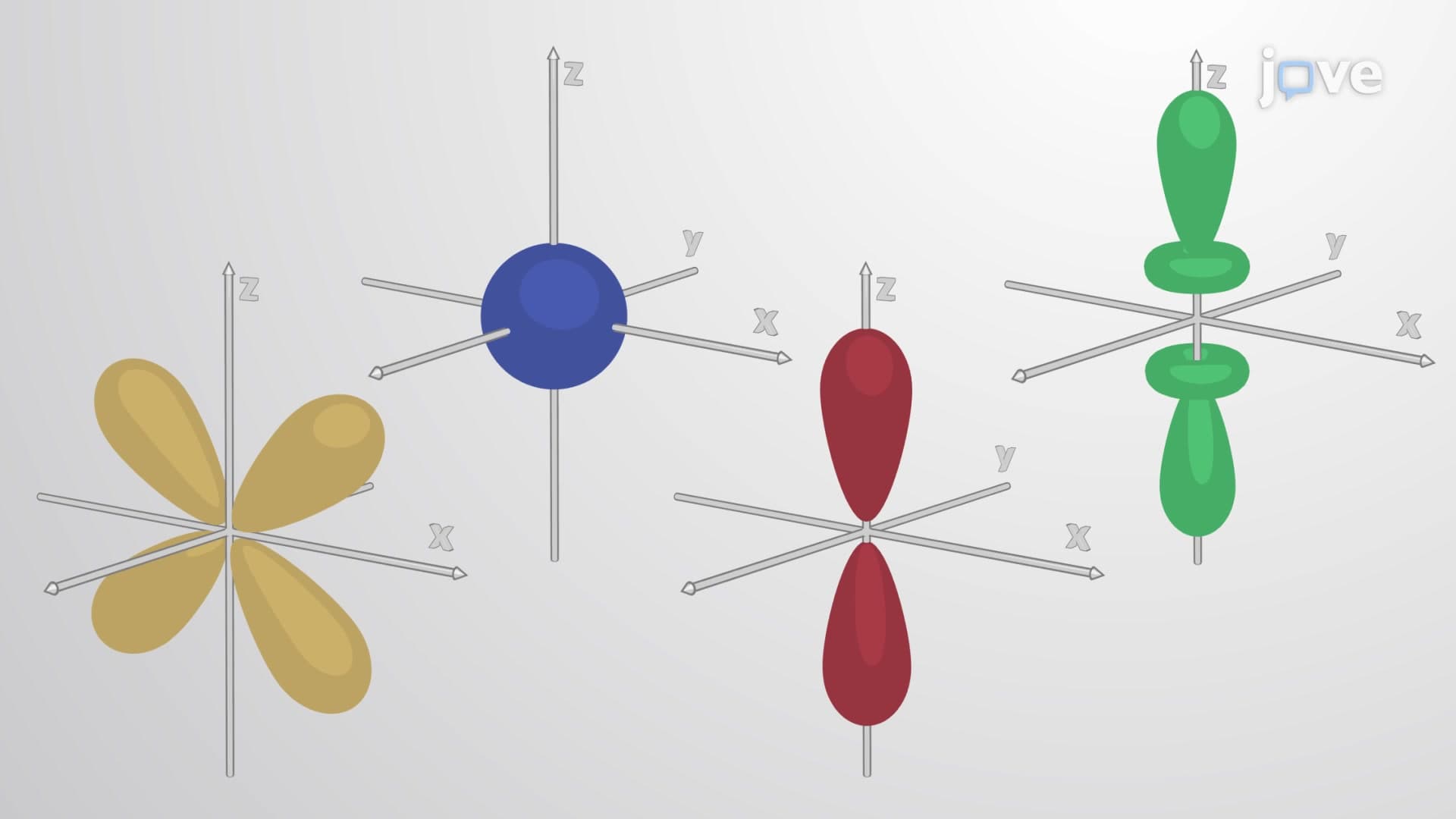
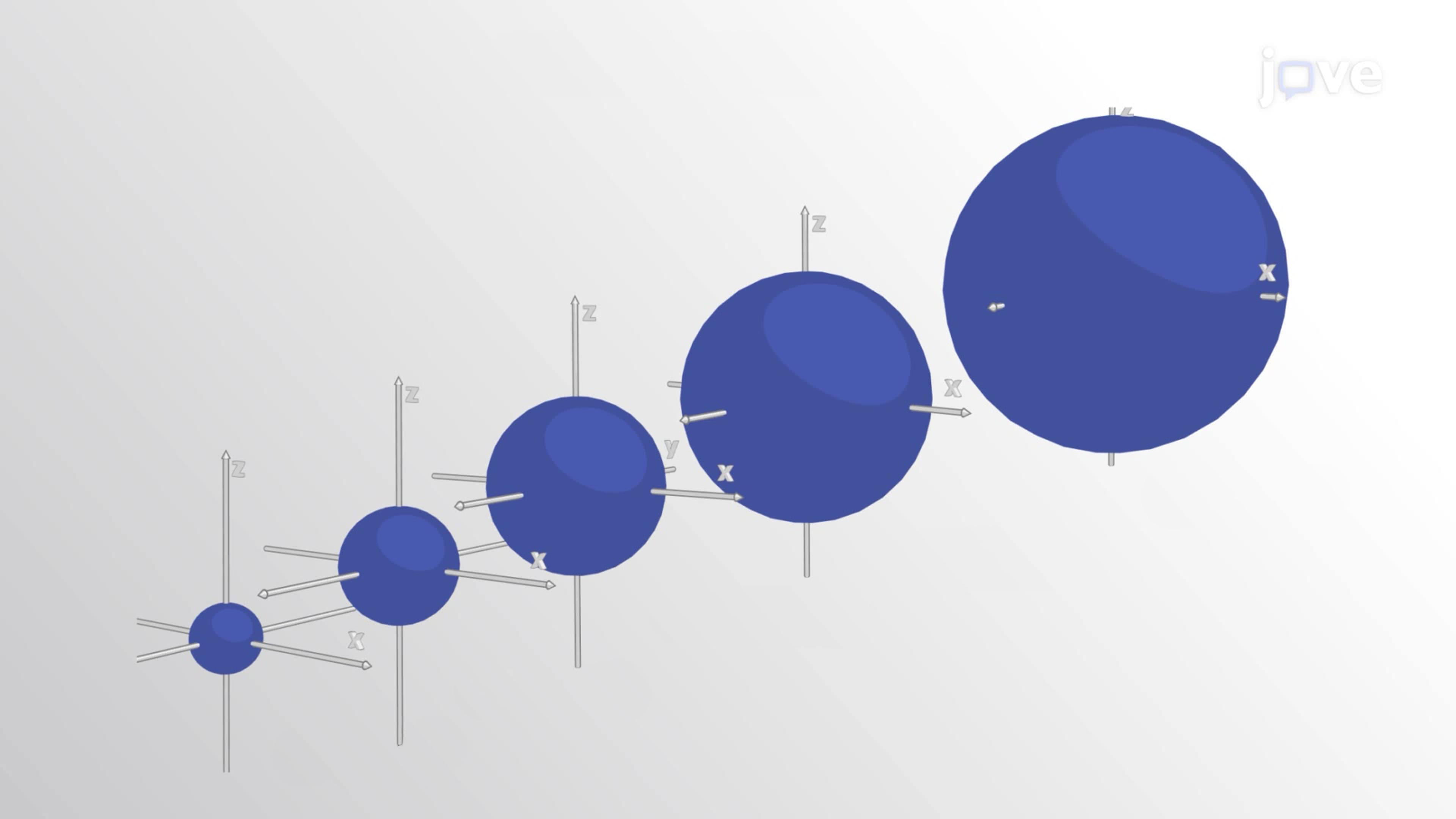
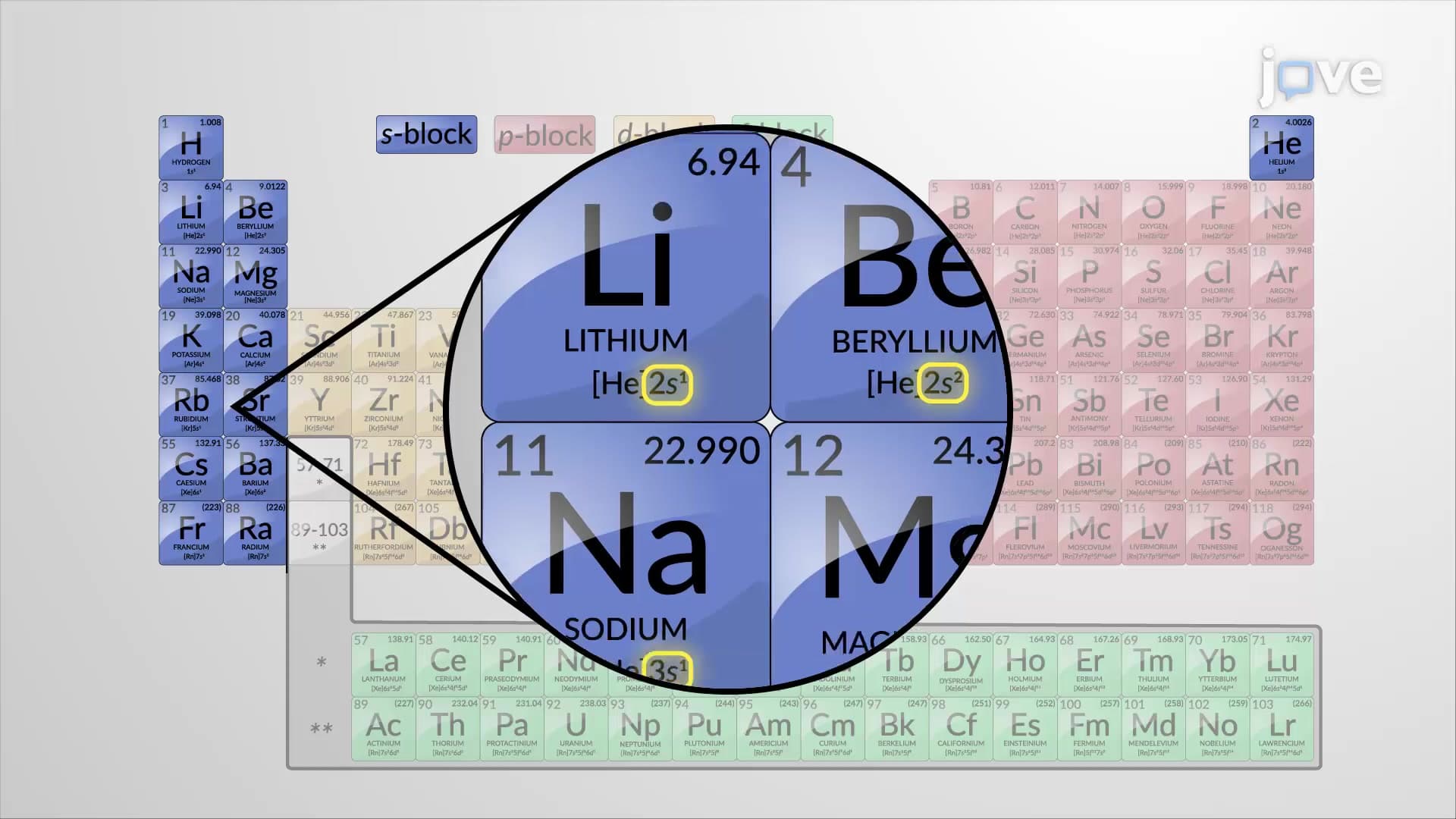
The types of atomic orbitals are determined by the angular momentum quantum number (l), creating four distinct families. S orbitals maintain perfect spherical symmetry, with the 1s orbital being smallest and subsequent s orbitals (2s, 3s) growing larger while developing internal nodes-regions of zero electron probability. The hydrogen 1s orbital's 52.9-picometer radius represents the most probable electron distance, a value frequently tested on the MCAT and essential for understanding atomic radii trends.
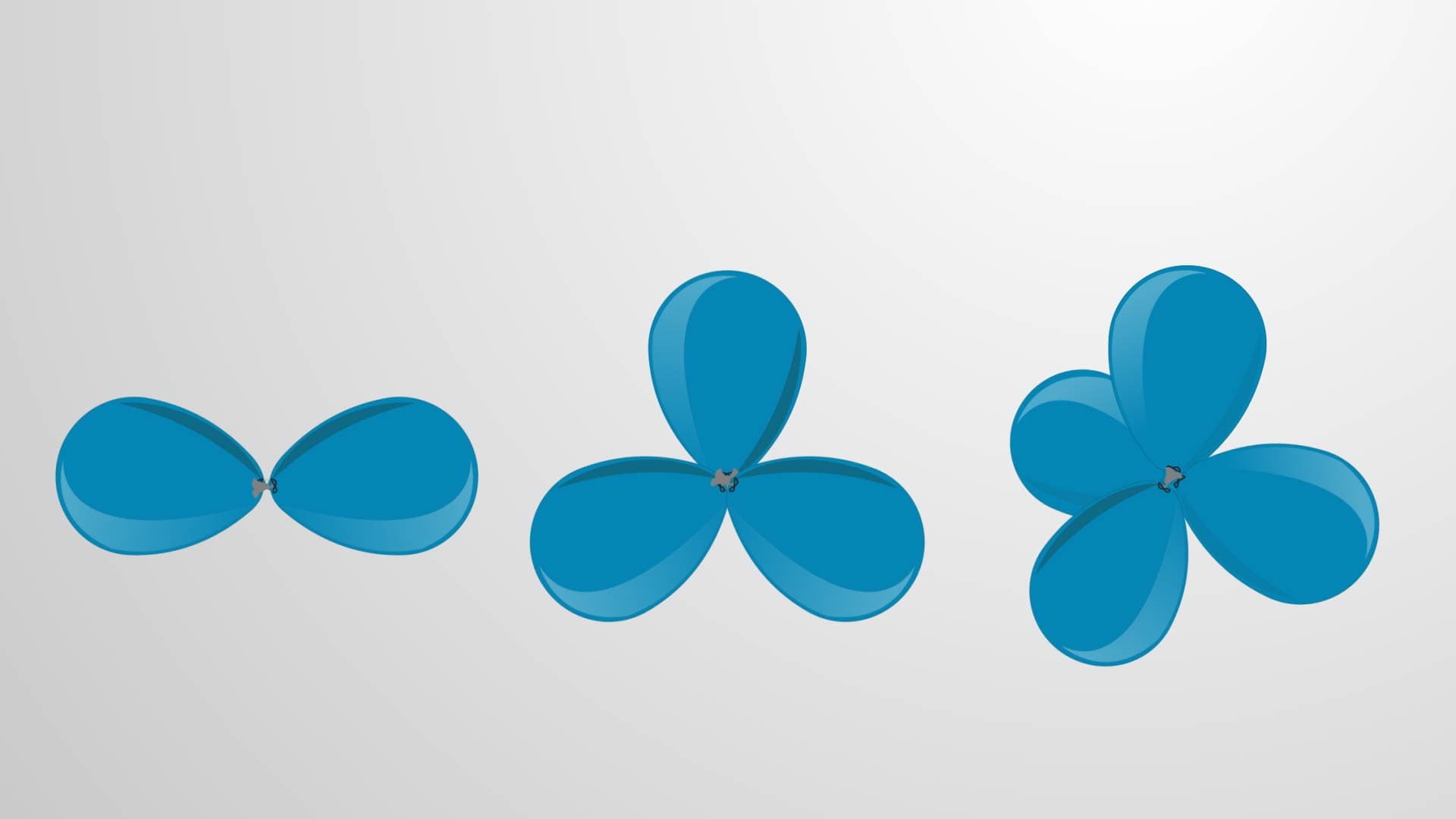
P orbitals emerge when n≥2, featuring distinctive dumbbell or lobe shapes oriented along x, y, and z axes. These three perpendicular p orbitals (px, py, pz) prove crucial for understanding how elements like carbon form tetrahedral geometries in methane or planar structures in ethylene-concepts central to organic chemistry courses at institutions like MIT and Stanford.
D orbitals appear when n≥3, typically displaying cloverleaf patterns with four lobes separated by two nodal planes. Five d orbitals exist per energy level, explaining transition metal chemistry and coordination complexes studied extensively in advanced inorganic chemistry. F orbitals (n≥4) exhibit even more complex geometries with multiple lobes and nodes, becoming relevant in lanthanide and actinide chemistry.
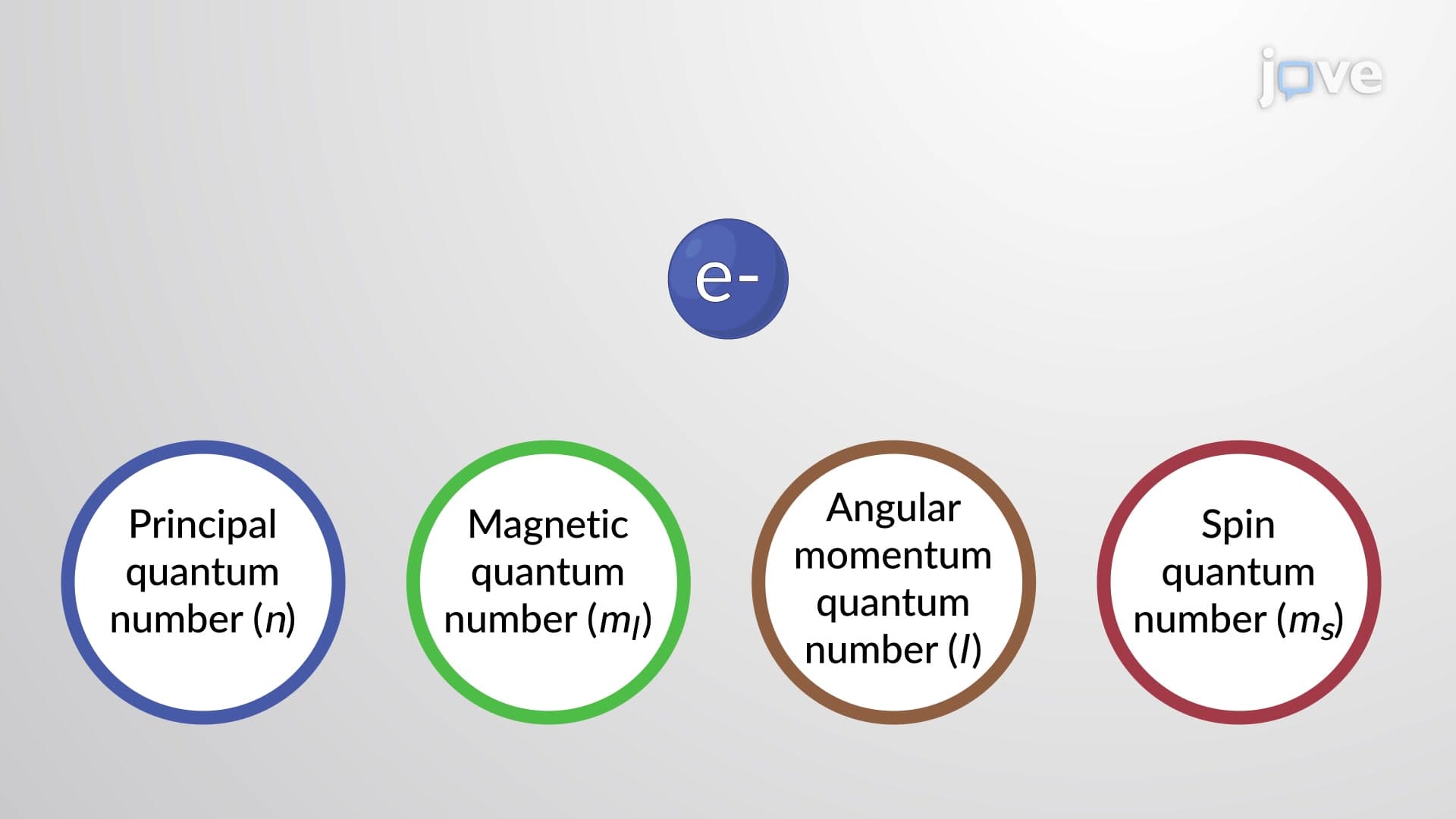
The principal quantum number (n) determines orbital size and energy, while the angular momentum quantum number (l) defines shape. Values of l range from 0 to (n-1), corresponding to s, p, d, and f designations respectively. The magnetic quantum number (ml) specifies orbital orientation in space, explaining why p orbitals align along coordinate axes and d orbitals adopt specific angular arrangements.
These concepts directly appear on standardized exams including AP Chemistry (particularly in atomic structure and bonding units), SAT Subject Tests, and college placement exams. Understanding orbital overlap helps explain why water molecules bend at 104.5 degrees and why benzene exhibits unique stability-knowledge essential for pre-med students preparing for MCAT chemical foundations sections.
Related Micro-courses