Loading video…


 15 Concepts
 774.4K views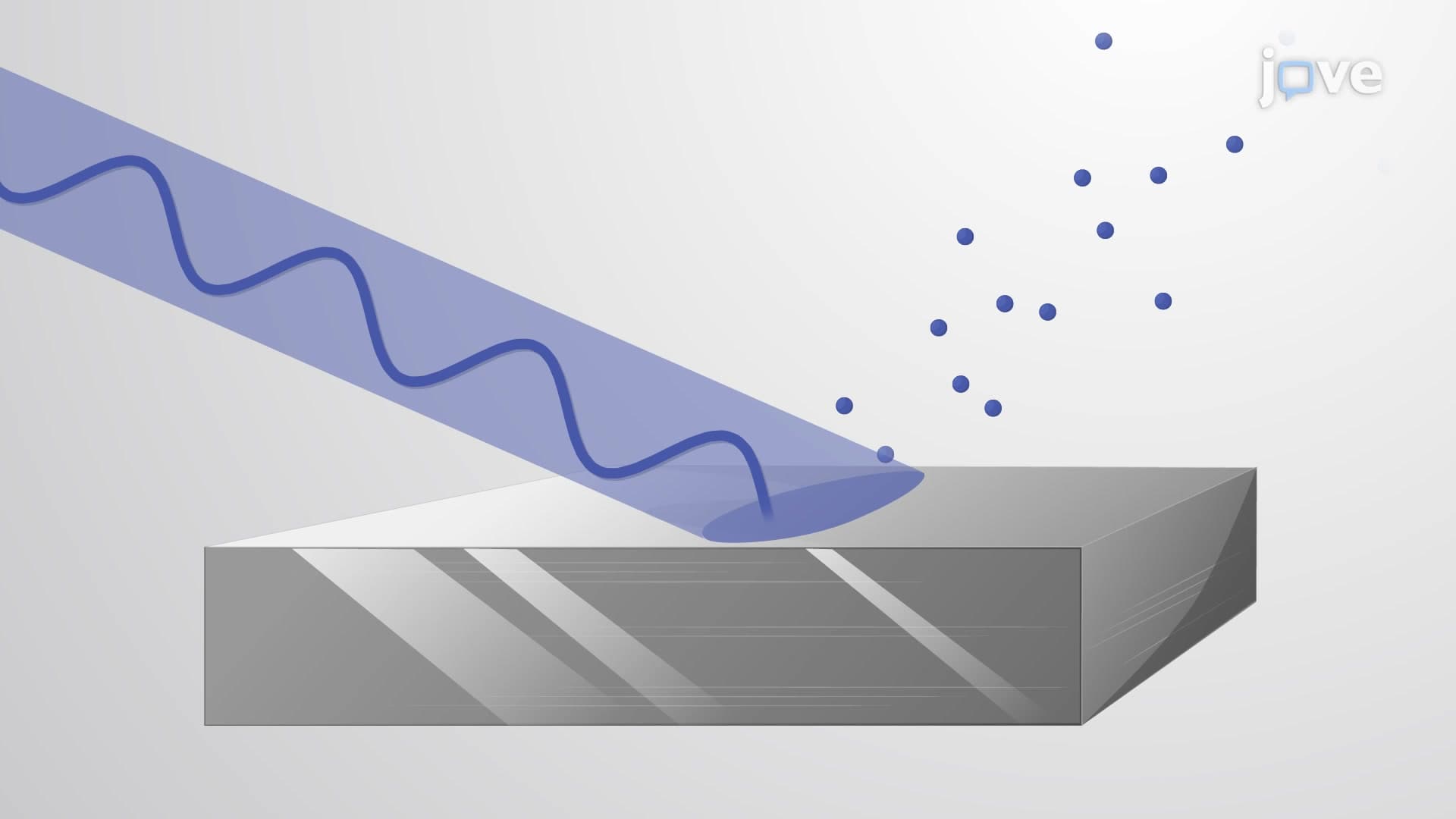

Video Summary: What Is Photoelectric Effect
Ever wondered why digital cameras can capture images or why automatic doors open when you approach them? The photoelectric effect powers these everyday technologies by describing how light can knock electrons out of metals. This fundamental physics principle, explained by Albert Einstein's Nobel Prize-winning work, reveals that only light above a certain frequency threshold can eject electrons-regardless of how bright lower-frequency light becomes. Watch the full video on JoVE Coach to master this concept with expert-led visuals and step-by-step explanations.
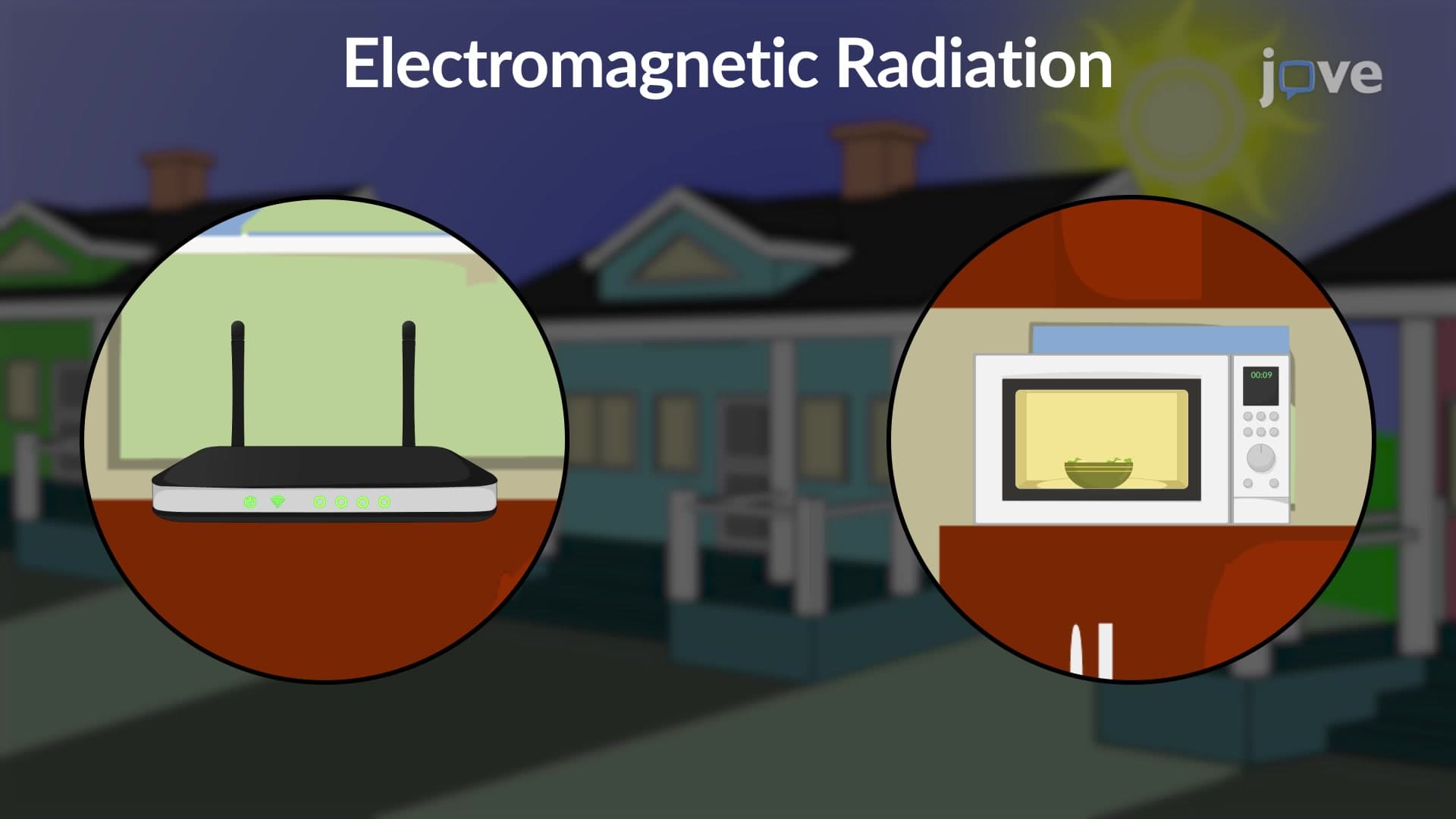
The photoelectric effect represents one of the most significant discoveries in modern physics, fundamentally changing our understanding of light's nature. When electromagnetic radiation strikes a metal surface, electrons can be ejected if the light's frequency exceeds a material-specific threshold. This phenomenon cannot be explained by classical wave theory alone, requiring Einstein's revolutionary photon concept to provide a complete explanation.
Einstein proposed that light consists of discrete energy packets called photons, each carrying energy E = hf, where h is Planck's constant (6.626 × 10^-34 J·s) and f represents frequency. This particle model explains why increasing light intensity below the threshold frequency never ejects electrons-more low-energy photons still cannot provide sufficient energy to overcome the metal's work function. The work function (φ or W) represents the minimum energy needed to remove an electron from the material's surface.
When a photon's energy exceeds the work function, the excess energy converts to the ejected electron's kinetic energy: KE = hf - W. This relationship explains why higher-frequency light produces faster-moving ejected electrons, while lower frequencies produce no emission regardless of intensity.
The photoelectric effect enables numerous technologies Americans encounter daily. Photomultiplier tubes in medical imaging equipment, such as PET scanners at major hospitals like Mayo Clinic or Johns Hopkins, rely on photoelectric emission to detect radiation. Solar panels convert sunlight to electricity through photoelectric processes, while digital cameras use photoelectric sensors to capture images by converting light into electrical signals.
For students preparing for standardized tests, the photoelectric effect appears frequently on AP Physics exams, particularly in quantum mechanics sections. College students in introductory physics courses at universities like MIT or Stanford encounter this topic when studying wave-particle duality. Pre-med students should understand photoelectric principles for MCAT physics passages, as medical imaging technologies directly apply these concepts.
The mathematical relationship between frequency, energy, and electron kinetic energy provides excellent practice for dimensional analysis and unit conversion skills essential for standardized testing success.
Related Micro-courses