Loading video…


 15 Concepts
 774.4K views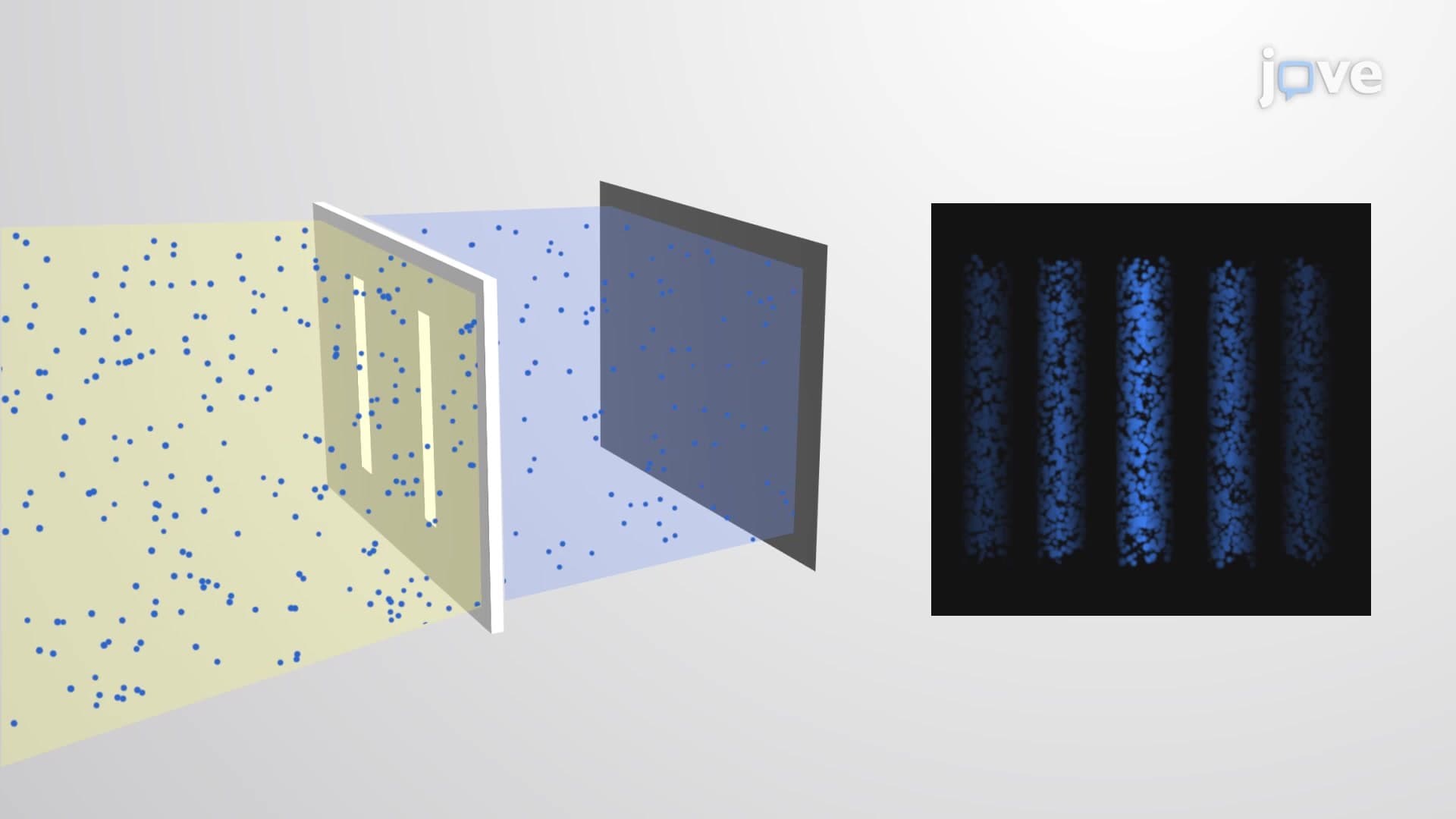

Video Summary: What Is the De Broglie Wavelength
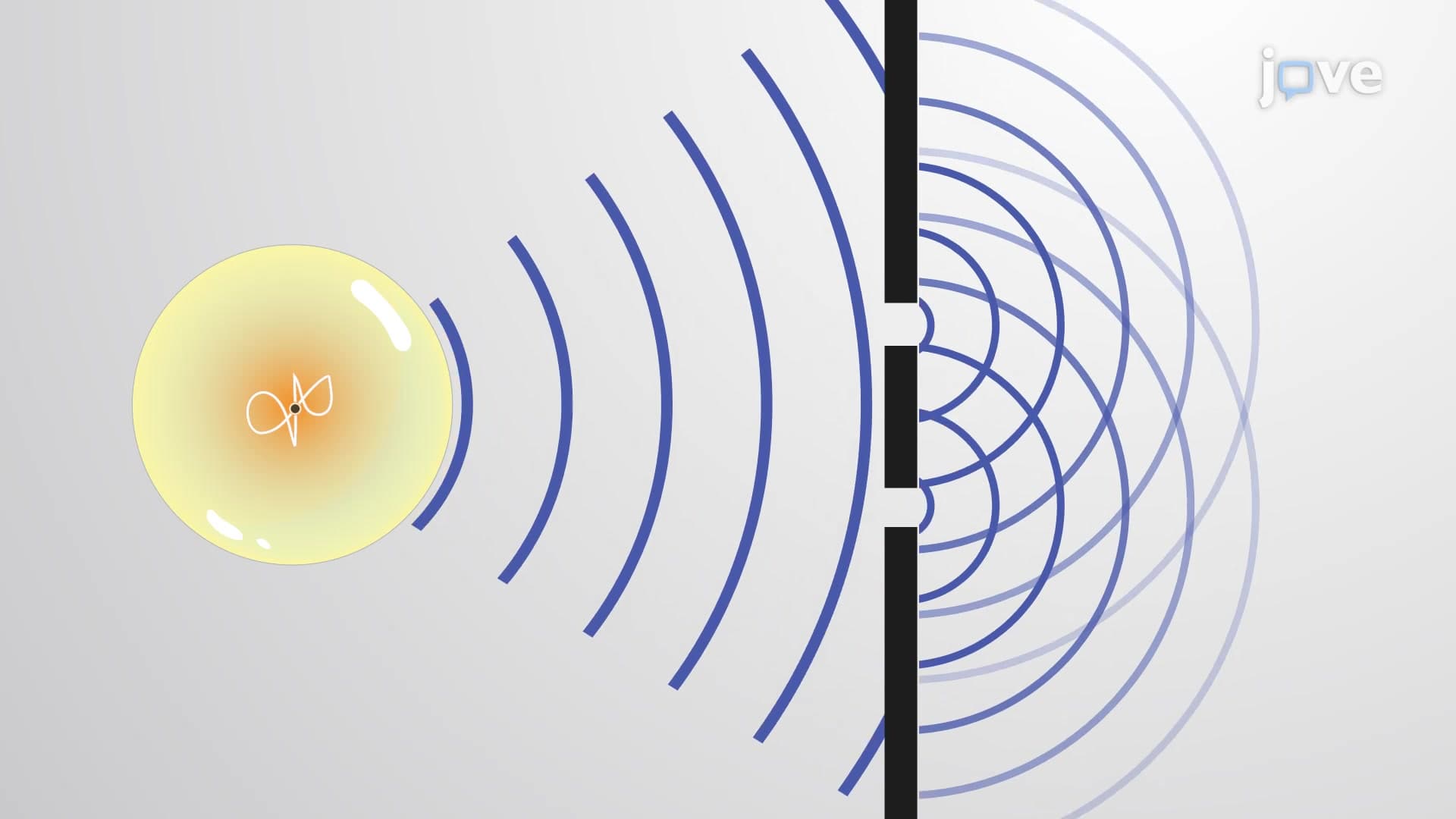
Why do electrons fired through two slits create the same interference patterns as light waves? The de Broglie wavelength explains this quantum mystery by revealing that all moving particles, including the electrons in MIT's electron microscopes, possess wave-like properties. French physicist Louis de Broglie discovered that matter has an associated wavelength determined by its momentum, fundamentally changing our understanding of particle behavior at the atomic scale. Watch the full video on JoVE Coach to master this concept with expert-led visuals and step-by-step explanations.
The de Broglie wavelength represents one of quantum mechanics' most revolutionary concepts: all moving matter exhibits wave-like properties. In 1924, French physicist Louis de Broglie proposed that particles possess an associated wavelength given by λ = h/mv, where h is Planck's constant (6.626 × 10^-34 J·s), m is mass, and v is velocity. This relationship elegantly connects classical mechanics with wave physics, explaining phenomena that puzzled early 20th-century scientists.
The de Broglie equation reveals an inverse relationship between wavelength and momentum. As particle velocity increases, wavelength decreases proportionally. For electrons accelerated through typical laboratory voltages (1000V), the de Broglie wavelength equals approximately 0.039 nanometers-comparable to atomic spacing in crystals. This scale makes electron diffraction a powerful tool for studying crystal structures, utilized extensively in materials science laboratories at Stanford University and other research institutions.
Students preparing for AP Chemistry or college physics courses should practice calculating de Broglie wavelengths for various particles. A 70-kg student running at 5 m/s has a de Broglie wavelength of approximately 1.9 × 10^-36 meters-far too small to observe macroscopically. This calculation demonstrates why quantum effects remain invisible in everyday life.
Electron diffraction experiments provide compelling evidence for matter waves. When electrons pass through crystalline samples, they produce interference patterns identical to those created by X-rays, confirming their wave nature. The Davisson-Germer experiment at Bell Labs first demonstrated this phenomenon in 1927, earning a Nobel Prize and validating de Broglie's theory.
Modern electron microscopes exploit these wave properties to achieve resolution superior to optical instruments. Transmission electron microscopes (TEMs) used in US universities can resolve features smaller than 0.05 nanometers by utilizing electrons' short de Broglie wavelengths. This technology enables researchers to image individual atoms, advancing fields from semiconductor manufacturing to biological research.
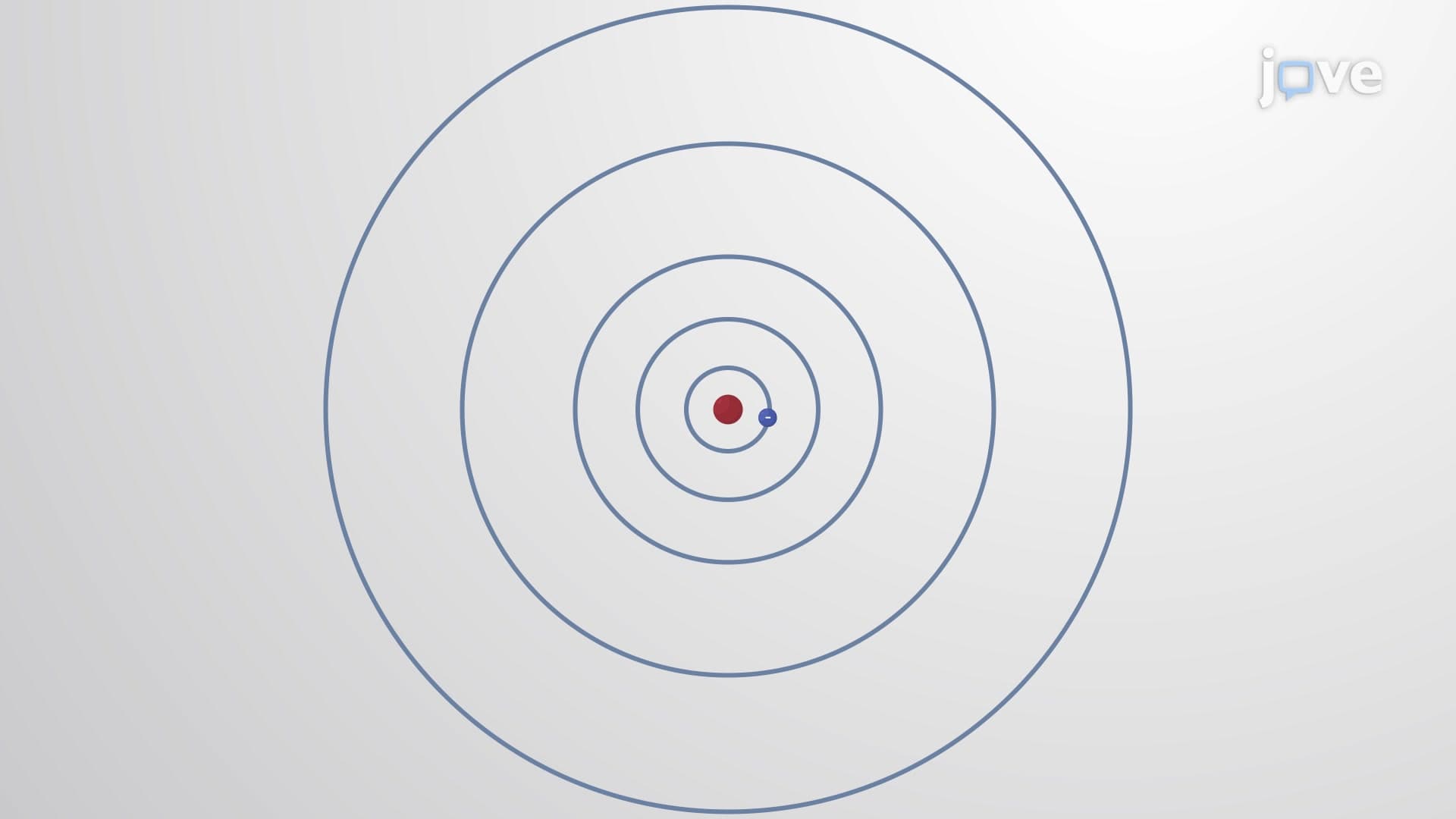
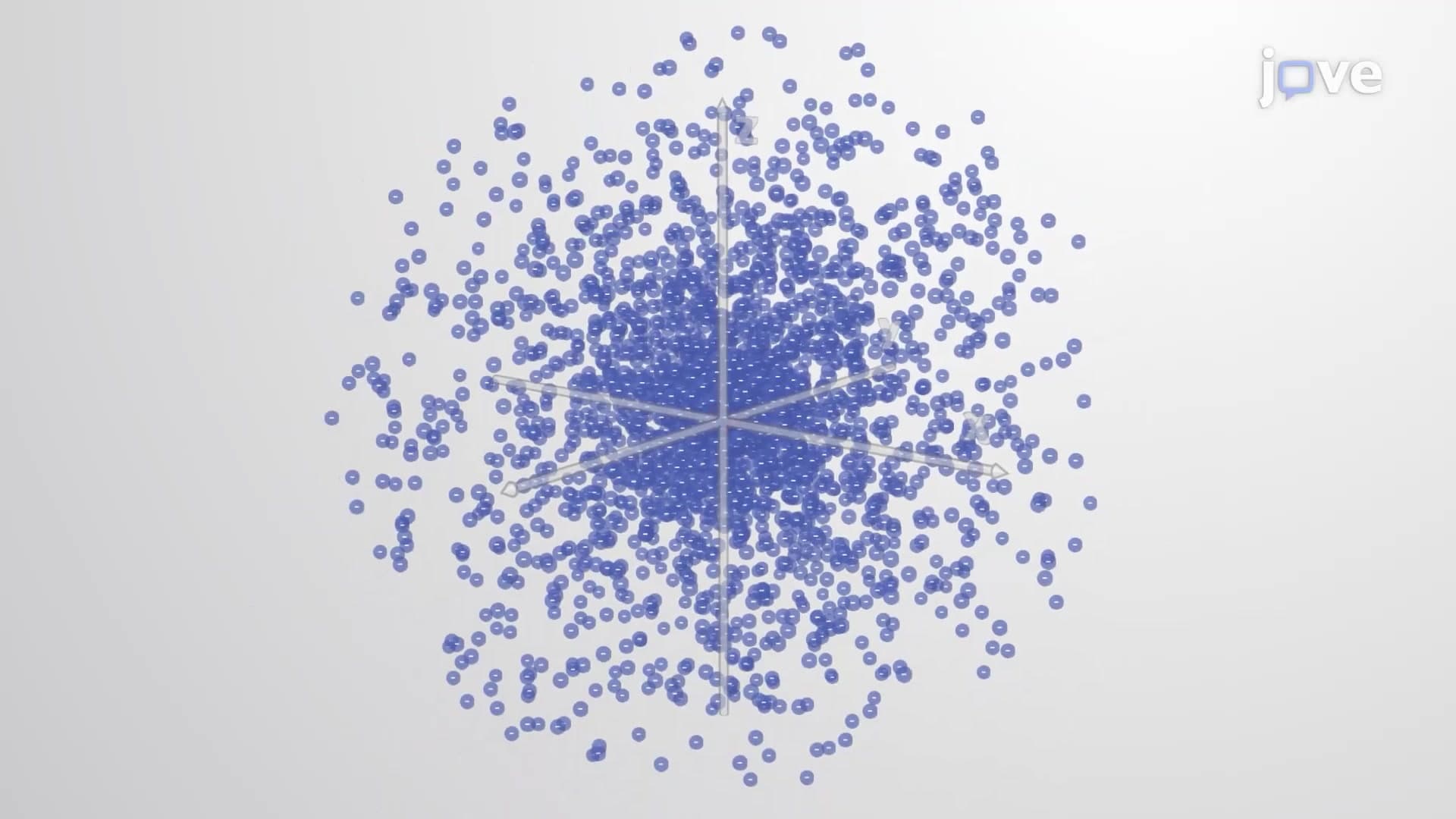
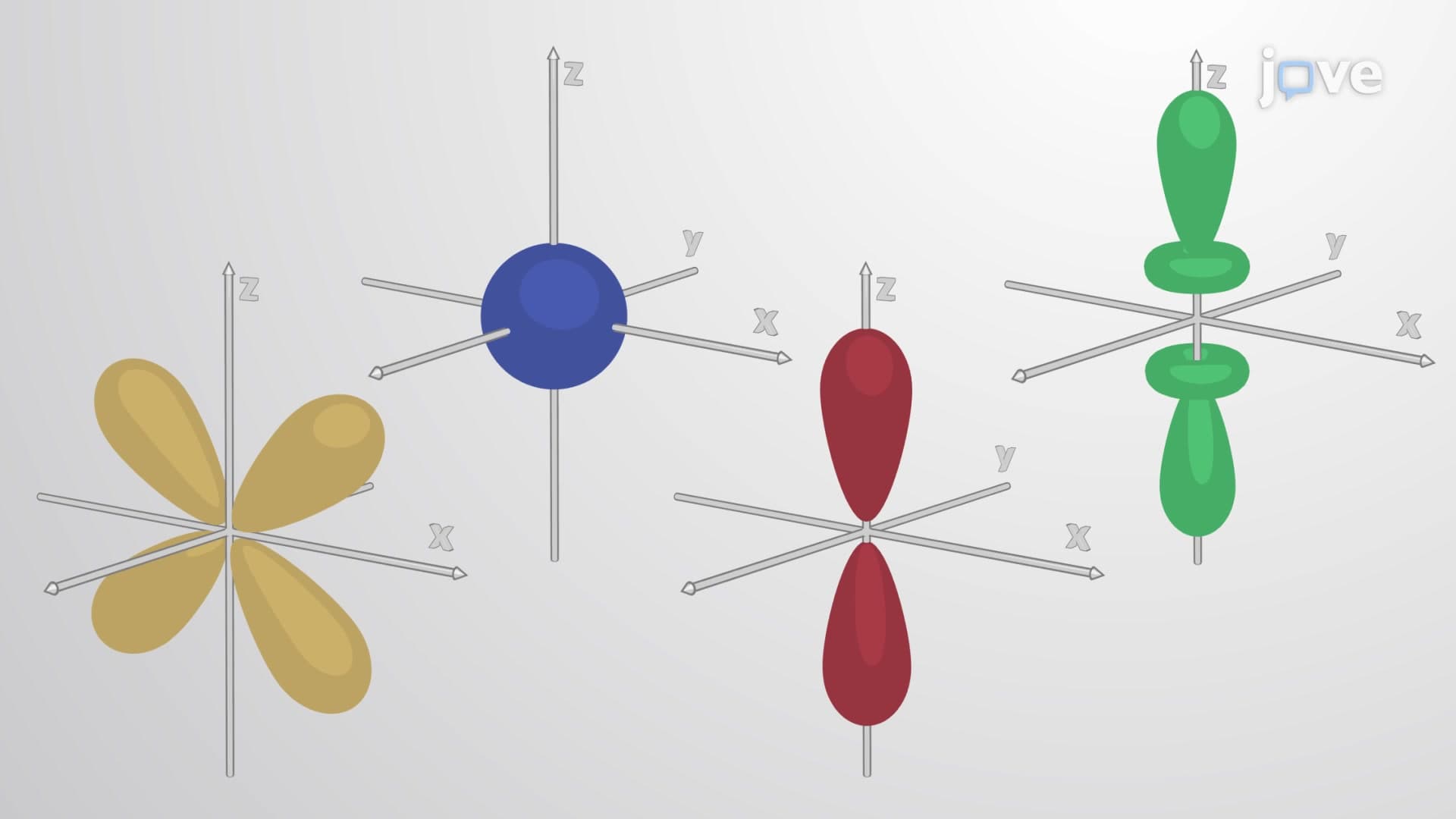
De Broglie's work directly influenced quantum mechanical models of atomic structure. His concept of standing matter waves around the nucleus provided the foundation for Schrödinger's wave equation and modern orbital theory. Students studying for the MCAT or advanced chemistry courses should understand how de Broglie wavelengths relate to orbital shapes and electron probability distributions, concepts fundamental to understanding chemical bonding and molecular behavior.
Related Micro-courses