Loading subject page…


774,425 views

Video Summary: What Is the Electromagnetic Spectrum
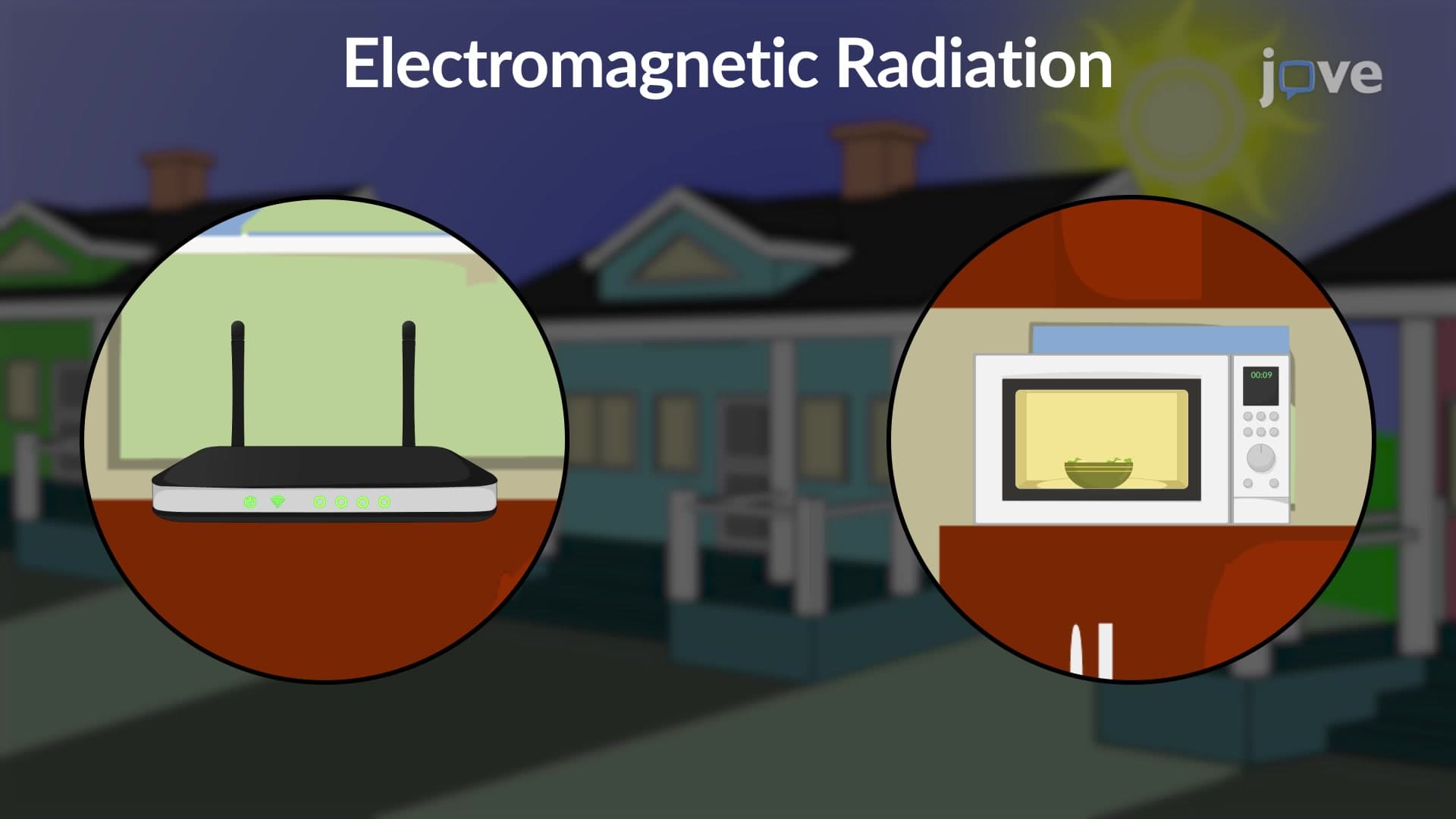
Did you know that your cell phone, microwave oven, and the X-rays at your dentist's office all use different parts of the same phenomenon? The electromagnetic spectrum encompasses all forms of electromagnetic radiation, from low-energy radio waves used by stations like NPR to high-energy gamma rays detected in space. Understanding what is the electromagnetic spectrum reveals how wavelength and frequency work inversely-shorter wavelengths mean higher frequencies and more energy. Watch the full video on JoVE Coach to master this concept with expert-led visuals and step-by-step explanations.
The electromagnetic spectrum represents one of the most fundamental concepts in physics, organizing all electromagnetic radiation by wavelength and frequency. This comprehensive framework helps us understand everything from radio broadcasts to medical imaging. For students preparing for AP Physics or college-level courses, mastering this concept provides the foundation for understanding wave behavior, energy quantization, and modern technology applications.
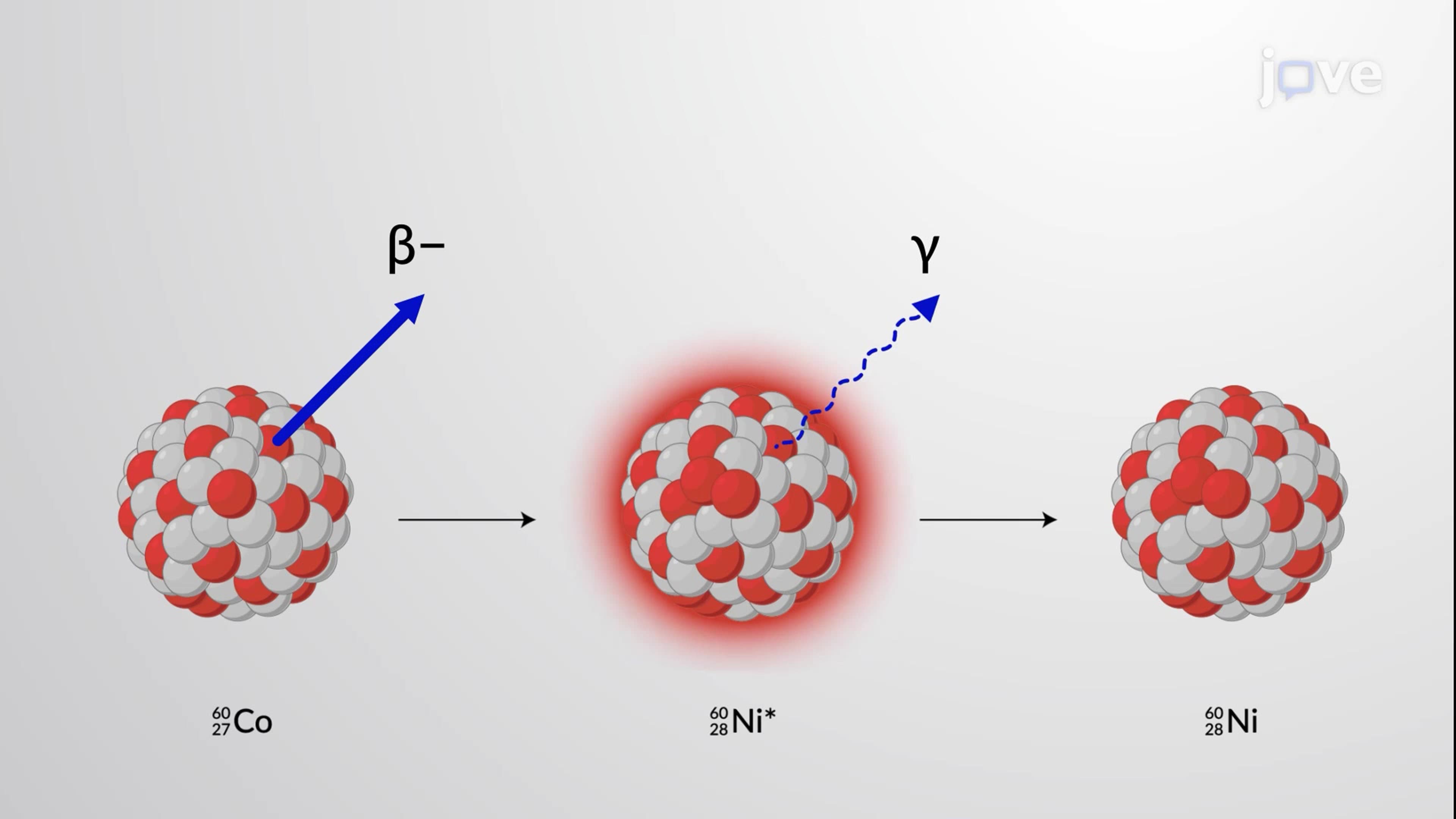
The mathematical relationship governing the electromagnetic spectrum follows clear patterns that appear frequently on standardized exams. As wavelength increases, frequency decreases proportionally, following the equation c = λf, where c represents the speed of light (3.0 × 10^8 m/s). Energy correlates directly with frequency through Planck's equation: E = hf, where h is Planck's constant. This means gamma rays, with wavelengths shorter than 10^-12 meters, carry millions of times more energy per photon than radio waves with wavelengths measured in kilometers.
Each region serves specific technological and scientific purposes in American industry and research. Radio waves enable AM/FM broadcasting and GPS navigation systems used throughout the US transportation network. Microwaves power both radar systems at airports like LAX and household appliances. Infrared radiation drives thermal imaging cameras used by firefighters and medical thermography in hospitals like Johns Hopkins. The narrow visible light range (390-740 nanometers) supports human vision and fiber optic communications connecting cities nationwide.
Higher-energy portions of the spectrum require careful handling in clinical settings. Ultraviolet radiation from sun exposure drives vitamin D synthesis but also causes skin damage, making UV index forecasts crucial for public health. X-rays enable diagnostic imaging in emergency rooms across the country while requiring lead shielding to protect technicians. Gamma radiation, though dangerous, enables cancer treatment through precisely targeted radiation therapy at major medical centers like MD Anderson Cancer Center.
Understanding these applications helps students connect abstract physics concepts to real-world careers in engineering, medicine, and research-knowledge that proves valuable on MCAT physics sections and college physics exams.
Related Micro-courses