Loading video…


 15 Concepts
 774.4K views

Video Summary: What Is the Uncertainty Principle
Ever wondered why quantum computers at IBM and Google behave so differently from your laptop? The uncertainty principle reveals that electrons can never have both precise position and momentum simultaneously, fundamentally limiting what we can know about subatomic particles. This quantum mechanical principle, demonstrated through the famous double-slit experiment, explains why electrons exhibit wave-particle duality and why atomic behavior differs drastically from everyday objects like baseballs. Watch the full video on JoVE Coach to master this concept with expert-led visuals and step-by-step explanations.
The uncertainty principle stands as one of the most profound discoveries in modern physics, fundamentally changing how we understand reality at the quantum level. Formulated by Werner Heisenberg in 1927, this principle states that certain pairs of physical properties-called complementary variables-cannot be measured simultaneously with perfect accuracy. The most famous example involves position and momentum: the more precisely we know where a particle is located, the less precisely we can know how fast it's moving, and vice versa.
Mathematically, the uncertainty principle is expressed as Δx × Δp ≥ h/4π, where Δx represents position uncertainty, Δp represents momentum uncertainty, and h is Planck's constant. This isn't merely a limitation of our measuring instruments-it's a fundamental property of nature itself. Students preparing for AP Physics or college quantum mechanics courses should understand that this relationship emerges from the wave nature of matter, as described by Louis de Broglie's revolutionary work on matter waves.
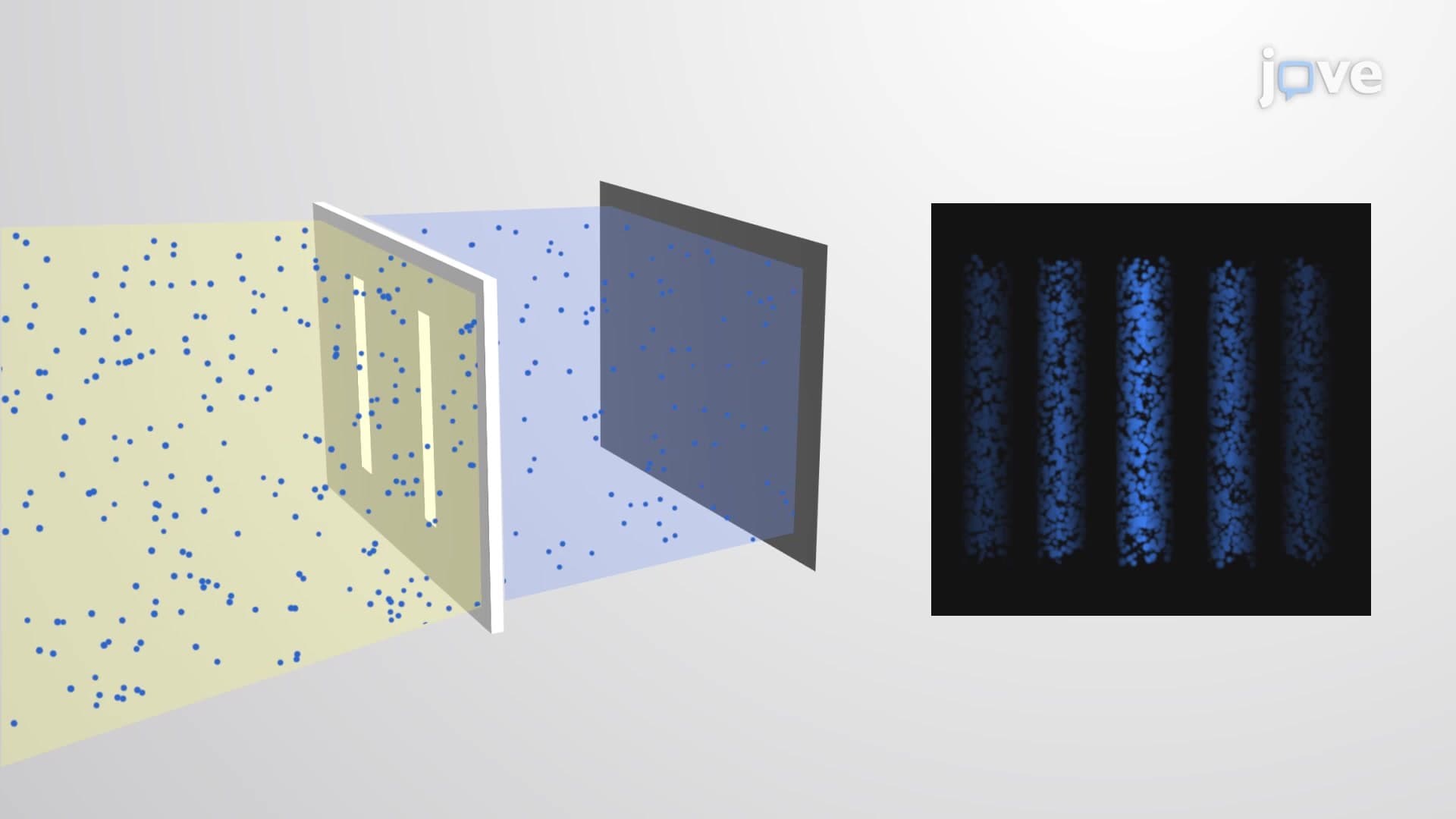
The double-slit experiment provides compelling evidence for the uncertainty principle basics. When electrons pass through two closely spaced slits without observation, they create an interference pattern characteristic of waves. However, when scientists attempt to determine which slit each electron passes through using detection methods, the wave-like behavior disappears, and only particle-like behavior remains. This phenomenon occurs in laboratories across American universities, from MIT to Stanford, demonstrating that observation itself affects quantum systems.
Understanding the uncertainty principle concept proves crucial for students pursuing STEM careers in the United States. Quantum technologies-including quantum computers developed by companies like IBM, Google, and Intel-rely on uncertainty principle properties. Medical imaging techniques such as MRI scanners use quantum mechanical principles, while GPS systems require corrections based on quantum effects. For pre-med students taking the MCAT, grasping these concepts helps explain why certain diagnostic tools work at the molecular level.
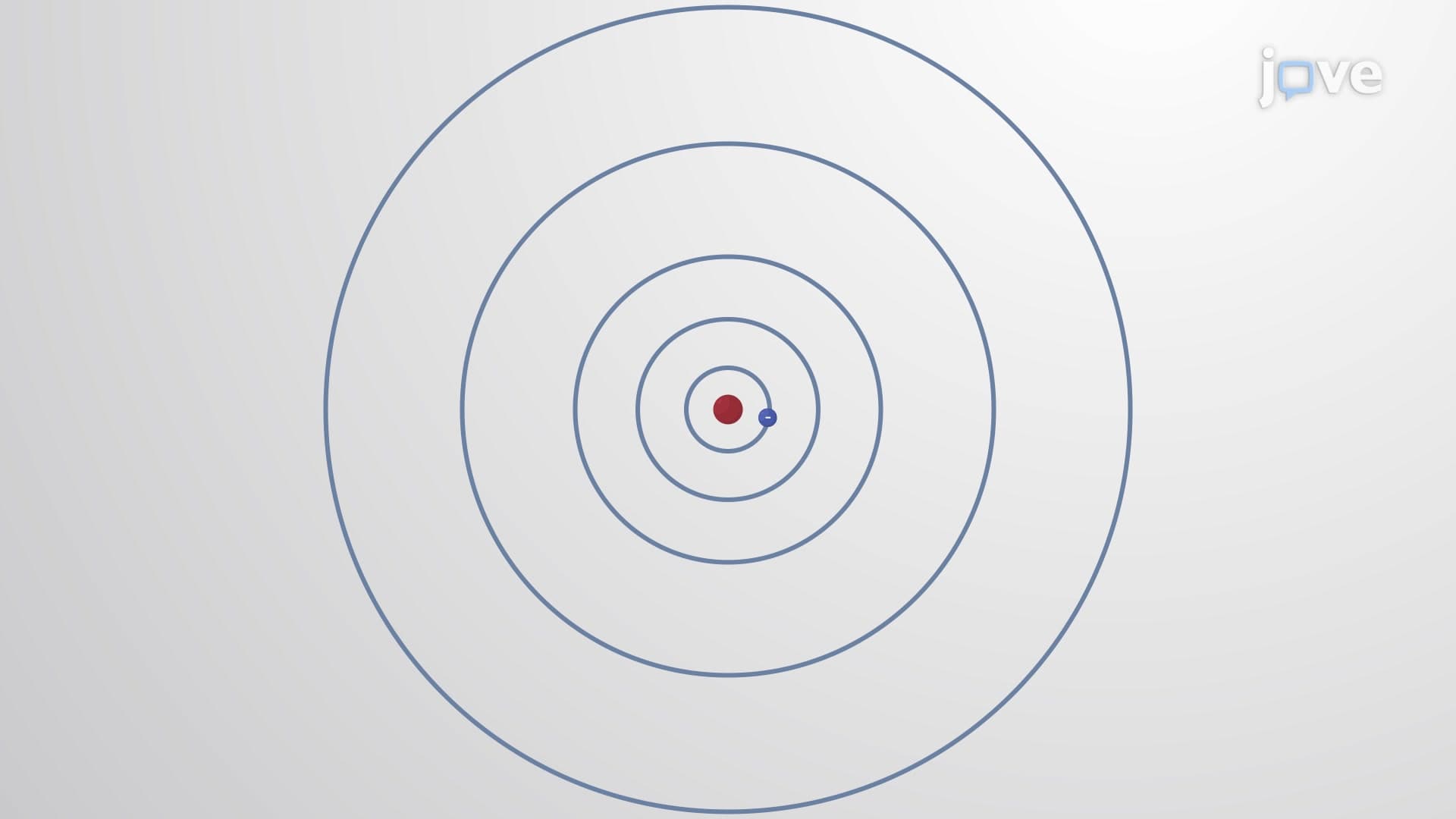
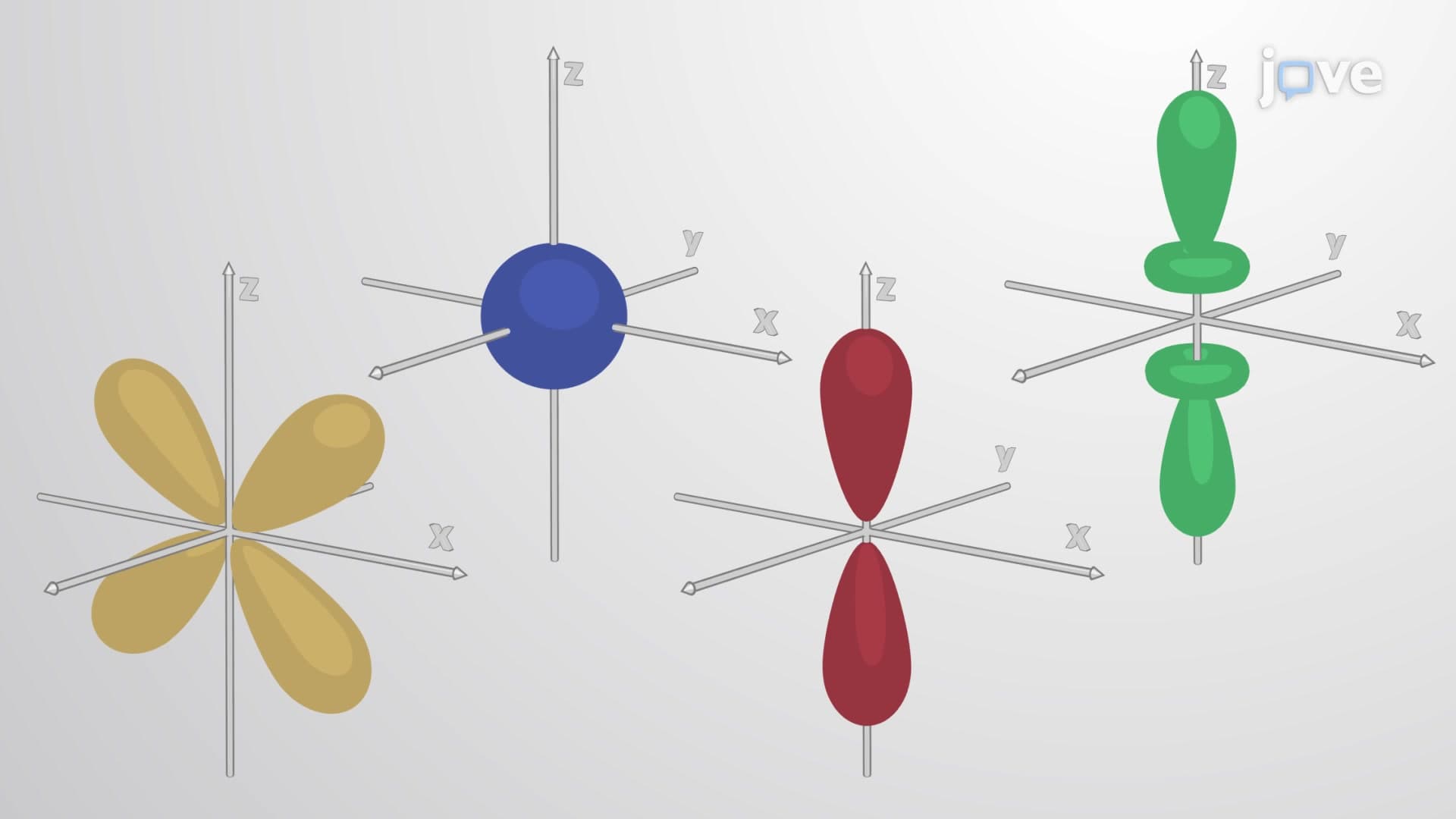
The electron cloud model, which replaces the outdated planetary model of atoms, directly results from uncertainty principle implications. Rather than electrons following predictable orbits, they exist in probability clouds where we can only predict the likelihood of finding them in specific regions. This model explains chemical bonding, molecular geometry, and pharmaceutical drug design-concepts essential for students in organic chemistry and biochemistry courses at American universities.
Related Micro-courses