Loading subject page…

- Chemistry
- Liquids, Solids, and Intermolecular Forces
- Lattice Centering and Coordination Number
Micro-course: Liquids, Solids, and Intermolecular Forces
669,501 views
Learn key concepts and earn your certificate.






Lattice Centering and Coordination Number

00:00
02:33
Video Summary: Lattice Centering and Coordination Number Explained
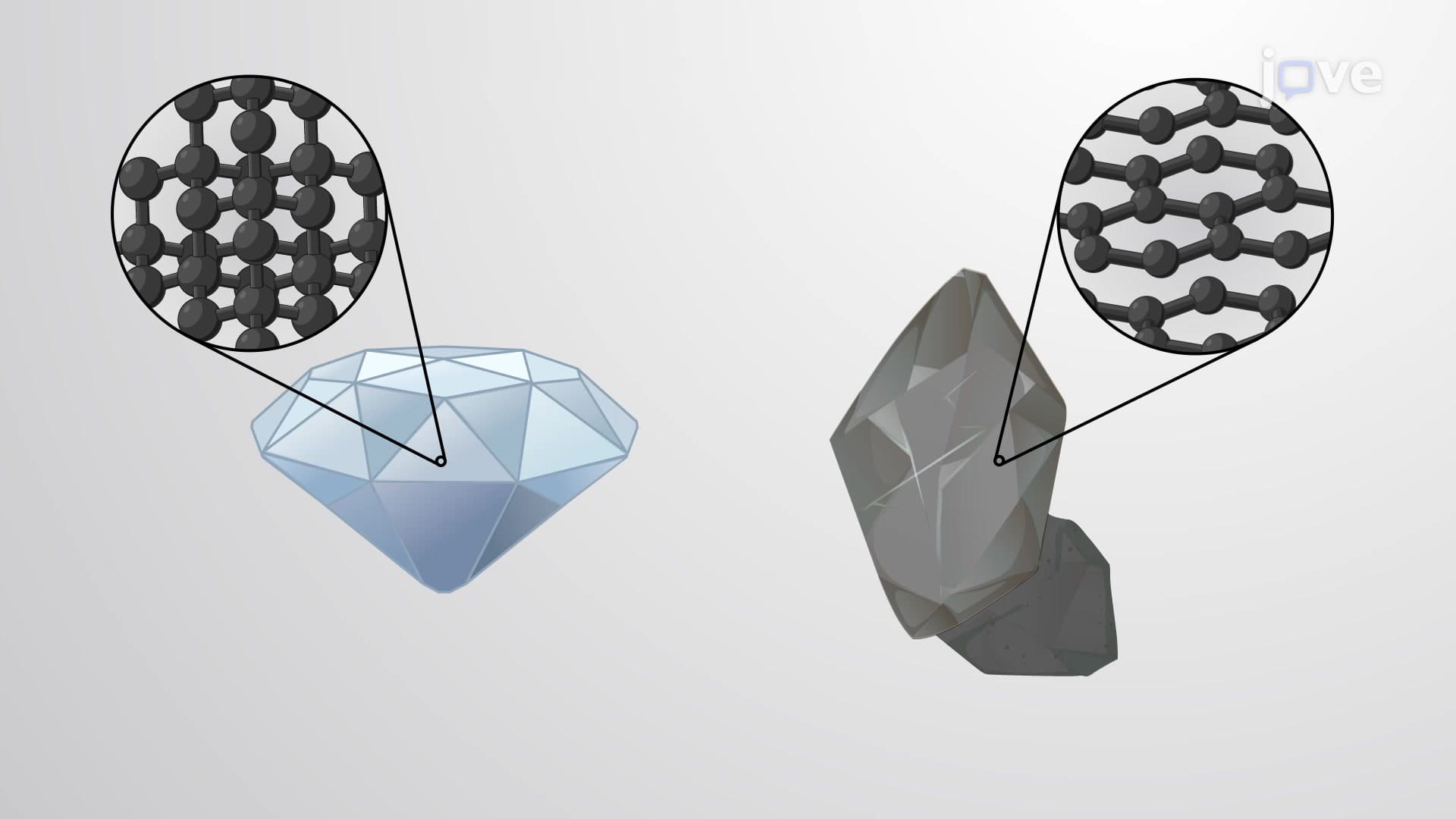
Ever wondered why diamonds are so incredibly hard while graphite is soft enough for pencil lead? The answer lies in lattice centering and coordination number, fundamental concepts that determine how atoms pack together in crystalline materials. From the silicon chips powering smartphones to the steel in San Francisco's Golden Gate Bridge, these principles govern the properties of materials we use daily. Lattice Centering And Coordination Number Explained reveals how different atomic arrangements create vastly different material properties through packing efficiency and neighbor interactions. Watch the full video on JoVE Coach to master this concept with expert-led visuals and step-by-step explanations.
- Understand the fundamental principles behind Lattice Centering And Coordination Number Explained and how they determine crystal structure properties
- Identify the three main types of lattice centering: primitive (simple), body-centered, face-centered, and base-centered arrangements
- Compare coordination numbers across different cubic lattice systems and their impact on material density and stability
- Analyze how packing efficiency varies between primitive, body-centered, and face-centered cubic structures
- Evaluate the relationship between lattice centering, coordination number, and real-world material properties
- Apply coordination number calculations to determine atomic arrangements in common crystal structures
- Recognize how lattice centering affects the number of atoms per unit cell in crystalline solids
- Explore connections between crystal structure and macroscopic properties like hardness, conductivity, and melting point
Understanding Lattice Centering And Coordination Number Fundamentals
Crystal structures form the backbone of materials science, determining everything from the strength of construction materials to the conductivity of semiconductors. Lattice centering and coordination number work together to define how efficiently atoms pack in three-dimensional space and how many nearest neighbors each atom contacts.
The concept becomes crucial when studying materials like the aluminum used in aircraft manufacturing or the iron in automotive steel. These everyday applications depend on precise atomic arrangements that maximize strength while minimizing weight, principles directly governed by lattice centering and coordination relationships.
Types of Lattice Centering and Their Characteristics
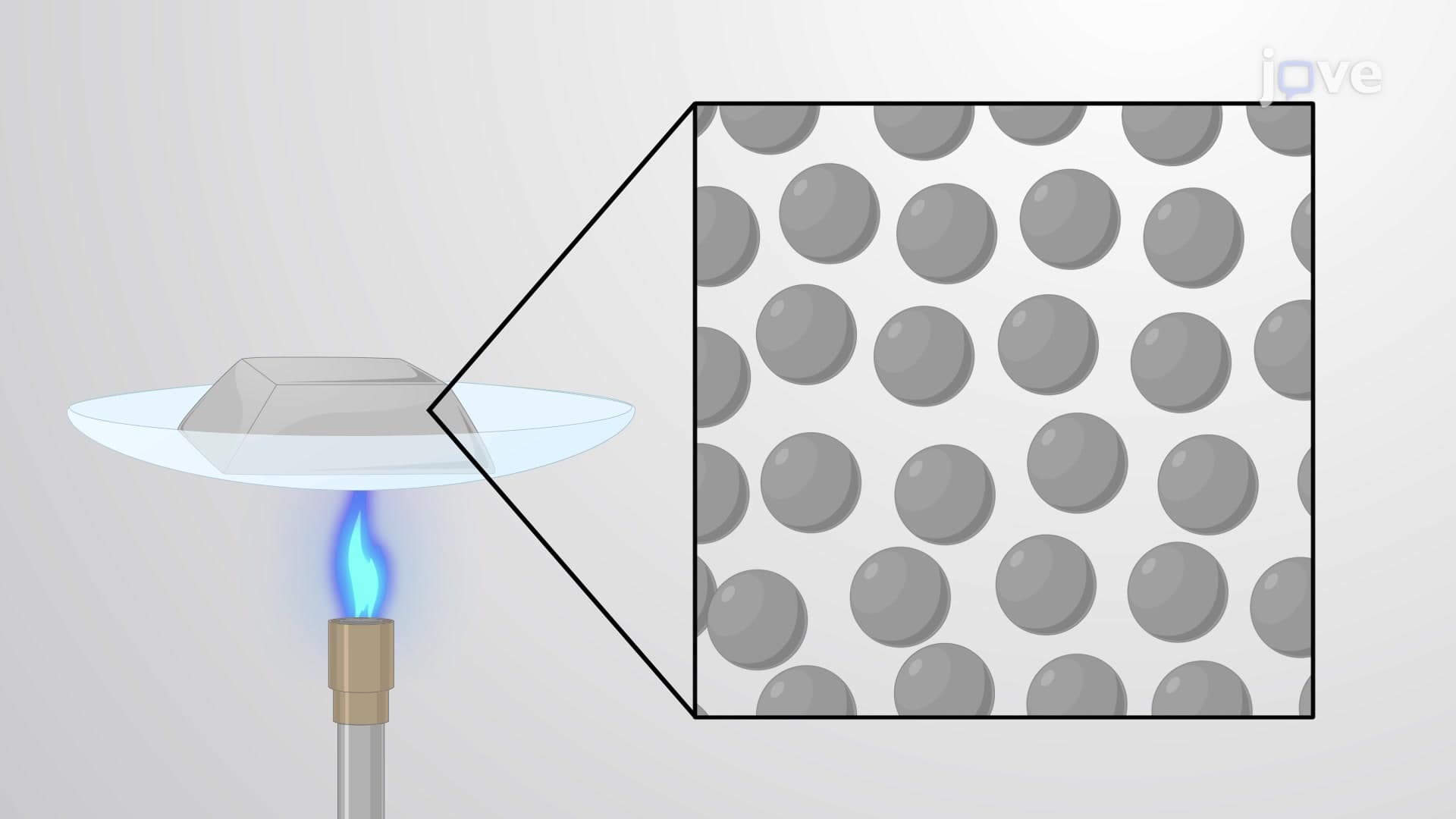
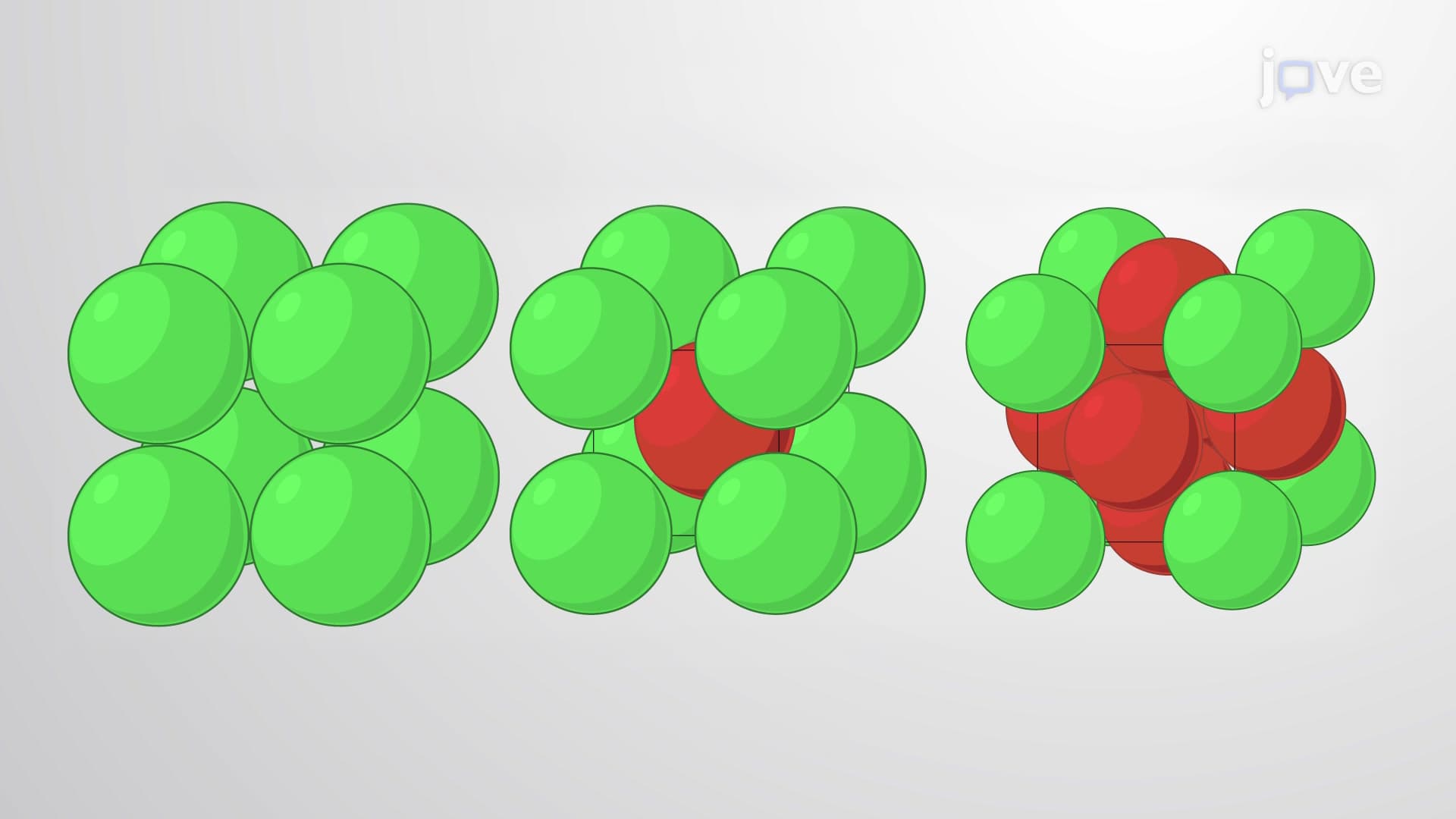
Primitive (simple) lattices represent the most basic arrangement, with atoms positioned only at unit cell corners. However, nature often favors more efficient packing through centered lattices. Body-centered arrangements add one atom at the unit cell's geometric center, while face-centered structures place atoms at the center of each face. Base-centered lattices, less common but equally important, feature atoms on only the top and bottom faces.
These centering types directly impact material properties. For example, iron transforms from body-centered cubic (ferrite) to face-centered cubic (austenite) as temperature increases, fundamentally changing its mechanical properties, a principle essential in steel production and heat treatment processes used throughout American manufacturing.
Coordination Number Analysis Across Crystal Systems
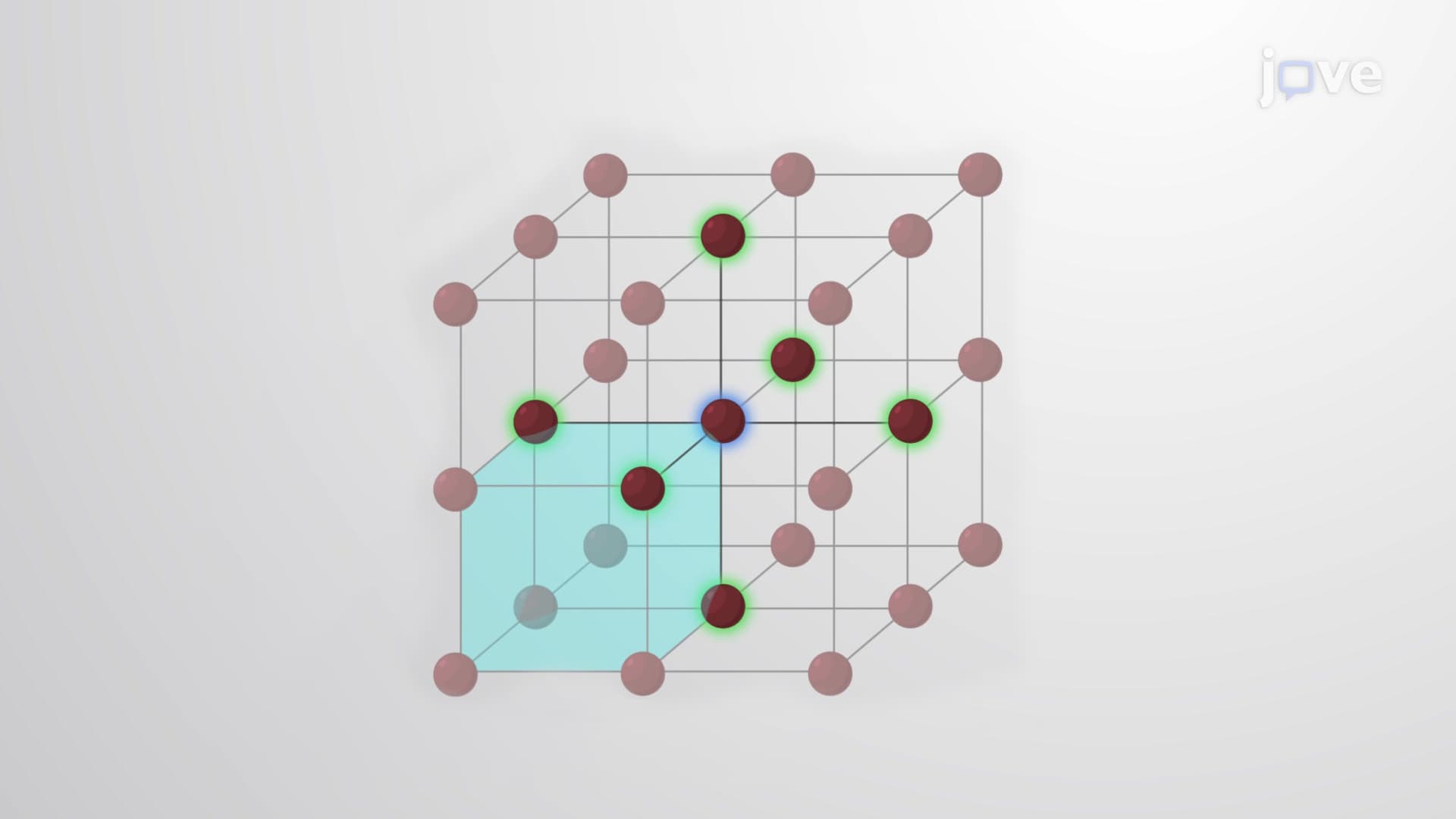
Coordination number quantifies atomic neighborhood density, profoundly affecting material behavior. In the cubic system, primitive arrangements yield coordination numbers of 6, body-centered structures achieve 8, and face-centered arrangements reach the maximum of 12. This progression correlates directly with increasing packing efficiency and material density.
Consider silicon, the foundation of America's tech industry. Silicon's diamond cubic structure (a variant of face-centered cubic) provides the perfect balance of coordination and directional bonding needed for semiconductor applications. Understanding these coordination principles helps explain why silicon dominates electronics while other elements with different crystal structures serve different technological roles.
Real-World Applications and Exam Relevance
These concepts frequently appear on AP Chemistry exams, college chemistry midterms, and MCAT materials science sections. Students should focus on visualizing three-dimensional arrangements and calculating atoms per unit cell. Practice problems often involve determining packing efficiency percentages or predicting material properties based on coordination numbers.
In industrial applications, companies like Intel and AMD rely on these principles when designing microprocessor architectures, while construction firms consider crystal structure when selecting steel grades for skyscrapers and bridges across American cities.
Frequently Asked Questions
Lattice centering refers to the placement of additional atoms within a unit cell beyond corner positions, while coordination number counts the nearest atomic neighbors. Together, they determine how efficiently atoms pack in crystalline materials and influence properties like density, strength, and conductivity in everything from building materials to computer chips.
AP Chemistry frequently tests these concepts through unit cell calculations, packing efficiency problems, and structure-property relationships. Students typically encounter questions about atoms per unit cell, density calculations, and predicting material properties based on crystal structure. Practice with cubic systems first, then advance to more complex arrangements.
Focus on cubic systems for MCAT preparation: primitive cubic (coordination number 6), body-centered cubic (8), and face-centered cubic (12). The MCAT emphasizes understanding how coordination number affects material properties rather than memorizing complex structures. Connect these numbers to packing efficiency and real-world applications.
Aluminum's face-centered cubic structure (coordination number 12) provides excellent ductility for forming beverage cans, while steel's body-centered cubic iron (coordination number 8) offers strength for construction. The different centering types create the perfect balance of properties needed for each application, demonstrating how atomic arrangement influences macroscopic behavior.
Not at all! Start by visualizing simple cubic arrangements using tennis balls or building blocks, then gradually add centered positions. Most students grasp the concept quickly when they connect atomic arrangements to familiar materials like table salt or metals. The key is practicing three-dimensional visualization rather than memorizing complex formulas.
Create physical models using spheres or draw detailed diagrams showing nearest neighbors for each atom. Practice calculating coordination numbers step-by-step, focusing on cubic systems first. Use flashcards linking coordination numbers to common materials, and solve practice problems involving packing efficiency calculations regularly before exams.
Yes, but only after thoroughly understanding cubic systems. Hexagonal close-packed structures appear in metals like zinc and magnesium, offering coordination number 12 like face-centered cubic but with different geometric arrangements. This knowledge becomes valuable for advanced chemistry courses and materials science applications.
While coordination numbers in crystals count nearest atomic neighbors, they connect to bonding concepts through electron density and atomic radius relationships. Higher coordination numbers often correlate with metallic bonding, while lower numbers appear in more covalently bonded structures. This relationship becomes important when predicting material properties and designing new compounds.
Related Micro-courses