Loading subject page…


669,502 views


Video Summary: Molecular Comparison of Gases Liquids Explained
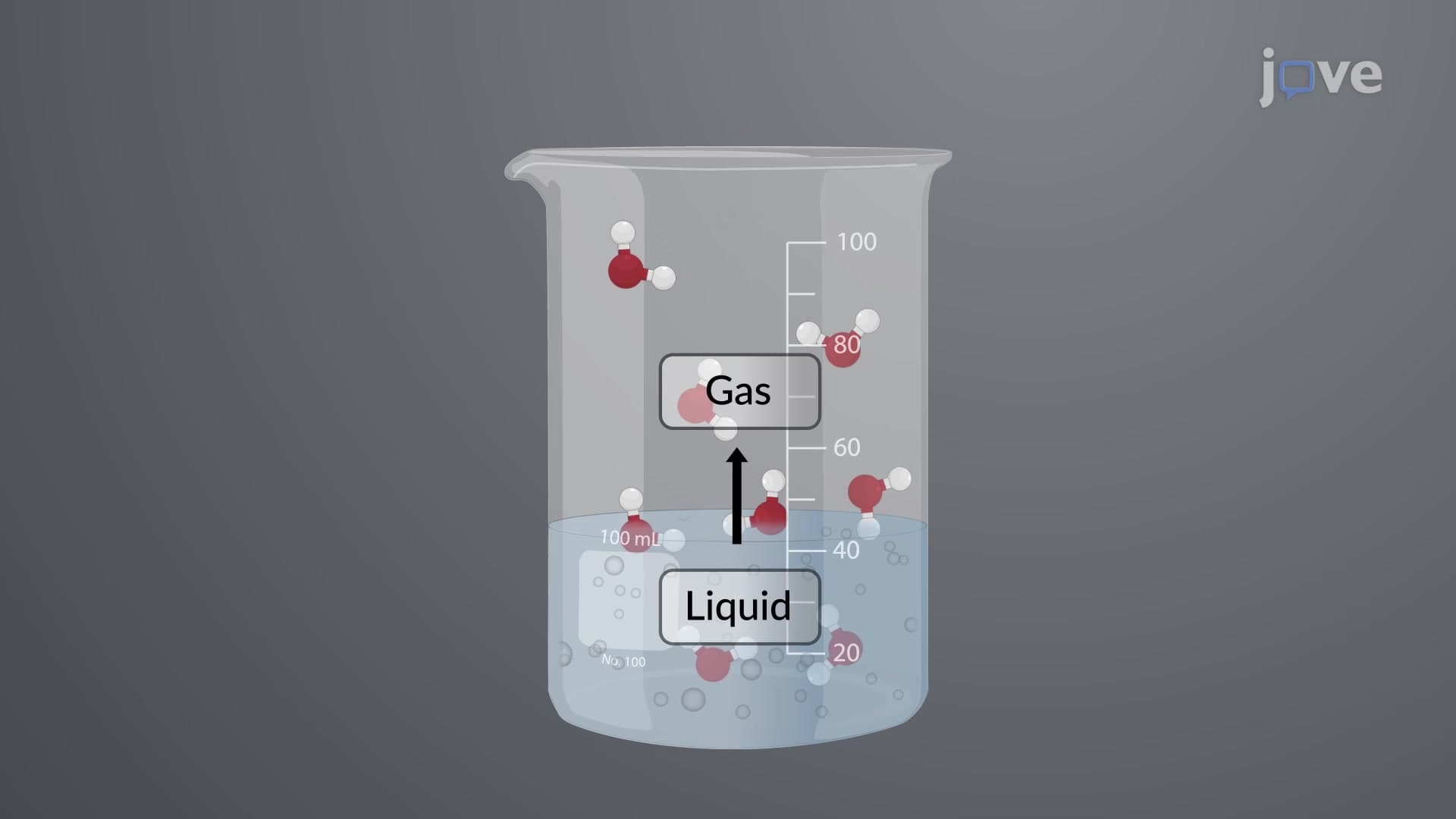
Ever wonder why helium balloons float while water droplets fall? The molecular comparison of gases liquids reveals how particle movement and energy determine whether substances behave like the air we breathe or the beverages we drink. Consider how propane transforms from liquid in your barbecue tank to gas when released, this everyday phenomenon demonstrates fundamental molecular differences. Understanding molecular comparison of gases liquids explained helps decode why materials exist in different states around us. Watch the full video on JoVE Coach to master this concept with expert-led visuals and step-by-step explanations.
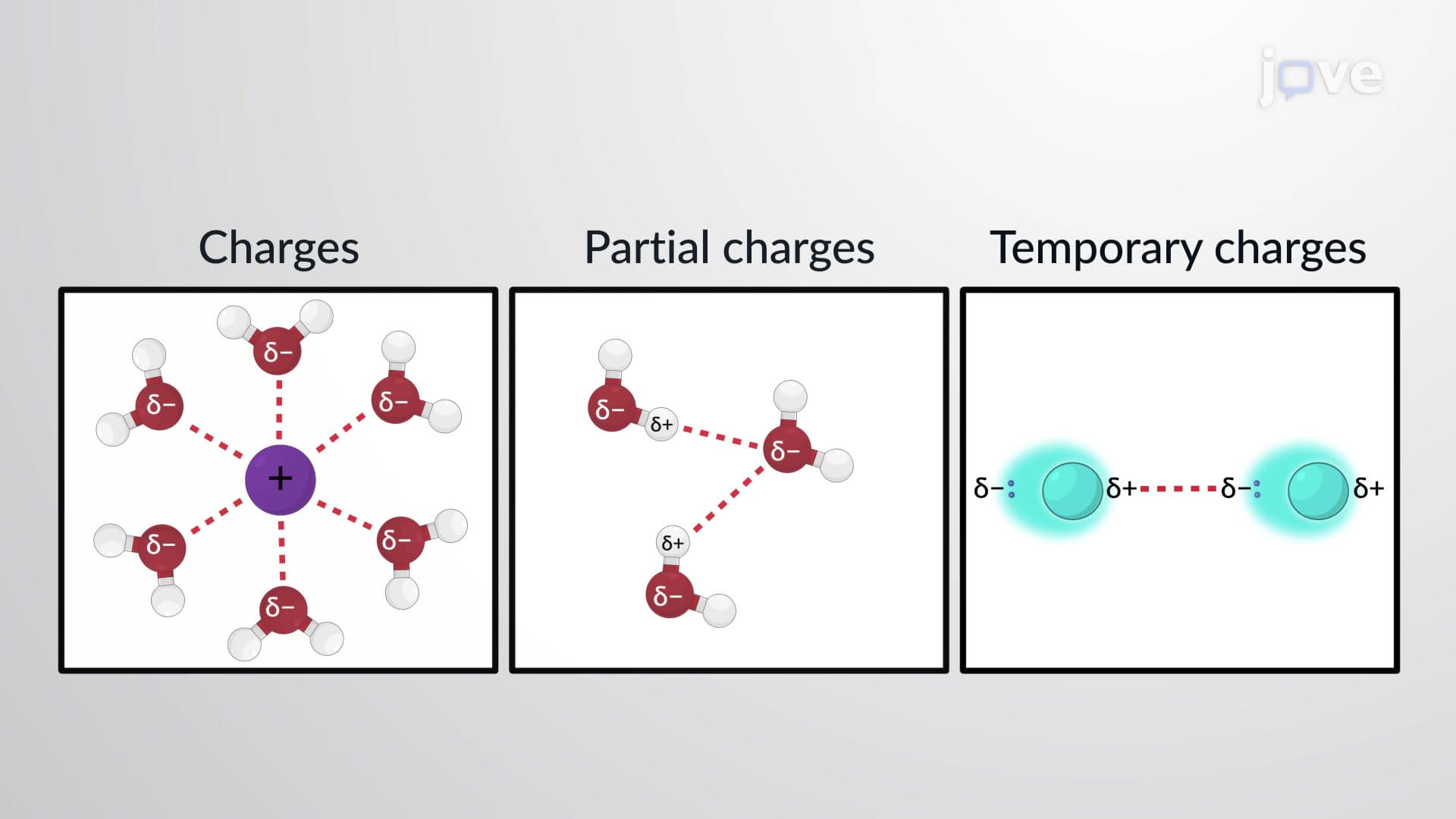
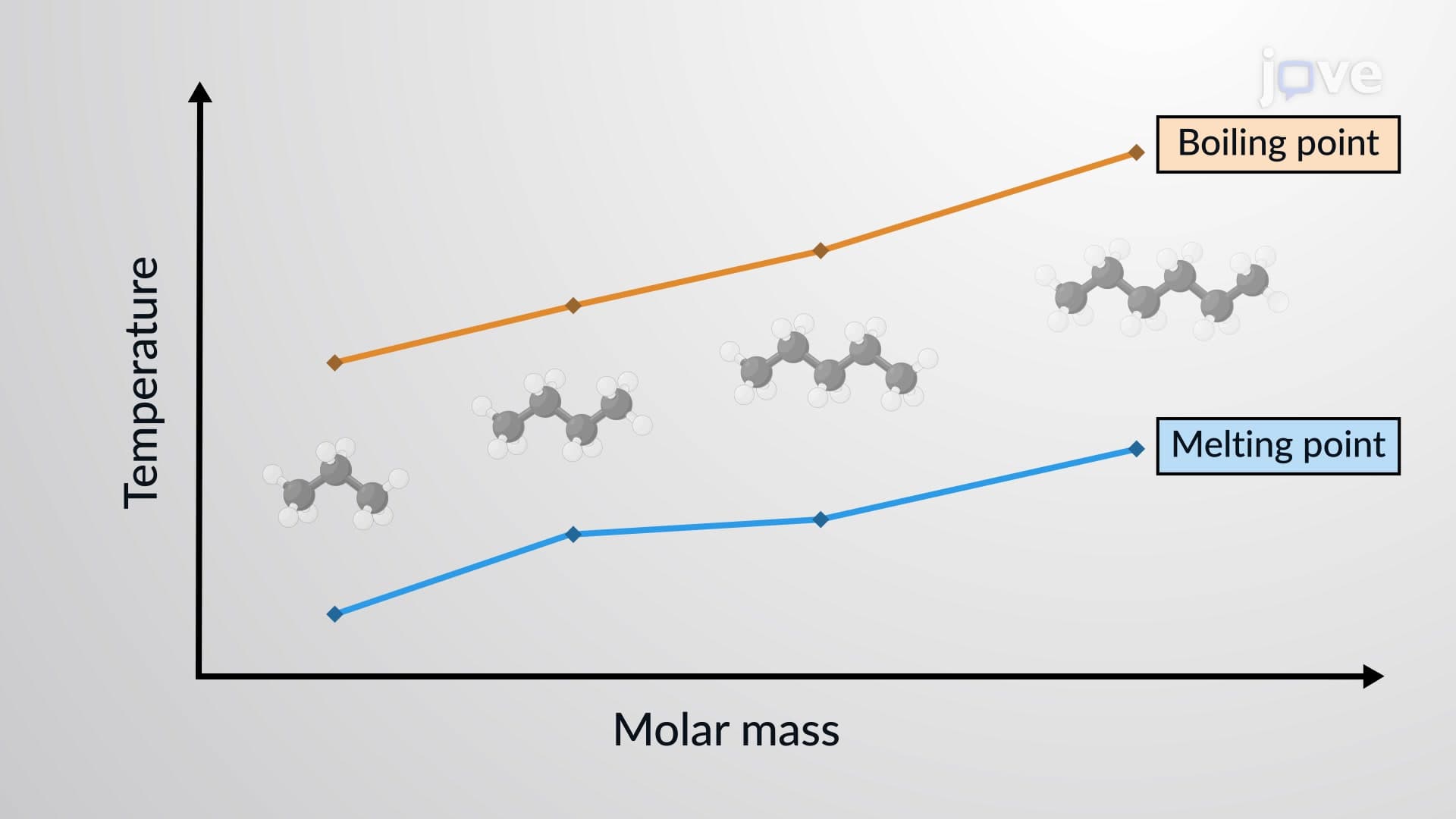
The molecular comparison of gases liquids explained centers on two fundamental factors: kinetic energy and intermolecular forces. These competing influences determine whether molecules exist as freely moving gas particles or more constrained liquid molecules. In gases, high kinetic energy dominates, allowing molecules to overcome weak attractive forces and spread throughout available space. Conversely, liquids represent a balance where intermolecular attractions are strong enough to maintain molecular proximity while permitting limited movement.
Molecular kinetic energy directly correlates with temperature, higher temperatures increase molecular motion in both gases and liquids. In gaseous methane used for home heating, molecules possess sufficient energy to break free from intermolecular attractions, creating rapid, random motion with minimal particle interactions. This high-energy state explains why natural gas expands to fill entire pipelines and storage tanks regardless of container size.
Liquid molecules, such as those in automotive gasoline, maintain moderate kinetic energy levels. While molecules move continuously, their energy isn't sufficient to completely overcome intermolecular forces. This creates a dynamic equilibrium where molecules can slide past each other (enabling flow) while remaining in close contact (maintaining definite volume).
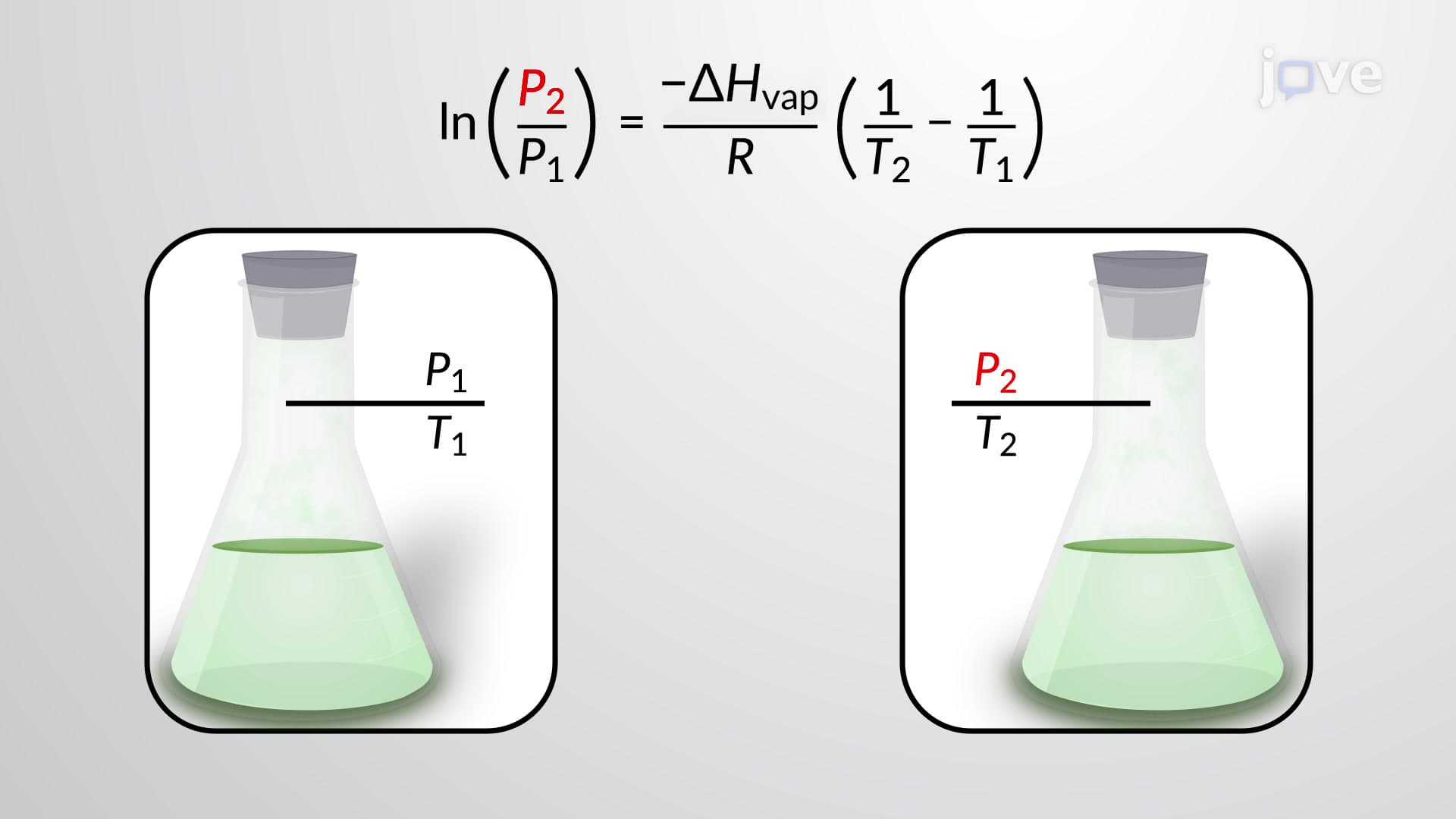
The strength of intermolecular attractions varies significantly between substances, influencing their gas-liquid behavior. Water molecules exhibit strong hydrogen bonding, requiring substantial energy input to transition from liquid to gas, explaining why water has a relatively high boiling point of 100°C. In contrast, helium atoms have minimal intermolecular attractions, remaining gaseous even at extremely low temperatures.
These force differences become crucial for AP Chemistry students studying phase diagrams and vapor pressure relationships. Understanding how molecular attractions influence boiling points, surface tension, and viscosity helps predict substance behavior across temperature ranges commonly tested on standardized exams.
This molecular comparison appears frequently in college chemistry coursework, particularly in thermodynamics and physical chemistry modules. Pre-med students encounter these concepts again in MCAT passages discussing respiratory gas exchange and anesthetic mechanisms. The underlying principles also support advanced topics like ideal gas law deviations and critical point phenomena studied in chemical engineering programs.
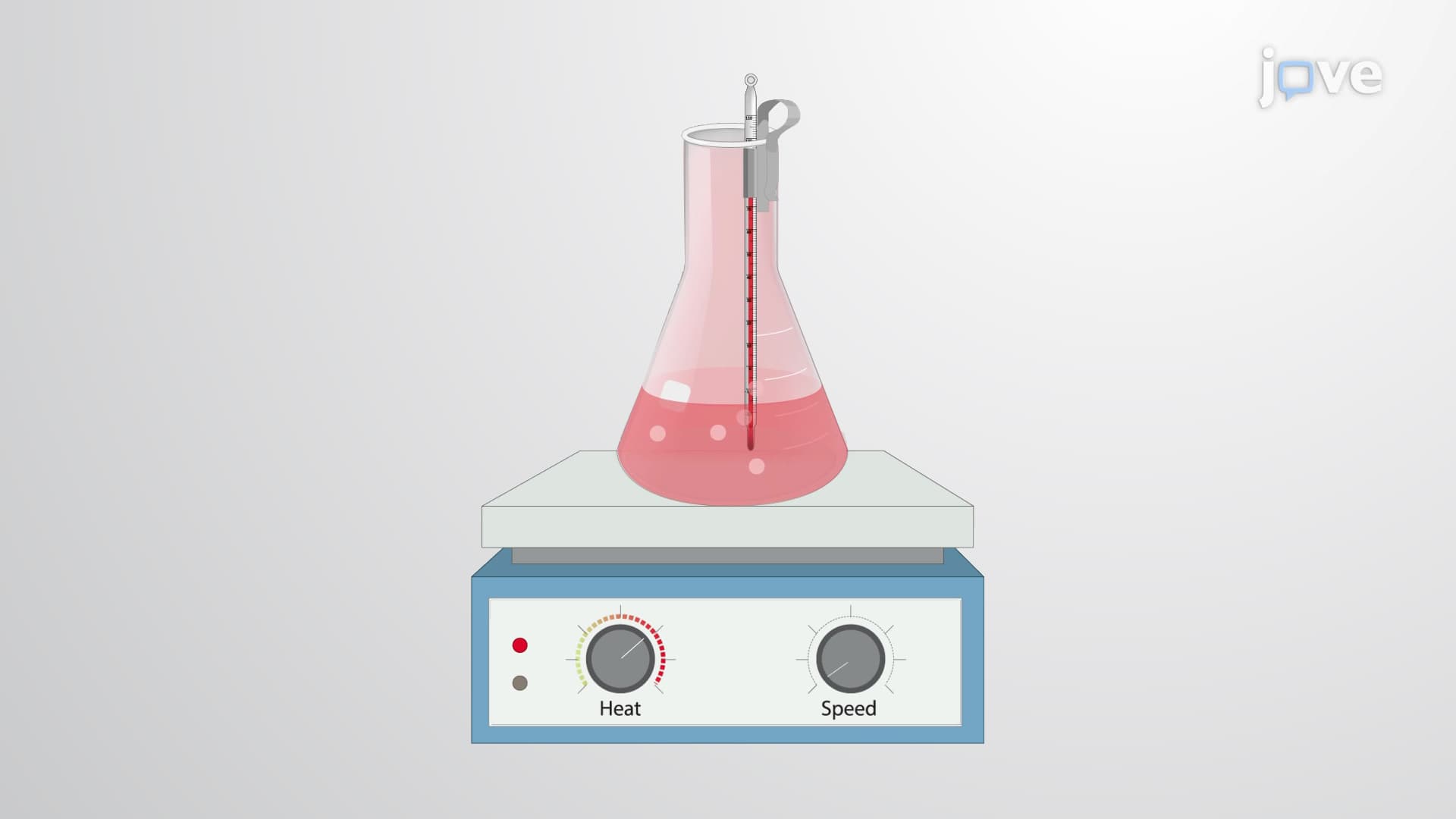
Laboratory exercises often demonstrate these molecular differences through distillation experiments, where students observe how varying intermolecular forces affect separation efficiency. These hands-on experiences reinforce theoretical understanding while developing practical skills essential for research and industry applications.
Related Micro-courses