Loading subject page…


669,501 views

Video Summary: Phase Transitions Melting and Freezing Explained
Ever wonder why salt melts ice on Minnesota highways in winter? Phase transitions melting and freezing govern this everyday phenomenon, where energy changes determine whether water exists as solid ice or liquid. Understanding Phase Transitions Melting And Freezing Explained reveals how particles overcome intermolecular forces during melting and re-establish them during freezing, with specific energy requirements called enthalpy of fusion. Watch the full video on JoVE Coach to master this concept with expert-led visuals and step-by-step explanations.
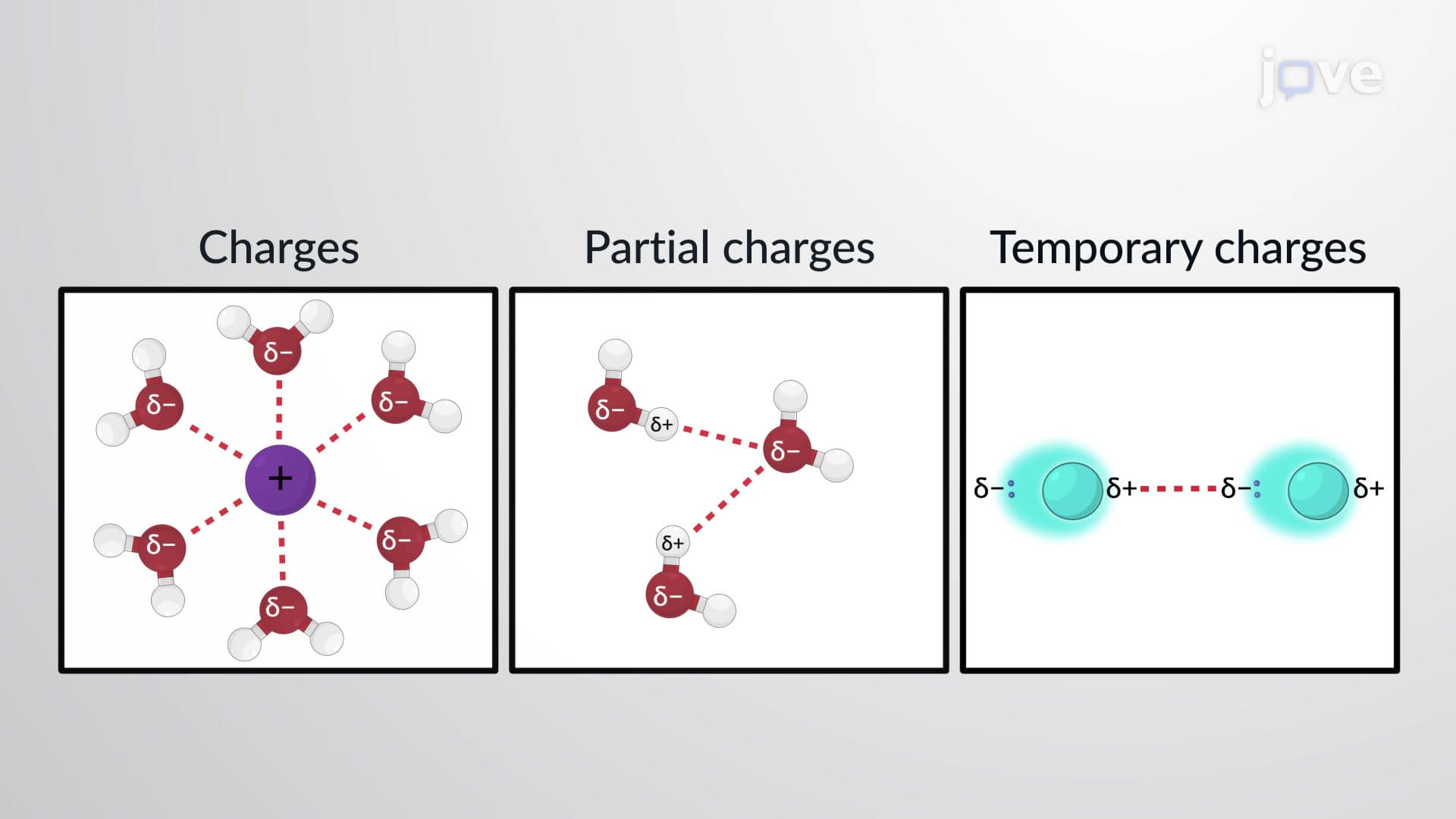
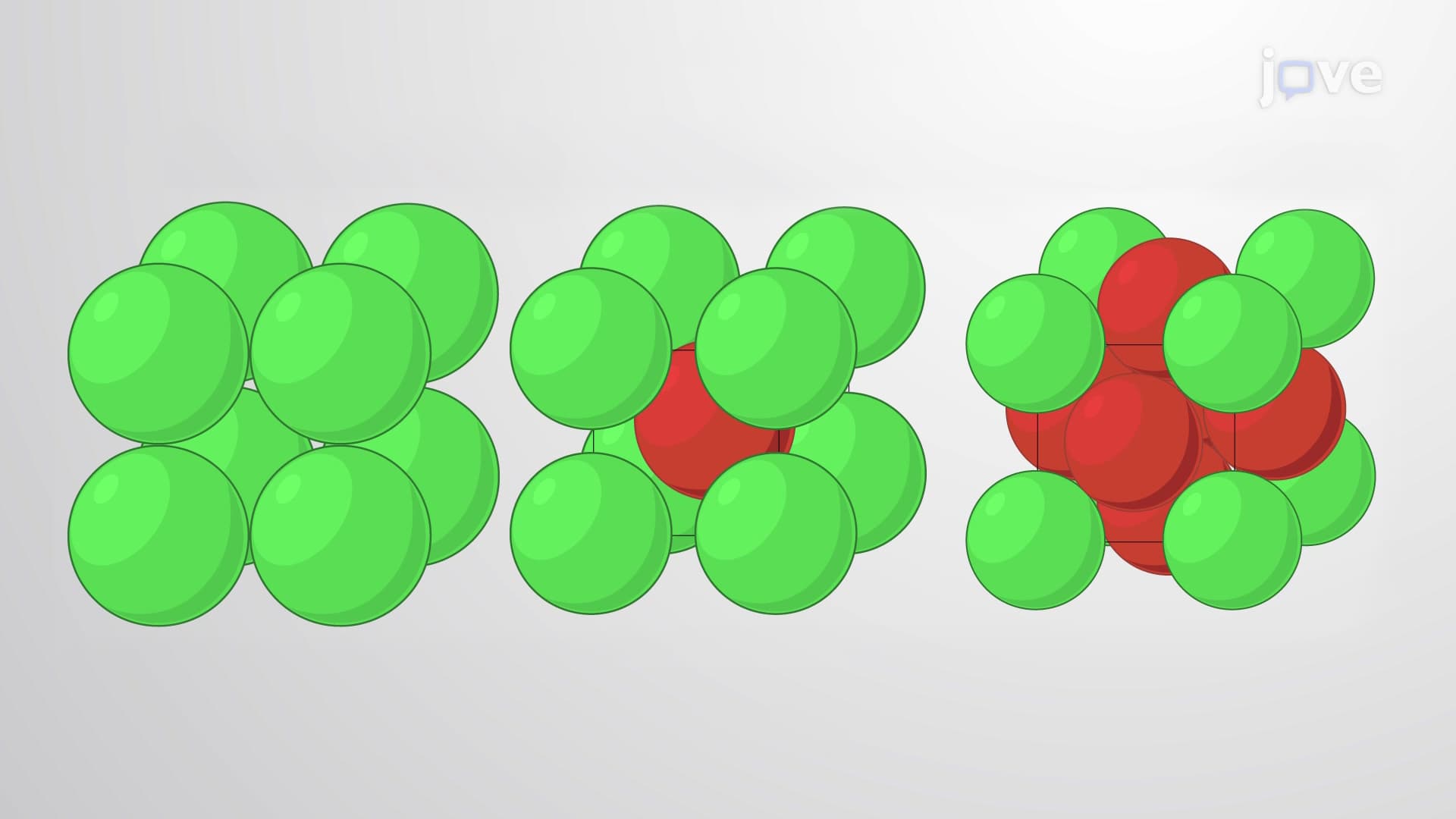
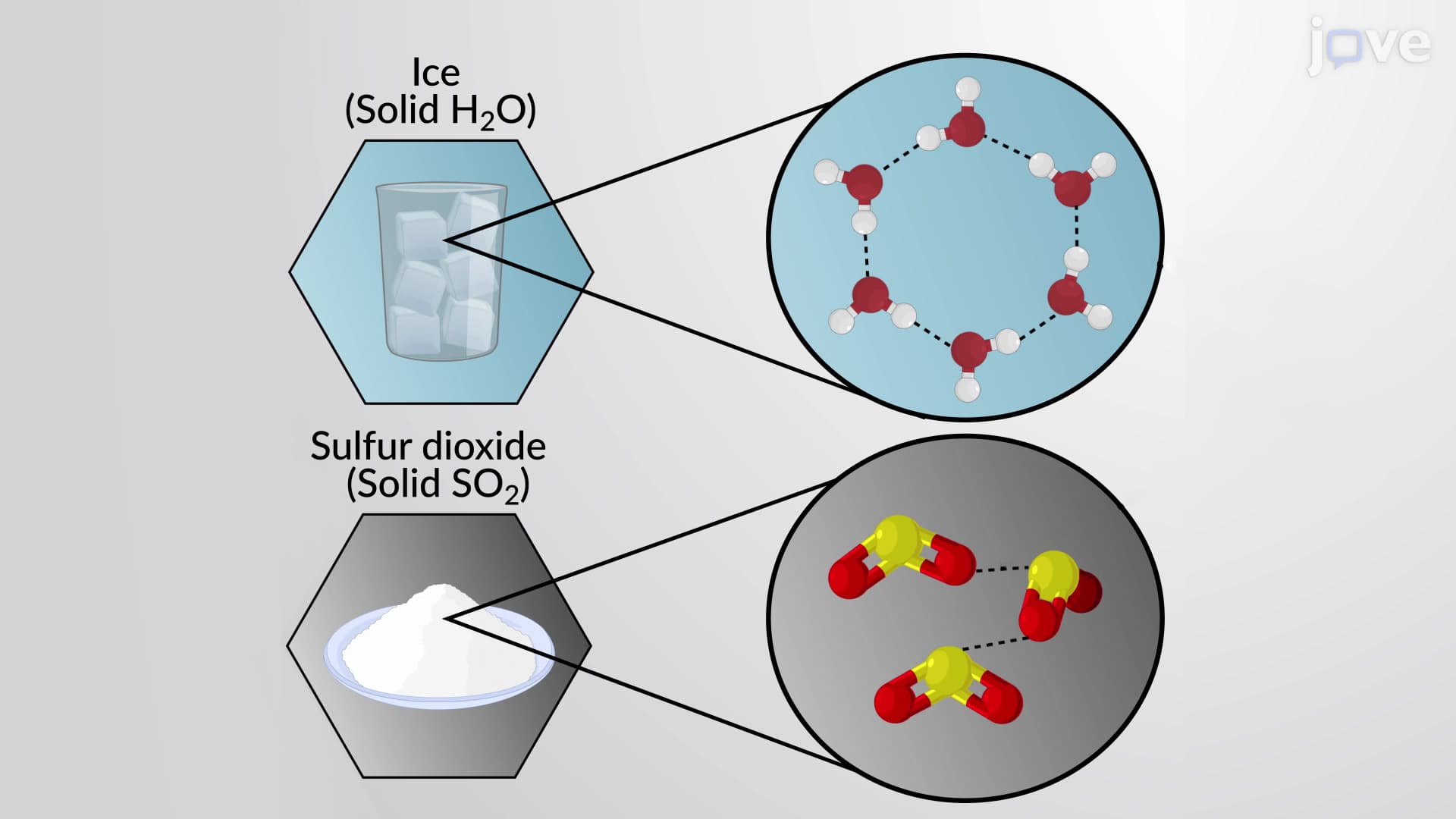
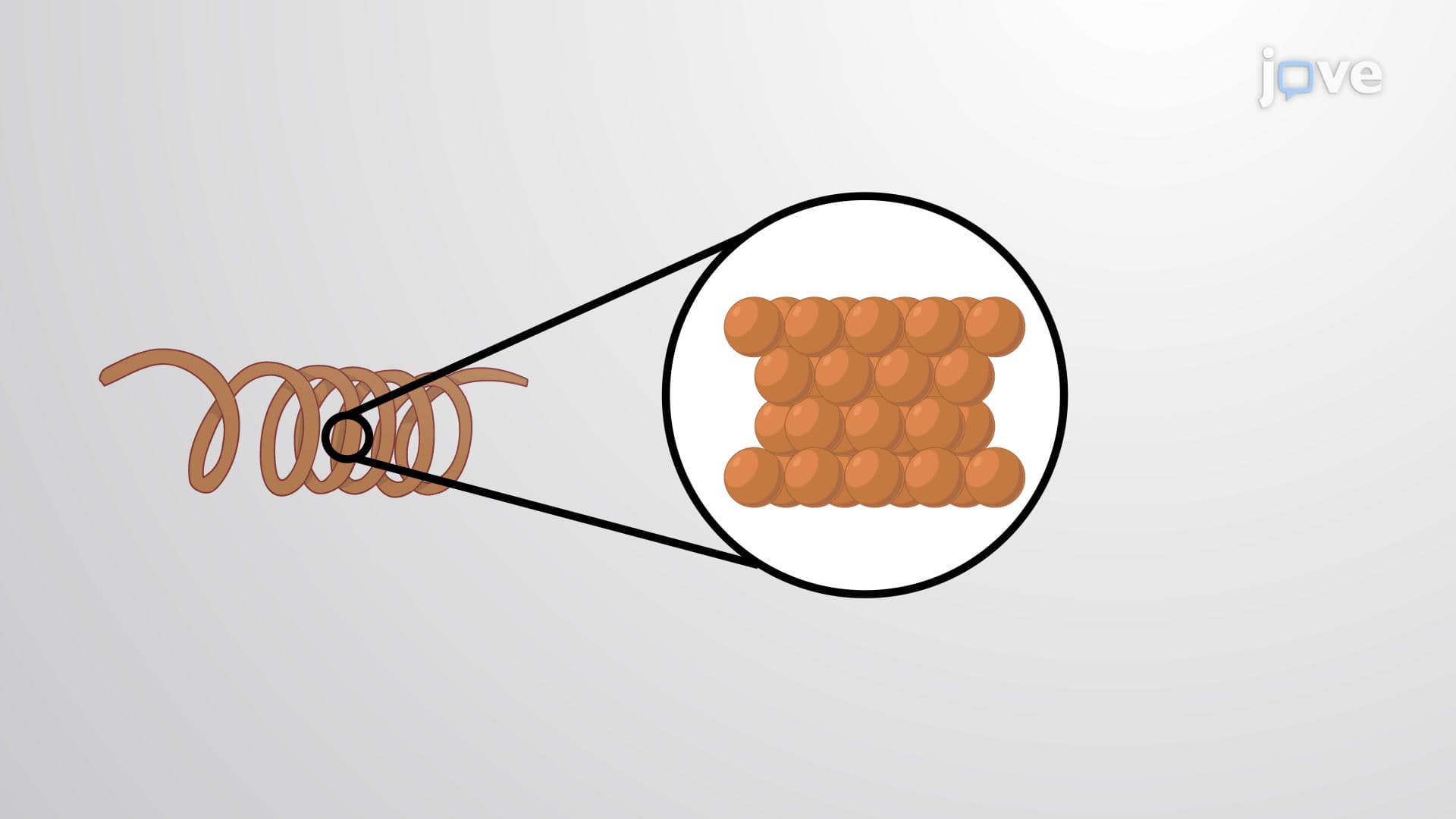
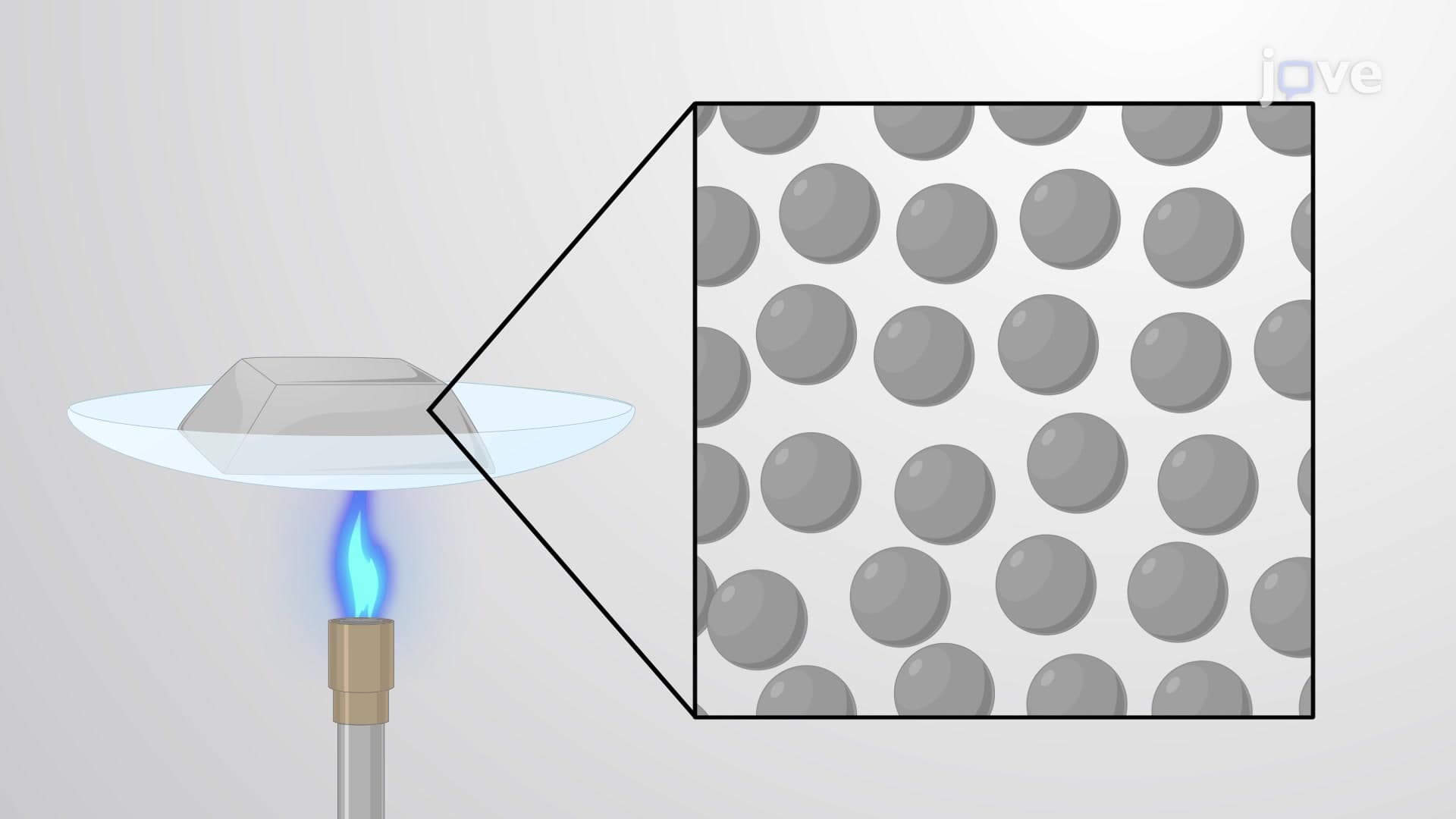
Phase transitions melting and freezing represent fundamental changes in matter that occur when thermal energy overcomes or re-establishes intermolecular forces. At the molecular level, solid particles maintain fixed positions within a crystalline lattice structure, vibrating around equilibrium points. When heat energy increases particle kinetic energy sufficiently, these vibrations intensify until intermolecular forces can no longer maintain the rigid structure, causing lattice collapse and melting.
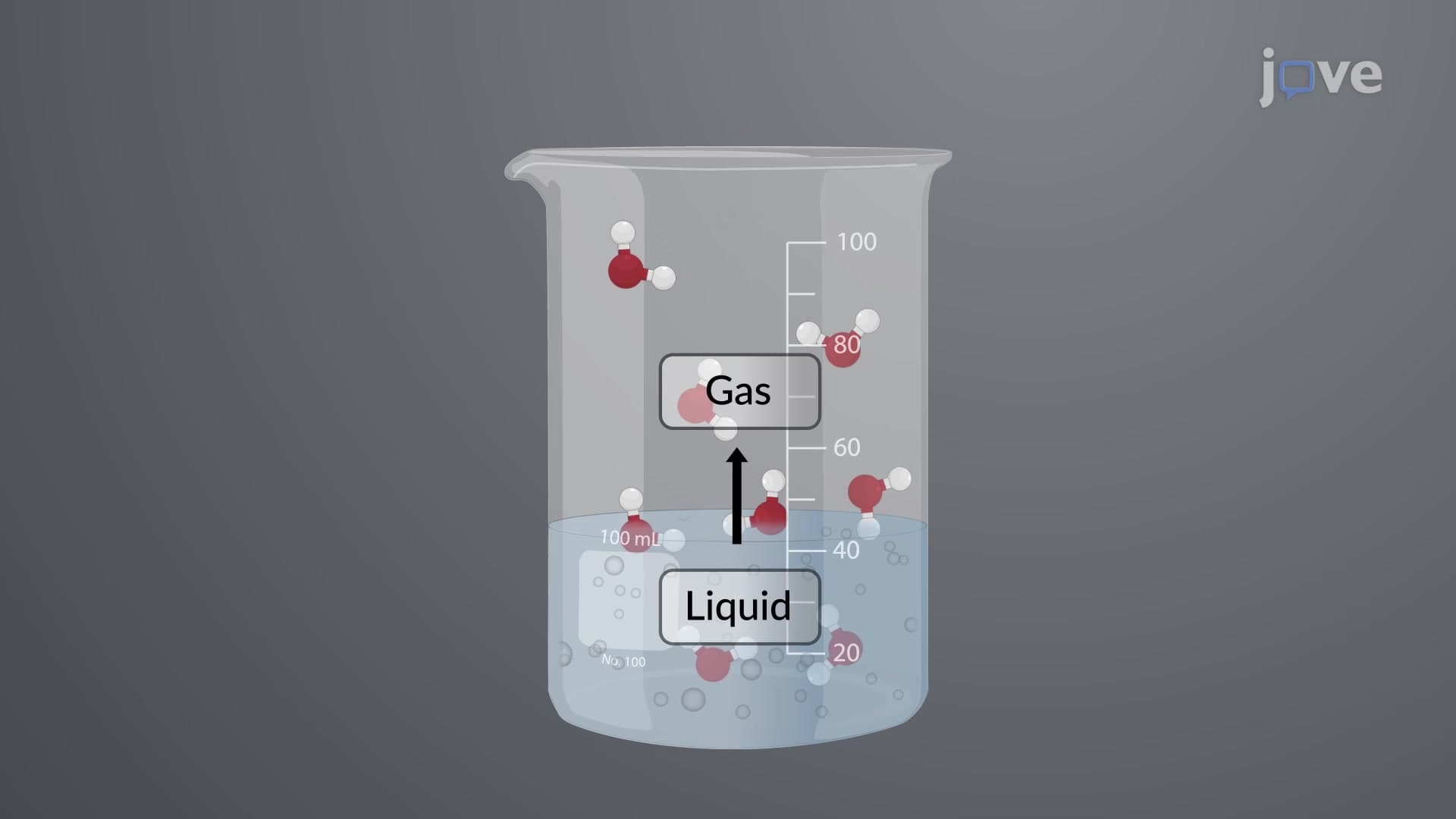
The molar heat of fusion quantifies the energy required to convert one mole of solid to liquid at constant temperature. For ice, this value equals 6.02 kJ/mol, significantly lower than water's heat of vaporization (40.8 kJ/mol). This difference reflects the extent of intermolecular force disruption: melting partially overcomes attractive forces while maintaining molecular proximity, whereas vaporization completely separates molecules.
Students preparing for AP Chemistry or college-level physical chemistry courses must understand that melting typically represents an endothermic process (positive ΔH), while freezing is exothermic (negative ΔH). These enthalpy values have equal magnitudes but opposite signs, demonstrating energy conservation principles fundamental to thermodynamics.
Phase transition principles apply extensively in American industries and daily life. Ice cream manufacturers utilize controlled freezing processes to achieve desired textures, while steel production relies on precisely controlled melting temperatures. Weather phenomena like ice storms across the Northeast demonstrate natural phase transitions when supercooled water droplets freeze upon contact with surfaces.
In pharmaceutical manufacturing, companies like Pfizer and Johnson & Johnson employ controlled crystallization processes to produce medications with specific particle sizes and dissolution rates. Understanding melting point depression helps explain why road salt (sodium chloride) effectively prevents ice formation on highways throughout states like Wisconsin and Michigan.
MCAT and AP Chemistry exams frequently test phase transition calculations involving heat capacity, enthalpy changes, and temperature-energy relationships. Students must recognize that at the melting point, added energy goes entirely toward breaking intermolecular bonds rather than increasing temperature, creating the characteristic flat regions in heating curves. Mastering these concepts proves essential for success in undergraduate chemistry courses at institutions like UC Berkeley or MIT.
Related Micro-courses