Loading subject page…


669,501 views
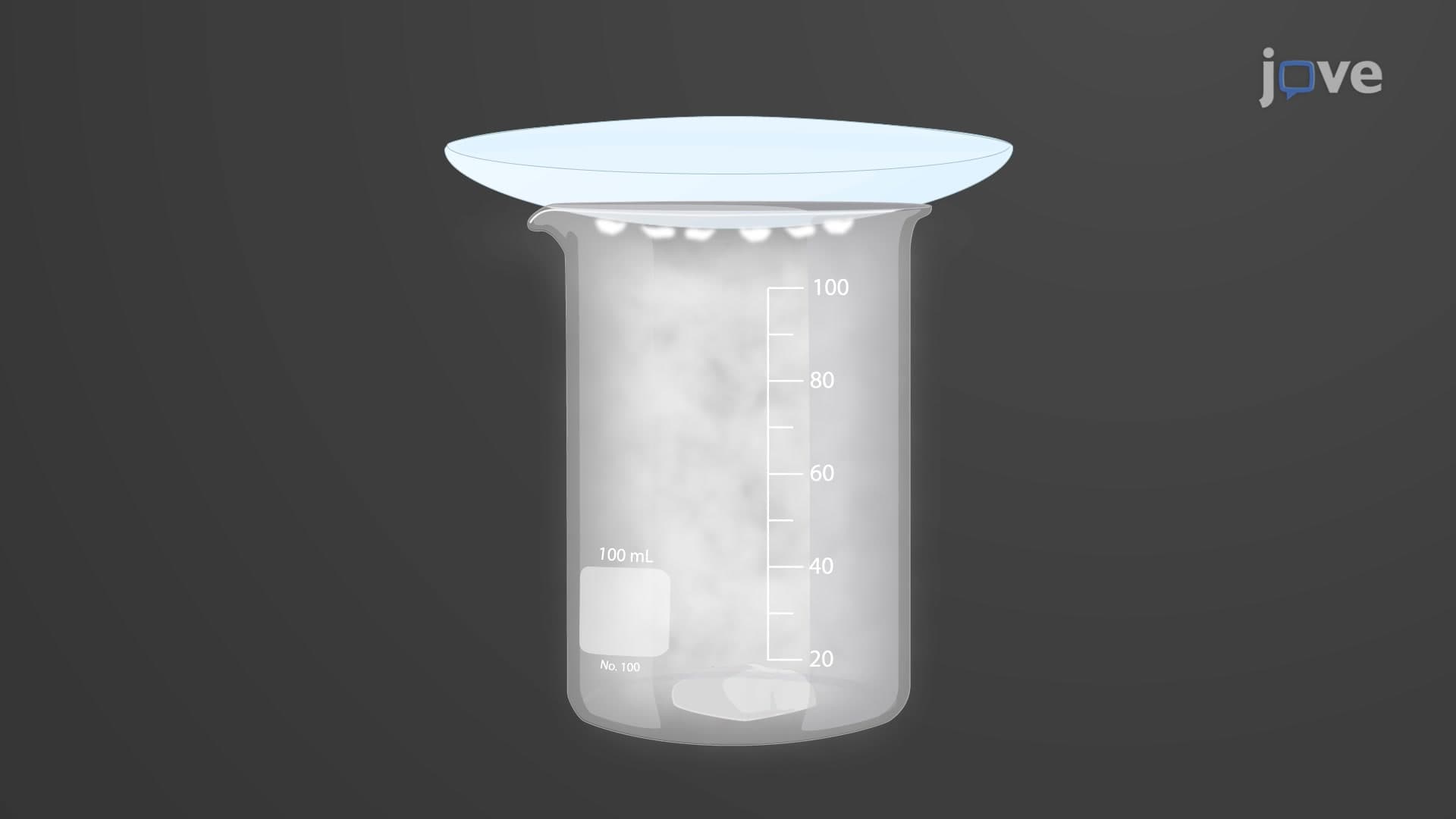

Video Summary: Phase Transitions Sublimation and Deposition Explained
Ever notice how dry ice creates that dramatic fog effect at Halloween parties without leaving a puddle? This fascinating phenomenon showcases phase transitions sublimation and deposition, where solids skip the liquid phase entirely and transform directly into gases. Unlike regular ice cubes melting in your drink, dry ice (solid CO₂) demonstrates sublimation by transitioning straight from solid to vapor at -78.5°C. Phase Transitions Sublimation And Deposition Explained reveals the molecular mechanisms behind these energy-driven transformations that occur in everything from freeze-drying food to creating special effects. Watch the full video on JoVE Coach to master this concept with expert-led visuals and step-by-step explanations.
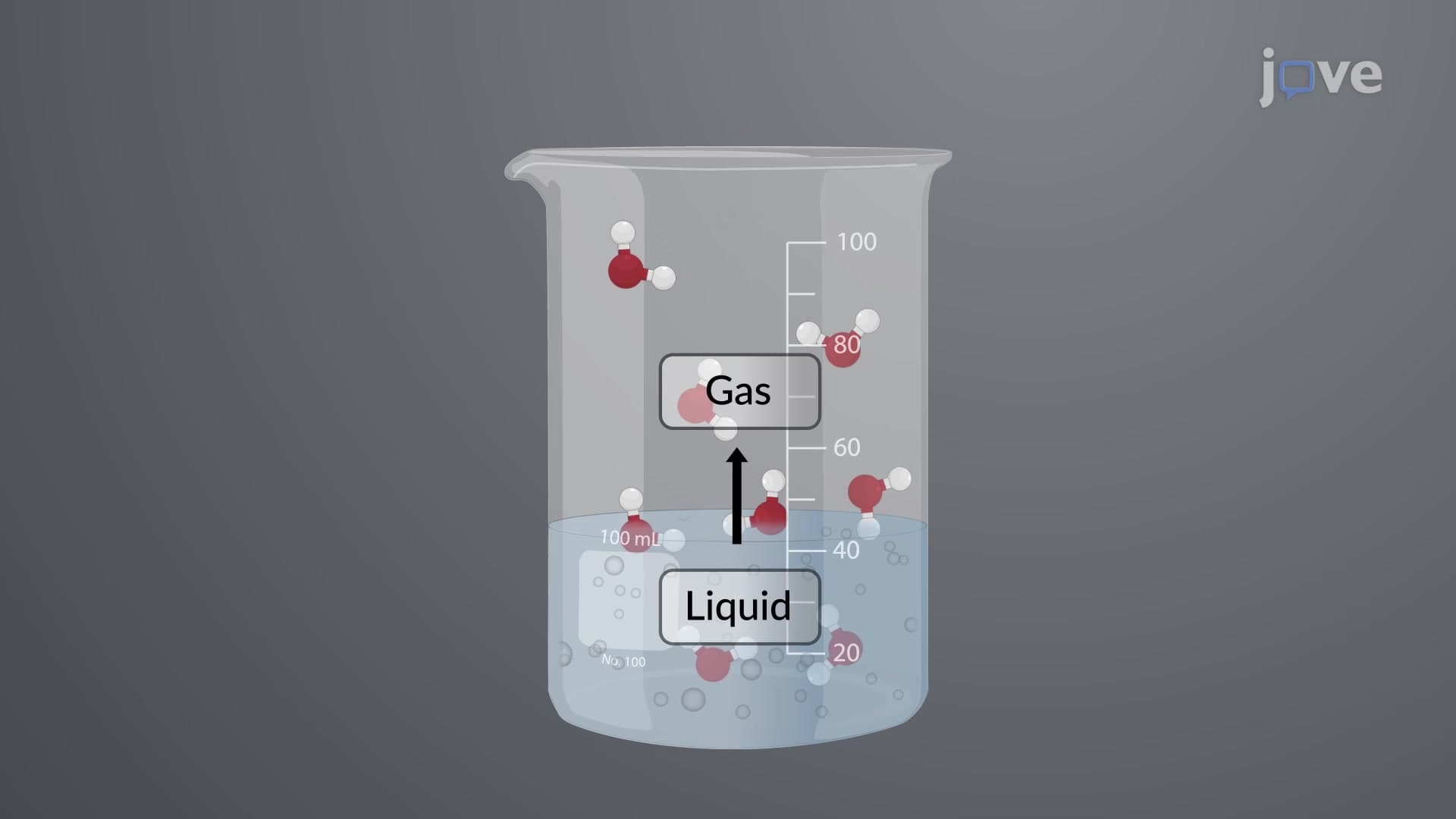
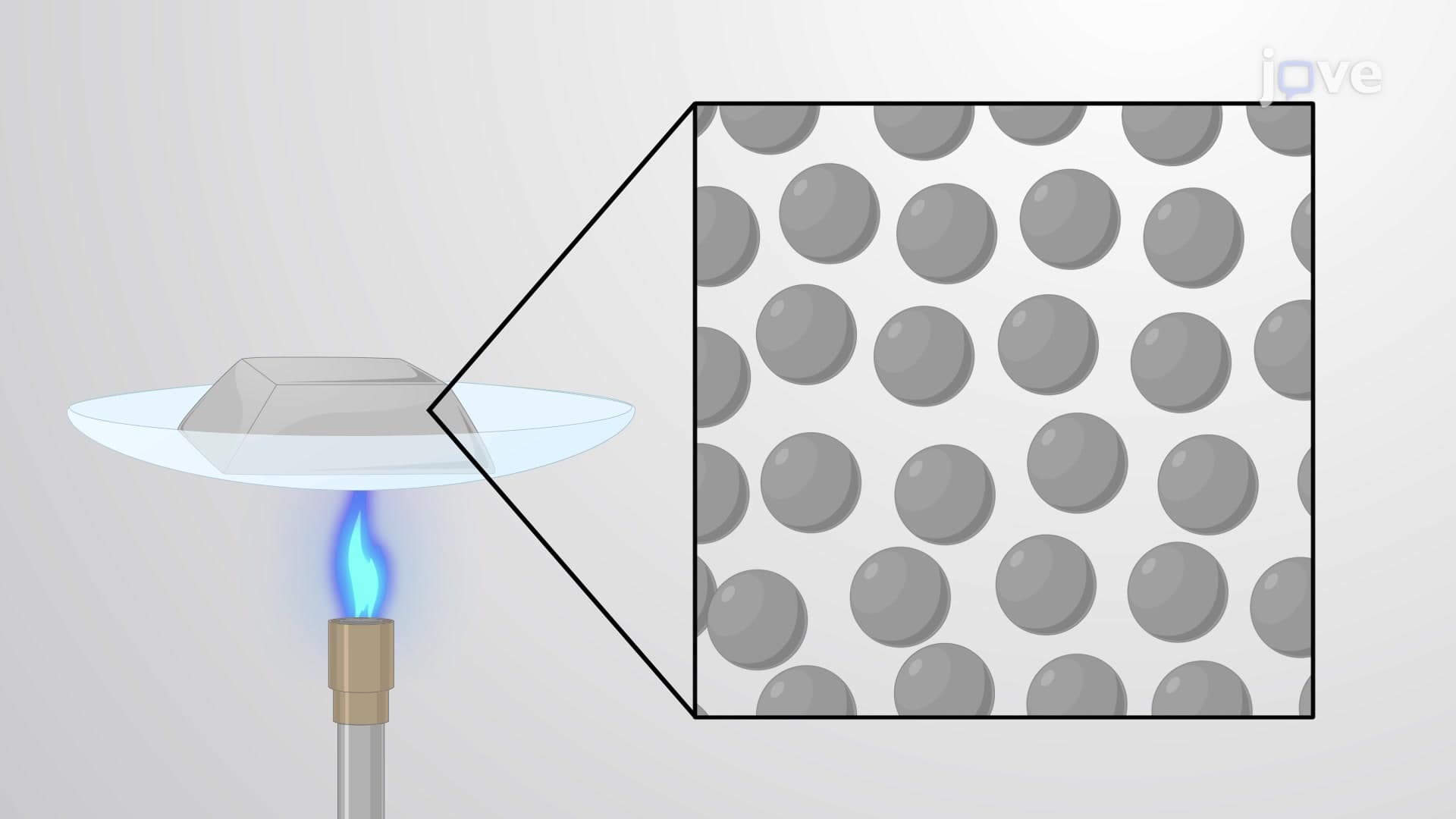
Phase Transitions Sublimation And Deposition Explained represents one of nature's most intriguing phenomena where matter bypasses the familiar solid-liquid-gas sequence. Unlike the typical melting process where ice becomes water before evaporating, sublimation allows solids to transform directly into gases under specific conditions. This direct transition occurs when surface molecules acquire sufficient thermal energy to overcome intermolecular attractive forces completely, launching directly into the vapor phase.
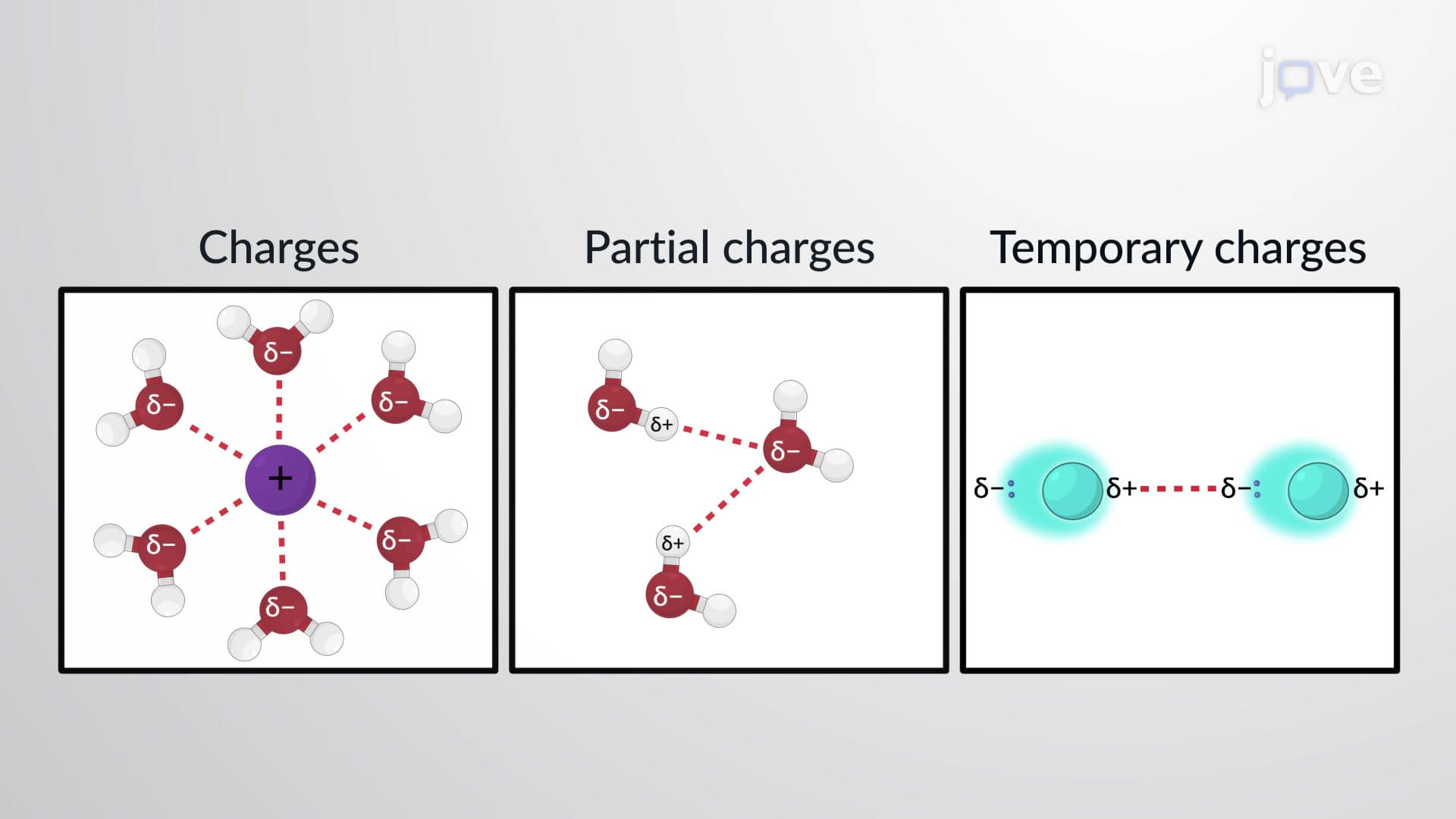
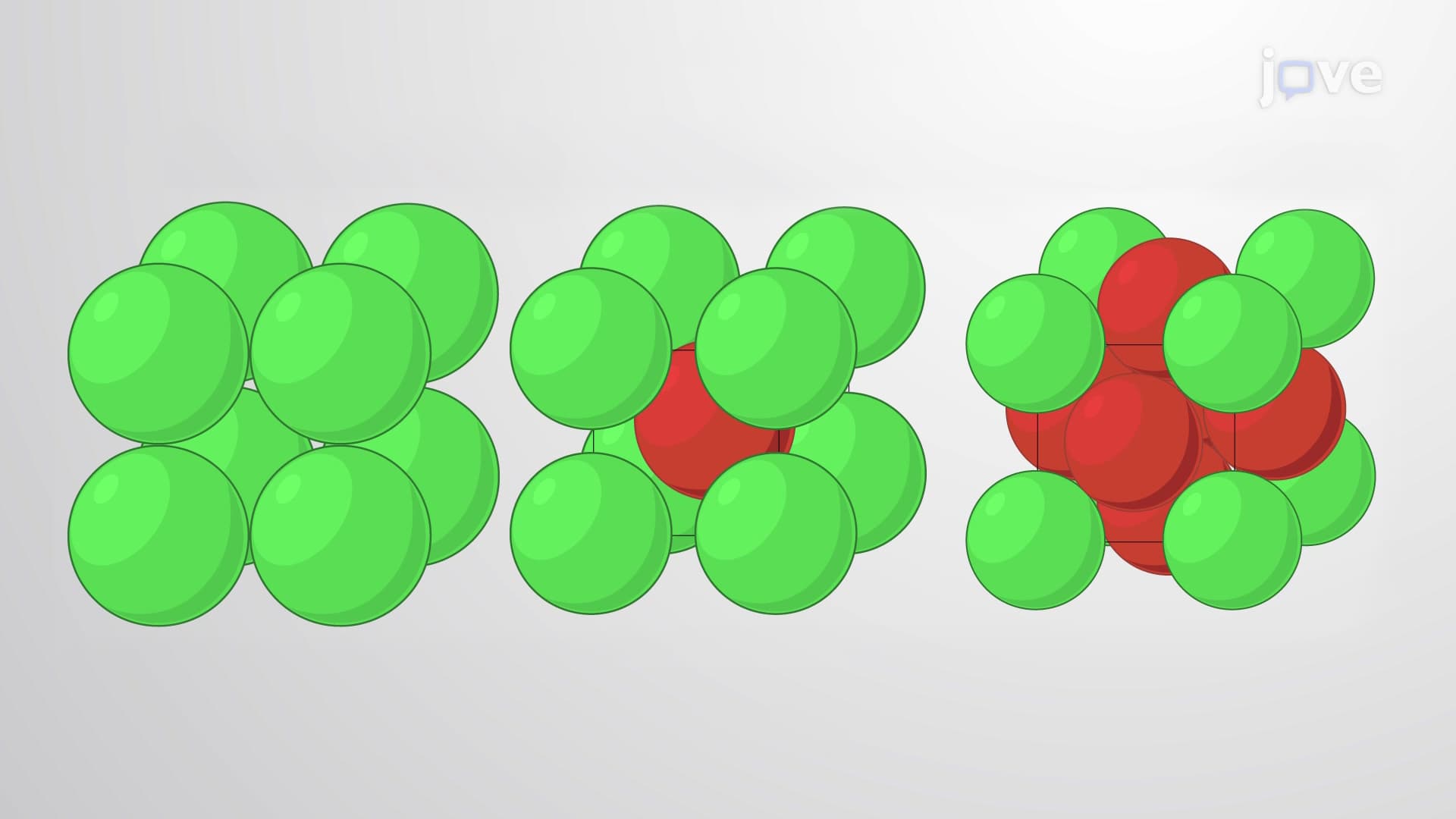
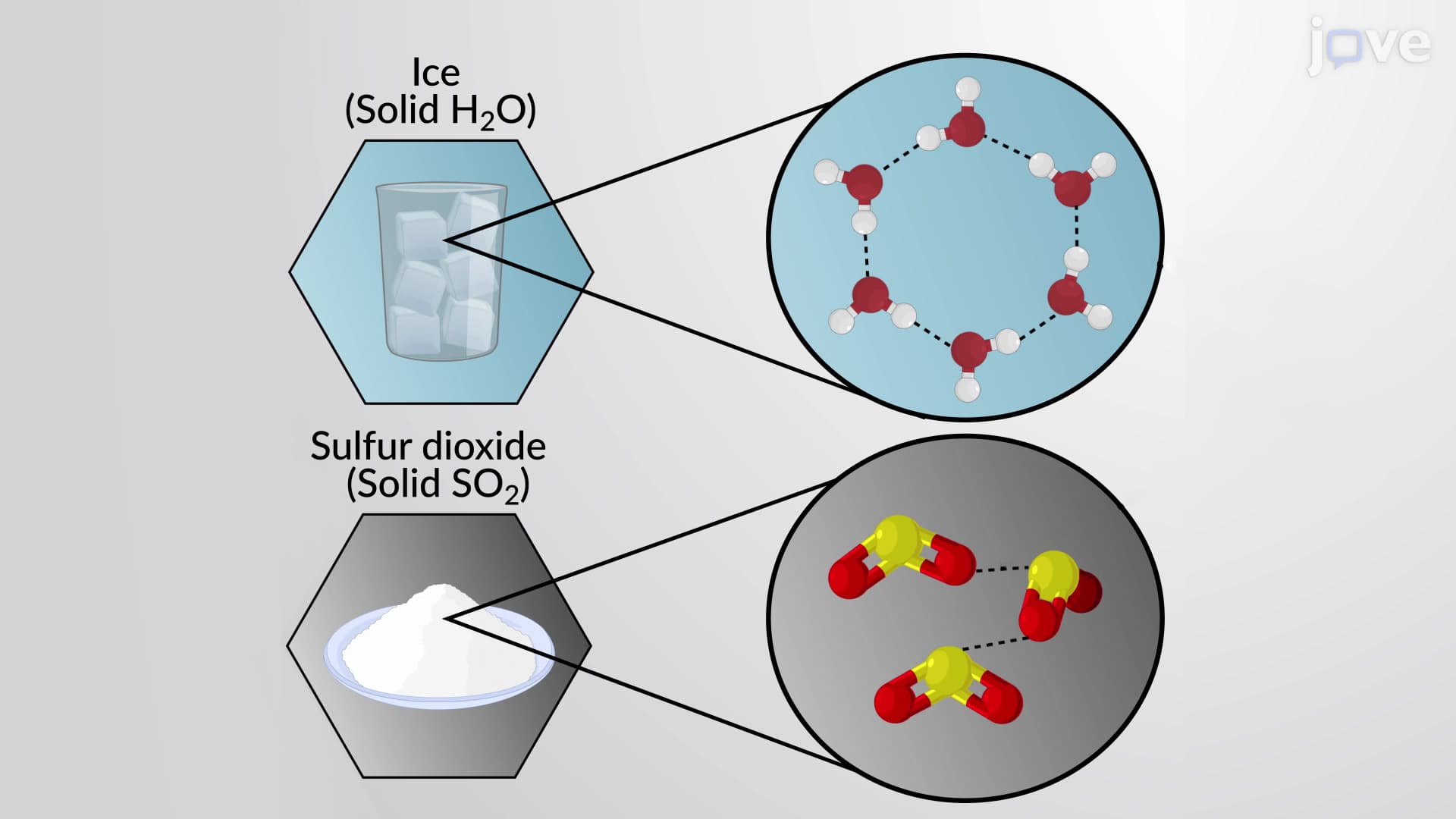
The driving force behind sublimation lies in the delicate balance between molecular kinetic energy and intermolecular forces. Substances that readily sublimate, such as dry ice (solid CO₂), possess relatively weak intermolecular forces, primarily London dispersion forces. When thermal energy reaches the sublimation point, surface molecules vibrate with enough intensity to break free from the solid lattice structure entirely. For dry ice at atmospheric pressure, this critical temperature is -78.5°C, making it invaluable for applications requiring ultra-cold temperatures without liquid formation.
The energy requirement for this process is quantified as the molar heat of sublimation, the energy needed to convert one mole of solid directly to vapor. Since energy must be absorbed to break intermolecular bonds, sublimation is inherently endothermic with positive enthalpy values. This concept frequently appears on AP Chemistry exams and college thermodynamics courses, where students calculate energy changes during phase transitions.
Deposition represents sublimation's reverse, the direct transition from gas to solid without liquid intermediate formation. This exothermic process occurs when gas molecules lose sufficient kinetic energy through collisions with cooler surfaces, allowing intermolecular forces to dominate and form solid structures. The enthalpy of deposition equals the sublimation enthalpy in magnitude but carries a negative sign, reflecting energy release during bond formation.
Deposition creates stunning natural phenomena like frost formation on car windshields during cold mornings, where water vapor in humid air directly crystallizes into ice without first becoming liquid. Industrial applications include freeze-drying processes used by companies like Nestlé for instant coffee production, where frozen water sublimates under vacuum conditions, preserving food structure and nutrients.
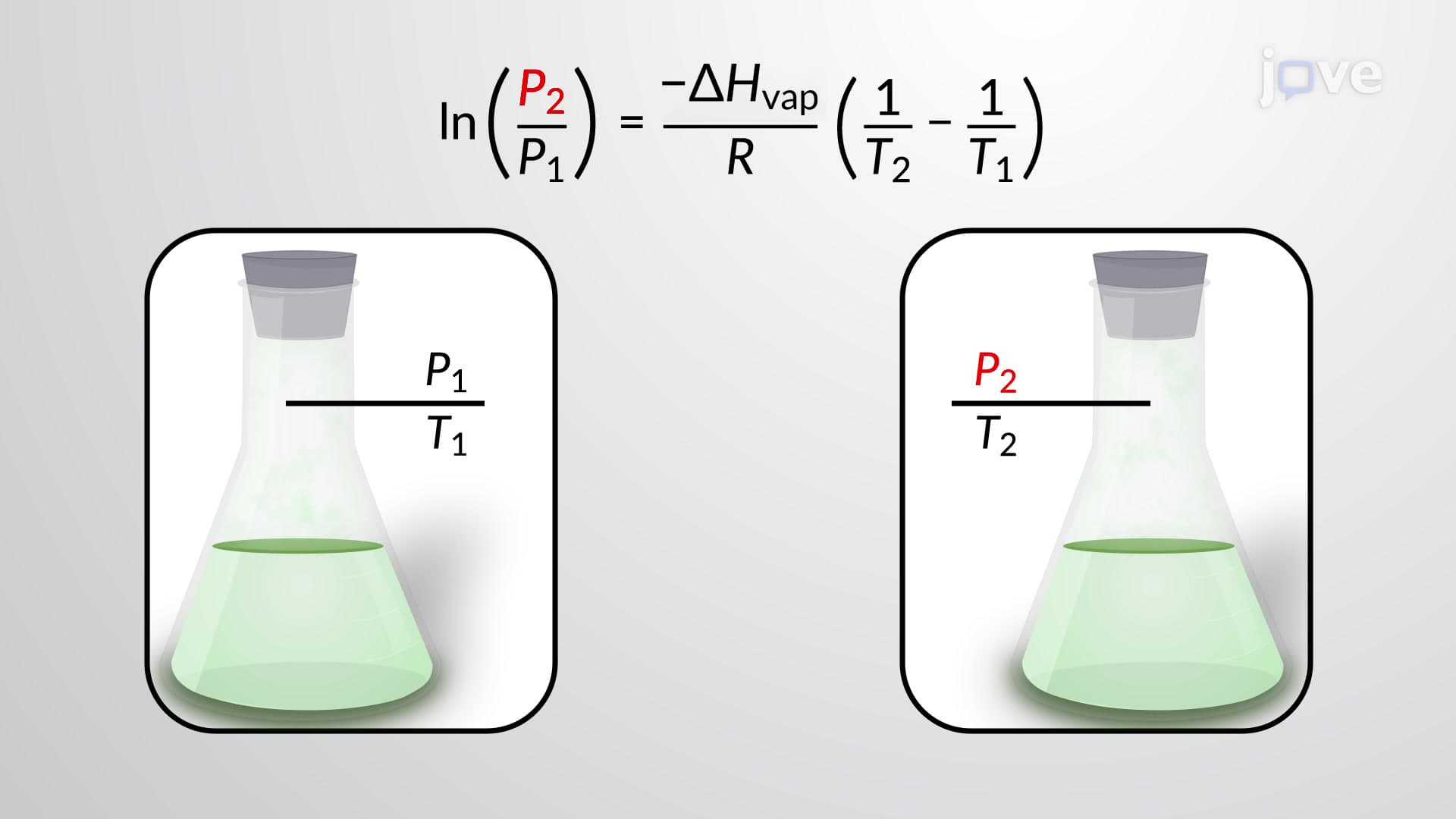
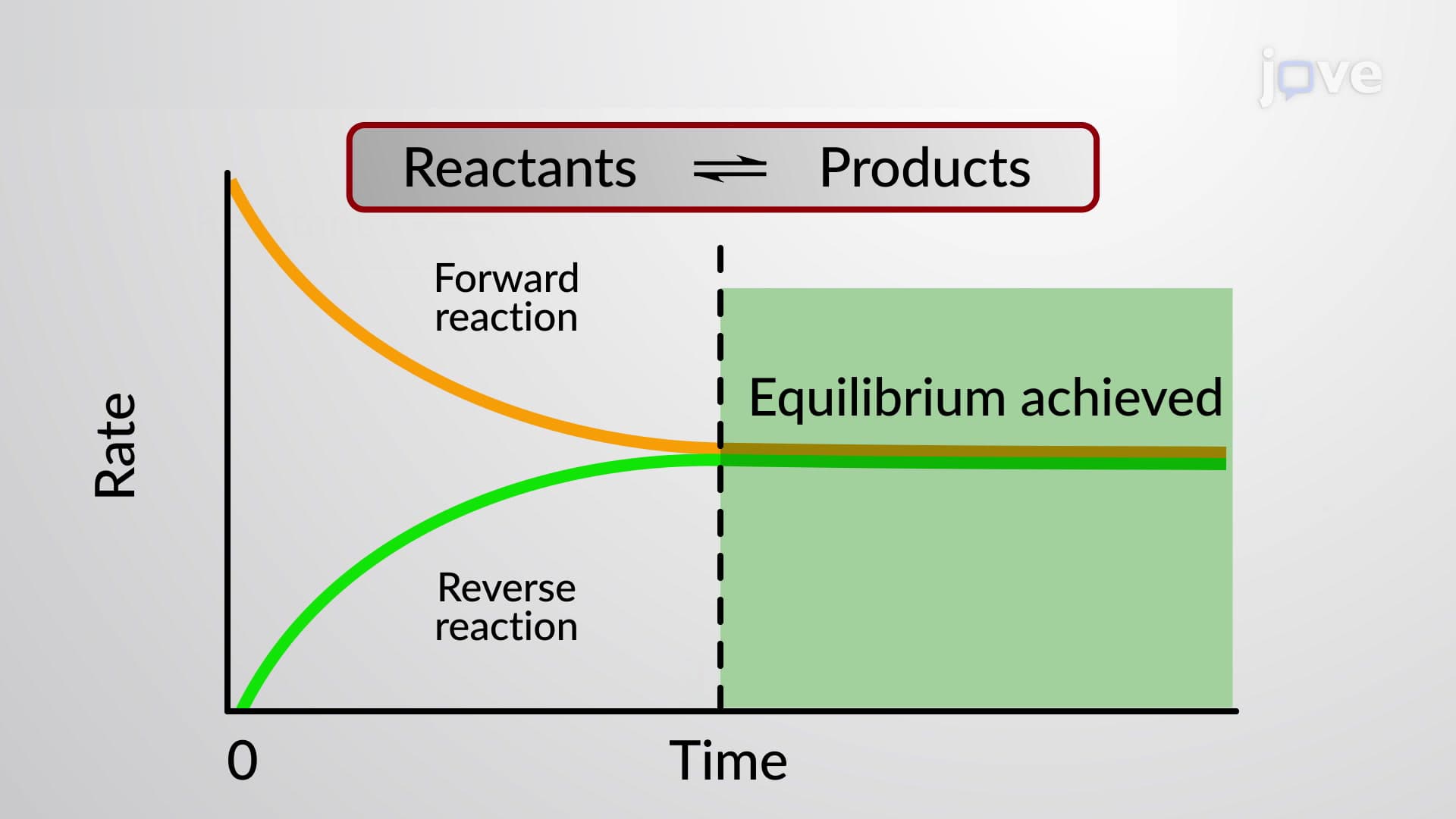
In closed systems, sublimation and deposition establish dynamic equilibrium at the substance's vapor pressure. This equilibrium pressure indicates sublimation tendency, substances with high vapor pressures (like dry ice at 56.5 atm at 20°C) readily sublimate, while most solids maintain low vapor pressures under normal conditions, making sublimation uncommon. Understanding these principles proves essential for MCAT preparation, particularly in physical chemistry sections covering phase diagrams and thermodynamic equilibria.
Related Micro-courses