Loading subject page…


669,501 views

Video Summary: Phase Transitions Vaporization and Condensation Explained
Ever wonder why a pot of water on your stove eventually disappears into thin air? Phase transitions vaporization and condensation explain this everyday kitchen phenomenon and countless industrial processes across America, from steam power plants in Texas to distilleries in Kentucky. These fundamental molecular transformations occur when thermal energy overcomes intermolecular forces, allowing matter to shift between liquid and gas states. Understanding phase transitions vaporization and condensation is crucial for mastering thermodynamics in chemistry and physics courses. Watch the full video on JoVE Coach to master this concept with expert-led visuals and step-by-step explanations.
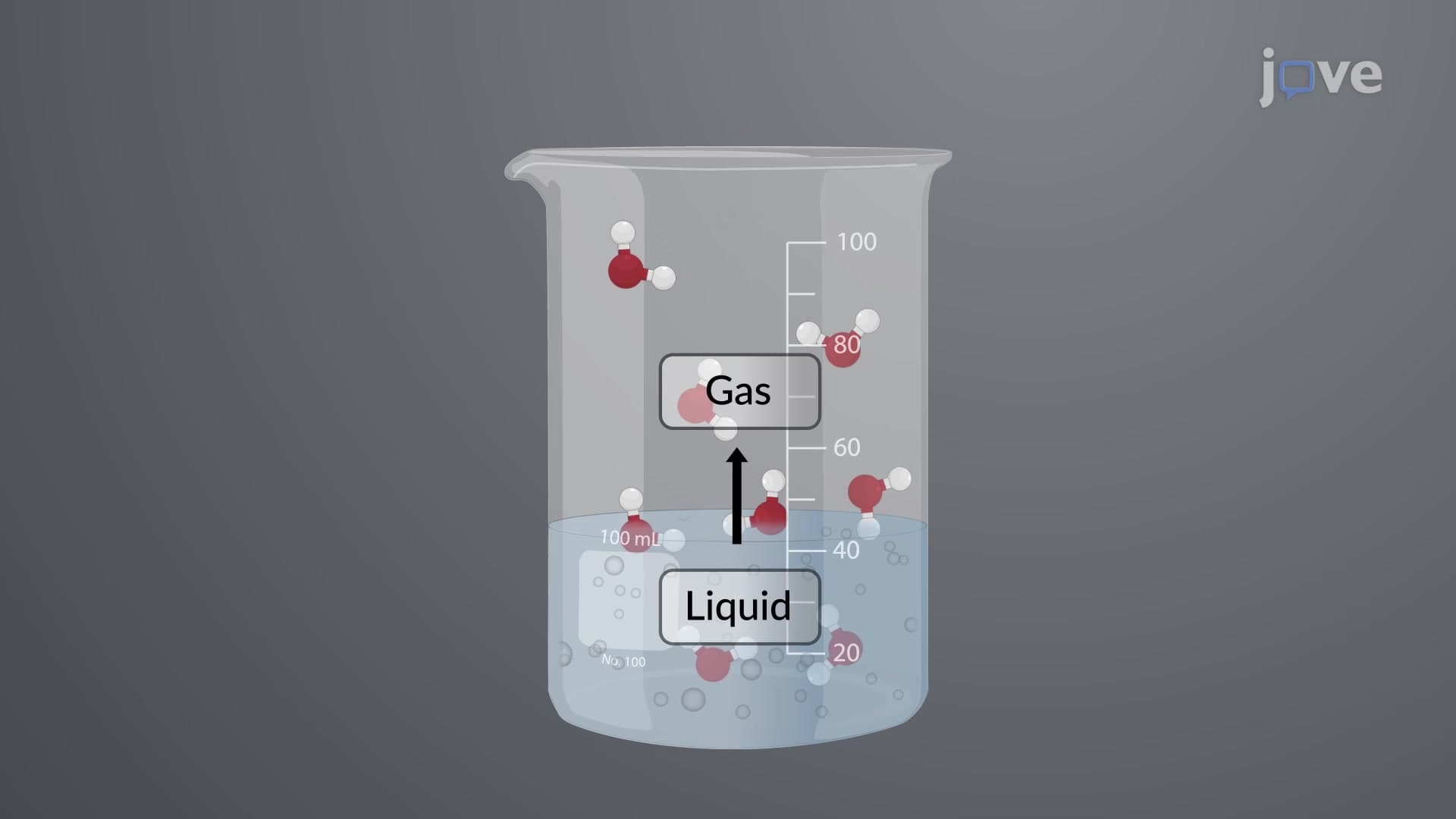
Phase transitions represent some of the most fundamental processes in chemistry and physics, governing everything from the water cycle to industrial distillation. When molecules in a liquid gain sufficient thermal energy to overcome intermolecular attractions, they escape into the gas phase through vaporization. This process requires energy input, making it endothermic with a positive enthalpy change.
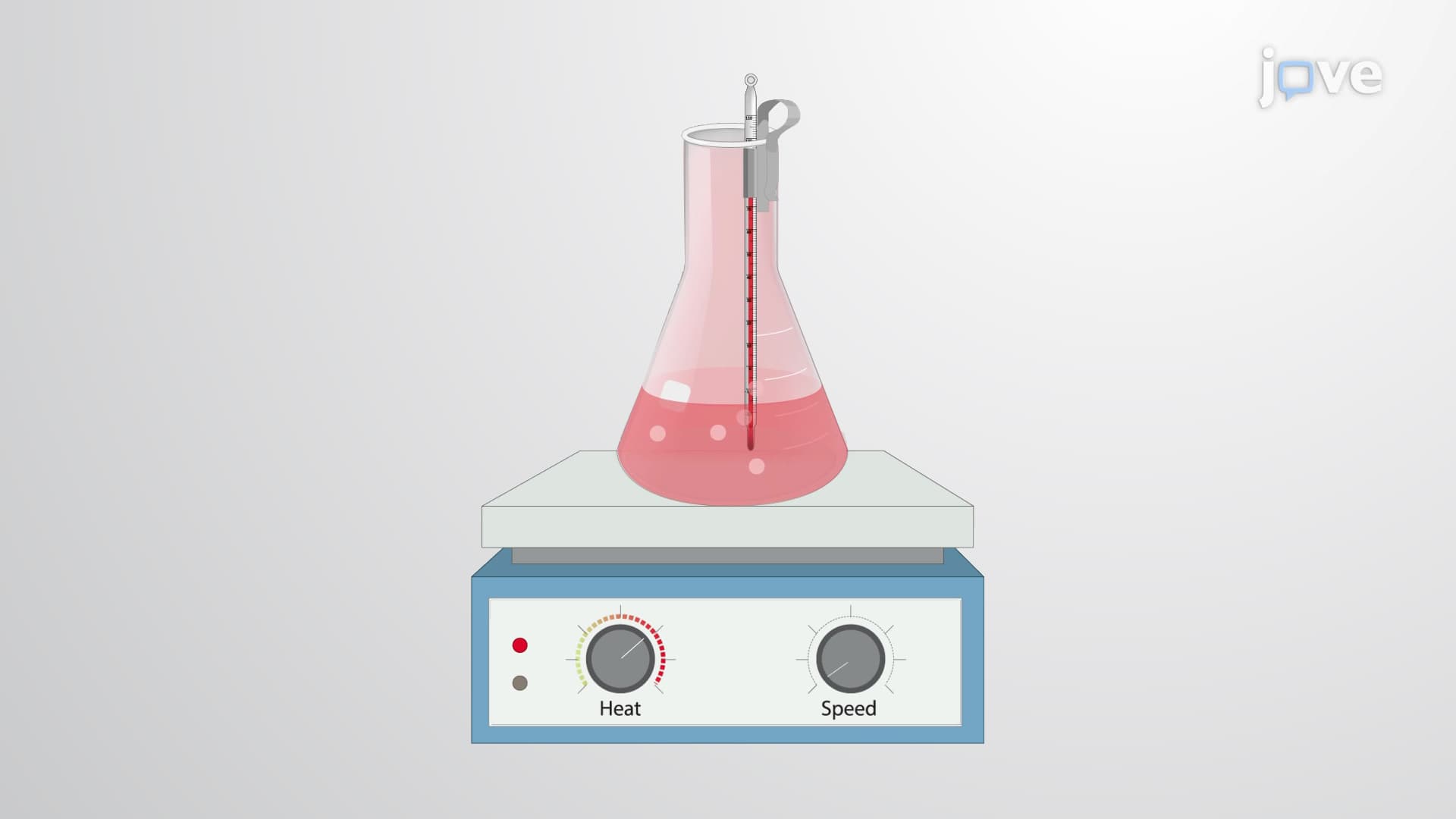
Vaporization occurs through two distinct mechanisms. Surface evaporation happens at any temperature below the boiling point, where only surface molecules with sufficient kinetic energy escape. This explains why puddles dry up on cool days and why perfume spreads throughout a room. In contrast, boiling occurs at a specific temperature where vapor bubbles form throughout the liquid bulk. At sea level, water boils at 212°F (100°C), but this temperature decreases at higher altitudes-a principle utilized by food manufacturers adjusting cooking instructions for Denver's 5,280-foot elevation.
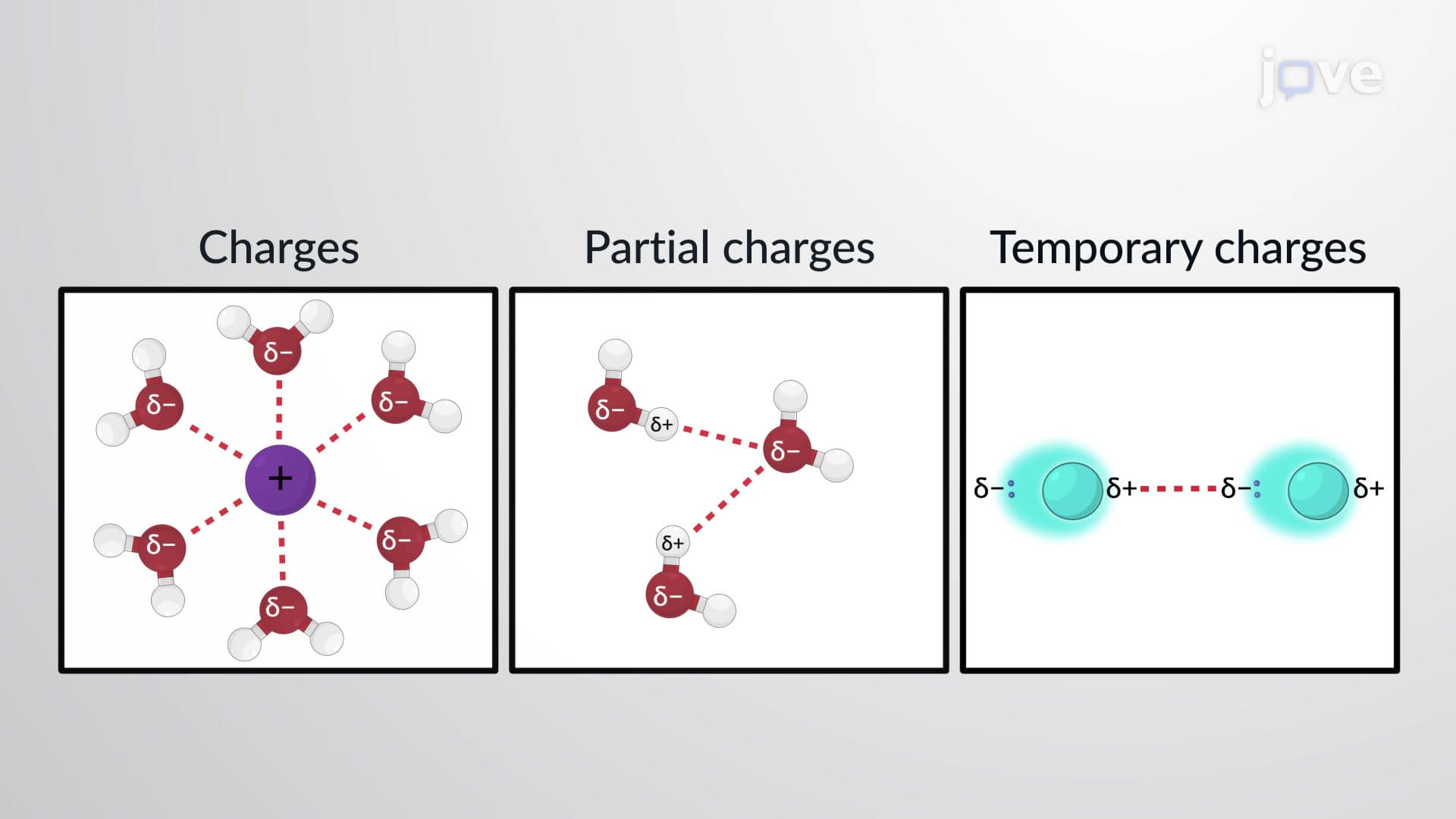
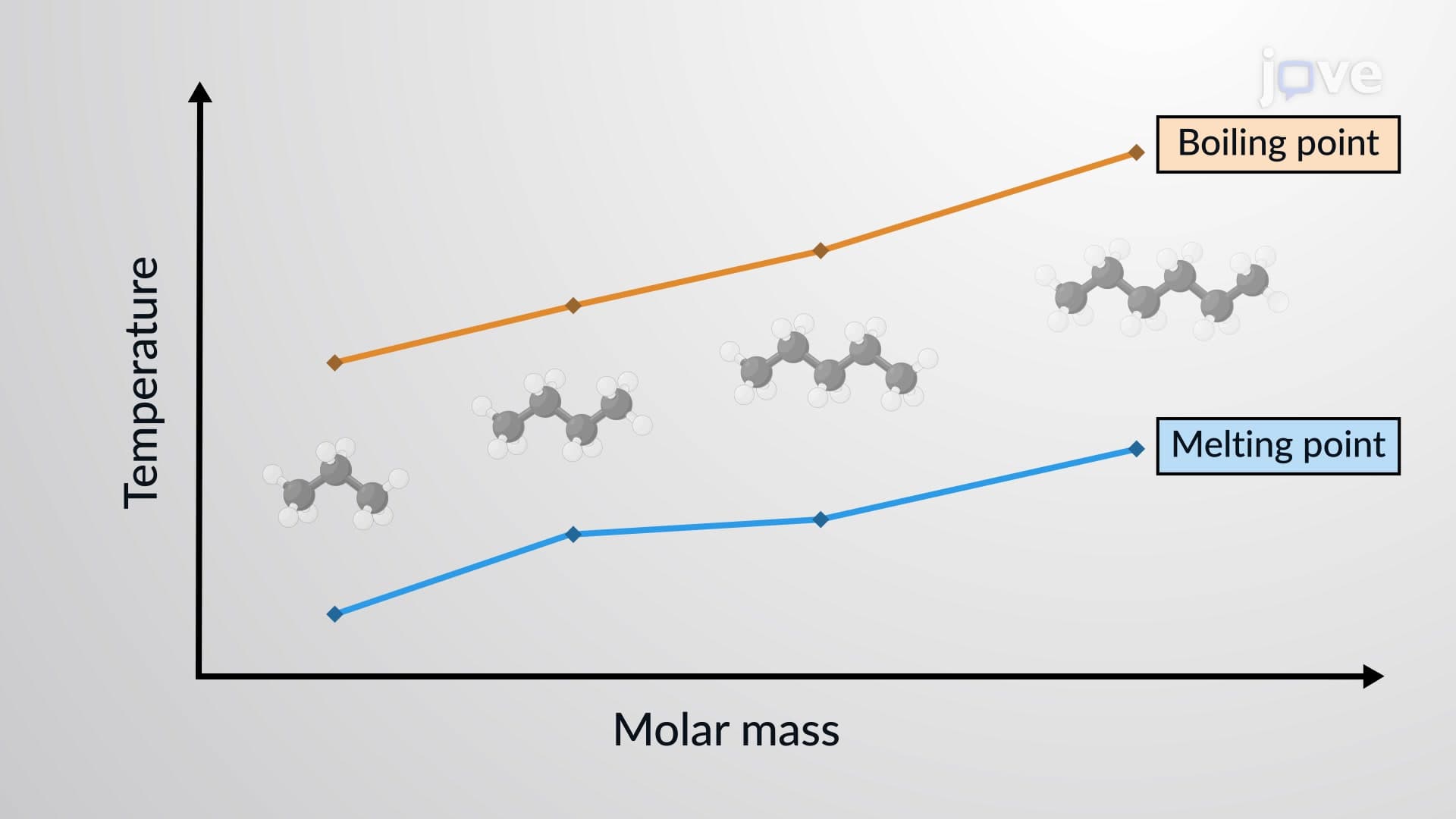
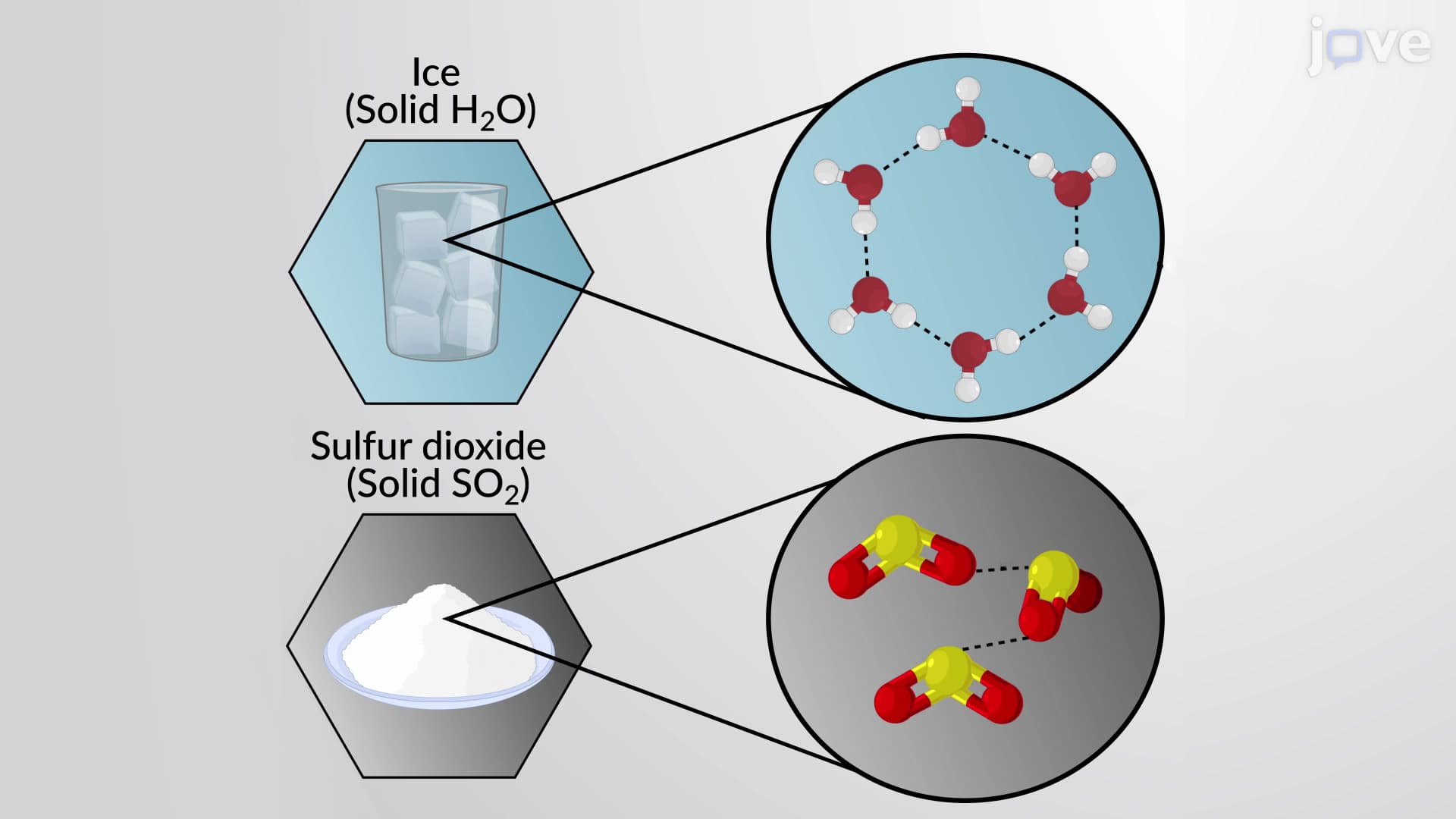
The energy needed for vaporization varies dramatically based on intermolecular forces. Water's extensive hydrogen bonding network requires 40.65 kJ/mol for vaporization-significantly higher than acetone's 31.3 kJ/mol, which relies on weaker dipole-dipole interactions. This concept frequently appears on AP Chemistry exams and college physical chemistry courses, where students must predict relative boiling points based on molecular structure.
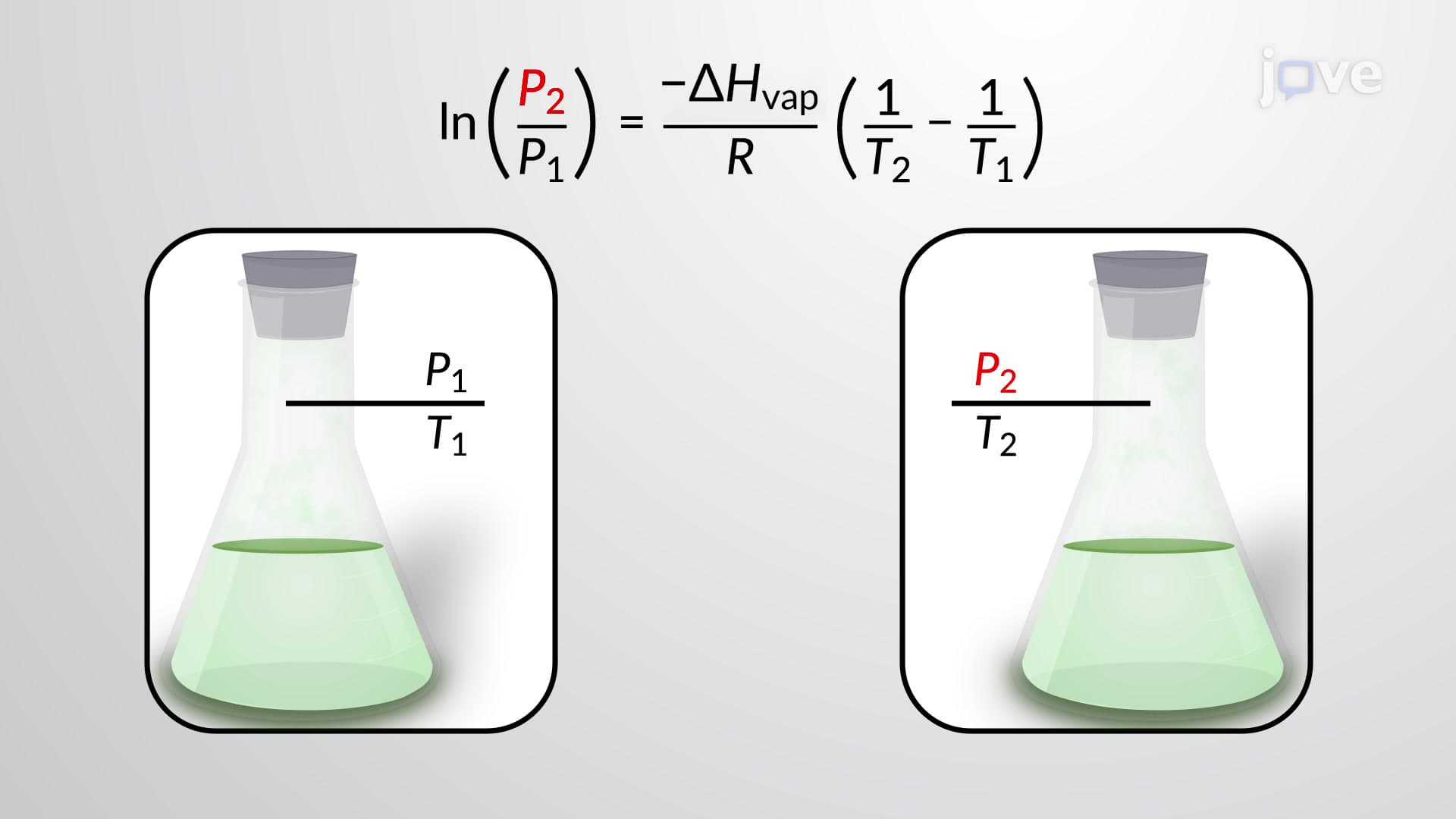
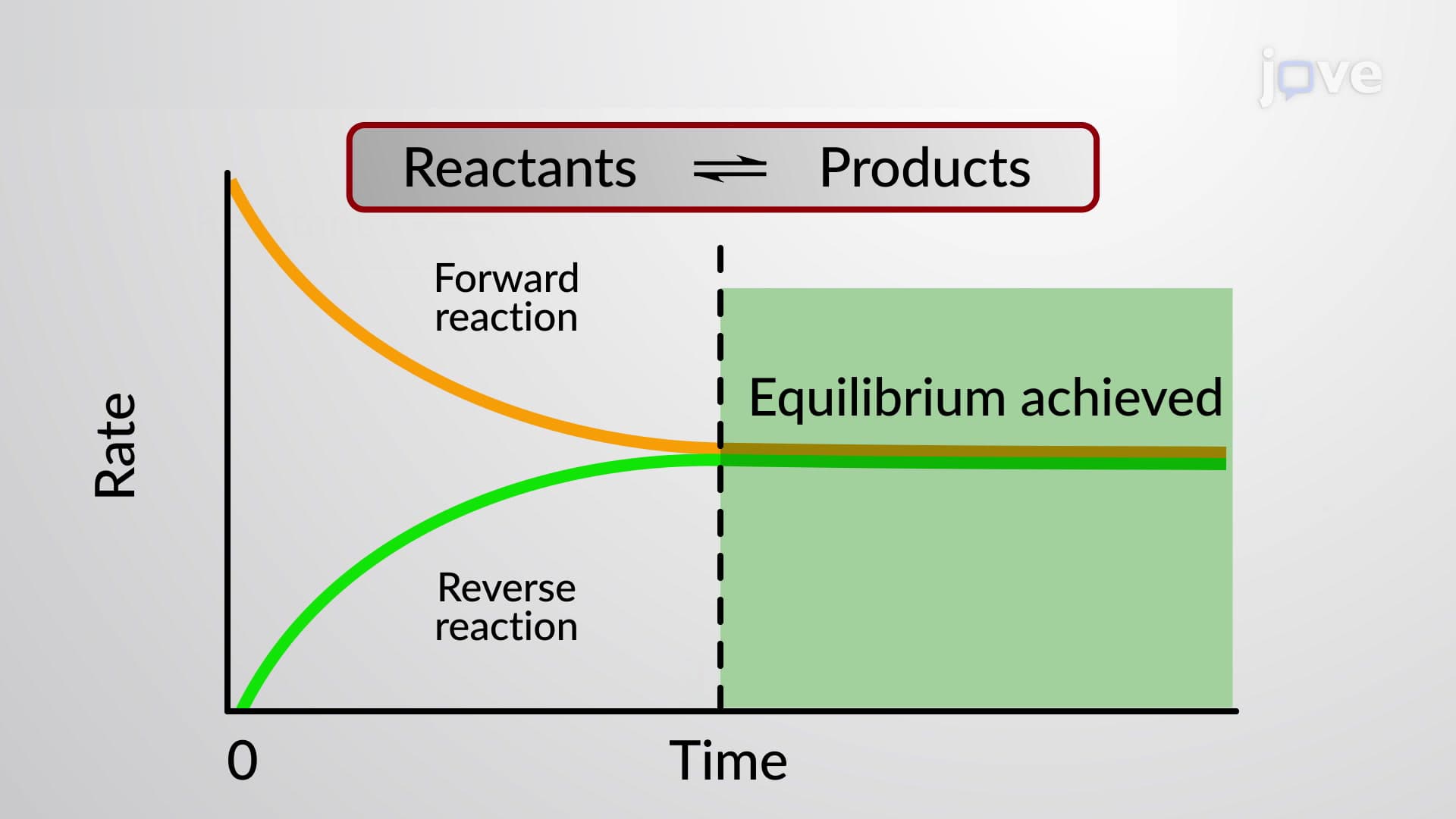
Condensation reverses vaporization when gas molecules lose energy upon contact with cooler surfaces. This exothermic process releases the same amount of energy that vaporization absorbed. In closed systems, vaporization and condensation rates eventually balance, establishing vapor-liquid equilibrium. This principle underlies fractional distillation in petroleum refining, where different hydrocarbon components separate based on their unique vapor pressures-a process critical to producing gasoline, jet fuel, and plastics across American refineries.
Related Micro-courses