Loading subject page…

- Chemistry
- Liquids, Solids, and Intermolecular Forces
- Intermolecular Forces
Micro-course: Liquids, Solids, and Intermolecular Forces
669,501 views
Learn key concepts and earn your certificate.






Intermolecular Forces

00:00
03:13
Video Summary: What are Intermolecular Forces
Ever wonder why water droplets bead up on a freshly waxed car? The answer lies in intermolecular forces, the invisible attractions between molecules that govern everything from why ice floats to how soap cleans dishes. These electrostatic interactions between charges create temporary and permanent dipoles, leading to dispersion forces, dipole-dipole interactions, and hydrogen bonds. For instance, the hydrogen bonding in water gives it its unique properties that make life possible on Earth. Watch the full video on JoVE Coach to master this concept with expert-led visuals and step-by-step explanations.
- Understand what are intermolecular forces and distinguish them from the stronger intramolecular forces within molecules
- Identify the four main types of intermolecular forces: dispersion forces, dipole-dipole forces, hydrogen bonds, and ion-dipole forces
- Analyze how electronegativity differences create permanent dipoles in polar molecules like water and ammonia
- Compare the relative strengths of different intermolecular forces and predict their effects on physical properties
- Recognize how molecular polarity determines which intermolecular forces are present in a given substance
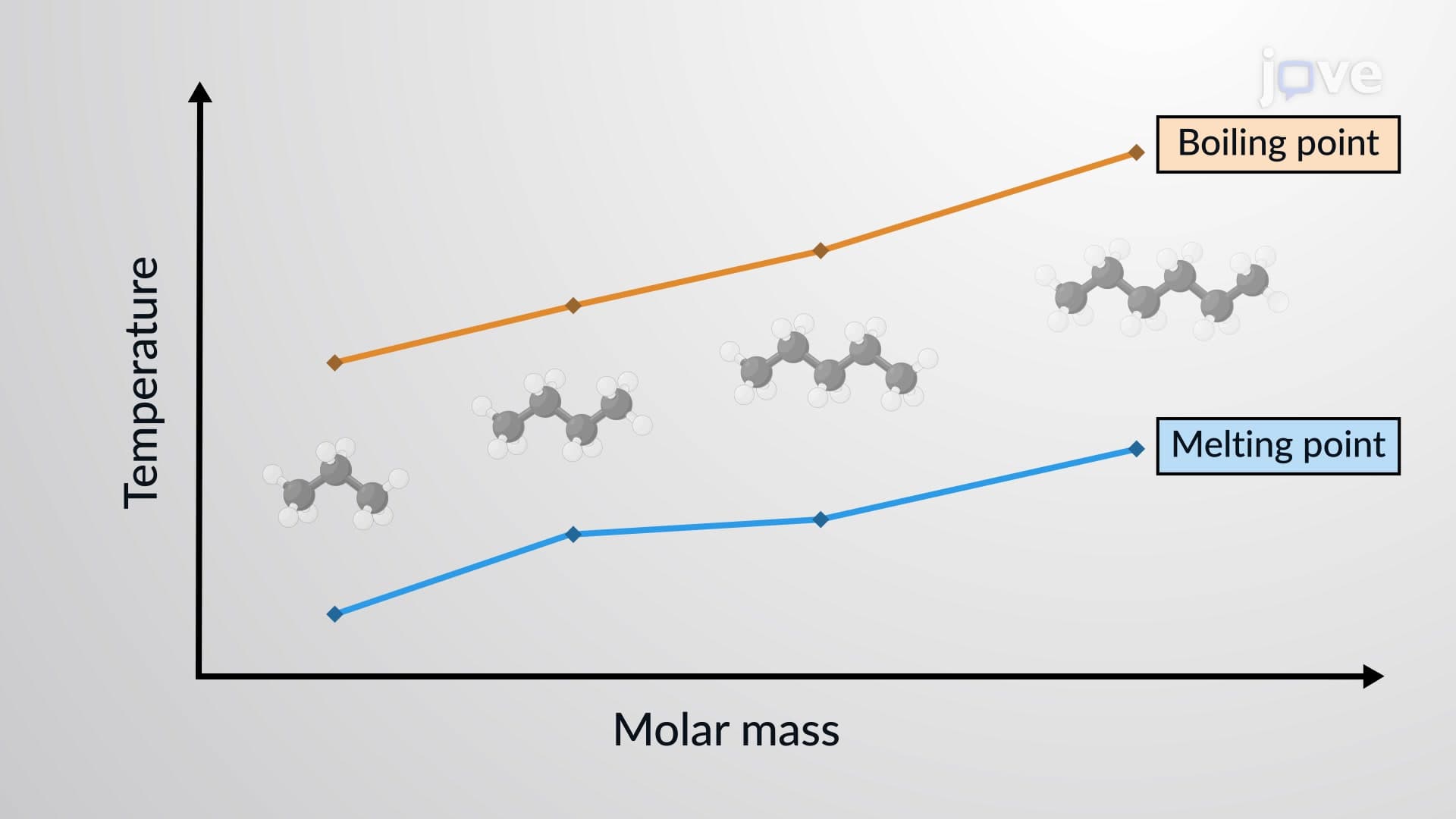
- Apply intermolecular force concepts to explain melting points, boiling points, and solubility patterns
- Evaluate the role of hydrogen bonding in biological systems and everyday phenomena like surface tension
- Explore how ion-dipole forces enable ionic compounds to dissolve in polar solvents during solution formation
Understanding What are Intermolecular Forces
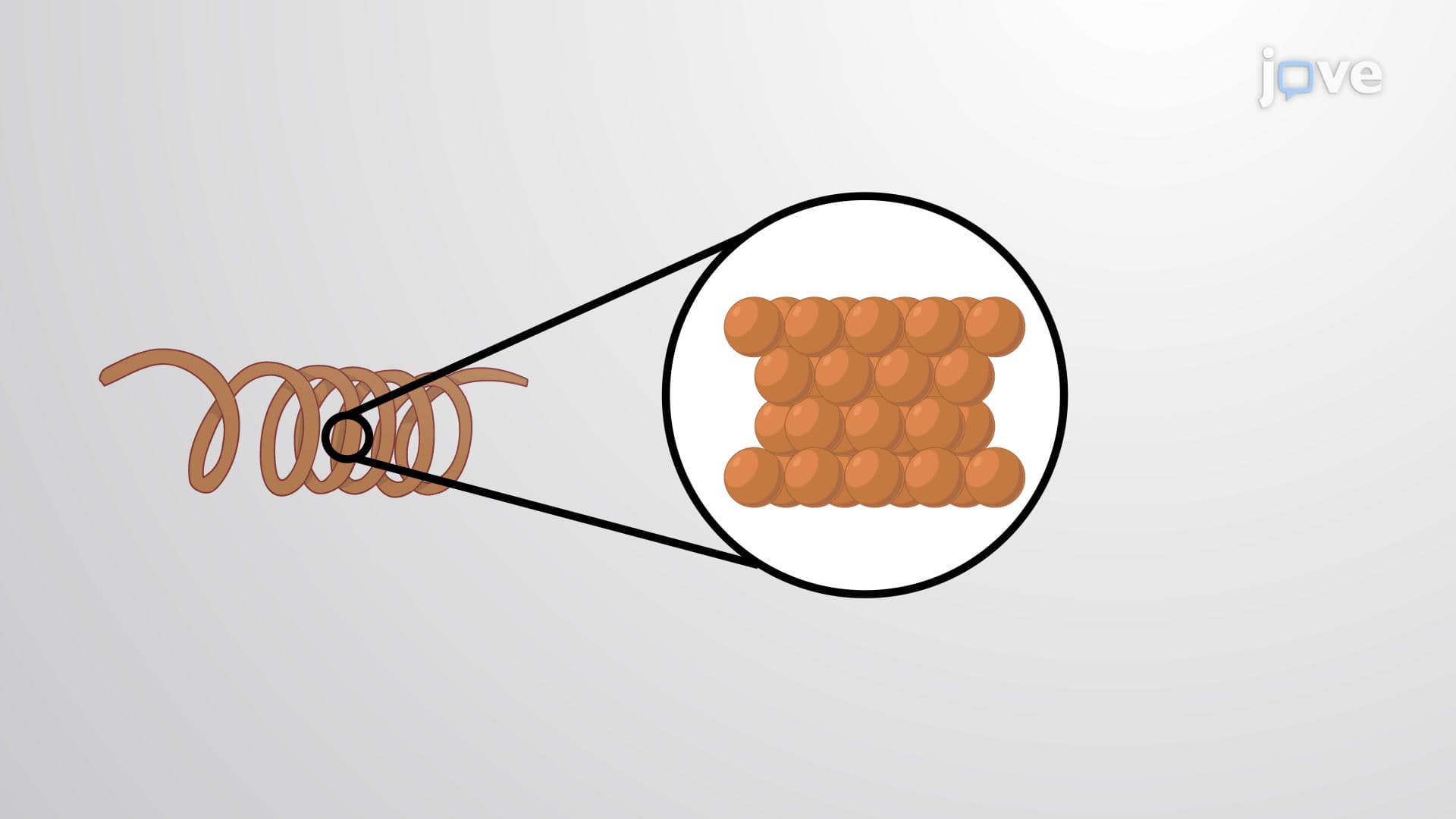
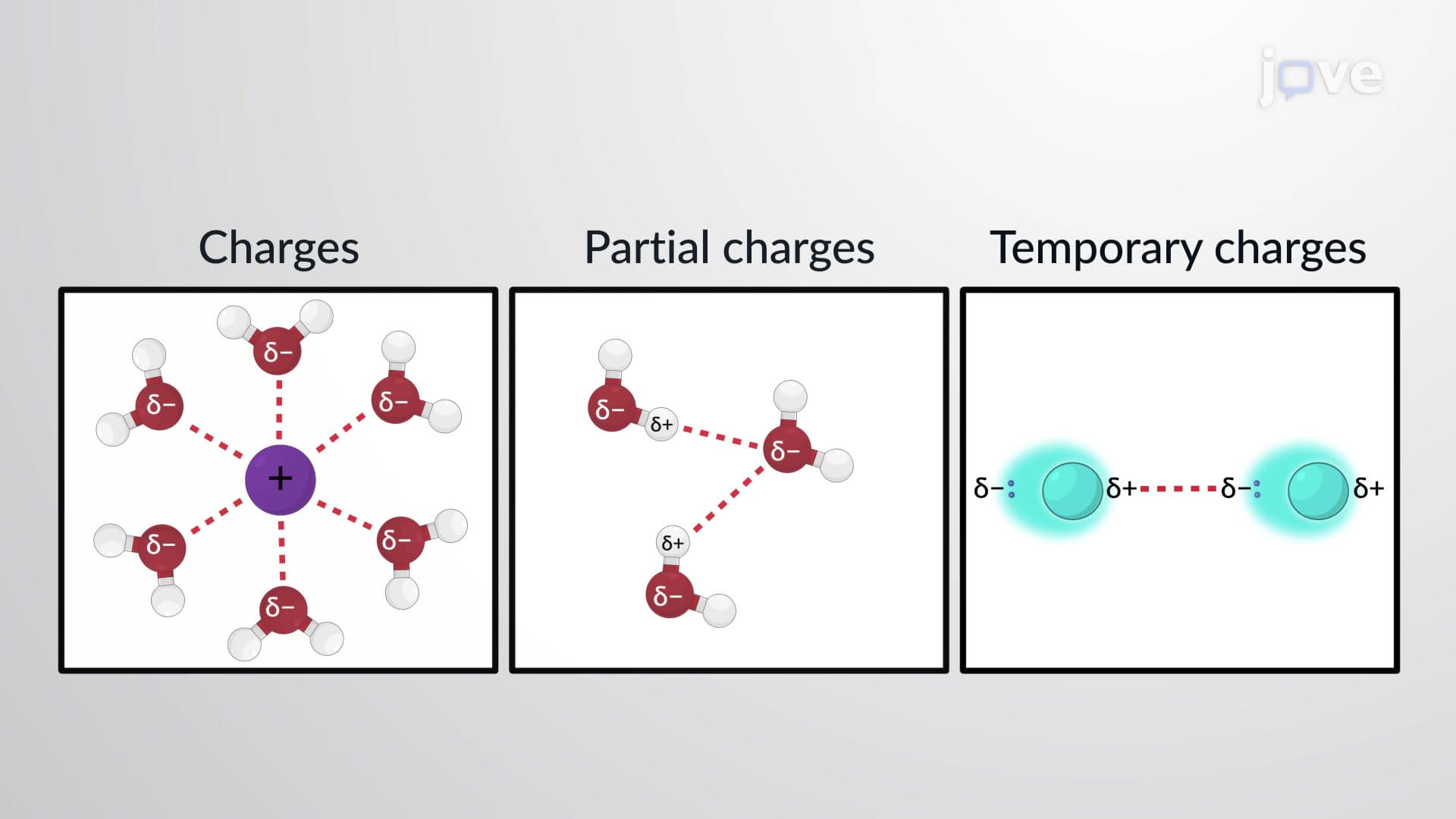
Intermolecular forces represent the attractive interactions that occur between separate molecules, fundamentally different from the covalent or ionic bonds that hold atoms together within molecules. These forces arise from electrostatic attractions between various types of charges, from full charges on ions to partial charges on polar molecules to temporary charges that appear in all molecules due to electron movement.
The Four Types of Intermolecular Forces
Dispersion forces (also called London forces) exist between all molecules, making them universal. These forces result from temporary dipoles created when electrons cluster momentarily in one region of a molecule's electron cloud. Even noble gases like helium experience these forces, though weakly. In larger molecules like octane (found in gasoline), dispersion forces become significantly stronger due to increased electron count and molecular surface area.
Dipole-dipole forces occur specifically between polar molecules that possess permanent dipoles. Consider hydrogen chloride (HCl) gas, the electronegative chlorine atom pulls electron density away from hydrogen, creating a permanent partial negative charge on chlorine and partial positive charge on hydrogen. These opposite charges on neighboring molecules attract each other, requiring more energy to separate than dispersion forces alone.
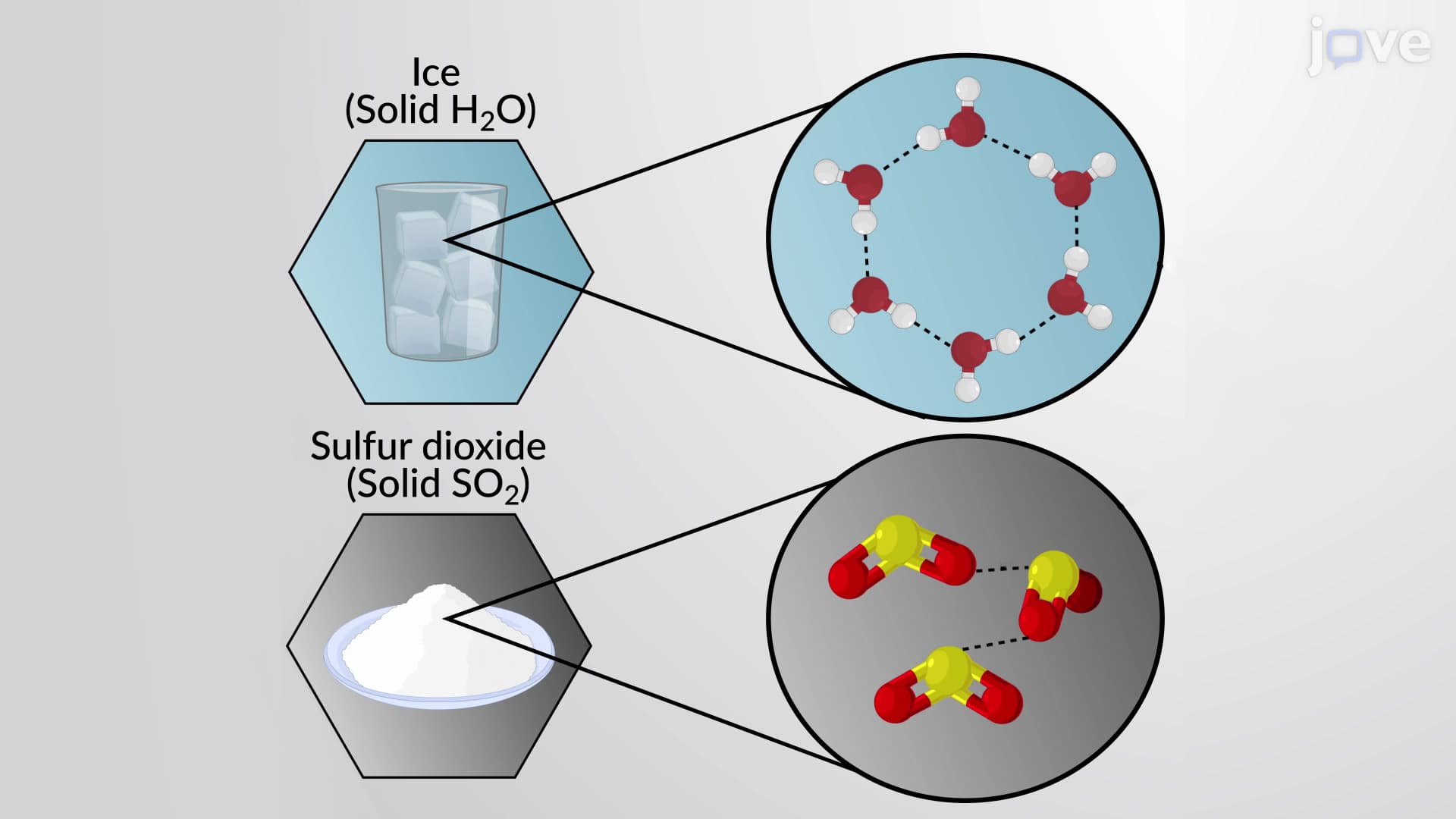
Hydrogen bonding represents a special, stronger type of dipole-dipole interaction occurring when hydrogen bonds to fluorine, oxygen, or nitrogen. This force explains why water has unusually high boiling and melting points for such a small molecule. DNA's double helix structure depends entirely on hydrogen bonds between complementary base pairs, while proteins maintain their three-dimensional shapes through hydrogen bonding networks.
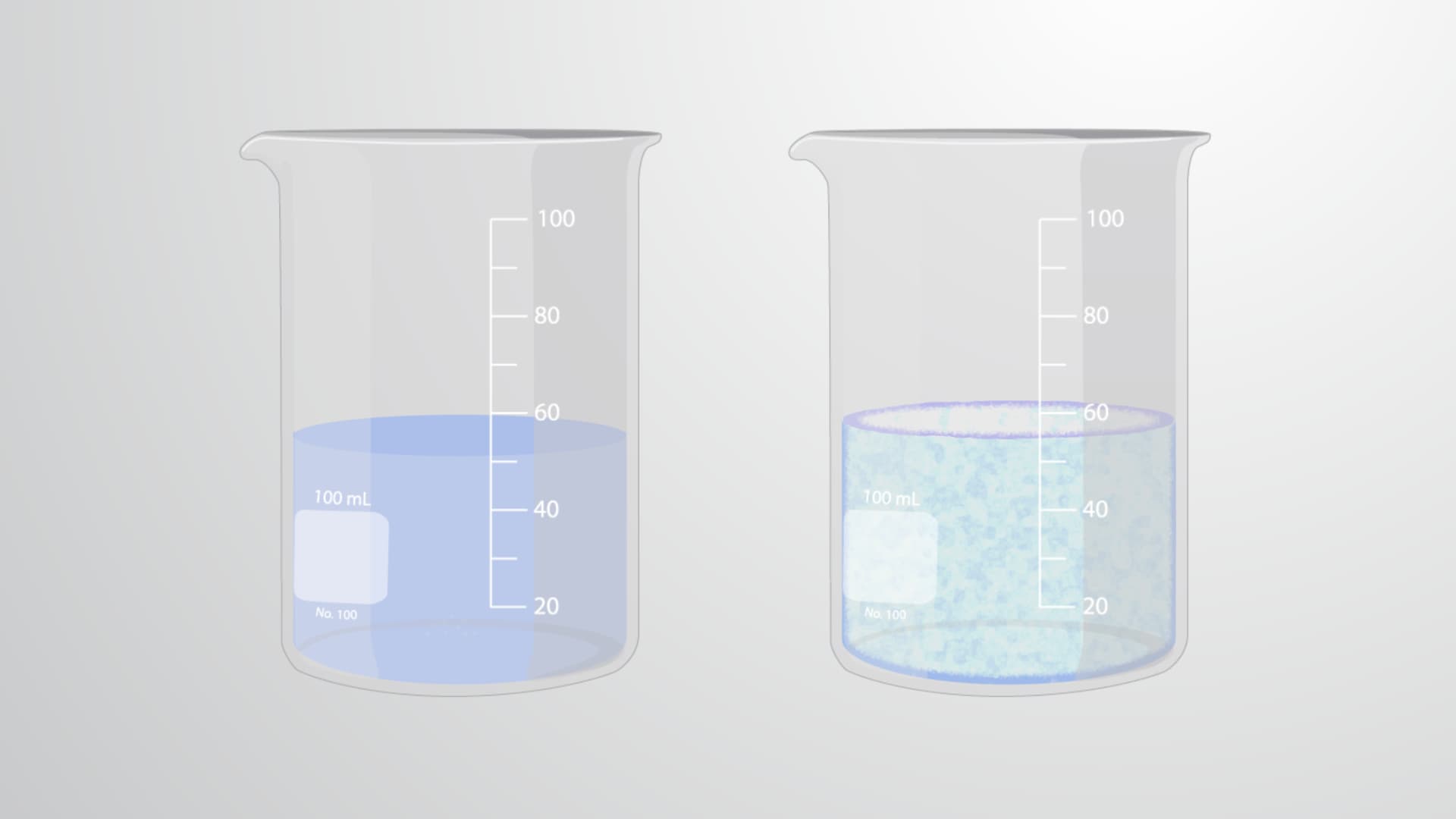
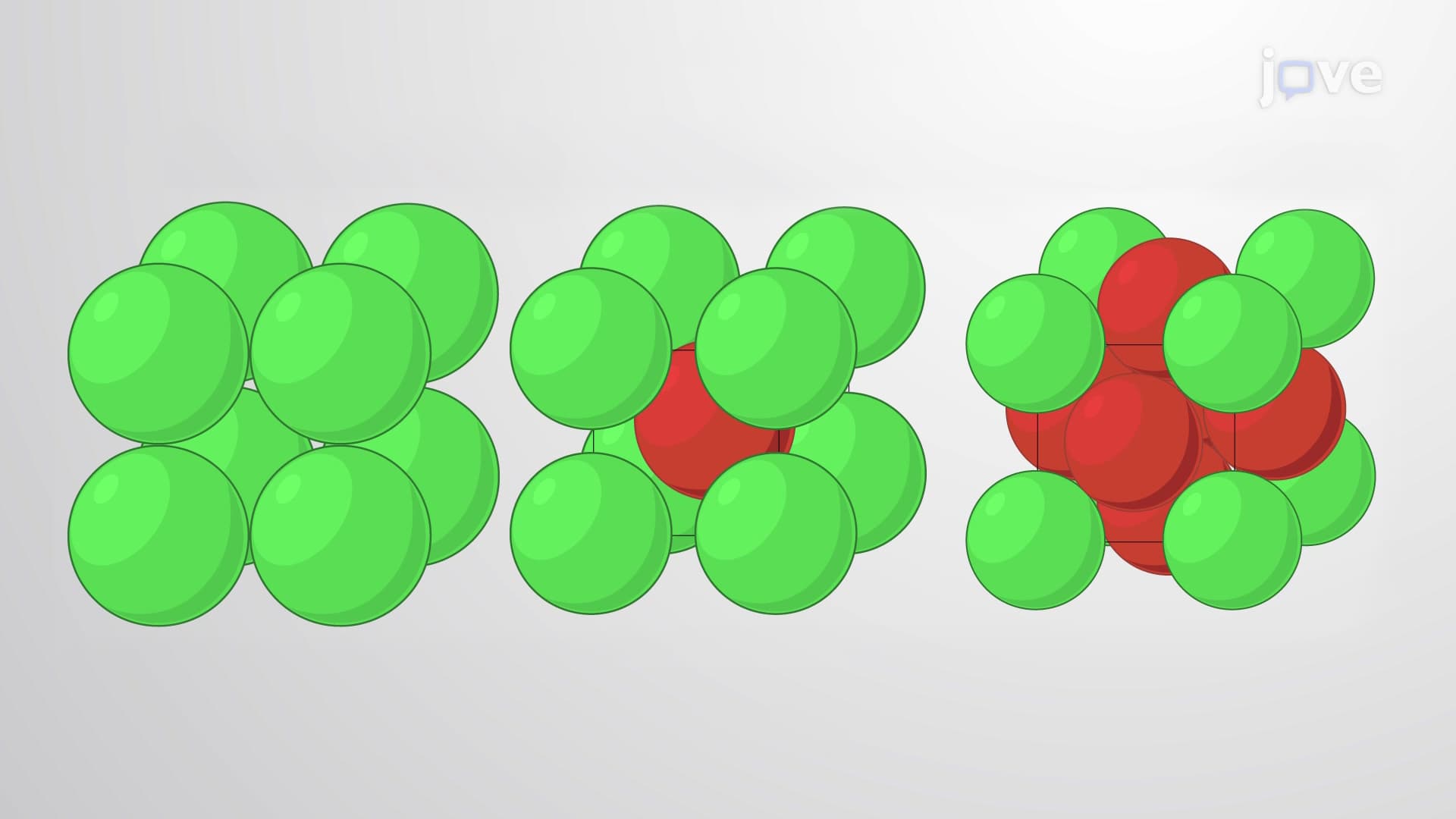
Ion-dipole forces emerge when ionic compounds dissolve in polar solvents. When table salt (NaCl) dissolves in water, sodium cations surround themselves with the negative ends of water molecules, while chloride anions attract water's positive ends. These forces are typically the strongest intermolecular interactions and explain why ionic compounds often dissolve readily in polar solvents but not in nonpolar ones.
Real-World Applications and Exam Relevance
Understanding these forces proves crucial for AP Chemistry students tackling molecular property predictions and college students in general chemistry courses. MCAT test-takers frequently encounter questions about protein folding and membrane formation that rely heavily on intermolecular force principles. These concepts also explain pharmaceutical drug design, where molecular interactions determine how medications bind to target proteins in the human body.
Frequently Asked Questions
Intermolecular forces are attractive interactions between separate molecules caused by electrostatic attractions between charges, partial charges, and temporary charges. Unlike intramolecular forces (covalent/ionic bonds), these forces exist between different molecules and are generally much weaker. They determine physical properties like boiling points, melting points, and solubility behavior.
The four main types are dispersion forces (present in all molecules), dipole-dipole forces (between polar molecules), hydrogen bonds (special dipole-dipole with H-F, H-O, or H-N), and ion-dipole forces (between ions and polar molecules in solution). Each type has different strengths and occurs under specific molecular conditions.
AP Chemistry frequently tests intermolecular forces through boiling point comparisons, solubility predictions, and molecular property explanations. You'll need to identify force types present in given molecules and rank their relative strengths. Free response questions often ask you to explain physical property differences using intermolecular force concepts.
Absolutely, MCAT General Chemistry and Biochemistry sections extensively cover intermolecular forces, especially hydrogen bonding in biological systems. Expect questions about protein structure, DNA base pairing, membrane formation, and drug-receptor interactions. Understanding these forces is crucial for passages about molecular recognition and biological processes.
College general chemistry courses use intermolecular forces to explain phase behavior, solution formation, and molecular properties throughout multiple chapters. Organic chemistry builds on these concepts for understanding reaction mechanisms and molecular interactions. Physical chemistry courses mathematically analyze these forces in detail.
Consider how water beads on waxed cars (hydrogen bonding vs. dispersion forces), why oil and water don't mix (polar vs. nonpolar interactions), how soap works (both polar and nonpolar regions), or why alcohol dissolves in water but gasoline doesn't (hydrogen bonding capabilities). Gecko feet adhesion also demonstrates dispersion forces.
Not for introductory understanding, you mainly need to recognize molecular polarity, electronegativity trends, and relative force strengths. High school algebra suffices for most applications. Advanced mathematical treatment appears in physical chemistry courses, but conceptual understanding forms the foundation for all applications.
Create comparison charts showing force types, molecular requirements, and relative strengths. Practice predicting which forces exist in given molecules based on structure and polarity. Use molecular modeling tools or drawings to visualize interactions, and work through plenty of boiling point ranking problems to reinforce concepts.
Build on this foundation with solution chemistry (concentration units, colligative properties), phase diagrams and phase transitions, chemical kinetics (how molecular interactions affect reaction rates), and acid-base chemistry. These topics all rely heavily on understanding molecular interactions and intermolecular forces.
Related Micro-courses