Loading subject page…


669,501 views


Video Summary: What are Intermolecular Vs Intramolecular Forces
Ever wonder why water boils at 100°C but requires over 1000°C to break apart completely? The answer lies in understanding intermolecular vs intramolecular forces, two fundamentally different types of chemical interactions that govern everything from ice formation in your freezer to drug absorption in pharmaceutical research. These forces explain why table salt dissolves in water while oil forms separate layers. Watch the full video on JoVE Coach to master this concept with expert-led visuals and step-by-step explanations.
Intermolecular vs intramolecular forces represent two distinct categories of chemical interactions that operate at different scales and strengths. Intramolecular forces are the "glue" that holds atoms together within a single molecule or compound, while intermolecular forces govern how separate molecules interact with each other. This distinction is crucial for understanding everything from why medications dissolve in bloodstream to how polymers in plastic bottles maintain their structure.
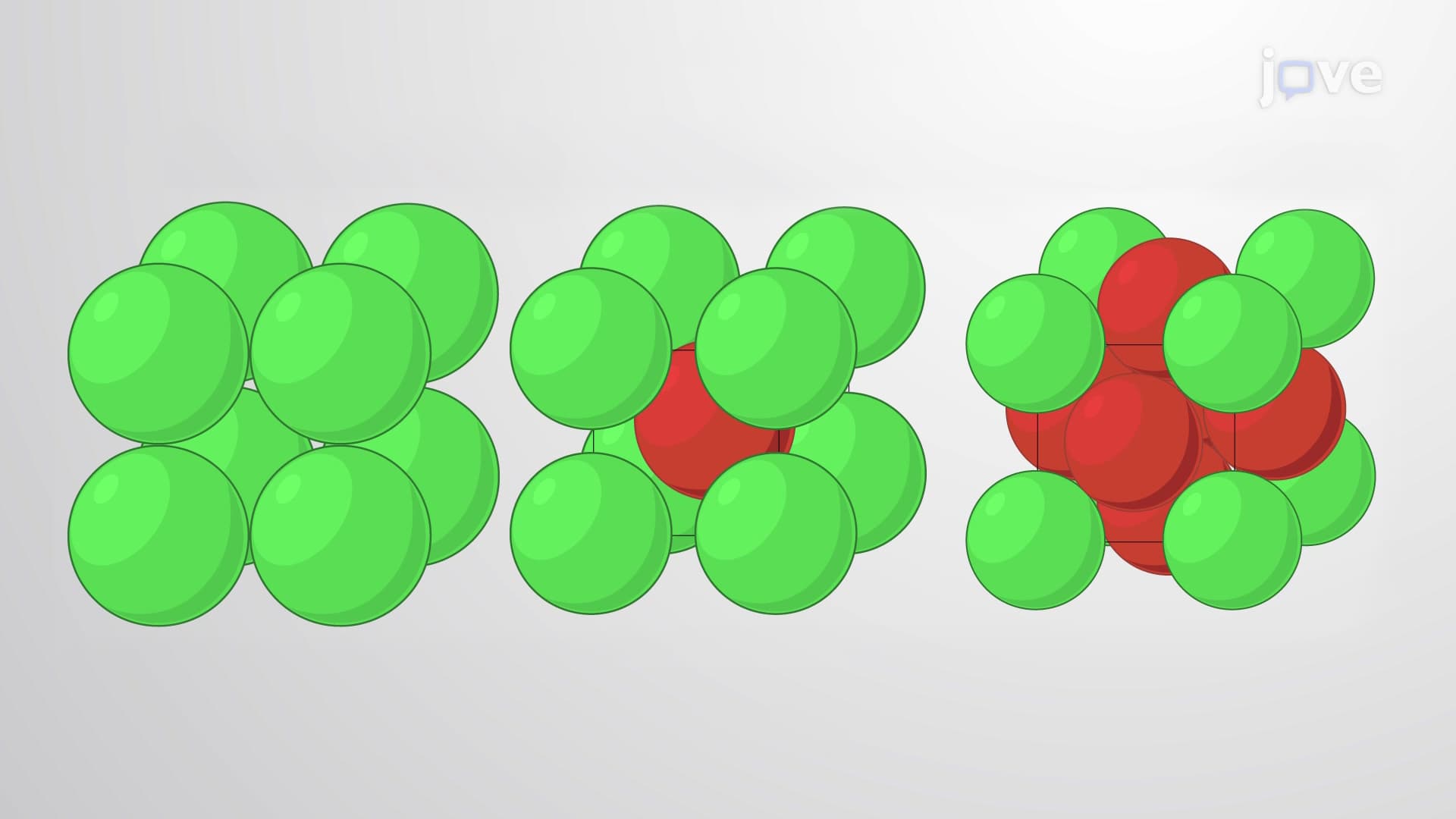
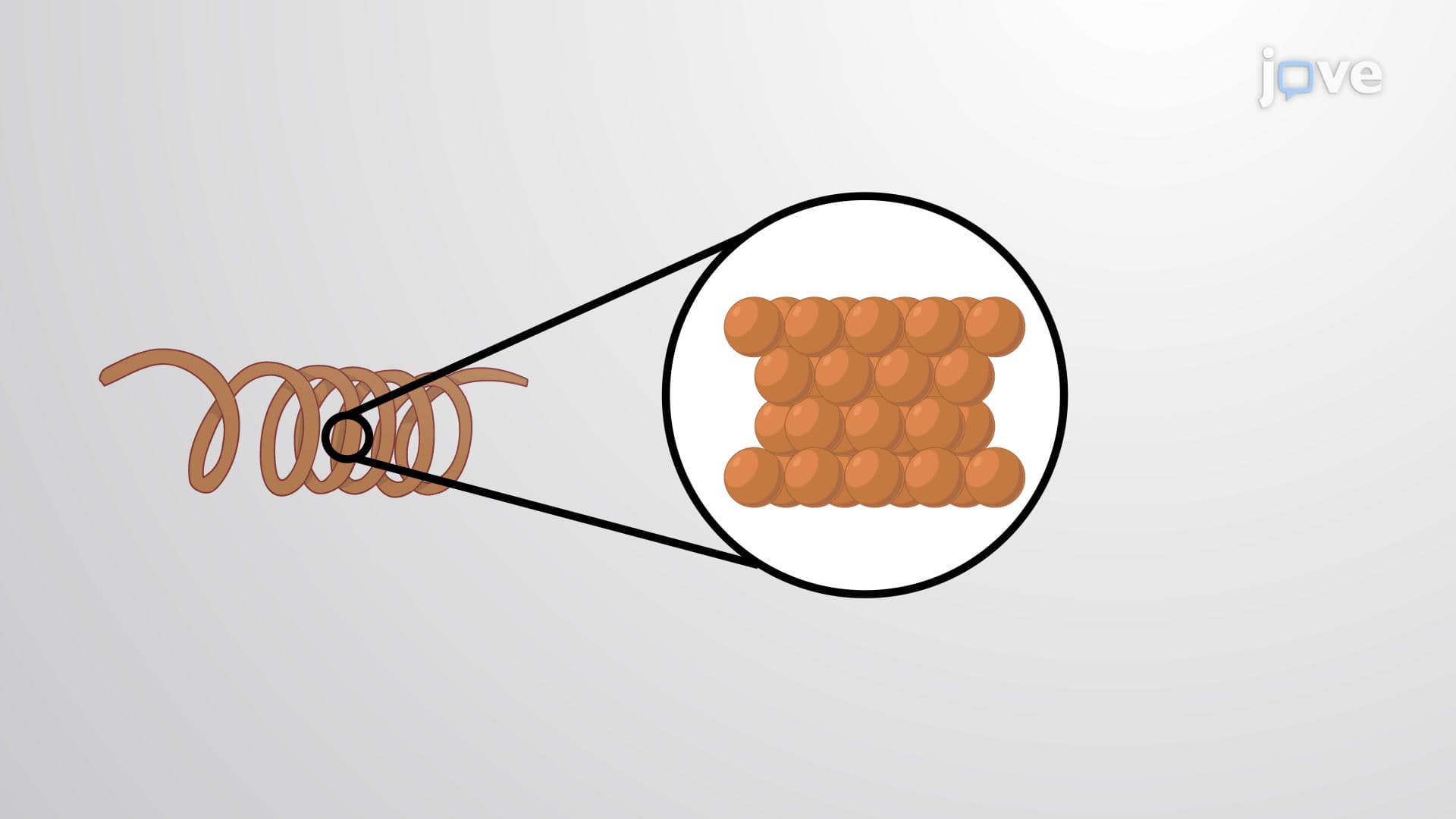
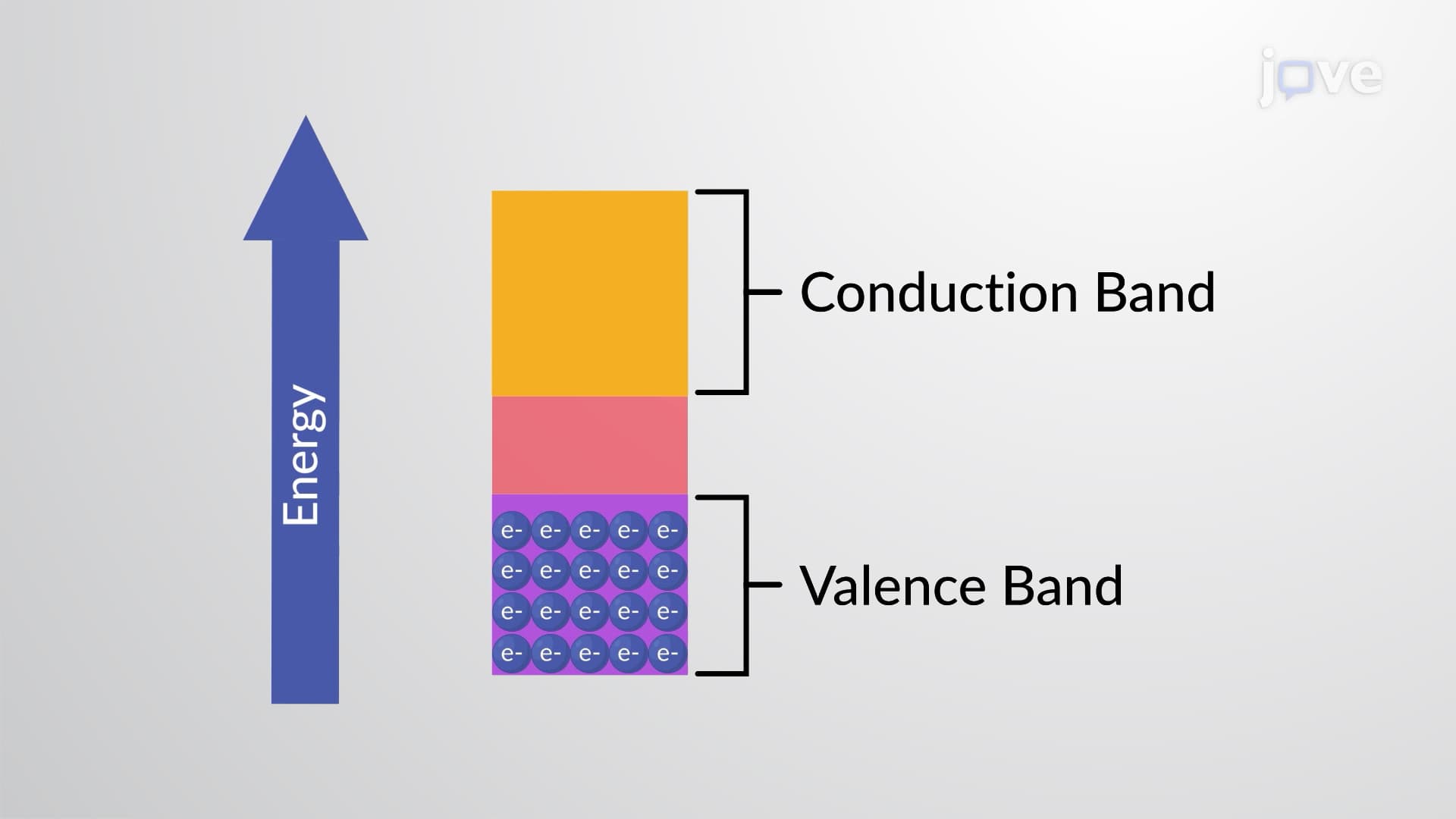
The three primary types of intermolecular vs intramolecular forces within the intramolecular category each serve specific roles in chemistry. Ionic bonds form through electron transfer between metals and nonmetals, creating the electrostatic attraction seen in table salt (NaCl), essential for understanding electrolyte balance in sports medicine. Covalent bonds involve electron sharing between nonmetals, forming molecules like glucose (C₆H₁₂O₆) that fuels cellular respiration. Metallic bonding creates the "electron sea" that gives copper wires their electrical conductivity, making them ideal for household wiring.
These concepts frequently appear on AP Chemistry exams, where students must predict bond types based on electronegativity differences and explain properties like conductivity and solubility. MCAT test-takers encounter these principles when analyzing protein folding and drug-receptor interactions.
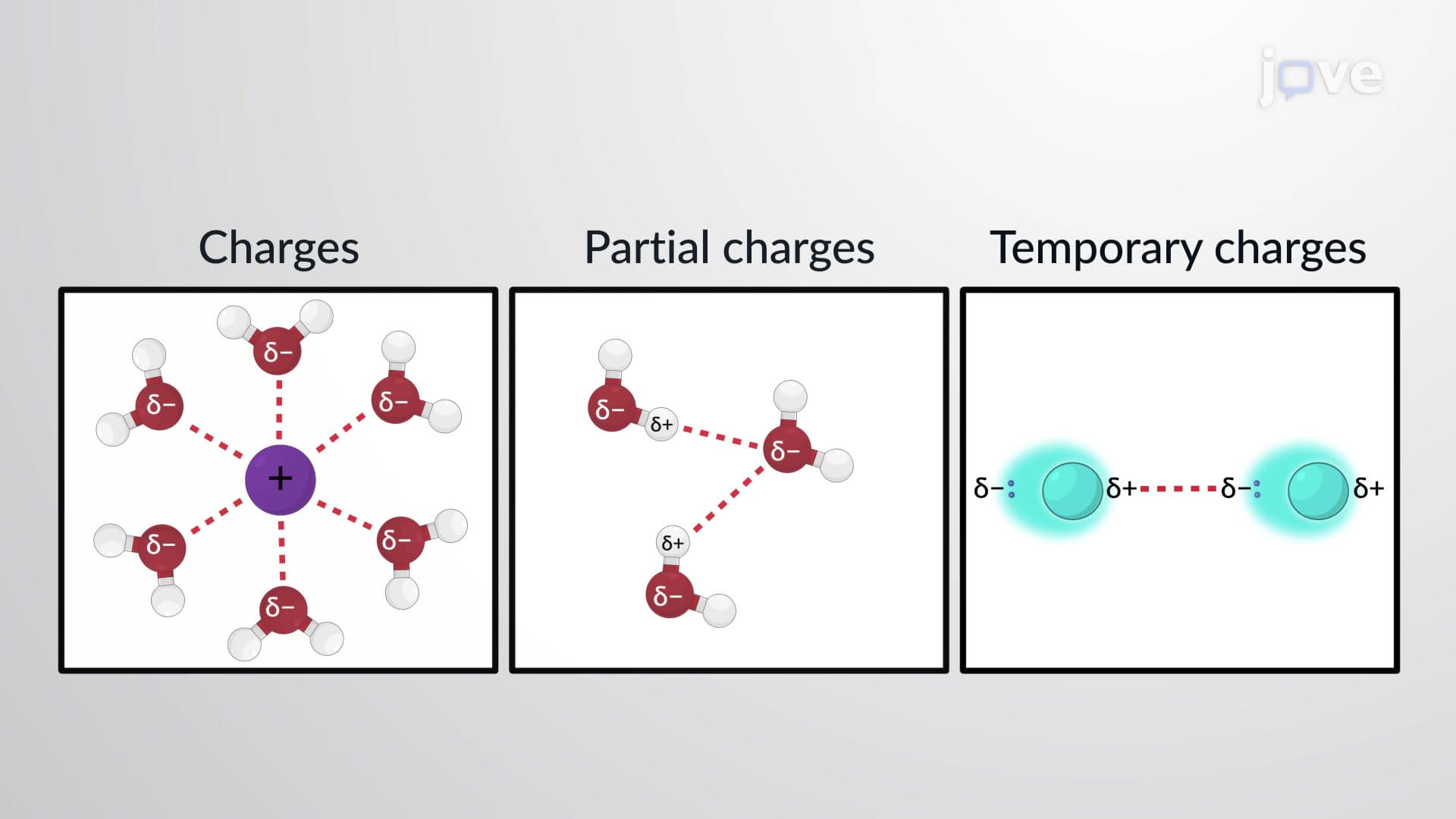
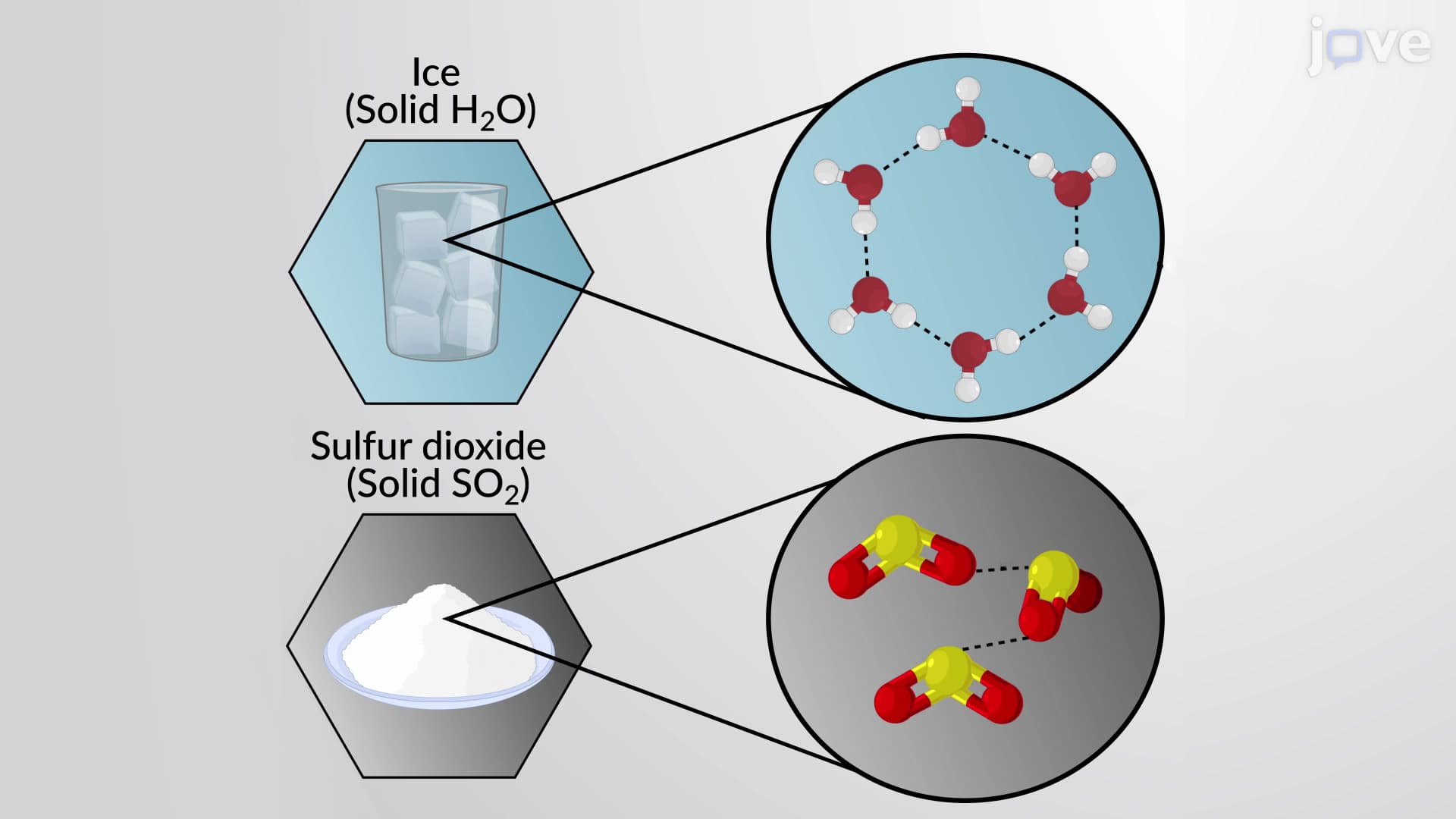
Intermolecular forces operate between separate molecules and determine physical properties that affect daily life. Ion-dipole forces explain why ionic compounds like road salt dissolve in polar water, making winter driving safer. Dipole-dipole interactions, including the special case of hydrogen bonding, account for water's unusually high boiling point, critical for maintaining liquid water in biological systems at body temperature.
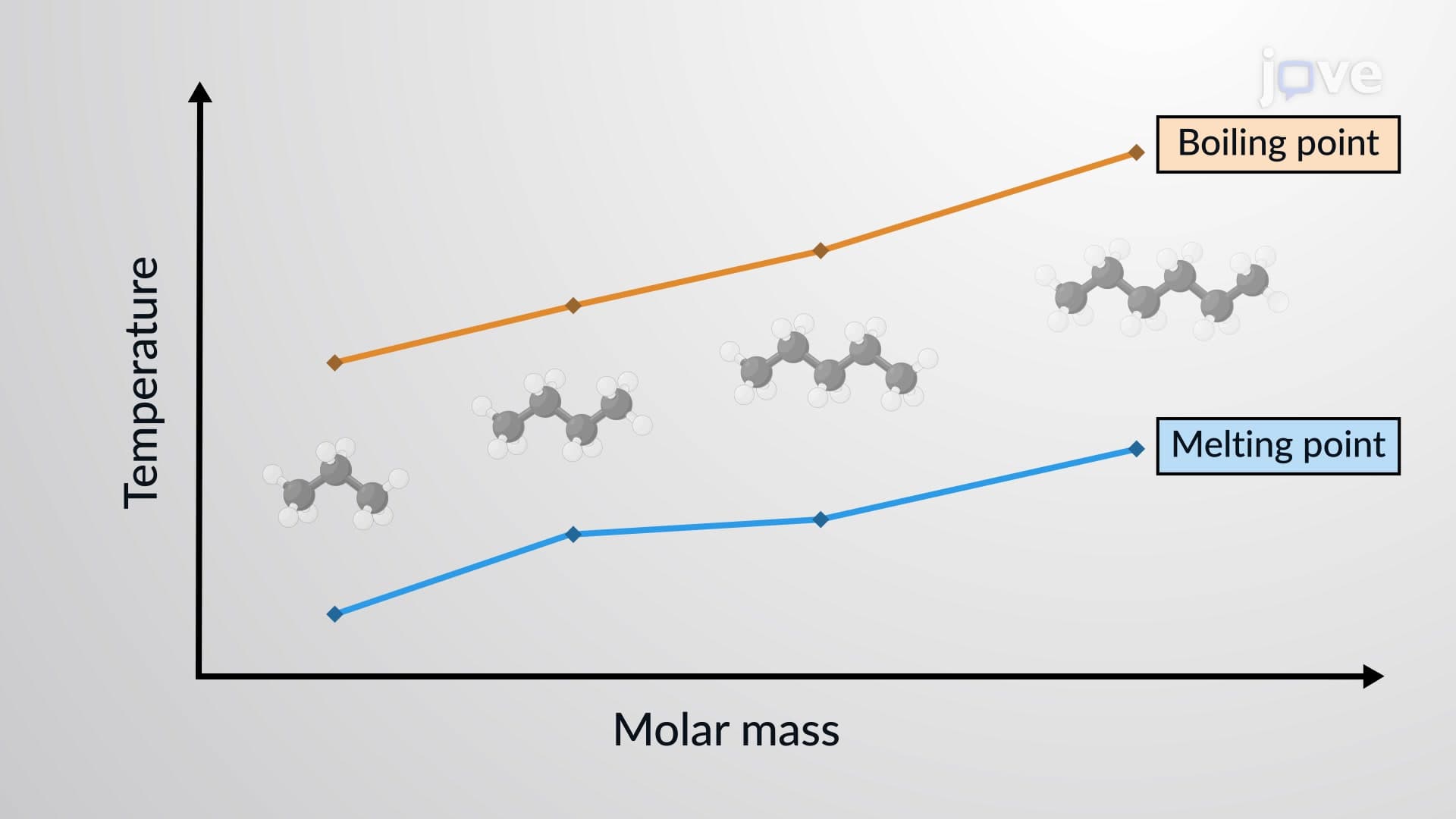
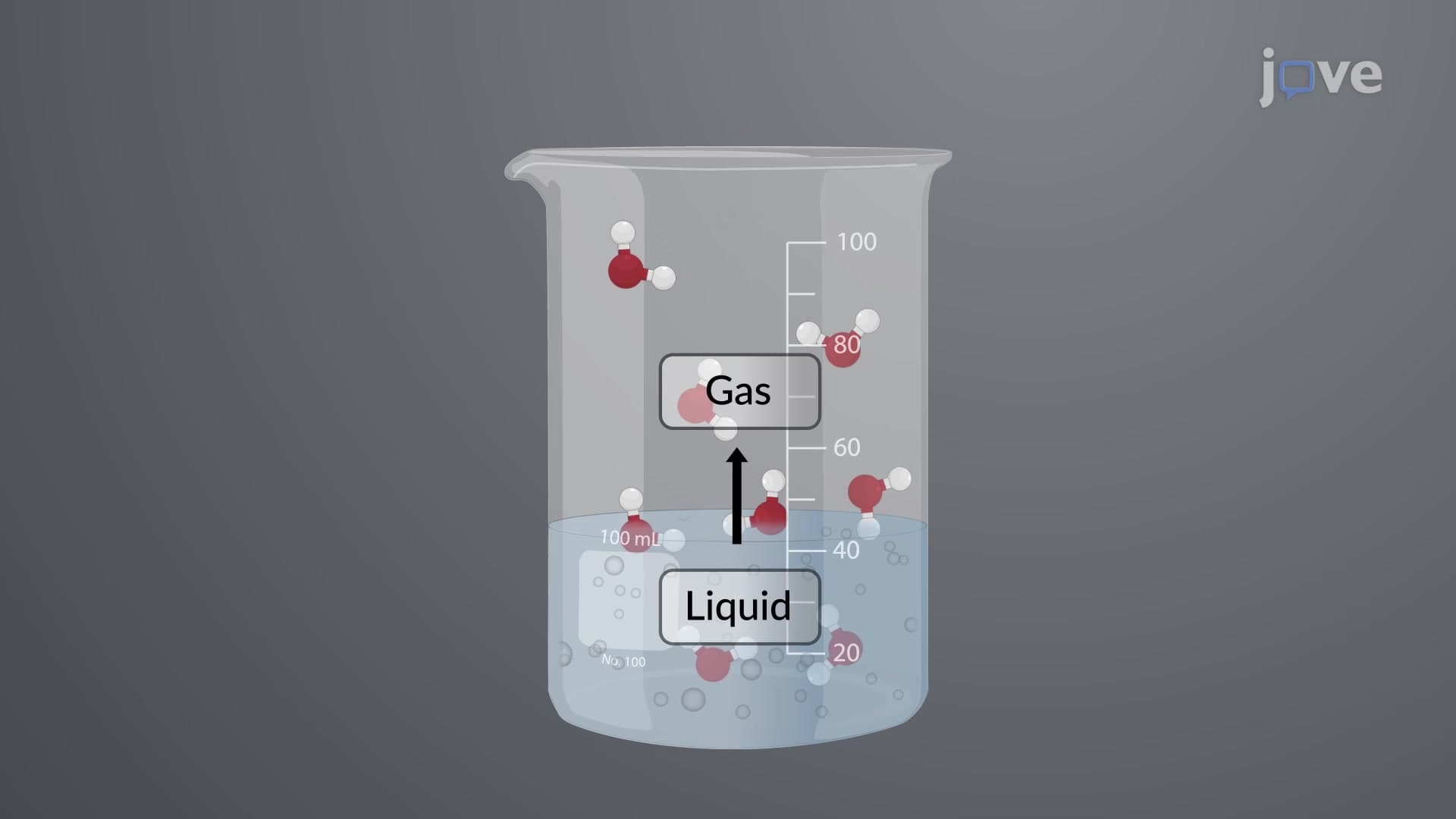
Dispersion forces, though weakest individually, become significant in large molecules like the hydrocarbons in gasoline, affecting fuel volatility and engine performance. These forces are approximately 10-100 times weaker than intramolecular bonds, explaining why water vaporizes at 100°C while breaking O-H bonds requires temperatures exceeding 1000°C.
Understanding this intermolecular vs intramolecular forces overview proves essential for predicting molecular behavior in pharmaceutical development, where drug solubility and bioavailability depend on both types of forces. College chemistry courses emphasize these concepts when explaining phase transitions, solution formation, and molecular recognition processes that drive enzyme function.
Related Micro-courses