Loading subject page…


669,501 views
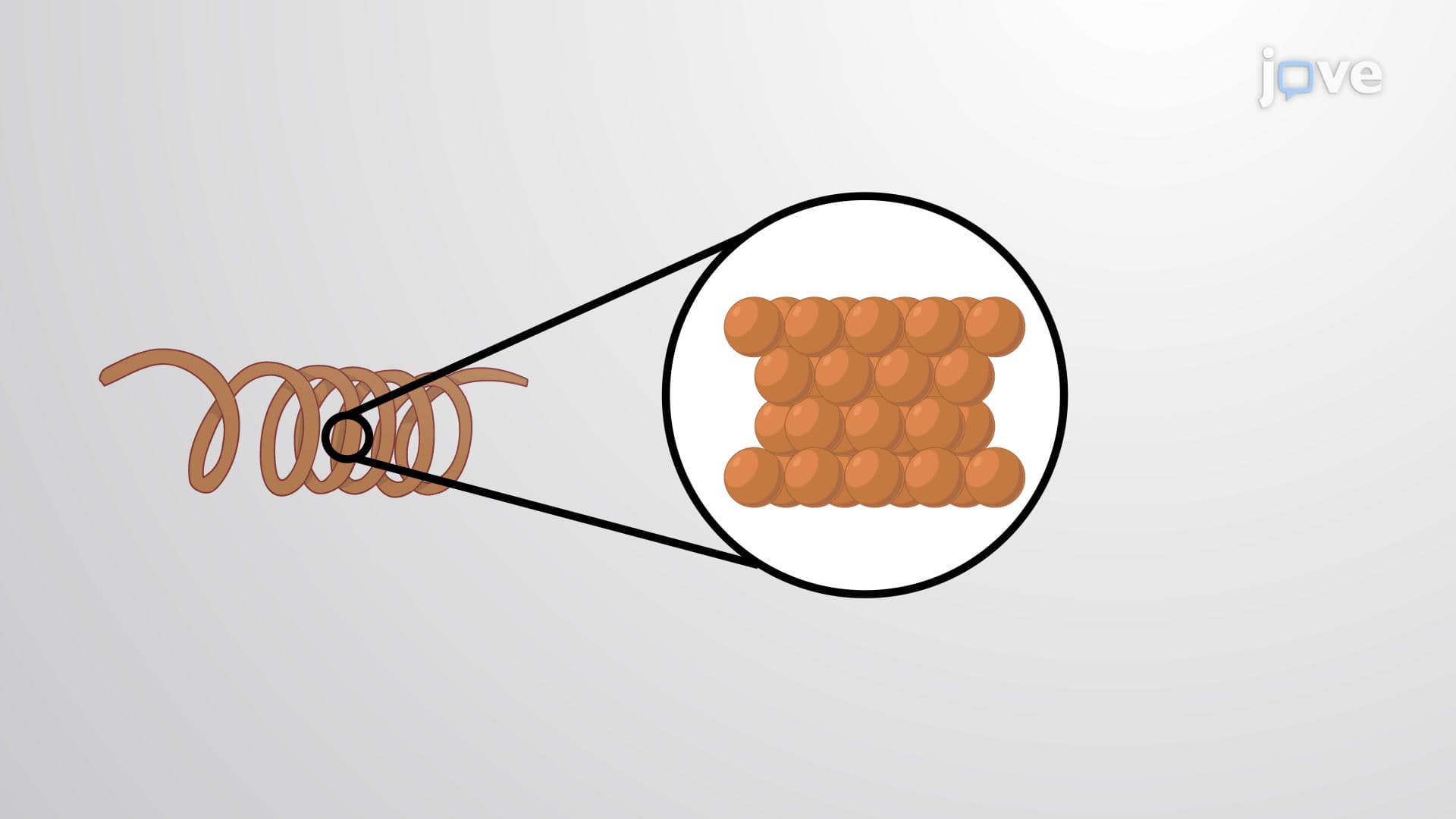

Video Summary: What are Metallic Solids
Ever wonder why copper wires conduct electricity so well while plastic doesn't? Metallic solids like the copper in US electrical systems have a unique atomic structure that creates a "sea" of mobile electrons. These metallic solids include familiar materials like aluminum in soda cans and gold in jewelry, all sharing the remarkable property of flexible, conductive bonding. Understanding what are metallic solids reveals why metals can bend without breaking and conduct heat so efficiently. Watch the full video on JoVE Coach to master this concept with expert-led visuals and step-by-step explanations.
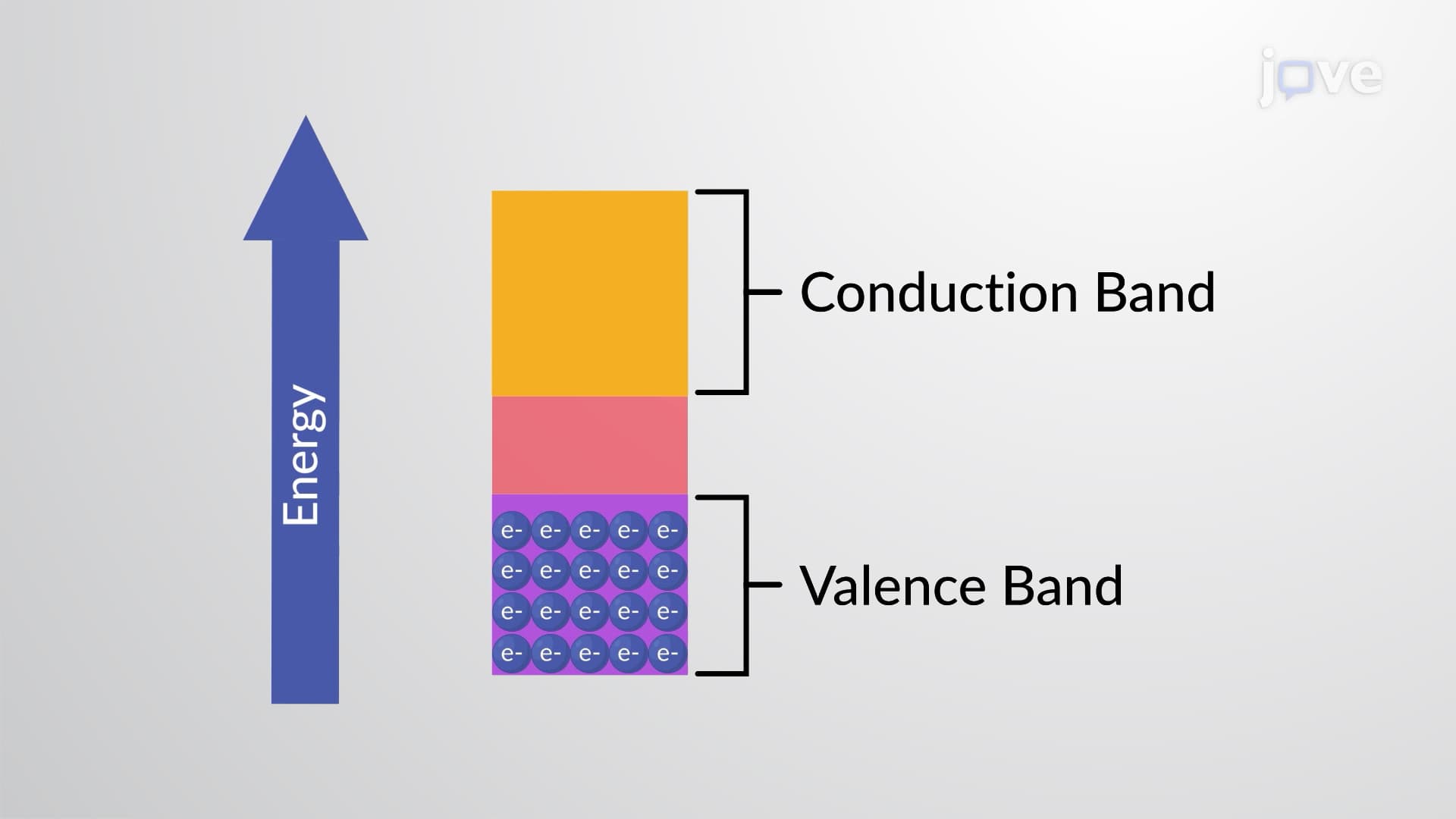
Metallic solids represent one of the most practically important classes of materials in our daily lives. Unlike ionic or covalent compounds, metals consist of metal atoms held together by metallic bonds, where valence electrons form a delocalized "electron sea" throughout the crystal structure. This unique bonding explains why the copper in your smartphone conducts electricity, why aluminum foil can wrap around objects without tearing, and why gold jewelry maintains its luster.
The metallic solids overview reveals several key characteristics that stem from their electron sea model. First, their exceptional electrical and thermal conductivity makes them indispensable in electronics-from the silver contacts in high-end audio equipment to the aluminum heat sinks in computer processors. Second, their malleability and ductility allow metals to be shaped without breaking, enabling everything from hammered copper artwork to drawn steel wire.
The melting points of types of metallic solids vary dramatically based on the strength of metallic bonding. Mercury remains liquid at room temperature, while tungsten filaments in incandescent bulbs can withstand temperatures over 3000°C. This variation depends on factors like atomic size, number of valence electrons, and crystal structure.
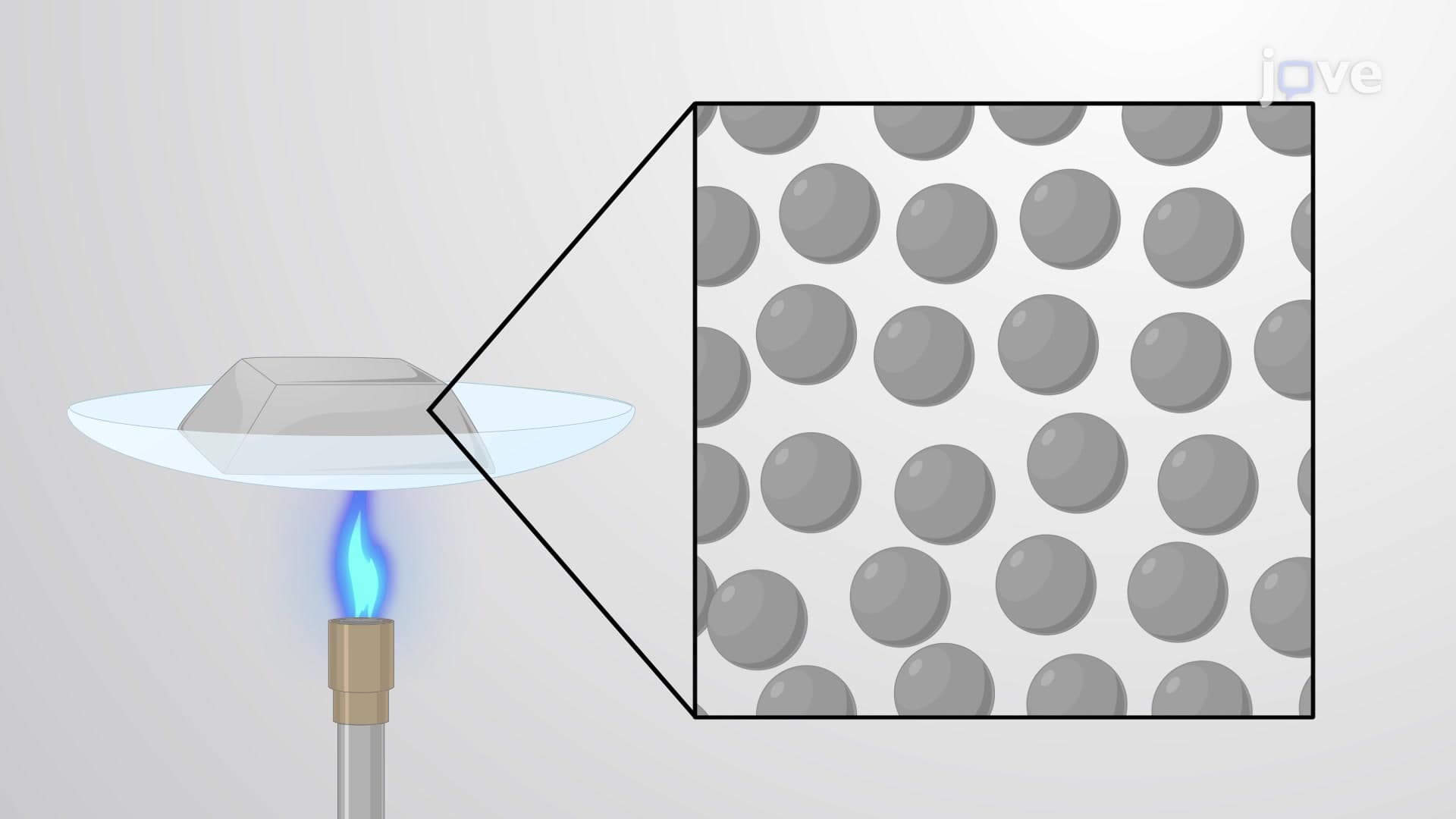
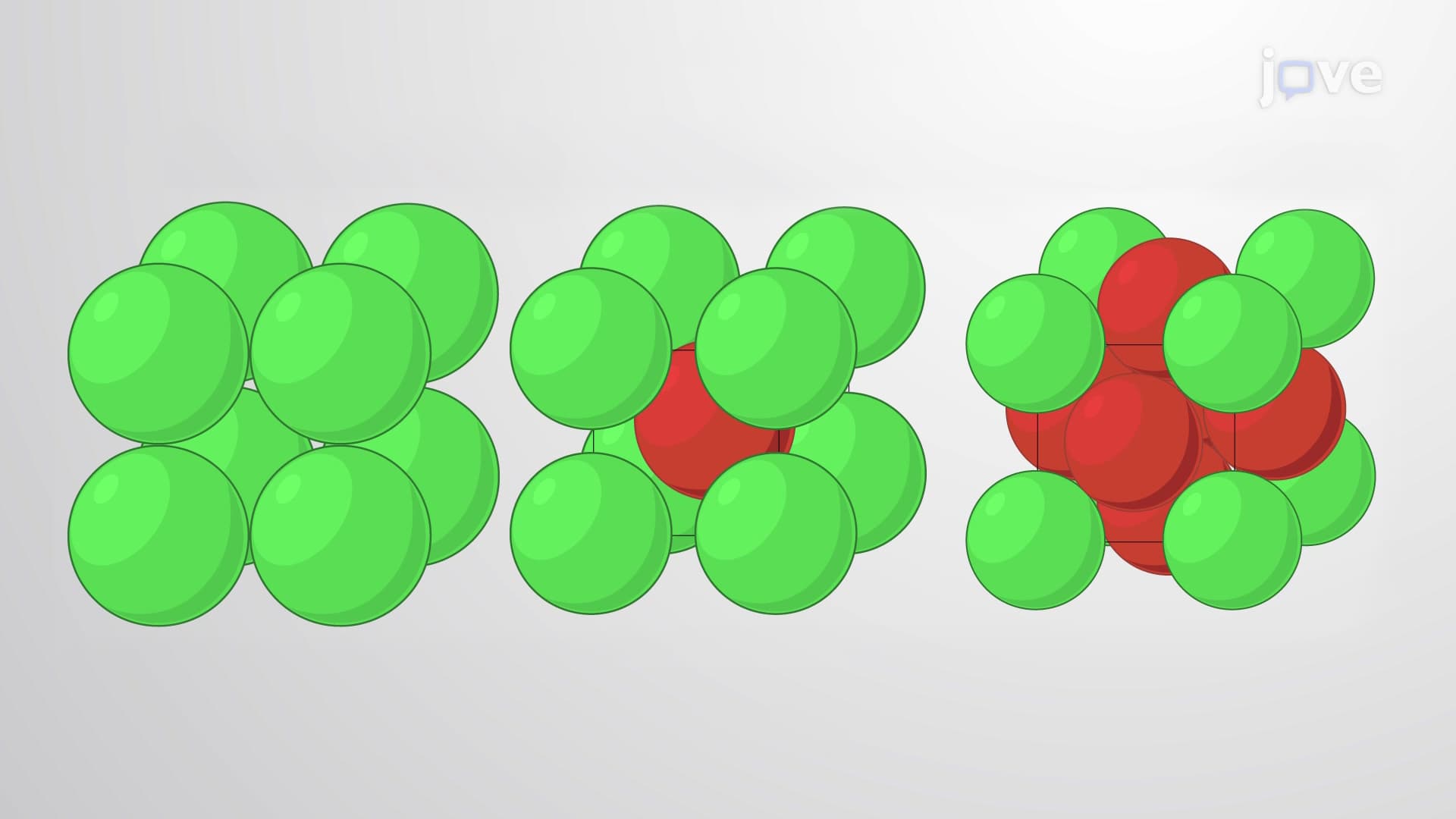
Understanding metallic solids requires grasping their atomic arrangements. Most pure metals adopt either hexagonal close-packing (hcp) or cubic close-packing (ccp, also called face-centered cubic or fcc) structures. In hcp arrangements like zinc, atoms stack in an ABAB pattern where every third layer repeats the first. Meanwhile, ccp structures like copper follow an ABCABC pattern where every fourth layer aligns with the first.
Both arrangements achieve maximum space efficiency with coordination numbers of 12, meaning each atom touches 12 neighbors. This efficient packing contributes to metals' density and strength. For AP Chemistry students, recognizing these patterns helps predict properties and solve crystal structure problems.
The metallic solids concept extends far beyond basic chemistry into cutting-edge applications. Titanium's unique combination of strength and corrosion resistance makes it essential for both aerospace engineering and medical implants used in US hospitals. Similarly, the semiconductor industry relies on ultra-pure metallic substrates and interconnects, while renewable energy systems depend on efficient metallic conductors for power transmission across the US electrical grid.
Related Micro-courses