Loading subject page…

- Chemistry
- Liquids, Solids, and Intermolecular Forces
- Molecular and Ionic Solids
Micro-course: Liquids, Solids, and Intermolecular Forces
669,501 views
Learn key concepts and earn your certificate.








Molecular and Ionic Solids

00:00
02:54
Video Summary: What are Molecular and Ionic Solids
Why does table salt dissolve easily in water while diamond remains completely unchanged? The answer lies in understanding molecular and ionic solids, two fundamental types of crystalline materials with dramatically different properties. While ionic solids like sodium chloride (table salt) contain charged particles held by strong electrostatic forces, molecular solids like dry ice are bound by weaker intermolecular attractions. Watch the full video on JoVE Coach to master this concept with expert-led visuals and step-by-step explanations.
- Understand what are molecular and ionic solids and distinguish between their fundamental structural differences and bonding mechanisms
- Identify the types of intermolecular forces that hold molecular solids together, including hydrogen bonds, dipole-dipole interactions, and dispersion forces
- Compare the physical properties of molecular versus ionic solids, particularly melting points, electrical conductivity, and mechanical strength
- Analyze how ion size and charge affect the properties of ionic solids using Coulomb's law principles
- Evaluate the relationship between intermolecular force strength and observable properties in molecular solids
- Apply knowledge of crystal packing arrangements to predict ionic solid stability and structure
- Recognize real-world examples of both molecular and ionic solids in everyday materials and industrial applications
- Explore how these concepts connect to broader chemistry topics like solubility, phase transitions, and material science
Understanding Molecular and Ionic Solids: Foundation Concepts
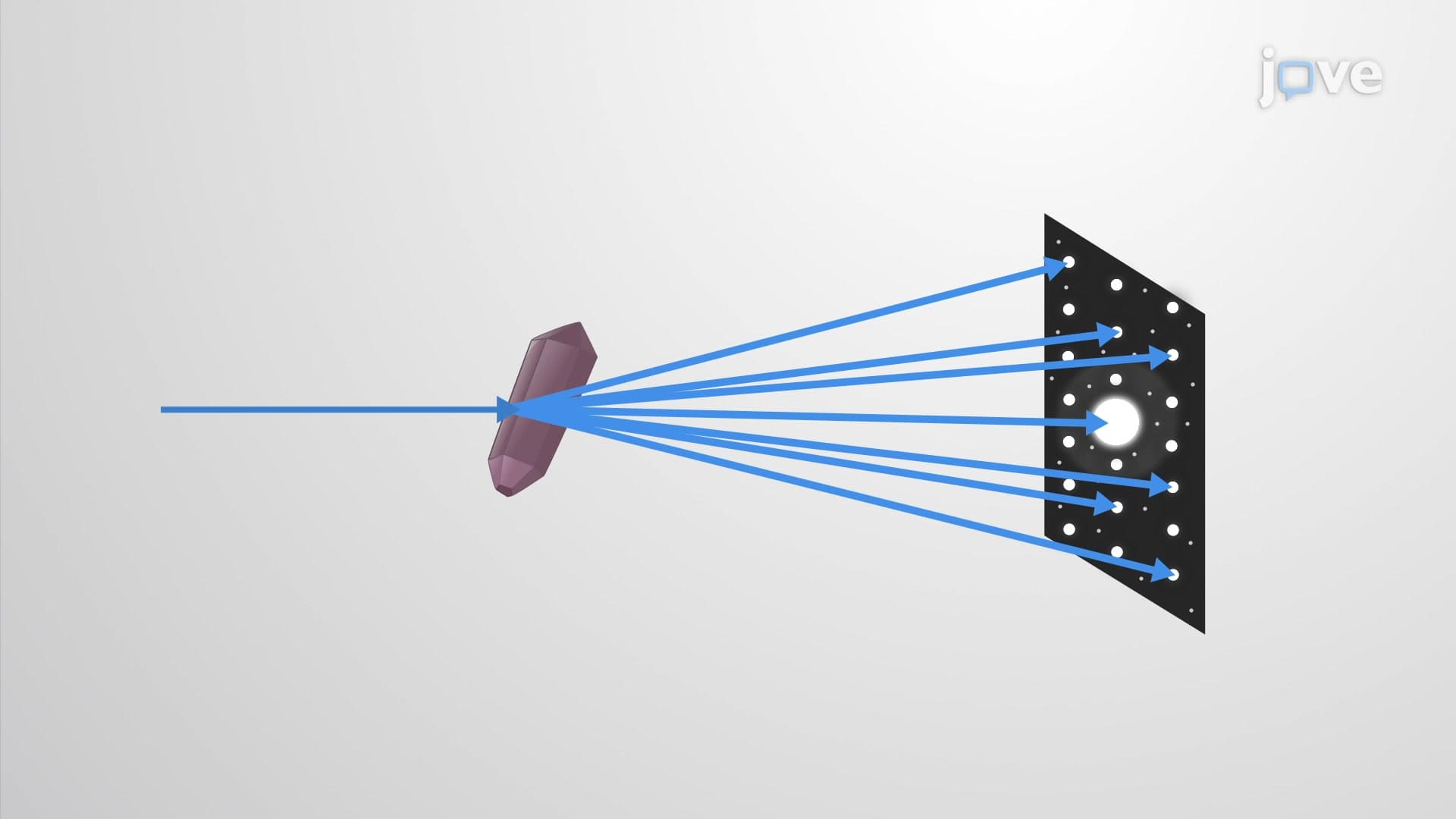
Molecular and ionic solids represent two major categories of crystalline materials that differ fundamentally in their constituent particles and bonding. These distinctions have profound implications for their properties and applications, making this topic essential for students preparing for AP Chemistry, college general chemistry courses, and standardized tests like the MCAT.
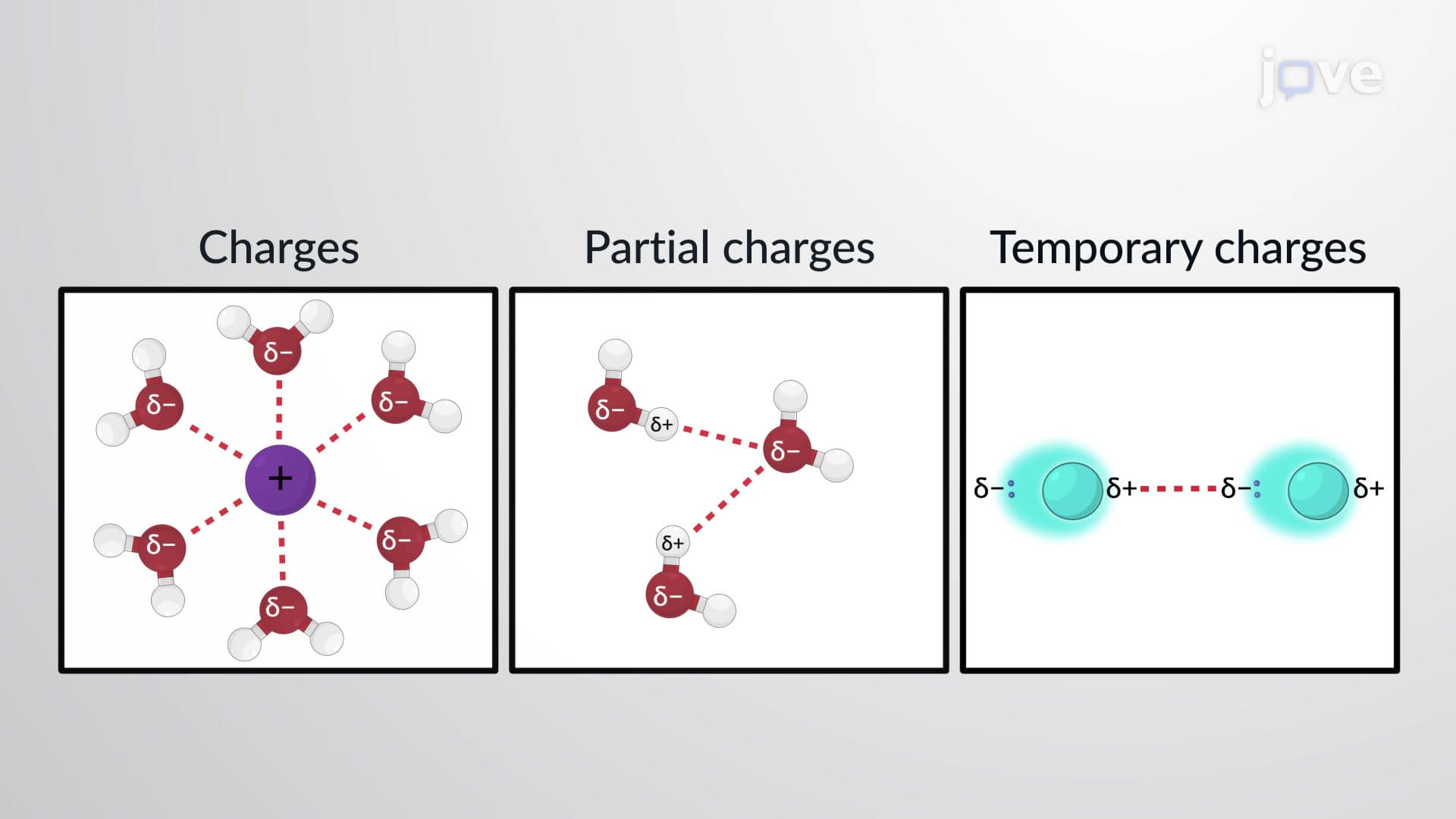
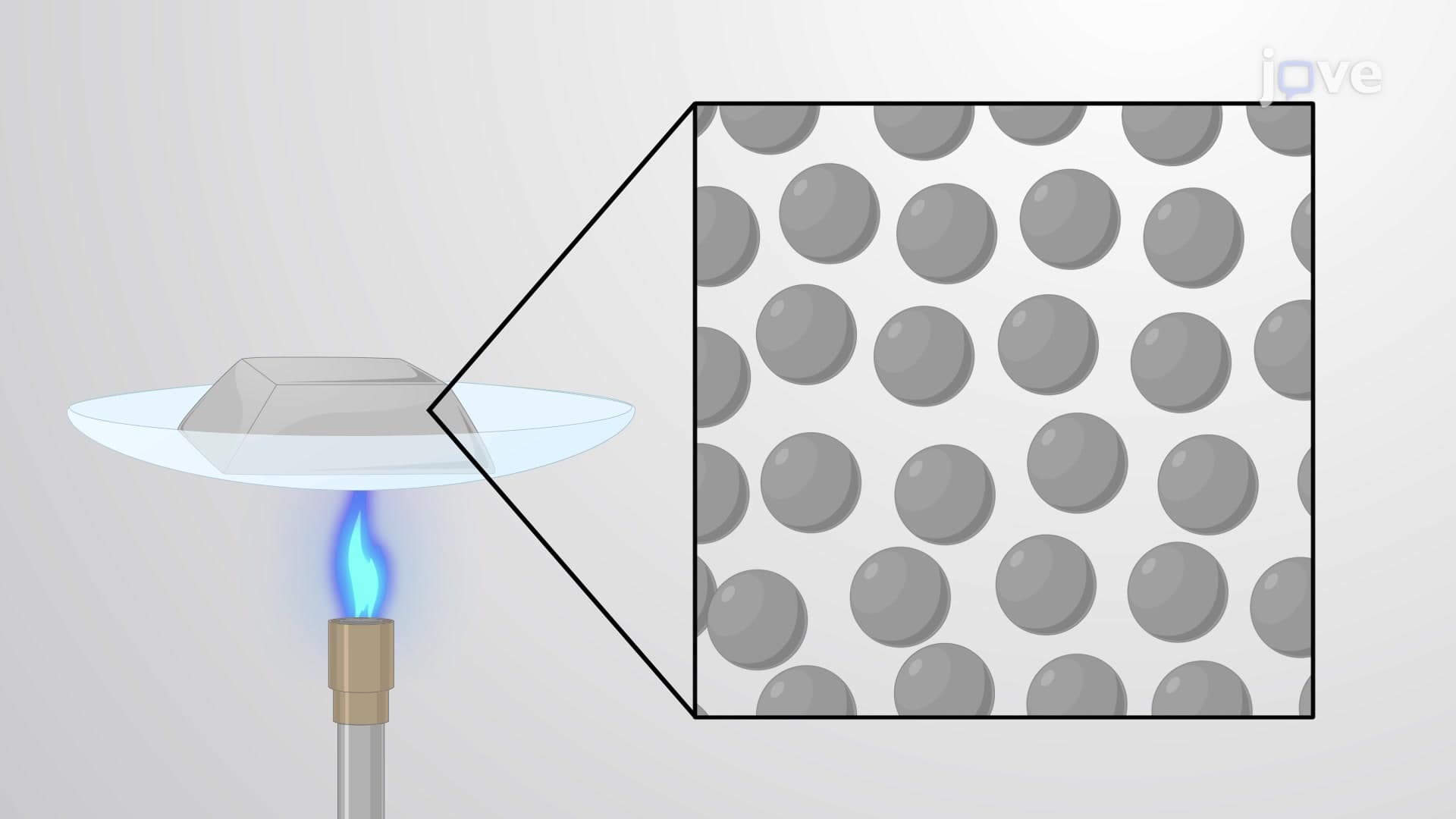
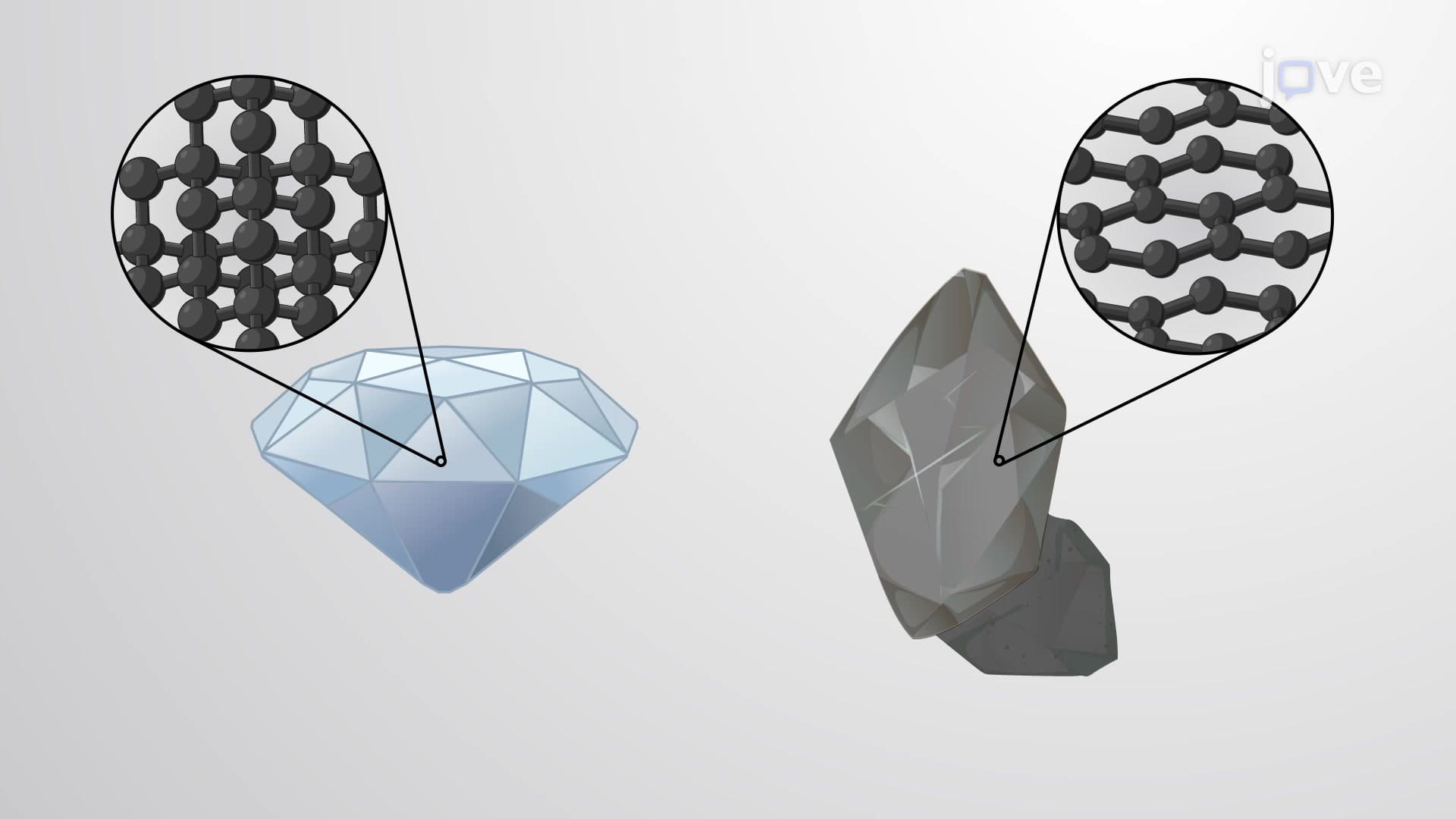
Molecular solids consist of discrete molecules or atoms held together by relatively weak intermolecular forces. These forces include van der Waals dispersion forces, dipole-dipole interactions, and hydrogen bonds. The strength of these interactions directly correlates with the solid's physical properties, creating a predictable relationship that students can use to analyze unfamiliar compounds.
Types of Molecular Solids and Their Properties
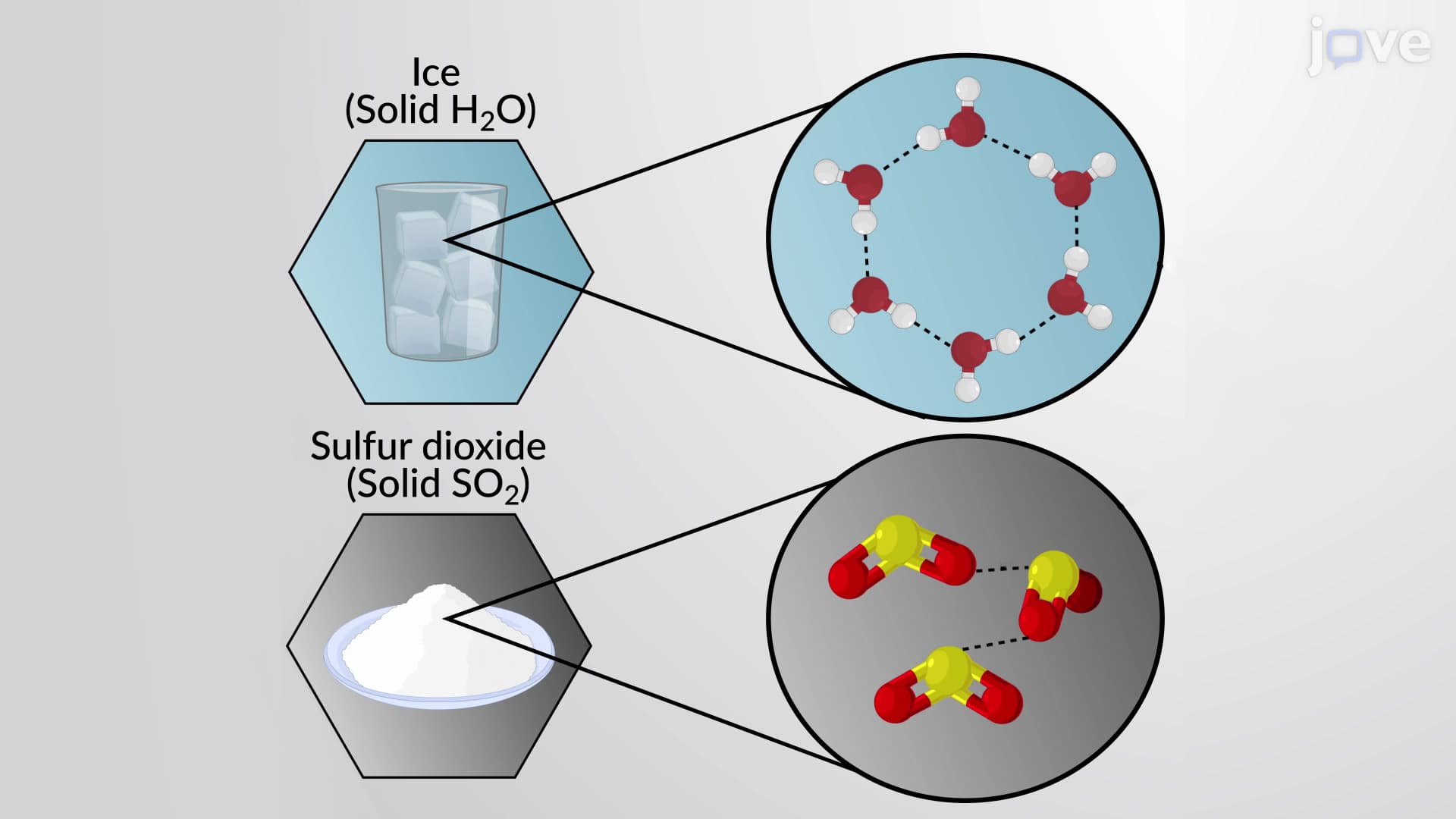
The classification of molecular solids depends on the dominant intermolecular forces present. Nonpolar molecular solids, such as solid nitrogen and carbon dioxide (dry ice), rely primarily on London dispersion forces. These materials typically exhibit very low melting points and may sublime directly from solid to gas phase. For example, dry ice sublimates at -78.5°C at atmospheric pressure, making it useful for shipping frozen goods across the United States.
Polar molecular solids demonstrate stronger intermolecular attractions. Water ice exemplifies this category, where hydrogen bonding creates a relatively stable solid structure with a melting point of 0°C. The strength of these interactions explains why ice requires significantly more energy to melt compared to dry ice.
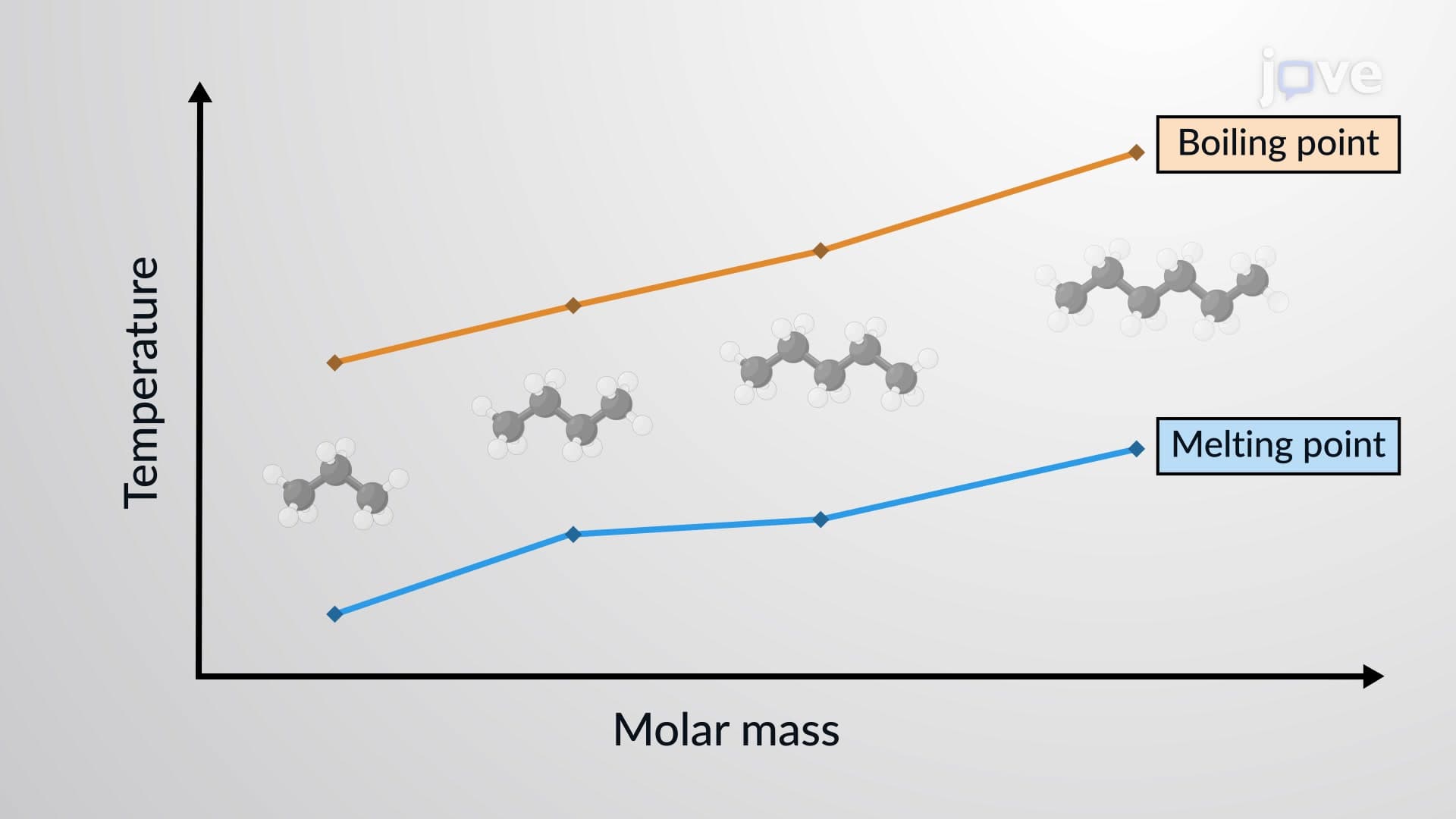
An important principle emerges when comparing molecular size and intermolecular force strength. Solid iodine, despite being nonpolar like nitrogen, melts at 114°C compared to nitrogen's -210°C melting point. This dramatic difference results from iodine's larger electron cloud, which creates stronger dispersion forces.
Ionic Solids: Structure and Properties
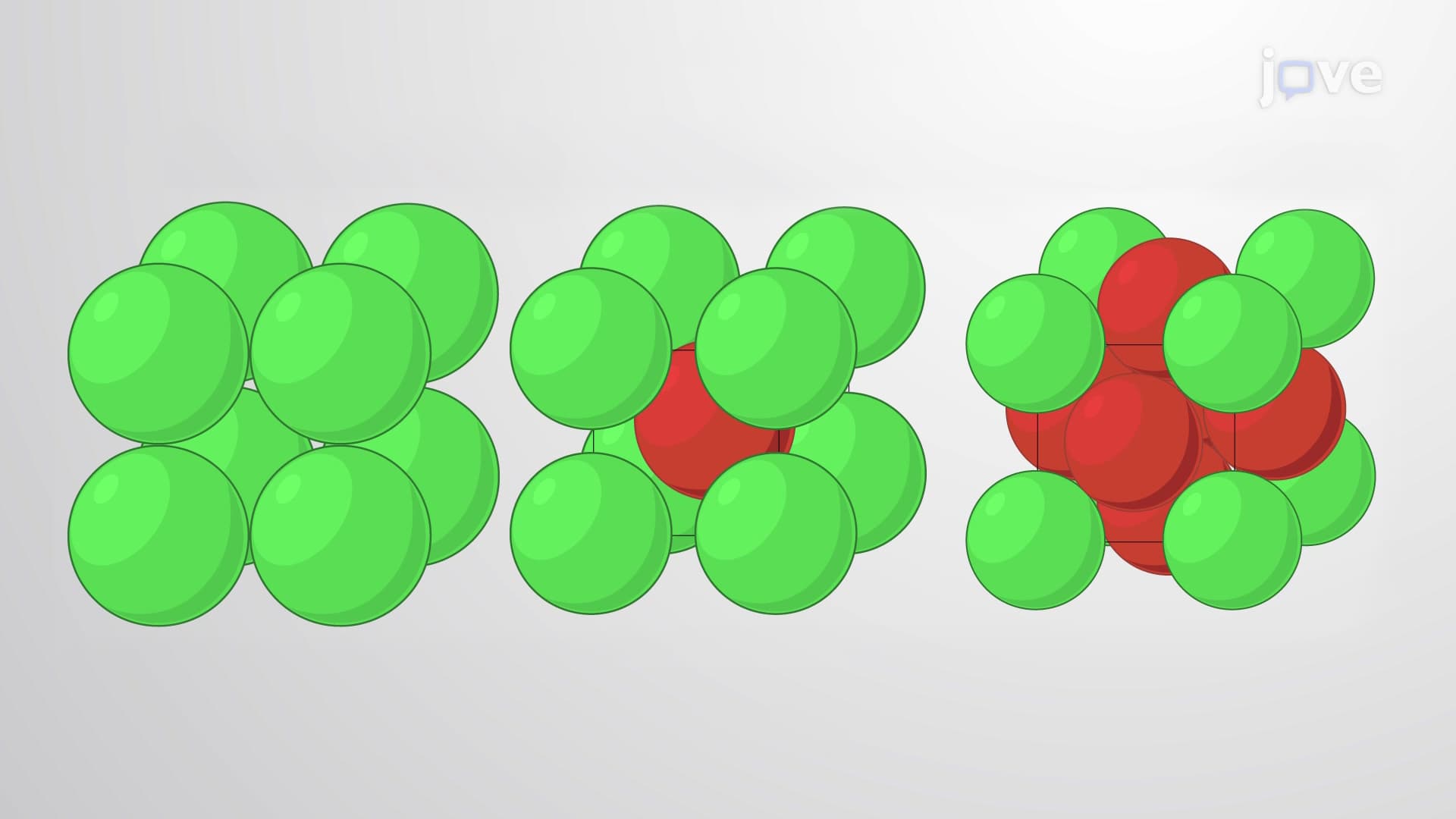
Ionic solids contain cations and anions arranged in three-dimensional lattices that maximize attractive forces between oppositely charged ions while minimizing repulsion between like charges. The electrostatic forces governing these interactions follow Coulomb's law, where force increases with charge magnitude and decreases with distance.
This relationship explains property trends in ionic compounds. Sodium chloride (NaCl) melts at 801°C, while cesium chloride (CsCl) melts at 645°C. The smaller sodium ion allows closer packing and stronger electrostatic interactions. Even more dramatically, calcium oxide (CaO) melts at 2,572°C due to the +2 and -2 charges on its ions, demonstrating how charge magnitude affects lattice energy.
Applications in Academic and Professional Contexts
Understanding these concepts proves crucial for success in advanced chemistry coursework and professional applications. Students encounter molecular and ionic solids extensively in AP Chemistry Unit 2 (Molecular and Ionic Compound Structure and Properties) and college general chemistry courses. MCAT test-takers must apply these principles to predict physical properties and explain experimental observations.
In industrial applications, companies like DuPont and 3M leverage these principles when designing materials. Pharmaceutical companies consider molecular solid properties when developing drug formulations, as crystalline forms affect bioavailability and stability.
Frequently Asked Questions
Molecular solids contain neutral molecules held by weak intermolecular forces, while ionic solids contain charged ions held by strong electrostatic attractions. This fundamental difference explains why ionic solids typically have much higher melting points and can conduct electricity when melted or dissolved.
AP Chemistry focuses on common examples like ice, dry ice, and iodine for molecular solids, plus NaCl, CaO, and other binary ionic compounds. You'll need to predict properties based on intermolecular forces and lattice energy concepts for free-response questions.
The MCAT tests these concepts in General Chemistry and Physics sections, often requiring you to predict solubility, melting points, or electrical conductivity. Expect passage-based questions linking crystal structure to experimental data or biological applications.
Common molecular solids include sugar (sucrose), aspirin tablets, and mothballs (naphthalene). Ionic solids include table salt, baking soda (sodium bicarbonate), and calcium supplements. Road salt used in winter across northern US states is typically ionic sodium chloride or calcium chloride.
Not at all! This concept builds naturally on basic atomic structure and bonding principles taught in introductory chemistry. Students who understand atoms, ions, and electronegativity can successfully master molecular and ionic solids with proper practice and visual aids.
Create comparison charts highlighting differences in bonding, properties, and examples. Practice predicting melting points and conductivity based on structure. Use molecular modeling software or online simulations to visualize crystal lattices and intermolecular interactions.
This foundation supports advanced topics including solution chemistry, thermodynamics, and materials science. It directly connects to solubility rules, phase diagrams, and electrochemistry concepts you'll encounter in upper-level chemistry courses.
Materials scientists, pharmaceutical researchers, and chemical engineers apply these principles daily. For example, Intel engineers consider silicon crystal structure when designing computer chips, while pharmaceutical companies optimize drug crystal forms to improve medication effectiveness and shelf life.
Related Micro-courses