Loading subject page…


669,501 views


Video Summary: What are Phase Transitions
Ever wondered why ice cubes melt in your summer drink while dry ice sublimates directly into fog? Phase transitions occur when substances change between solid, liquid, and gas states as molecules gain or lose energy. These fundamental changes explain everyday phenomena from steam rising from hot coffee to the formation of frost on car windshields during cold Minnesota winters. Watch the full video on JoVE Coach to master this concept with expert-led visuals and step-by-step explanations.
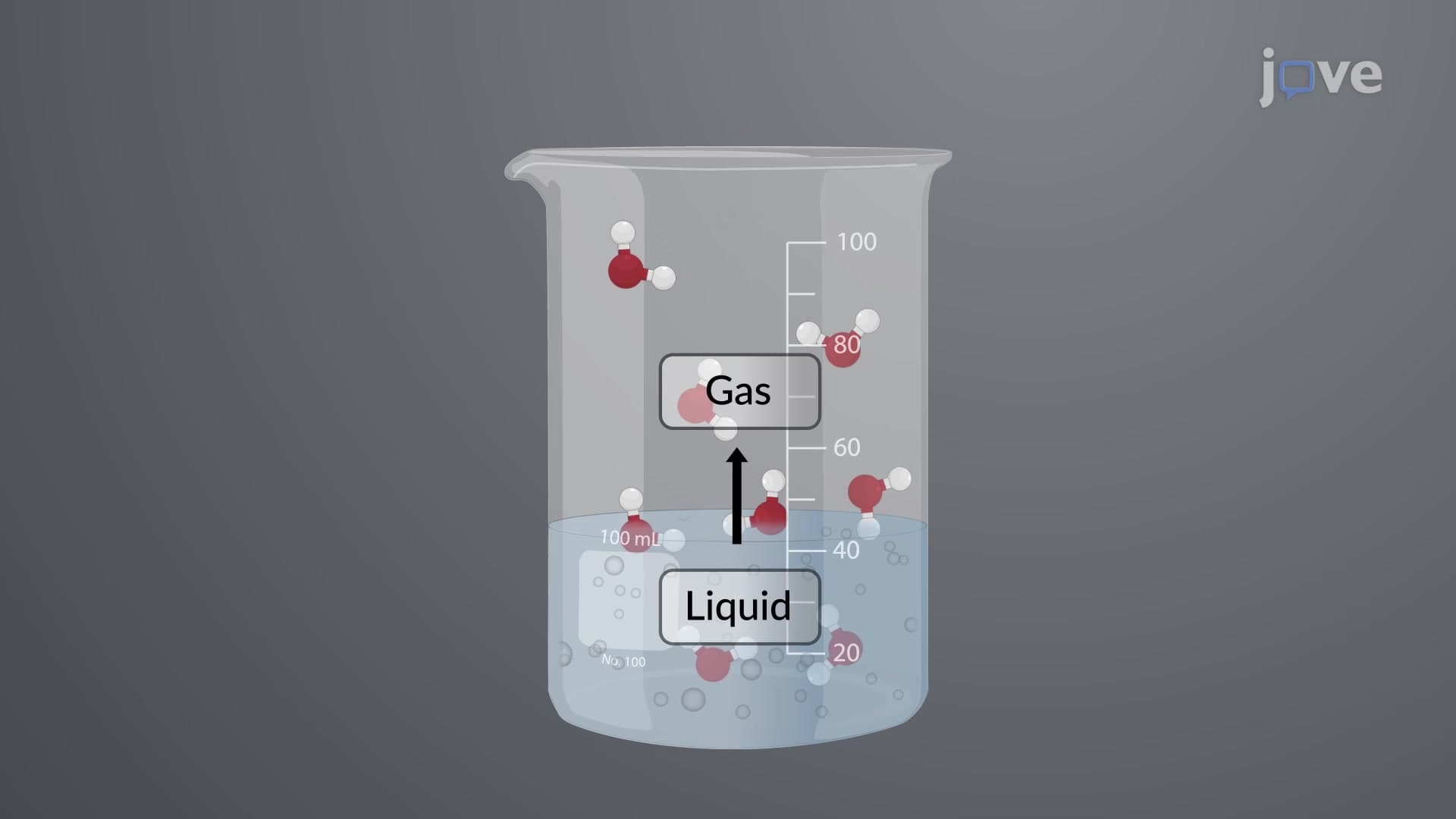
What are phase transitions? At their core, these represent fundamental changes in molecular organization and energy. When substances undergo phase transitions, molecules either gain enough kinetic energy to overcome intermolecular forces (like melting or boiling) or lose energy and become more tightly bound (like freezing or condensation).
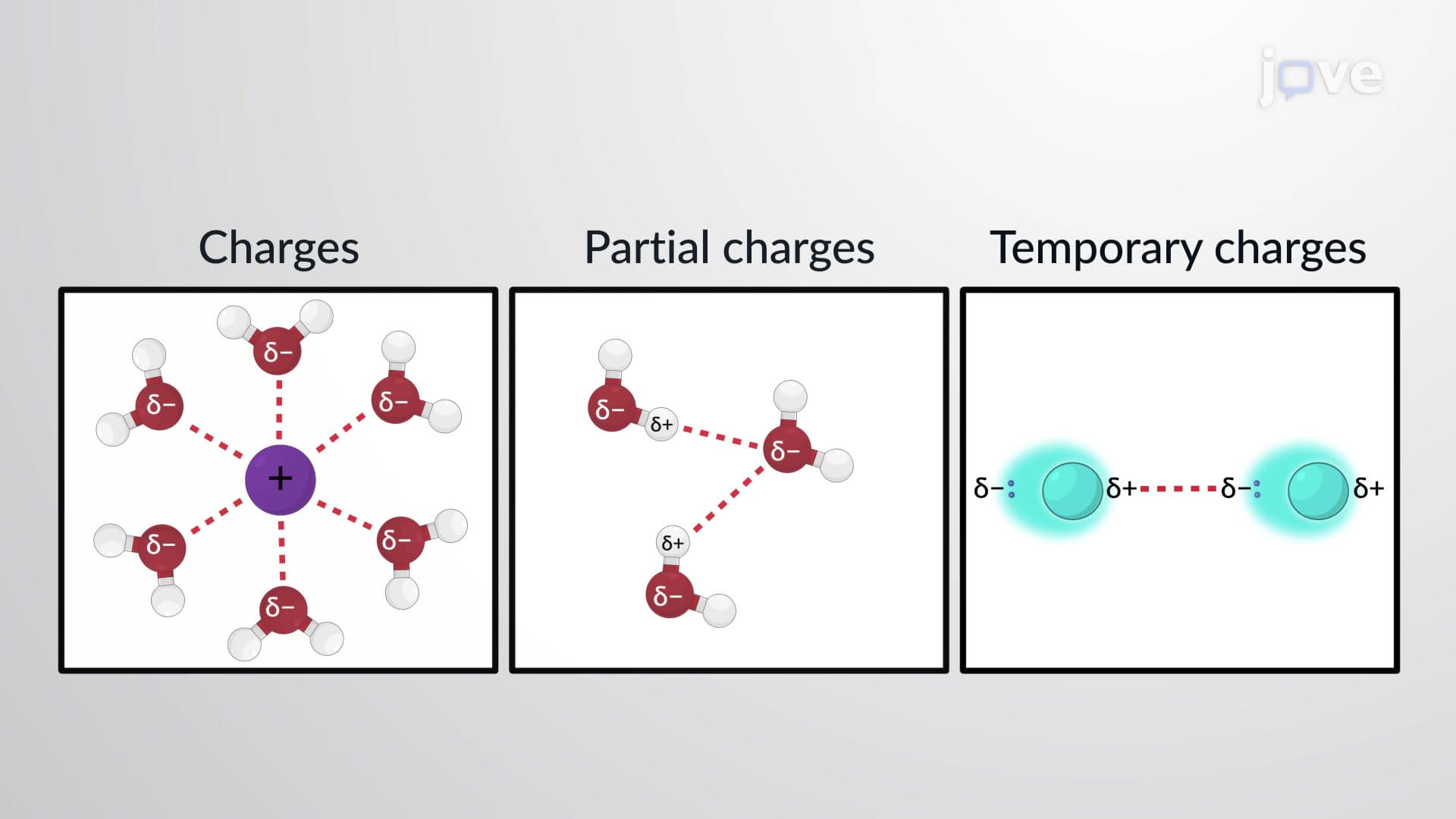
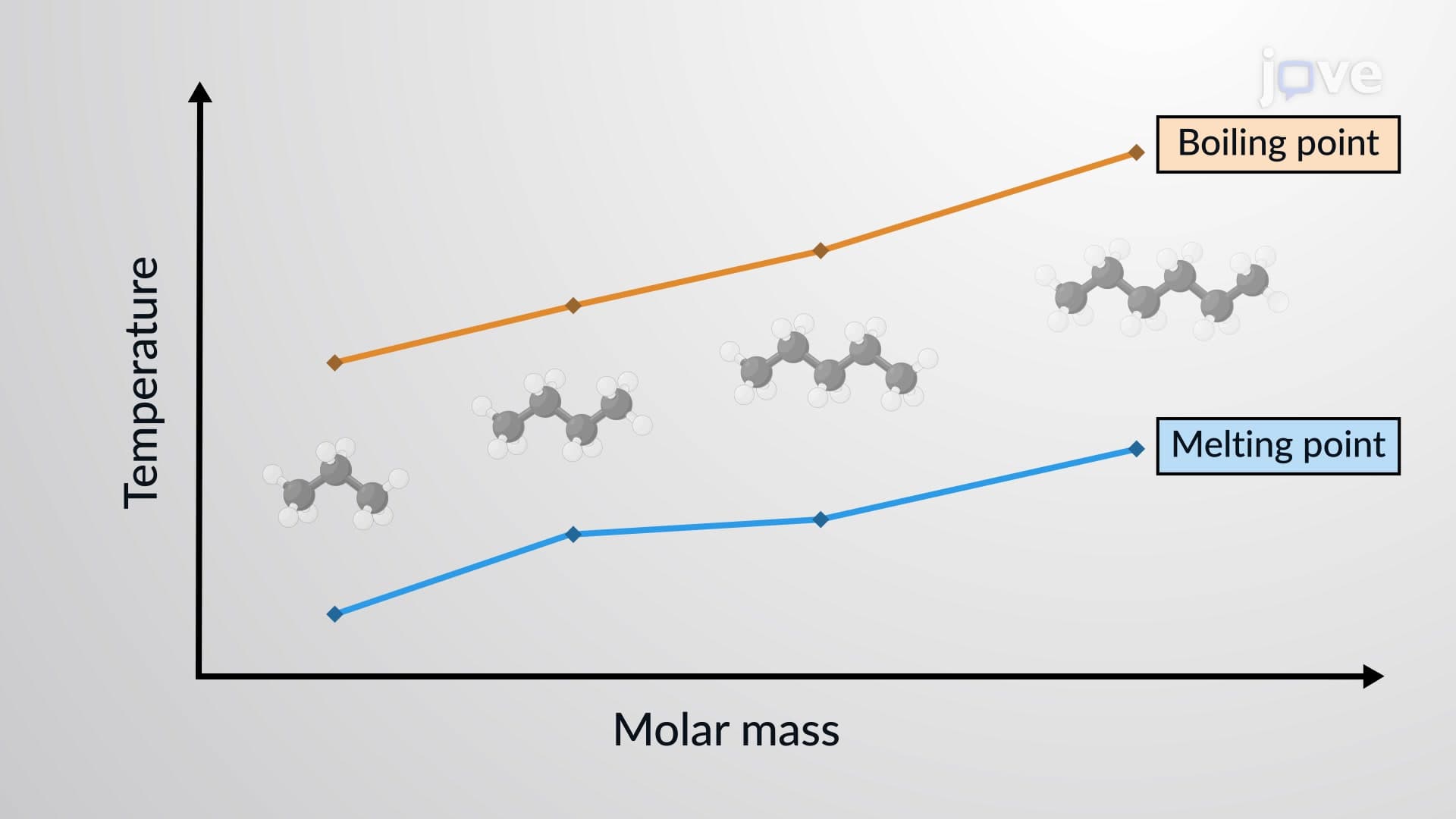
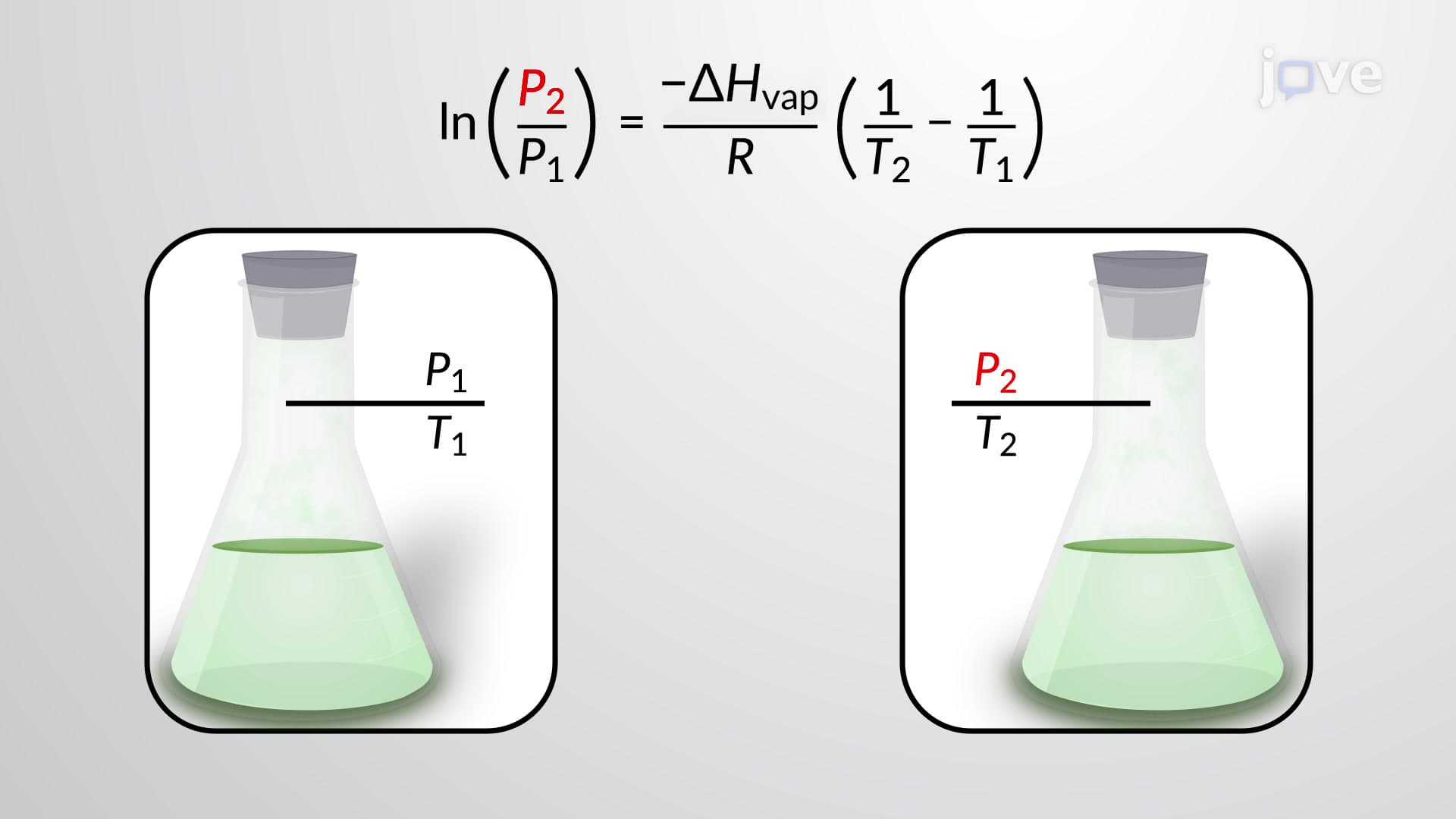
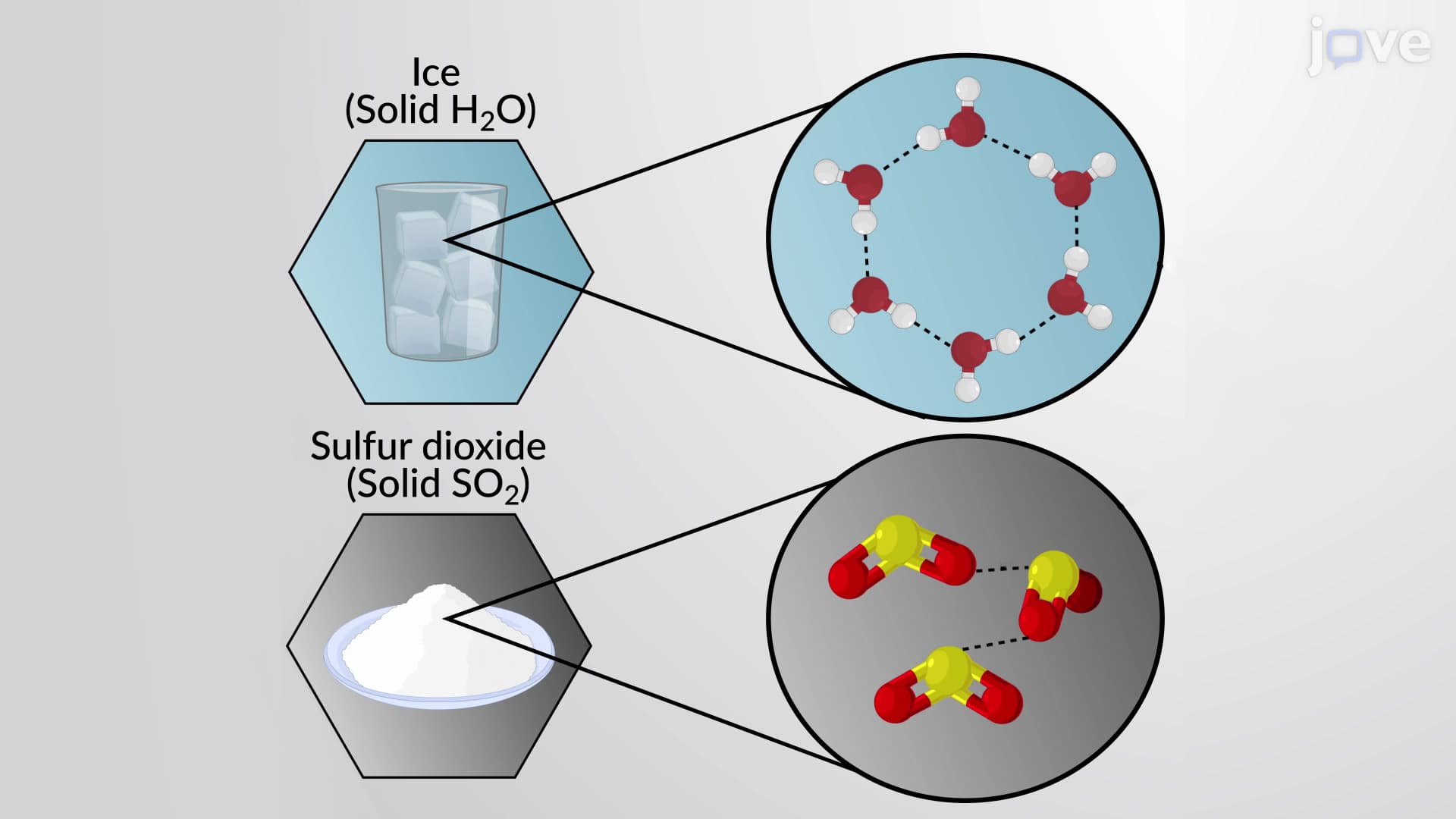
The strength of intermolecular forces determines transition temperatures. Water's strong hydrogen bonds require significantly more energy to break than acetone's weaker dipole-dipole interactions, explaining why water boils at 100°C while acetone vaporizes at just 56°C under standard atmospheric pressure.
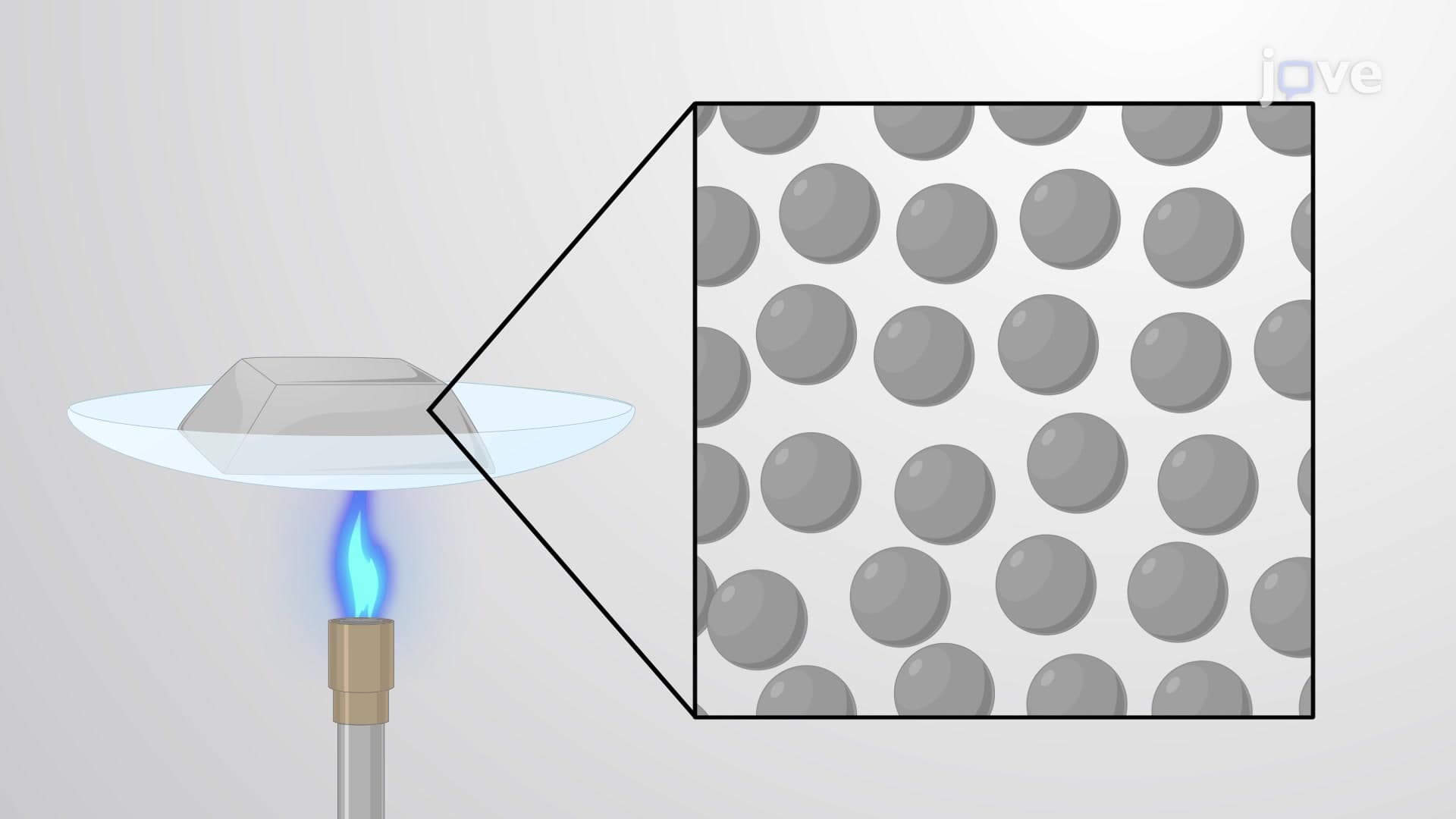
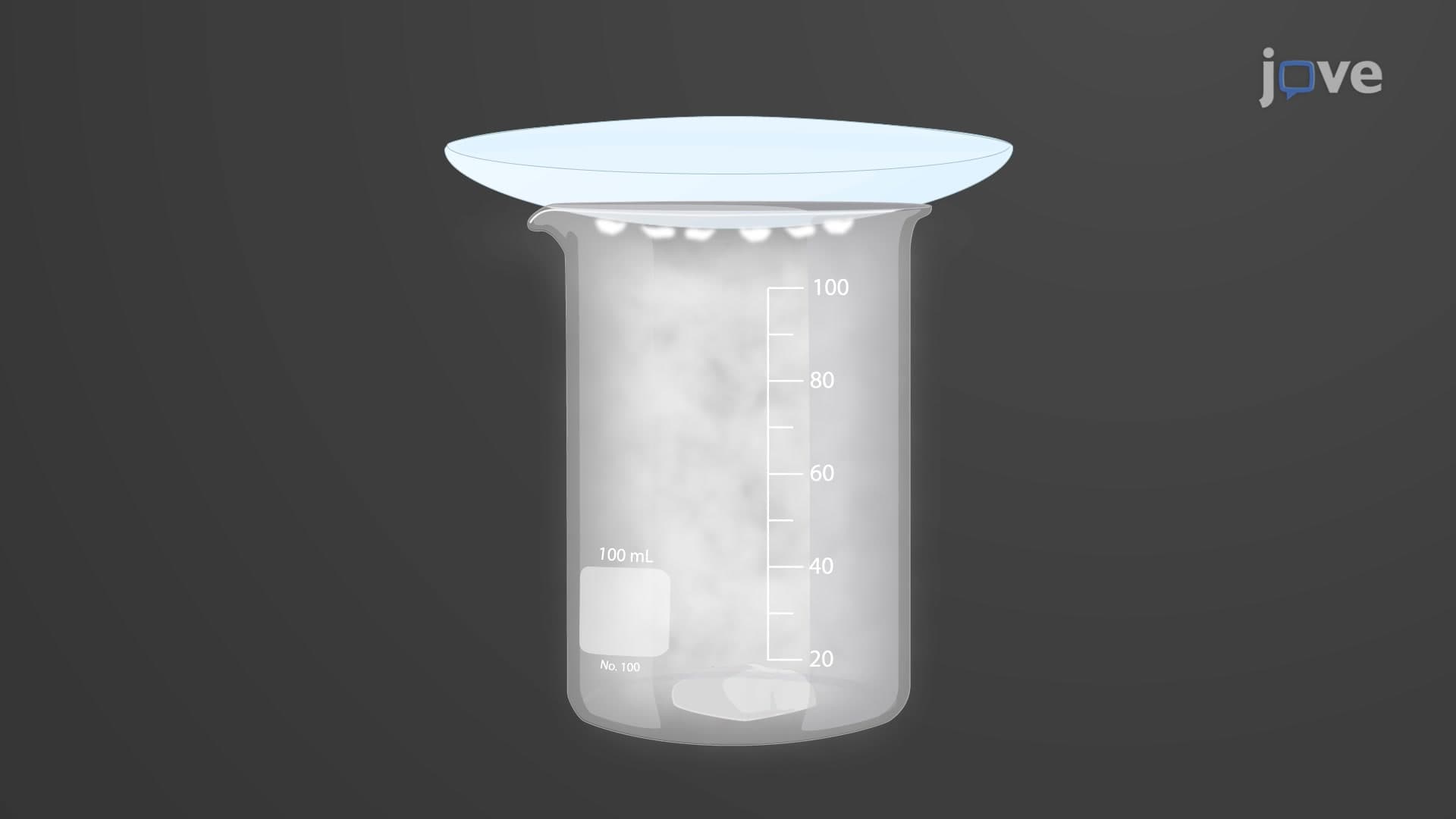
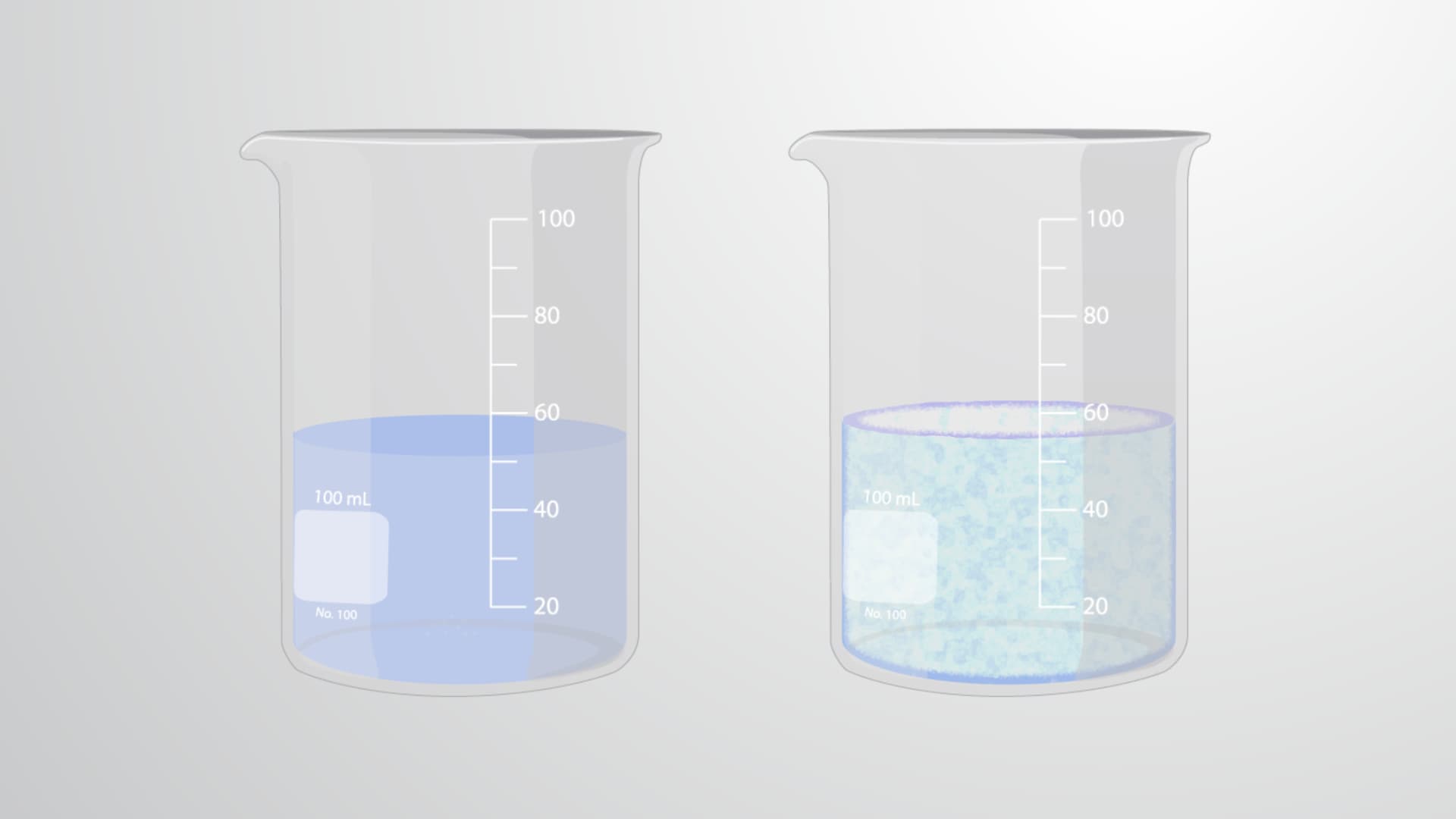
Six primary types of phase transitions exist: melting (solid to liquid), freezing (liquid to solid), vaporization (liquid to gas), condensation (gas to liquid), sublimation (solid to gas), and deposition (gas to solid). Each transition involves specific energy changes measured as molar enthalpy.
Endothermic transitions (melting, vaporization, sublimation) require energy input and have positive enthalpy values. For example, converting one mole of ice to water requires 6.01 kJ of energy. Conversely, exothermic transitions (freezing, condensation, deposition) release energy with negative enthalpy values.
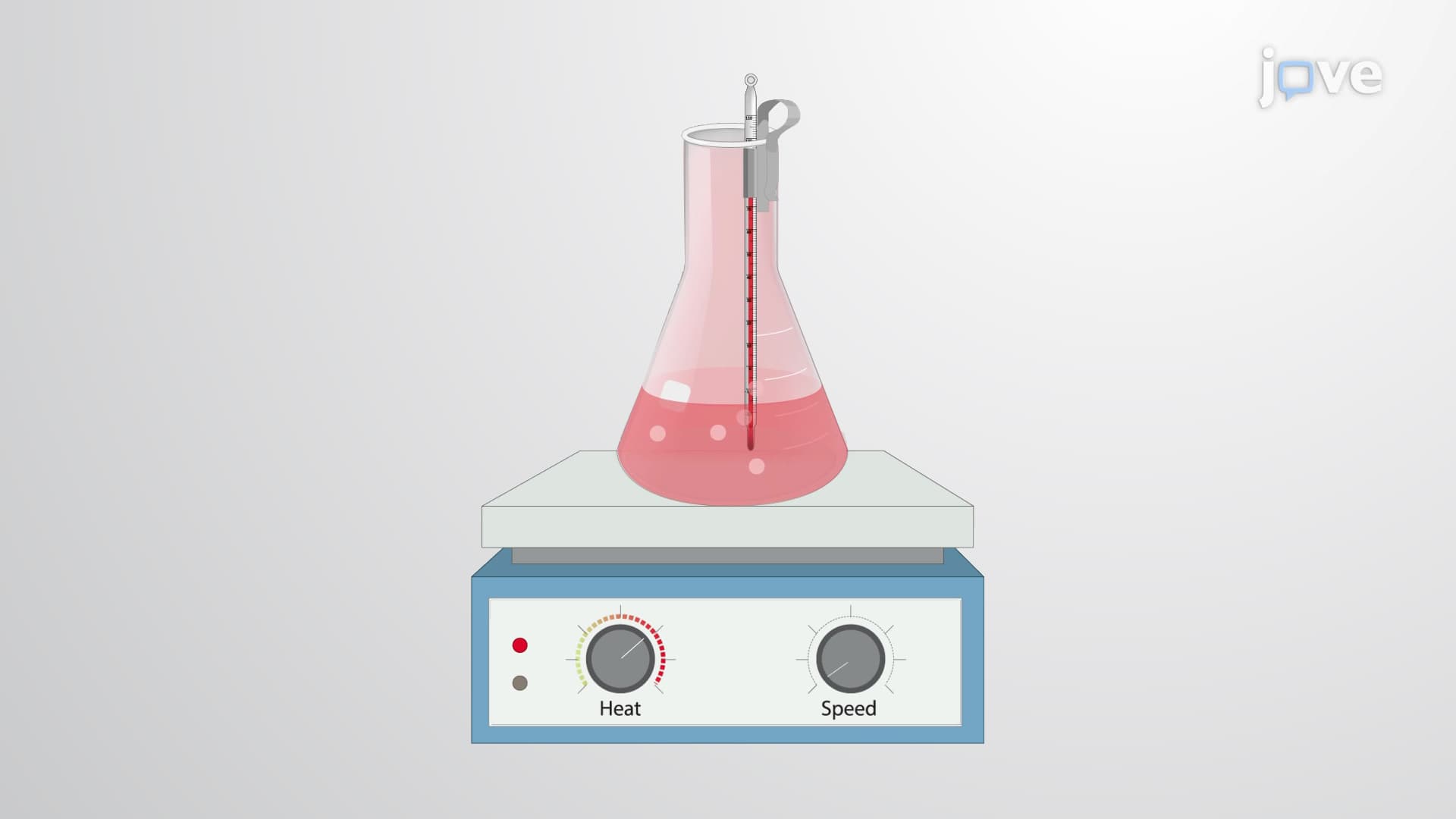
During phase transitions, temperature remains constant despite continuous heat addition or removal. This occurs because energy goes into breaking or forming intermolecular bonds rather than increasing molecular motion. When heating water at its boiling point, additional thermal energy converts more liquid to vapor without temperature increase-a principle crucial for understanding distillation processes used in petroleum refining across Texas and Louisiana.
Understanding phase transitions proves essential for AP Chemistry and college-level physical chemistry courses. Students encounter these concepts in thermodynamics problems, laboratory experiments involving heating curves, and pharmaceutical applications where drug crystallization affects bioavailability. Medical students preparing for the MCAT must understand how phase transitions relate to drug delivery systems and physiological processes like perspiration cooling.
Related Micro-courses