Loading subject page…


669,502 views

Video Summary: What Is Band Theory
Ever wondered why copper conducts electricity while rubber doesn't? Band theory explains this fundamental difference by describing how electrons behave in solids. This quantum mechanical model shows why materials like the silicon chips in your smartphone can act as semiconductors, switching between conducting and insulating states. Band theory connects atomic orbital concepts to real-world electronic properties, helping predict whether a material will be a conductor, semiconductor, or insulator. Watch the full video on JoVE Coach to master this concept with expert-led visuals and step-by-step explanations.
Band theory represents one of the most elegant explanations in solid-state physics for why materials exhibit vastly different electrical properties. Building upon molecular orbital theory, this model explains how billions of atoms in a solid create continuous energy ranges called bands, fundamentally determining whether your smartphone conducts electricity or your coffee mug remains an insulator.
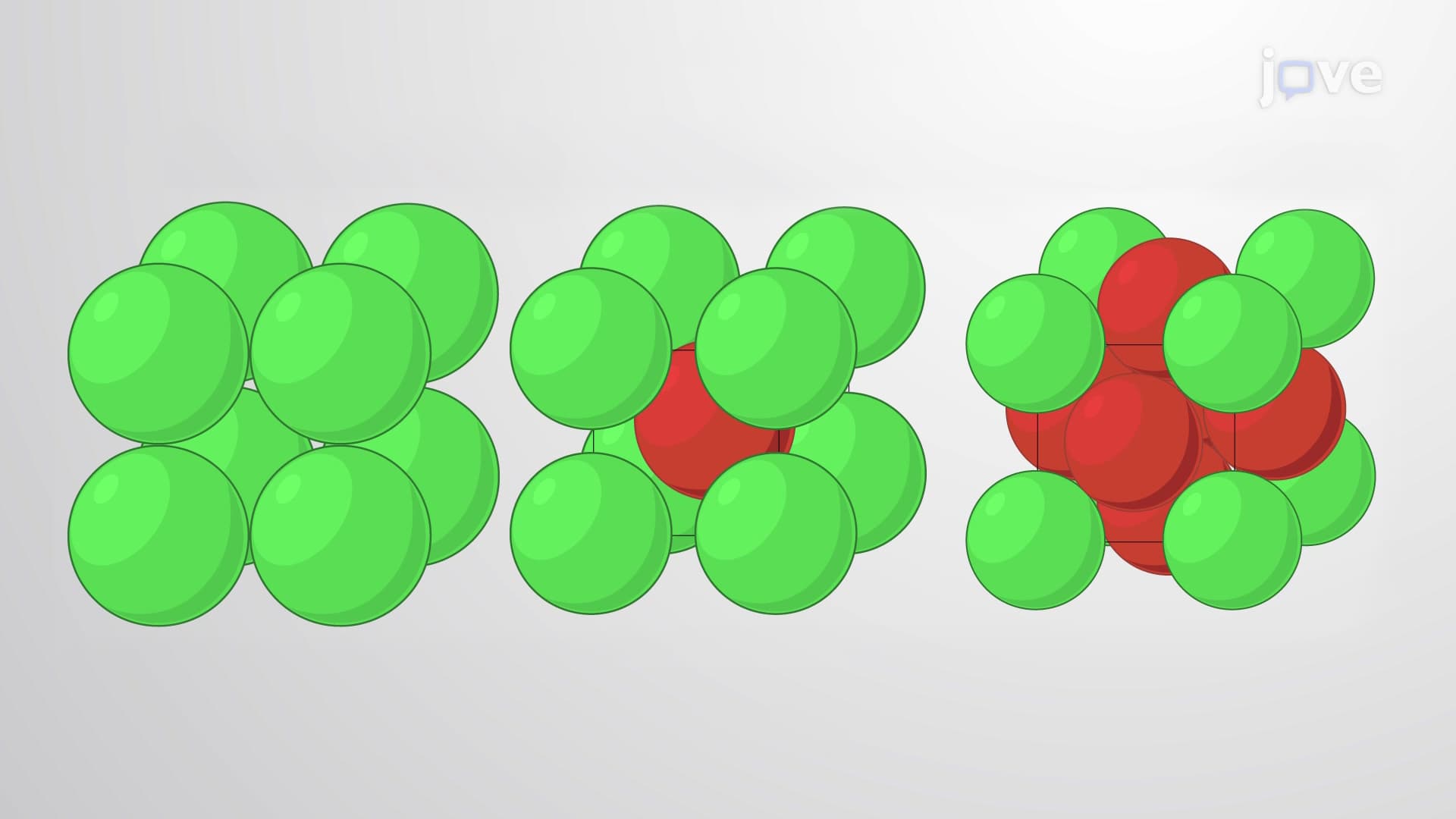
When individual atoms combine to form molecules, their atomic orbitals overlap and create molecular orbitals with specific energy levels. As more atoms join-imagine going from a water molecule (3 atoms) to a grain of salt containing approximately 10²³ atoms-the number of molecular orbitals increases dramatically. In solids, these countless orbitals become so closely spaced that they merge into continuous energy ranges or "bands."
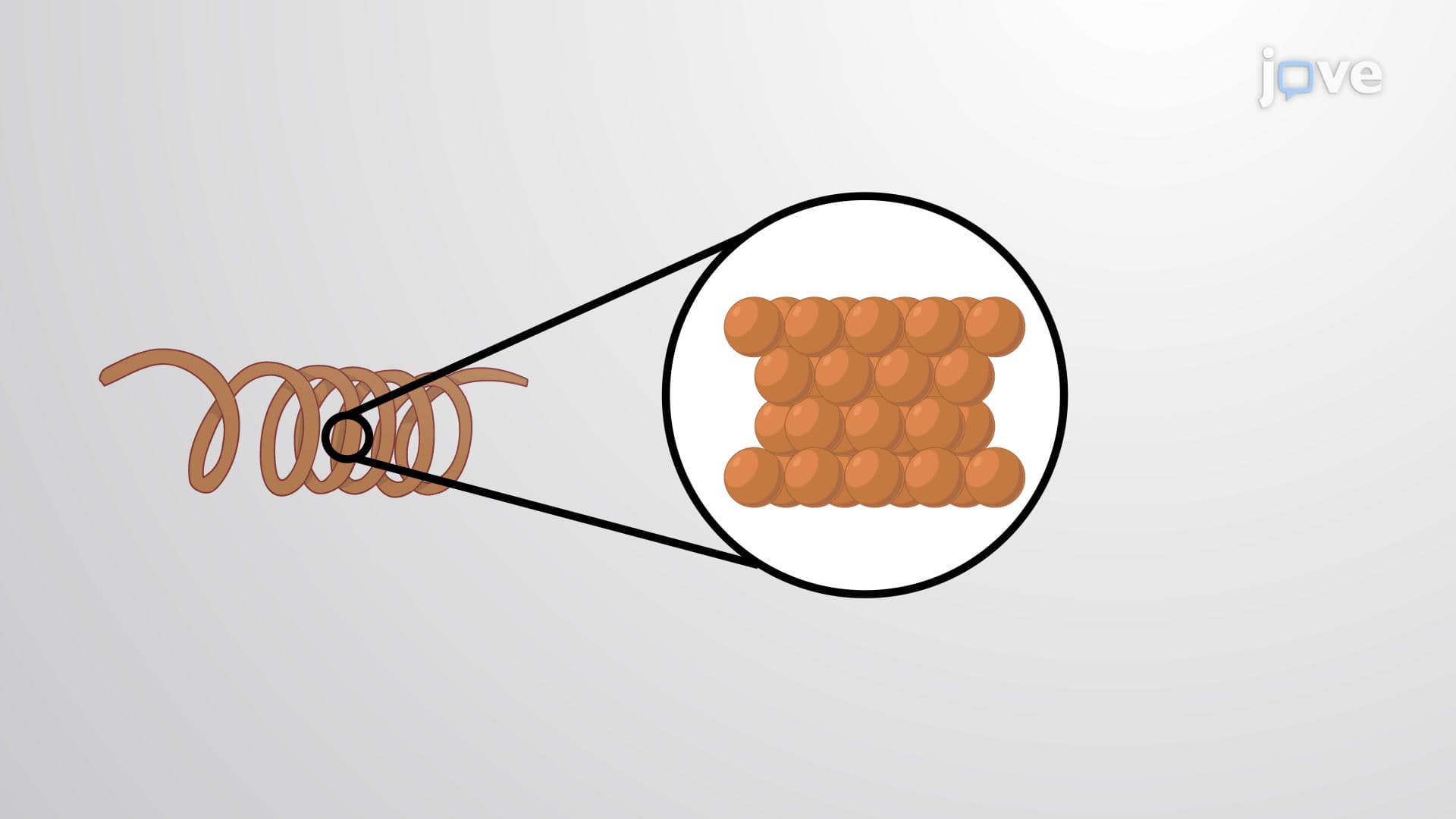
This band theory concept explains why a copper wire in your home's electrical system contains electrons that can move freely, while the plastic coating around that same wire prevents electrical flow. The key lies in how these energy bands are filled and separated.
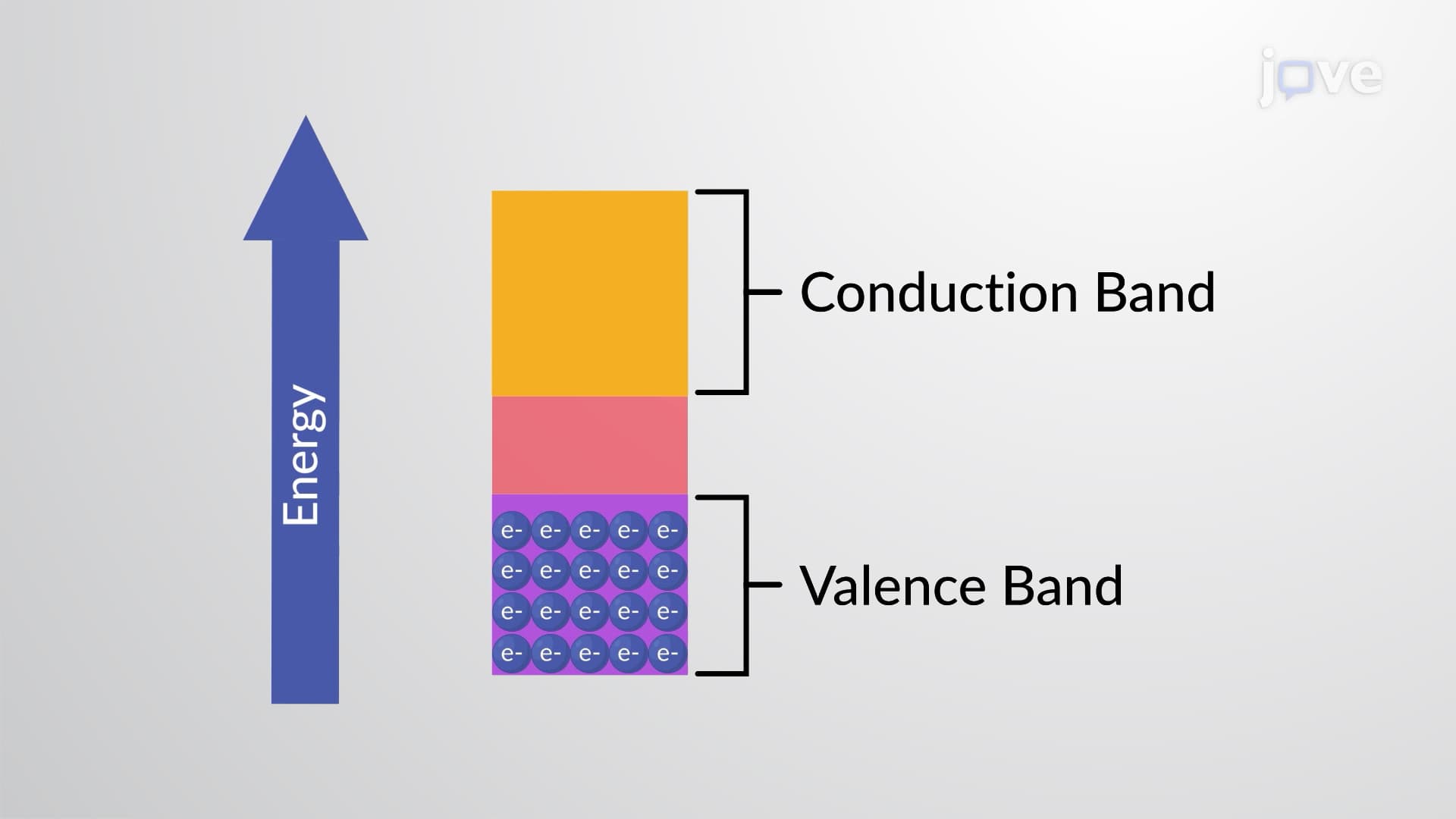
The band theory overview focuses on two critical energy regions: the valence band and conduction band. The valence band contains electrons in their ground state-these are the electrons normally bound to atoms. The conduction band sits just above the valence band and contains empty orbitals where electrons can move freely, enabling electrical conductivity.
The energy difference between these bands, called the band gap, determines material classification. In conductors like the aluminum in power lines, the valence and conduction bands overlap, allowing electrons to flow effortlessly. Insulators like the ceramic components in power transformers have large band gaps (typically >3 eV), preventing electron movement under normal conditions.
Semiconductors represent the most technologically important application of band theory basics. Silicon, the backbone of computer processors manufactured by companies like Intel and AMD, has a moderate band gap of about 1.1 eV. At room temperature, thermal energy can promote some electrons from the valence band to the conduction band, creating limited conductivity.
This controllable conductivity makes semiconductors invaluable. By adding specific impurities (doping), engineers can precisely tune electrical properties, enabling the transistors that power everything from smartphones to electric vehicles. Understanding band theory proves essential for students pursuing careers in electrical engineering, materials science, or physics, appearing frequently on AP Physics exams and forming the foundation for advanced coursework in solid-state physics.
Related Micro-courses