Loading subject page…
- Chemistry
- Liquids, Solids, and Intermolecular Forces
- Network Covalent Solids
Micro-course: Liquids, Solids, and Intermolecular Forces
669,501 views
Learn key concepts and earn your certificate.














Network Covalent Solids

00:00
02:18
Video Summary: What Is Network Covalent Solids
Ever wondered why a diamond ring costs thousands while a graphite pencil costs pennies, despite both being pure carbon? Network covalent solids are crystalline materials where atoms form vast three-dimensional networks through strong covalent bonds, creating materials with extraordinary properties. Diamond's incredible hardness makes it perfect for industrial cutting tools used in American manufacturing, while graphite's unique layered structure enables smooth writing in everyday pencils. Watch the full video on JoVE Coach to master this concept with expert-led visuals and step-by-step explanations.
- Understand what network covalent solids are and how their three-dimensional atomic networks create unique material properties
- Identify key examples including diamond, graphite, and quartz, recognizing their distinct structural arrangements
- Analyze the relationship between covalent bonding patterns and physical properties like hardness, melting point, and electrical conductivity
- Compare different allotropes of carbon, explaining why diamond is hard while graphite is soft despite identical composition
- Evaluate how hybridization states (sp2 vs sp3) influence the geometry and properties of network covalent structures
- Apply knowledge of bonding theory to predict material properties and explain real-world applications
- Recognize the role of delocalized electrons in determining electrical conductivity in network solids
- Explore how weak intermolecular forces between layers create unique mechanical properties in layered structures
Understanding Network Covalent Solids Fundamentals
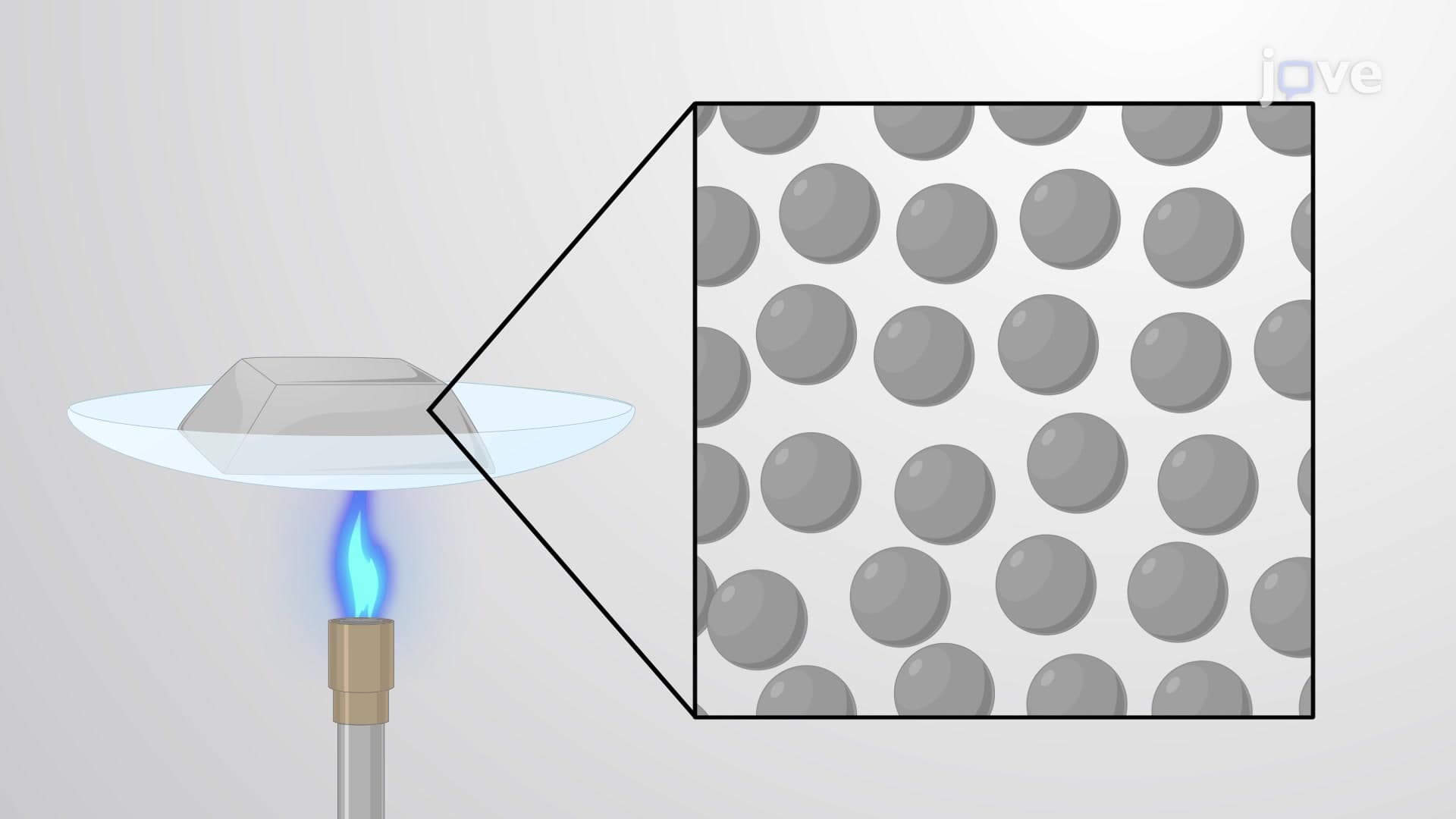
Network covalent solids represent one of the most fascinating categories of crystalline materials in chemistry. Unlike ionic or metallic solids, these materials consist of atoms connected through an extensive three-dimensional network of covalent bonds. This continuous bonding arrangement creates materials with exceptional strength and unique properties that make them invaluable in American industries ranging from aerospace to electronics.
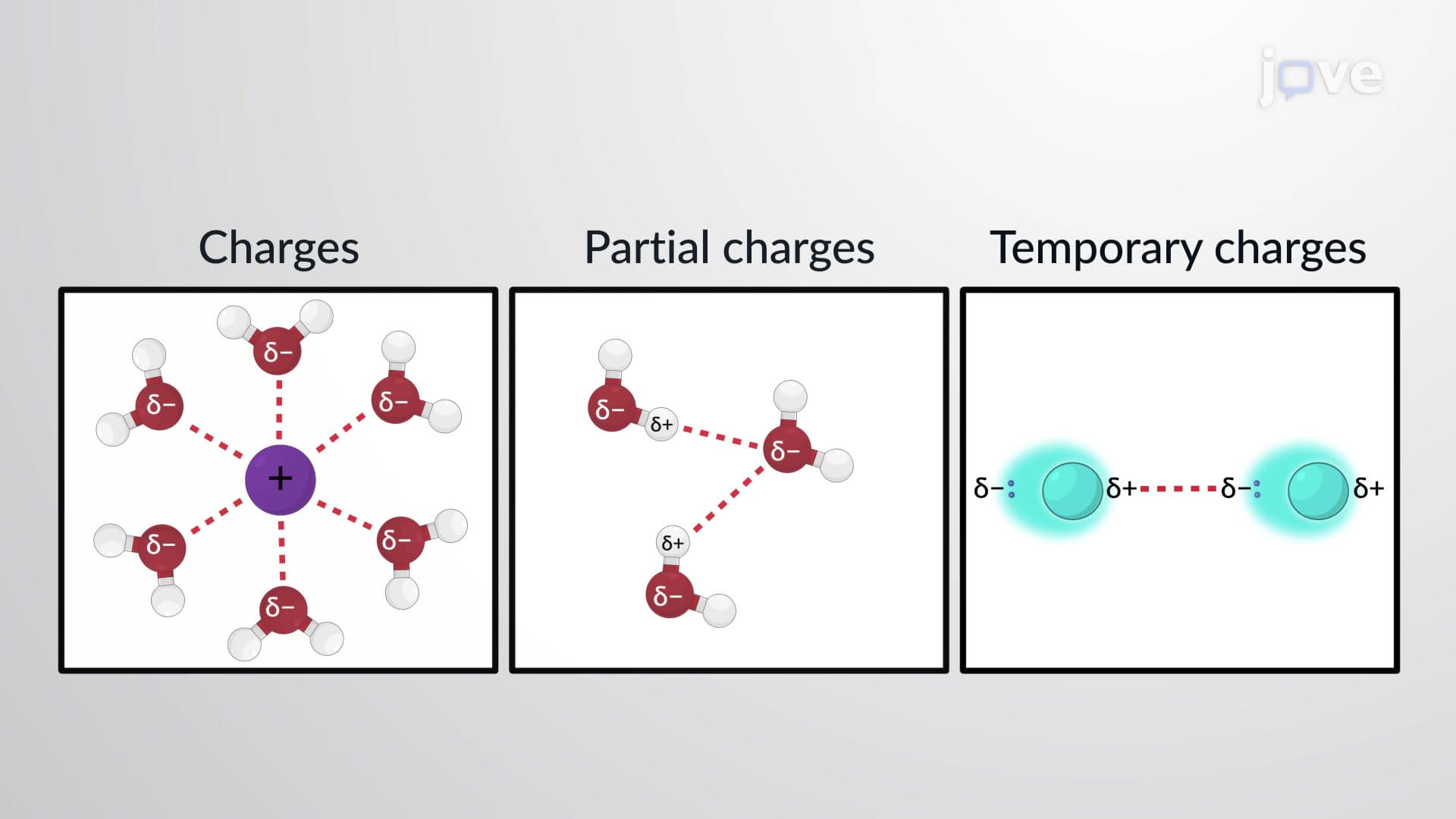
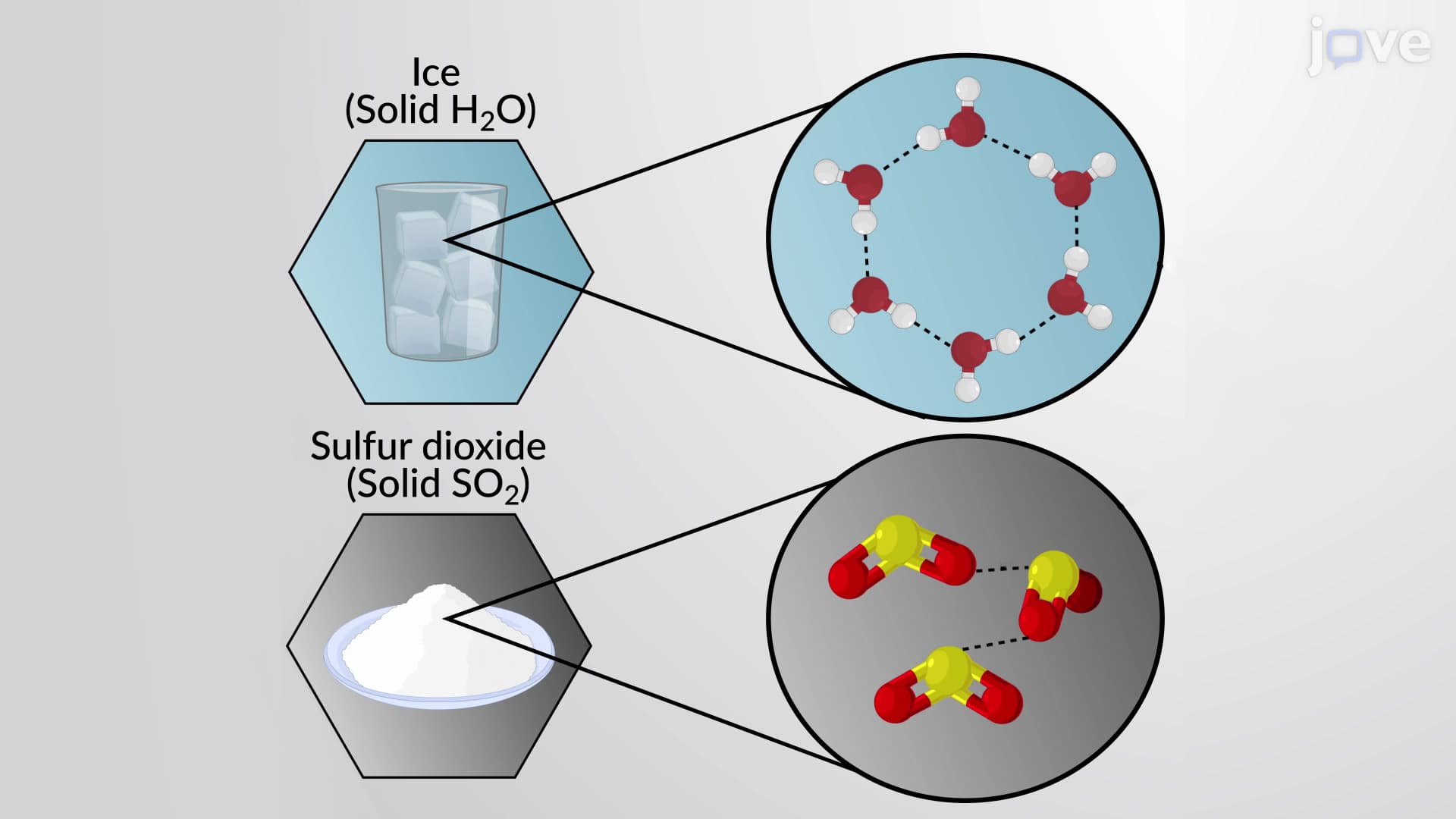
The defining characteristic of network covalent solids lies in their bonding structure. Instead of discrete molecules held together by weak intermolecular forces, these materials feature atoms directly bonded to multiple neighbors through strong covalent bonds that extend throughout the entire crystal structure. This creates a giant molecular framework where breaking the material requires severing numerous covalent bonds simultaneously.
Diamond: The Ultimate Network Covalent Solid
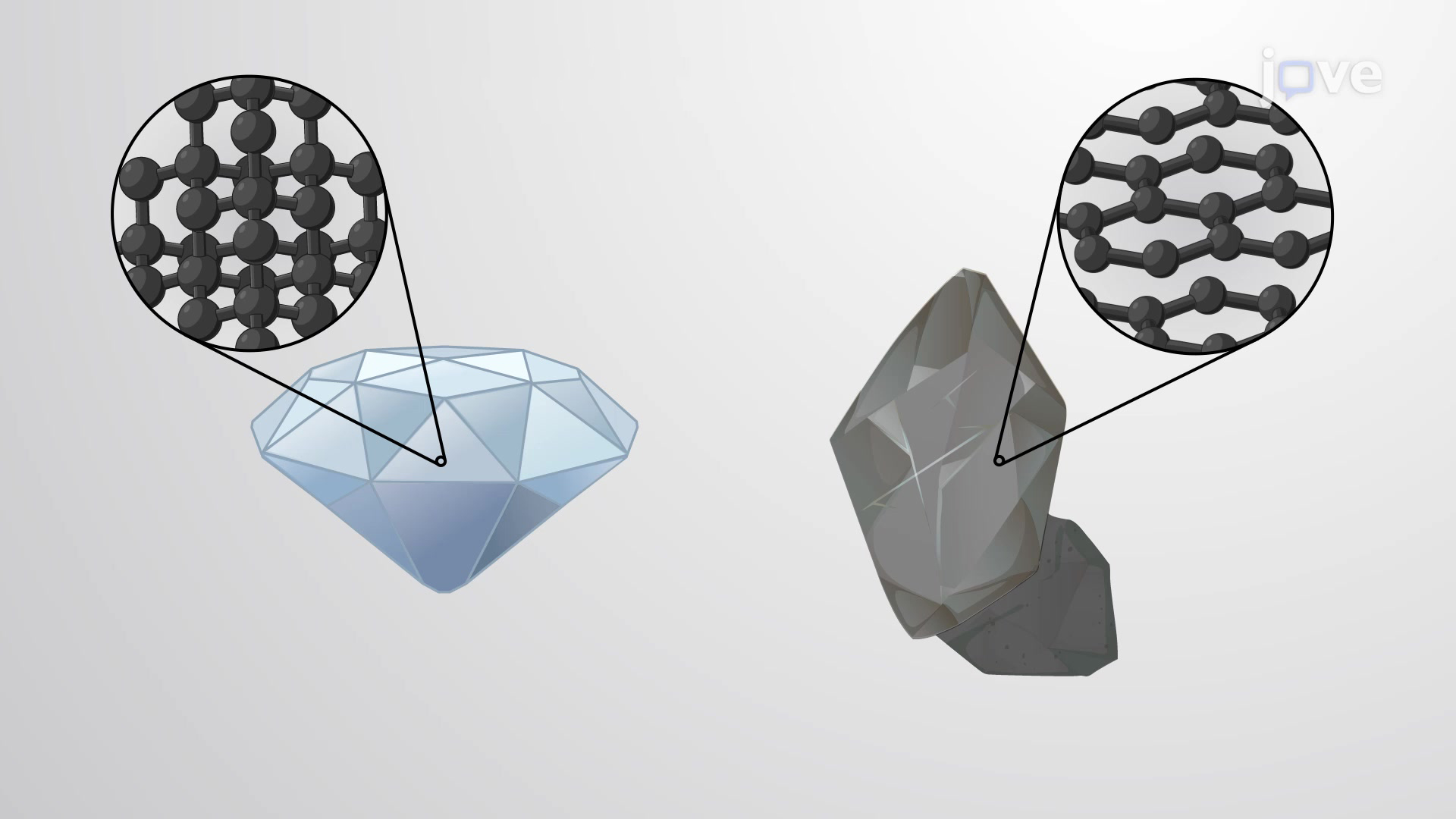
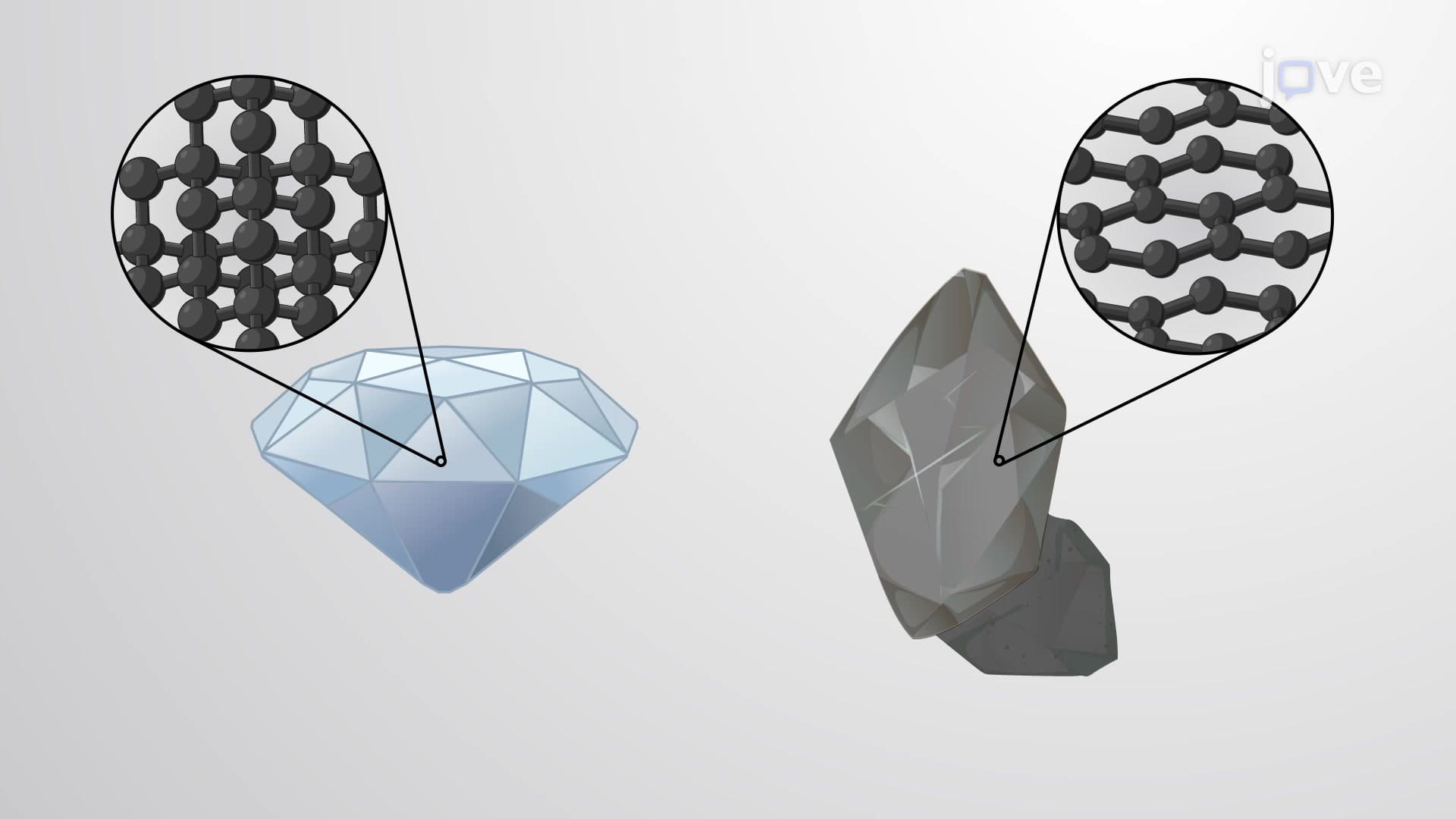
Diamond exemplifies the perfect network covalent solid structure. Each carbon atom undergoes sp3 hybridization, forming four equivalent tetrahedral bonds with neighboring carbon atoms. This creates a rigid three-dimensional framework that accounts for diamond's position as the hardest naturally occurring material on Earth. American companies like General Electric have capitalized on these properties, using synthetic diamonds in cutting tools that can slice through the toughest materials in manufacturing applications.
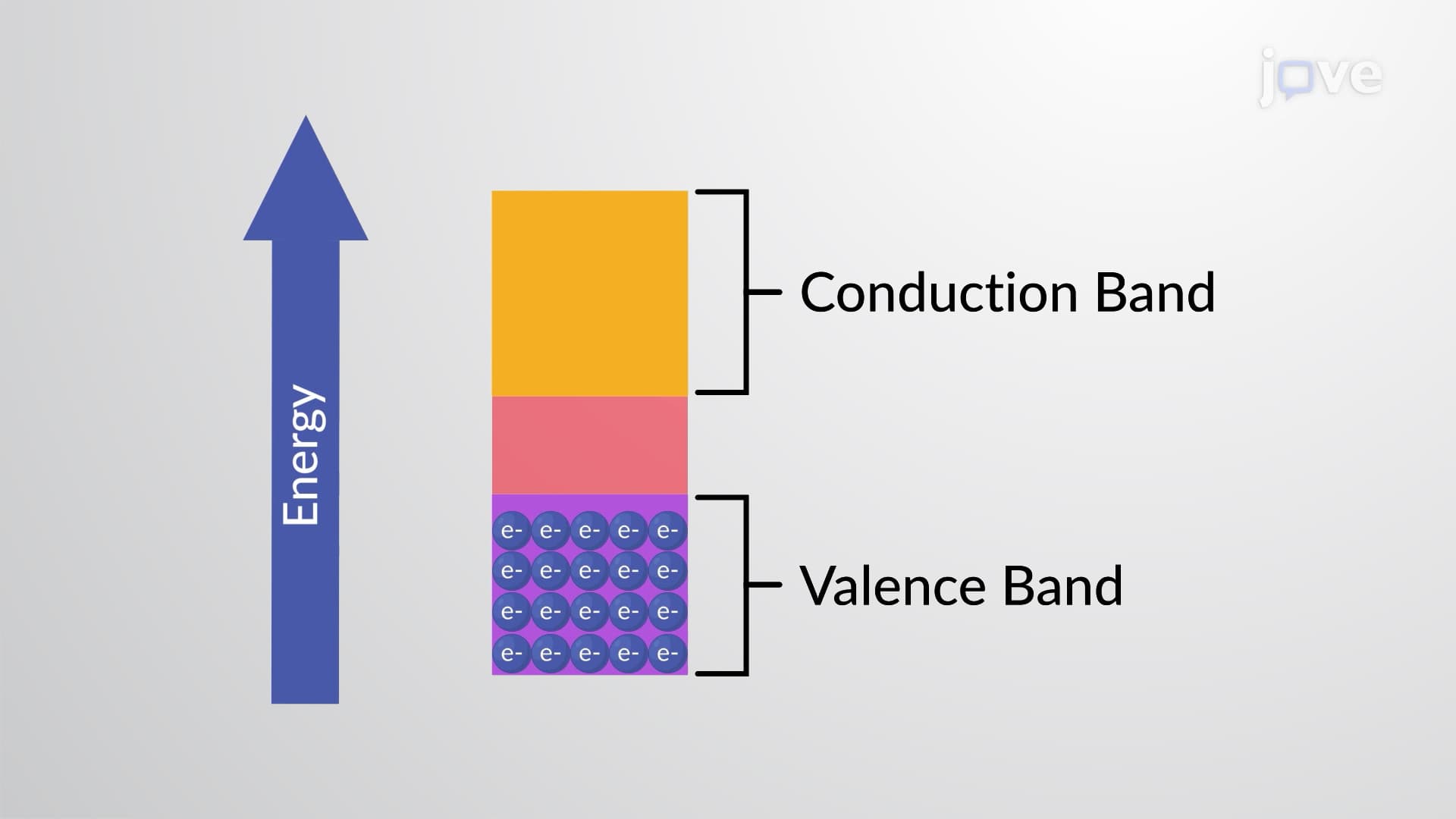
The absence of delocalized electrons in diamond's structure makes it an electrical insulator despite its metallic luster. This combination of extreme hardness and electrical insulation makes diamond valuable in specialized electronics applications, particularly in high-performance semiconductors used in advanced American defense systems.
Graphite: The Layered Network Exception
Graphite presents a fascinating contrast to diamond while maintaining the same elemental composition. In graphite's structure, carbon atoms form hexagonal networks within individual layers, with each carbon atom sp2 hybridized and bonded to three neighbors. The fourth electron becomes delocalized across the entire layer, creating a "sea" of mobile electrons that enables electrical conductivity.
The key to graphite's unique properties lies in the weak van der Waals forces between layers. While covalent bonds within each layer remain strong, the weak interlayer forces allow layers to slide past each other easily. This explains why graphite works so effectively in pencils-a technology that has remained virtually unchanged in American schools for over a century.
Quartz and Silicon-Based Networks
Quartz (SiO2) demonstrates how network covalent bonding extends beyond pure elements. Each silicon atom bonds covalently to four oxygen atoms in a tetrahedral arrangement, while each oxygen atom bridges two silicon atoms. This creates a three-dimensional network with exceptional stability and hardness.
Understanding these concepts proves crucial for success in AP Chemistry exams, where students must explain structure-property relationships. College-level chemistry courses, particularly those required for pre-medical and engineering programs, extensively cover these materials as foundations for understanding advanced materials science applications in American industries.
Frequently Asked Questions
Network covalent solids are crystalline materials where atoms connect through continuous three-dimensional networks of covalent bonds, creating exceptionally strong and stable structures. Unlike ionic solids held together by electrostatic forces or molecular solids bound by weak intermolecular forces, network covalent solids require breaking numerous strong covalent bonds to separate atoms. This bonding pattern results in characteristically high melting points, exceptional hardness, and unique electrical properties depending on electron delocalization.
AP Chemistry exams frequently test network covalent solids through structure-property relationship questions, asking students to explain why diamond is harder than graphite or predict material properties based on bonding patterns. Students must identify hybridization states, draw Lewis structures for network segments, and connect molecular geometry to macroscopic properties. Practice problems often involve comparing melting points, electrical conductivity, and mechanical properties across different network solid examples.
The MCAT tests network covalent solids knowledge primarily in General Chemistry sections covering bonding theory and material properties. Students encounter questions linking hybridization theory to three-dimensional structures, particularly in biochemistry contexts involving carbon-based networks. Understanding these concepts helps with organic chemistry questions about carbon allotropes and materials science applications in biological systems, making this topic valuable for pre-medical students.
Graphite's unique layered structure creates an interesting contradiction in network covalent solid behavior. While individual graphite layers contain strong covalent bonds making them locally hard, weak van der Waals forces between layers allow easy sliding and separation. When you write, you're transferring thin graphite layers to paper rather than breaking covalent bonds, which explains why pencil writing works so smoothly while the graphite core remains durable.
Network covalent solids concepts require only basic algebra and geometry skills typically mastered by high school students. The focus lies on understanding three-dimensional bonding patterns, hybridization theory, and structure-property relationships rather than complex calculations. Students who can visualize molecular geometry and apply VSEPR theory will find these concepts accessible, making this topic suitable for introductory chemistry courses and college preparatory programs.
Focus on understanding the "why" behind each example rather than rote memorization. Create mental connections: diamond's sp3 tetrahedral structure explains its hardness, graphite's layered sp2 structure explains its conductivity and softness, and quartz's Si-O network explains its stability. Practice drawing simplified structural representations and explaining how bonding patterns create observed properties. This understanding-based approach proves more effective than memorization for both classroom exams and standardized tests.
Network covalent solids form the foundation for advanced materials used throughout American industries, from semiconductor fabrication in Silicon Valley to aerospace composites in defense applications. Engineers working for companies like Intel, Boeing, or Tesla regularly apply these concepts when designing materials with specific properties. Understanding network bonding helps predict material behavior under extreme conditions, design new synthetic materials, and optimize manufacturing processes for everything from computer chips to spacecraft components.
Build on network covalent solid knowledge by exploring advanced materials topics like semiconductors, polymers, and composite materials. Study how doping changes electrical properties in silicon networks, investigate how cross-linking creates polymer networks, and examine how combining different solid types creates advanced composites. These concepts directly connect to emerging fields like nanotechnology and materials engineering, providing pathways toward careers in cutting-edge American technology companies.
Related Micro-courses