Loading subject page…


669,502 views
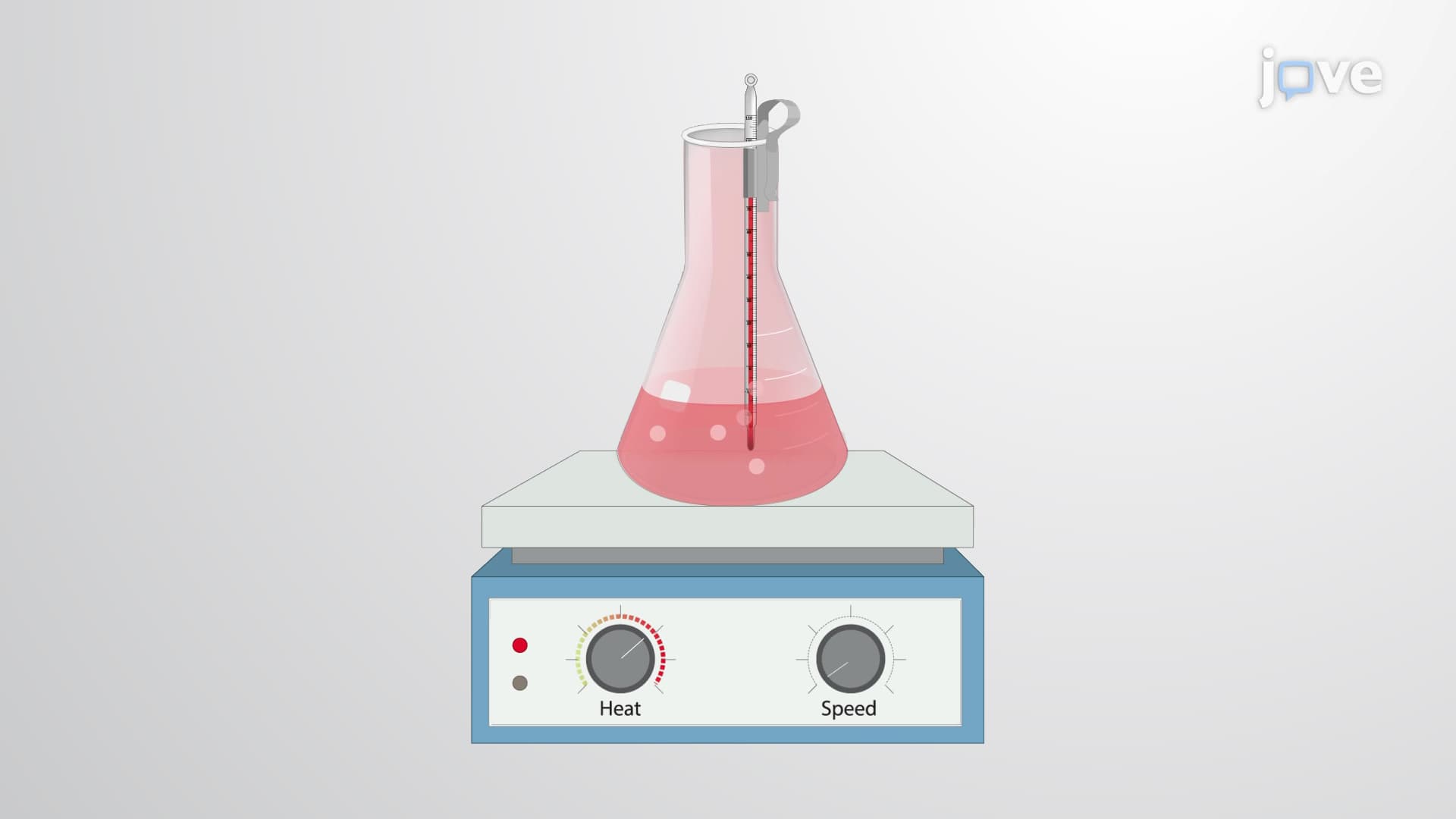

Video Summary: What Is Vapor Pressure
Ever wonder why water boils faster in Denver than in Miami? Vapor pressure explains this altitude mystery that affects everything from cooking pasta to operating industrial distillation columns across the United States. This fundamental concept describes how liquid molecules escape into the gas phase and reach equilibrium in closed systems. Understanding what is vapor pressure helps explain why different liquids evaporate at different rates and why boiling points change with atmospheric conditions. Watch the full video on JoVE Coach to master this concept with expert-led visuals and step-by-step explanations.
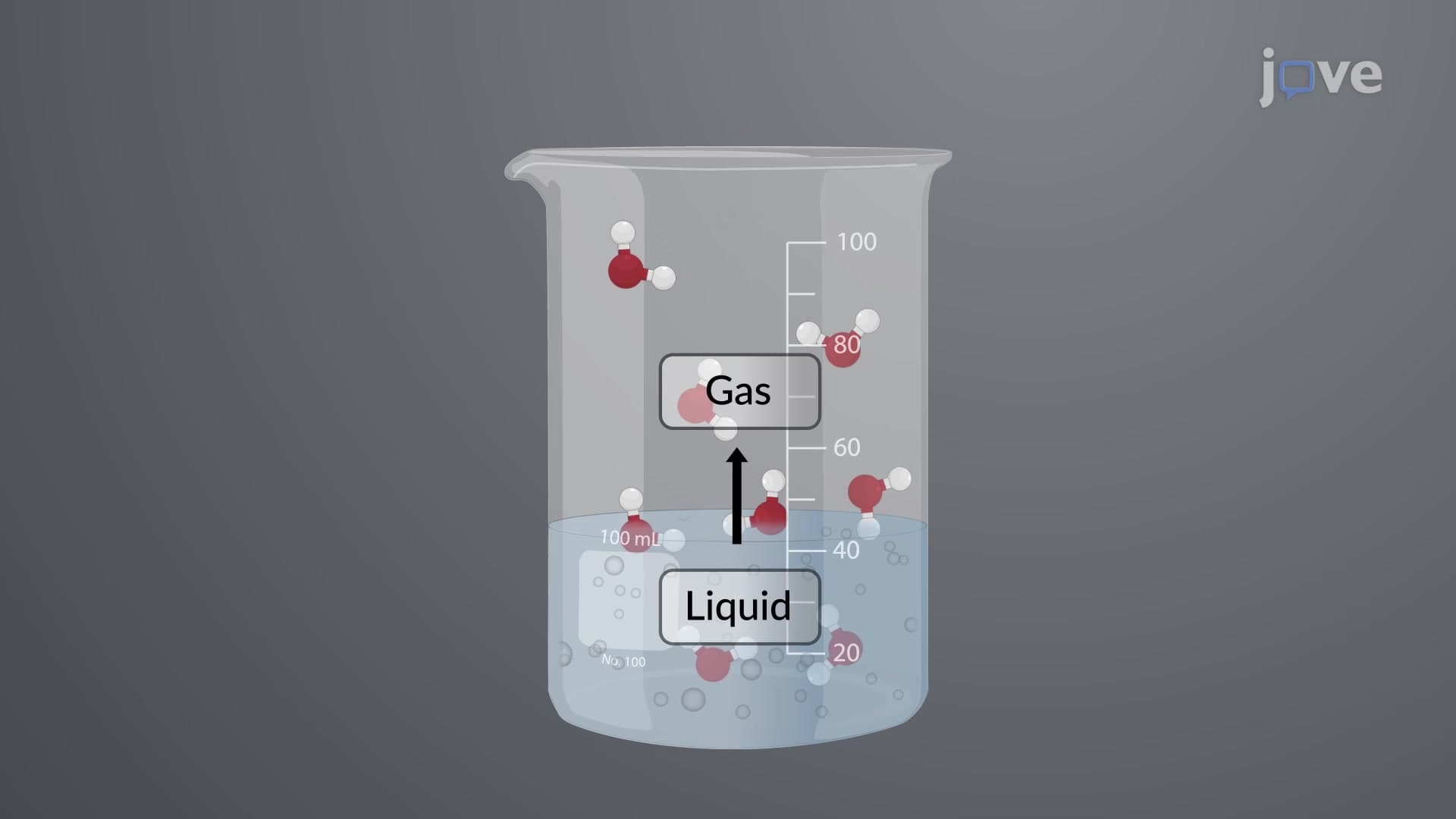
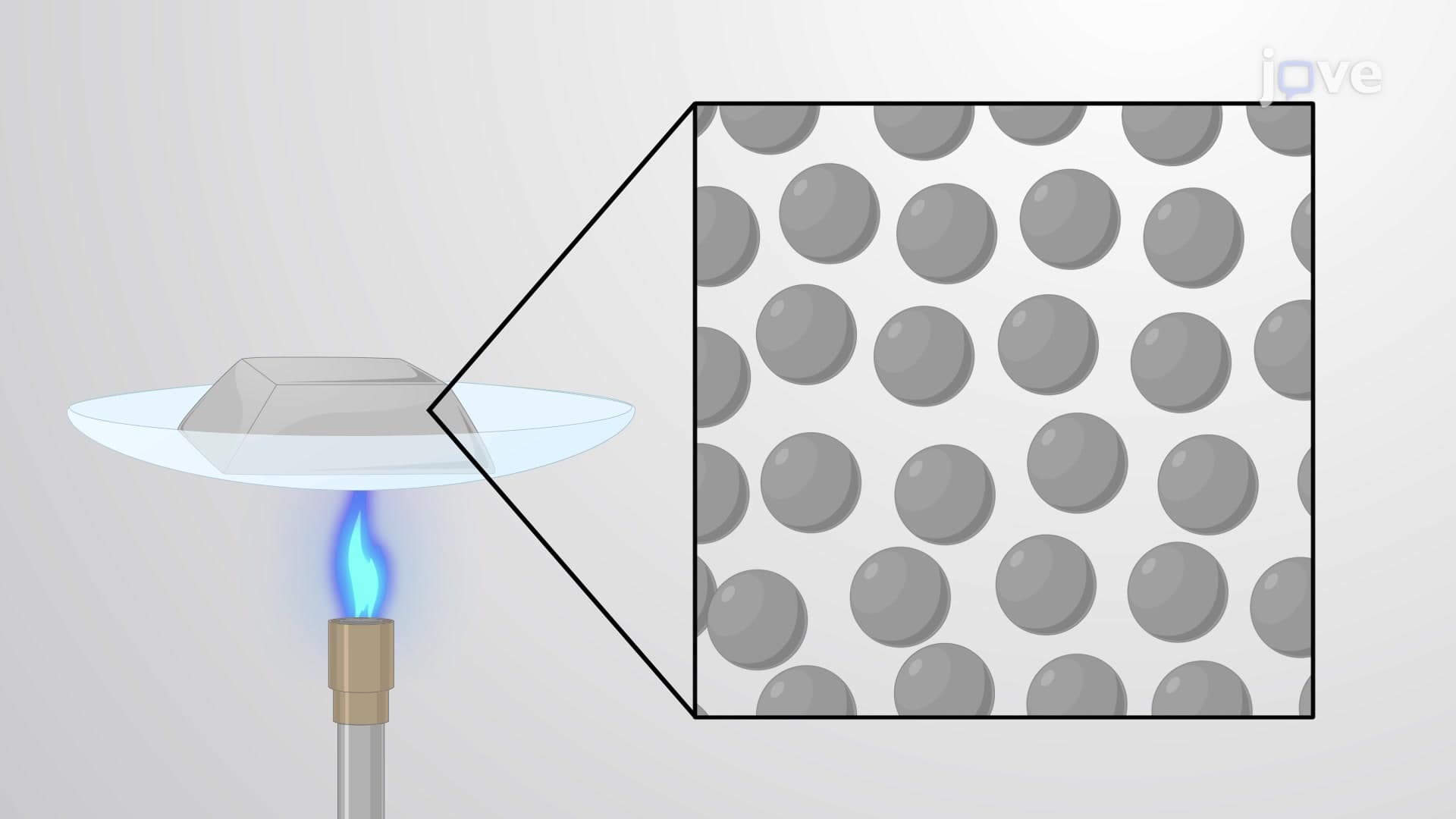
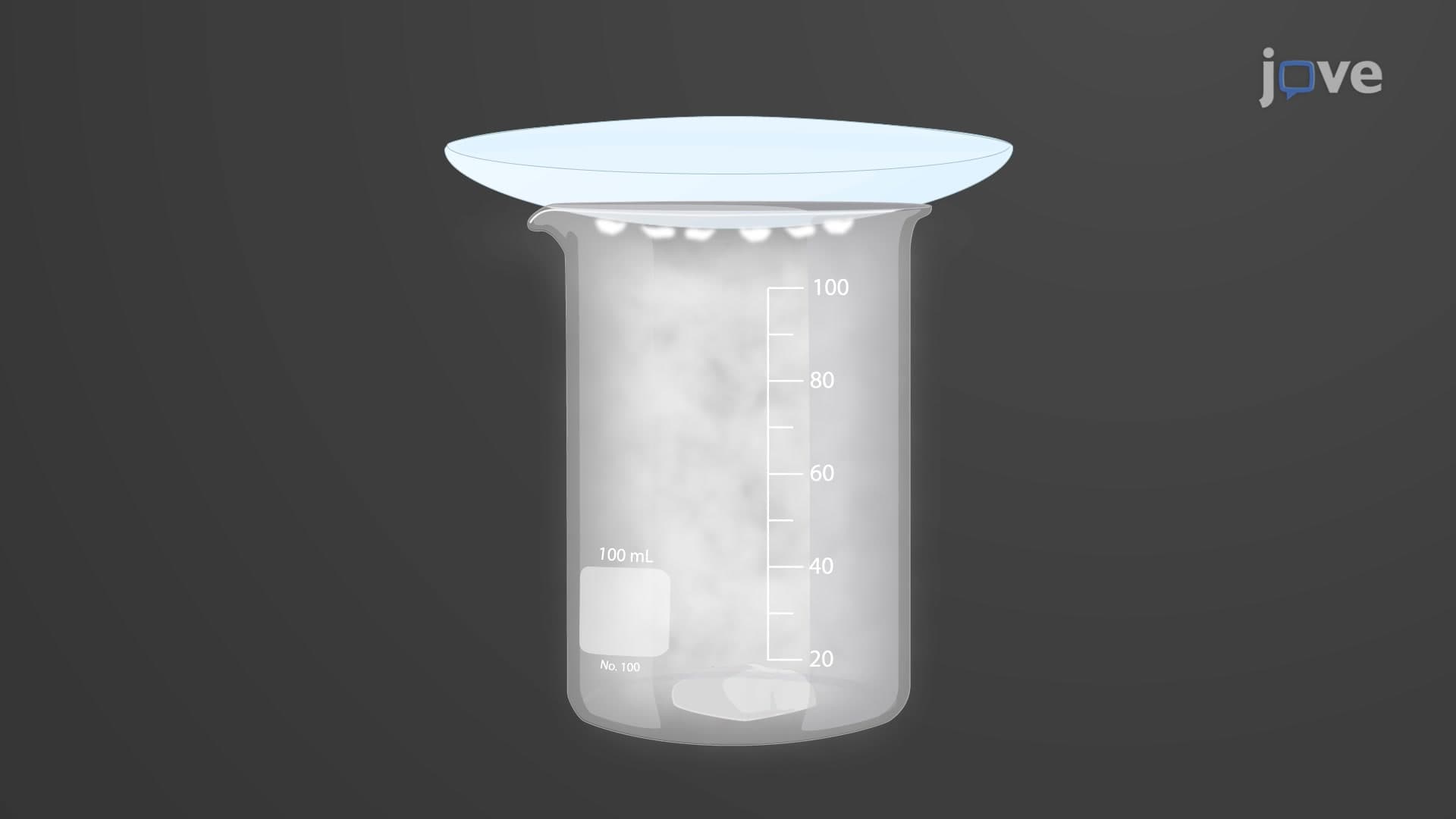
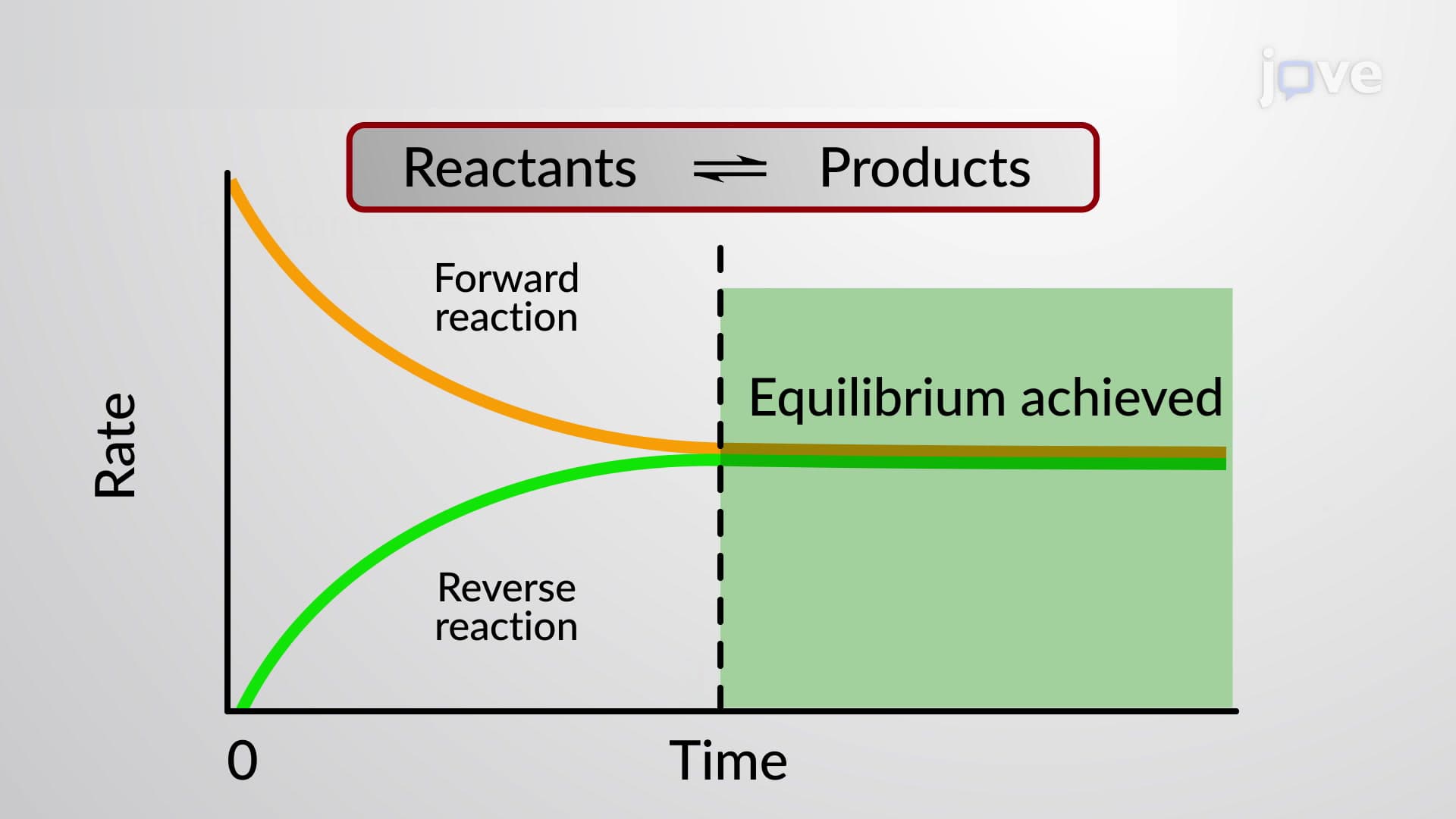
Vapor pressure represents a fundamental property of liquids that quantifies their tendency to evaporate. When liquid molecules possess sufficient kinetic energy to overcome intermolecular attractions, they escape into the gas phase. In a closed container, these vapor molecules eventually reach dynamic equilibrium with the liquid surface, where condensation and evaporation occur at equal rates. The pressure exerted by these gas-phase molecules defines the substance's vapor pressure at that specific temperature.
This concept appears frequently on AP Chemistry exams, MCAT questions, and college general chemistry courses across US institutions. Students at universities like MIT, Stanford, and state colleges encounter vapor pressure in thermodynamics, physical chemistry, and engineering applications.
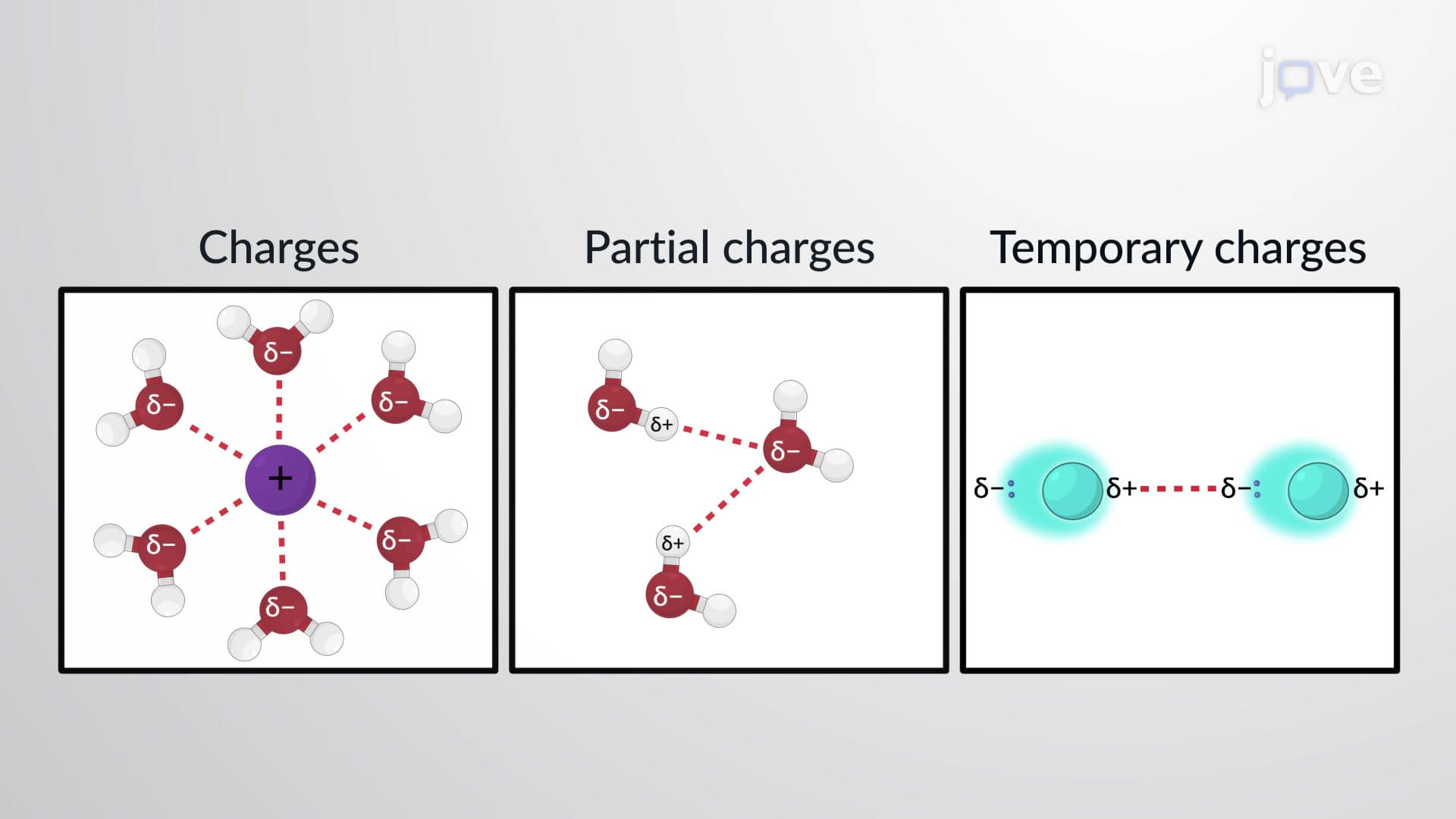
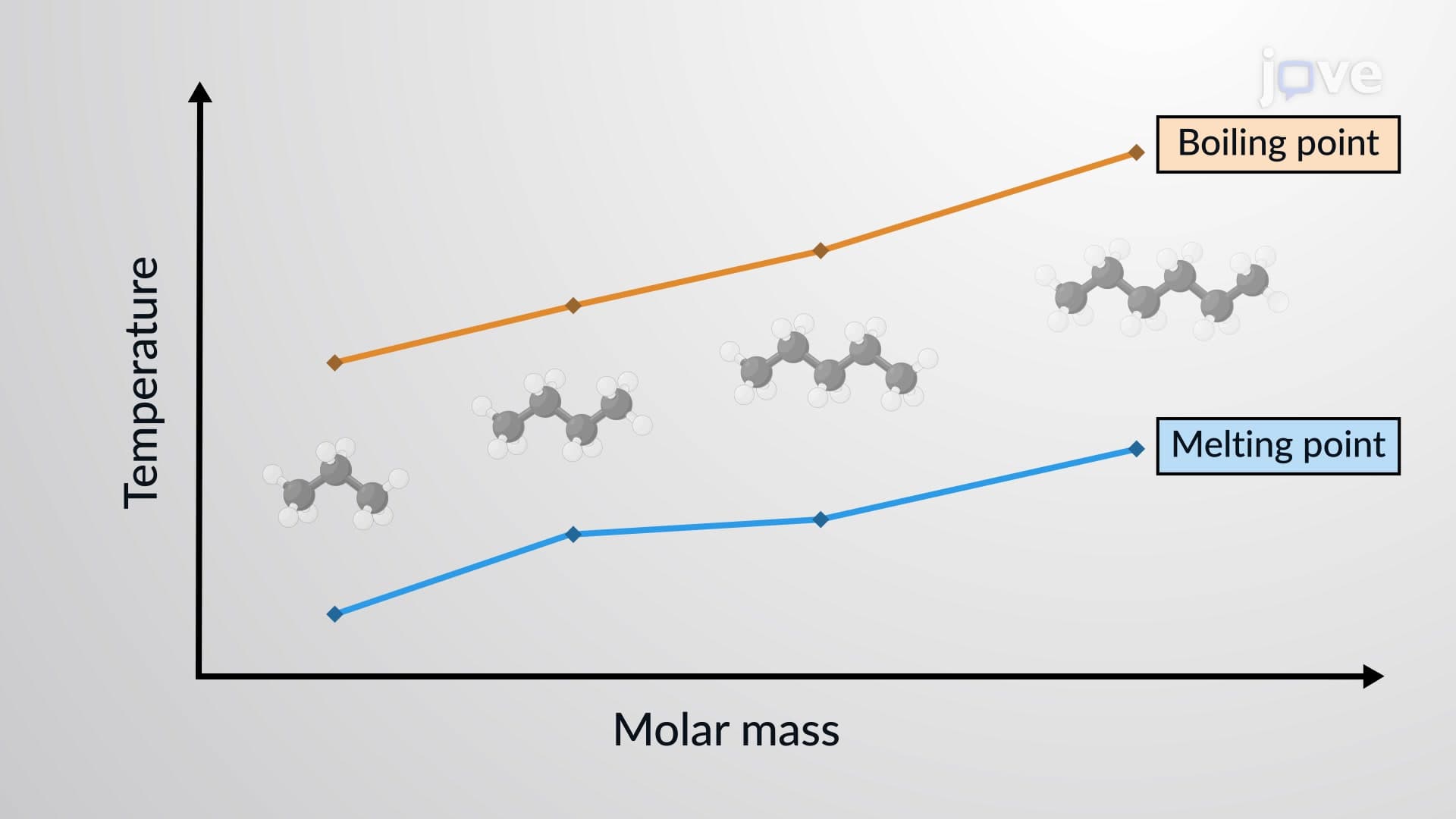
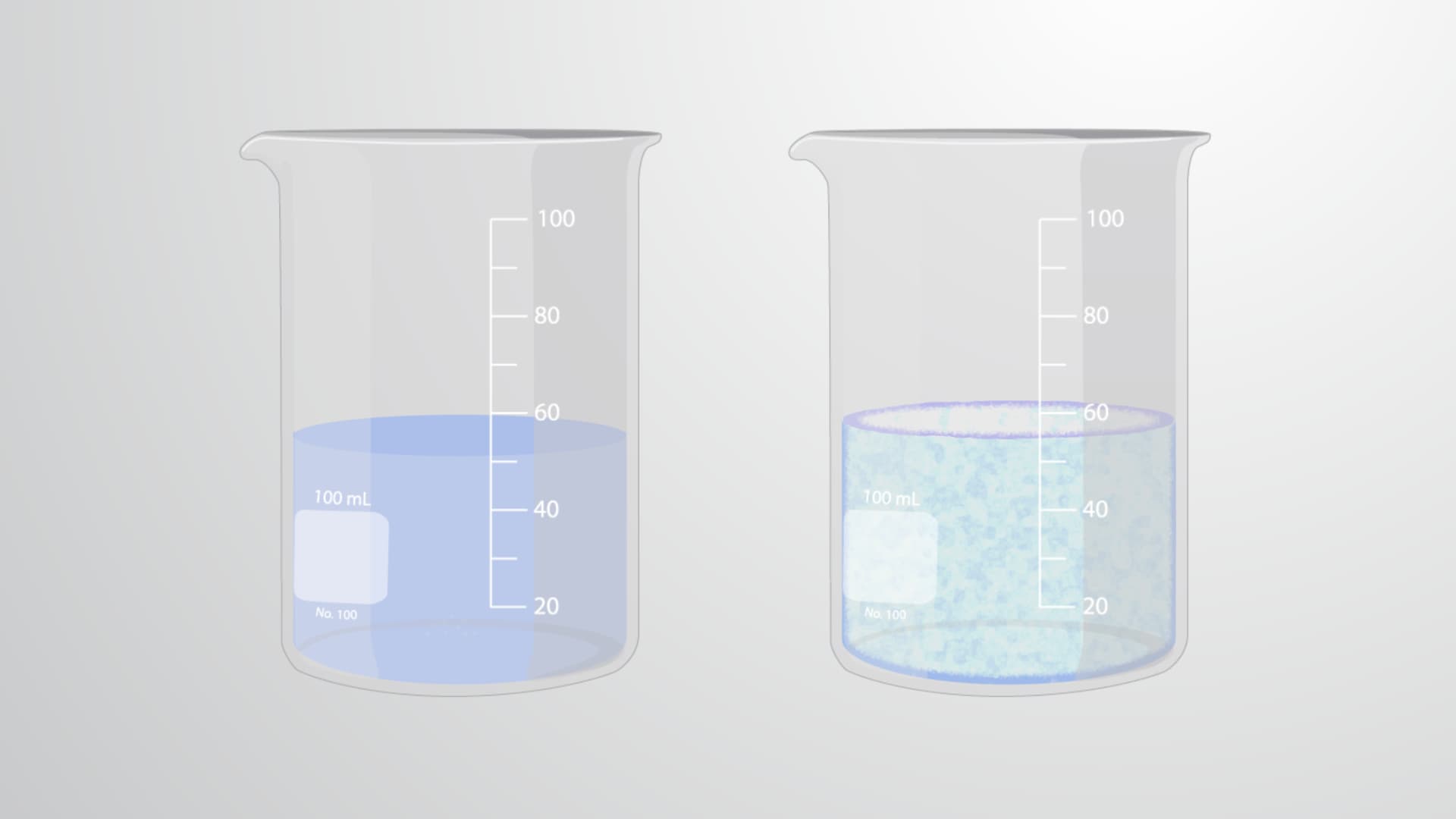
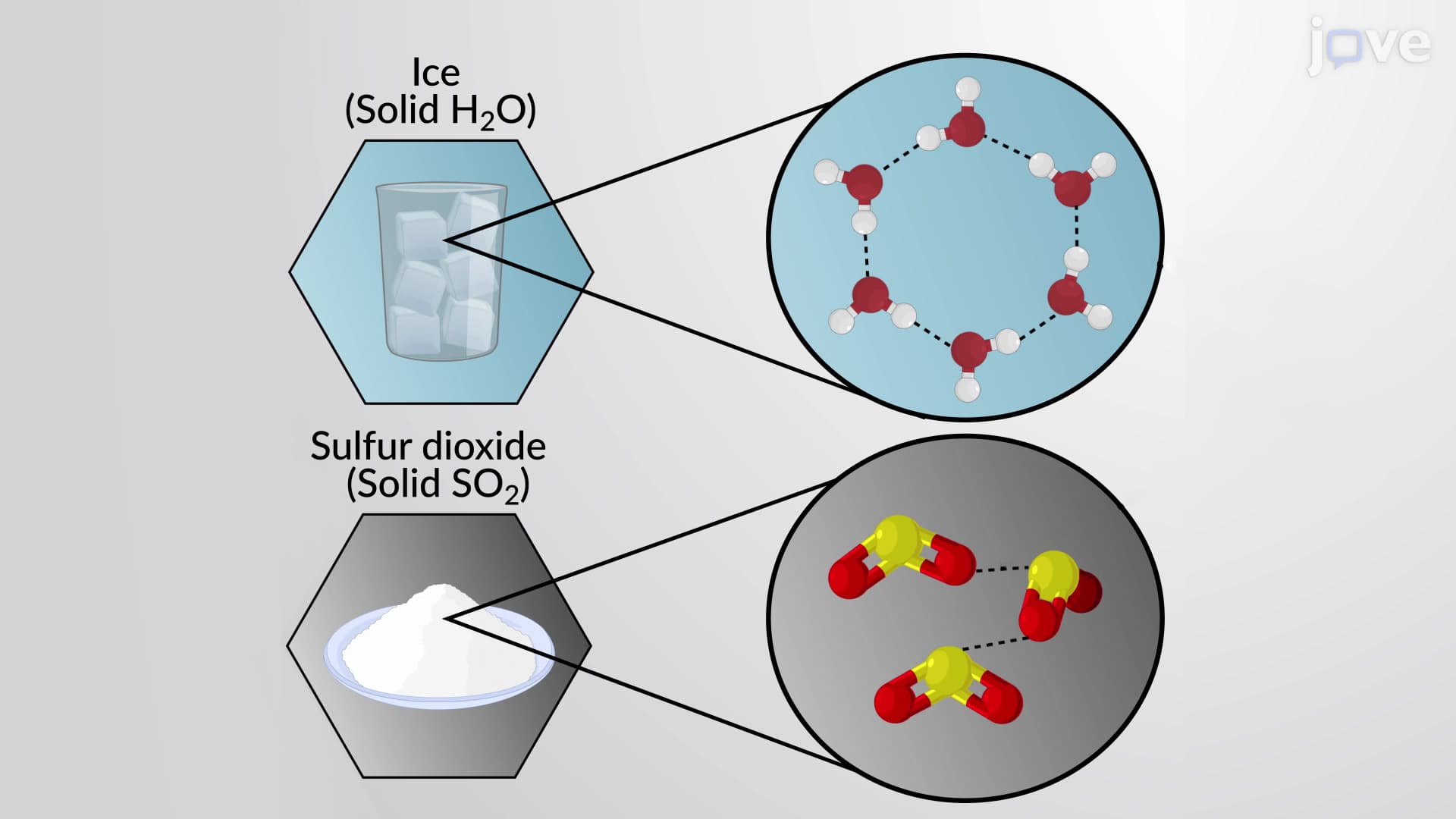
The strength of intermolecular forces directly determines a liquid's vapor pressure. Substances with weak London dispersion forces, like hexane (C6H14), exhibit high vapor pressures because molecules easily escape the liquid phase. Conversely, water demonstrates low vapor pressure due to strong hydrogen bonding networks that resist molecular escape.
This volatility principle explains why gasoline evaporates rapidly at room temperature while motor oil remains relatively stable. Chemical plants throughout Texas and Louisiana rely on these vapor pressure differences for separation processes in petroleum refining.
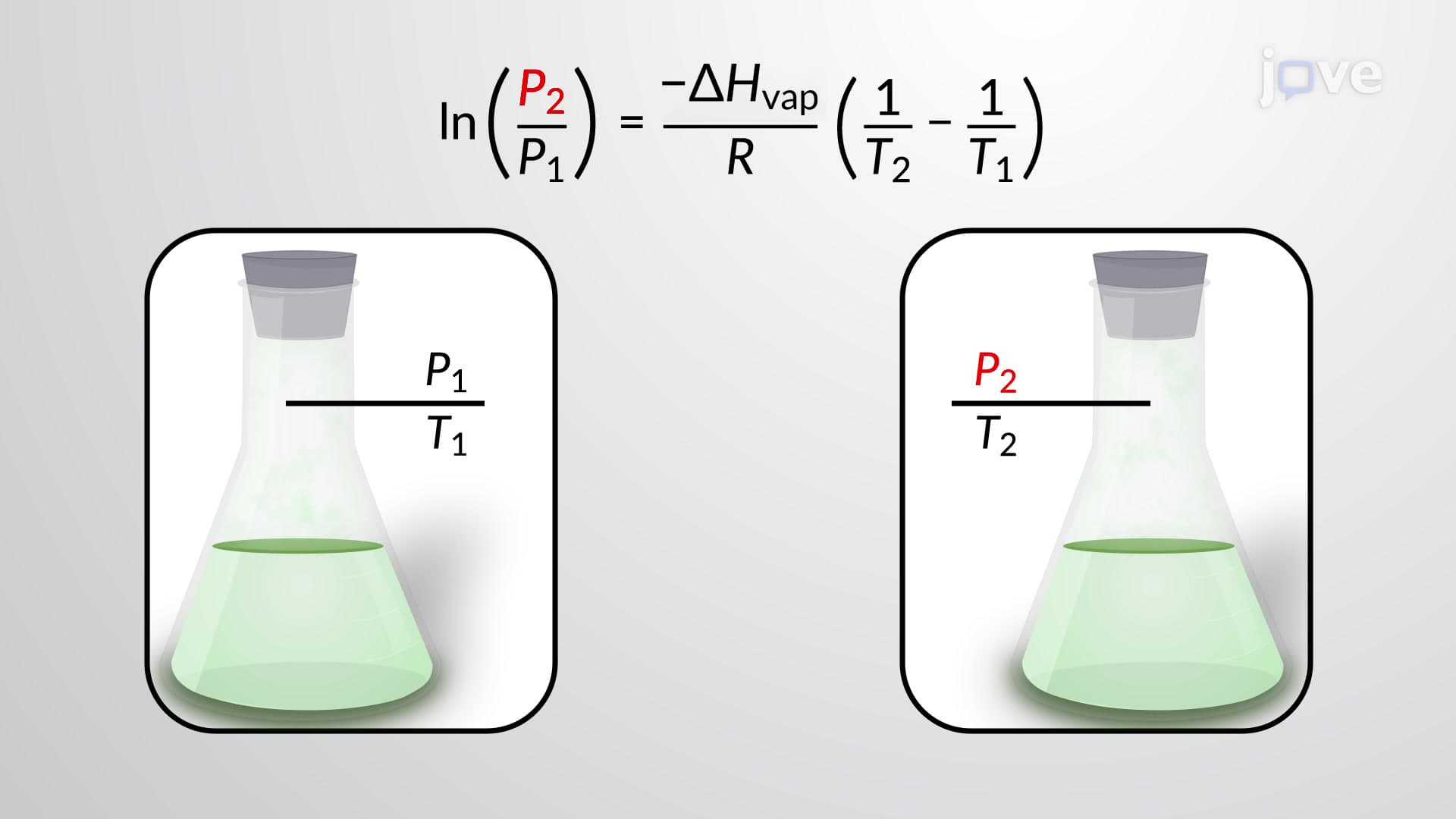
Increasing temperature provides molecules with greater kinetic energy, enhancing their ability to overcome intermolecular attractions. This relationship follows the Clausius-Clapeyron equation, demonstrating exponential vapor pressure increases with temperature. Understanding this temperature dependence proves crucial for MCAT test-takers and students in organic chemistry laboratories.
Boiling occurs when vapor pressure equals external atmospheric pressure. At sea level (1 atm), water boils at 100°C, but this temperature decreases significantly at higher elevations. Denver's altitude of 5,280 feet reduces atmospheric pressure to approximately 0.83 atm, lowering water's boiling point to about 94°C. This principle affects cooking times, pharmaceutical manufacturing, and distillation processes throughout mountainous regions of Colorado, Utah, and Montana.
Pressure cookers exploit the opposite effect, increasing external pressure to raise boiling temperatures, enabling faster cooking and sterilization in medical facilities and food processing plants nationwide.
Related Micro-courses