Loading subject page…


532,617 views


Video Summary: What Is Energy Basics
Ever wonder why throwing sodium metal into water creates an explosive reaction, while table salt just dissolves harmlessly? Energy basics explain these dramatic differences through the fundamental principles of thermochemistry. This concept explores how potential and kinetic energy govern everything from a rock rolling down a California hillside to the molecular vibrations in your morning coffee. Understanding energy basics reveals why acetylene torches burn so intensely compared to gentler acid-base reactions in chemistry labs. Watch the full video on JoVE Coach to master this concept with expert-led visuals and step-by-step explanations.
Energy basics form the cornerstone of understanding why chemical reactions occur and how they release or absorb energy. This fundamental concept, also known as thermochemistry, explains the energy transformations that drive everything from the metabolism in our cells to the combustion engines powering American highways. Students preparing for AP Chemistry, college general chemistry courses, or pre-med requirements like the MCAT must master these principles to succeed.
The energy basics definition encompasses two primary forms: potential and kinetic energy. Potential energy reflects stored energy based on position-think of water behind the Hoover Dam or a stretched rubber band. In chemistry, this manifests as chemical potential energy stored in molecular bonds. When gasoline combusts in a car engine, the potential energy locked in carbon-hydrogen bonds converts to kinetic energy that moves pistons.
Kinetic energy involves motion, but it's more complex than objects flying through space. Even stationary materials possess kinetic energy through atomic vibrations, creating thermal energy. This explains why ice cubes melt when exposed to room temperature-the faster-moving air molecules transfer their kinetic energy to the slower-moving water molecules in ice.
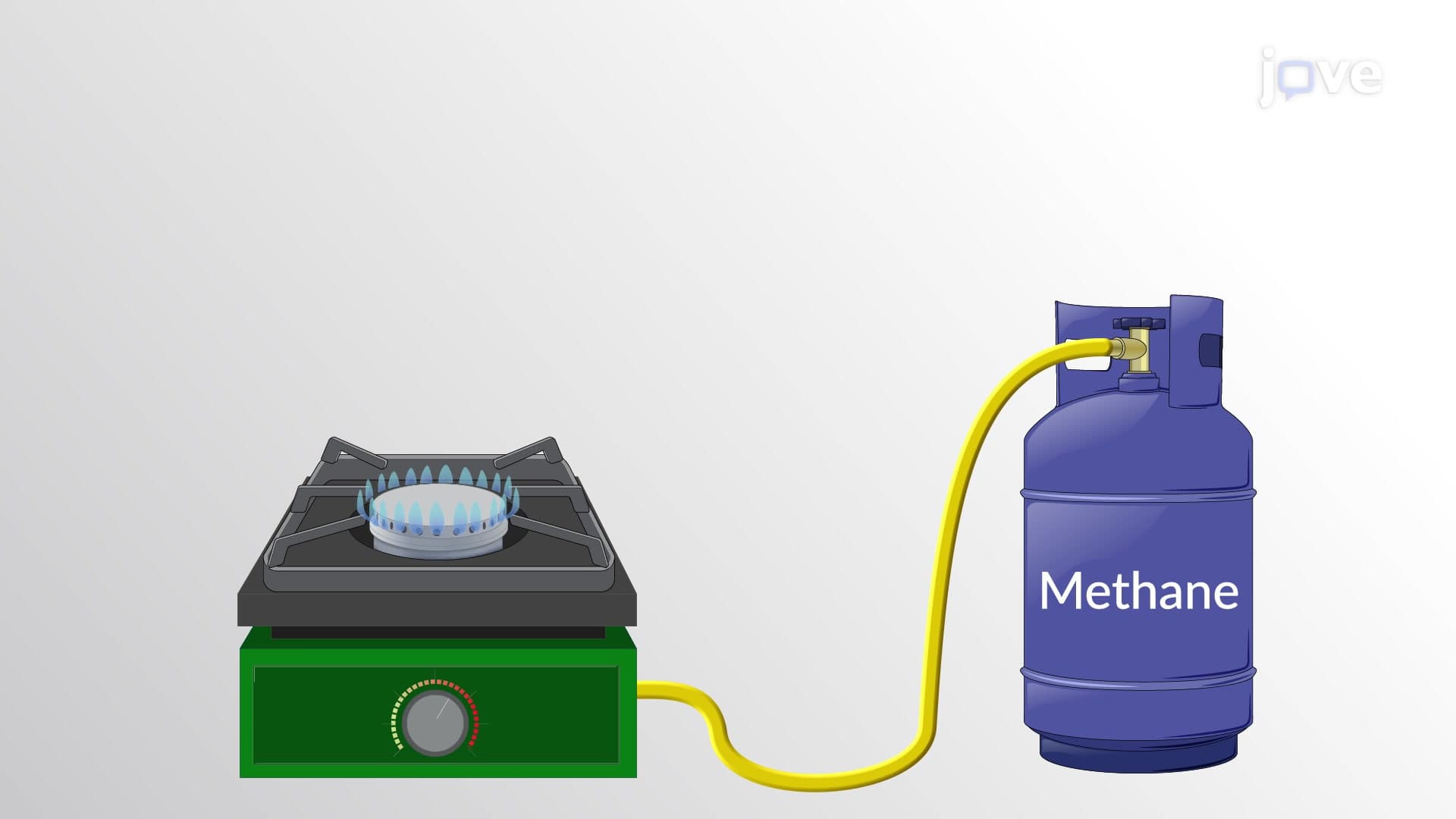
What is energy basics in detail reveals how molecular structure determines energy release patterns. Consider two common reactions: acetylene welding torches versus antacid tablets neutralizing stomach acid. Both involve energy transformations, but acetylene's triple-bonded carbon atoms store enormous potential energy, releasing intense heat and light when broken. Meanwhile, sodium bicarbonate neutralizing hydrochloric acid produces a gentler energy release as heat.
These differences matter for practical applications. Understanding energy basics helps explain why NASA uses hydrogen fuel (high energy density) for rocket propulsion, while hand warmers rely on iron oxidation reactions (moderate, sustained energy release).
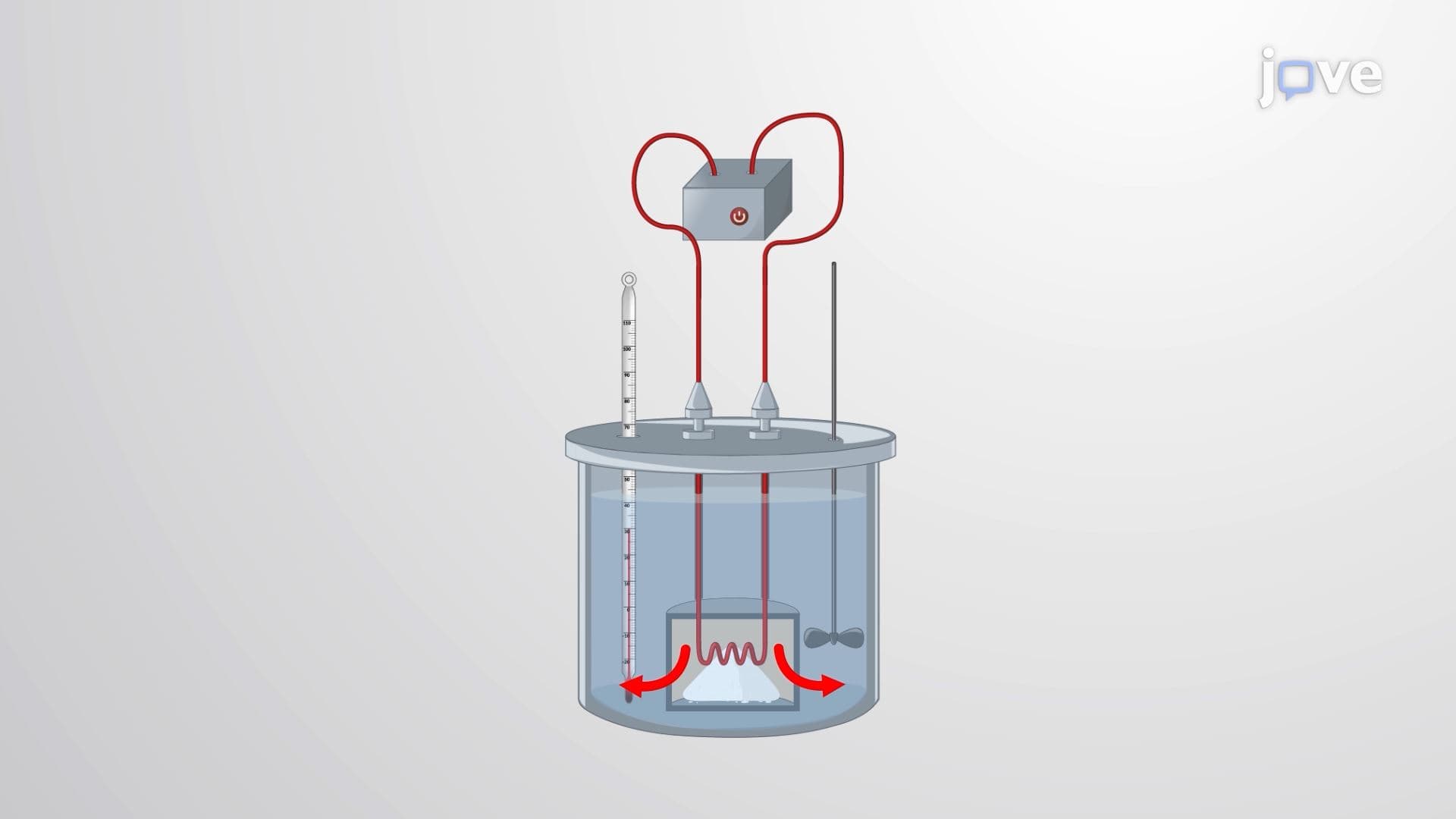
Energy basics study requires defining system boundaries-the imaginary borders separating what we're studying from everything else. Open systems (like a boiling pot without a lid) exchange both matter and energy with surroundings. Closed systems (sealed containers) exchange only energy. Isolated systems (perfect thermos bottles) exchange neither.
These concepts appear frequently on college chemistry exams and standardized tests. Students must identify system types when calculating energy changes, predicting reaction outcomes, and understanding why certain industrial processes require specific containment methods.
Related Micro-courses