Loading subject page…


532,617 views


Video Summary: What Is Hesss Law
Did you know that hydrogen gas leaking from electric vehicles can actually destroy ozone in our atmosphere? Hess's law helps chemists calculate the energy changes in reactions like this that are impossible to measure directly in the lab. By breaking complex reactions into measurable steps-like converting oxygen to ozone, then combining hydrogen with oxygen to form water-scientists can determine the total energy change. This principle is crucial for understanding everything from automotive fuel efficiency to atmospheric chemistry research at institutions like MIT and Stanford. Watch the full video on JoVE Coach to master this concept with expert-led visuals and step-by-step explanations.
Hess's law represents one of thermochemistry's most powerful tools, stating that the total enthalpy change of a chemical reaction is independent of the pathway taken. Named after Swiss-Russian chemist Germain Hess, this principle emerges from enthalpy being a state function-meaning it depends only on the system's initial and final conditions, not the route between them.
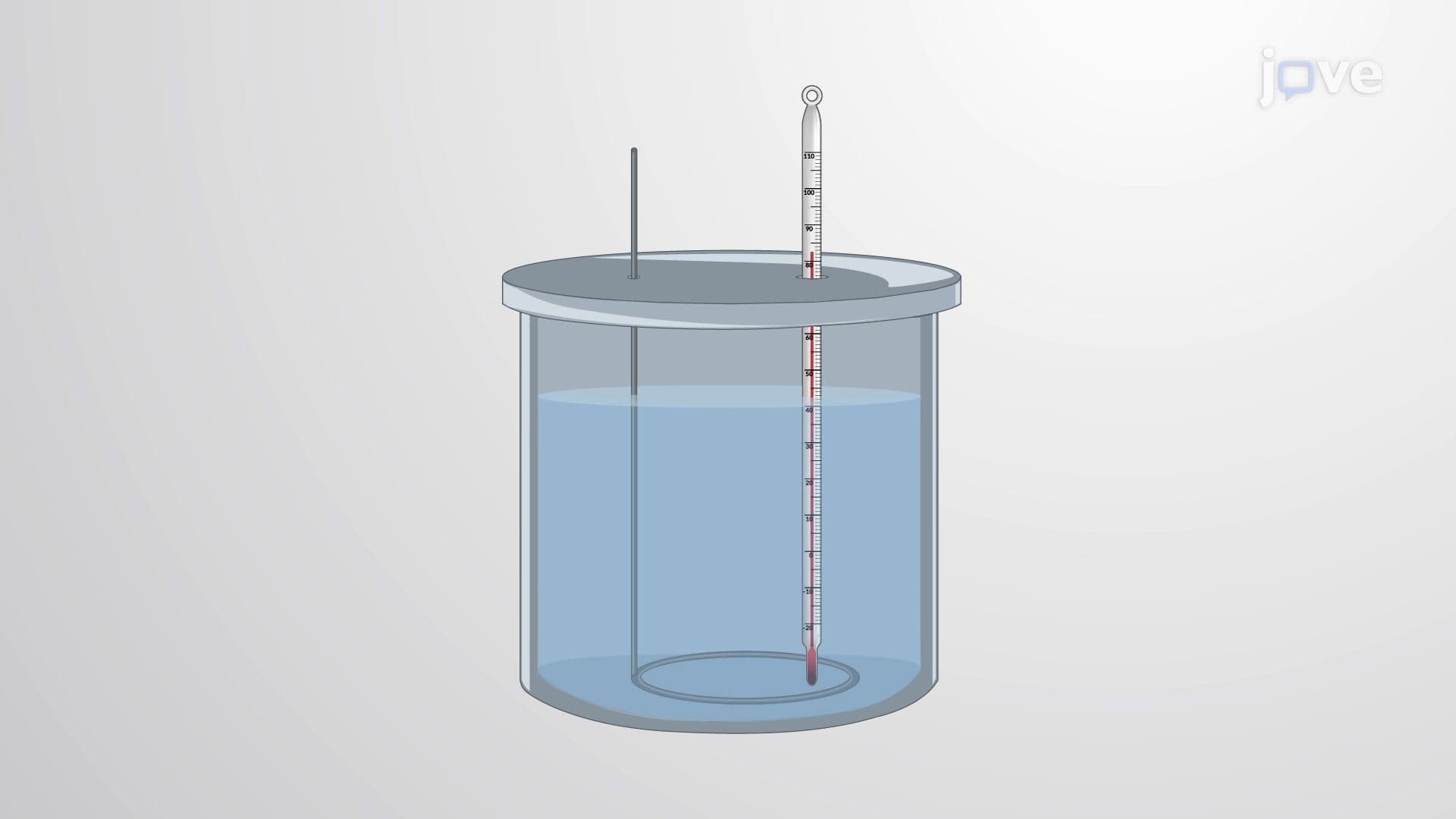
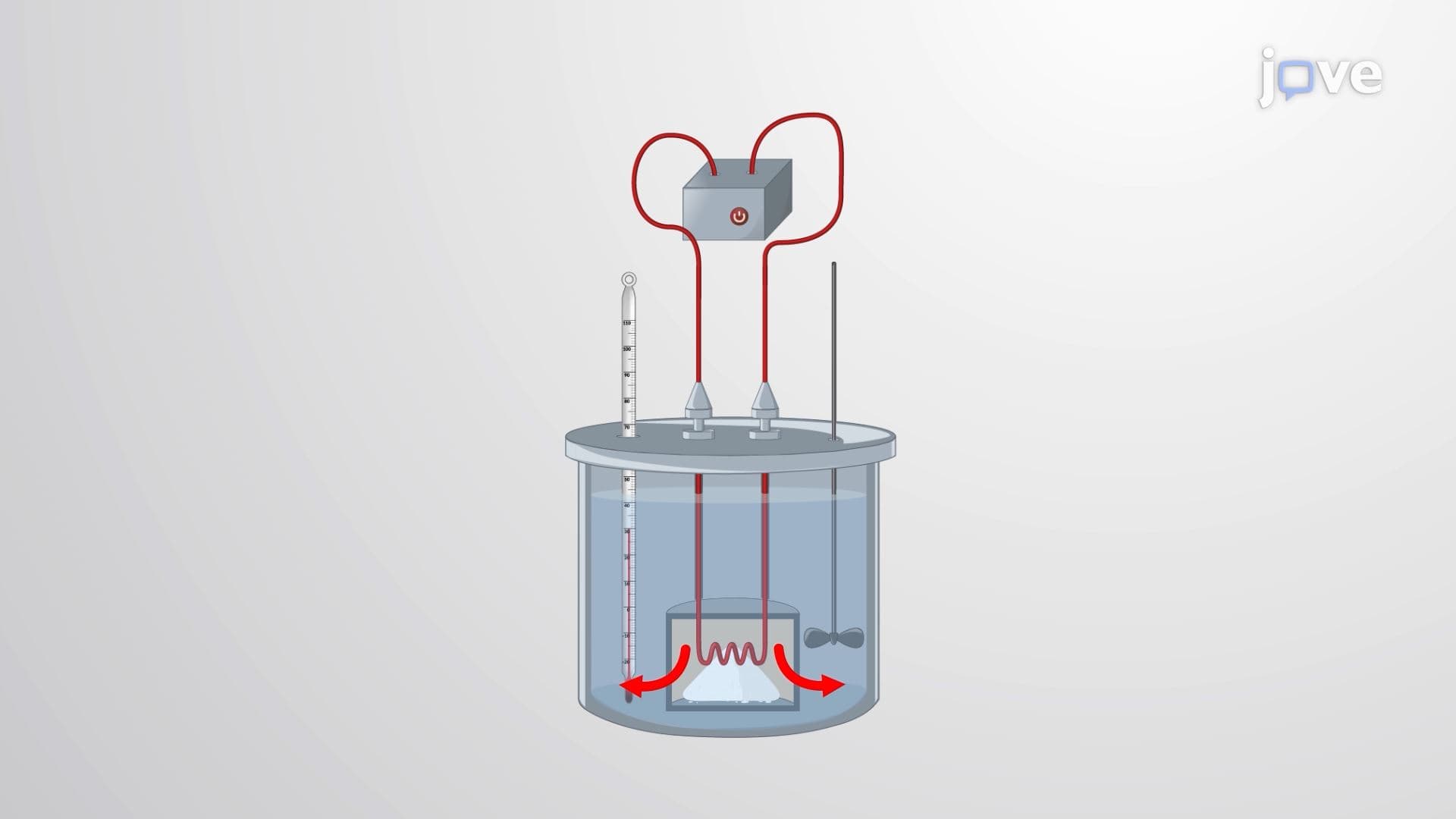
This concept proves invaluable when direct calorimetry measurements are impossible or impractical. Consider measuring the enthalpy change for diamond formation from graphite-a process requiring extreme conditions. Instead, chemists can measure the combustion enthalpies of both carbon forms and calculate the difference, providing the desired value indirectly.
The mathematical implementation of Hess's law involves careful manipulation of thermochemical equations. When combining reaction steps, chemists must ensure proper stoichiometric alignment and directional consistency. Reversing a reaction changes the sign of its enthalpy change, while multiplying coefficients scales the enthalpy proportionally.
For AP Chemistry students, mastering these manipulations proves crucial for exam success. The College Board frequently tests Hess's law applications, requiring students to combine multiple thermochemical equations to solve for unknown values. Practice problems often involve combustion reactions, formation enthalpies, and bond energy calculations.
American chemical manufacturers rely heavily on Hess's law for process optimization. ExxonMobil uses these calculations to design efficient refinery processes, while pharmaceutical companies like Pfizer apply the principle in drug synthesis pathway analysis. Environmental agencies, including the EPA, utilize Hess's law calculations to model atmospheric reaction energetics and pollutant formation mechanisms.
The automotive industry particularly benefits from these calculations when developing alternative fuel systems. Companies like Tesla and General Motors use enthalpy calculations to optimize battery chemistry and hydrogen fuel cell efficiency, directly impacting vehicle performance and environmental impact.
Success with Hess's law problems requires systematic approach: identify the target reaction, inventory available thermochemical data, manipulate equations to match the target, and carefully track sign changes and coefficient scaling. Students should practice with combustion data from NIST databases and standard formation enthalpies commonly provided in college chemistry textbooks used at universities like UC Berkeley and University of Michigan.
Related Micro-courses