Loading subject page…


532,617 views

Video Summary: What Is Internal Energy
Ever wonder why hand warmers heat up when activated or why your phone battery gets warm during heavy use? Internal energy governs these everyday energy transformations around us. In chemical reactions, internal energy changes determine whether a system gains or loses energy-like when a lithium-ion battery in your smartphone converts chemical energy to electrical energy. Understanding what internal energy means helps explain everything from metabolism in your body to industrial processes at ExxonMobil refineries. Watch the full video on JoVE Coach to master this concept with expert-led visuals and step-by-step explanations.
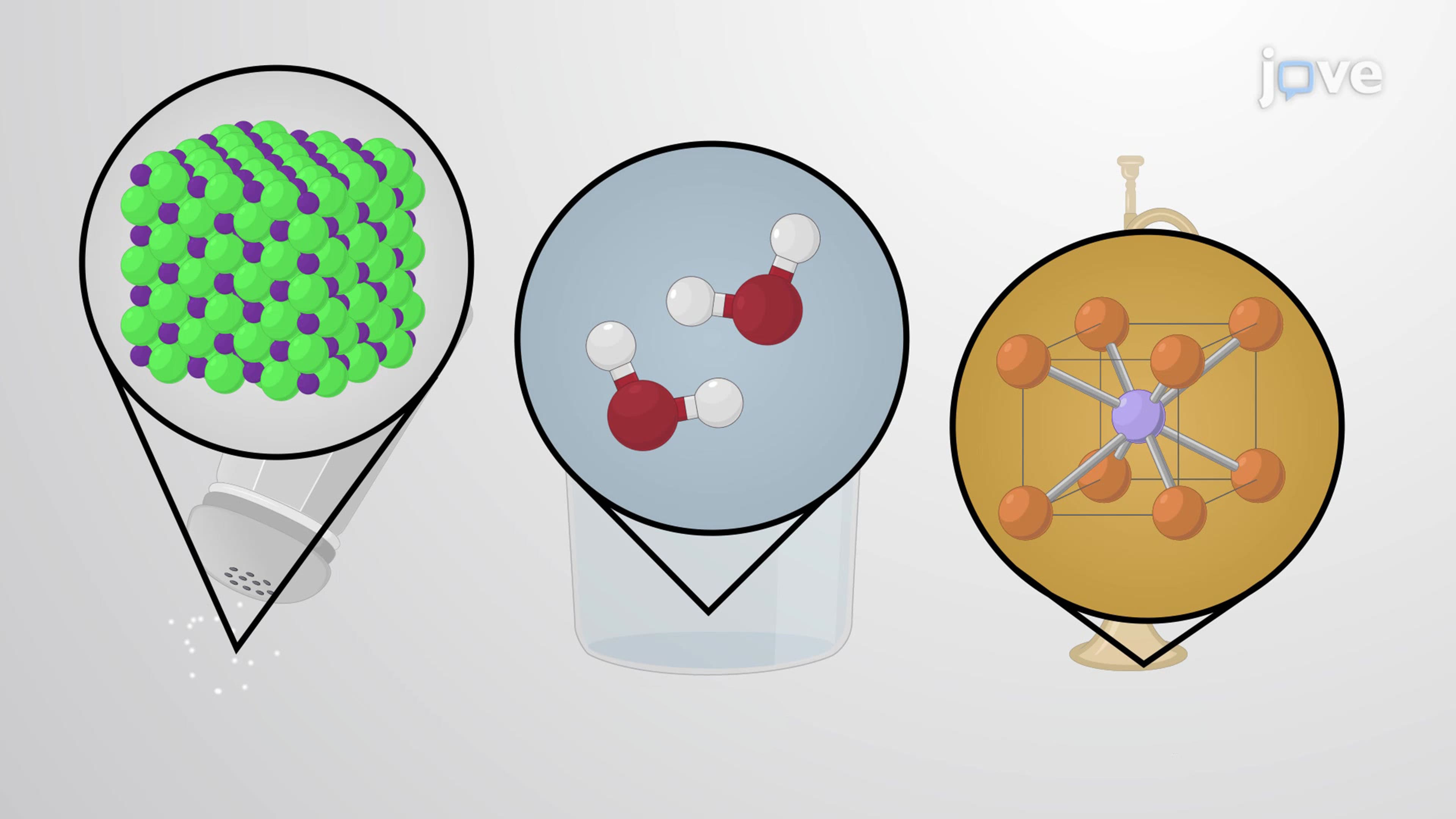
Internal energy represents the total energy stored within a system, encompassing all kinetic and potential energies of atoms and molecules. Unlike mechanical energy you observe in moving objects, internal energy includes molecular vibrations, rotations, electronic states, and intermolecular forces. Think of it as the "hidden" energy content of matter-energy you cannot directly see but that determines how substances behave chemically.
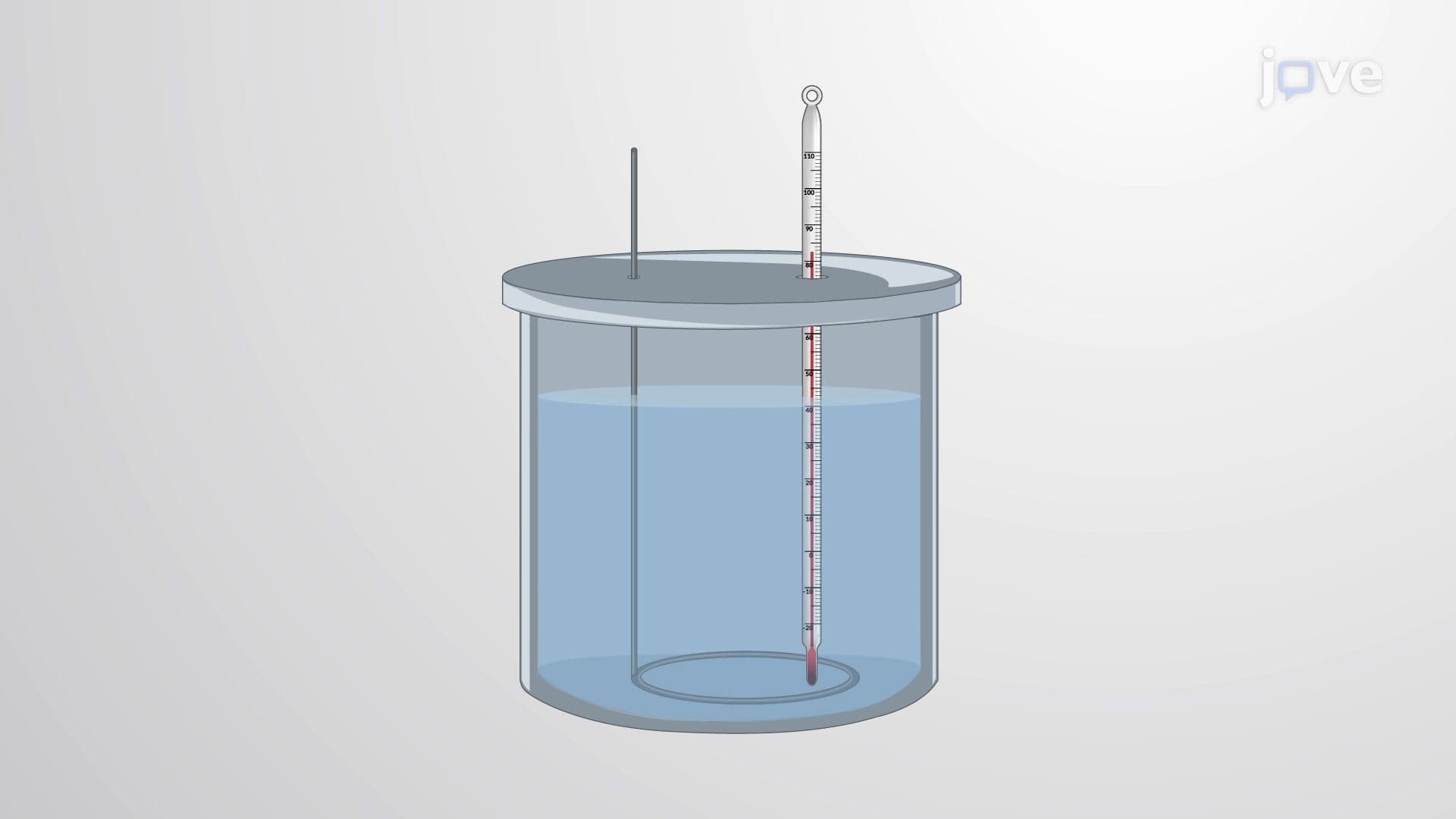
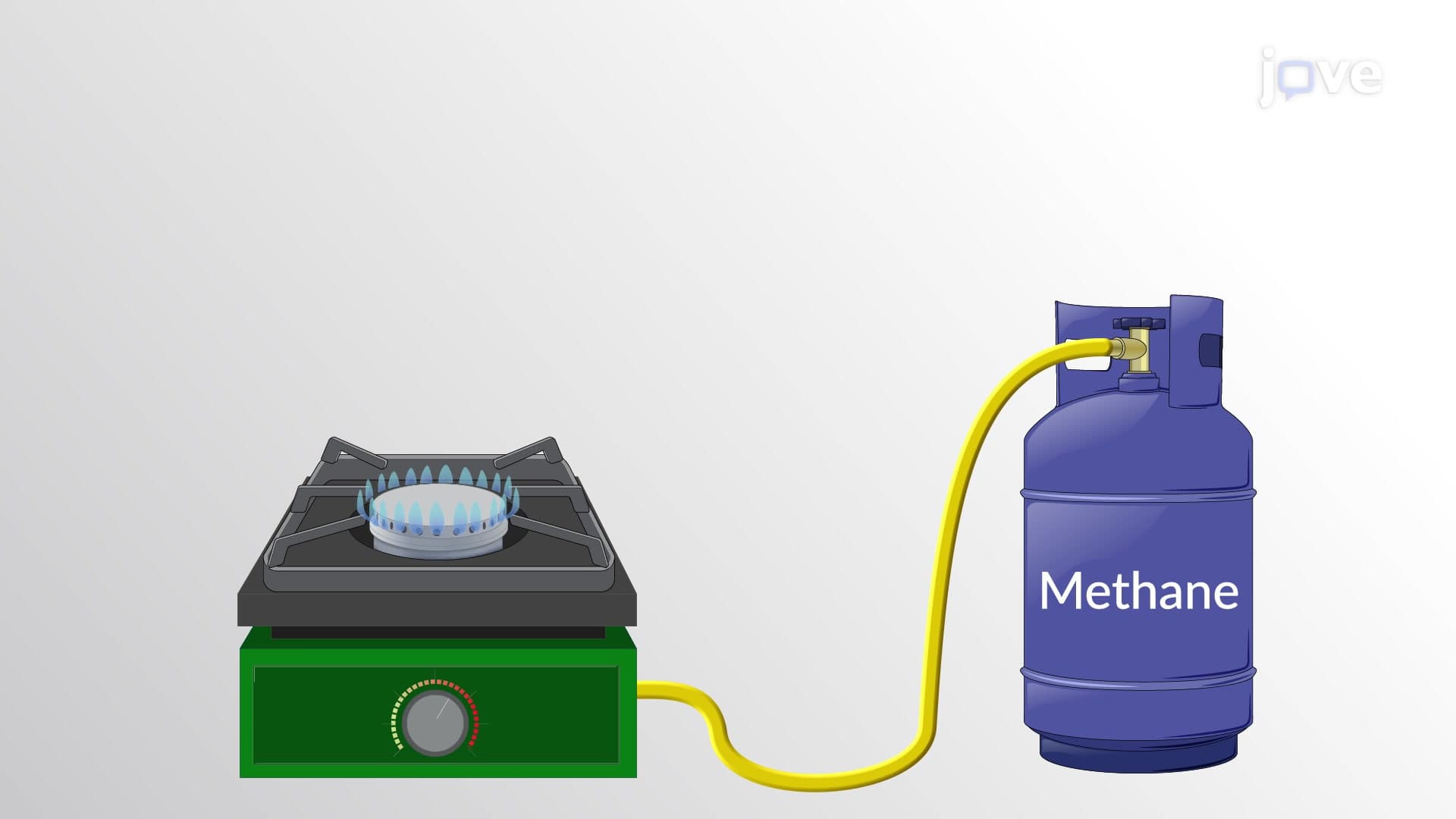
The change in internal energy (ΔU) follows a simple relationship: ΔU = U(final) - U(initial). When ΔU > 0, the system absorbs energy from its surroundings, like when you dissolve ammonium nitrate in water for an instant cold pack. When ΔU < 0, the system releases energy, such as during combustion of methane in a Bunsen burner. This concept frequently appears on AP Chemistry exams and college thermodynamics courses, where students must predict energy flow directions.
The first law states that energy cannot be created or destroyed, mathematically expressed as ΔU = q + w. Here, q represents heat transfer and w represents work done. In chemistry problems, you'll encounter sign conventions: positive q means heat flows into the system, while negative q indicates heat leaving the system. Similarly, positive w typically means work done on the system. Students preparing for the MCAT often struggle with these signs, but remembering the system's perspective helps clarify the concepts.
Internal energy principles govern countless processes around you. When ExxonMobil refines crude oil, engineers calculate internal energy changes to optimize heating requirements and energy recovery. In your body, cellular respiration converts glucose's stored internal energy into ATP, the energy currency of life. Even rechargeable batteries in Tesla vehicles operate through internal energy transformations as lithium ions move between electrodes. Understanding these connections helps students appreciate thermodynamics beyond textbook problems and prepares them for careers in chemical engineering, biochemistry, and materials science.
Related Micro-courses