Loading subject page…

- Chemistry
- Thermochemistry
- Quantifying Heat
Micro-course: Thermochemistry
532,601 views
Learn key concepts and earn your certificate.









Quantifying Heat

00:00
02:46
Video Summary: What Is Quantifying Heat
Ever wonder why a red-hot penny from a furnace barely warms a cup of water, while boiling water can cause severe burns? Quantifying heat reveals the surprising difference between temperature and thermal energy transfer. When NASA engineers design spacecraft heat shields, they must precisely calculate heat transfer to protect astronauts during atmospheric reentry. What is Quantifying Heat involves measuring thermal energy flow using calorimetry techniques and understanding heat capacity relationships. Watch the full video on JoVE Coach to master this concept with expert-led visuals and step-by-step explanations.
- Understand What is Quantifying Heat and distinguish between heat transfer and temperature measurements
- Identify the fundamental relationship between thermal energy flow and temperature differences in systems
- Analyze calorimetry techniques used to measure heat transfer in laboratory and industrial applications
- Compare specific heat capacity values for different materials and predict thermal behavior
- Evaluate heat capacity calculations using mass, temperature change, and material properties
- Apply thermal equilibrium principles to solve real-world heat transfer problems
- Recognize the role of heat quantification in engineering design and scientific research
- Explore connections between molecular structure and thermal energy storage capacity
Understanding What is Quantifying Heat: The Foundation
Quantifying heat represents one of thermodynamics' most practical applications, bridging abstract energy concepts with measurable phenomena. Unlike temperature-which describes thermal energy intensity-heat quantifies the actual energy transfer between systems at different temperatures. This distinction proves crucial for AP Chemistry students and college physics courses, where thermal calculations determine everything from chemical reaction energetics to engineering system efficiency.
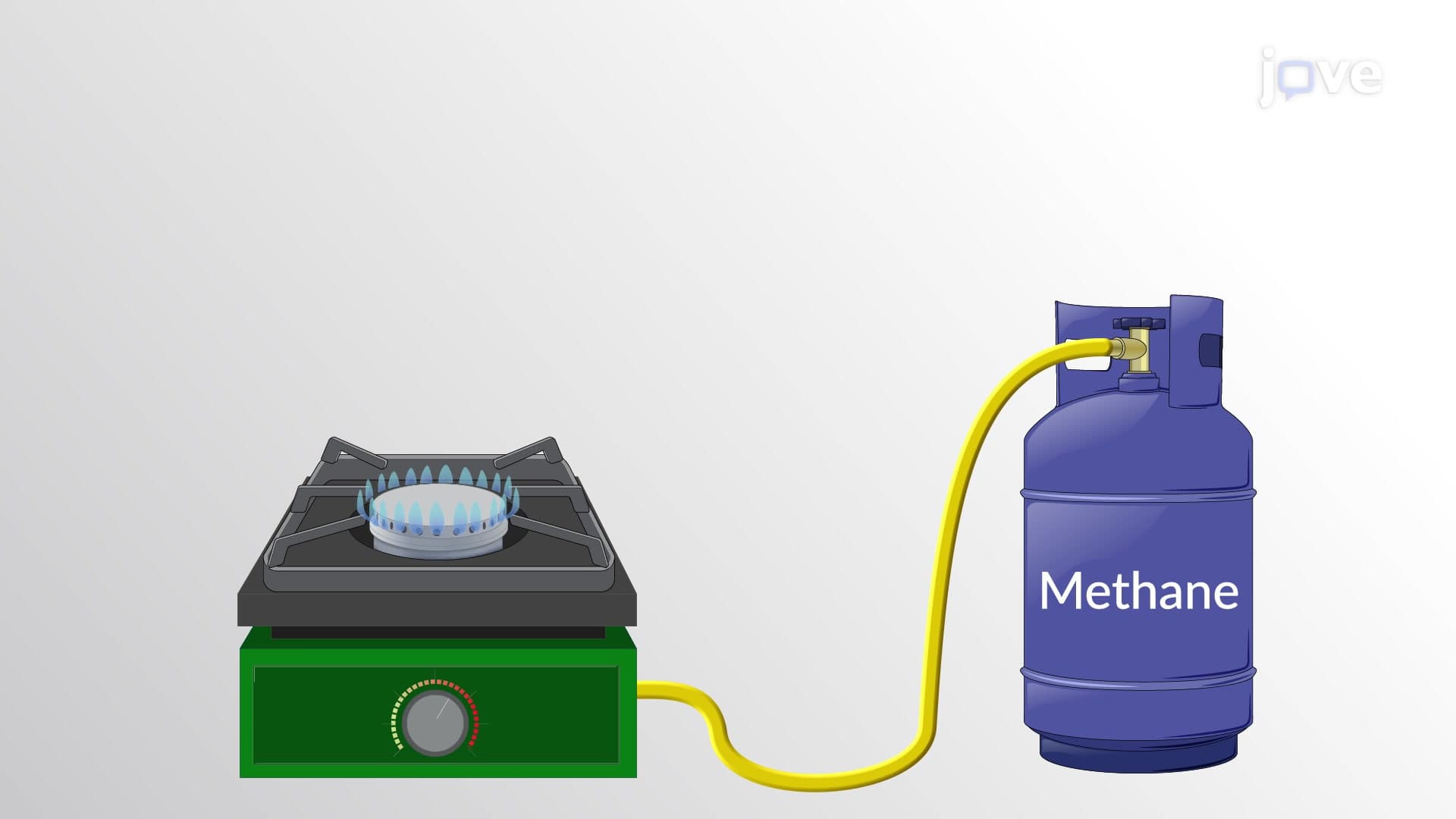
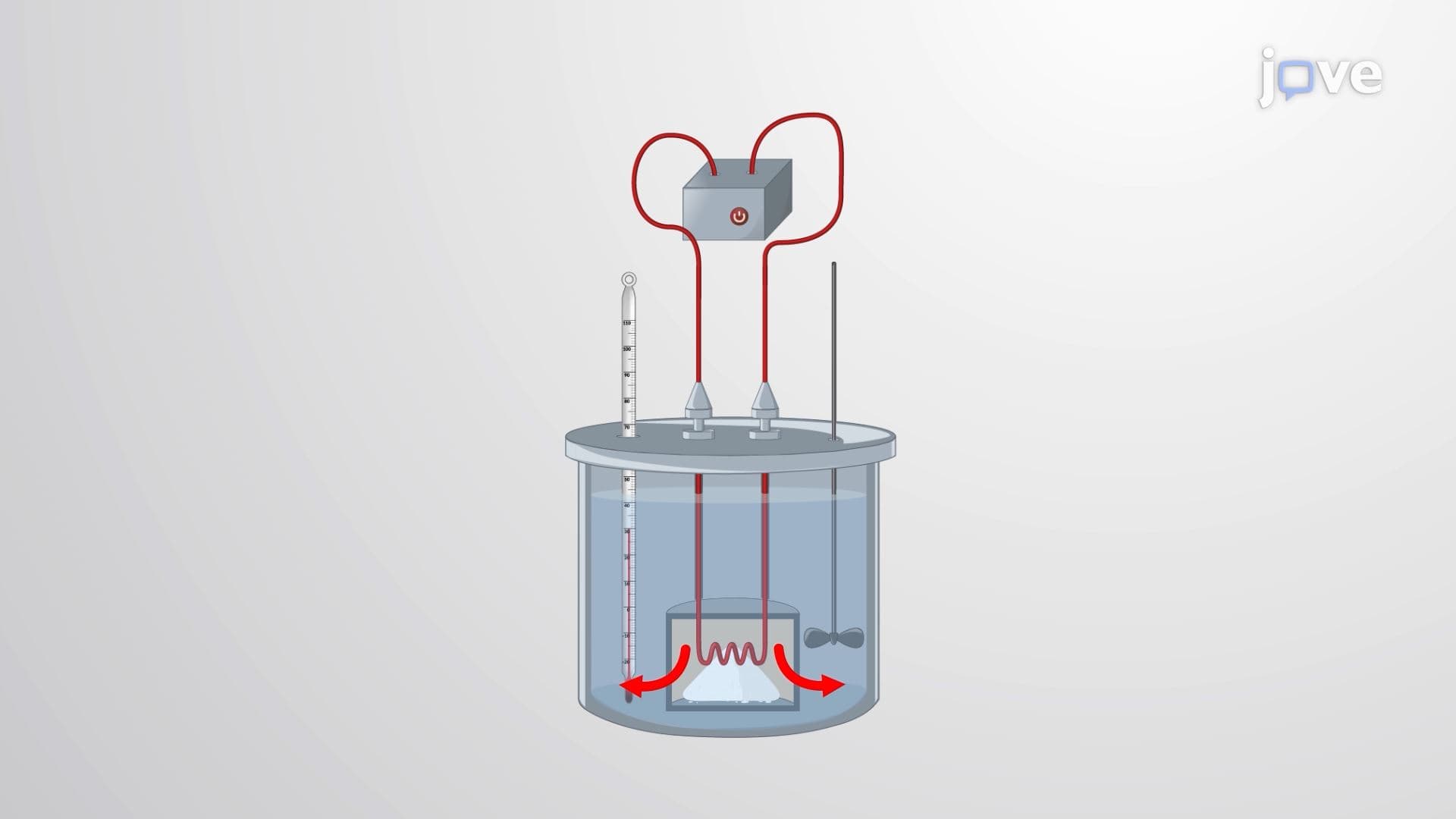
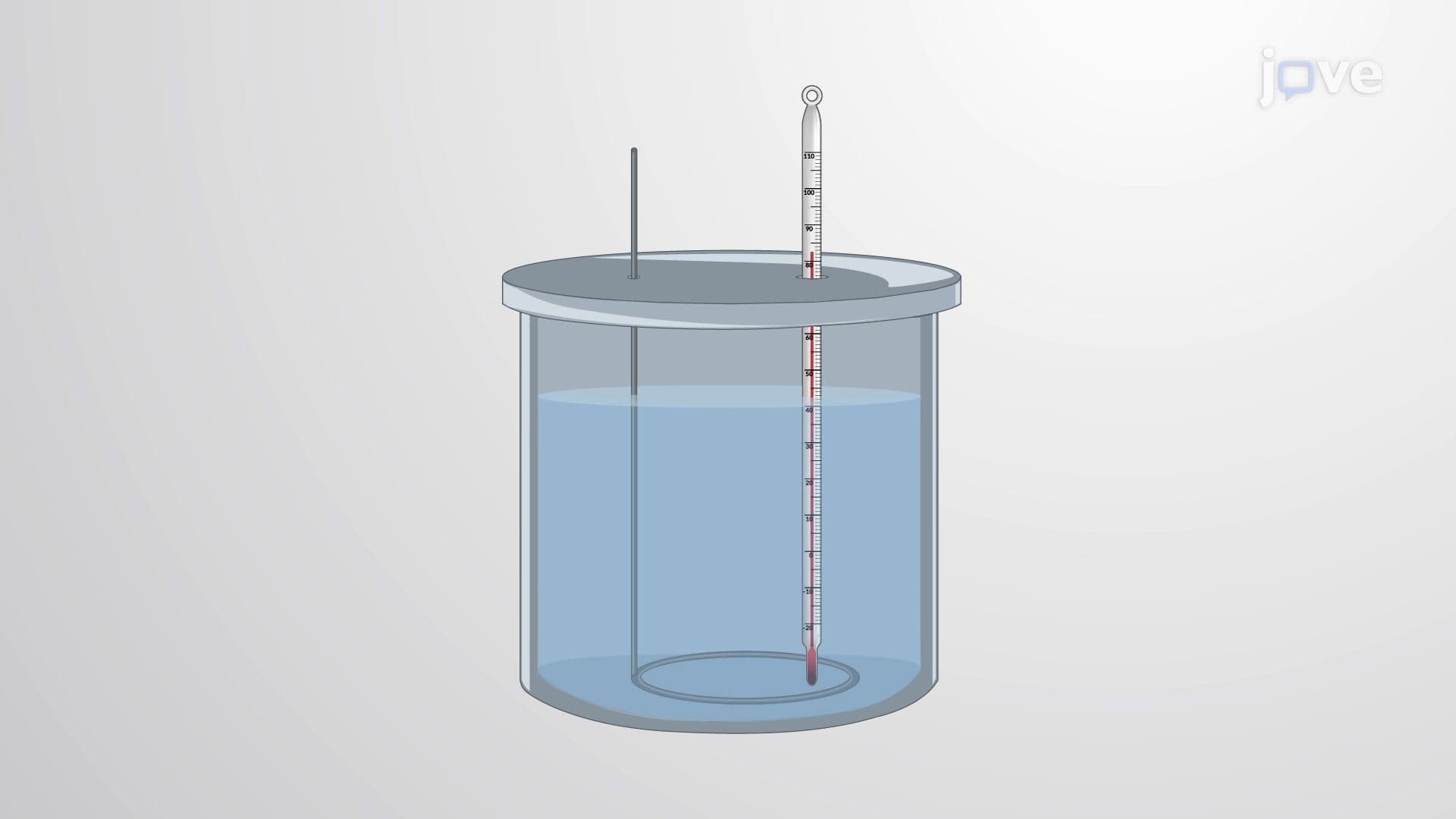
The quantification process relies on calorimetry, a technique that measures heat transfer by monitoring temperature changes in known systems. When automotive engineers test brake systems, they use calorimetric principles to measure heat generation during stopping, ensuring components won't fail under extreme conditions.
Heat Capacity: The Key to Thermal Predictions
Heat capacity emerges as the critical parameter connecting heat transfer to temperature change. This property varies dramatically between materials-water requires 4.18 J/g°C to increase temperature, while aluminum needs only 0.90 J/g°C. This explains why water-cooled engines effectively dissipate heat while aluminum heat sinks quickly transfer thermal energy.
Specific heat capacity (Cs) normalizes this relationship per unit mass, enabling precise calculations regardless of system size. For MCAT preparation, students must master these relationships: q = m × Cs × ΔT, where heat (q) equals mass times specific heat capacity times temperature change.
Thermal Equilibrium and Energy Conservation
The iron-water example illustrates thermal equilibrium-the state where heat transfer ceases. In isolated systems, energy conservation demands that heat lost by hot objects equals heat gained by cool objects. This principle underlies countless applications, from thermostat design to pharmaceutical temperature-controlled storage.
College chemistry students encounter this concept in bomb calorimetry experiments, where precise heat measurements determine combustion energies. Understanding these relationships proves essential for materials science careers, where thermal properties influence product performance and safety.
Real-World Applications and Exam Connections
Quantifying heat appears extensively in standardized testing. AP Chemistry exams feature calorimetry problems requiring students to calculate unknown specific heat capacities or predict final temperatures. College general chemistry courses emphasize these calculations for determining enthalpy changes in chemical reactions.
Professional applications span industries: food scientists optimize cooking processes, HVAC engineers size heating systems, and medical device manufacturers ensure patient safety during thermal therapies. Mastering heat quantification provides the foundation for advanced thermodynamics courses and engineering applications.
Frequently Asked Questions
Quantifying heat means measuring the amount of thermal energy that flows from hot objects to cold objects. Unlike temperature, which tells us how hot something feels, quantifying heat tells us exactly how much energy moves during thermal processes. This measurement uses units called joules and relies on calorimetry techniques to provide precise values.
AP Chemistry frequently tests heat quantification through calorimetry problems requiring q = m × Cs × ΔT calculations. Students must determine unknown variables like specific heat capacity, mass, or temperature change using experimental data. These problems often involve bomb calorimeters or coffee cup calorimeters measuring reaction enthalpies.
The MCAT tests heat quantification through thermodynamics passages involving specific heat calculations, thermal equilibrium problems, and calorimetry analysis. Students encounter questions about heat transfer in biological systems, metabolic energy calculations, and medical device thermal properties. Understanding heat capacity relationships proves essential for physical chemistry sections.
Heat capacity differences arise from molecular structure and bonding characteristics. Water's high heat capacity results from hydrogen bonding requiring extra energy to break intermolecular forces. Metals have lower heat capacities because electrons can move freely, distributing thermal energy efficiently throughout the material structure.
Cooking demonstrates heat quantification principles when oils heat faster than water due to lower specific heat capacity, or when cast iron pans retain heat longer than aluminum ones. Understanding these relationships helps predict cooking times, prevent food burning, and optimize energy efficiency in kitchen applications.
Basic algebra suffices for most heat quantification problems at the high school and introductory college level. Students need comfort with unit conversions, direct proportional relationships, and simple equation rearrangement. The mathematical complexity increases in advanced thermodynamics courses, but foundational concepts remain accessible to students with algebra skills.
Practice dimensional analysis first, ensuring unit consistency in calculations. Create formula sheets connecting q = m × Cs × ΔT with various problem types. Work through calorimetry problems systematically, identifying given values and required unknowns. Focus on conceptual understanding-why heat flows and how materials respond-rather than memorizing isolated formulas.
Heat quantification foundations lead to advanced thermodynamics including entropy, Gibbs free energy, and phase transitions. Engineering applications expand into heat exchanger design, thermal analysis, and energy systems optimization. Physical chemistry courses explore statistical mechanics connections between molecular motion and thermal properties.
Related Micro-courses
15 Concepts
8 Concepts
14 Concepts