Loading subject page…

- Civil Engineering
- Mixing, Placing and Curing Concrete
- Curing Methods
Micro-course: Mixing, Placing and Curing Concrete
2,660 views
Learn key concepts and earn your certificate.


Curing Methods

00:00
01:26
Video Summary: What are Curing Methods
Ever wonder why concrete in the Hoover Dam remains strong after nearly a century? Curing methods are essential processes that control moisture and temperature during concrete hardening to achieve maximum strength and durability. These techniques prevent premature water loss and ensure optimal hydration of cement particles. From the skyscrapers of Manhattan to highway bridges across Texas, proper curing determines whether concrete structures will last decades or fail prematurely. Watch the full video on JoVE Coach to master this concept with expert-led visuals and step-by-step explanations.
- Understand what are curing methods and their critical role in concrete strength development and long-term durability
- Identify the fundamental difference between wet curing and membrane curing techniques used in construction projects
- Analyze how surface-to-volume ratio affects the selection of appropriate curing methods for different concrete elements
- Compare various moisture retention techniques including ponding, fogging, and covering methods
- Evaluate the effectiveness of impervious membranes versus continuous water contact for different environmental conditions
- Apply proper curing techniques for laboratory test specimens to ensure accurate strength measurements
- Recognize the importance of timing in curing method selection and implementation
- Explore how environmental factors like temperature and humidity influence curing method effectiveness
Understanding What Are Curing Methods in Concrete Technology
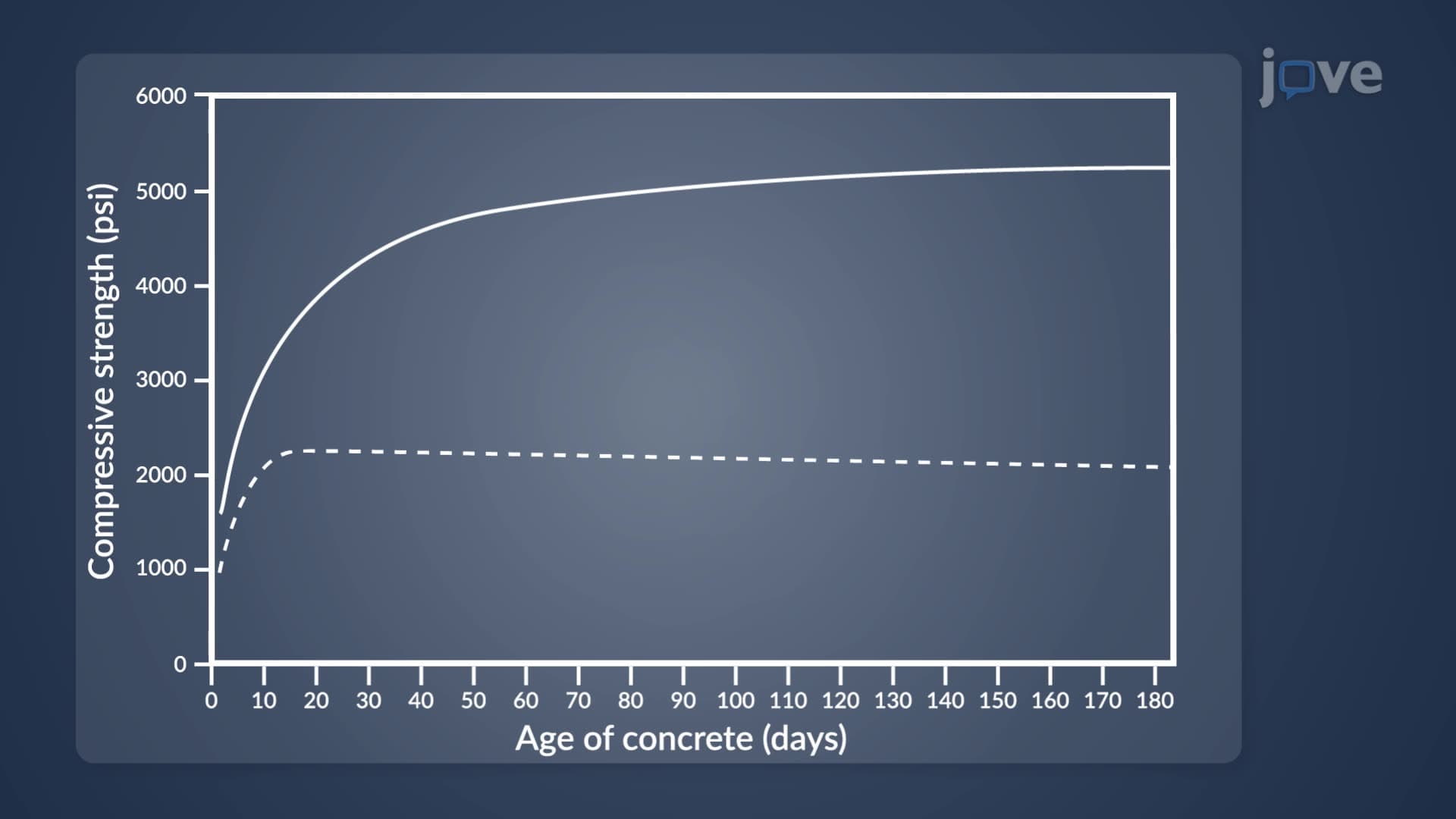
Curing methods represent systematic approaches to maintaining optimal moisture and temperature conditions during concrete's critical hardening phase. These techniques directly impact the hydration process, where cement particles react with water to form binding compounds that give concrete its strength. Without proper curing, concrete can lose up to 50% of its potential strength, leading to structural failures that have caused significant infrastructure problems across the United States.
Types of Curing Methods: Wet Curing Techniques
Wet curing methods maintain direct water contact with concrete surfaces throughout the curing period. Ponding involves creating water pools on horizontal surfaces like bridge decks or building foundations, commonly seen in major infrastructure projects like the Interstate Highway System expansions. Fogging systems use fine water sprays through specialized nozzles to maintain surface moisture without causing erosion, particularly effective for large concrete pours in hot climates like Arizona and Nevada construction projects.
Continuous spraying provides steady moisture through automated systems, while water immersion offers the most controlled environment for laboratory specimens and precast elements. These methods prove especially critical for high-strength concrete used in earthquake-resistant structures throughout California, where building codes demand exceptional durability standards.
Membrane Curing and Moisture Retention Methods
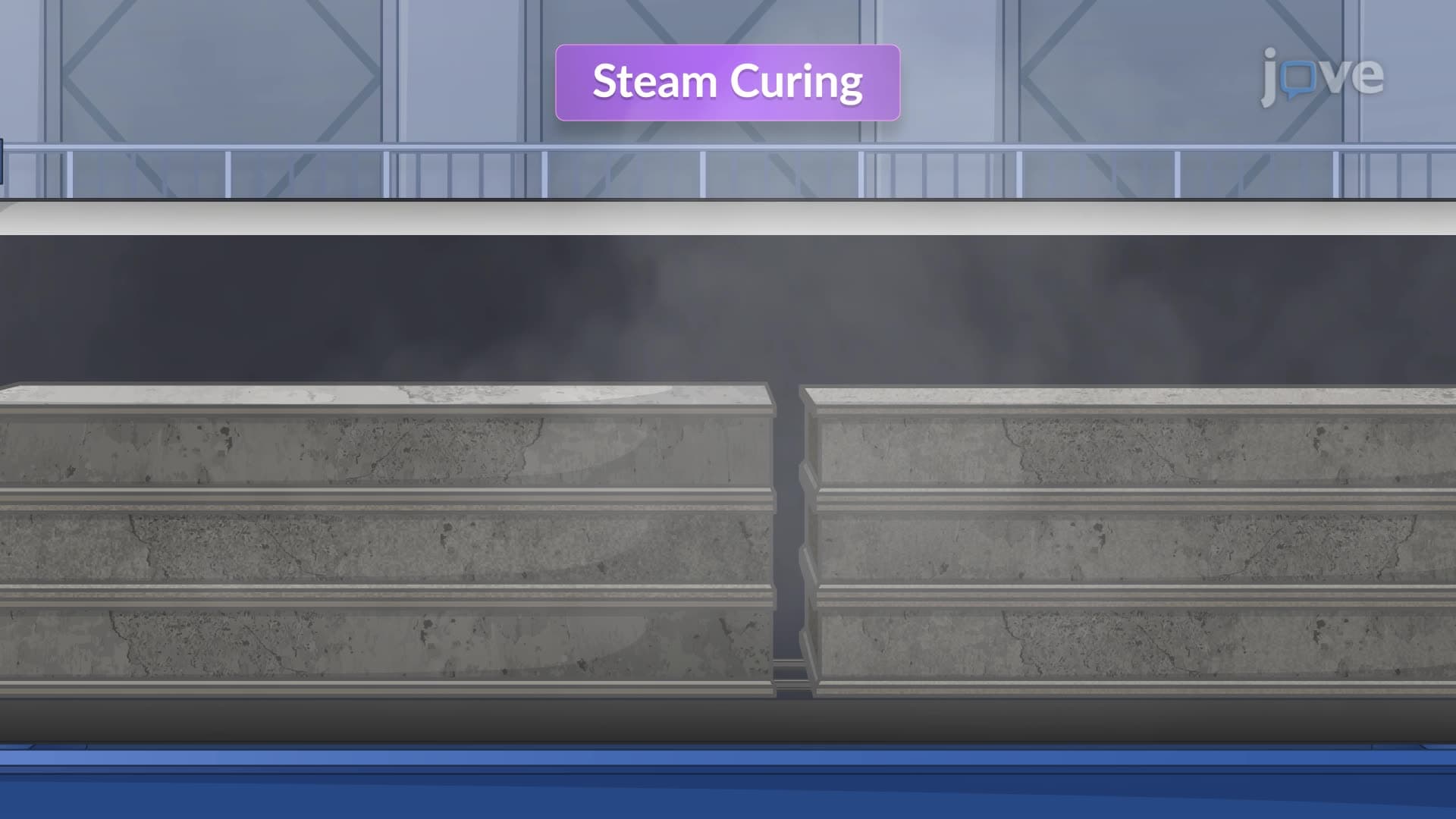
Membrane curing prevents moisture loss through barrier systems rather than continuous water addition. Plastic sheeting, commonly polyethylene films, creates vapor barriers over fresh concrete surfaces. This method gained popularity during the construction of the Interstate Highway System, where rapid construction schedules demanded efficient curing solutions.
Moisture-retaining materials like saturated burlap or specialized curing blankets maintain surface humidity while allowing some air circulation. These prove particularly valuable for vertical surfaces like building walls or bridge piers where ponding isn't feasible. Liquid membrane-forming compounds, applied by spray or brush, create thin protective films that cure into moisture barriers directly on concrete surfaces.
Laboratory and Quality Control Applications
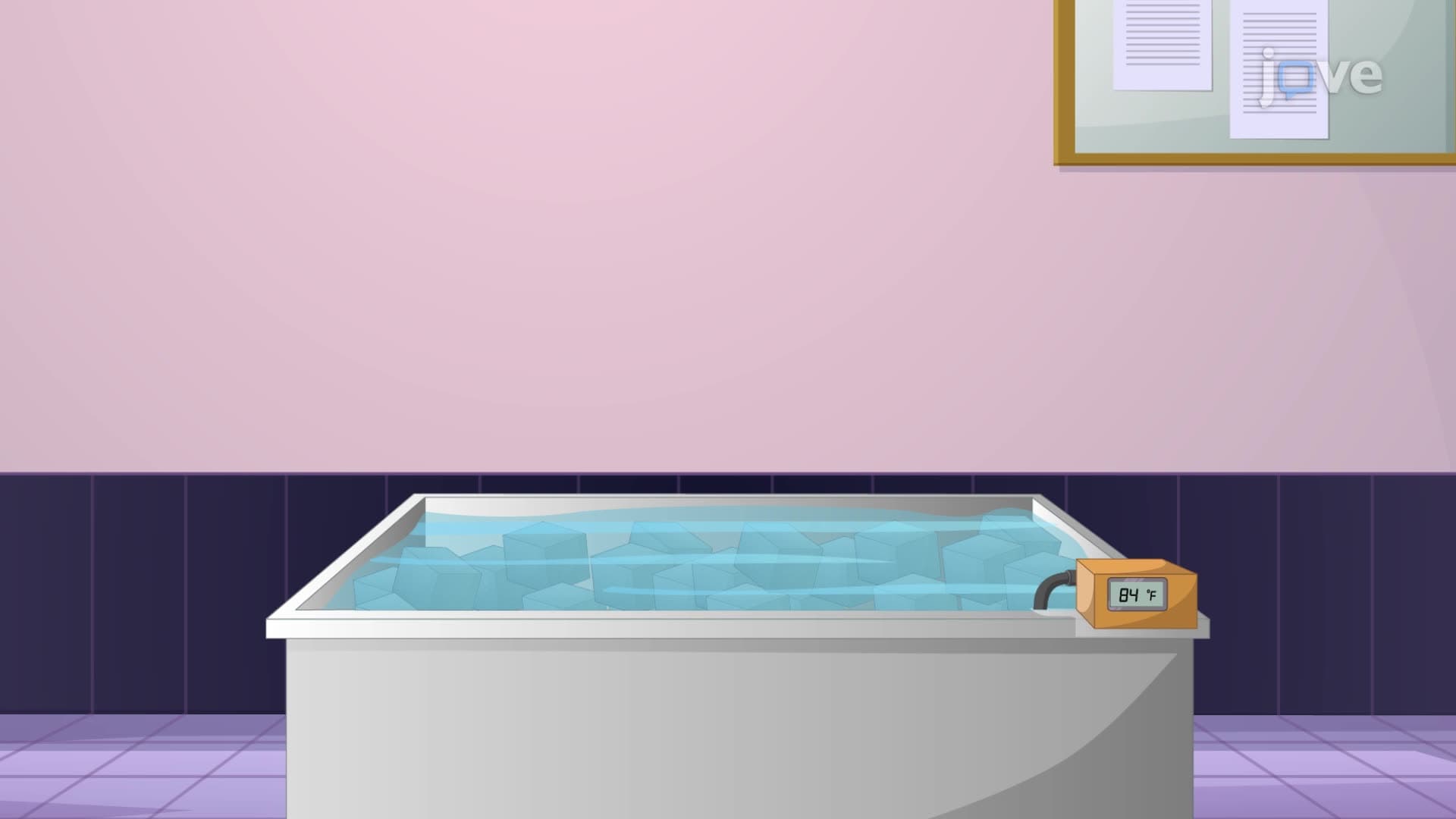
Laboratory curing methods follow standardized procedures essential for concrete testing and quality assurance. Water immersion at controlled temperatures (typically 73°F ± 3°F) provides the reference standard for compressive strength testing required by ASTM standards. These procedures directly relate to AP Chemistry concepts of reaction kinetics and AP Physics principles of material properties, making curing methods relevant across multiple STEM curricula.
Understanding these laboratory methods proves crucial for students pursuing engineering careers, as they form the foundation for quality control in construction projects and appear frequently in college-level materials science courses and professional engineering examinations.
Frequently Asked Questions
Curing methods are systematic techniques for maintaining optimal moisture and temperature conditions during concrete hardening. They ensure complete cement hydration, which directly determines concrete strength, durability, and resistance to cracking. Proper curing can mean the difference between a structure lasting 20 years versus 100 years.
Curing methods demonstrate chemical kinetics principles where water-cement reactions require specific conditions for completion. These concepts appear in AP Chemistry reaction rate problems and form core material in college materials science and civil engineering curricula. Understanding hydration chemistry helps students excel in both theoretical exams and practical engineering applications.
Professional engineering exams frequently test curing method selection based on environmental conditions, project constraints, and concrete specifications. Common questions involve calculating curing duration, selecting appropriate methods for different structural elements, and understanding how improper curing affects long-term performance and safety factors.
Major infrastructure projects like bridge construction use specialized curing techniques tailored to environmental conditions. For example, the Millau Viaduct construction techniques influenced US bridge projects, while high-rise construction in cities like Chicago requires specific curing methods for vertical concrete elements. Highway construction across different climates demonstrates various curing adaptations.
Basic high school chemistry provides sufficient foundation for understanding curing methods. The key concepts involve simple chemical reactions between water and cement, similar to other hydration reactions studied in general chemistry. Students with Algebra II math skills can easily grasp the quantitative aspects of curing calculations.
Focus on understanding the relationship between environmental conditions and method selection rather than memorizing lists. Practice identifying appropriate curing techniques for different scenarios, and connect the concepts to real construction projects you can observe locally. Create comparison charts showing advantages and limitations of each method.
Curing methods serve as an excellent introduction to materials processing, quality control, and durability engineering. These concepts lead naturally to studying other construction materials, corrosion prevention, and sustainable building practices. They also connect to environmental engineering through water management and construction sustainability considerations.
Construction management, structural engineering, materials testing, and quality assurance roles all require understanding of curing methods. These skills are valuable in infrastructure development, building construction, and consulting engineering firms throughout the United States. Many professionals use this knowledge in both design and field supervision roles.
Related Micro-courses
6 Concepts

12 Concepts
6 Concepts