Loading…
Loading video…

10,011 views
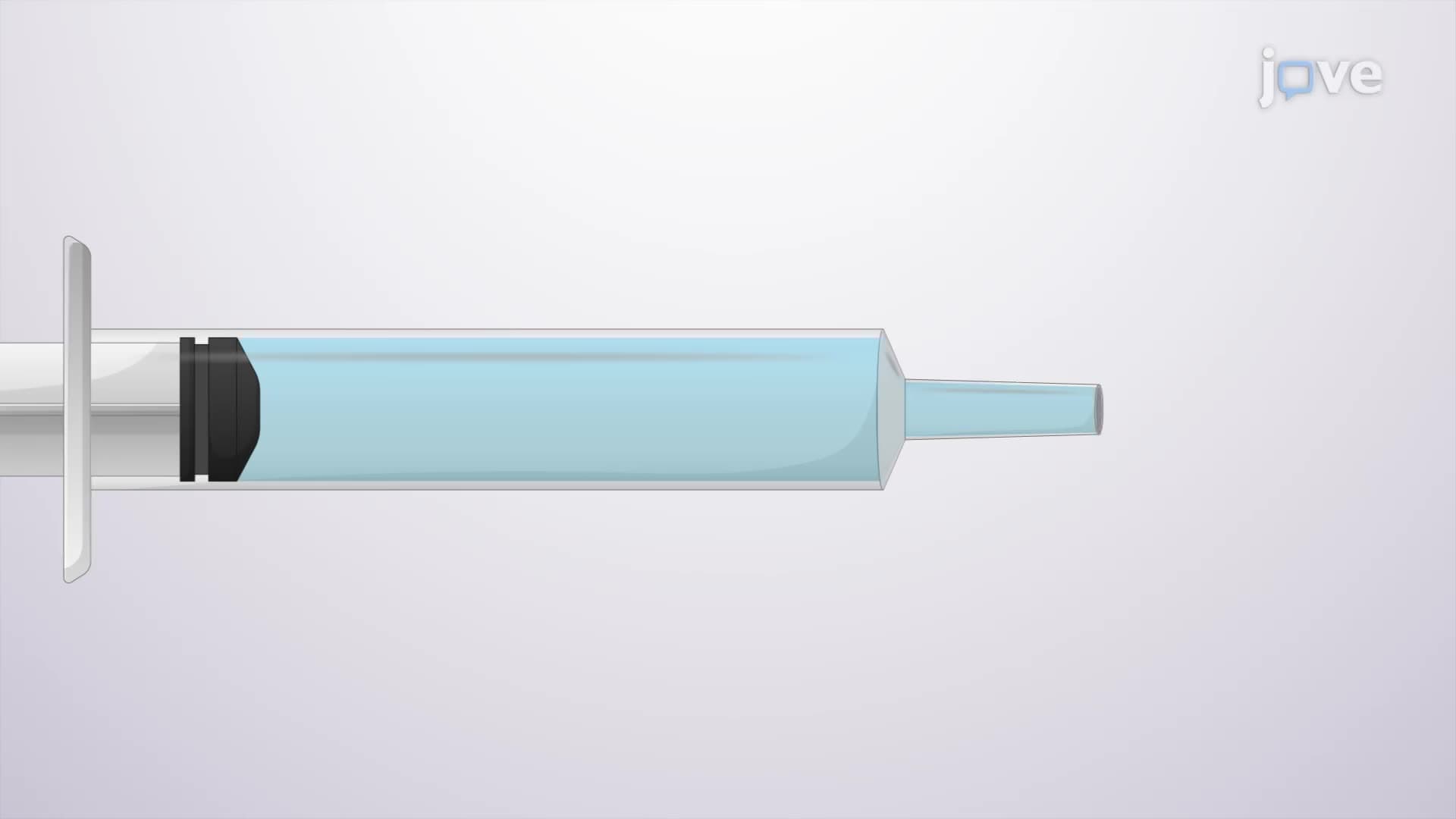
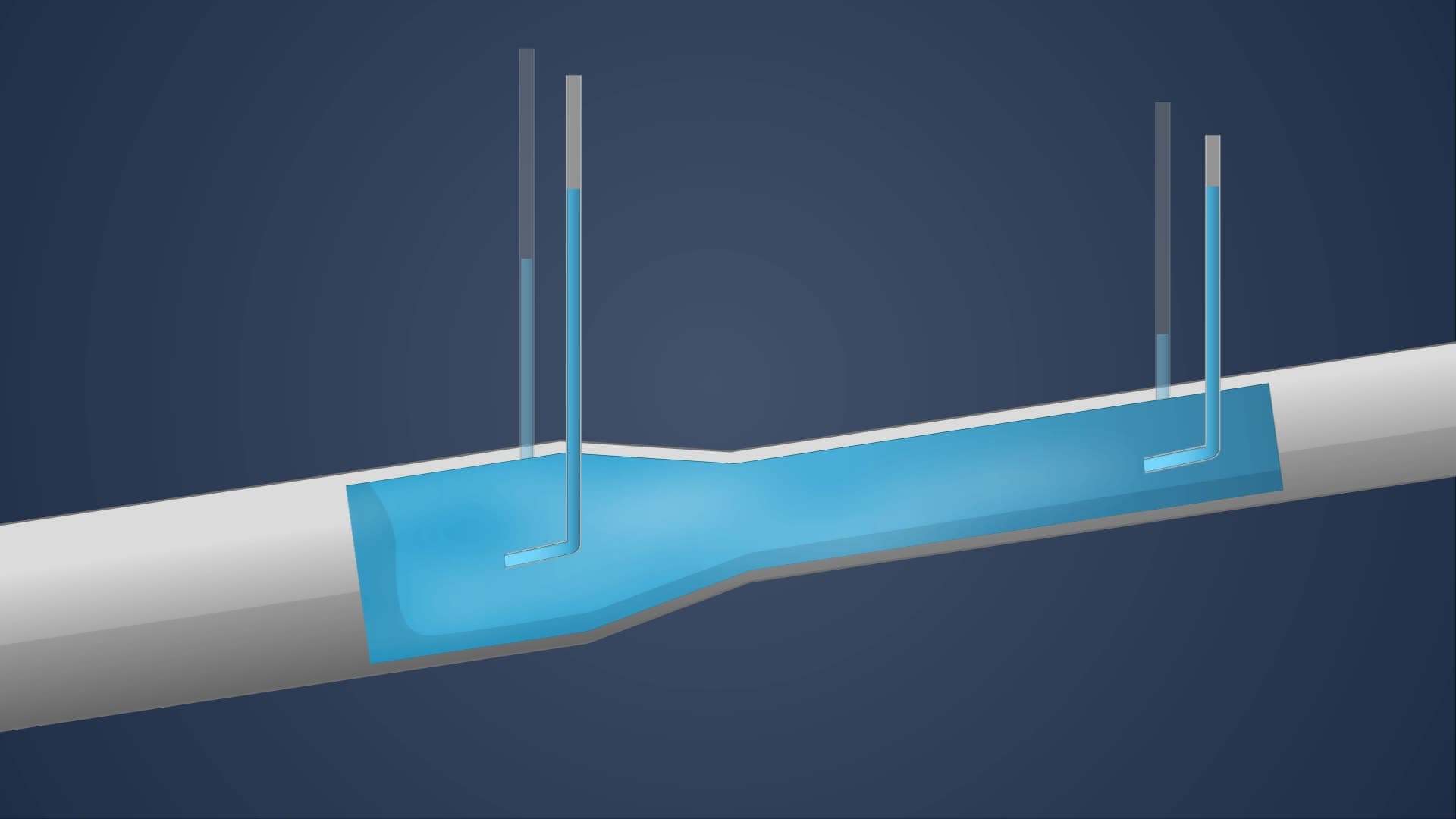
Ever wonder how water flows faster through a garden hose when you partially cover the opening with your thumb? The energy line and hydraulic gradient line principles work alongside the continuity equation to explain this phenomenon in fluid mechanics. In the Mississippi River navigation system, engineers use the continuity equation to predict how water velocity changes as the river narrows or widens, ensuring safe passage for barges carrying billions of dollars in cargo annually. Watch the full video on JoVE Coach to master this concept with expert-led visuals and step-by-step explanations.
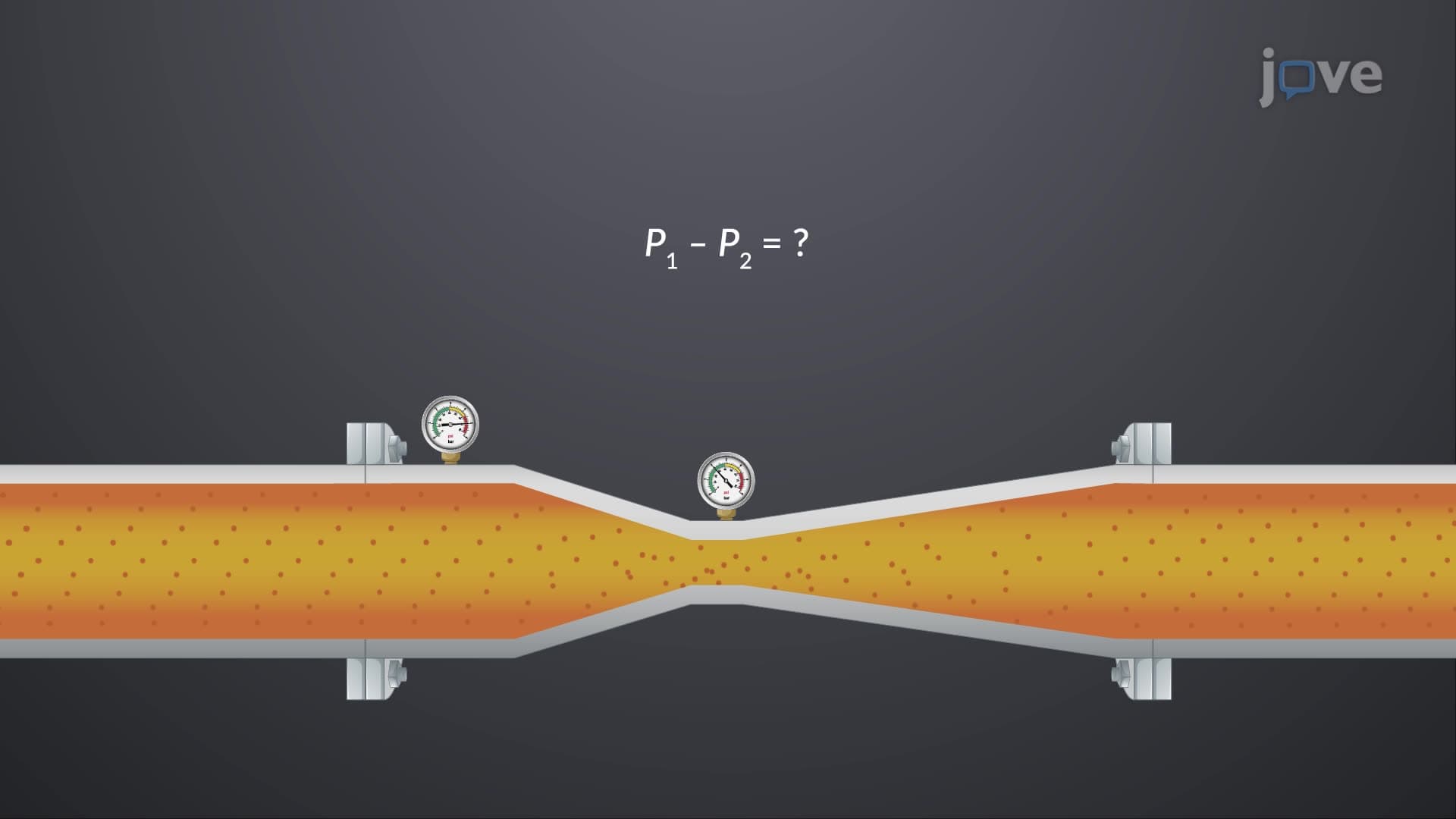
The continuity equation represents one of the most fundamental principles in fluid mechanics, rooted in the law of mass conservation. This principle states that mass cannot be created or destroyed within a flowing system—what flows in must flow out. For incompressible fluids like water, this translates to a beautifully simple relationship: A₁V₁ = A₂V₂, where A represents cross-sectional area and V represents velocity at different points in the flow path.
When studying energy line and hydraulic gradient line concepts, the continuity equation serves as a crucial building block. The energy line represents the total energy per unit weight of fluid, while the hydraulic gradient line shows the sum of pressure and elevation heads. These concepts frequently appear together on AP Physics exams and college fluid mechanics courses, where students must demonstrate understanding of how velocity changes affect energy distribution in piping systems.
Consider the California State Water Project, which transports water over 400 miles from Northern California to Southern California. Engineers use continuity equations to design aqueducts that maintain optimal flow rates despite dramatic elevation and cross-sectional changes. When water enters a narrower section, velocity increases proportionally to maintain constant volumetric flow rate.
Municipal water distribution systems across the United States rely heavily on continuity equation principles. In New York City's water supply system, which serves over 8 million people, engineers apply these concepts when designing pipe networks that branch from large transmission mains to smaller distribution lines. As water moves from 6-foot diameter tunnels to 12-inch residential service lines, the continuity equation predicts velocity increases that help maintain adequate pressure throughout the system.
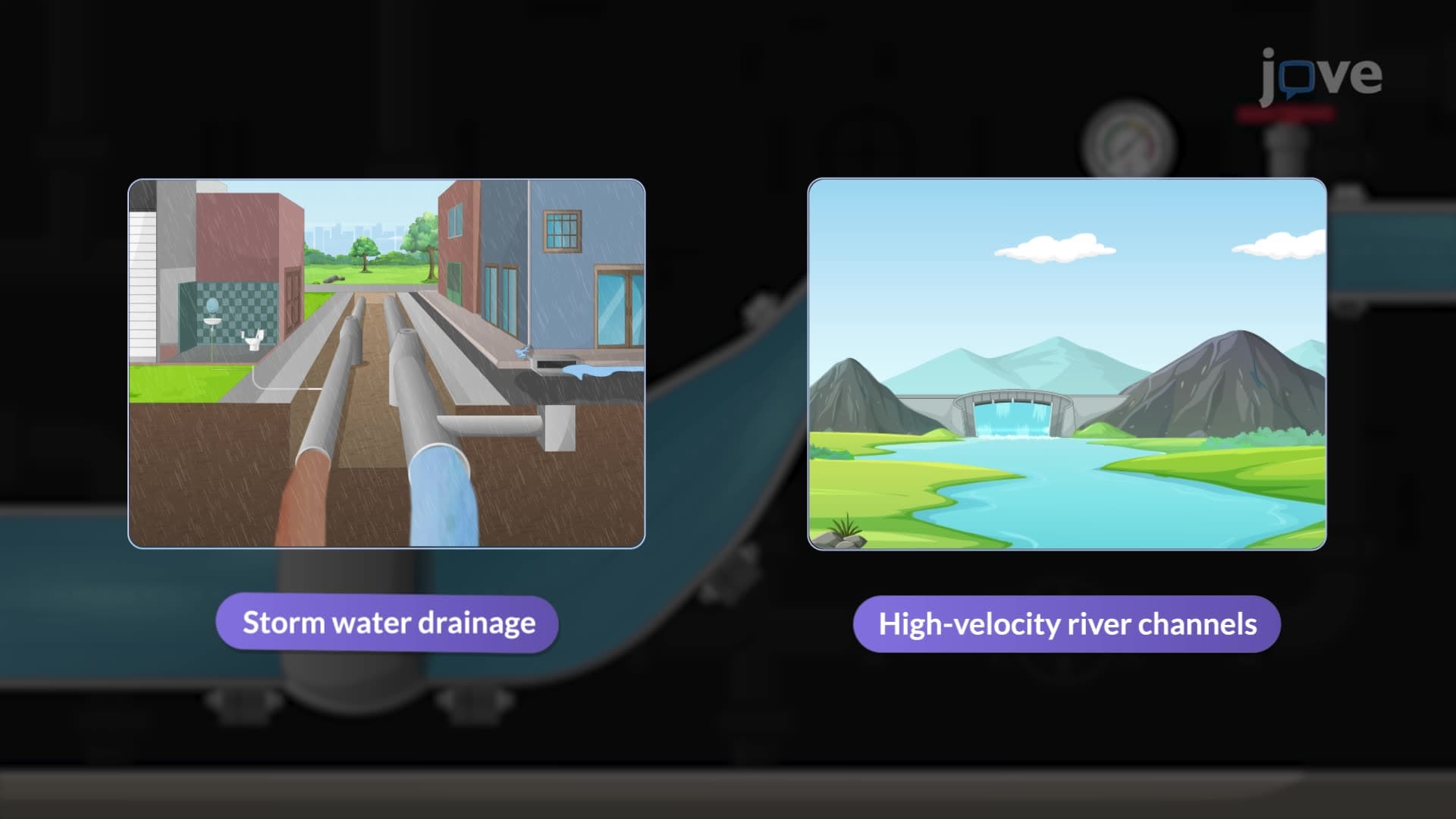
Stormwater management represents another critical application area. Houston's post-Hurricane Harvey flood control improvements incorporate continuity equation calculations to design detention basins that temporarily store excess runoff. The equation ensures that outflow rates match designed capacity limits, preventing downstream flooding while accommodating peak inflow rates during severe weather events.
Understanding the continuity equation provides essential preparation for advanced topics including Bernoulli's equation, friction losses, and pump system design. College engineering programs typically introduce this concept in introductory fluid mechanics courses, building toward more complex applications in senior-level hydraulic engineering and environmental systems design classes.
Frequently Asked Questions
The continuity equation is a fundamental principle stating that mass flow rate remains constant in a steady flow system for incompressible fluids. It's expressed as A₁V₁ = A₂V₂, meaning when area decreases, velocity increases proportionally. This principle is essential for designing water systems, predicting flow behavior, and solving engineering problems involving pipes, channels, and natural waterways.
AP Physics C and college fluid mechanics exams commonly feature continuity equation problems involving pipe flow, nozzles, and venturi meters. Students typically solve for unknown velocities or areas when given partial information. Practice problems often combine continuity with Bernoulli's equation or pressure calculations, requiring multi-step solutions that demonstrate understanding of interconnected fluid mechanics principles.
The MCAT Physical Sciences section may test continuity equation understanding alongside circulatory system applications. Blood flow through arteries follows continuity principles—when vessels narrow due to plaque buildup, blood velocity increases to maintain flow rate. This connects to energy considerations and pressure changes that affect cardiovascular health, demonstrating real-world medical applications of fluid mechanics.
Major US water projects like the Colorado River Aqueduct and Florida's Everglades restoration rely on continuity equation calculations. Engineers use these principles to design canal systems, spillways, and pumping stations that maintain consistent water delivery despite varying channel geometries. The equation helps predict flow behavior in the Sacramento-San Joaquin Delta water conveyance systems serving millions of Californians.
The continuity equation is actually one of the more accessible fluid mechanics concepts because it relies on straightforward algebra rather than complex calculus. Students who understand basic algebraic manipulation can quickly grasp A₁V₁ = A₂V₂ relationships. The concept builds naturally on everyday observations like water flowing from a hose or faucet, making it relatable and intuitive.
Focus on practicing diverse problem types involving pipes, nozzles, and open channels with different geometries. Create a systematic approach: identify known variables, apply A₁V₁ = A₂V₂, solve algebraically, and check units for consistency. Work through problems involving multiple pipe sections and practice combining continuity with Bernoulli's equation for comprehensive fluid mechanics problem-solving skills.
Quality tutorials demonstrate continuity equation applications through visual representations showing how velocity vectors change along flow paths. They connect continuity to energy line slopes and hydraulic gradient variations, illustrating how velocity changes affect pressure distribution. These tutorials often include step-by-step problem solutions and real-world examples from municipal water systems and industrial applications.
Students should progress to Bernoulli's equation, which combines continuity with energy conservation principles. Advanced topics include friction losses in pipe networks, pump and turbine applications, and computational fluid dynamics basics. These concepts build naturally on continuity equation foundations and prepare students for professional engineering practice in water resources, environmental systems, and mechanical design fields.
Related Micro-courses


Related Subjects
 Electrical Engineering 33 micro-courses›Mechanical Engineering 28 micro-courses›