Loading subject page…

- Electrical Engineering
- Ac Steady State Power
- Conservation of AC Power
Micro-course: AC Steady State Power
5,215 views
Learn key concepts and earn your certificate.

Conservation of AC Power

00:00
01:15
Video Summary: What Is Conservation of Ac Power
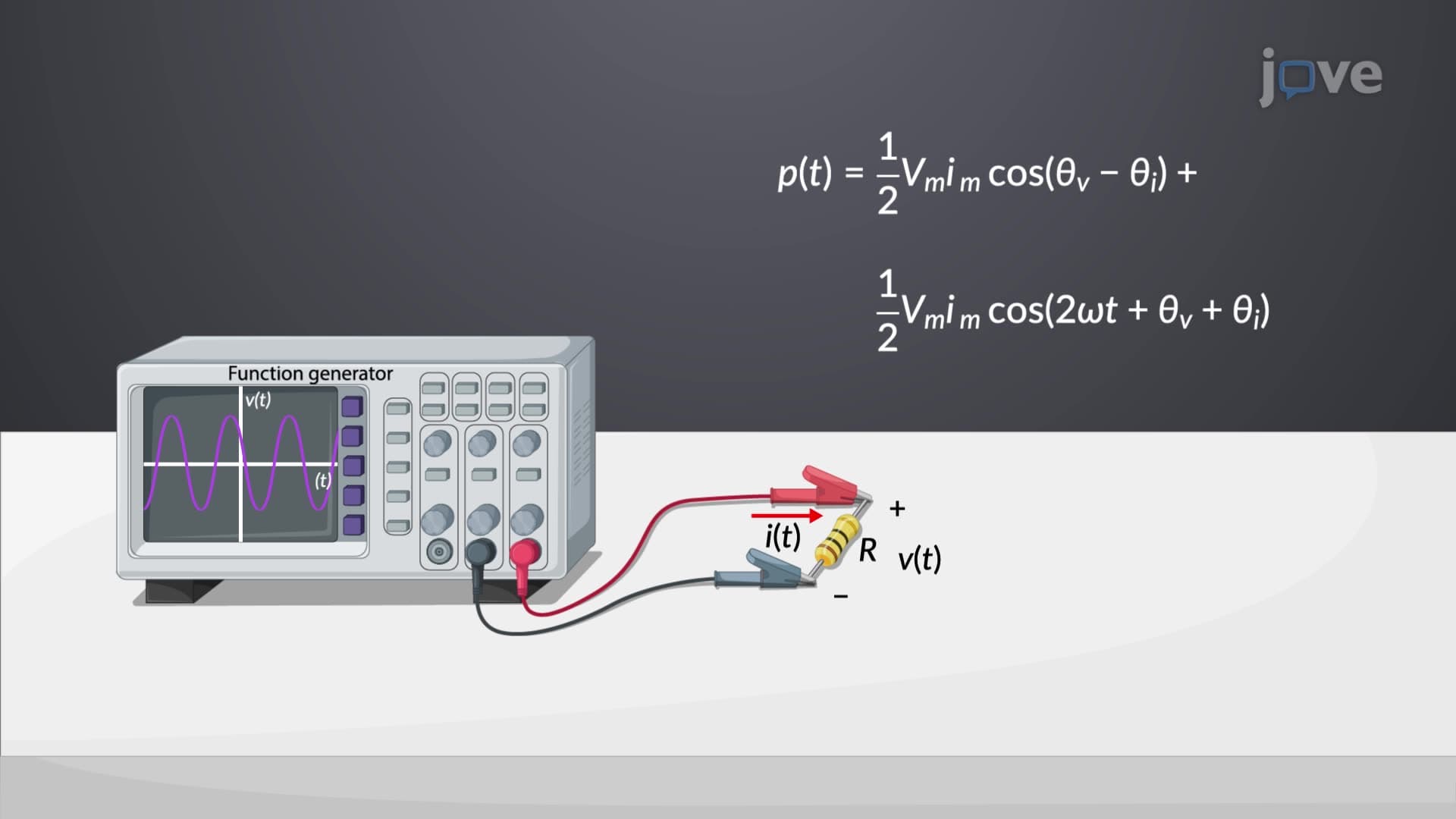
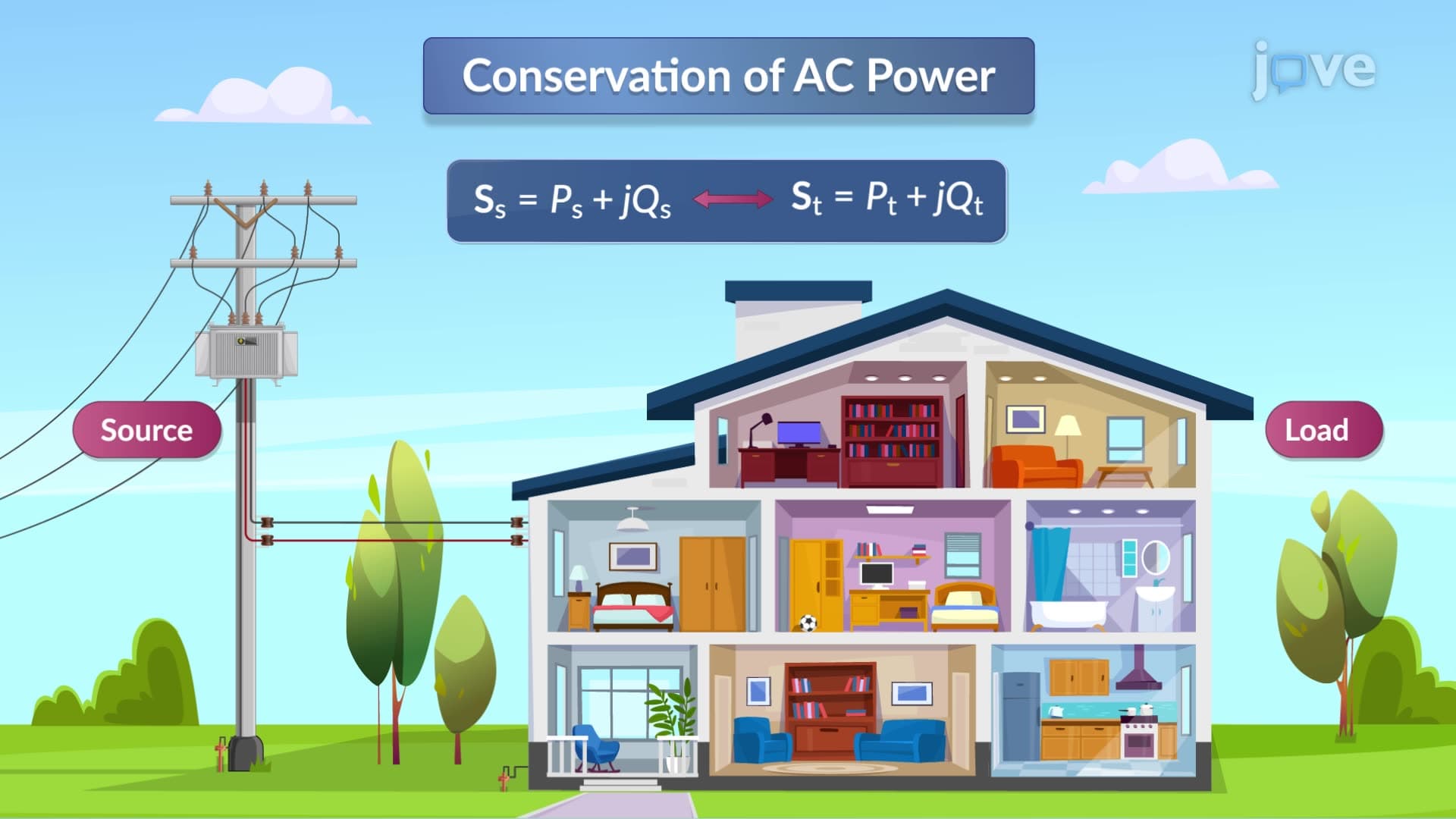
Why do power grids across the United States never "lose" electrical energy during transmission? The answer lies in understanding power factor and the fundamental principle that governs all AC circuits. Conservation of AC Power demonstrates that electrical energy generated at power plants like the Hoover Dam equals exactly what homes and businesses consume, accounting for both active power (doing work) and reactive power (stored in magnetic fields). This principle applies whether electrical loads connect in series or parallel configurations. Watch the full video on JoVE Coach to master this concept with expert-led visuals and step-by-step explanations.
- Understand what Conservation of AC Power means and how it governs electrical energy distribution in AC circuits
- Identify the relationship between complex power, real power, and reactive power in electrical systems
- Analyze how total impedance affects current flow and power calculations in AC circuits
- Compare power consumption patterns between series and parallel load configurations
- Evaluate power factor values to determine circuit efficiency and energy waste
- Apply complex conjugate mathematics to calculate power values in AC circuit analysis
- Recognize real-world applications of power conservation in electrical grid systems and industrial equipment
- Explore how voltage drops across individual loads contribute to overall circuit power balance
Understanding Conservation of AC Power Fundamentals
Conservation of AC Power represents one of the most critical principles in electrical engineering, stating that the total power generated by AC sources exactly equals the power consumed by all connected loads. This principle extends beyond simple energy conservation by accounting for three distinct types of power: real power (measured in watts), reactive power (measured in volt-amperes reactive), and complex power (the vector sum of both components).
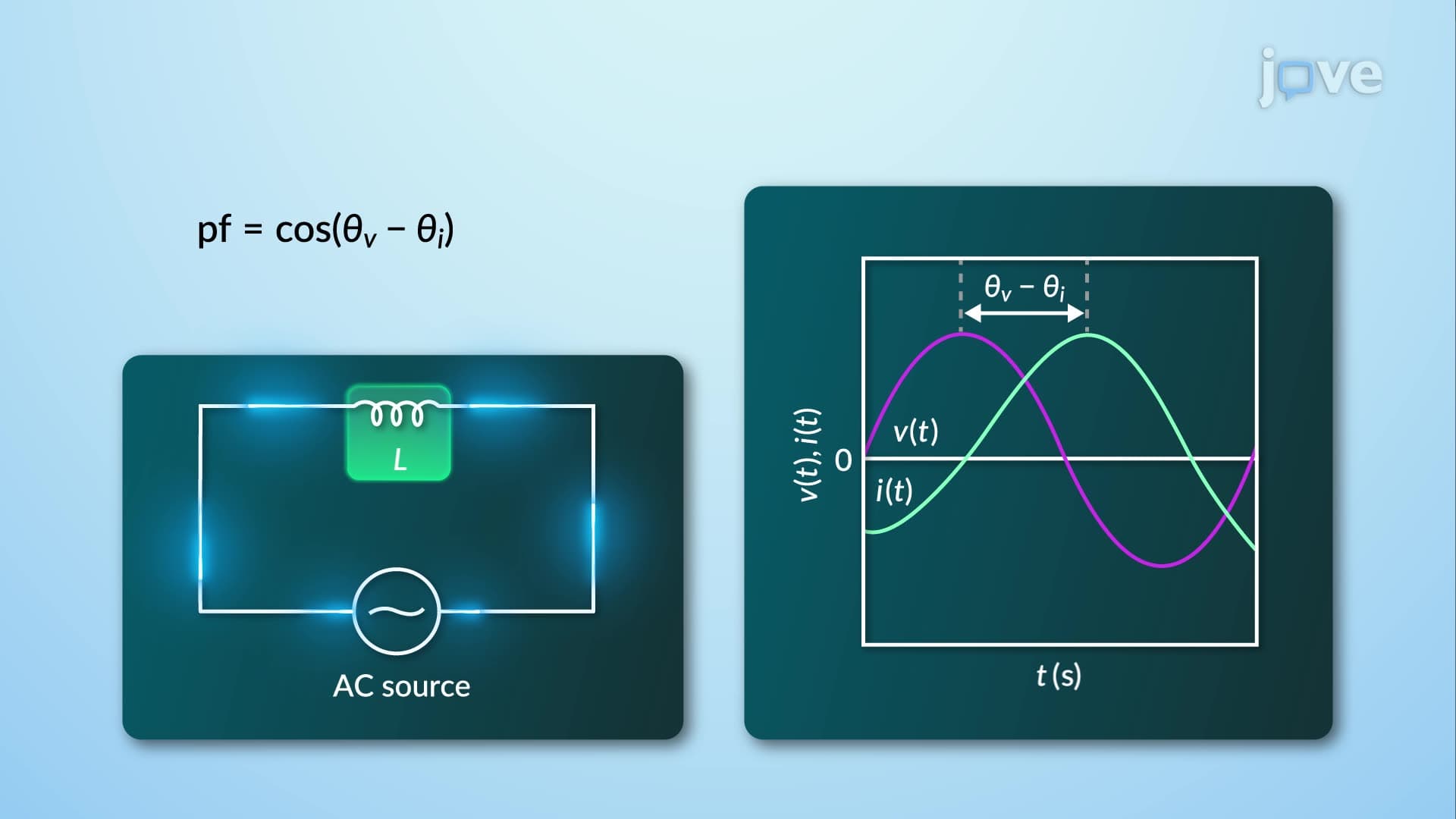
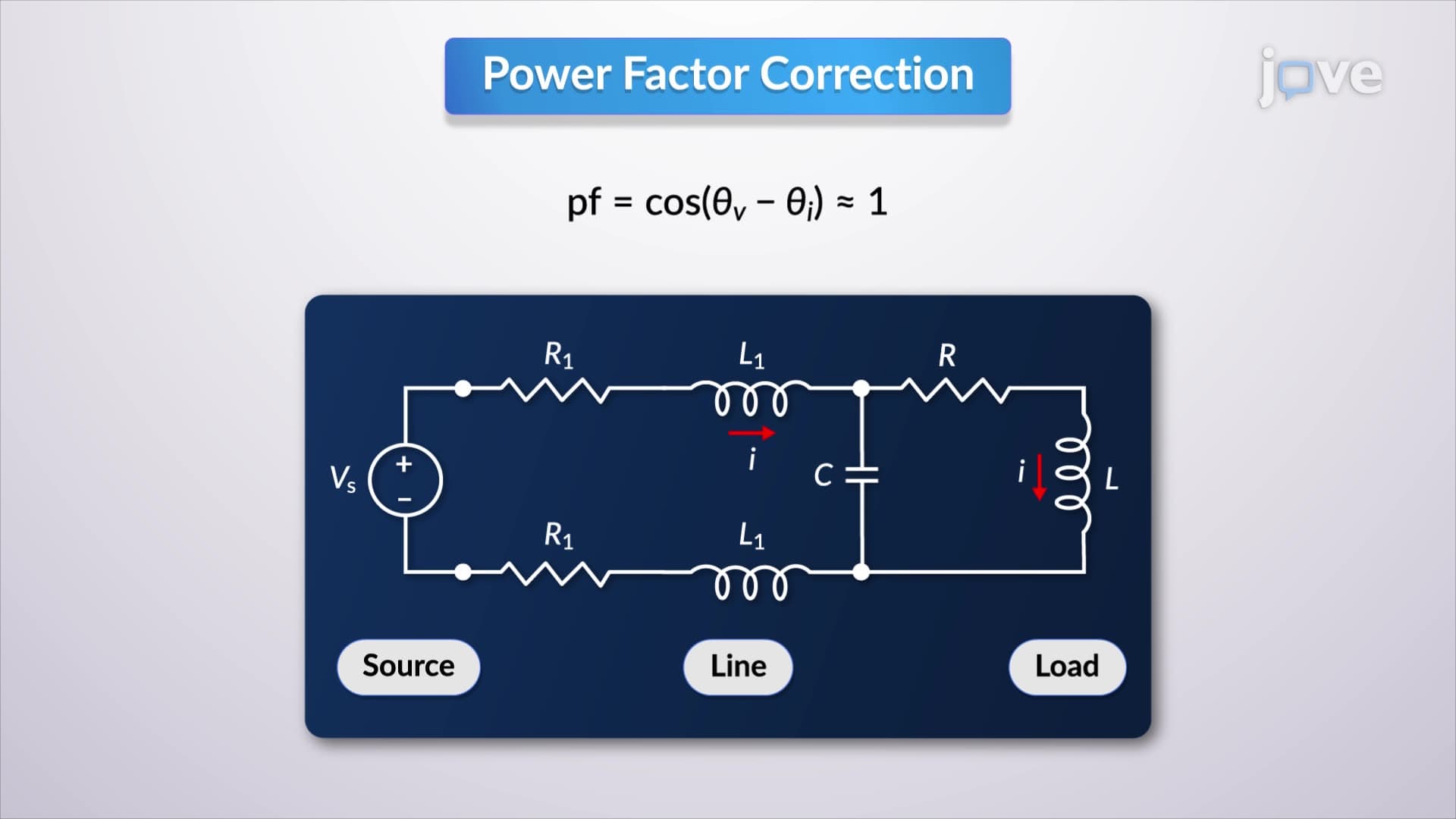
The power factor serves as a crucial measurement in this conservation principle, defined as the ratio of real power to apparent power in an AC circuit. A power factor of 1.0 indicates perfect efficiency, while lower values suggest energy waste through reactive components like inductors and capacitors.
Mathematical Framework and Circuit Analysis
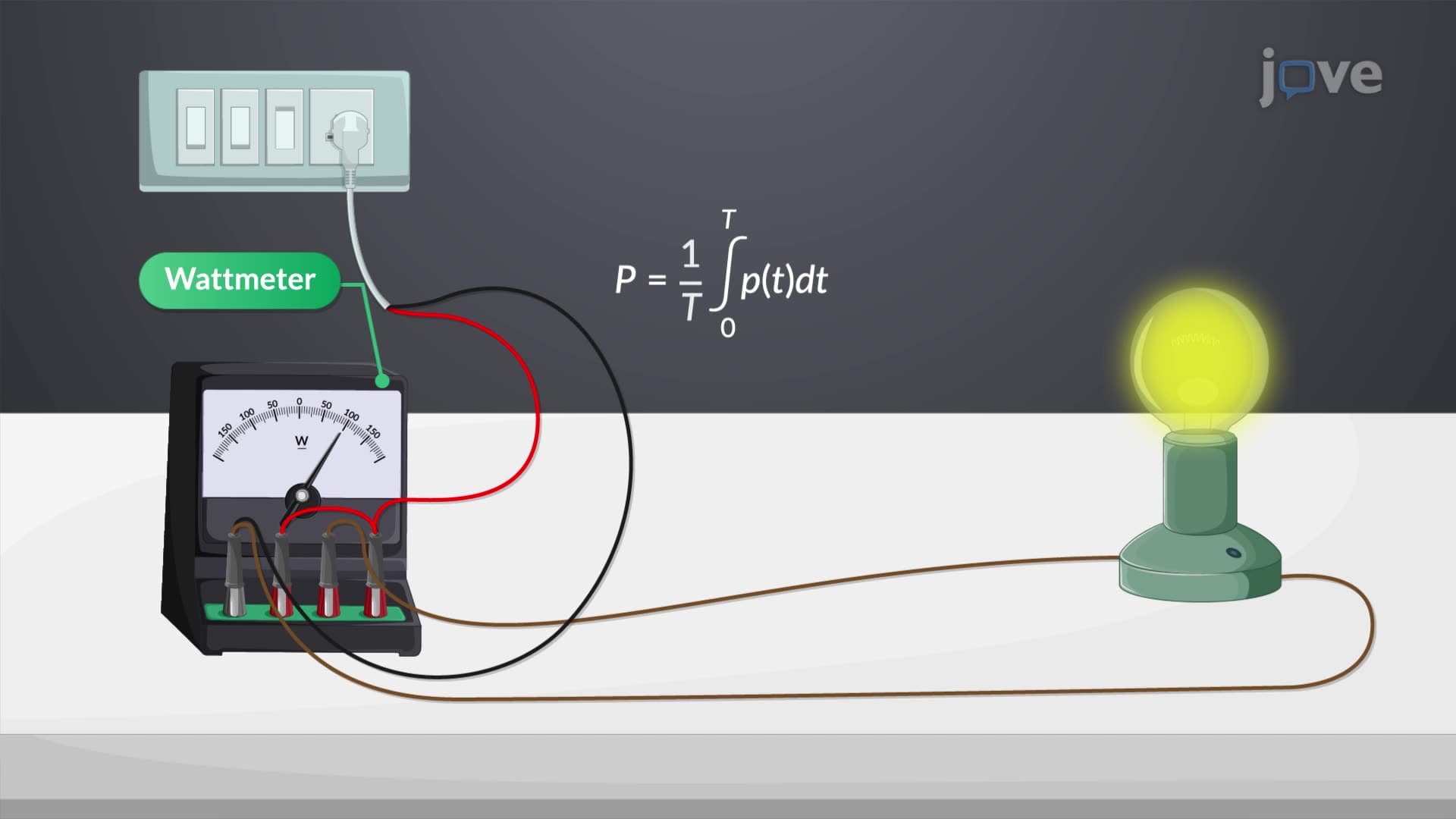
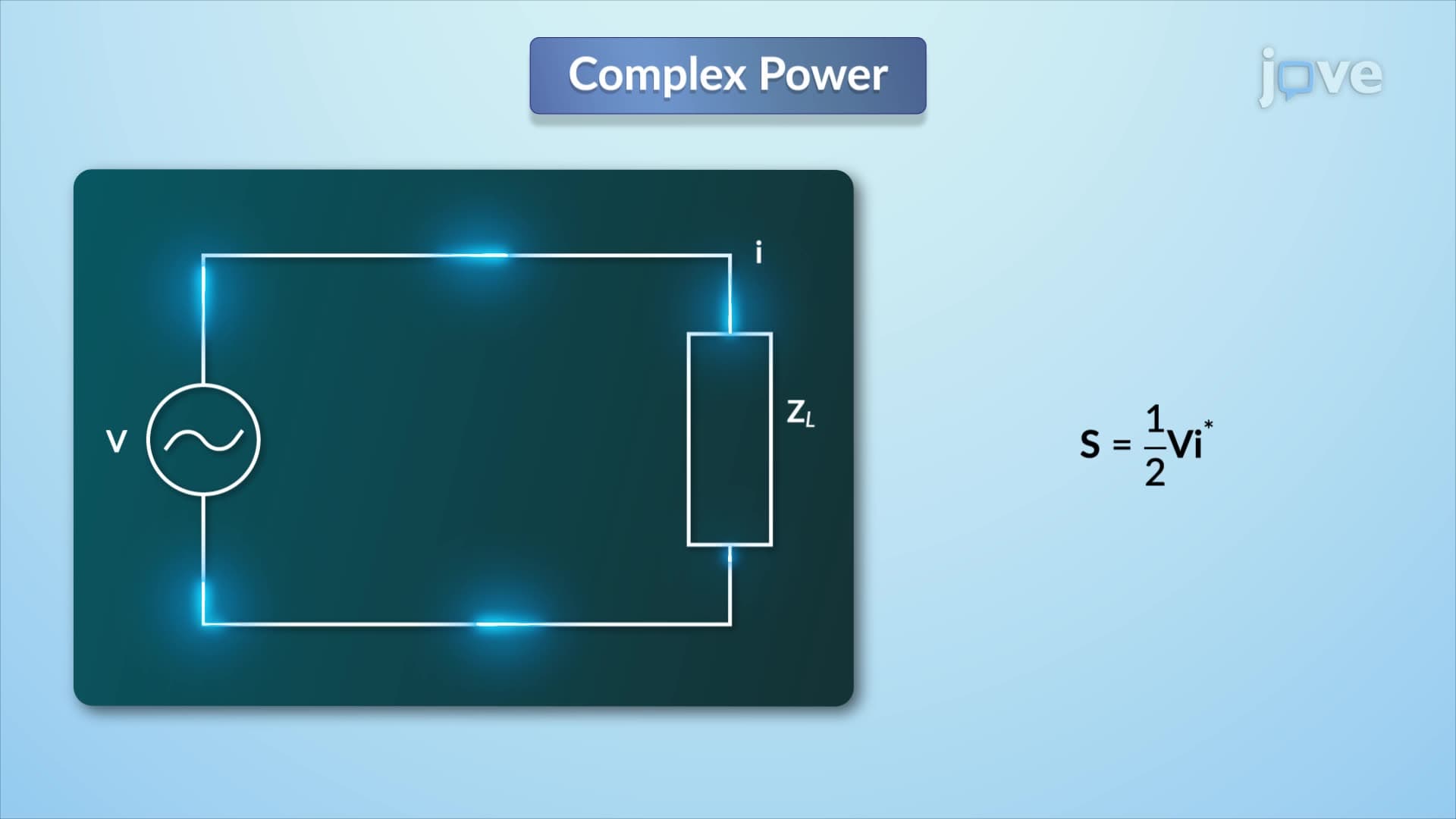
AC power conservation relies on complex number mathematics to track both magnitude and phase relationships. Engineers calculate total circuit impedance first, then determine source current using Ohm's law for AC circuits. The complex power equation P = VI* (where I* represents the complex conjugate of current) allows separation of real and imaginary components.
This mathematical approach proves essential for students preparing for AP Physics exams and college-level electrical engineering courses. The College Board frequently tests these concepts through circuit analysis problems requiring power calculations across multiple loads.
Real-World Applications in US Infrastructure
American electrical utilities depend on power conservation principles to maintain grid stability. For example, Pacific Gas & Electric monitors power factor across California's transmission network, ensuring generated power matches consumption while minimizing reactive power penalties. Industrial facilities like Boeing's manufacturing plants use power factor correction equipment to optimize efficiency and reduce utility costs.
Understanding these principles helps students pursuing engineering careers at institutions like MIT, Stanford, or Georgia Tech. Many internship programs at companies like General Electric specifically seek students familiar with AC power analysis and power factor optimization.
Series vs. Parallel Load Configurations
The conservation principle holds regardless of how electrical loads connect within circuits. Series configurations share current while dividing voltage, whereas parallel arrangements share voltage while dividing current. Both scenarios demonstrate that source power equals the sum of individual load powers when properly calculated using complex power mathematics.
This concept frequently appears on MCAT physics sections and electrical engineering midterm examinations, particularly in problems involving household electrical systems or industrial motor drives.
Frequently Asked Questions
Conservation of AC Power states that total electrical power generated by sources equals power consumed by all loads in AC circuits. This principle ensures energy balance in electrical systems and helps engineers design efficient power distribution networks. It's fundamental to understanding how electrical grids operate and maintain stability across varying load conditions.
Power factor measures the efficiency of AC power usage by comparing real power (doing actual work) to apparent power (total power drawn). The conservation principle accounts for both real and reactive power components, making power factor crucial for understanding energy waste. Poor power factor indicates energy circulating between source and load without performing useful work.
Yes, AP Physics C: Electricity and Magnetism frequently includes AC circuit analysis problems involving power calculations and energy conservation. Students typically see questions requiring complex impedance calculations and power factor determinations. The College Board emphasizes understanding both mathematical relationships and physical interpretations of power conservation.
Engineers apply power conservation when sizing transformers, determining wire gauges, and calculating electrical loads for commercial buildings like those in Manhattan or San Francisco. They ensure generated capacity matches consumption while accounting for power factor penalties. This principle helps optimize energy costs and prevent electrical system overloads.
You need comfort with complex numbers, trigonometry, and basic calculus concepts typically covered in Algebra II and Pre-Calculus courses. Most high school students can grasp these concepts with proper foundation in imaginary numbers and vector mathematics. The physics concepts build naturally from DC circuit analysis skills.
Practice circuit analysis problems involving complex impedance calculations and power factor corrections regularly. Focus on understanding both mathematical procedures and physical interpretations of results. Create summary sheets connecting power conservation to real electrical systems like those found in university laboratories or industrial facilities.
Advanced studies include three-phase power systems, power electronics, and electrical machine theory commonly taught in electrical engineering programs. These topics expand power conservation concepts to rotating machinery, motor drives, and utility-scale power generation systems. Many students pursue specializations in power systems engineering at universities like Purdue or Virginia Tech.
Energy conservation laws apply universally regardless of circuit configuration, as the total energy supplied must equal energy consumed. Series and parallel arrangements only change how voltage and current distribute among components, not the fundamental energy balance. Mathematical analysis using complex power calculations confirms conservation in both cases.
Related Micro-courses