Loading…
Loading video…

6,505 views
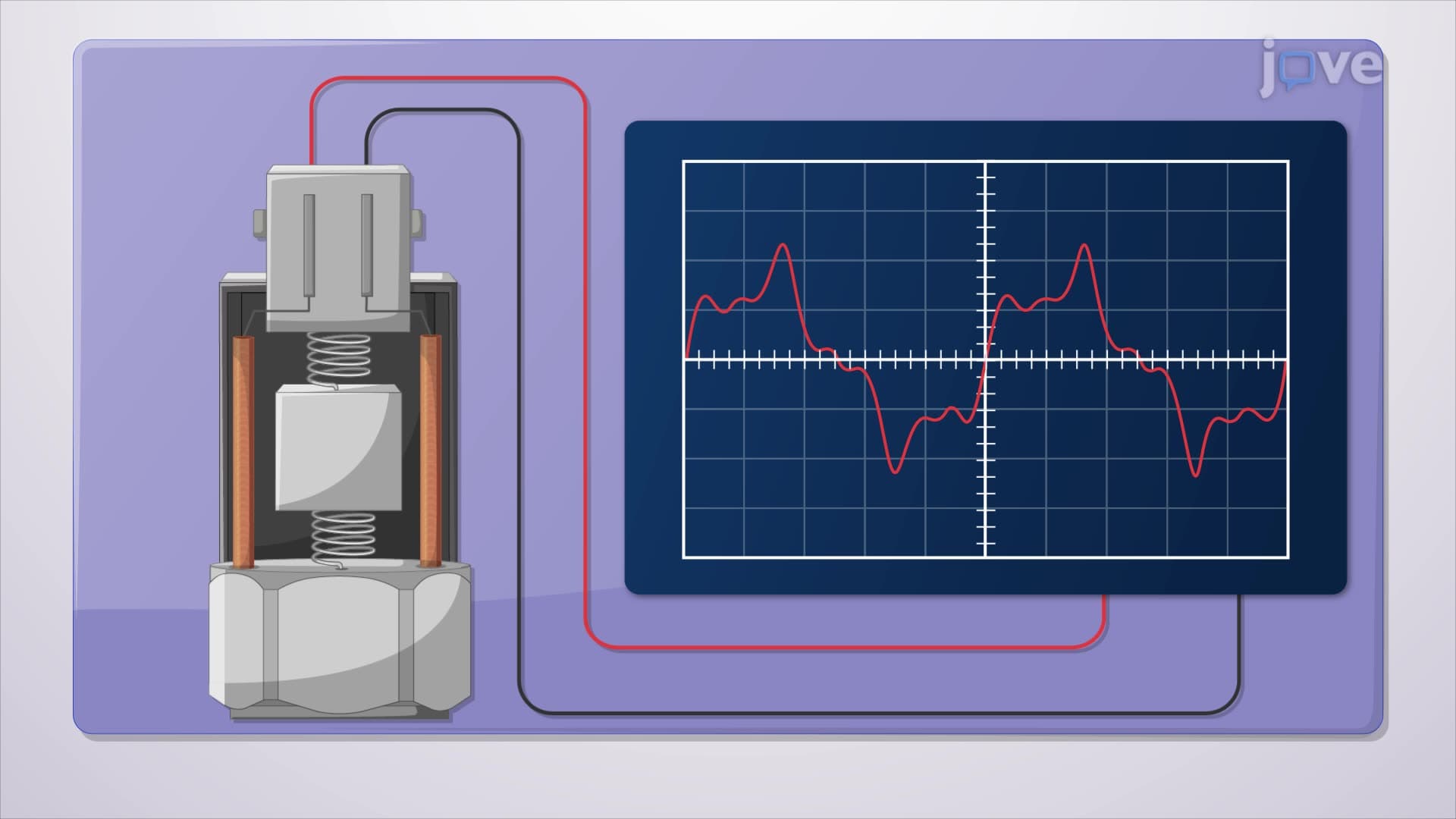
When engineers analyze bridge vibrations after earthquakes or NASA scientists process radio telescope data, they rely on the fast Fourier transform to decode complex signals. The Discrete Fourier Transform breaks down any digital signal—like data from a vibration sensor monitoring California's Golden Gate Bridge—into simple sine and cosine waves, revealing hidden frequency patterns that could indicate structural problems. Watch the full video on JoVE Coach to master this concept with expert-led visuals and step-by-step explanations.
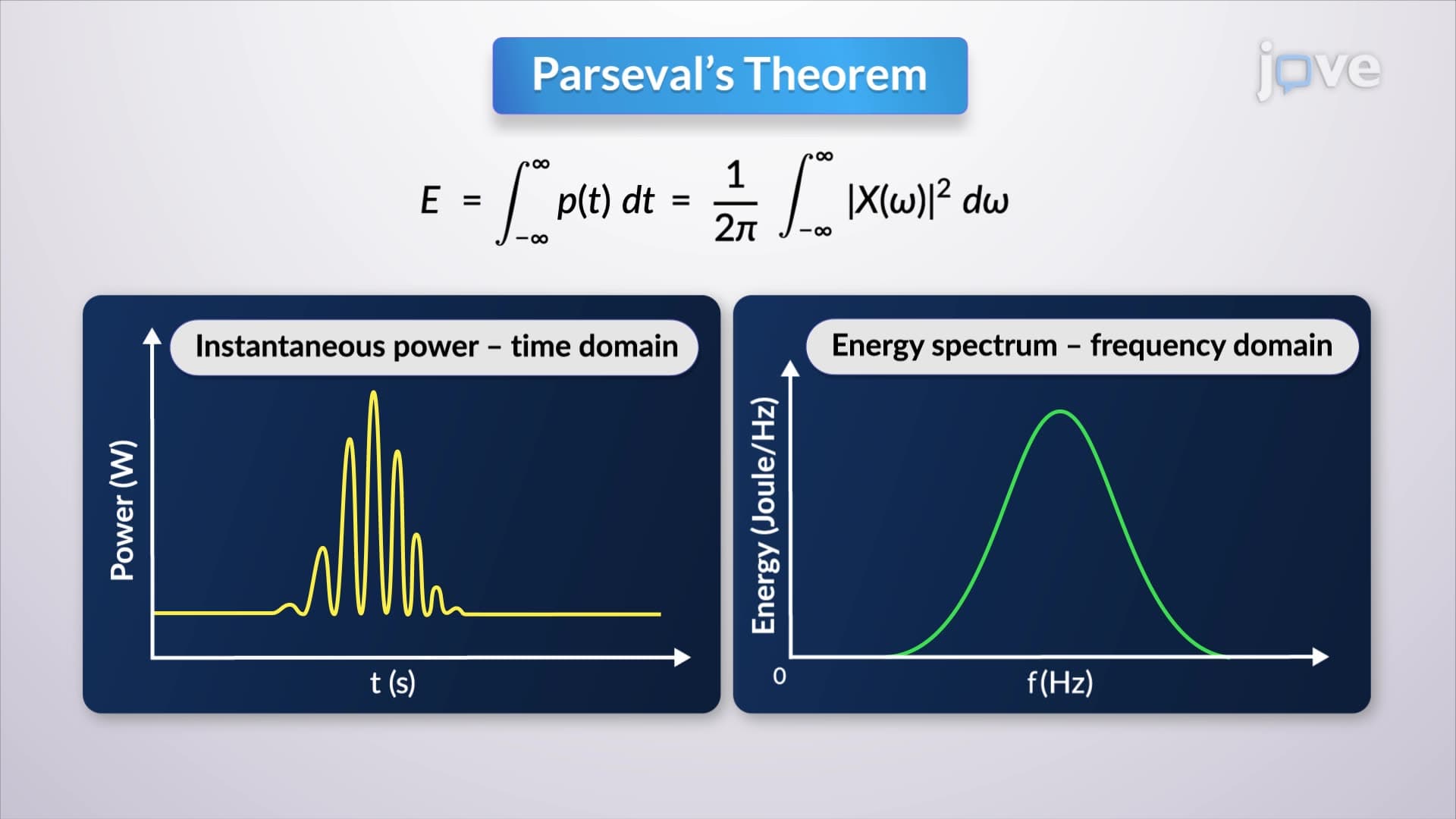
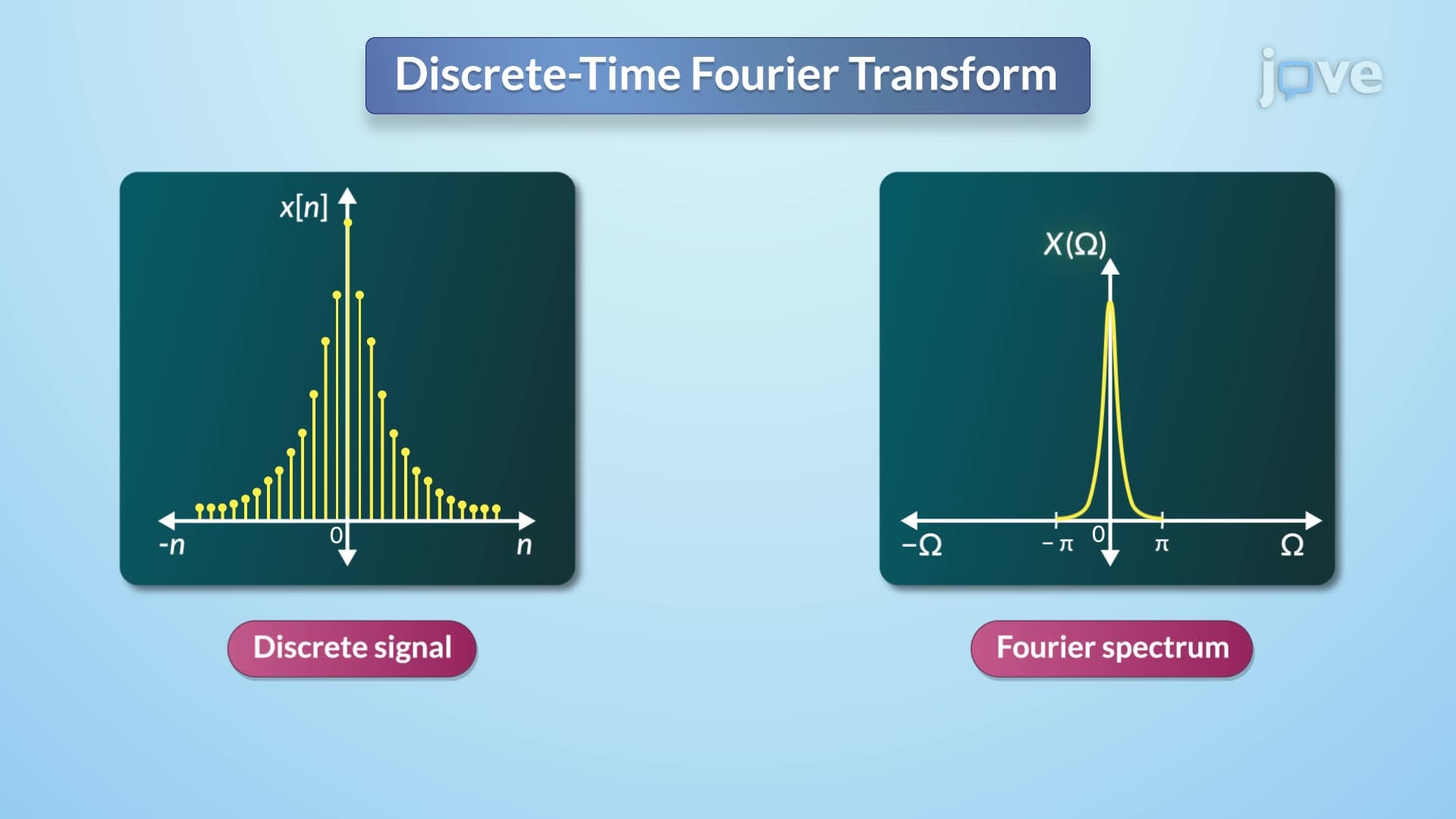
The Discrete Fourier Transform serves as a mathematical bridge between how we naturally think about signals (as they change over time) and how computers can efficiently analyze them (by breaking them into frequency components). Unlike its continuous counterpart, the DFT works exclusively with discrete data points—the kind of information that digital sensors, smartphones, and laboratory equipment actually collect.
Real-world signals are inherently continuous, but our measurement tools capture them as snapshots at regular intervals. Consider seismographs monitoring earthquake activity along the San Andreas Fault: these instruments sample ground motion thousands of times per second, creating discrete data points that represent continuous earth movement. The fast Fourier transform algorithm processes these discrete measurements to identify specific frequency signatures that distinguish between different types of seismic events.
The DFT formula expresses any finite sequence of data points as a sum of complex exponentials, each corresponding to a specific frequency. When X(k) yields a large value for a particular frequency k, it indicates that the original signal contains strong components at that frequency. This mathematical relationship proves essential for students preparing for AP Physics or college-level signal processing courses, where understanding frequency domain analysis becomes crucial for solving wave mechanics and electronics problems.
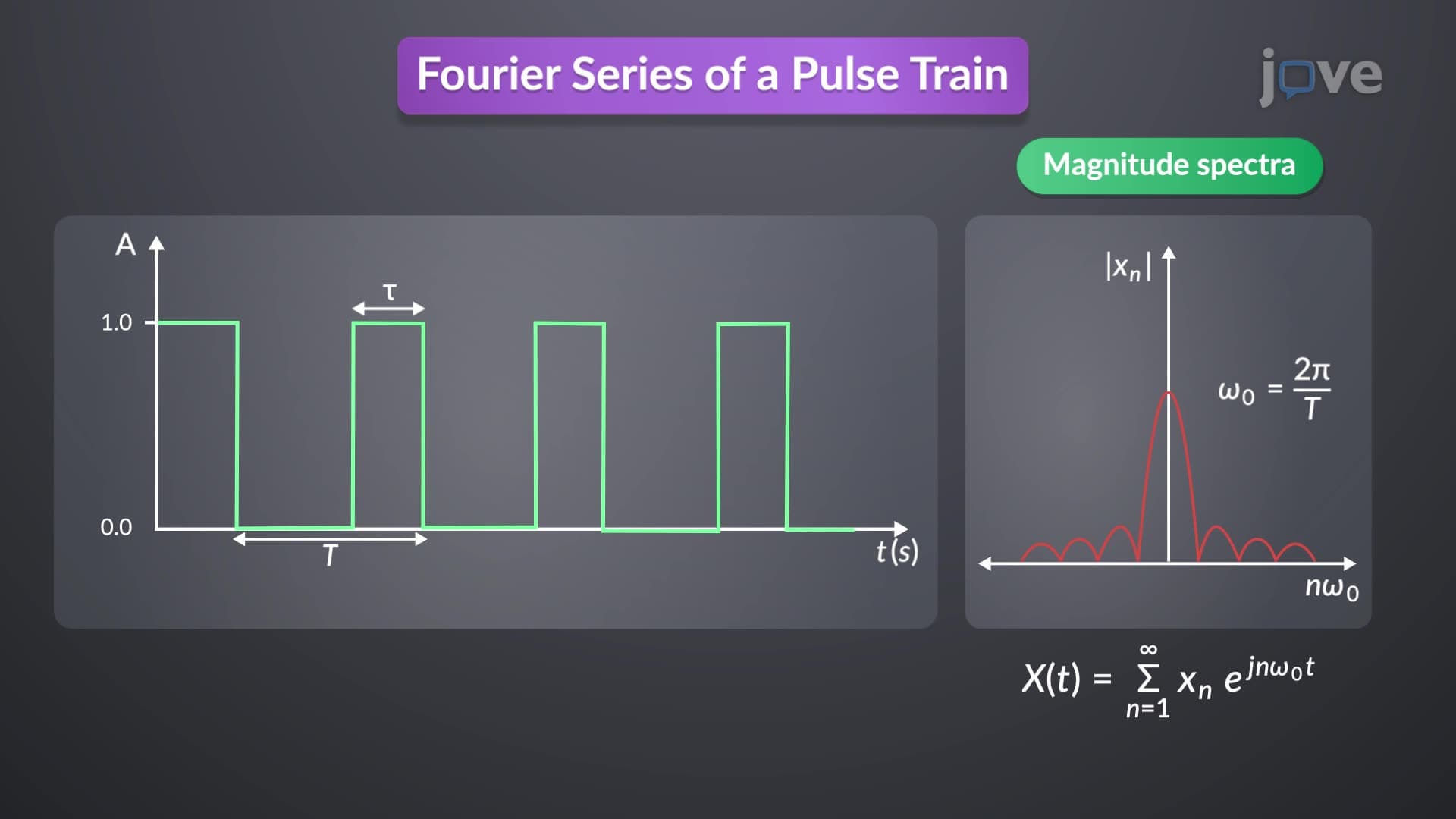
The amplitude spectrum—visualized as a bar graph—reveals which frequencies dominate a signal. Each bar's height represents the strength of a particular frequency component after normalization. For instance, when analyzing audio recordings for music production at institutions like Berklee College of Music, engineers use DFT amplitude spectra to identify problematic frequencies, enhance desired harmonics, or design equalizers. This visual representation makes complex mathematical concepts accessible to students who might struggle with abstract frequency domain thinking.
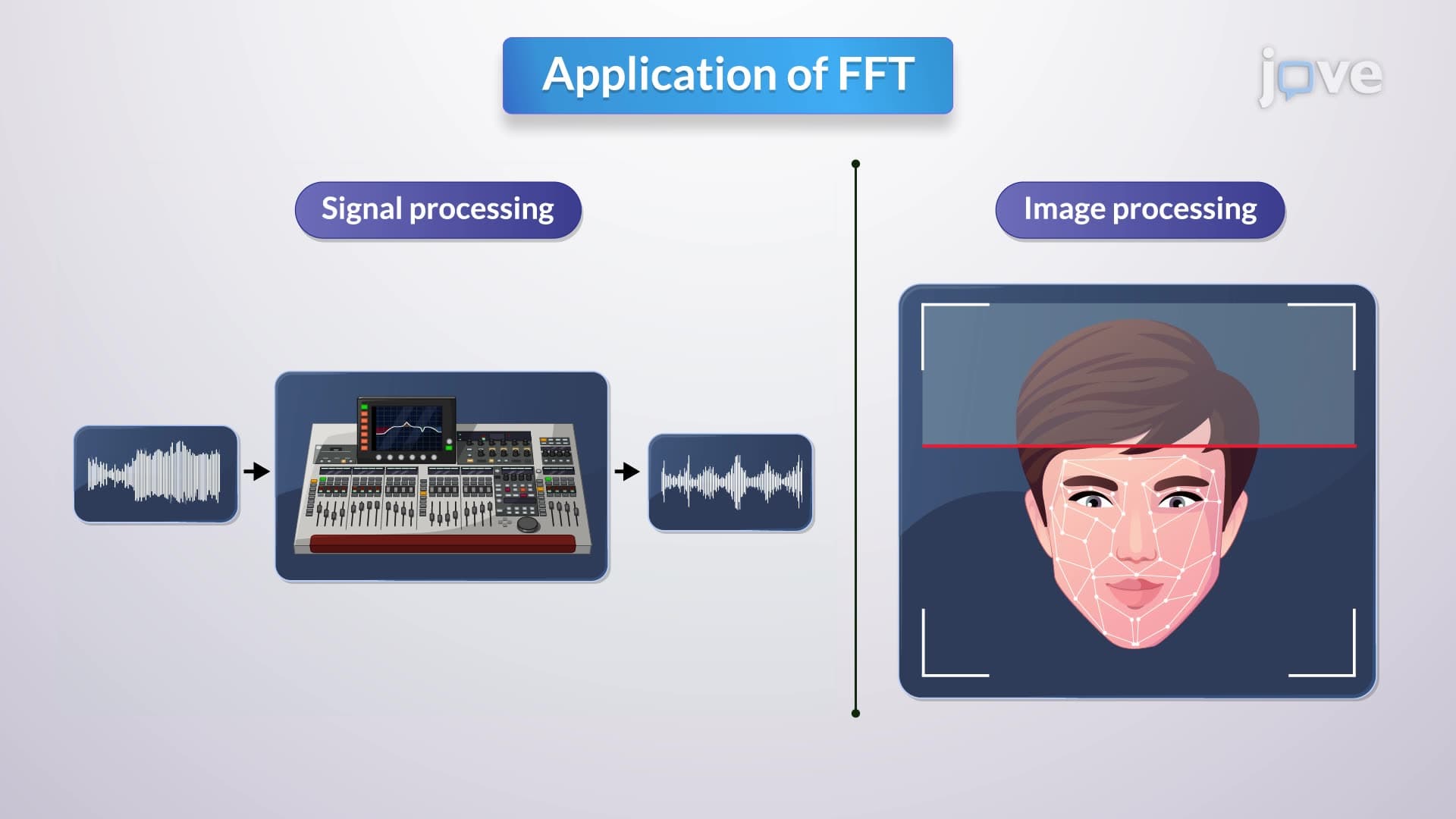
The fast Fourier transform appears throughout American industry and research: NASA uses it for processing satellite communications, medical professionals apply it in MRI image reconstruction, and automotive engineers employ it for engine vibration analysis. Students encounter DFT concepts in AP Computer Science when studying algorithm efficiency, in AP Physics when analyzing wave interference, and in college calculus when exploring series representations. Understanding these connections helps students see beyond mathematical formalism to real-world problem-solving applications.
Frequently Asked Questions
The Discrete Fourier Transform is a mathematical tool that breaks down digital signals into their individual frequency components, like separating white light into rainbow colors. It converts time-based data (how a signal changes moment by moment) into frequency-based information (which repeating patterns are strongest). Engineers use this transformation to analyze everything from smartphone audio processing to earthquake detection systems.
AP Physics often tests FFT concepts through wave analysis problems, asking students to interpret frequency spectra or explain how complex waveforms decompose into simpler components. You might encounter questions about musical instrument harmonics, radio wave interference, or vibration analysis. The exam typically focuses on conceptual understanding rather than complex calculations, emphasizing how frequency domain analysis reveals information invisible in time domain representations.
Strong foundations in trigonometry, complex numbers, and basic calculus provide essential preparation for understanding DFT mathematics. Prior exposure to sine and cosine functions, imaginary numbers, and summation notation makes the transition much smoother. Most engineering programs at schools like MIT or Stanford introduce DFT concepts in sophomore-level courses, assuming students have completed calculus sequences and introductory physics.
Hospitals rely on FFT for analyzing EEG brain waves, processing ultrasound images, and filtering noise from heart monitors in ICUs across America. Cardiologists use frequency analysis to detect irregular heartbeat patterns, while radiologists apply FFT algorithms to enhance MRI and CT scan clarity. These applications demonstrate how mathematical concepts directly improve patient care and diagnostic accuracy in modern medical practice.
While the complete mathematical derivation requires advanced calculus, the core concepts remain accessible to motivated high school students with strong algebra skills. Focus first on understanding what the transform accomplishes (signal decomposition) rather than memorizing complex formulas. Many students successfully grasp DFT fundamentals through hands-on projects using programming tools like Python or MATLAB, making abstract concepts concrete through visualization and experimentation.
Practice visualizing signals in both time and frequency domains using graphing tools or simulation software available through university computer labs. Work through concrete examples rather than just reading theory—analyze audio files, vibration data, or simple sine wave combinations. Form study groups to discuss applications across different engineering disciplines, and connect mathematical concepts to real-world systems you can observe and measure.
Consider studying the Fast Fourier Transform algorithm for computational efficiency, window functions for spectral analysis, or two-dimensional FFT for image processing applications. Advanced courses at universities like Caltech or Georgia Tech often cover discrete wavelet transforms, digital filter design, and spectral estimation techniques. These topics prepare students for specialized fields like digital communications, radar systems, or biomedical signal processing.
Related Micro-courses
Related Subjects
 Civil Engineering 30 micro-courses›Mechanical Engineering 28 micro-courses›