Loading…
Loading video…

3,193 views
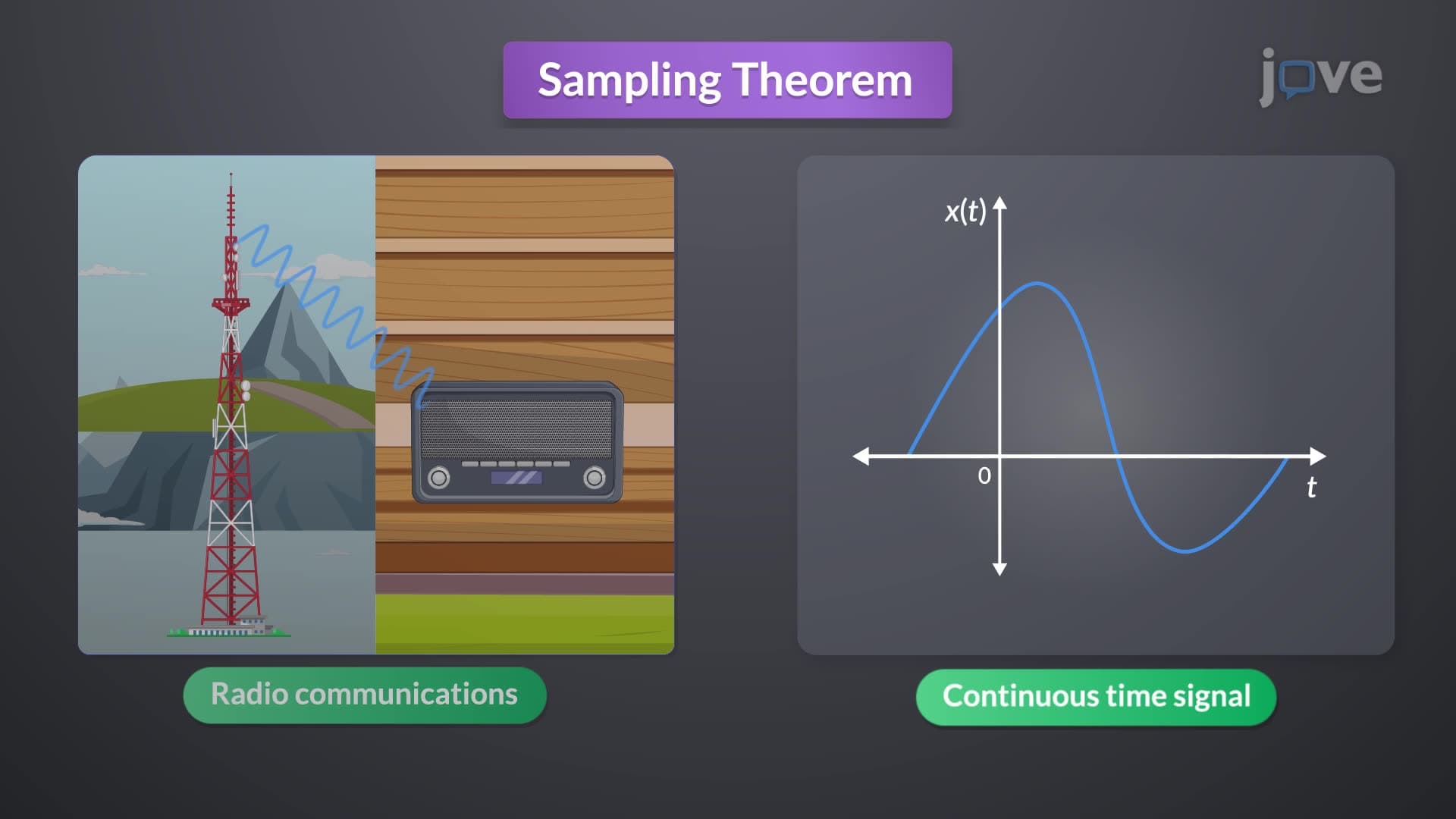
When your smartphone converts digital music files back into sound waves, aliasing distortions can occur if the reconstruction process isn't properly designed. Modern audio equipment in US recording studios like Abbey Road Institute uses sophisticated interpolation techniques to prevent these artifacts. The reconstruction of signal using interpolation explained demonstrates how engineers transform discrete digital samples back into smooth, continuous signals through zero-order holds, linear interpolation, and ideal low-pass filtering methods. Watch the full video on JoVE Coach to master this concept with expert-led visuals and step-by-step explanations.
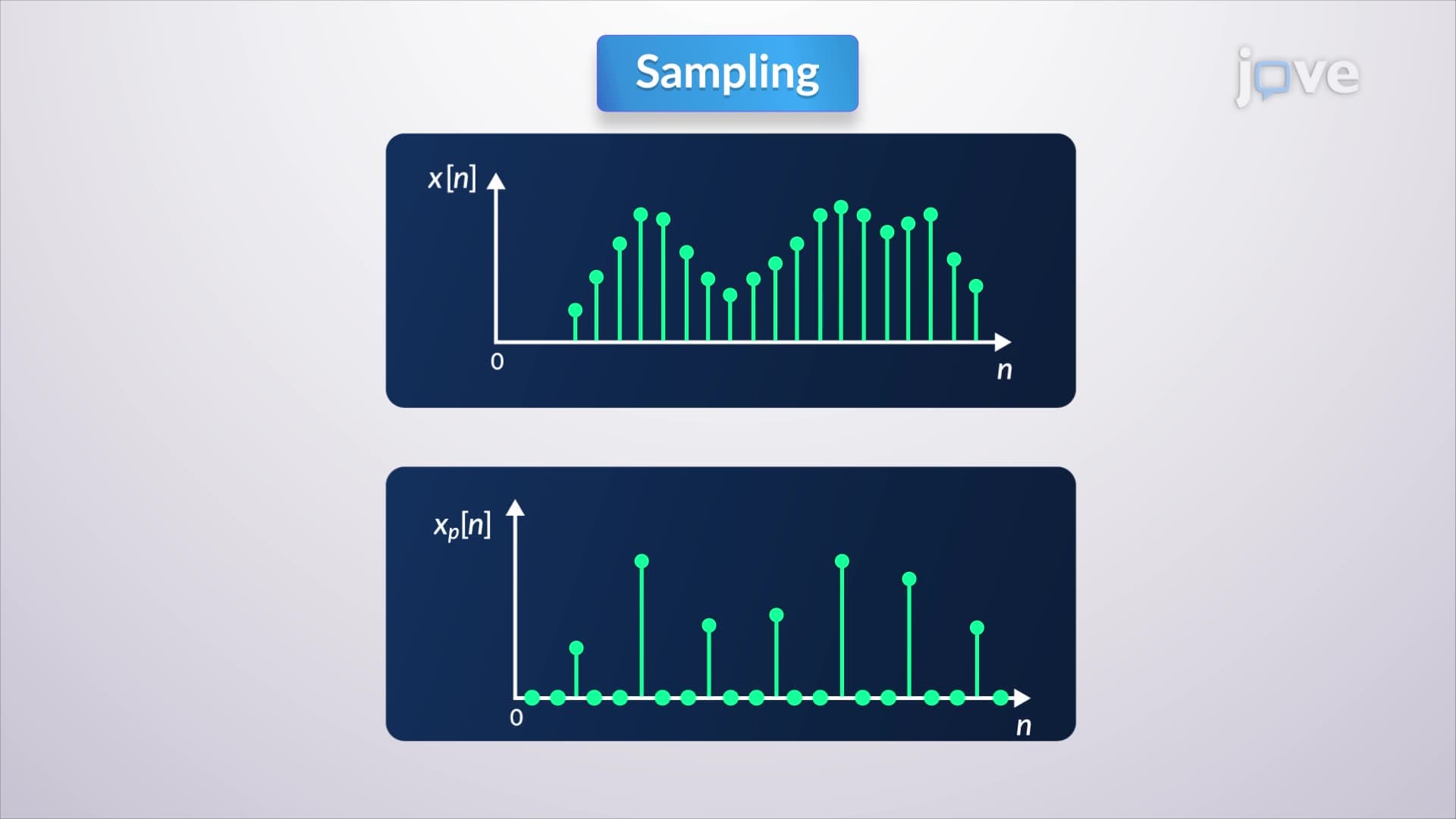
Signal reconstruction represents a fundamental challenge in modern digital systems: how do we convert discrete, sampled data points back into smooth, continuous signals without introducing distortions? This process becomes critical when aliasing occurs—a phenomenon where high-frequency components fold back into lower frequencies, creating unwanted artifacts that can severely degrade signal quality.
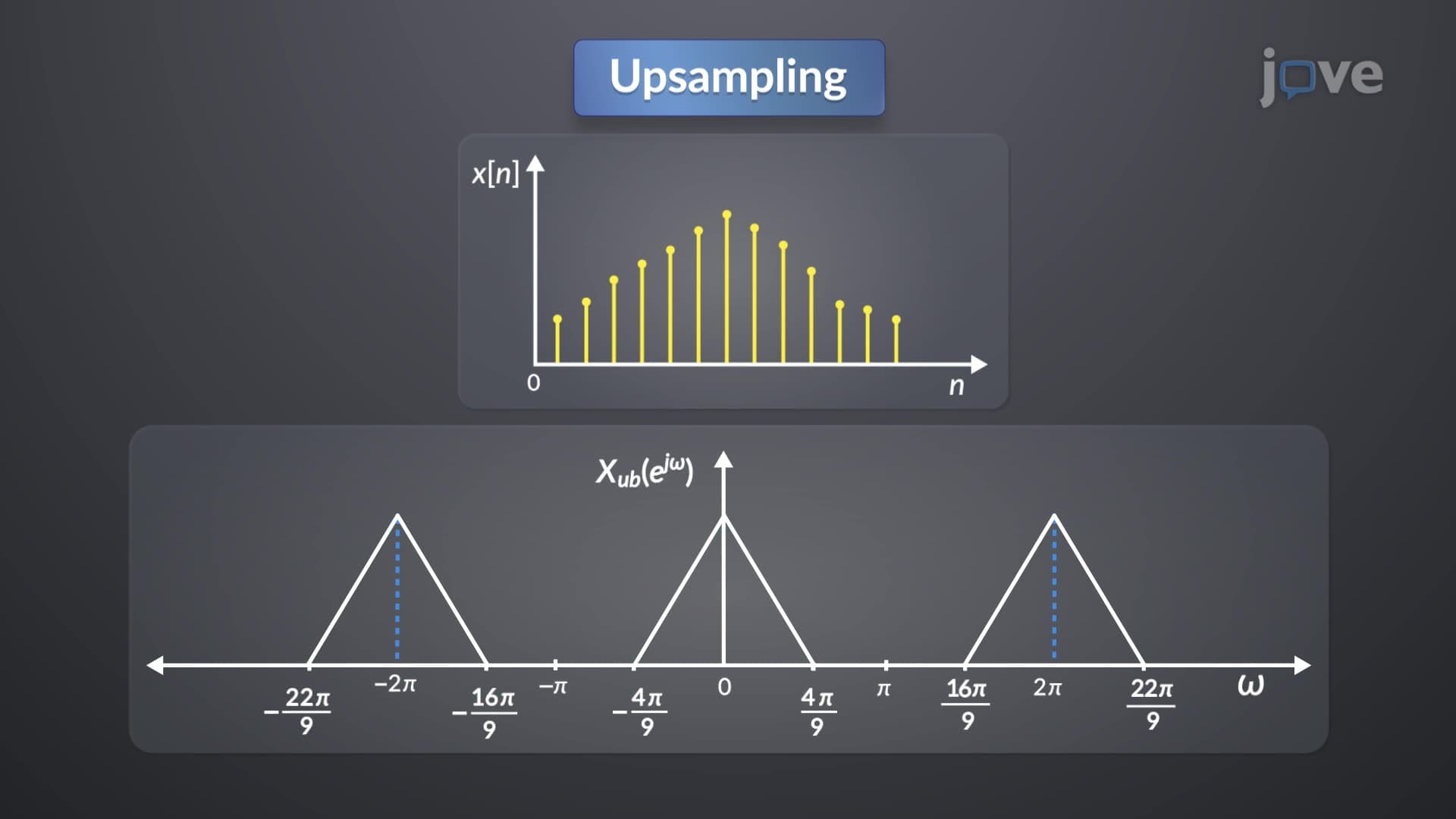
Aliasing definition encompasses the distortion that occurs when a signal's frequency components exceed half the sampling rate (known as the Nyquist frequency). What is aliasing in detail involves understanding how frequency spectrum replicas appear at regular intervals in the frequency domain, potentially overlapping with the original signal band. This aliasing concept becomes particularly important in applications like medical imaging systems used in US hospitals, where MRI and CT scanners must accurately reconstruct patient data without introducing false anatomical features.
The aliasing basics reveal that proper reconstruction requires more than simply connecting sample points. Engineers must employ sophisticated interpolation methods that consider the signal's frequency content. Students studying for the AP Physics exam or college-level signals and systems courses encounter these principles when analyzing how digital communication systems maintain signal integrity.
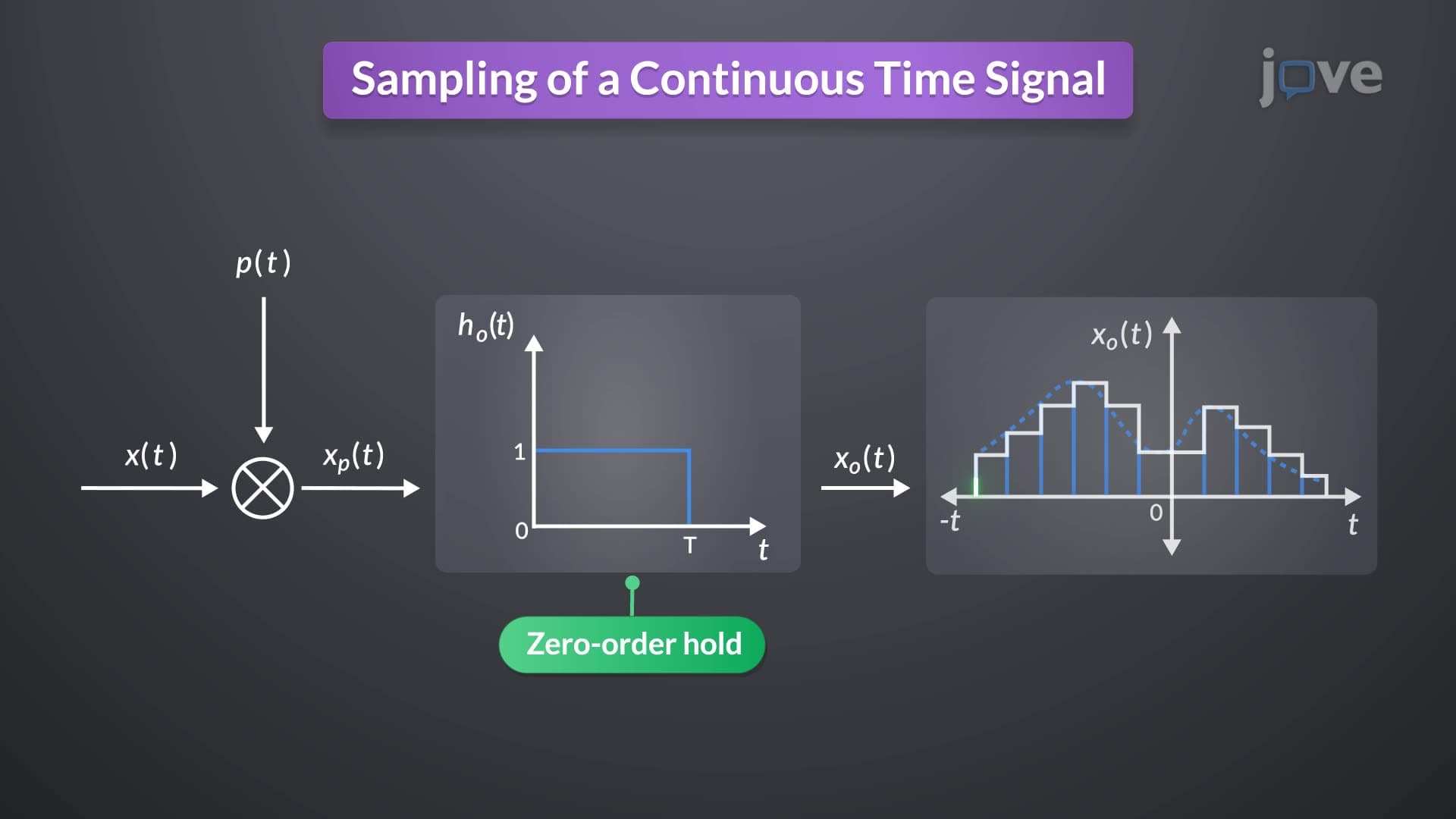
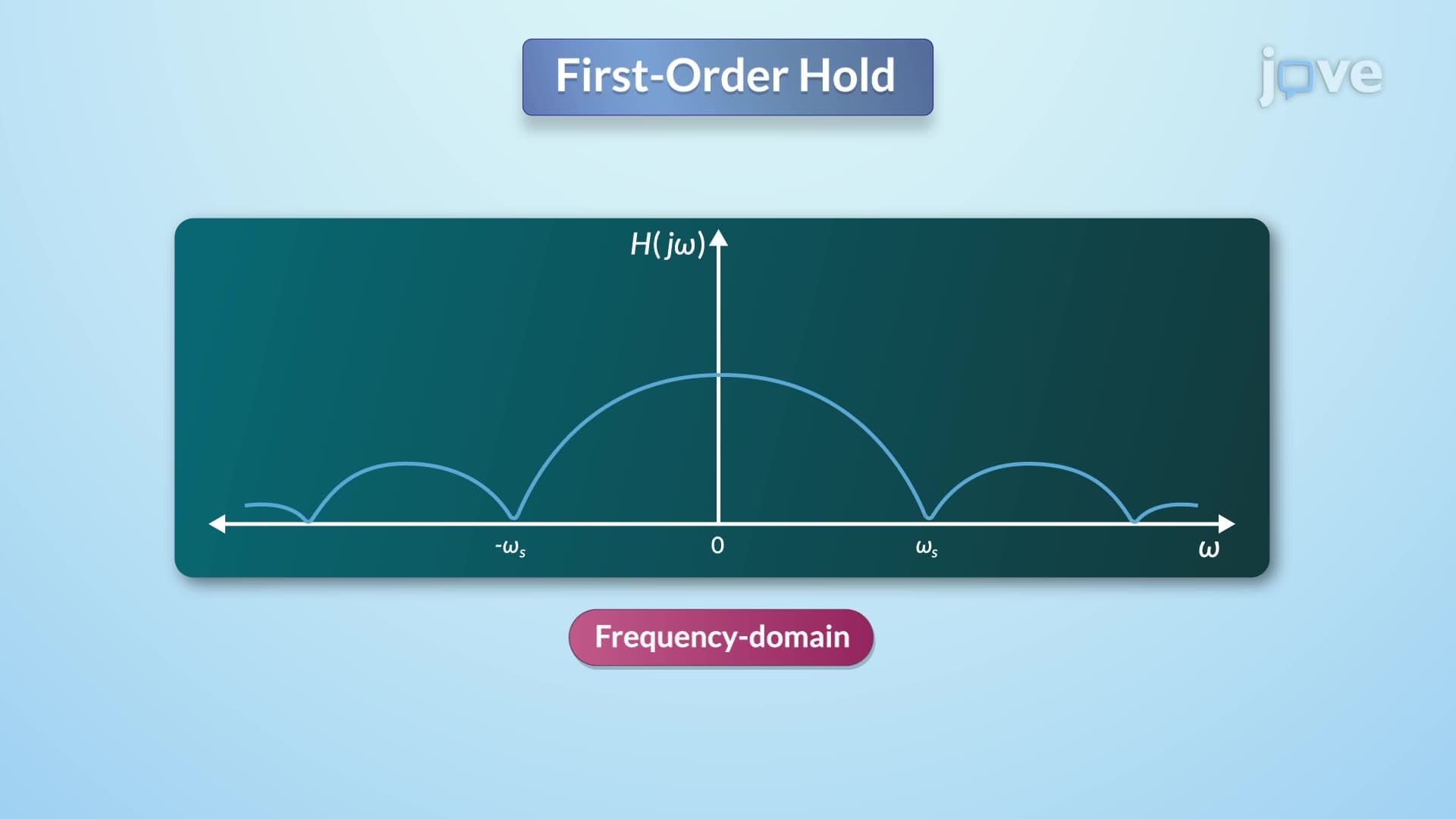
Zero-order hold reconstruction, the simplest approach, creates piecewise constant signals by maintaining each sample value until the next sample arrives. While computationally efficient, this method produces staircase-like outputs commonly seen in early digital audio systems. First-order hold (linear interpolation) improves smoothness by connecting samples with straight lines, creating triangular impulse responses that reduce high-frequency artifacts.
The ideal reconstruction method employs sinc function convolution, which theoretically provides perfect band-limited interpolation. However, the sinc function's infinite duration makes practical implementation challenging. US telecommunications companies like Verizon and AT&T use approximations of ideal filters in their 5G networks to balance reconstruction quality with real-time processing requirements.
These concepts directly apply to MCAT physics sections covering wave behavior and biomedical instrumentation. Students preparing for electrical engineering coursework at institutions like MIT or Stanford encounter reconstruction theory in digital signal processing classes. The mathematical foundations involving convolution integrals and Fourier transforms appear regularly in college calculus and differential equations courses, making this knowledge essential for STEM advancement.
Frequently Asked Questions
Signal reconstruction using interpolation is the process of converting discrete digital samples back into continuous analog signals. It's crucial because most real-world systems require smooth, continuous outputs—like converting digital music files into sound waves through speakers or transforming digital medical data into visual images for diagnosis.
Aliasing creates unwanted frequency replicas that can interfere with proper signal reconstruction. Effective interpolation methods use reconstruction filters to remove these spectral replicas, ensuring the output signal accurately represents the original continuous waveform without distortions.
Yes, these concepts appear in MCAT physics sections covering waves, sound, and biomedical instrumentation. AP Physics C students may encounter related principles when studying oscillations and wave behavior, particularly in free-response questions involving mathematical analysis of periodic phenomena.
MRI machines at major US medical centers like Mayo Clinic use sophisticated reconstruction algorithms to convert raw magnetic resonance data into detailed patient images. CT scanners similarly employ interpolation methods to create cross-sectional body images from multiple X-ray measurements taken at different angles.
While convolution integrals require calculus knowledge, the basic concepts are accessible to high school students familiar with functions and graphing. Students can grasp zero-order and first-order hold methods using algebra and trigonometry, building mathematical sophistication gradually through college coursework.
Focus on visualizing the frequency domain representations alongside time domain signals. Practice sketching how different interpolation methods affect signal smoothness, and work through numerical examples involving sampling rates and filter design to build intuitive understanding.
These concepts serve as foundations for advanced studies in digital communications, control systems, and biomedical engineering. Students planning careers in fields like aerospace engineering or medical device development will encounter these principles in specialized coursework at institutions like Caltech or Johns Hopkins.
Audio engineers at companies like Dolby Labs, biomedical device developers at firms like Medtronic, and telecommunications engineers at major US carriers all rely on these principles. Research positions at national laboratories like Sandia or Los Alamos also require deep understanding of signal processing fundamentals.
Related Micro-courses

Related Subjects
 Civil Engineering 30 micro-courses›Mechanical Engineering 28 micro-courses›