Loading…
Loading video…

3,193 views
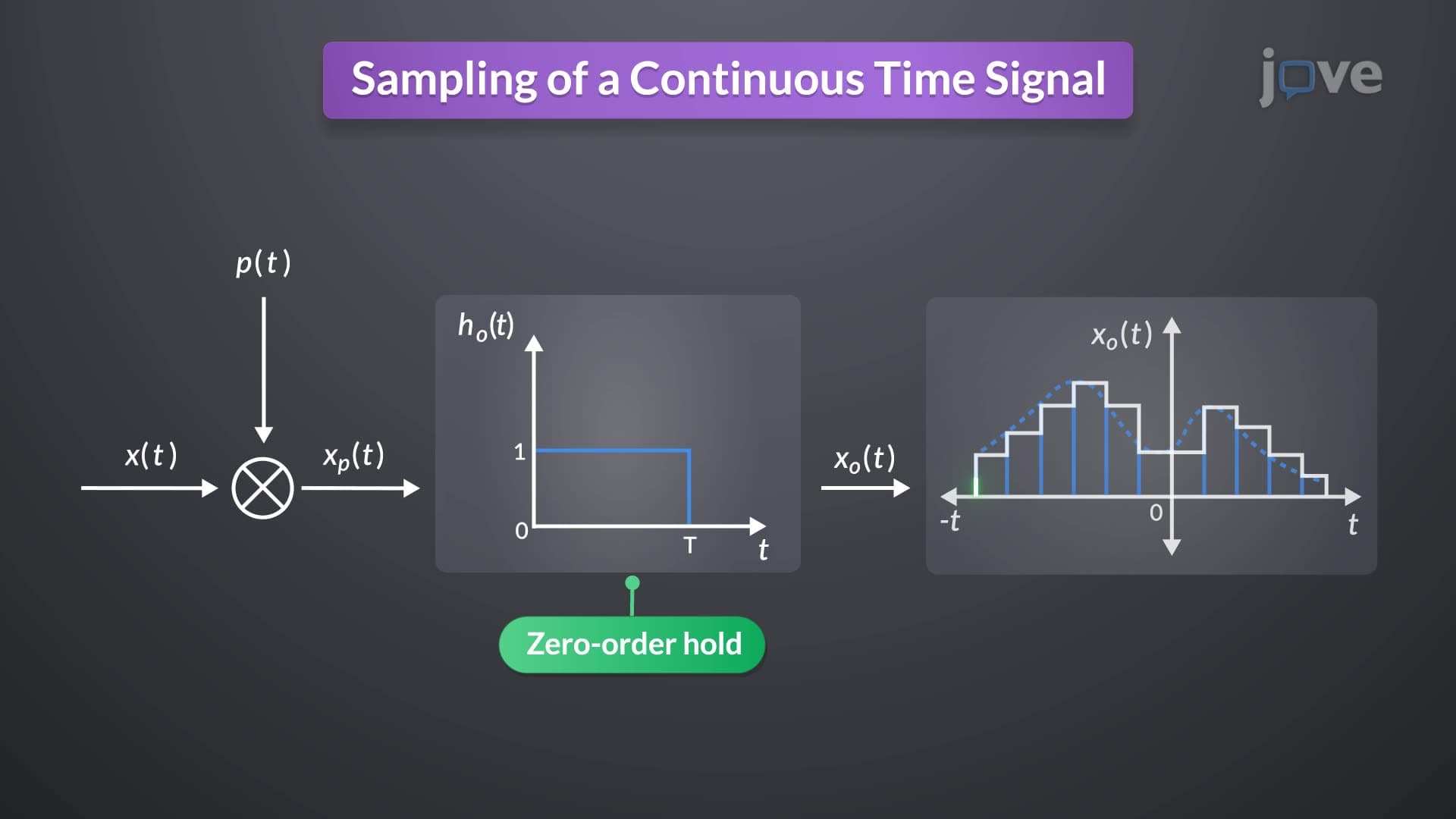
Ever wonder how your smartphone converts your voice into digital data for crystal-clear phone calls? The reconstruction of signal using interpolation transforms sampled digital signals back into smooth, continuous waveforms that preserve the original information. This process is essential in everything from audio systems in Tesla vehicles to medical monitoring equipment used in Johns Hopkins Hospital. Understanding what is sampling continuous time signal reveals how engineers bridge the gap between analog and digital worlds through mathematical precision. Watch the full video on JoVE Coach to master this concept with expert-led visuals and step-by-step explanations.
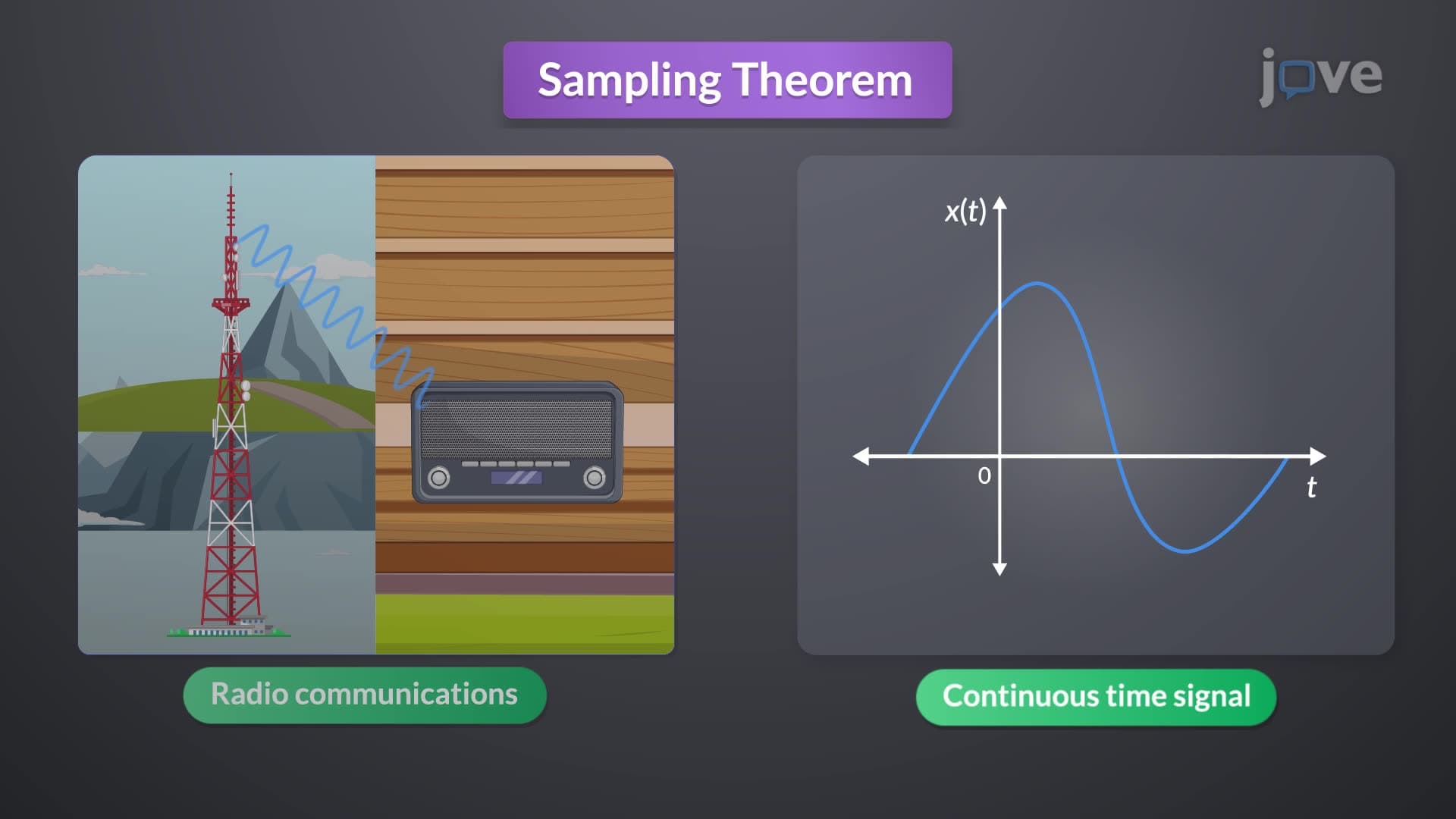
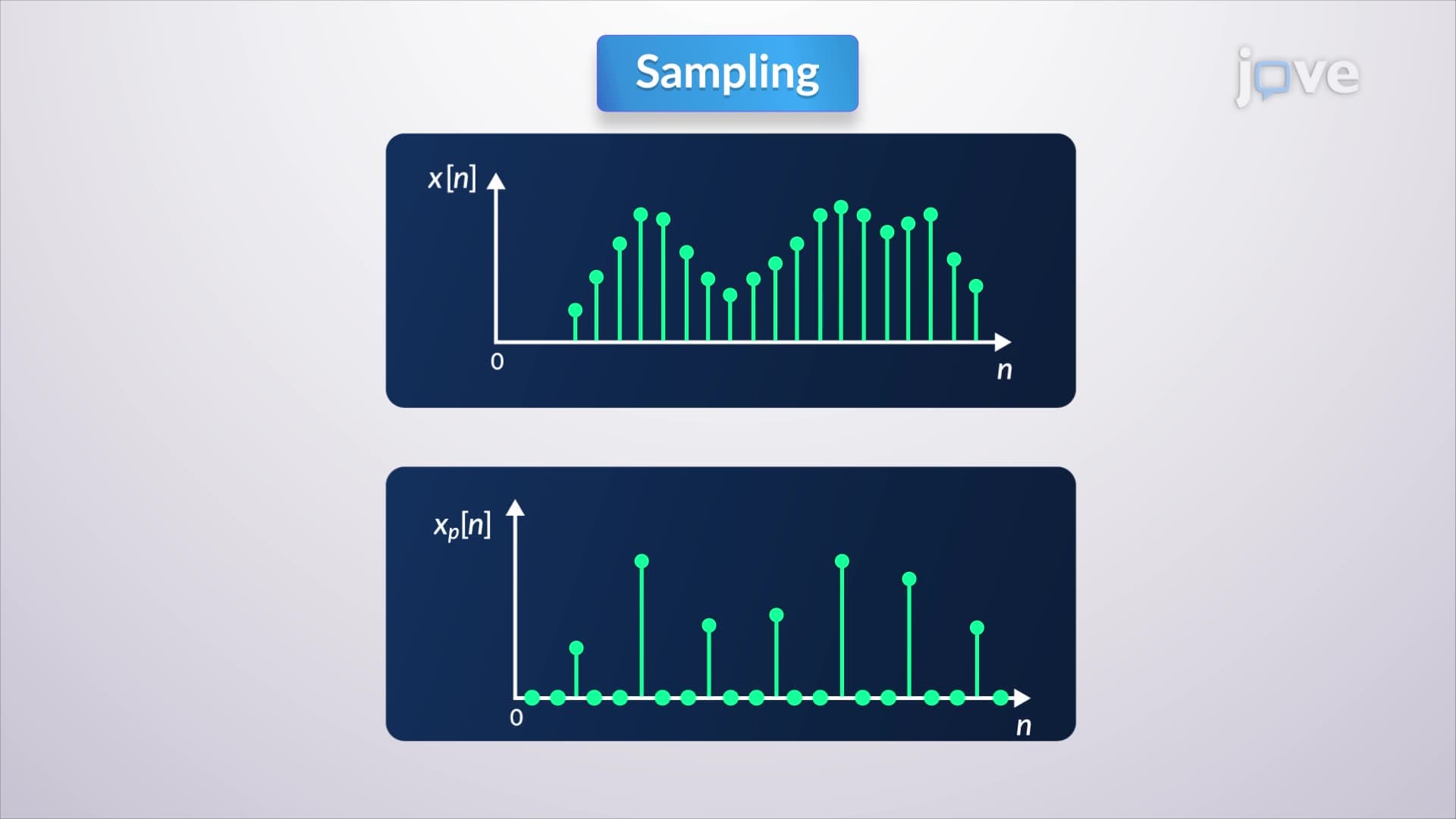
What is sampling continuous time signal fundamentally involves converting analog information into discrete digital representations that can be processed by computers and digital systems. This transformation occurs through impulse-train sampling, where a continuous signal gets multiplied by periodic impulses occurring at regular intervals called the sampling period (T). Each impulse captures the signal's instantaneous amplitude, creating a series of discrete values that represent the original waveform.
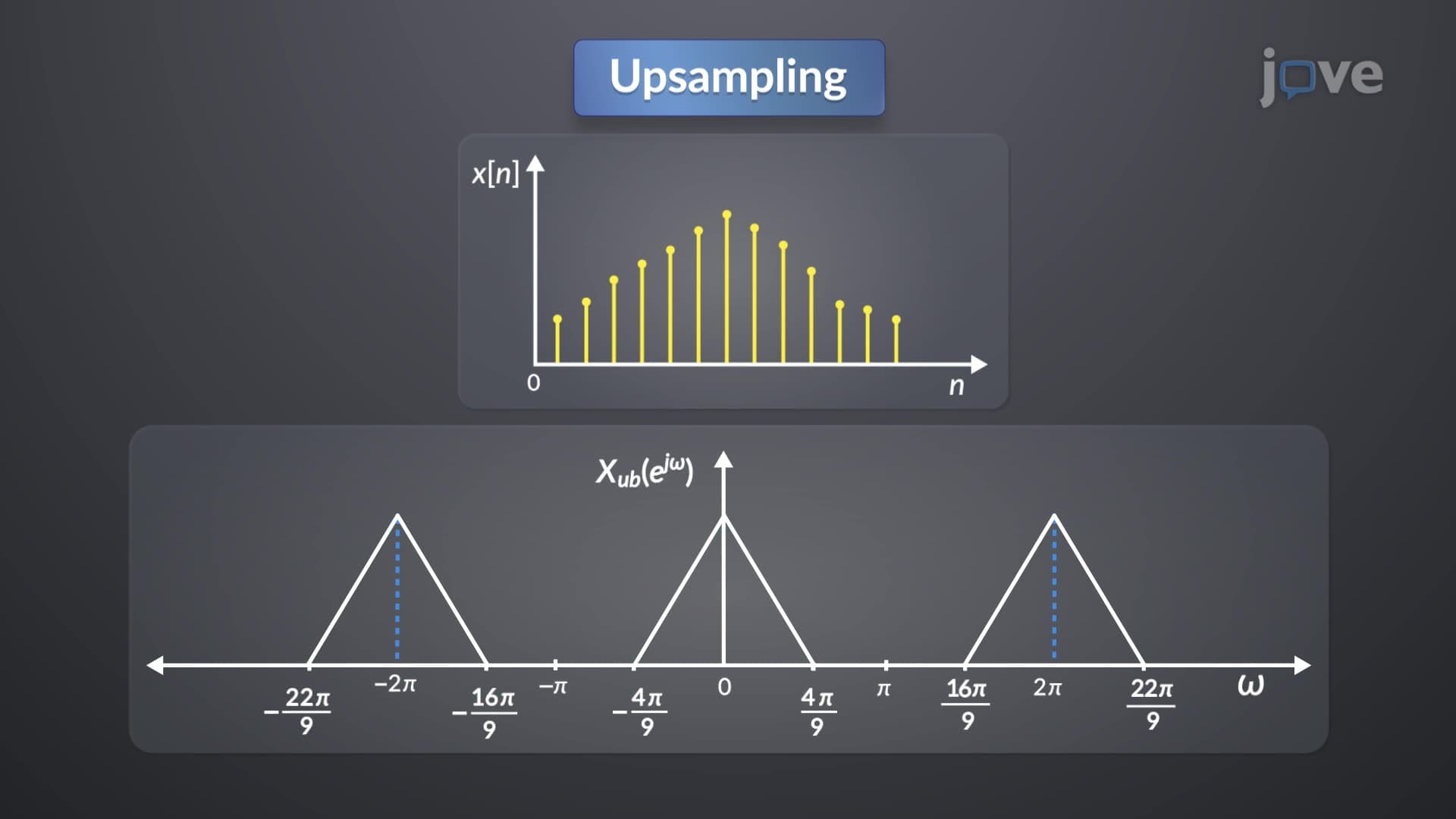
When examining sampling in the frequency domain, the process creates multiple copies of the original signal's spectrum, spaced at intervals equal to the sampling frequency (fs = 1/T). This spectral replication is crucial for understanding why engineers must choose sampling rates carefully. According to the Nyquist-Shannon sampling theorem, the sampling frequency must be at least twice the highest frequency component in the original signal to avoid aliasing—a distortion where high-frequency components masquerade as lower frequencies.
Students preparing for AP Physics C or college-level signals and systems courses should recognize that this frequency domain perspective explains why CD audio uses 44.1 kHz sampling (slightly more than twice the 20 kHz upper limit of human hearing). Similarly, medical EKG machines used in Cleveland Clinic typically sample at 500 Hz to capture heart rhythm details up to 250 Hz.
The reconstruction of signal using interpolation often begins with zero-order hold (ZOH), the simplest method where each sampled value remains constant until the next sample arrives. This creates a staircase-like waveform that approximates the original signal. While ZOH provides computational simplicity, it introduces high-frequency distortion that engineers must address through filtering.
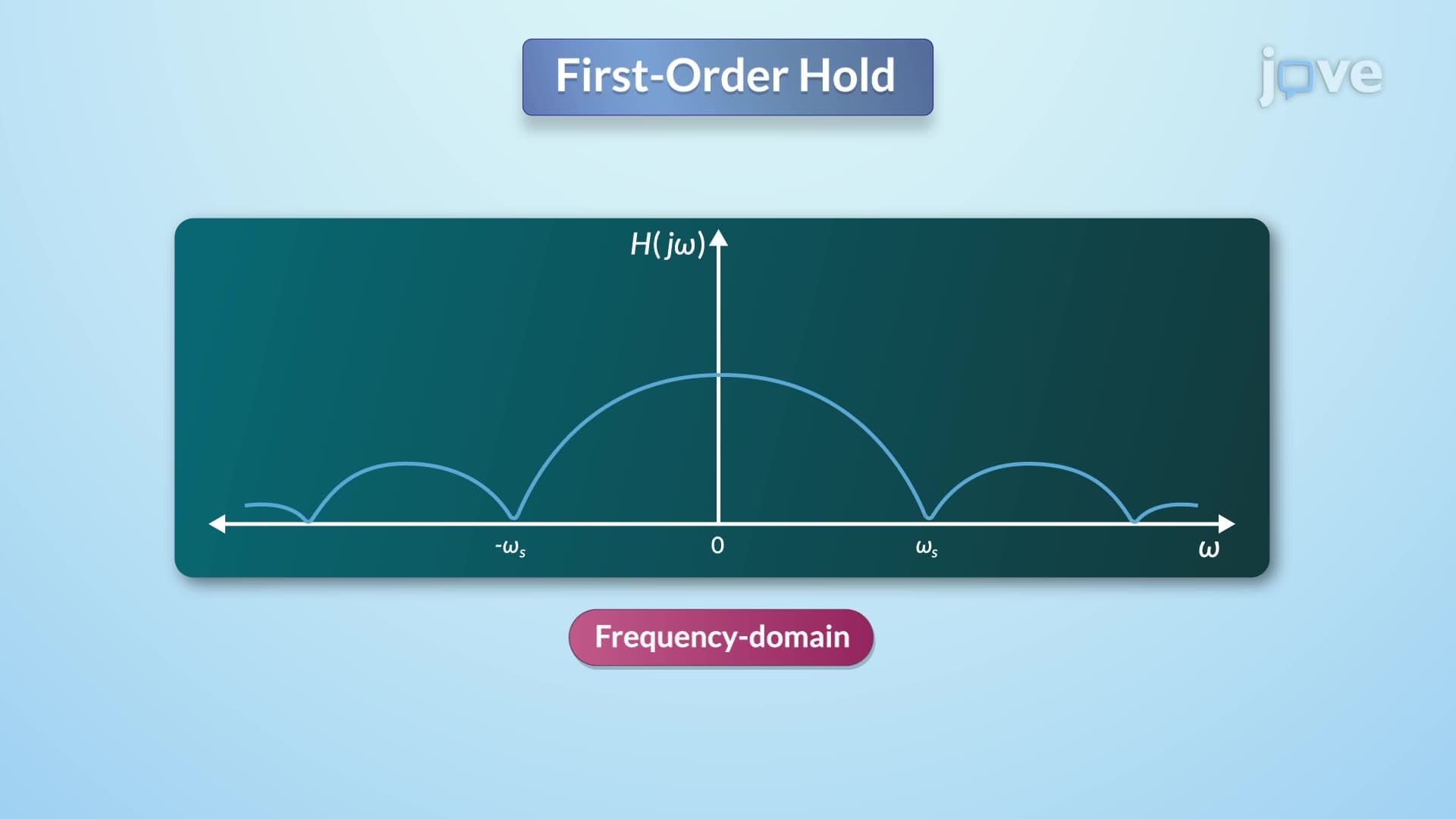
More sophisticated interpolation methods include linear interpolation (connecting samples with straight lines) and sinc interpolation (theoretically perfect reconstruction). The choice depends on application requirements—smartphone audio processors use advanced interpolation for music playback, while industrial control systems might rely on simpler methods for cost-effectiveness.
Major US technology companies implement these principles daily. Apple's audio codecs in iPhones use sophisticated interpolation algorithms to reconstruct high-quality sound from compressed digital files. Similarly, Tesla's autonomous driving systems sample sensor data continuously, then reconstruct environmental maps through interpolation techniques. Medical device manufacturers like Medtronic apply these concepts in pacemakers, where precise signal reconstruction ensures accurate heart rhythm monitoring and appropriate therapeutic responses.
Frequently Asked Questions
Sampling continuous time signal is the process of converting analog signals into discrete digital values at regular intervals, enabling computer processing and storage. This process forms the foundation of all digital communication, from cell phones to streaming services like Netflix. Modern electronics rely on sampling to bridge the analog world we experience with the digital processing that powers our technology.
College signals and systems courses frequently test reconstruction concepts through frequency domain analysis problems and Nyquist criterion applications. Typical exam questions involve calculating minimum sampling rates, analyzing aliasing effects, or comparing different interpolation methods' performance. Students often encounter these topics in electrical engineering curricula at universities like MIT, Stanford, and Georgia Tech.
AP Physics C exams may include basic sampling principles within wave and frequency analysis questions, though detailed signal processing typically appears in college-level coursework. Students should understand fundamental concepts like frequency, period relationships, and basic Fourier analysis that underpin sampling theory. The mathematical foundation builds on trigonometry and calculus concepts already covered in AP curricula.
Spotify and similar platforms store music as sampled digital files, then use interpolation algorithms to reconstruct smooth audio waveforms during playback. Your headphones receive reconstructed analog signals that closely approximate the original studio recordings. Advanced algorithms minimize artifacts while balancing file size constraints with audio quality, explaining why "lossless" audio formats require more storage space.
Signal sampling builds on familiar mathematical concepts like functions, graphs, and basic trigonometry that high school students already know well. The key insight involves understanding how discrete points can represent continuous curves—similar to how movie frames create motion illusion. With proper visualization and real-world examples, these concepts become accessible to students with algebra II and precalculus backgrounds.
Focus on visualizing the process through graphs showing original signals, sampled points, and reconstructed waveforms side-by-side. Practice calculating sampling frequencies using the Nyquist criterion with concrete examples like audio systems. Work through frequency domain problems systematically, and connect mathematical concepts to familiar technologies like digital cameras, music players, and communication devices you use daily.
Students should investigate digital filter design, advanced interpolation techniques like spline methods, and practical considerations such as quantization effects in analog-to-digital converters. Exploring applications in specific fields—biomedical signal processing for pre-med students, communications systems for engineering majors, or audio processing for music technology interests—provides deeper context and career relevance.
Hospitals like Johns Hopkins and Mayo Clinic use equipment that samples biological signals (EKG, EEG, blood pressure) then reconstructs them for physician analysis and automated diagnosis. Ventilators sample breathing patterns and reconstruct control signals for patient support. These life-critical applications demand extremely reliable reconstruction algorithms, demonstrating the real-world importance of understanding these fundamental engineering principles.
Related Micro-courses

Related Subjects
 Civil Engineering 30 micro-courses›Mechanical Engineering 28 micro-courses›