Loading…
Loading video…

2,354 views
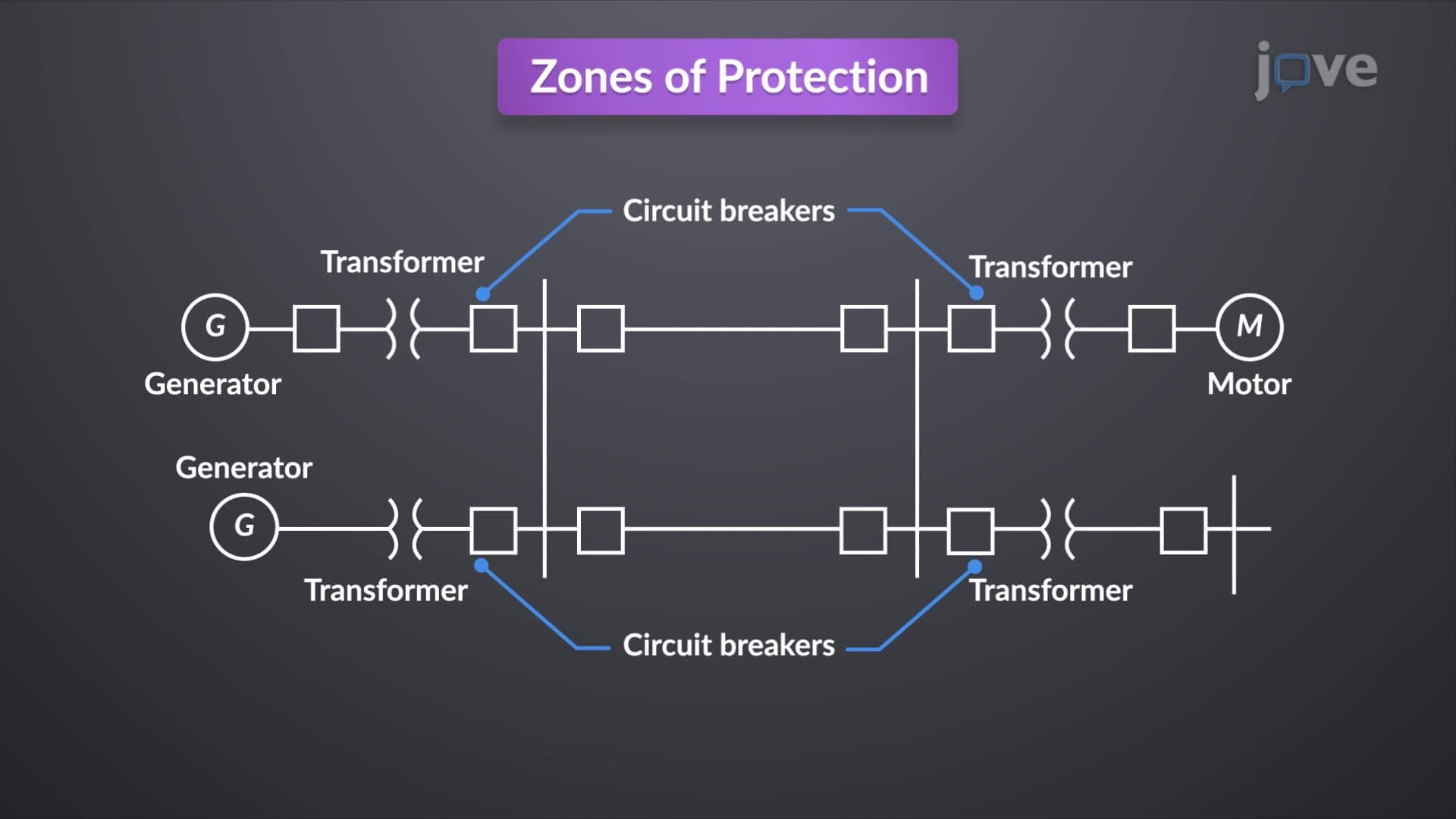
When a massive power outage struck Texas in 2021, directional relays helped isolate faulted sections while maintaining power to critical facilities. Zones of protection form the foundation of how these protective devices safeguard electrical grids by determining which direction fault currents flow. What are directional relays? They're sophisticated protection devices that detect fault direction using the phase relationship between current and voltage, operating only when faults occur in their designated forward direction. These relays prevent unnecessary power interruptions across entire grid sections by precisely identifying fault locations. Watch the full video on JoVE Coach to master this concept with expert-led visuals and step-by-step explanations.
Zones of protection represent one of electrical engineering's most critical safety concepts, and directional relays serve as their intelligent guardians. These sophisticated devices revolutionized power grid reliability by solving a fundamental challenge: determining not just *when* a fault occurs, but *where* it originates. Unlike simple overcurrent relays that respond to any excessive current, directional relays add spatial intelligence to protection schemes.
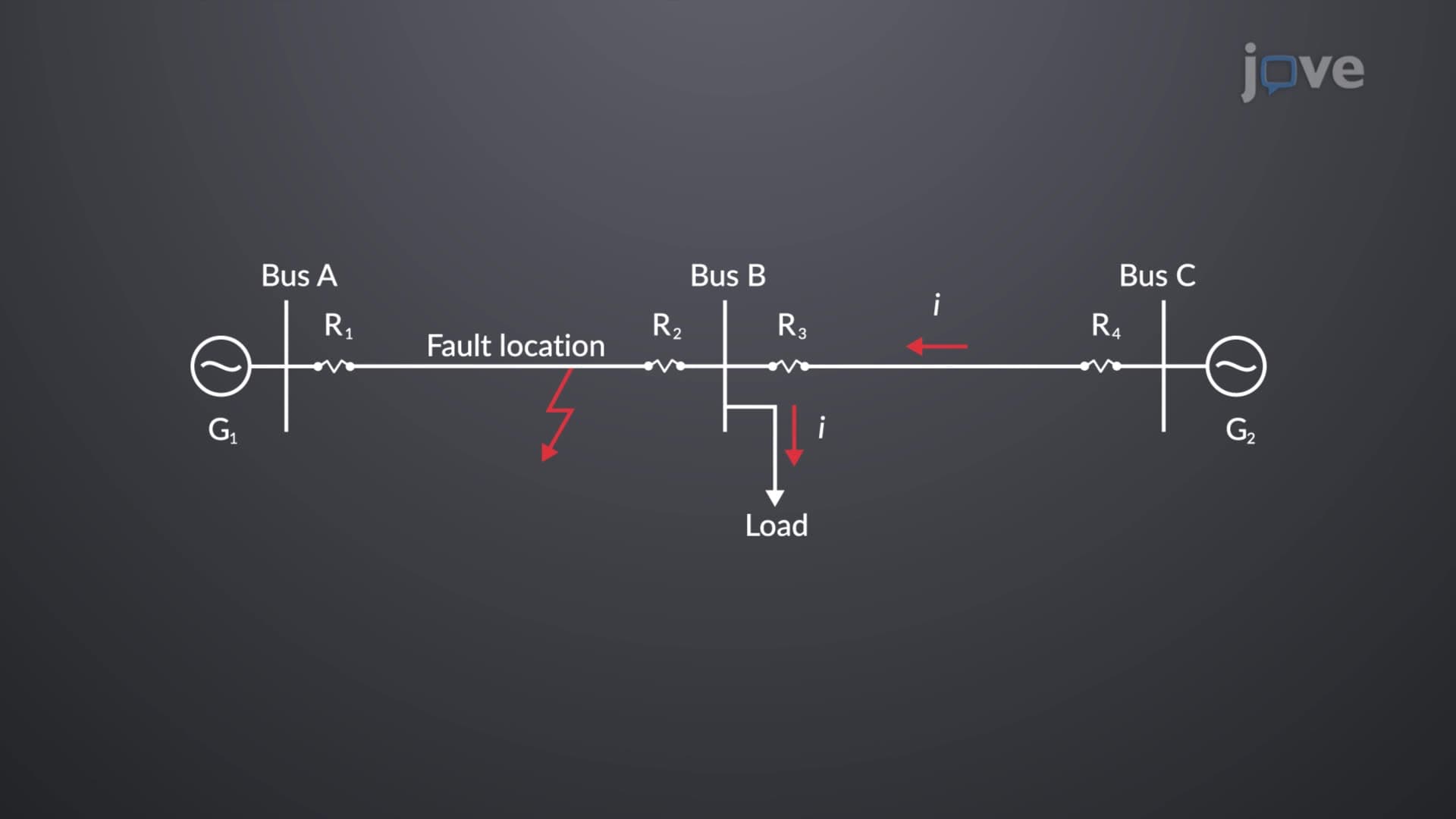
The zones of protection definition becomes clearer when examining how directional relays detect fault location through phase relationships. During forward faults (to the right of the current transformer), fault currents lag bus voltage by approximately 90 degrees. This phase lag occurs because fault impedance typically appears inductive, creating the characteristic forward direction signature. Conversely, reverse faults (to the left) produce current that leads voltage by 90 degrees, indicating the fault lies outside the relay's protection zone.
This phase-angle detection mirrors principles students encounter in AC circuit analysis during AP Physics or college electrical engineering courses. The mathematical relationship follows Ohm's law for complex impedances, where Z = R + jX, and the angle represents the power factor angle between voltage and current phasors.
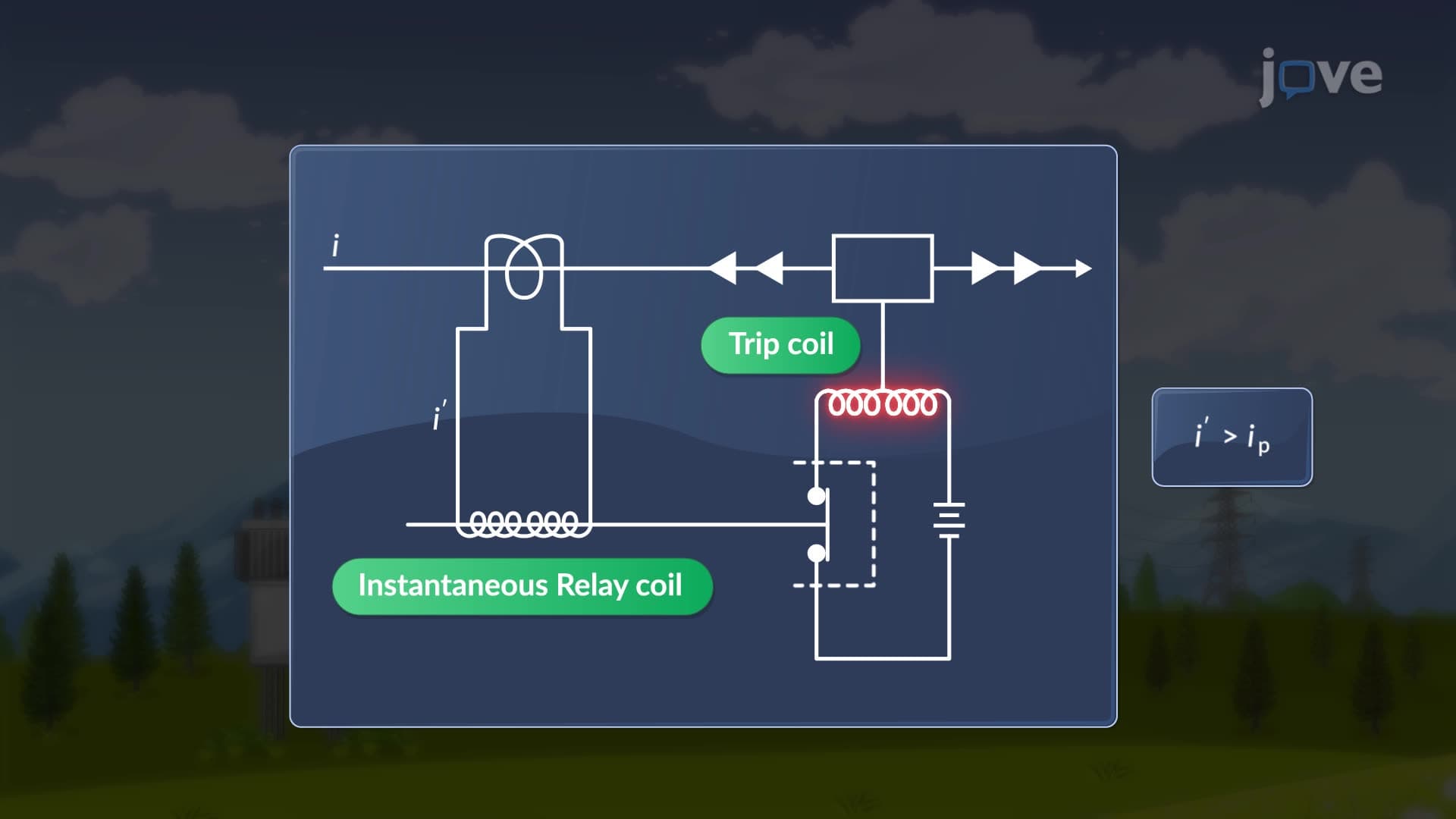
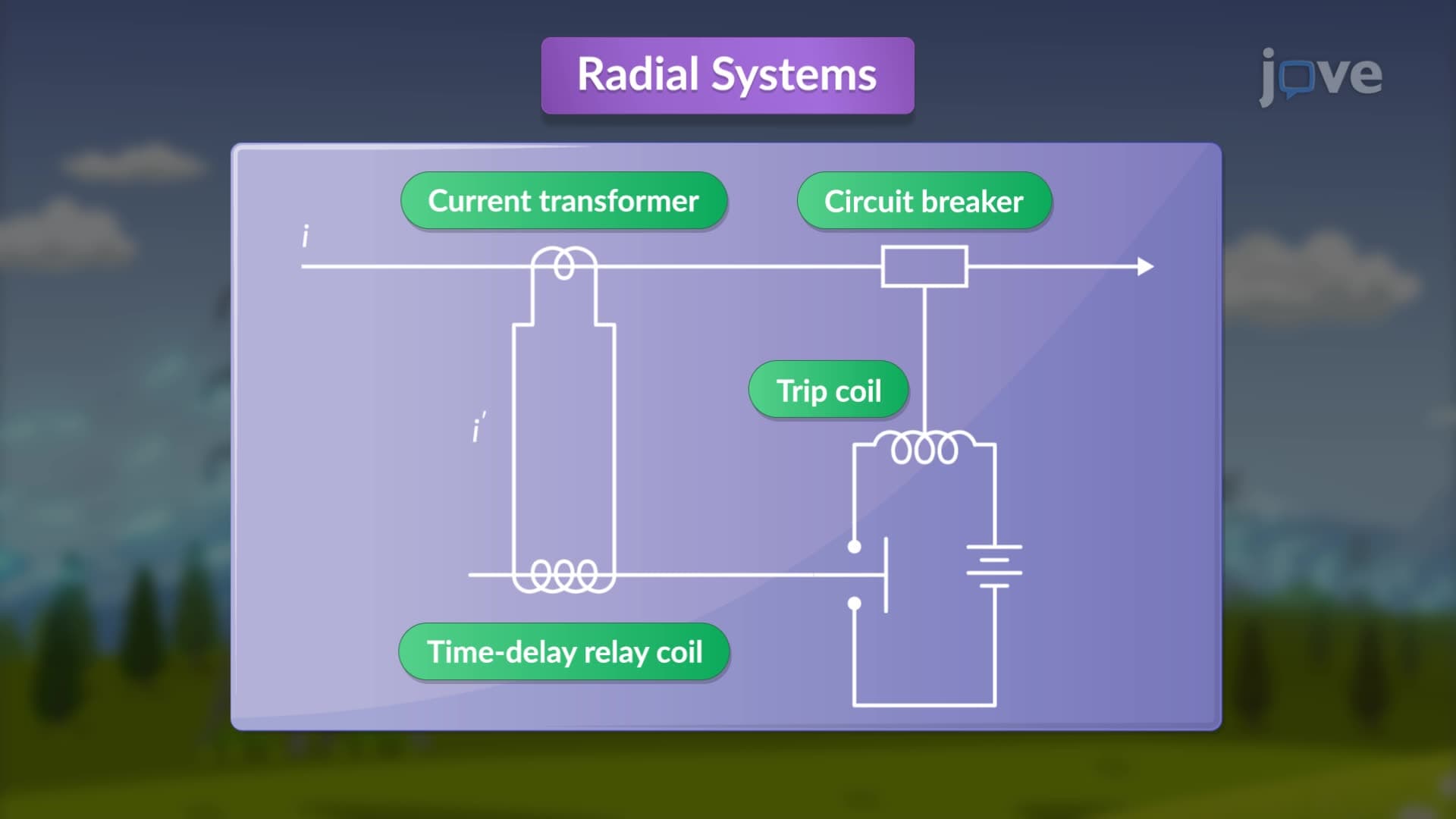
Understanding zones of protection requires grasping how electromechanical directional relays physically respond to electrical conditions. These devices operate similarly to watt-hour meters found on residential buildings, using electromagnetic induction to create mechanical motion. Forward faults generate maximum positive torque on the rotating disc, closing protective contacts and initiating circuit breaker trips. Mechanical stops prevent reverse-torque operation, ensuring the relay remains inactive during reverse faults.
Modern utilities like Pacific Gas & Electric and ConEd rely on upgraded digital versions of these principles, though the fundamental directional sensing concepts remain unchanged. Students preparing for the Fundamentals of Engineering (FE) exam will encounter these principles in power systems problems.
What is zones of protection in detail becomes most apparent in two-source power systems, common in industrial facilities and utility substations. Without directional relays, fault coordination becomes nearly impossible—any fault could trigger multiple breakers unnecessarily, causing widespread outages. Directional relays solve this by creating selective protection schemes where only the breaker closest to the fault operates, maintaining power to unaffected areas.
This concept directly applies to case studies in power systems courses at universities like MIT, Stanford, and Georgia Tech, where students analyze coordination curves and selectivity principles that prevent cascading failures in real electrical networks.
Frequently Asked Questions
Directional relays are protective devices that detect both the magnitude and direction of fault currents, unlike standard overcurrent relays that only respond to current magnitude. They use the phase relationship between voltage and current to determine whether a fault is in the forward (protected) or reverse (unprotected) direction. This directional capability prevents unnecessary power interruptions and improves system coordination.
These concepts typically appear in AC circuit analysis problems involving phasor diagrams and power factor calculations. Students might encounter questions about phase relationships between voltage and current, or coordination problems in electrical distribution systems. The underlying physics principles align with electromagnetic induction and AC circuit theory covered in advanced placement courses.
The 90-degree phase angle represents maximum sensitivity for fault detection because it corresponds to purely reactive fault impedance. At this angle, the relay can most reliably distinguish between forward and reverse faults. This concept connects to impedance triangle principles taught in electrical engineering fundamentals and appears in FE exam problems.
Major applications include utility substations (like those operated by Duke Energy and Southern Company), industrial facilities, and renewable energy installations across Texas, California, and the Northeast corridor. They protect transmission lines, distribution feeders, and interconnections between different power sources. Hospital backup generators and data centers also rely on directional protection schemes.
Basic trigonometry and complex number concepts from Algebra II and Pre-Calculus provide sufficient mathematical foundation. The phase angle relationships use sine and cosine functions, while phasor analysis requires understanding of rectangular and polar coordinate systems. Most high school students can grasp these concepts with solid algebra skills.
Start with phasor diagram practice, drawing voltage and current relationships for different fault scenarios. Create comparison charts showing forward versus reverse fault characteristics, then work through coordination problems step-by-step. Practice problems from electrical engineering textbooks like those used at Purdue or Virginia Tech help reinforce practical applications.
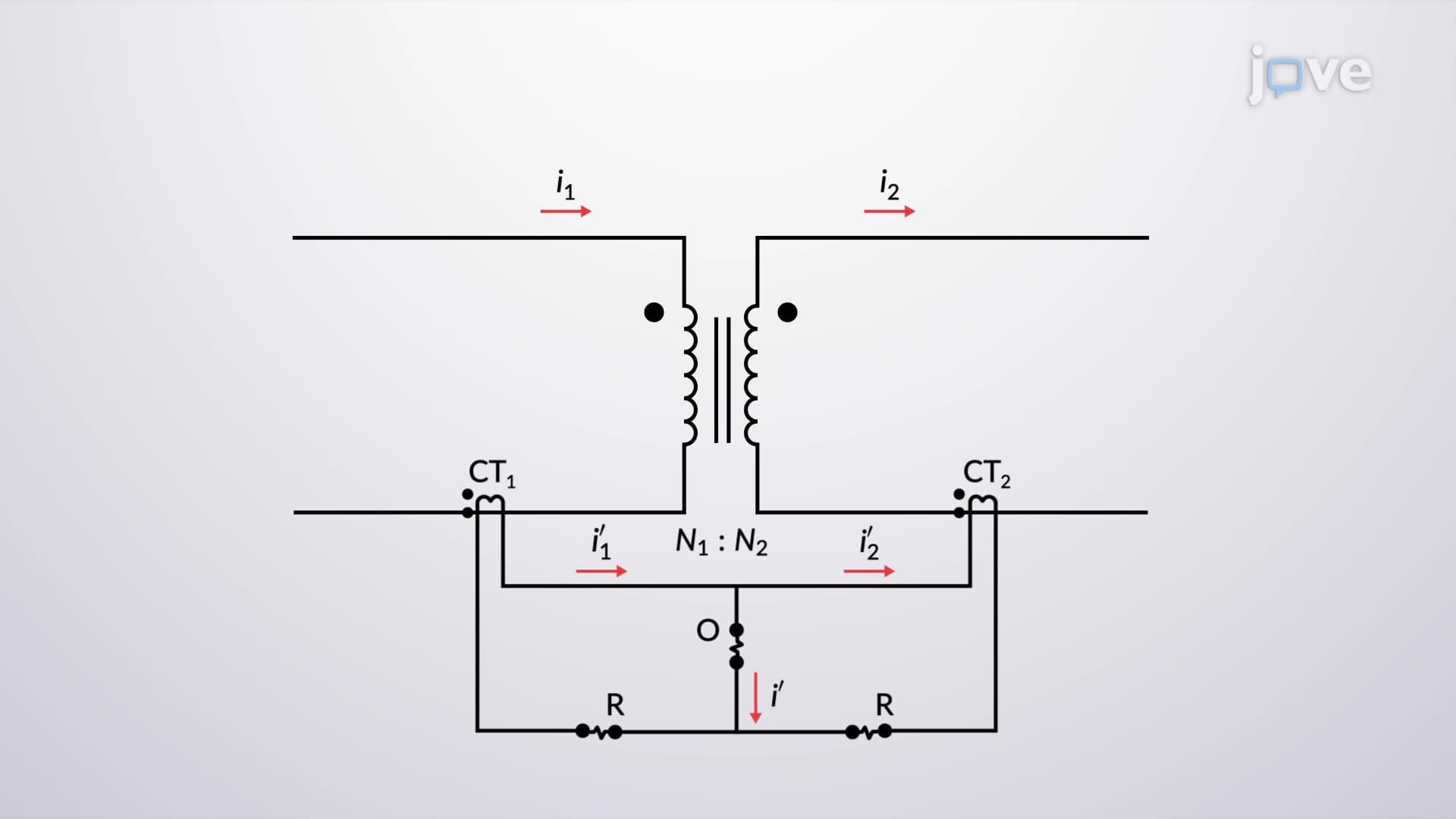
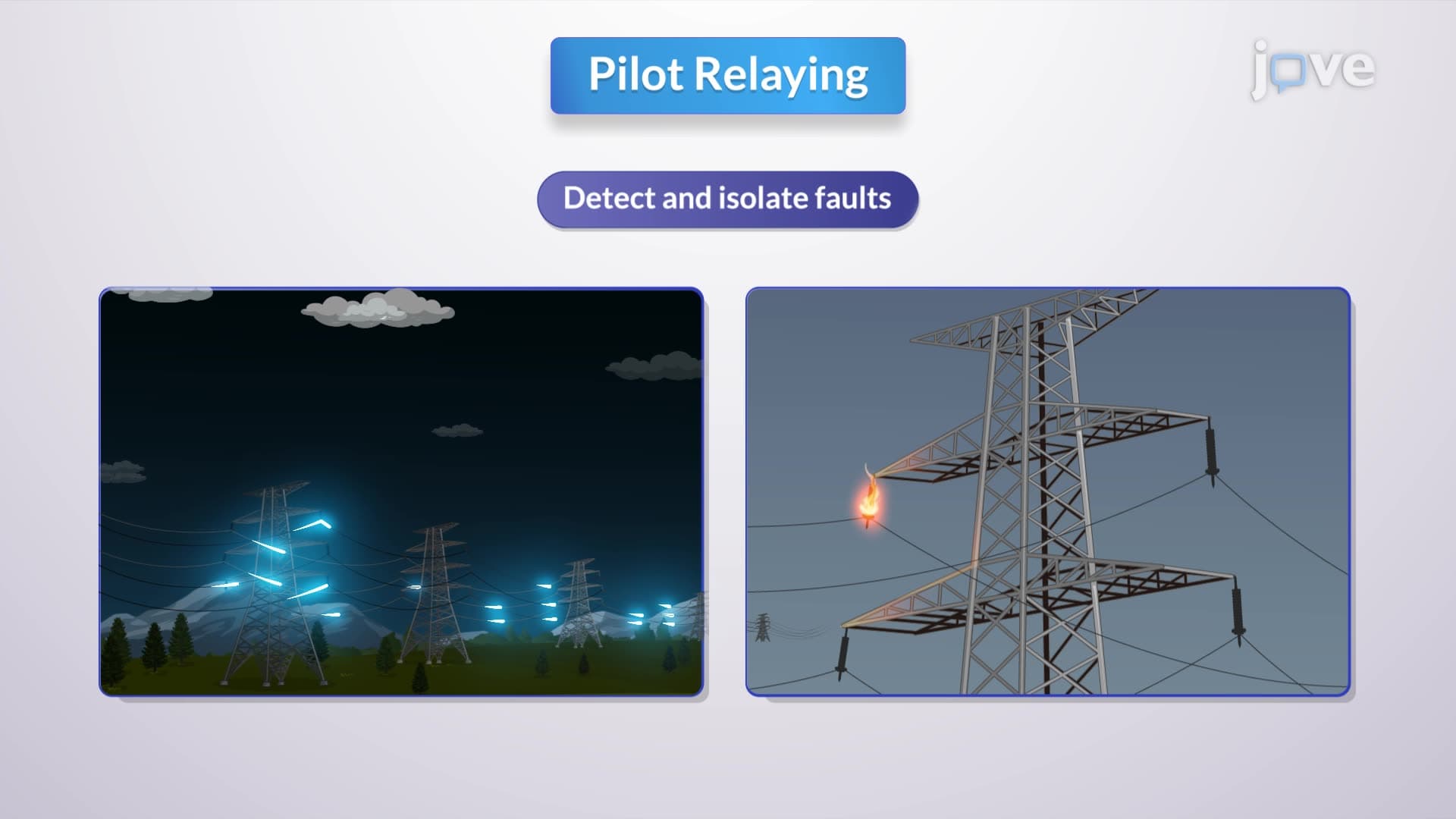
Distance relays, differential protection, and pilot protection schemes build naturally on directional relay concepts. Transmission line protection, transformer protection, and protective coordination studies represent advanced applications. Many students continue with power system analysis courses or pursue electrical engineering careers in utility companies and consulting firms.
Related Micro-courses


Related Subjects
 Civil Engineering 30 micro-courses›Mechanical Engineering 28 micro-courses›