Loading…
Loading video…

2,354 views
When a massive power outage struck Texas in 2021, it highlighted how critical protective relay systems are for maintaining electrical grid stability. The swing equation governs how power systems respond to disturbances, making pilot and numeric relaying essential for preventing cascading failures. These advanced protection systems, including pilot relaying for transmission lines and numeric relaying with microprocessor-based controls, ensure rapid fault detection across major utilities like PG&E and ConEd. Watch the full video on JoVE Coach to master this concept with expert-led visuals and step-by-step explanations.
Pilot and numeric relaying represent two critical approaches to electrical power system protection that work together to maintain grid reliability. While these technologies serve different functions, both are essential for preventing widespread blackouts and equipment damage in modern power systems.
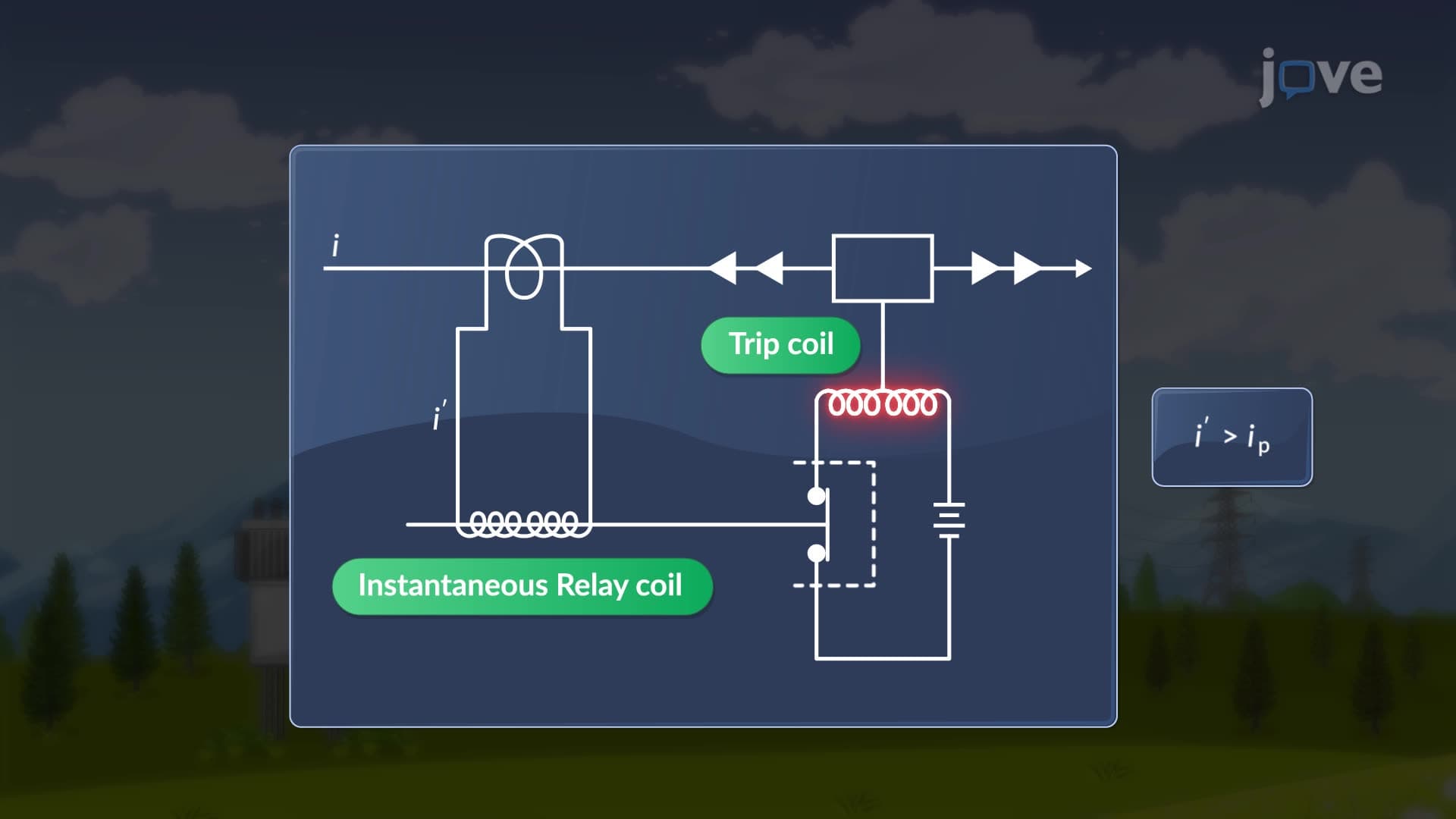
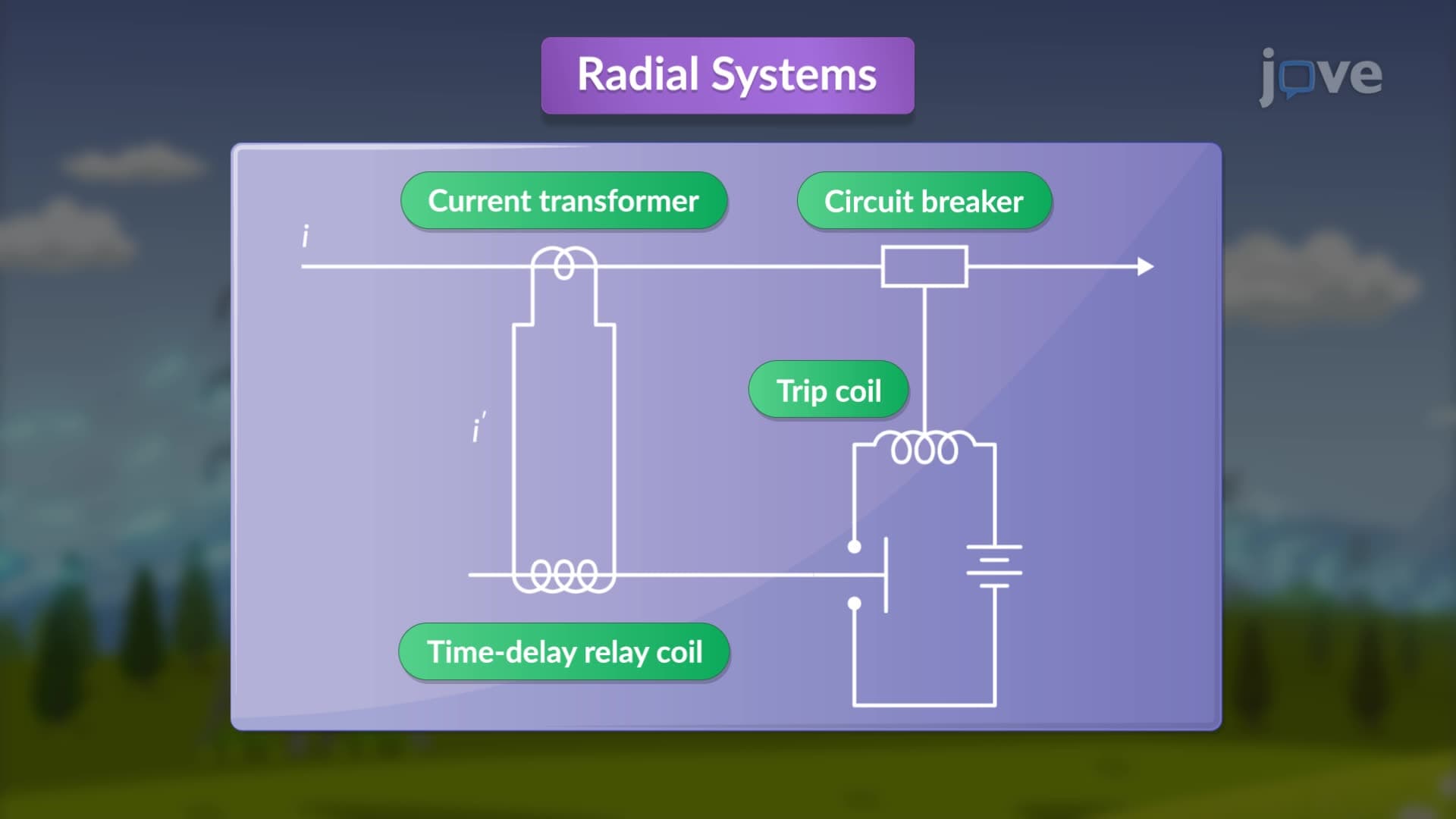
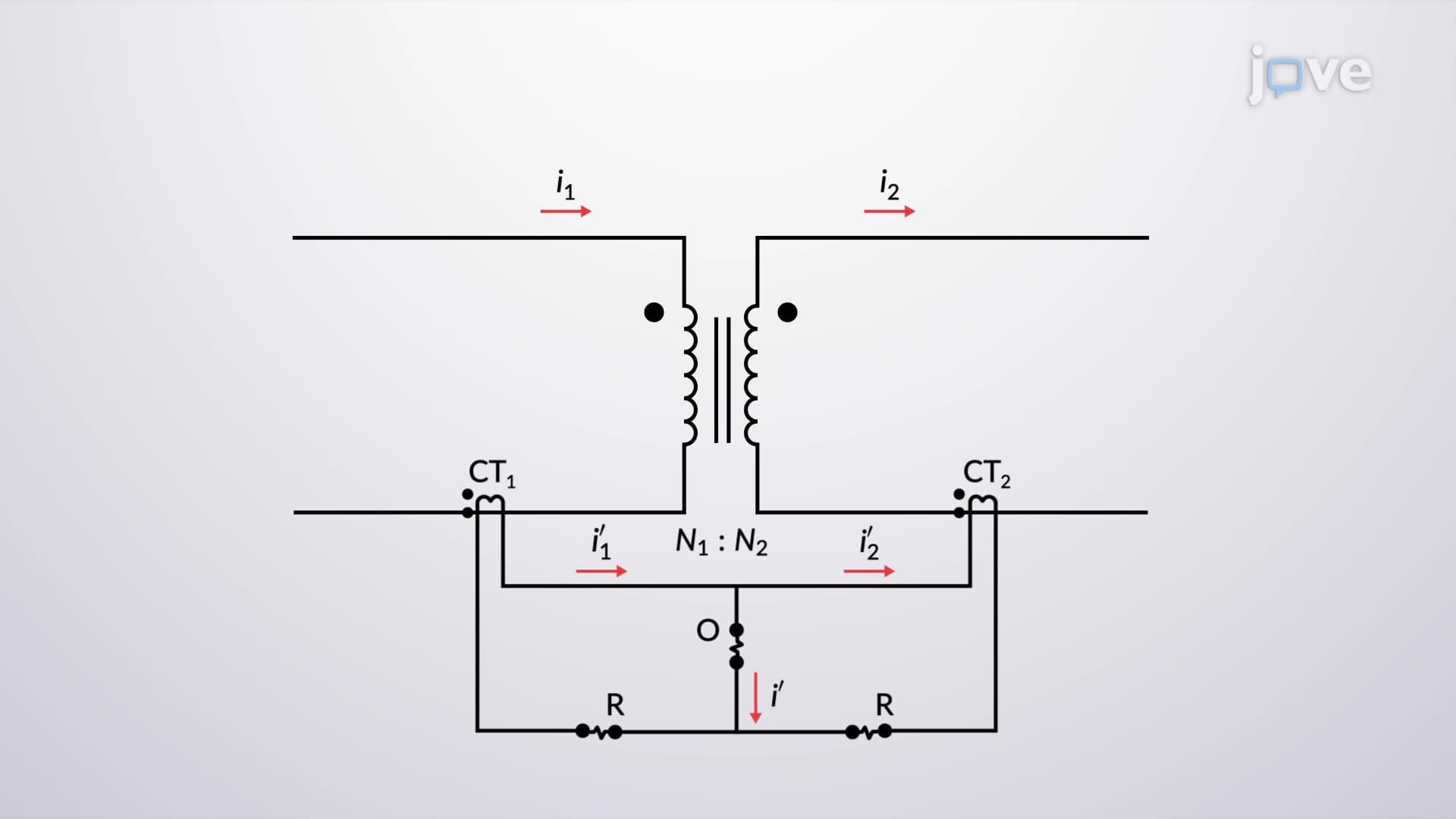
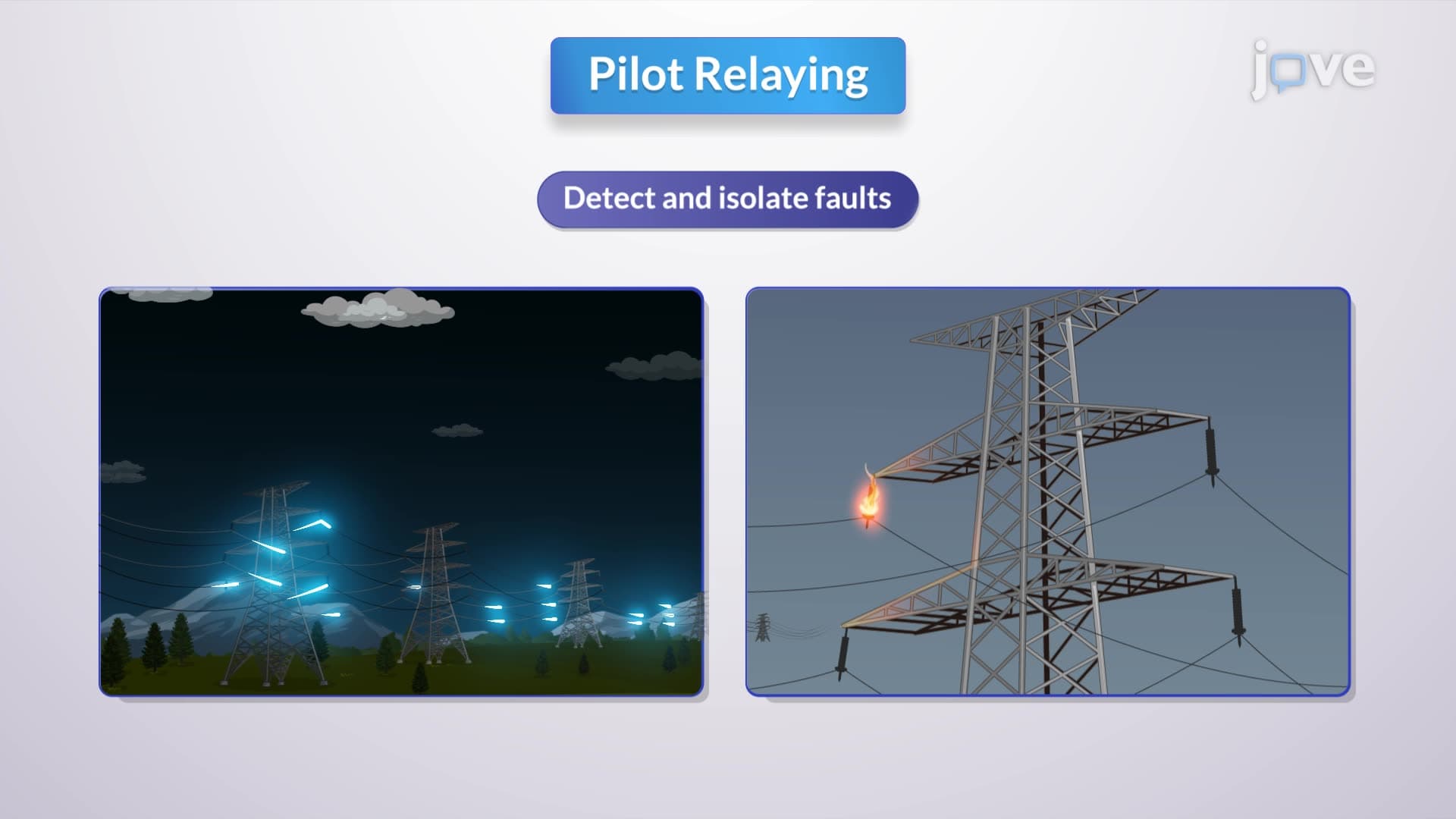
Pilot relaying operates as a sophisticated form of differential protection specifically designed for transmission lines spanning significant distances. This technology excels in applications involving 69 kV to 115 kV transmission systems, commonly found in regional transmission networks across states like California, Texas, and New York.
The system relies on four dedicated communication channels to continuously compare electrical quantities at different terminals of a transmission line. Two primary fault detection methods drive pilot relay operation: directional comparison, which analyzes power flow directions to identify abnormal conditions, and phase comparison, which evaluates the relative phase angles of current measurements from multiple locations.
What makes pilot relaying particularly valuable is its ability to provide instantaneous primary zone protection without requiring complex relay coordination studies or detailed fault current calculations. This simplicity translates to faster response times during fault conditions, typically clearing faults within 1-3 cycles compared to conventional protection schemes that might take 5-10 cycles.
Numeric relays represent the modern evolution of protection technology, incorporating microprocessors and sophisticated software algorithms for fault detection and system monitoring. These devices have revolutionized protection engineering by offering unprecedented flexibility and functionality in a compact package.
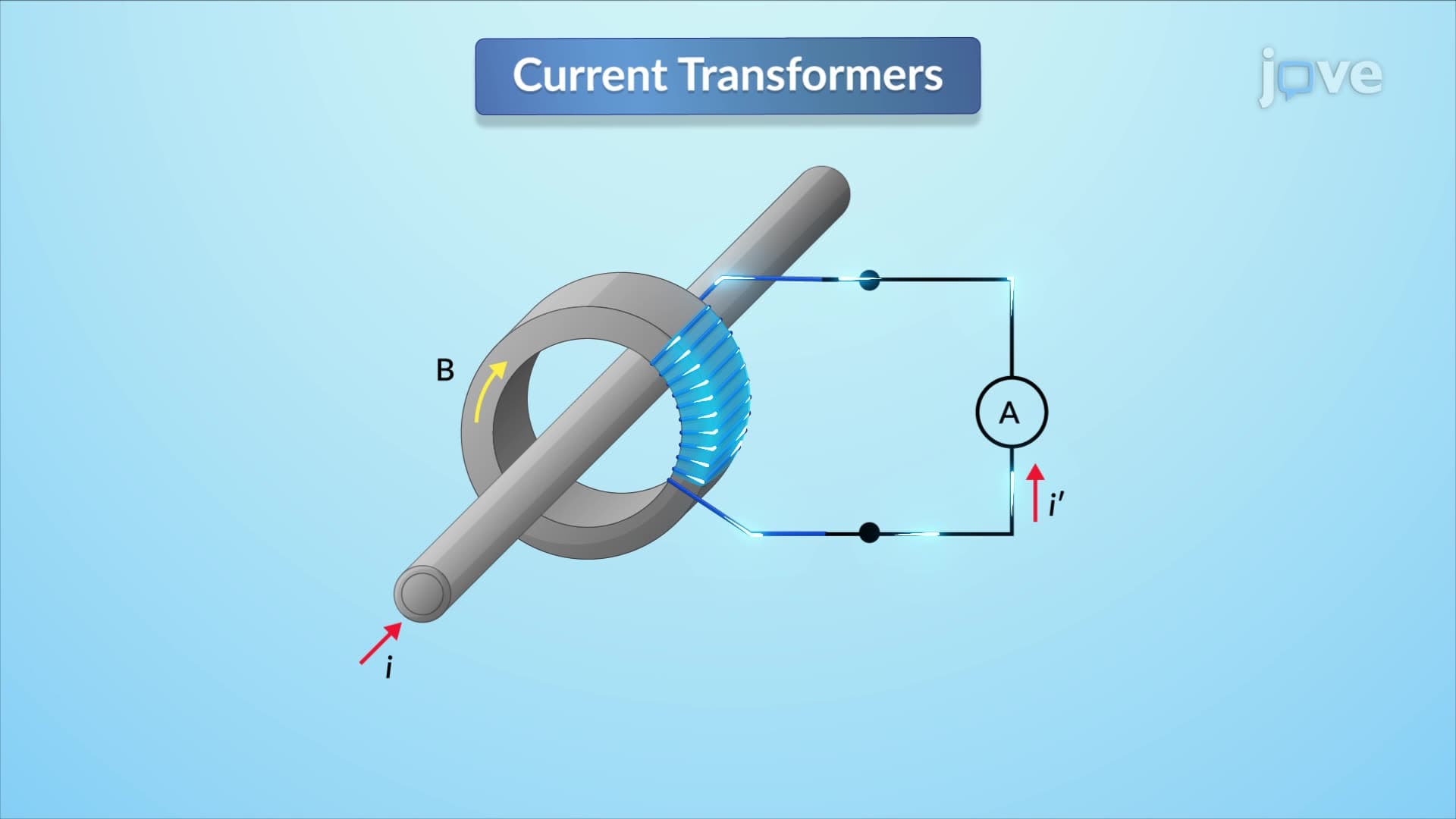
The advantages of numeric relaying extend far beyond traditional electromechanical alternatives. Engineers can program these relays for multiple protection functions, reducing panel space requirements and simplifying wiring installations. The lower transformer burden reduces CT sizing requirements, while improved sensitivity enables detection of high-impedance faults that might escape conventional protection.
However, numeric relays introduce new considerations for protection engineers. Their dependence on electronic components makes them susceptible to power system transients, electromagnetic interference, and cybersecurity threats. Understanding these vulnerabilities becomes crucial when studying for professional engineering exams or working in utility protection departments.
Students preparing for electrical engineering coursework or professional certification exams should understand how these protection concepts apply in real-world scenarios. For instance, when analyzing power system stability problems on the Fundamentals of Engineering (FE) exam, understanding relay coordination and protection zones helps solve complex network protection questions.
The swing equation governs how these protection systems respond to system disturbances, making the relationship between protection speed and system stability a critical concept for advanced power system analysis courses.
Frequently Asked Questions
Pilot relaying uses communication channels to compare electrical quantities across transmission line terminals for differential protection, while numeric relaying employs microprocessors and software for intelligent fault detection. Both systems work together to protect power grids from faults and maintain electrical system reliability. They're essential components in modern utility protection schemes across major US power companies.
These topics frequently appear on the FE exam, PE Power exam, and senior-level power systems courses as protection coordination problems. Students must understand relay operating principles, communication requirements, and fault detection methods. Practice problems often involve calculating relay settings, analyzing protection zones, and determining coordination timing for transmission line protection schemes.
Numeric relays demonstrate key engineering principles like digital signal processing, microprocessor applications, and software-hardware integration that align with modern STEM curricula. Their programmable nature and multi-function capabilities provide excellent examples of how computer science concepts apply to electrical engineering. Students can relate these systems to smartphone technology and embedded systems they encounter daily.
Major utilities like Pacific Gas & Electric, Con Edison, and Duke Energy use these systems extensively on their transmission networks. Pilot relaying protects critical 69-115 kV transmission corridors, while numeric relays provide backup protection and monitoring throughout the grid. These systems helped prevent cascading failures during events like the 2003 Northeast blackout and the 2021 Texas winter storm.
Basic understanding requires only algebra and trigonometry concepts typically covered in high school physics or introductory electrical engineering courses. While advanced applications involve complex impedance calculations and Fourier analysis, the fundamental operating principles are accessible to students with solid algebra skills. The swing equation provides the mathematical foundation for understanding system response to disturbances.
Focus on understanding the practical differences between protection methods, memorizing typical voltage applications (69-115 kV for pilot relays), and practicing relay coordination problems. Create comparison charts highlighting advantages and disadvantages of each technology. Work through sample problems involving fault detection timing and protection zone analysis to build problem-solving confidence.
Students should explore adaptive protection systems, wide-area monitoring systems (WAMS), and synchrophasor technology used in smart grids. Advanced courses cover protective relay coordination, power system stability analysis, and cybersecurity considerations for numeric relay systems. These topics become important for graduate studies in power systems engineering and utility careers.
Communication channel failures can disable pilot relay differential protection, forcing the system to rely on slower backup protection schemes. This increases fault clearing times from 1-3 cycles to 5-15 cycles, potentially affecting system stability. Modern systems include communication monitoring and automatic fallback modes to maintain protection during channel outages, which is crucial for maintaining grid reliability during severe weather events.
Related Micro-courses


Related Subjects
 Civil Engineering 30 micro-courses›Mechanical Engineering 28 micro-courses›