Loading subject page…


2,354 views

Video Summary: What Is Zones of Protection
Ever wonder why a single electrical fault doesn't cause nationwide blackouts across the US power grid? Line protection systems divide electrical networks into protective zones, much like how fire doors compartmentalize buildings to prevent disaster spread. When the 2003 Northeast blackout affected 55 million Americans, inadequate zone coordination was a key factor. Understanding what is Zones of Protection reveals how power engineers design fail-safes that isolate problems while keeping the rest of the system operational. Watch the full video on JoVE Coach to master this concept with expert-led visuals and step-by-step explanations.
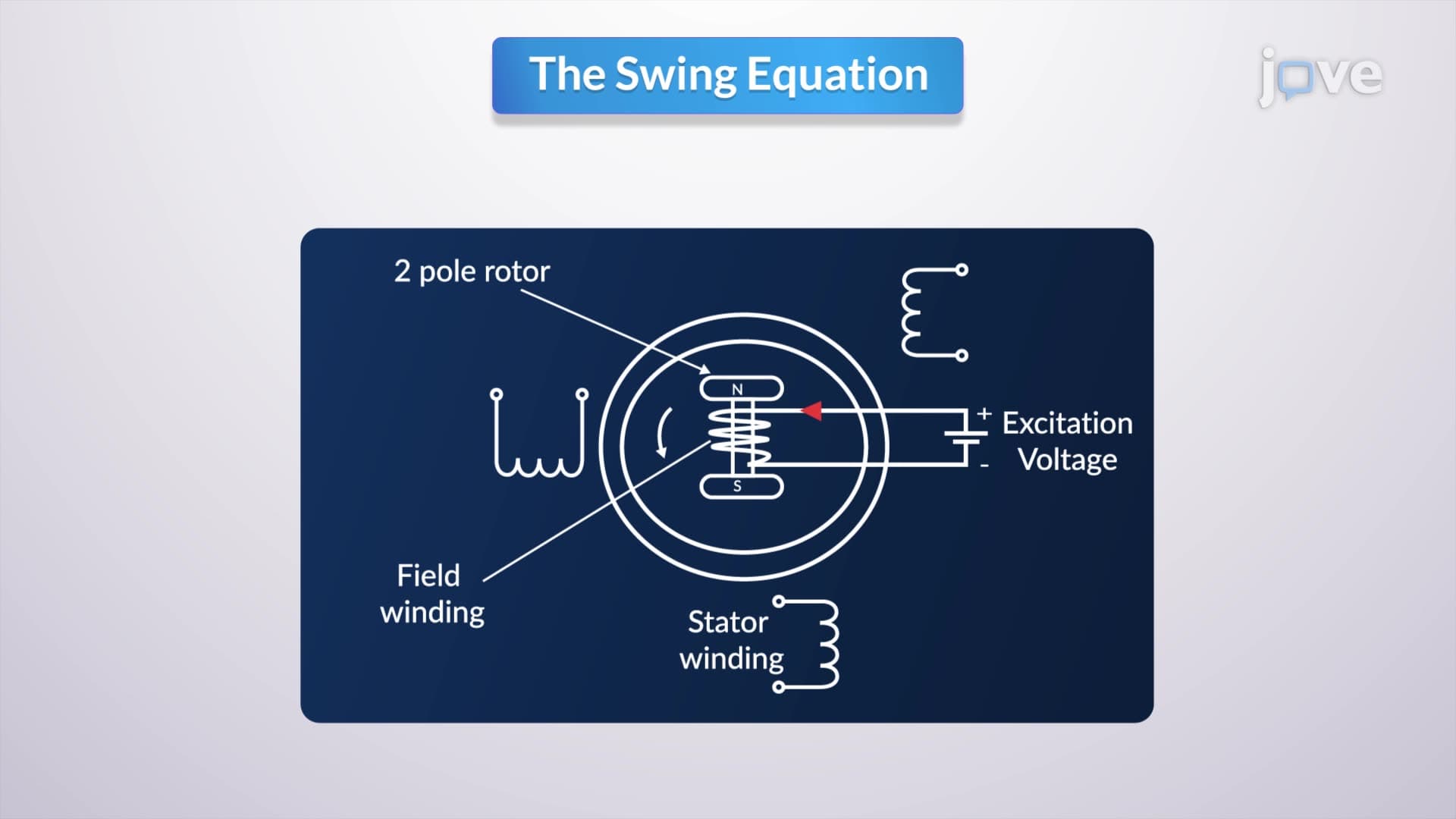
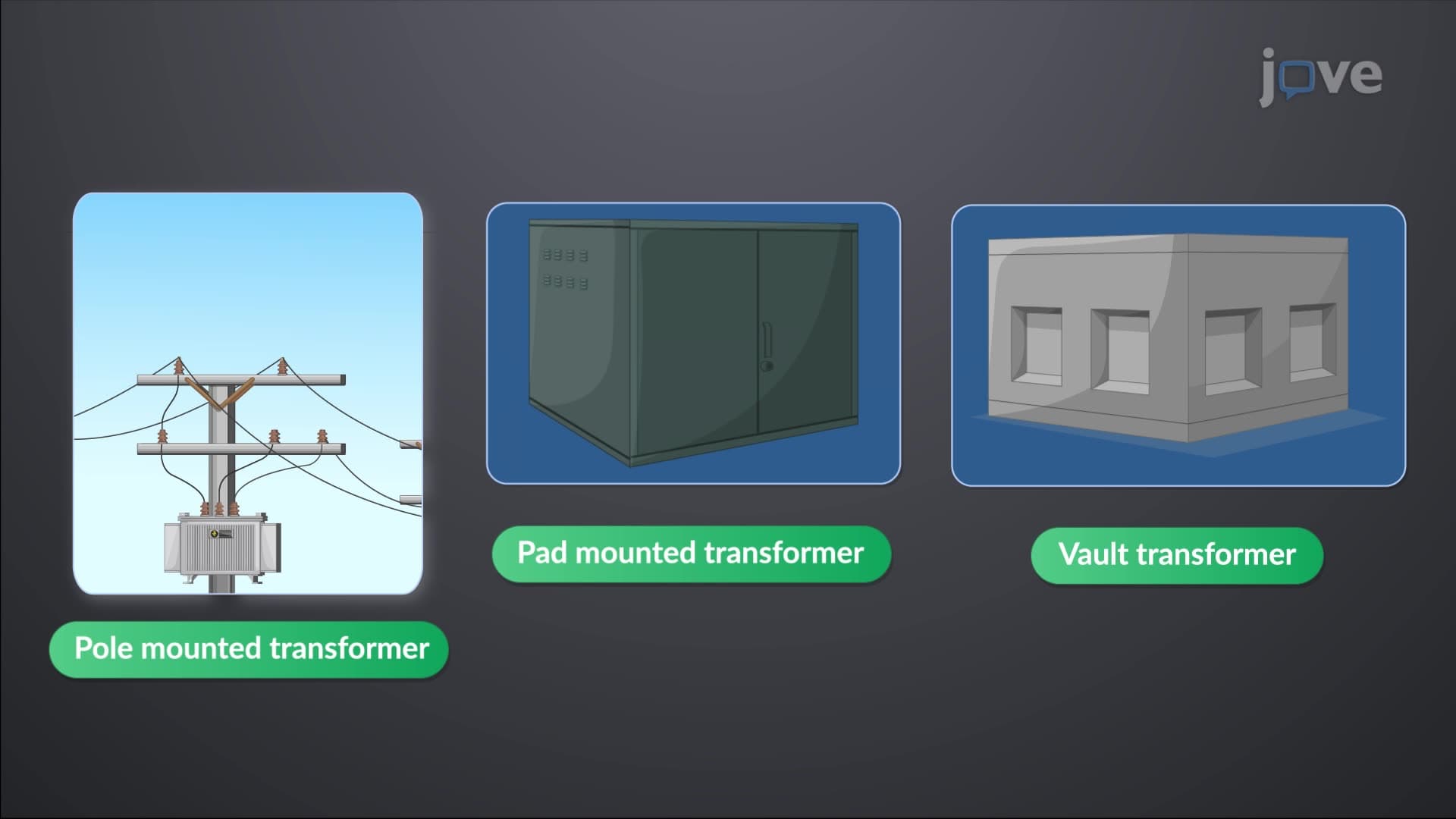
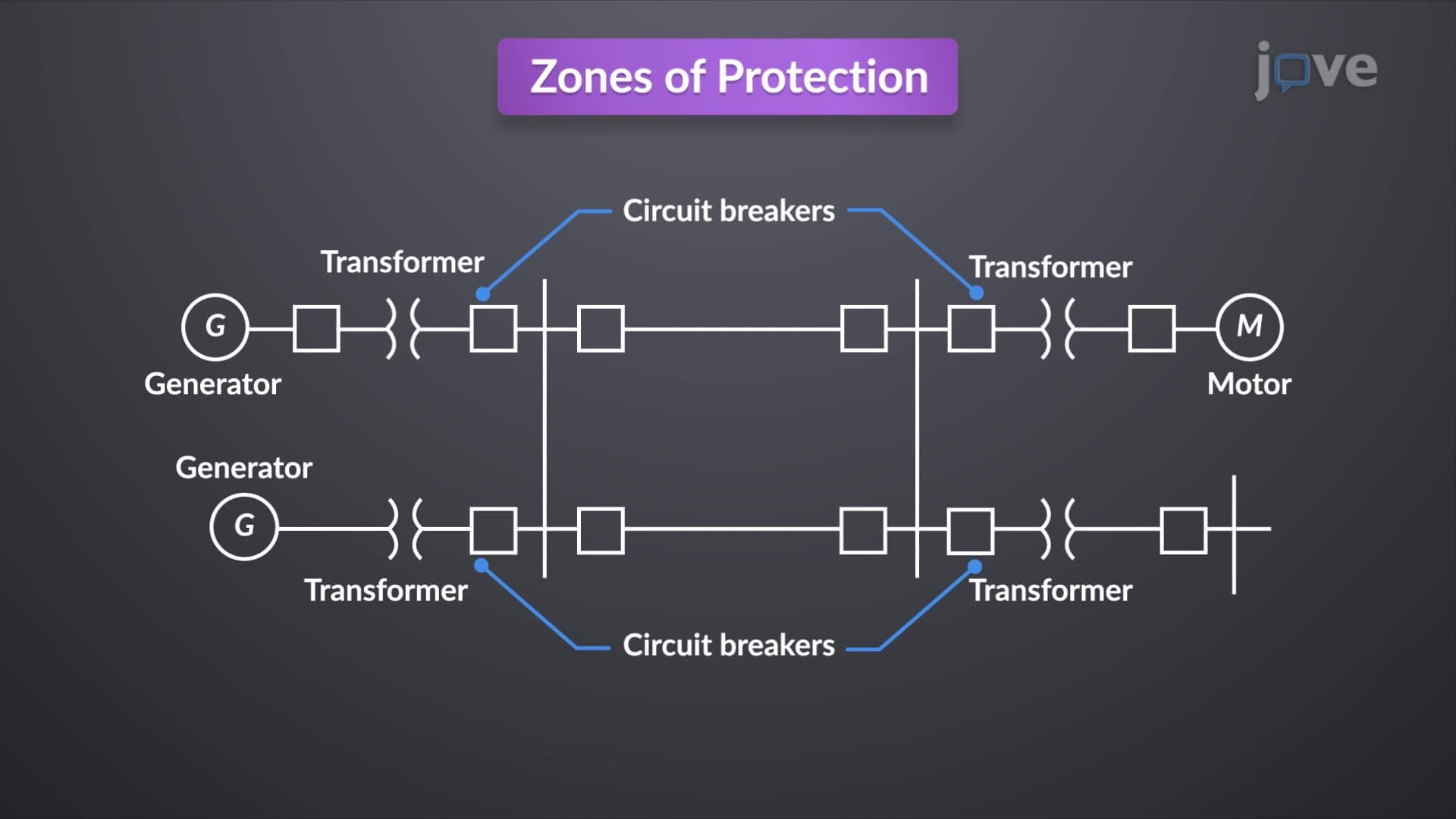
Line protection forms the backbone of electrical grid reliability, ensuring that faults don't cascade across entire networks. Zones of protection represent a fundamental engineering approach where power systems are strategically divided into separate, protected areas. Each zone contains specific equipment like generators, transformers, or transmission lines, with carefully positioned circuit breakers serving as gatekeepers between zones.
The line protection definition encompasses more than simple circuit isolation. Modern protective zones follow a hierarchical structure, much like the compartmentalized design of naval ships. When students study what is line protection in detail, they discover that each zone boundary is precisely engineered. For instance, a typical substation might have generator zones, transformer zones, and bus zones, each with dedicated protection schemes.
Consider the Hoover Dam's power generation facility, which supplies electricity across Nevada, Arizona, and California. The facility employs multiple protective zones: generator zones protect the massive turbine-generators, transformer zones safeguard the step-up transformers, and transmission zones protect the high-voltage lines carrying power hundreds of miles to cities like Las Vegas and Los Angeles.
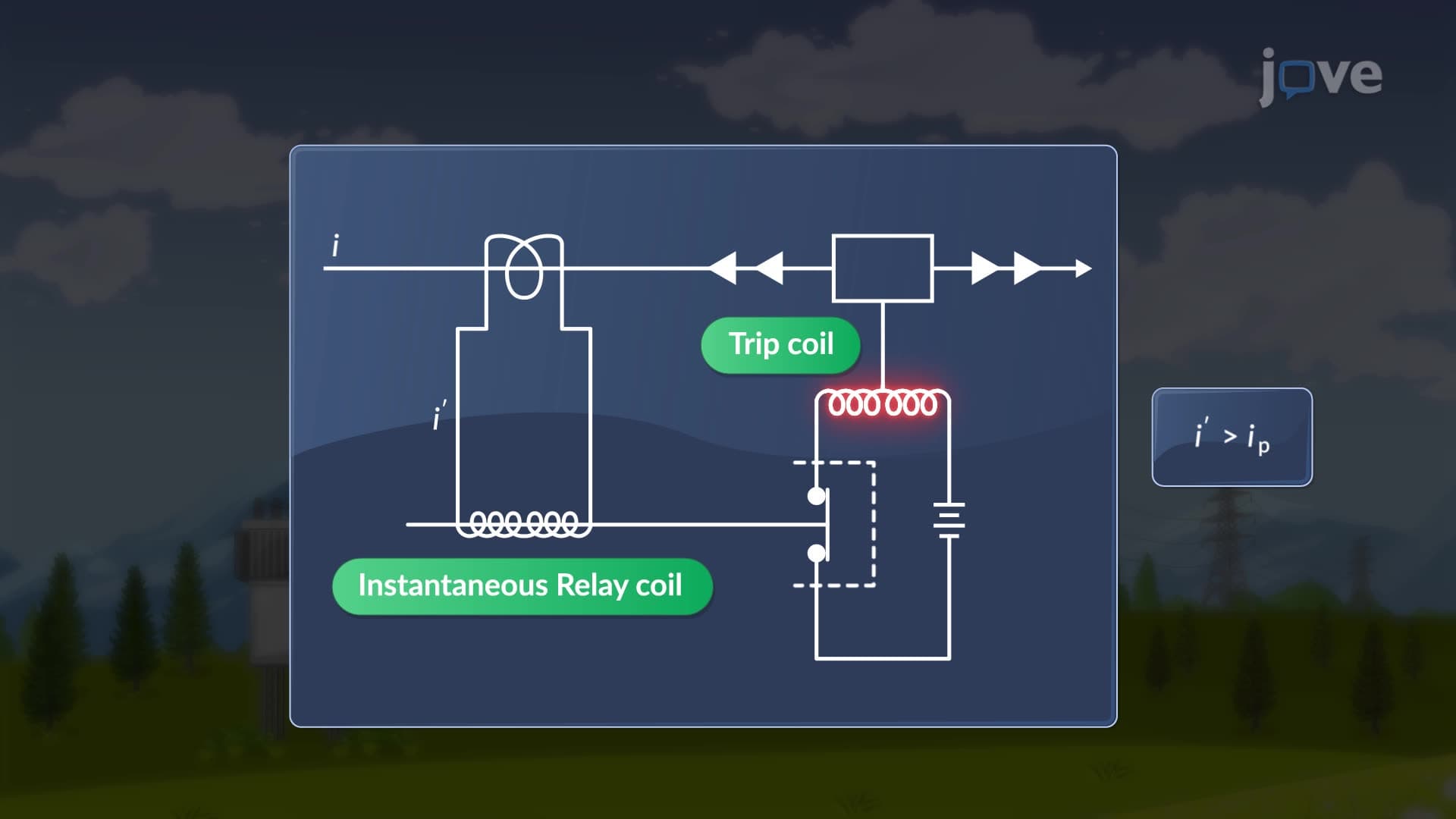
What makes line protection particularly robust is the overlapping zone concept. This line protection overview reveals that adjacent zones intentionally overlap at their boundaries, creating redundant protection. If one protective relay fails, backup systems ensure continued protection. This redundancy principle appears frequently in AP Physics courses and college electrical engineering curricula.
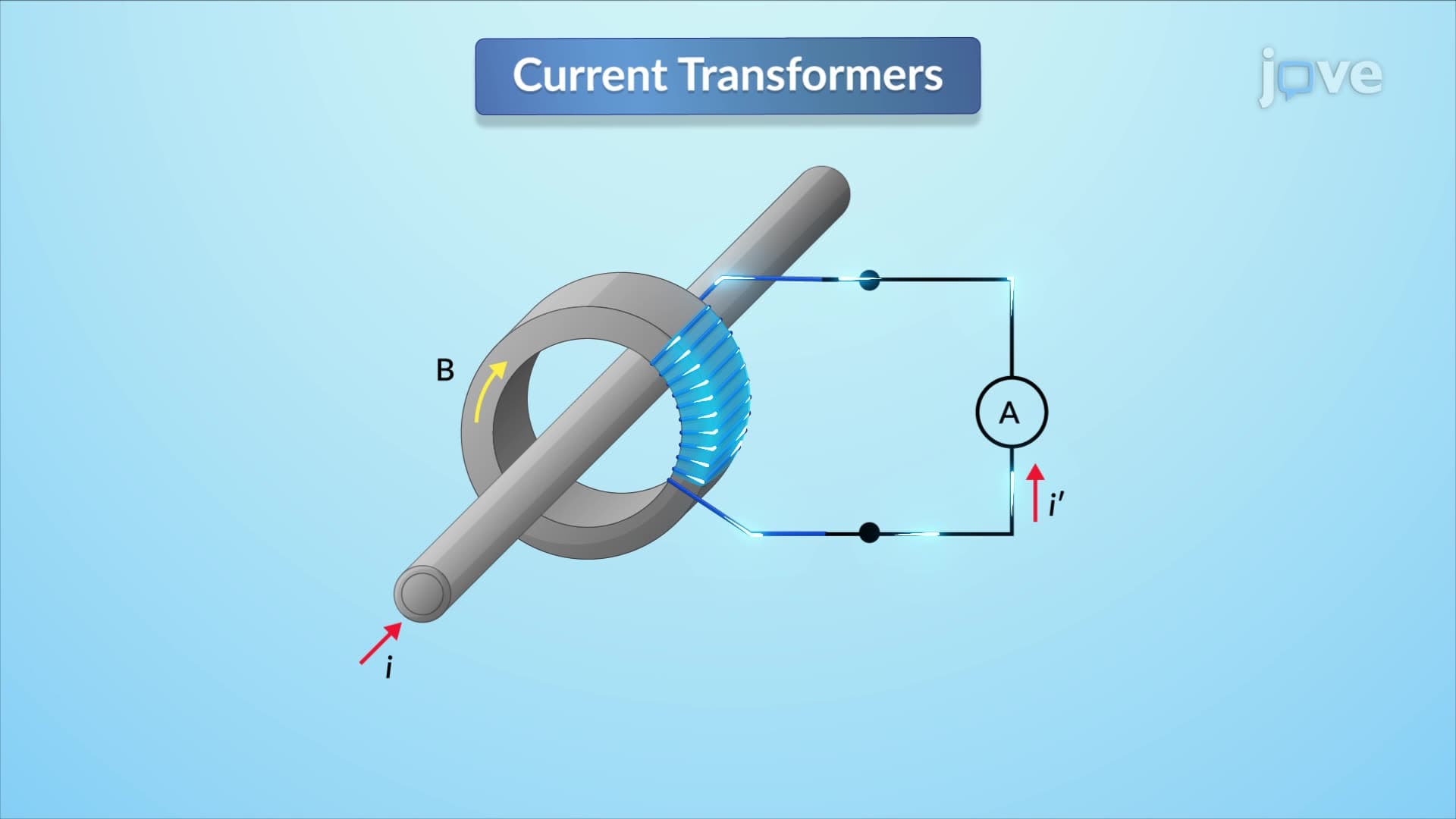
The overlapping design uses dual instrument transformers and relay systems. In practical terms, if a fault occurs on a transmission line between Phoenix and Tucson, multiple circuit breakers will coordinate to isolate just that line segment, maintaining power to both cities through alternate transmission paths.
Understanding line protection basics proves essential for students pursuing careers in electrical engineering or power systems. Major US utilities like Pacific Gas & Electric and ConEd rely on sophisticated zone protection schemes to maintain grid stability. These systems must respond within milliseconds to isolate faults while minimizing customer impact.
The line protection concept extends beyond theoretical study guides. During severe weather events like hurricanes affecting the Gulf Coast, protective zones allow utilities to isolate damaged sections while maintaining power to unaffected areas. This selective isolation prevented the 2021 Texas winter storm from causing even more widespread outages than actually occurred.
Related Micro-courses