Loading video…


 9 Concepts
 2.4K views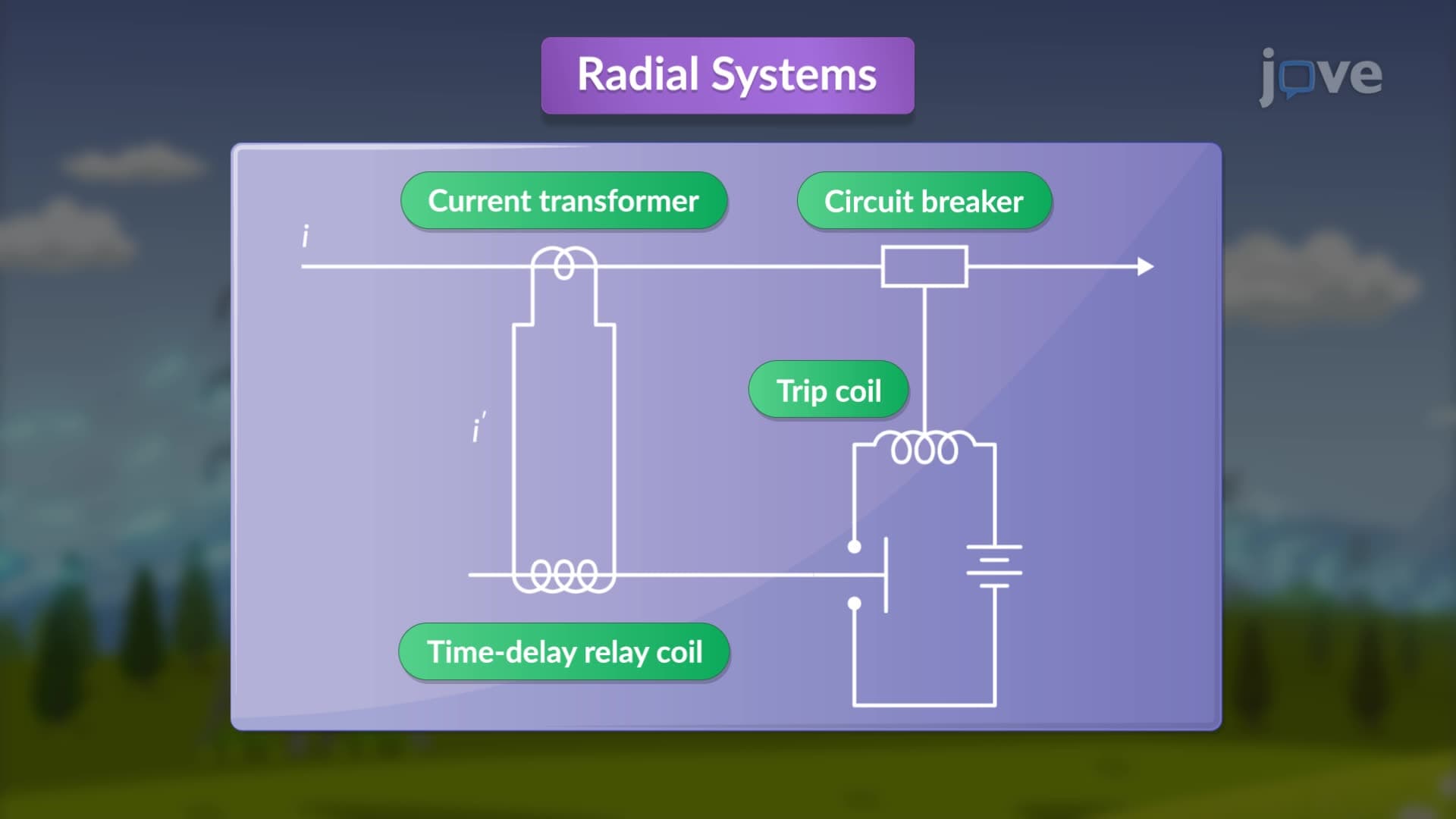

Video Summary: What Is Radial System Protection
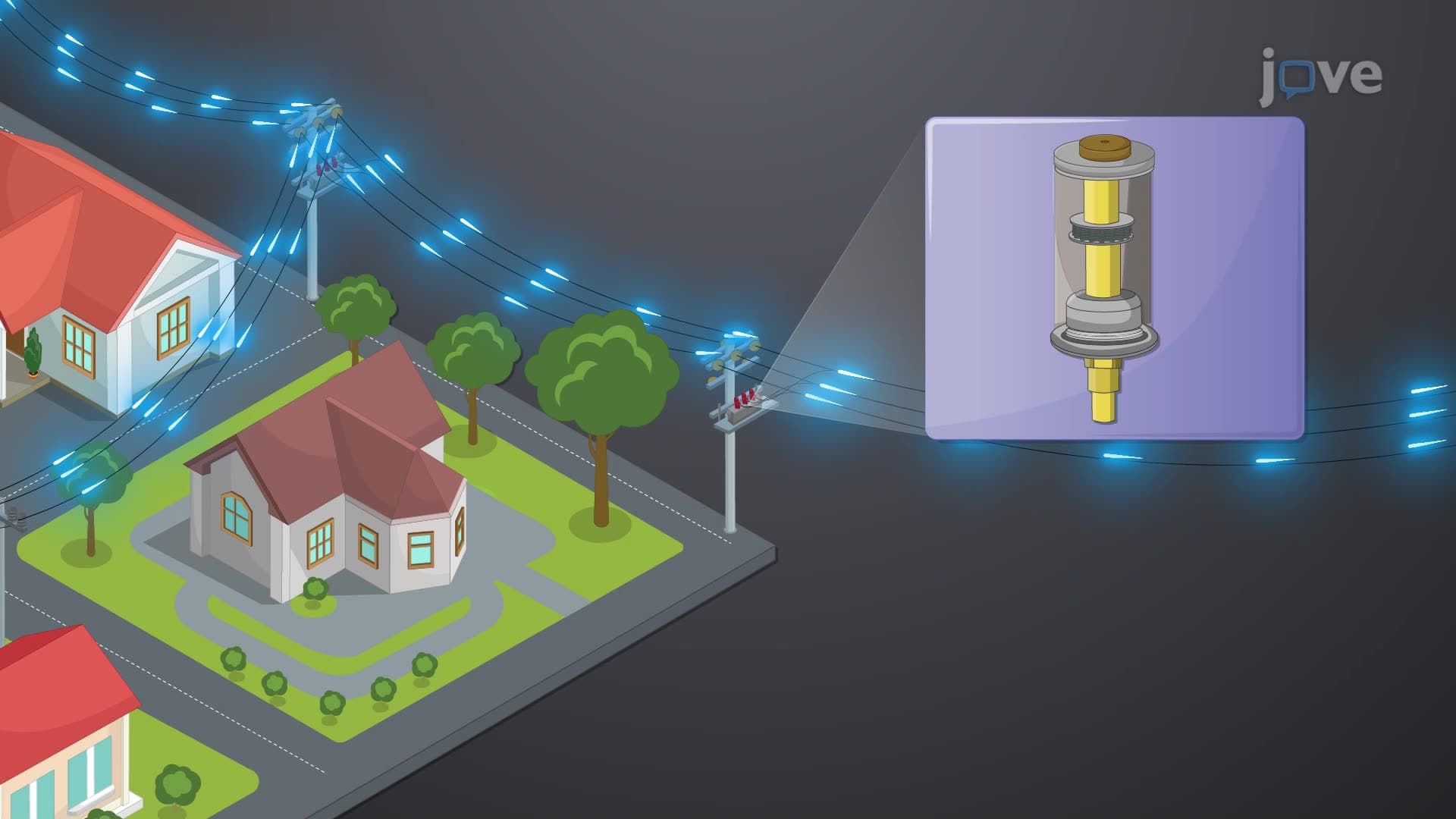
Ever wonder how your home doesn't lose power when a tree falls on power lines three blocks away? Reclosers and fuses work within radial system protection schemes to isolate electrical faults while keeping the rest of the grid energized. For example, when lightning strikes a power line in Austin, Texas, protective devices ensure only the affected neighborhood loses power, not the entire city. What is radial system protection involves sophisticated coordination between time-delayed overcurrent relays that prioritize minimal service disruption. Watch the full video on JoVE Coach to master this concept with expert-led visuals and step-by-step explanations.
Radial system protection forms the backbone of electrical power distribution across the United States, from residential neighborhoods to industrial complexes. This protection philosophy operates on a simple yet elegant principle: when electrical faults occur, only the minimum necessary portion of the system should be disconnected. The reclosers and fuses definition encompasses automatic switching devices that interrupt fault currents and can restore service after temporary faults clear.
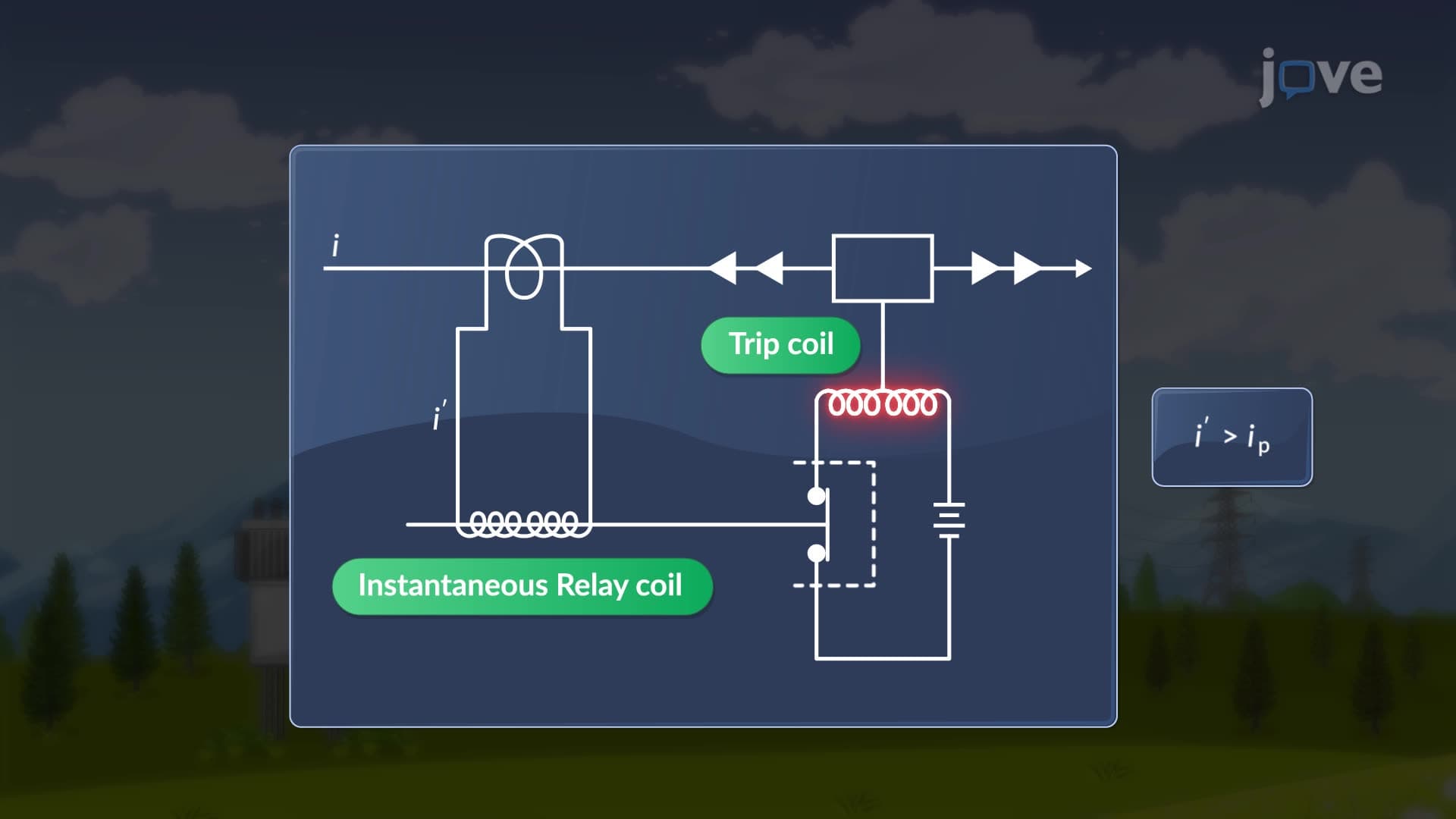
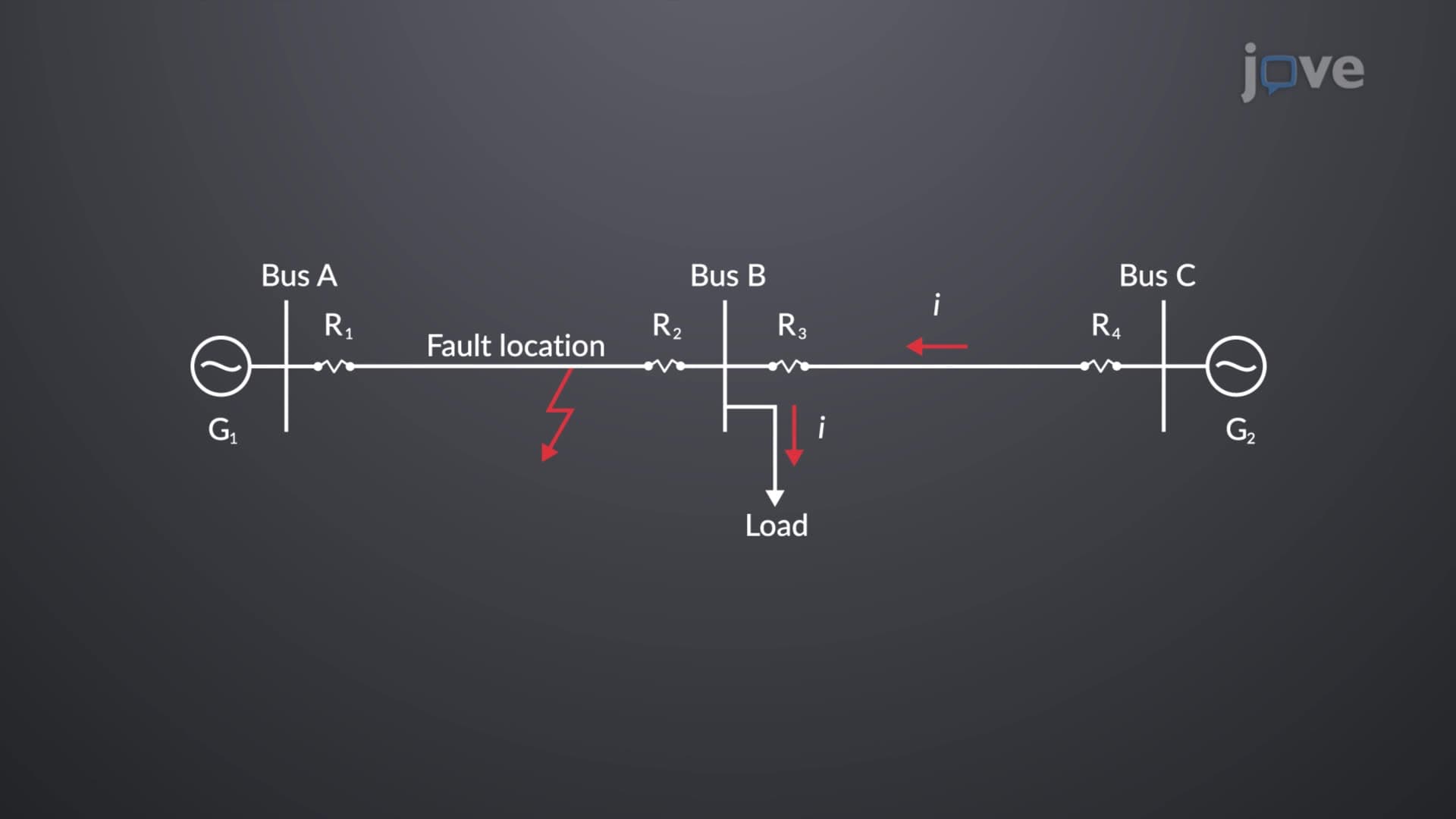
The heart of radial protection lies in carefully orchestrated time delays. Protective relays closest to loads operate fastest, while upstream devices have progressively longer delays. This creates a "selectivity ladder" where each protective device has its designated zone of responsibility. For instance, in a typical suburban distribution system serving Phoenix, Arizona, a fault on a residential feeder would trip only that feeder's breaker, leaving the main substation and other feeders operational.
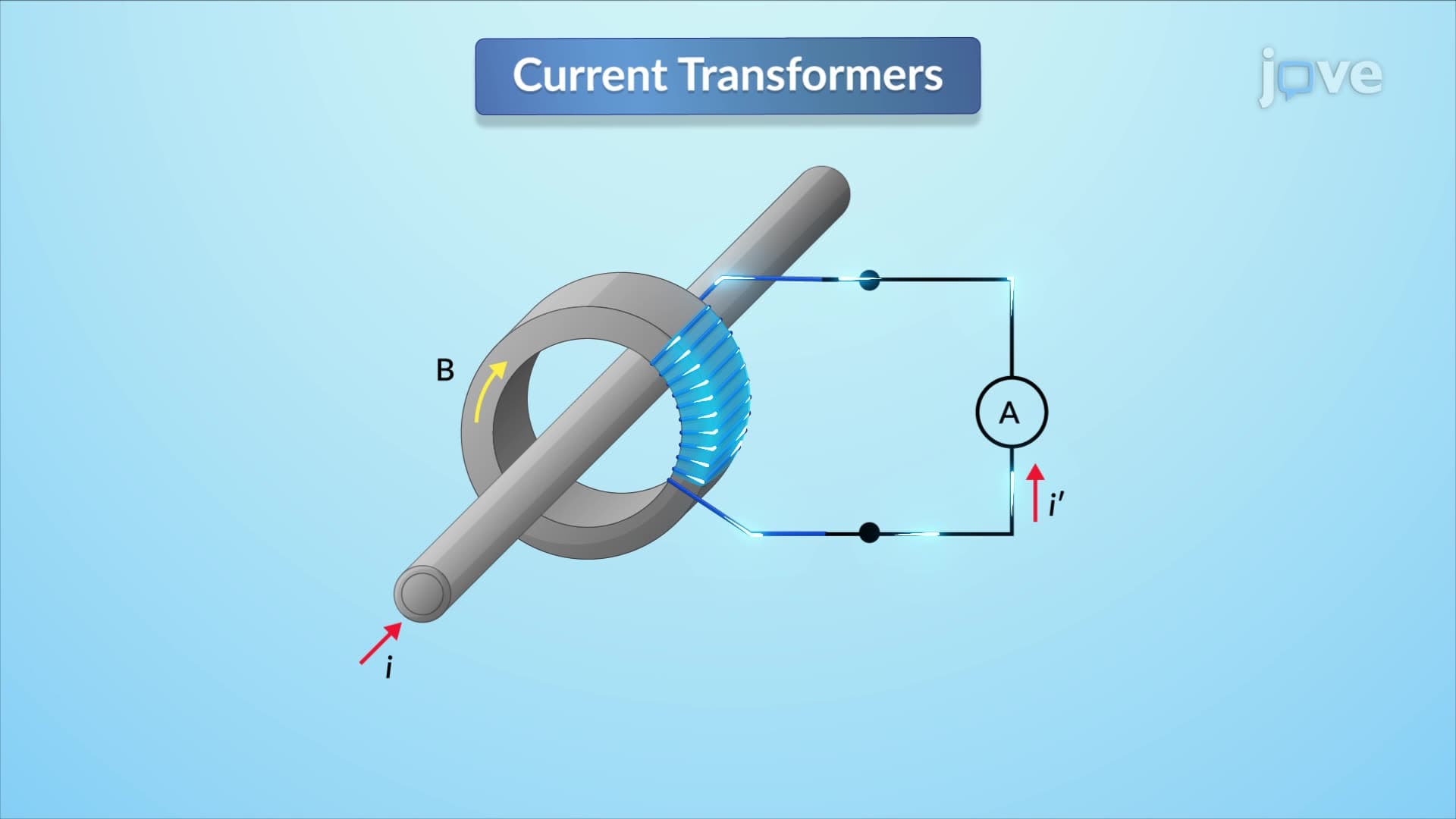
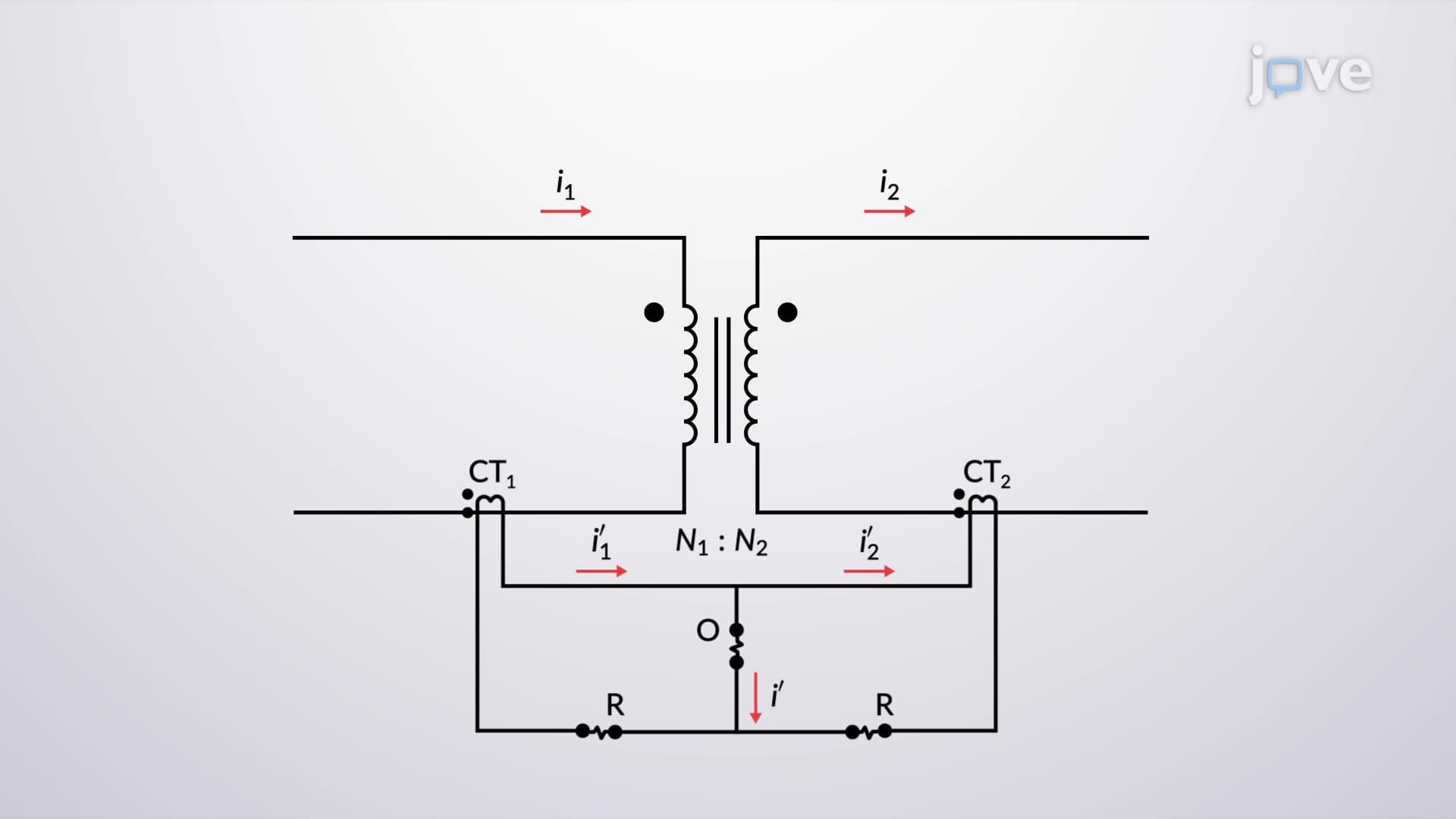
The coordination time interval-typically 0.2 to 0.5 seconds-accounts for real-world variables including current transformer accuracy limitations and the natural DC offset that occurs during fault conditions. These seemingly small timing differences are crucial for system reliability and appear frequently on the Fundamentals of Engineering (FE) exam and electrical engineering coursework at universities like MIT and Stanford.
Understanding reclosers and fuses requires grasping how different fault types affect system protection. Three-phase faults create the highest fault currents and fastest relay operation, while single line-to-ground faults may require specialized ground relays with lower current settings. High zero-sequence impedance feeders-common in rural areas with long overhead lines-present unique challenges requiring separate ground fault detection.
What is reclosers and fuses in detail extends to smart grid applications where automated systems restore power within seconds for temporary faults like bird contacts or wind-blown debris. Major utilities like Pacific Gas & Electric employ thousands of automated reclosers that significantly reduce customer outage duration. These concepts frequently appear in AP Physics C coursework and electrical engineering programs, particularly when studying power systems at schools like Georgia Tech and University of California Berkeley.
Related Micro-courses