Loading video…


 9 Concepts
 2.4K views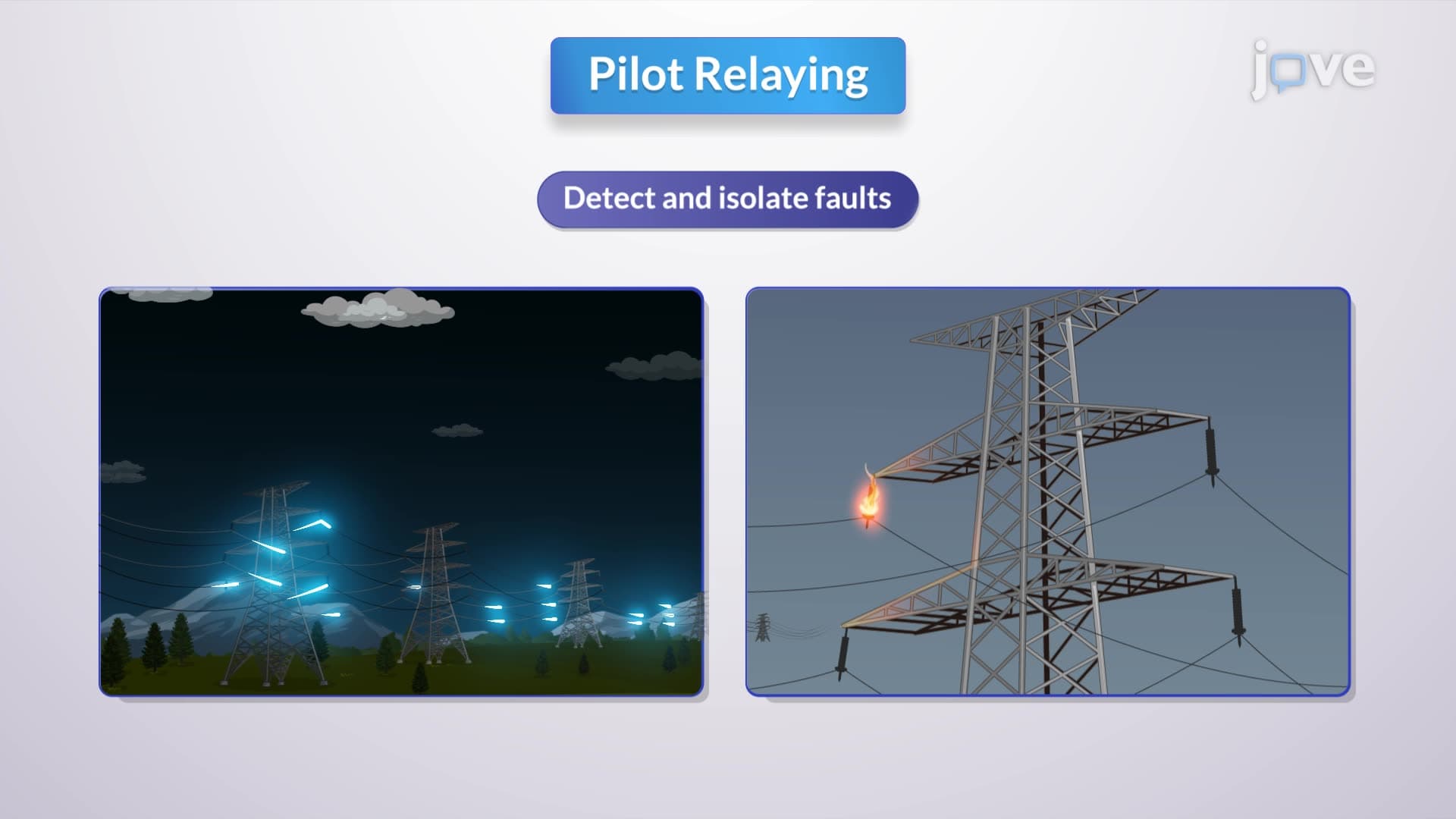

Video Summary: What Is Pilot and Numeric Relaying
When a massive power outage struck Texas in 2021, it highlighted how critical protective relay systems are for maintaining electrical grid stability. The swing equation governs how power systems respond to disturbances, making pilot and numeric relaying essential for preventing cascading failures. These advanced protection systems, including pilot relaying for transmission lines and numeric relaying with microprocessor-based controls, ensure rapid fault detection across major utilities like PG&E and ConEd. Watch the full video on JoVE Coach to master this concept with expert-led visuals and step-by-step explanations.
Pilot and numeric relaying represent two critical approaches to electrical power system protection that work together to maintain grid reliability. While these technologies serve different functions, both are essential for preventing widespread blackouts and equipment damage in modern power systems.
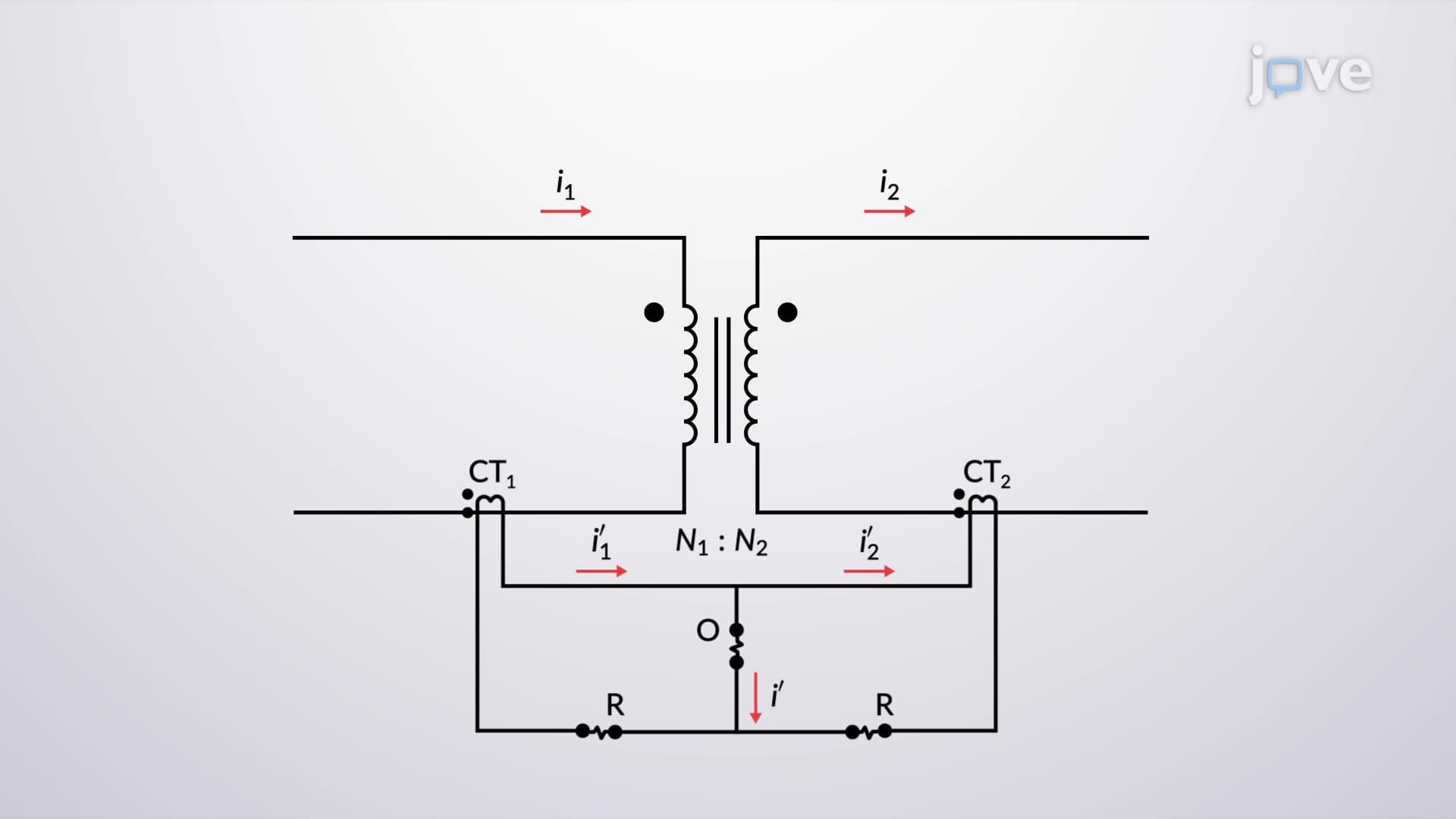
Pilot relaying operates as a sophisticated form of differential protection specifically designed for transmission lines spanning significant distances. This technology excels in applications involving 69 kV to 115 kV transmission systems, commonly found in regional transmission networks across states like California, Texas, and New York.
The system relies on four dedicated communication channels to continuously compare electrical quantities at different terminals of a transmission line. Two primary fault detection methods drive pilot relay operation: directional comparison, which analyzes power flow directions to identify abnormal conditions, and phase comparison, which evaluates the relative phase angles of current measurements from multiple locations.
What makes pilot relaying particularly valuable is its ability to provide instantaneous primary zone protection without requiring complex relay coordination studies or detailed fault current calculations. This simplicity translates to faster response times during fault conditions, typically clearing faults within 1-3 cycles compared to conventional protection schemes that might take 5-10 cycles.
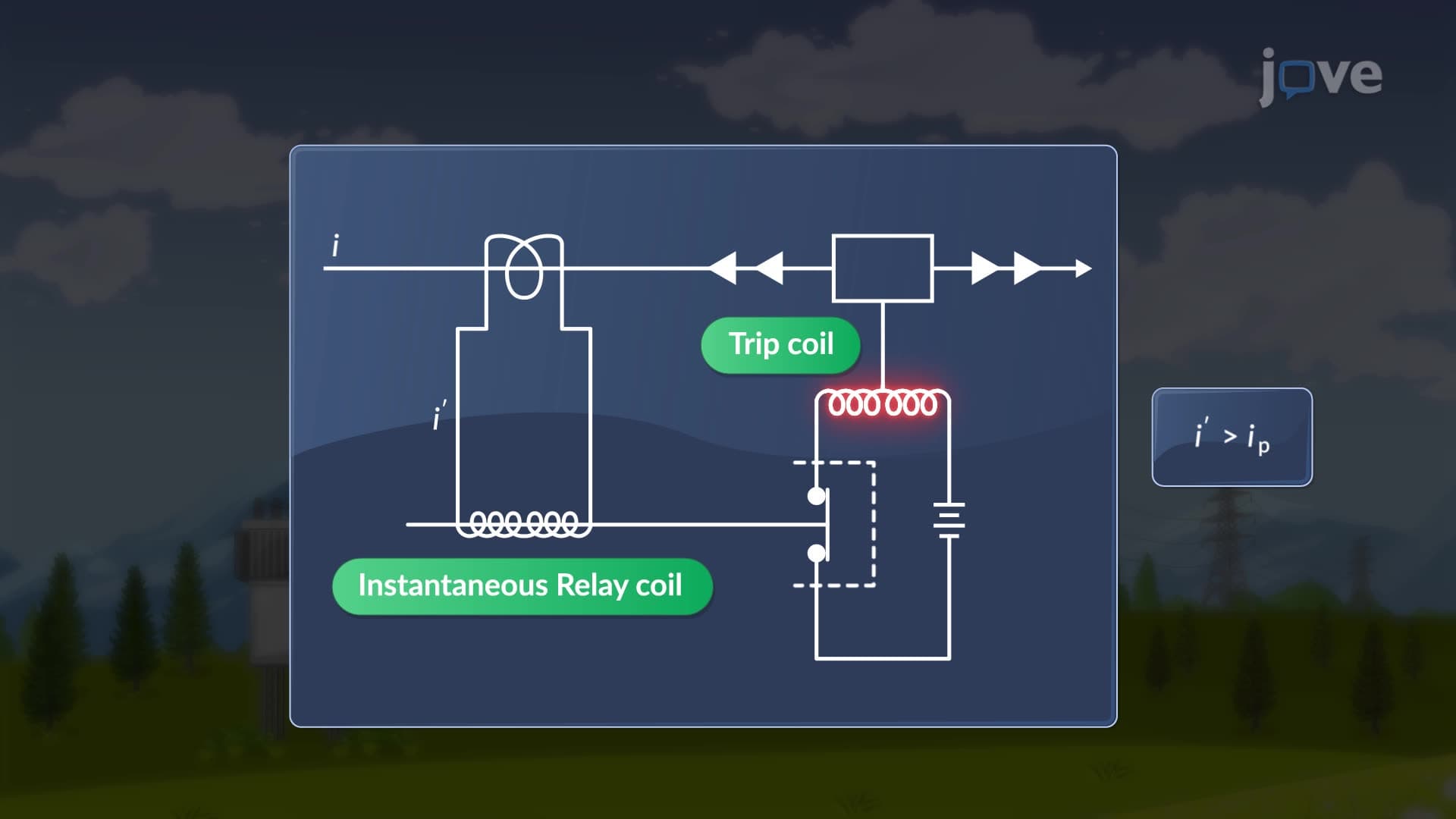
Numeric relays represent the modern evolution of protection technology, incorporating microprocessors and sophisticated software algorithms for fault detection and system monitoring. These devices have revolutionized protection engineering by offering unprecedented flexibility and functionality in a compact package.
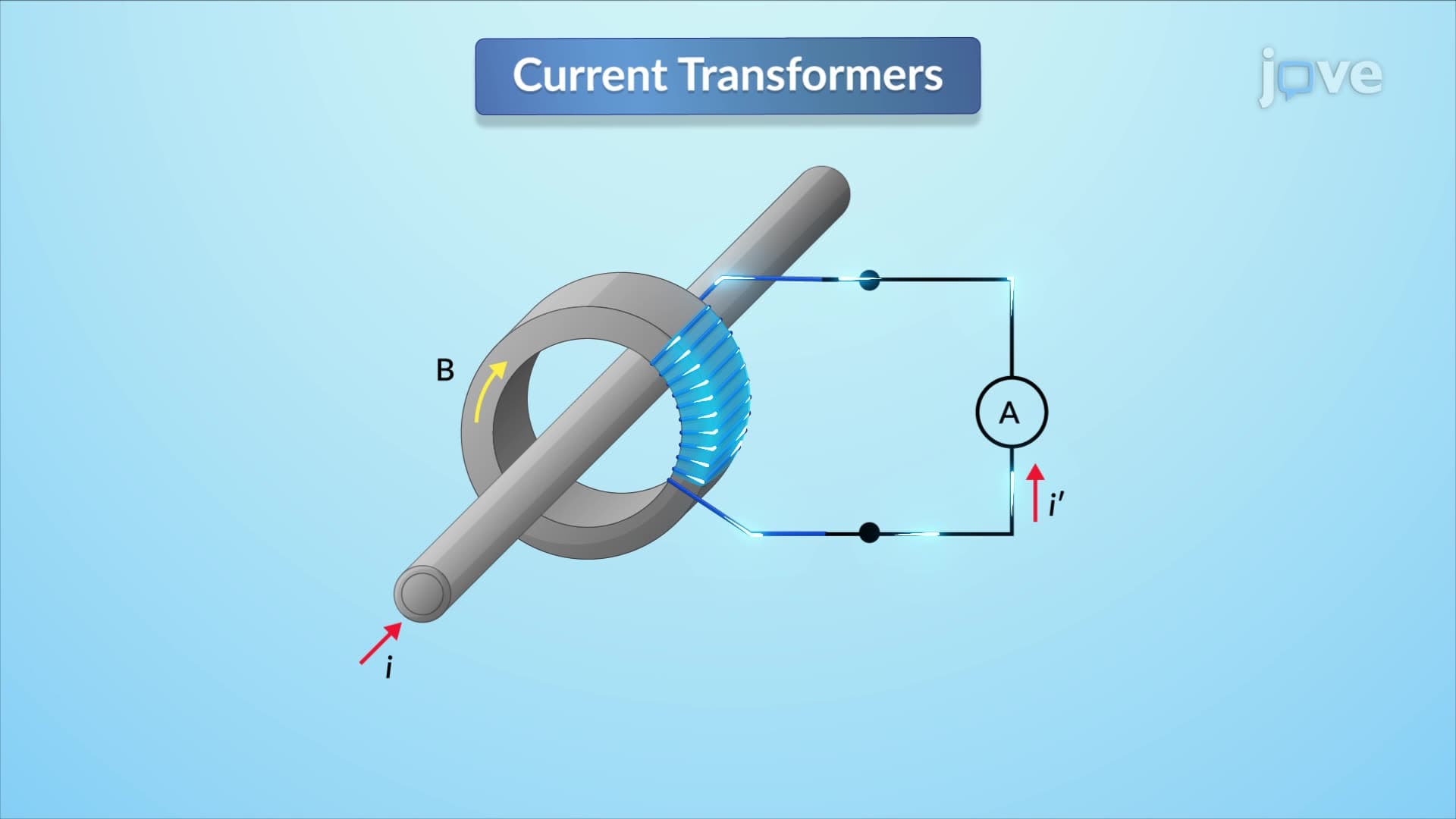
The advantages of numeric relaying extend far beyond traditional electromechanical alternatives. Engineers can program these relays for multiple protection functions, reducing panel space requirements and simplifying wiring installations. The lower transformer burden reduces CT sizing requirements, while improved sensitivity enables detection of high-impedance faults that might escape conventional protection.
However, numeric relays introduce new considerations for protection engineers. Their dependence on electronic components makes them susceptible to power system transients, electromagnetic interference, and cybersecurity threats. Understanding these vulnerabilities becomes crucial when studying for professional engineering exams or working in utility protection departments.
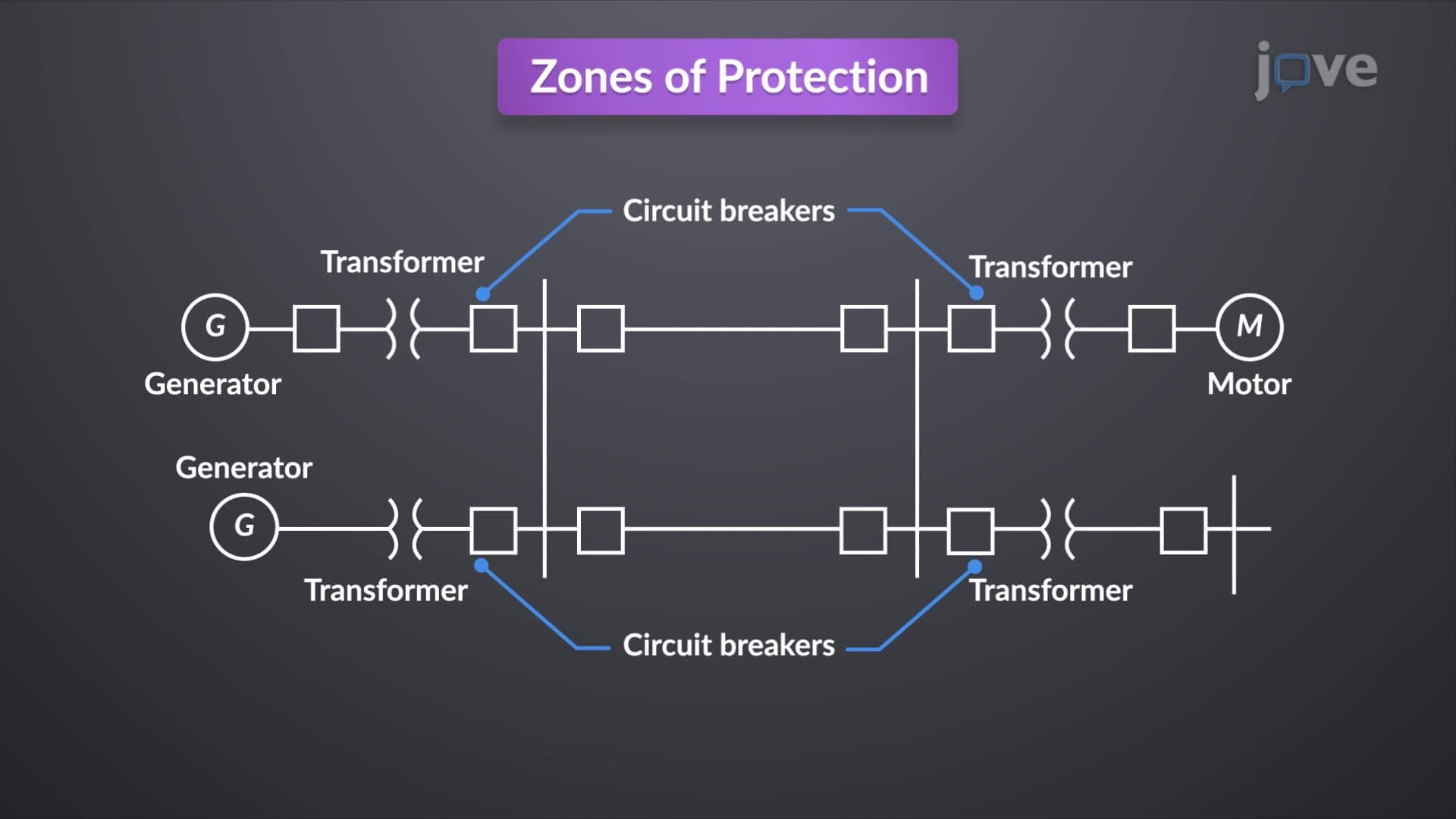
Students preparing for electrical engineering coursework or professional certification exams should understand how these protection concepts apply in real-world scenarios. For instance, when analyzing power system stability problems on the Fundamentals of Engineering (FE) exam, understanding relay coordination and protection zones helps solve complex network protection questions.
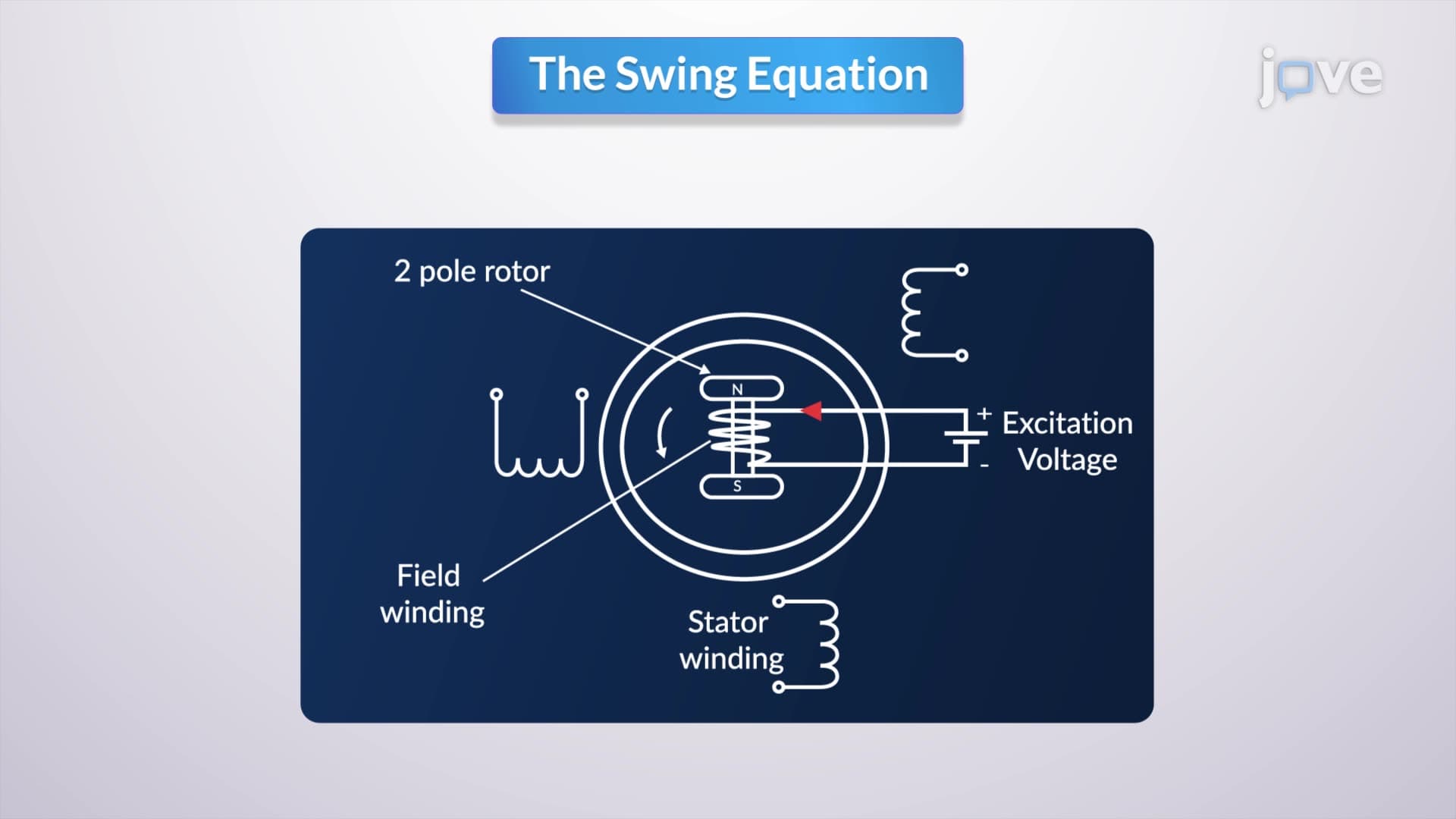
The swing equation governs how these protection systems respond to system disturbances, making the relationship between protection speed and system stability a critical concept for advanced power system analysis courses.
Related Micro-courses