Loading video…


 9 Concepts
 2.4K views

Video Summary: What Is Line Protection
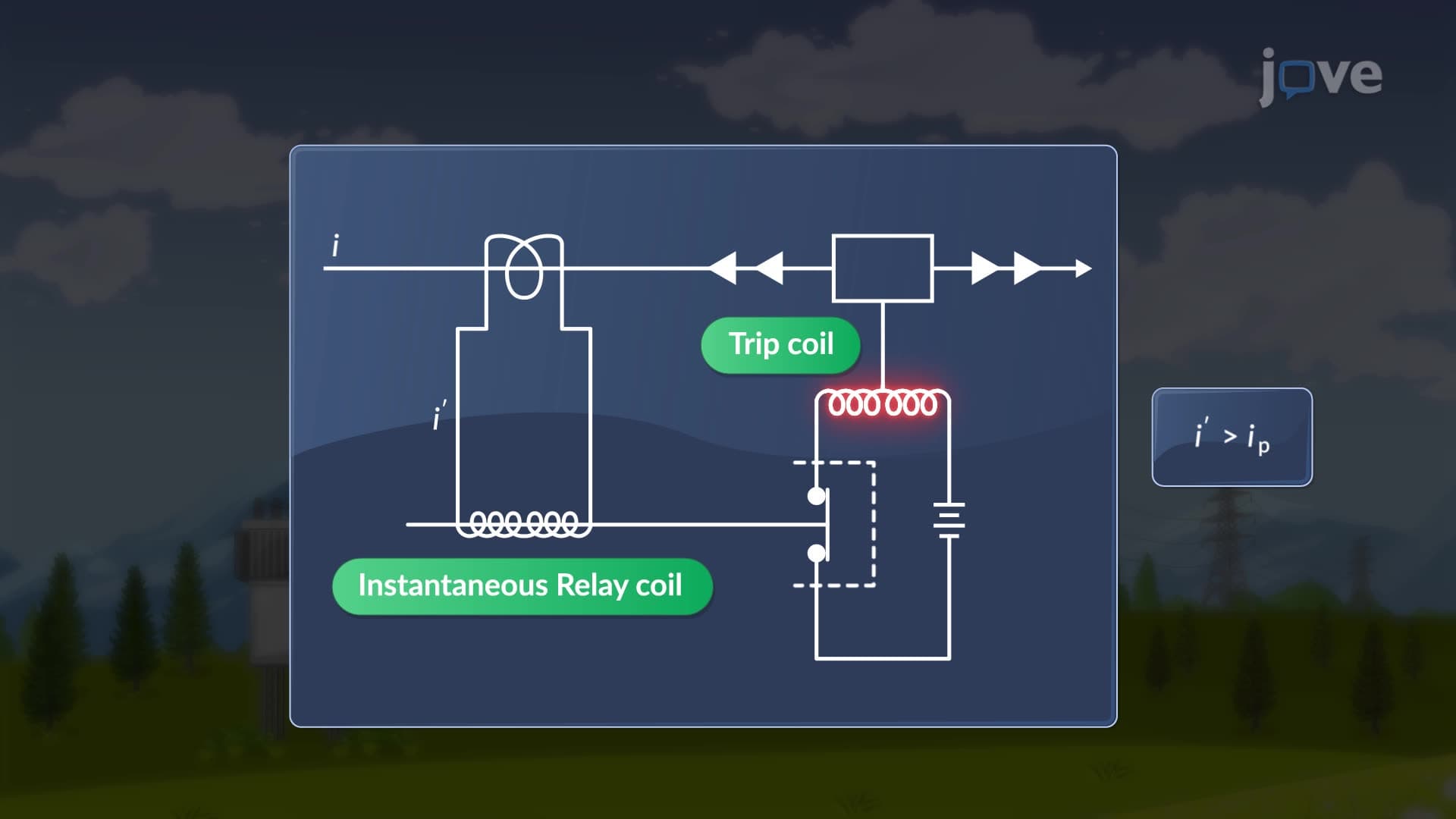
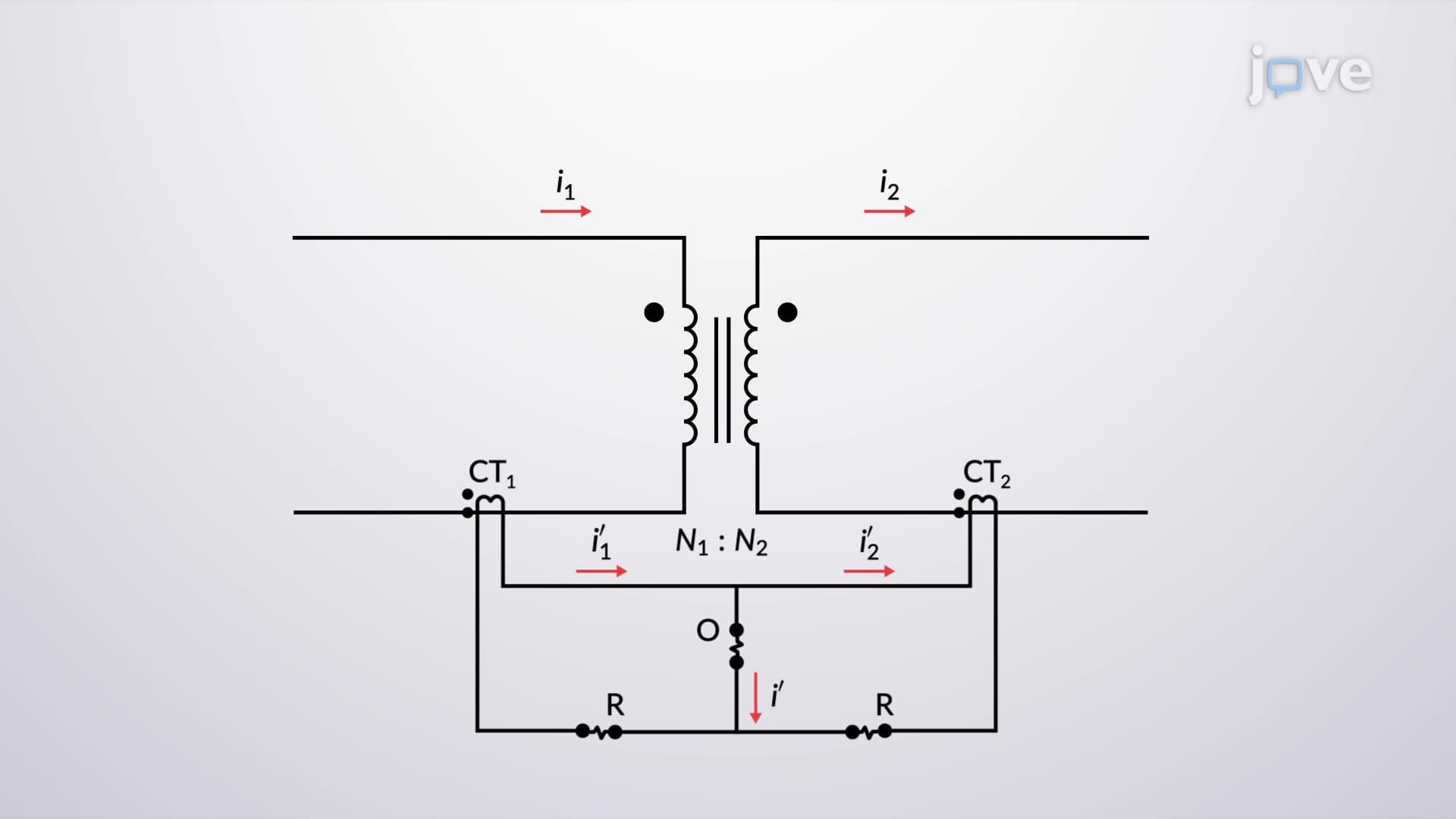
Ever wondered how power grids prevent catastrophic blackouts when electrical faults occur? Differential relays serve as the electrical system's first line of defense, instantly detecting abnormal current patterns to isolate faulty equipment. Unlike traditional overcurrent protection used in smaller systems, differential relays compare currents entering and leaving protected zones-think of how California's smart grid systems use these relays to protect major transmission lines between power plants and cities. Watch the full video on JoVE Coach to master this concept with expert-led visuals and step-by-step explanations.
Line protection represents one of the most critical aspects of electrical power system design, ensuring reliable electricity delivery across the United States' extensive power grid. At its core, line protection involves sophisticated relay systems that monitor electrical parameters and automatically isolate faulted sections to prevent widespread outages. This concept becomes essential for students preparing for electrical engineering programs at universities like MIT, Stanford, or Georgia Tech, where power systems courses extensively cover protection principles.
When exploring types of differential relays, students encounter three primary categories: current differential, voltage differential, and percentage differential relays. Current differential relays compare the currents entering and leaving a protected zone-if these currents don't balance, a fault exists within that zone. The Tennessee Valley Authority (TVA), for example, extensively uses current differential protection on their 500kV transmission lines. Voltage differential relays operate on similar principles but monitor voltage differences, while percentage differential relays incorporate percentage restraint characteristics to improve sensitivity during external faults.
The differential relays overview extends to impedance-based protection systems that respond to the fundamental relationship between voltage and current during fault conditions. These relays create protective zones defined by impedance circles on the complex plane. During normal operations, load impedance falls outside these circles, but faults dramatically alter the impedance characteristics, triggering relay operation. Pacific Gas & Electric (PG&E) relies heavily on these systems to protect California's transmission infrastructure, particularly during wildfire season when equipment faces elevated fault risks.
For students taking AP Physics C or preparing for the Fundamentals of Engineering (FE) exam, understanding relay coordination becomes crucial. Ground fault relays utilize line-to-neutral voltages and respond effectively to three-phase and ground faults but show limited sensitivity to line-to-line faults. Conversely, phase relays using line-to-line voltages excel at detecting phase-to-phase faults while showing reduced sensitivity to ground faults. This complementary relationship explains why modern protection schemes employ multiple relay types working in coordination, a concept frequently tested in electrical engineering coursework and professional licensing examinations.
Related Micro-courses