Loading video…


 9 Concepts
 2.4K views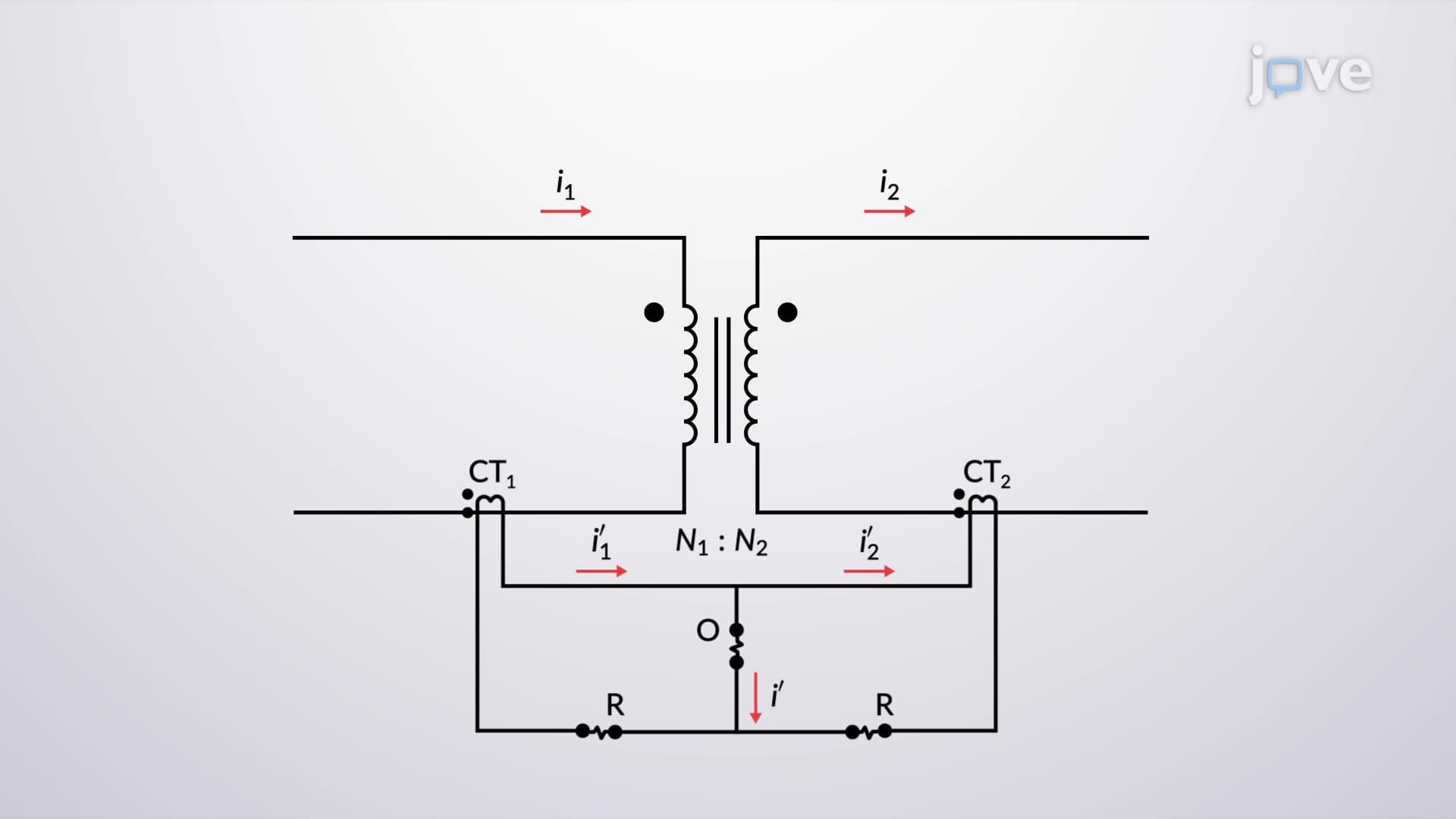

Video Summary: What are Differential Relays
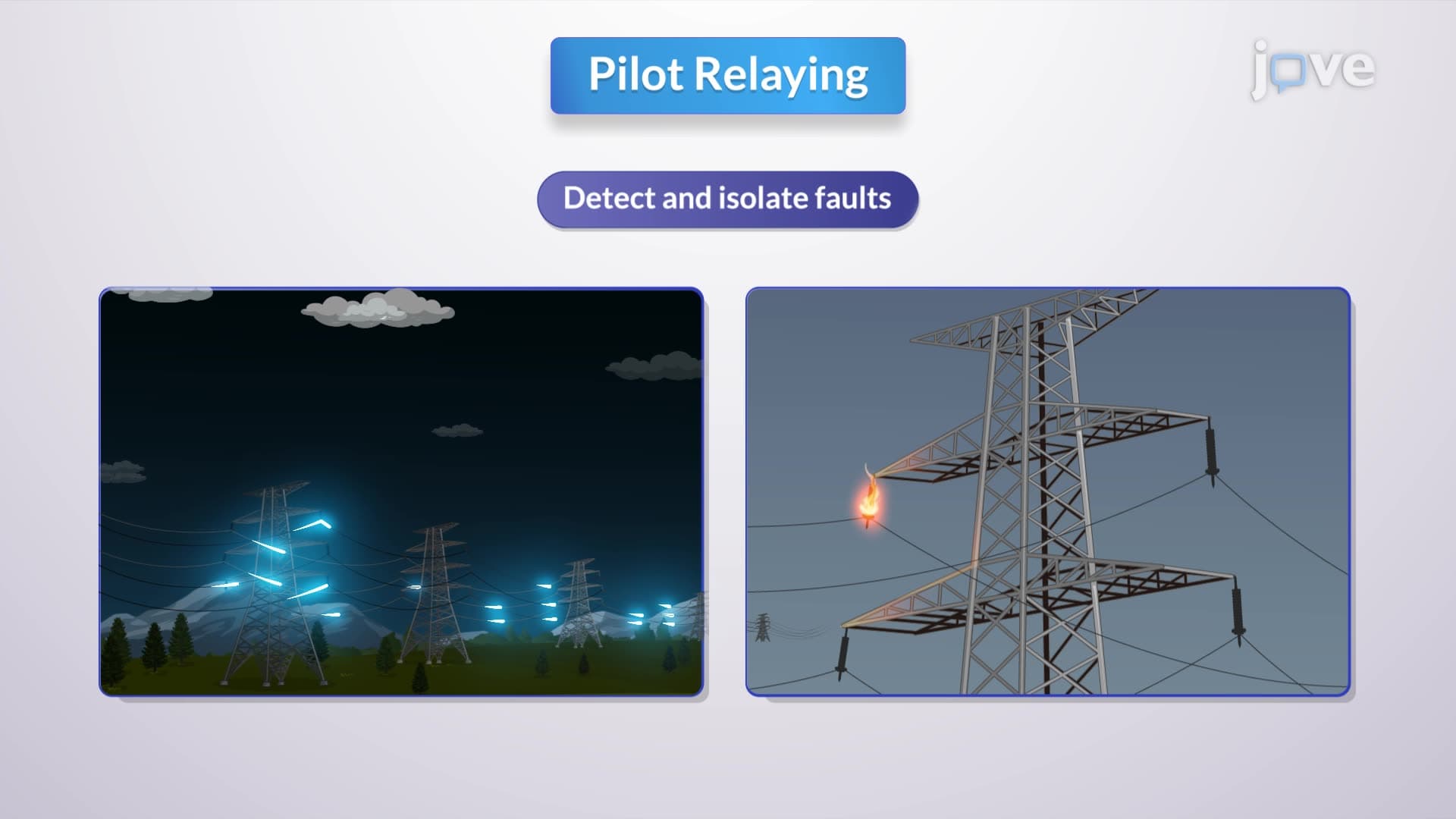
When a massive transformer at Texas's ERCOT grid suffered an internal fault in 2021, pilot and numeric relaying systems immediately detected the problem and isolated the equipment within milliseconds, preventing a cascading blackout. What are differential relays, and how do these sophisticated protection devices safeguard America's critical power infrastructure from catastrophic failures? These intelligent systems continuously monitor electrical equipment by comparing current flow patterns and instantly respond to dangerous fault conditions. Watch the full video on JoVE Coach to master this concept with expert-led visuals and step-by-step explanations.
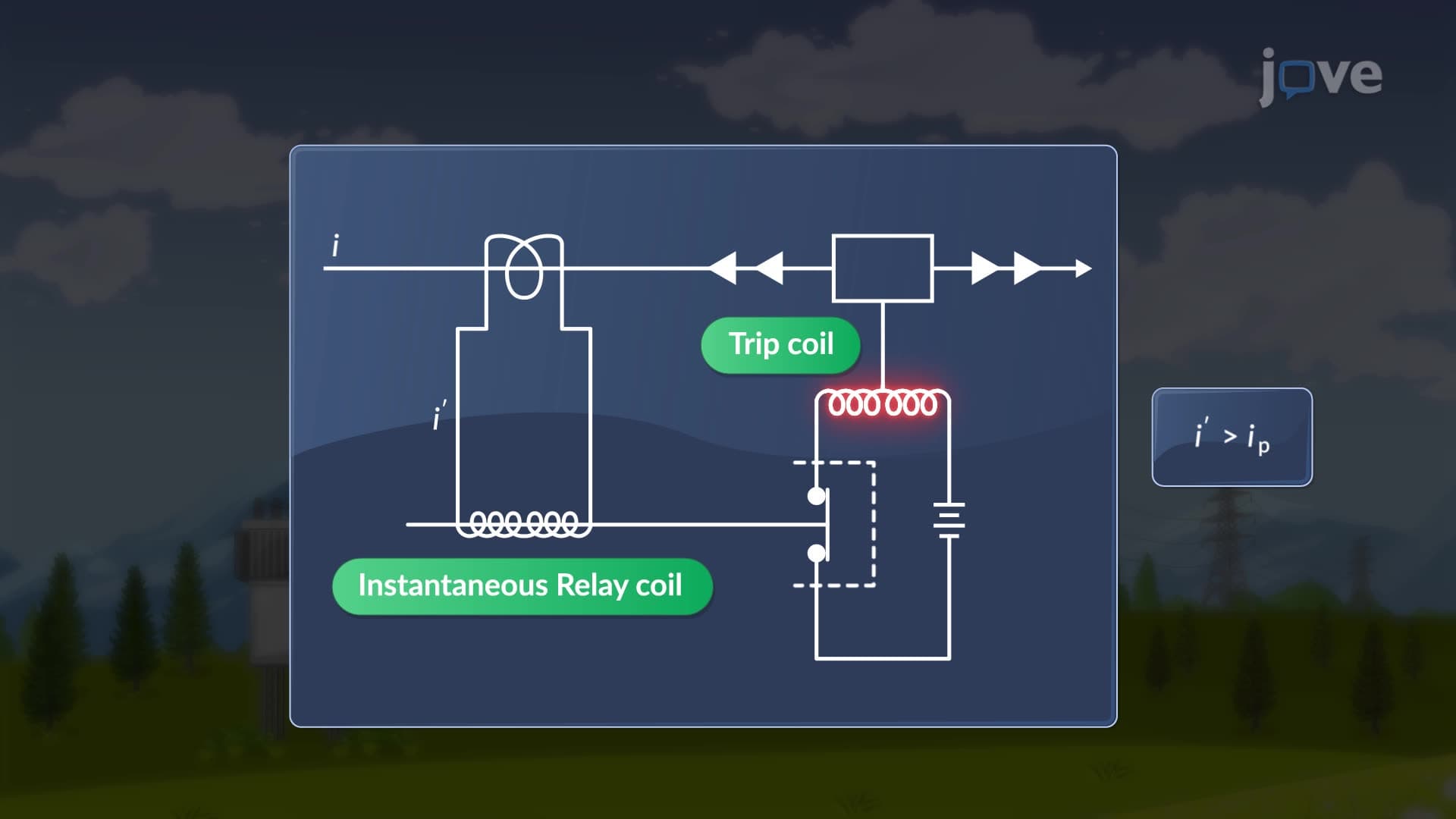
Differential relays represent one of the most critical protection technologies in modern electrical power systems. These sophisticated devices operate on a fundamental principle: under normal conditions, the current entering a protected zone equals the current leaving that zone. When this balance is disrupted by an internal fault, the differential relay immediately initiates protective action to isolate the faulty equipment.
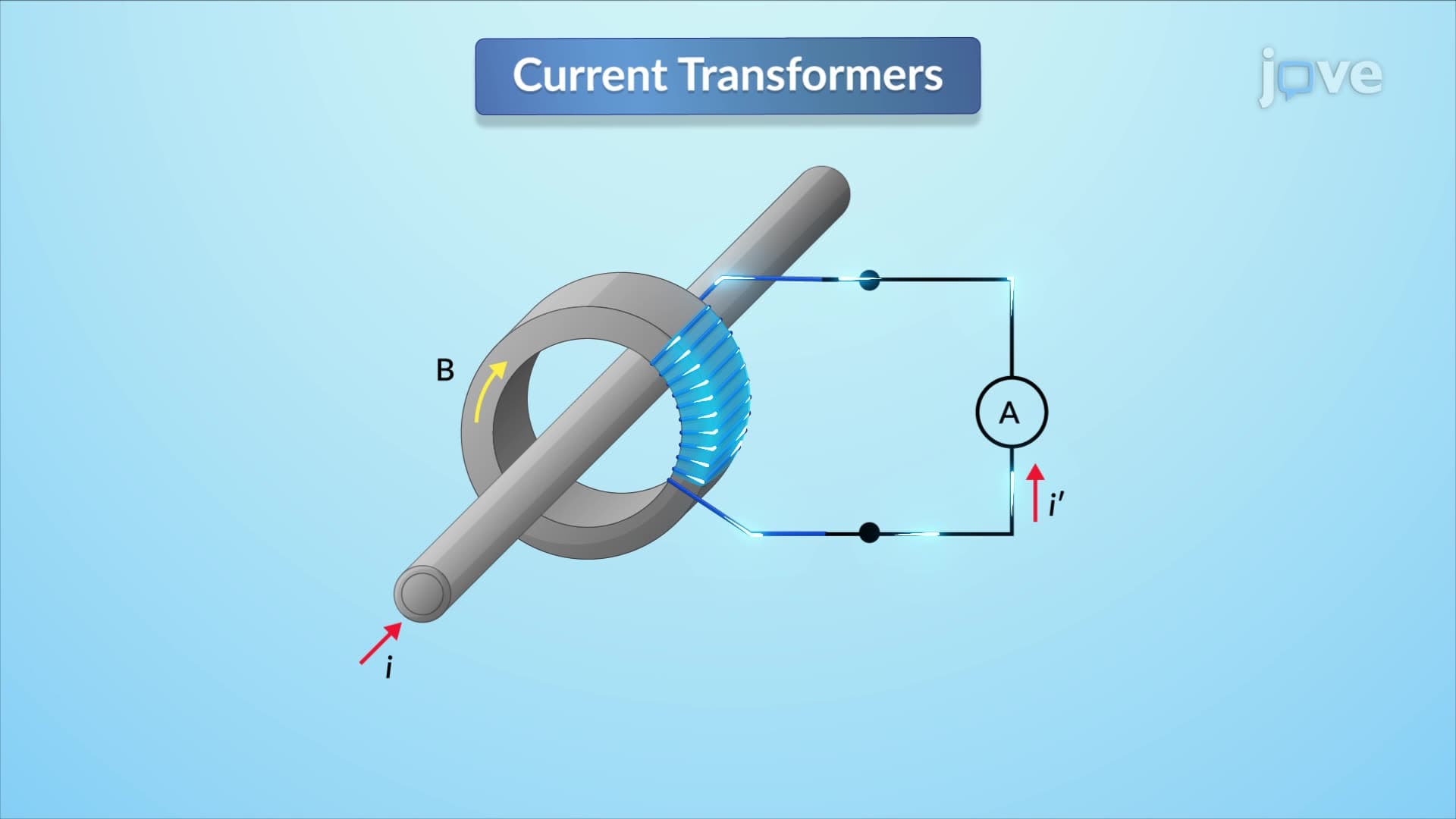
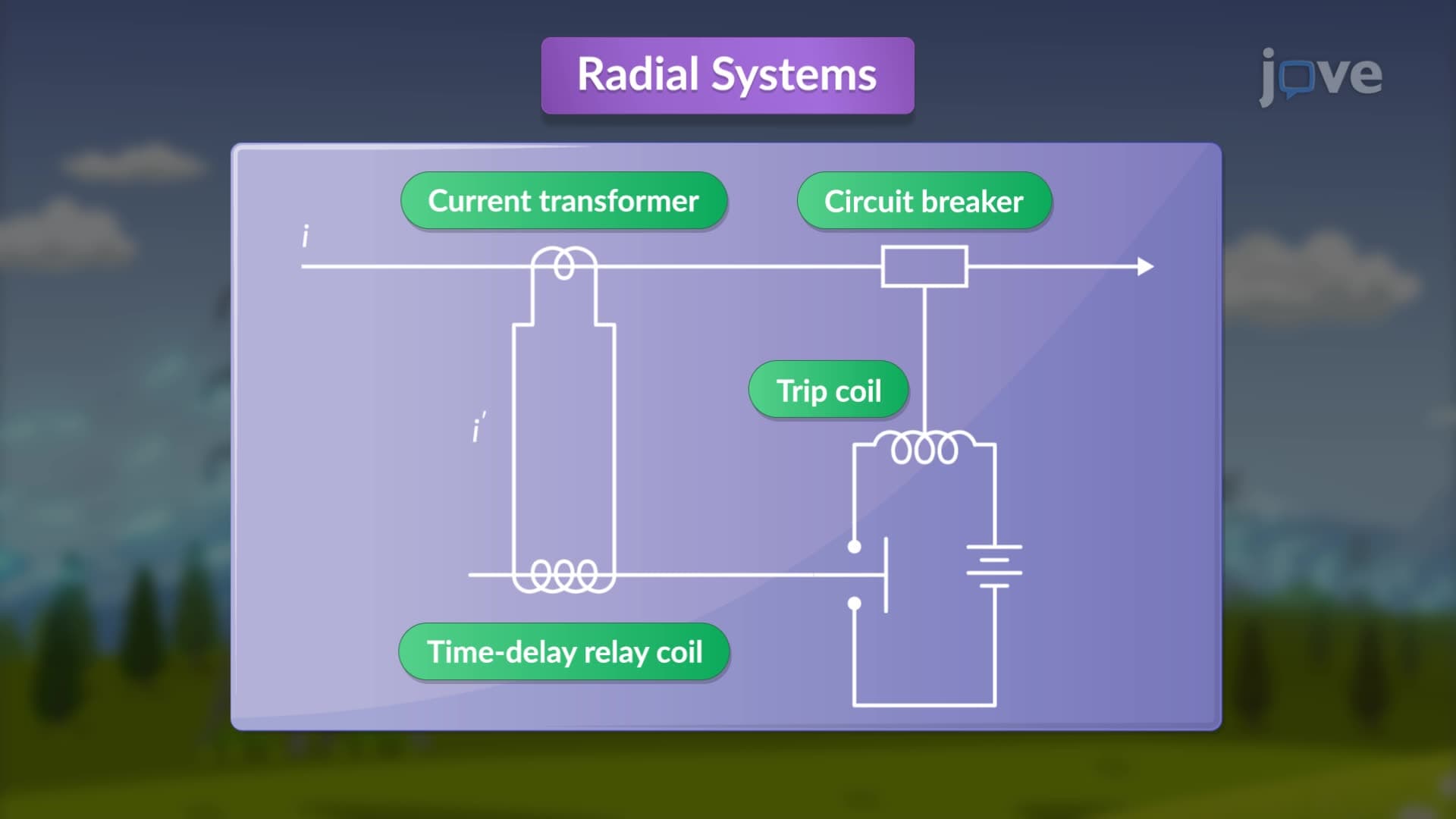
The pilot and numeric relaying definition encompasses both traditional electromechanical systems and modern microprocessor-based protection schemes. In essence, these relays continuously compare input and output currents using precision current transformers (CTs) positioned at strategic locations around the protected equipment.
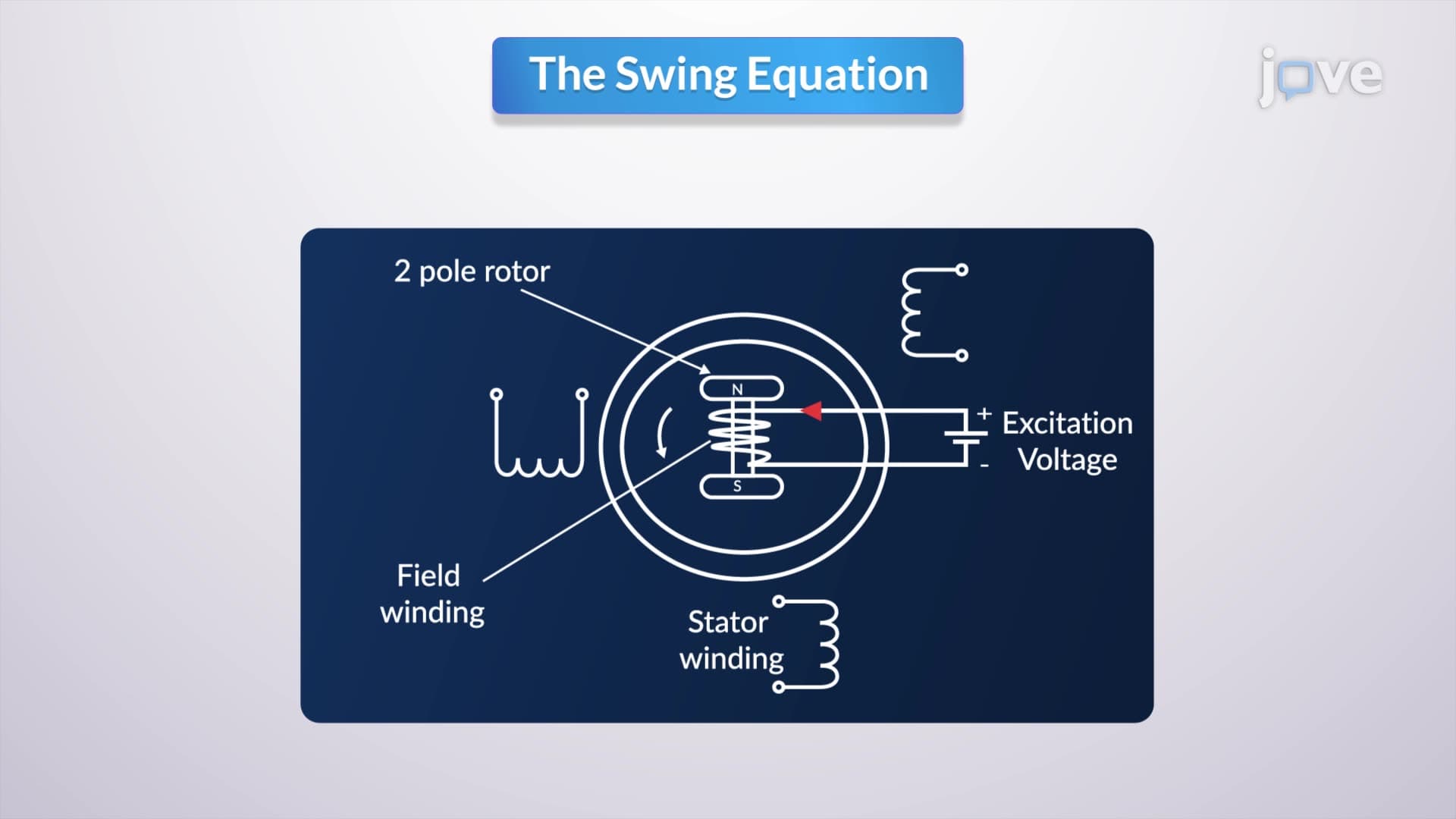
For generator protection, differential relays provide unparalleled sensitivity to internal faults. Consider a typical 500 MW steam turbine generator at a coal-fired power plant in Kentucky. The differential relay monitors current flow through multiple CT sets positioned at the generator terminals and neutral point. During normal operation, the vector sum of these currents remains essentially zero. However, if a phase-to-ground fault occurs within the generator windings, this balance is immediately disrupted, causing the relay to trip the generator breaker and initiate emergency shutdown procedures.
The pilot and numeric relaying study guide for power system engineers emphasizes that generator differential protection must account for harmonic currents during startup and load changes. Modern numerical relays incorporate advanced filtering algorithms to distinguish between normal operational transients and genuine internal faults.
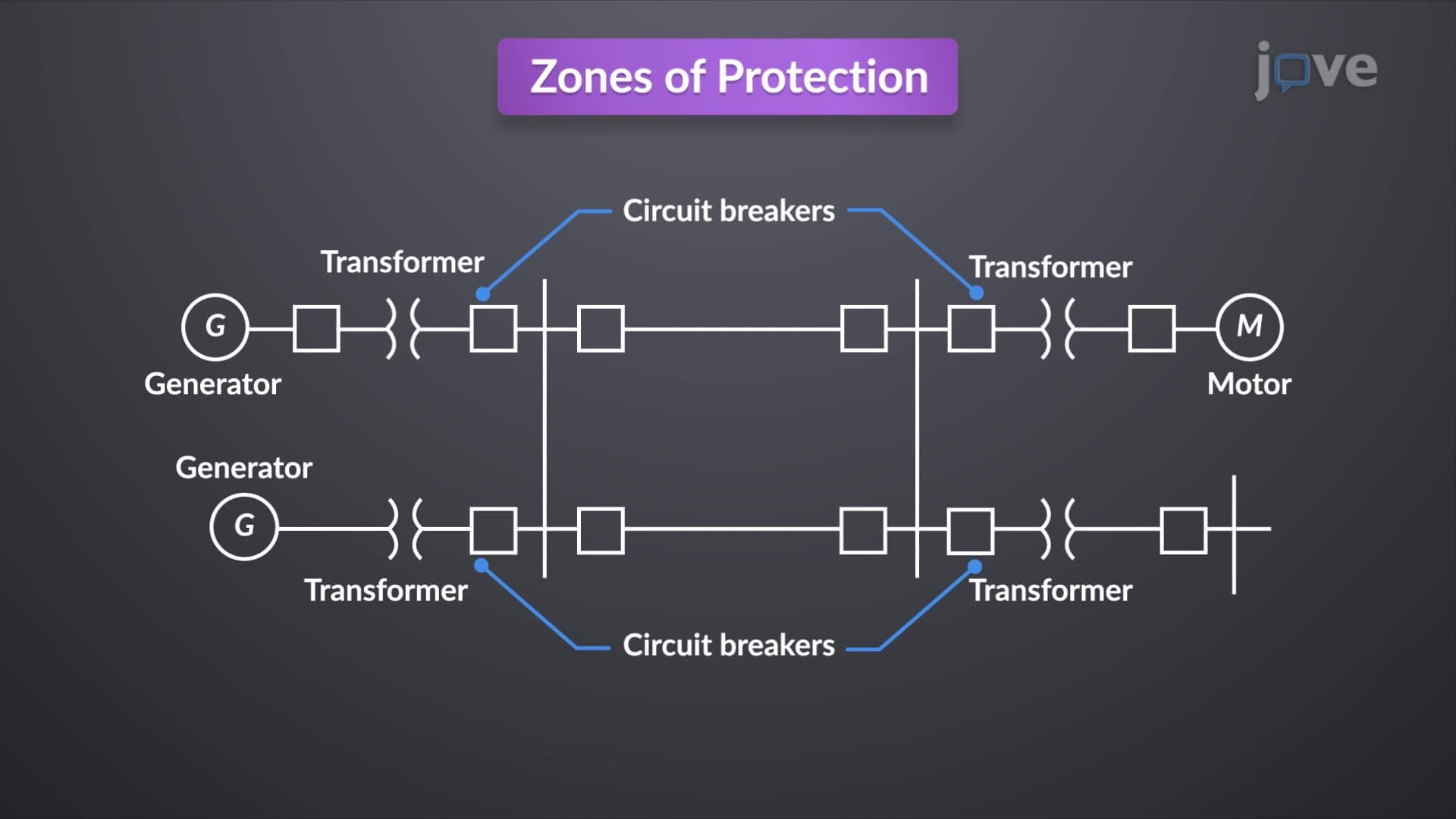
Bus differential protection schemes protect critical switching stations where multiple transmission lines converge. At substations like those operated by Pacific Gas & Electric in California, each incoming and outgoing line includes CT sets that feed into a centralized differential relay system. The understanding pilot and numeric relaying concept becomes crucial here, as engineers must carefully coordinate CT ratios and relay settings to ensure reliable operation during external faults while maintaining sensitivity to internal bus faults.
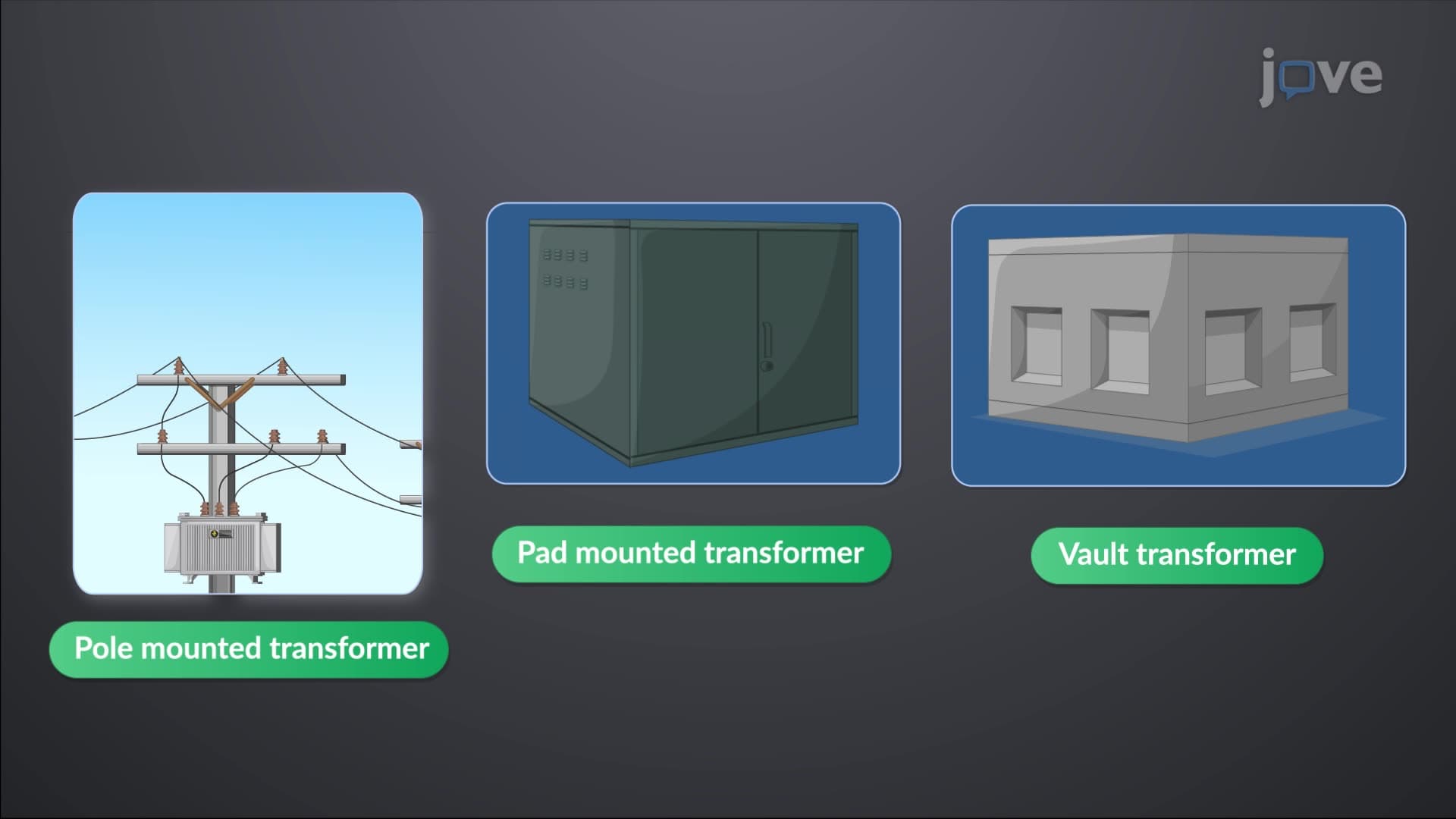
Transformer differential protection presents unique challenges due to the inherent phase shifts and turns ratios in power transformers. For transformers rated above 10 MVA-such as those connecting transmission and distribution networks in major cities like Chicago-specialized differential relays compensate for these factors using sophisticated mathematical algorithms.
Students preparing for the Fundamentals of Engineering (FE) exam should note that pilot and numeric basics include understanding percentage differential characteristics and restraint functions. These concepts frequently appear in power systems coursework at universities like Georgia Tech and Virginia Tech, where students analyze relay coordination studies and protection system design.
Related Micro-courses