Loading video…


 9 Concepts
 2.4K views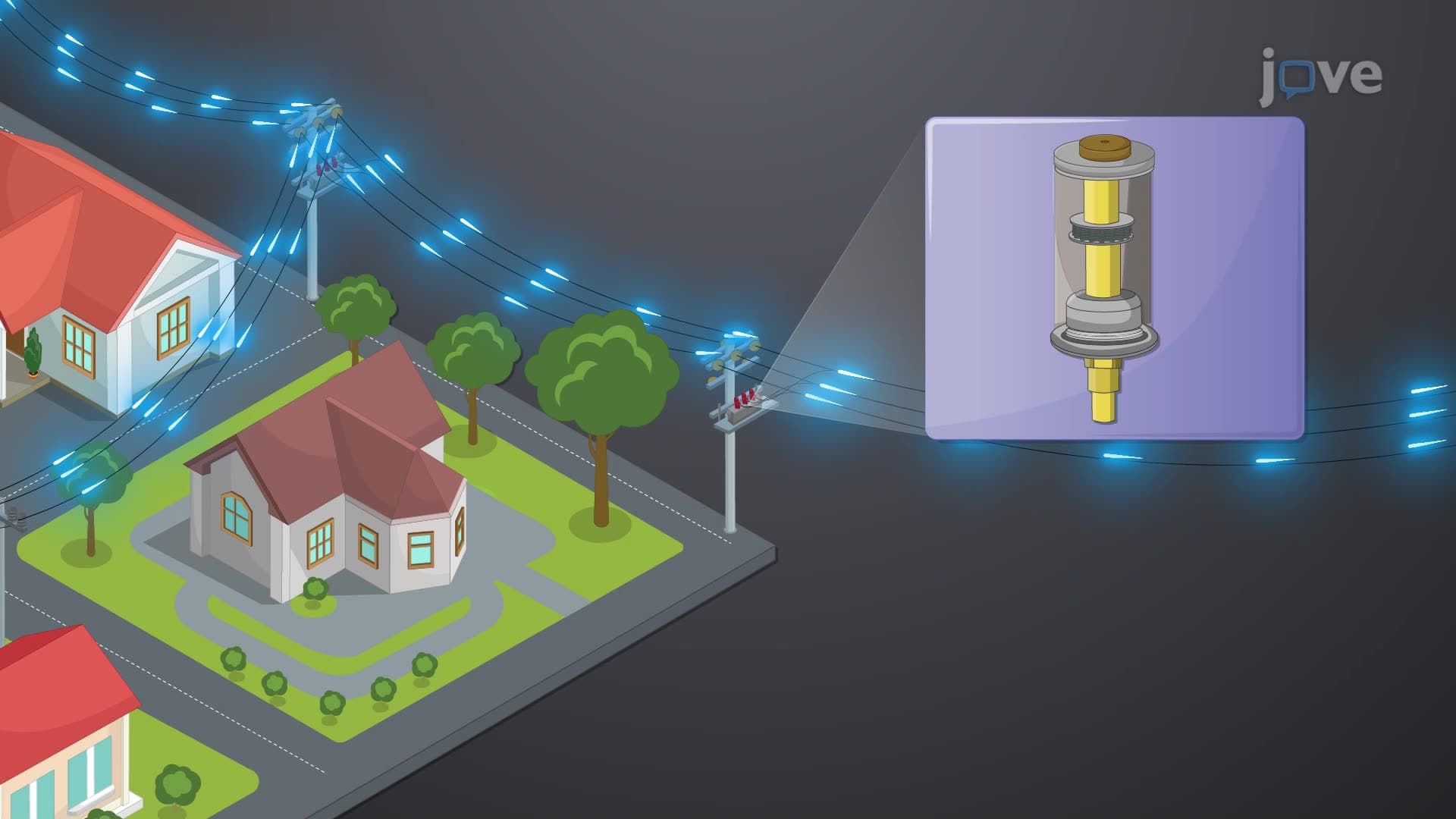

Video Summary: What Is Reclosers and Fuses
Ever wonder why your power comes back on automatically after a brief outage during a storm? Directional relays and protective devices like reclosers work together to restore electricity safely. When tree branches hit power lines in Texas neighborhoods, automatic reclosers interrupt the circuit and then reconnect it according to preset sequences, minimizing blackouts for customers. Understanding what is reclosers and fuses reveals how electrical protection systems coordinate to maintain reliable power distribution. Watch the full video on JoVE Coach to master this concept with expert-led visuals and step-by-step explanations.
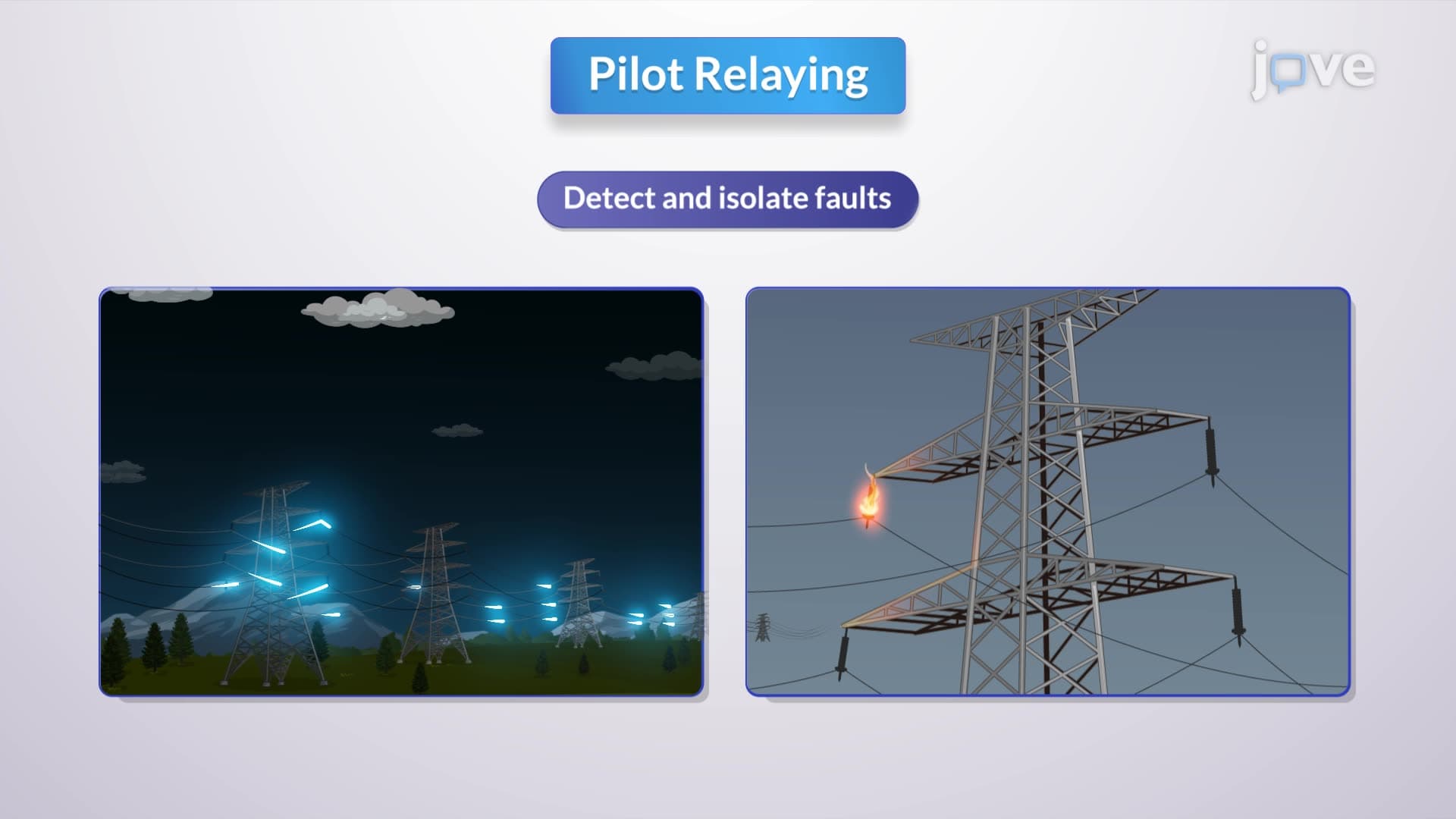
Reclosers and fuses form the backbone of electrical distribution protection, working alongside directional relays to maintain safe, reliable power delivery. These protective devices automatically respond to electrical faults, distinguishing between temporary issues (like animals or tree branches touching power lines) and permanent problems requiring immediate isolation.
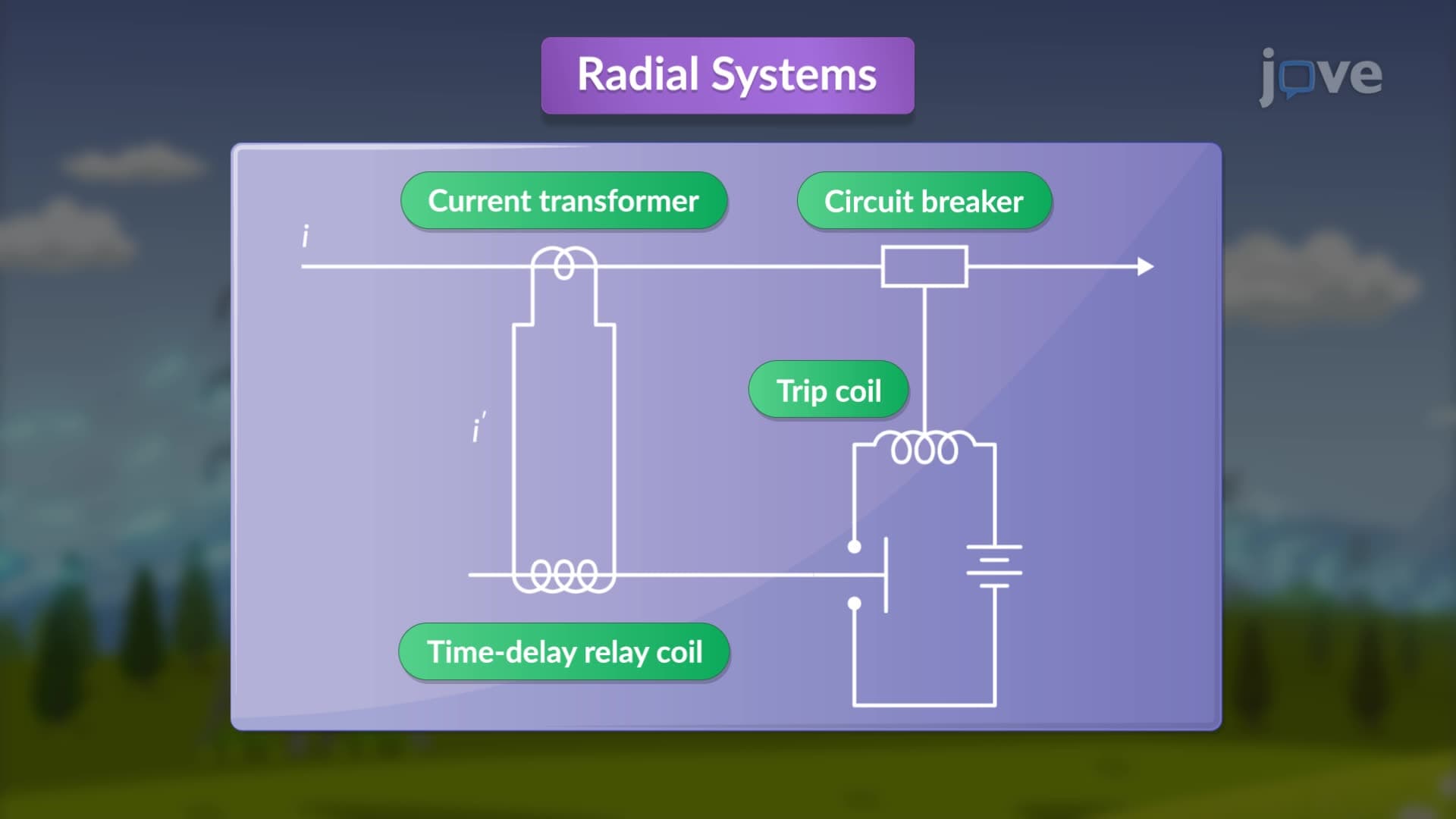
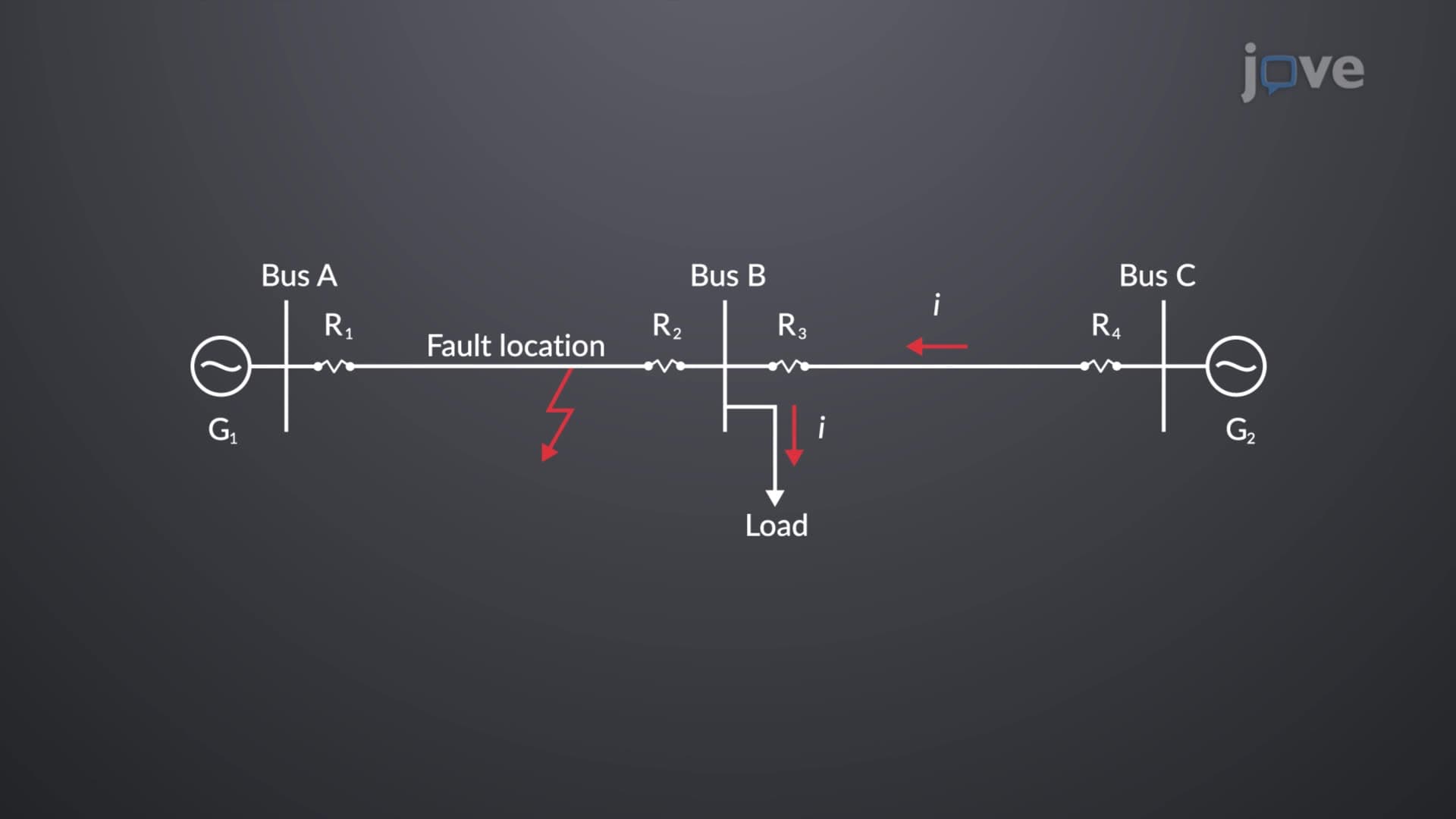
Directional relays overview reveals sophisticated protection schemes used throughout US power grids. Time-delay overcurrent relays with inverse characteristics coordinate with reclosers and specialized Type T fuses to create layered protection. When studying for the AP Physics exam or college electrical engineering courses, students learn that these directional relays basics involve sensing both current magnitude and direction to determine appropriate protective actions.
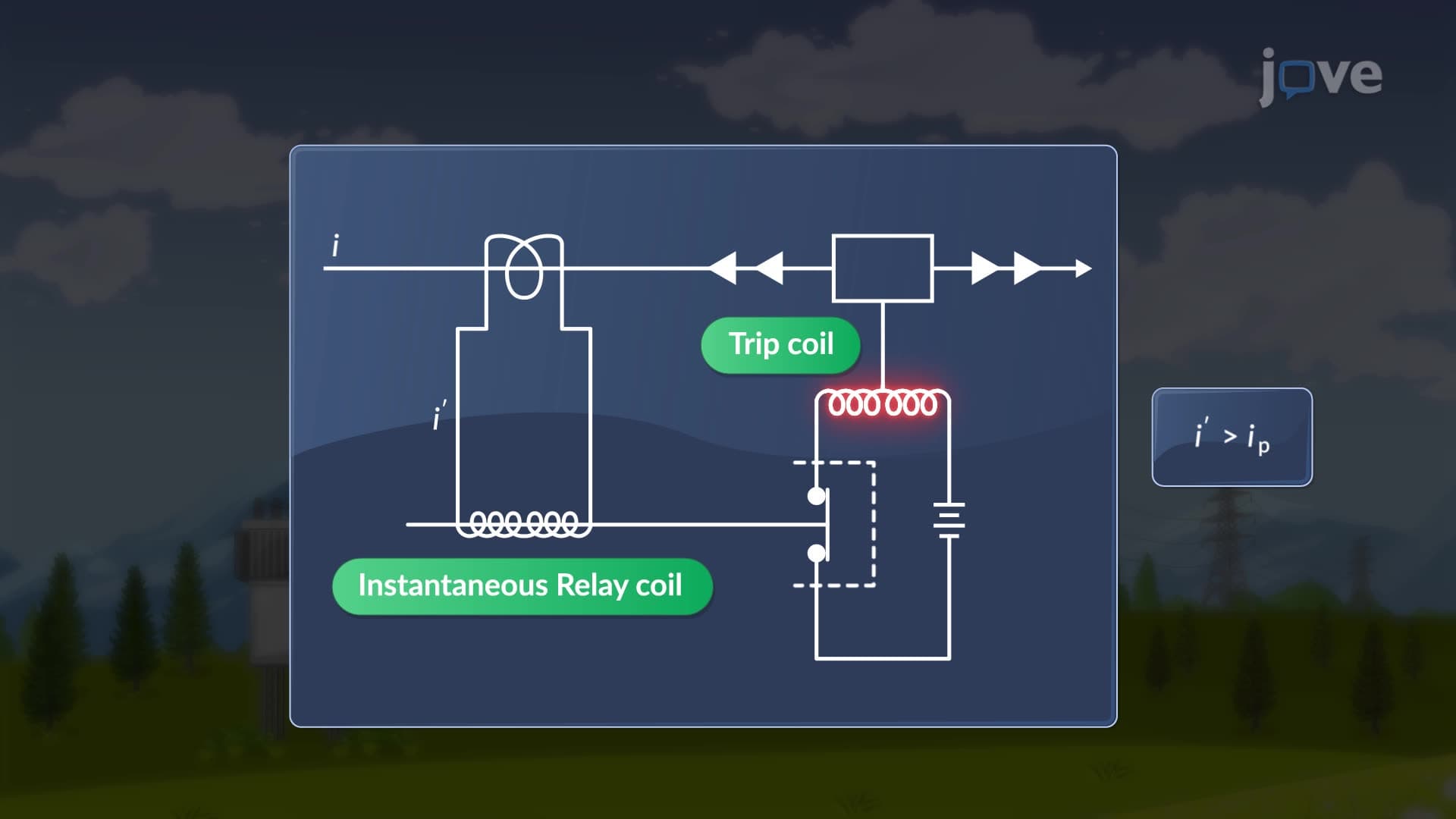
The coordination strategy prioritizes recloser operation over relay activation. For instance, when lightning strikes a distribution line serving a California suburb, the recloser trips first, allowing temporary faults to clear naturally. If the fault persists after multiple reclosure attempts, the system escalates to more permanent protective measures.
What are directional relays overview in practice? Consider Florida's frequent thunderstorms affecting overhead power lines. Reclosers perform both fast and delayed operations - fast trips handle most temporary faults within seconds, while delayed operations provide coordination time for downstream protective devices. This directional relays concept ensures that only the minimum number of customers lose power during fault conditions.
Time-current curves graphically represent this coordination, showing how reclosers trip at minimum ratings above maximum load current. These curves help utility engineers design protection schemes that balance reliability with selectivity, ensuring fuses handle downstream permanent faults while reclosers address temporary issues.
Understanding directional relays study guide material proves essential for electrical engineering students taking power systems courses at universities like MIT, Stanford, or Georgia Tech. The coordination principles appear frequently on electrical engineering licensing exams and graduate school entrance tests. Students should focus on how protection devices communicate through current and time relationships, creating reliable power delivery systems serving millions of Americans daily.
Related Micro-courses