Loading video…


 9 Concepts
 2.4K views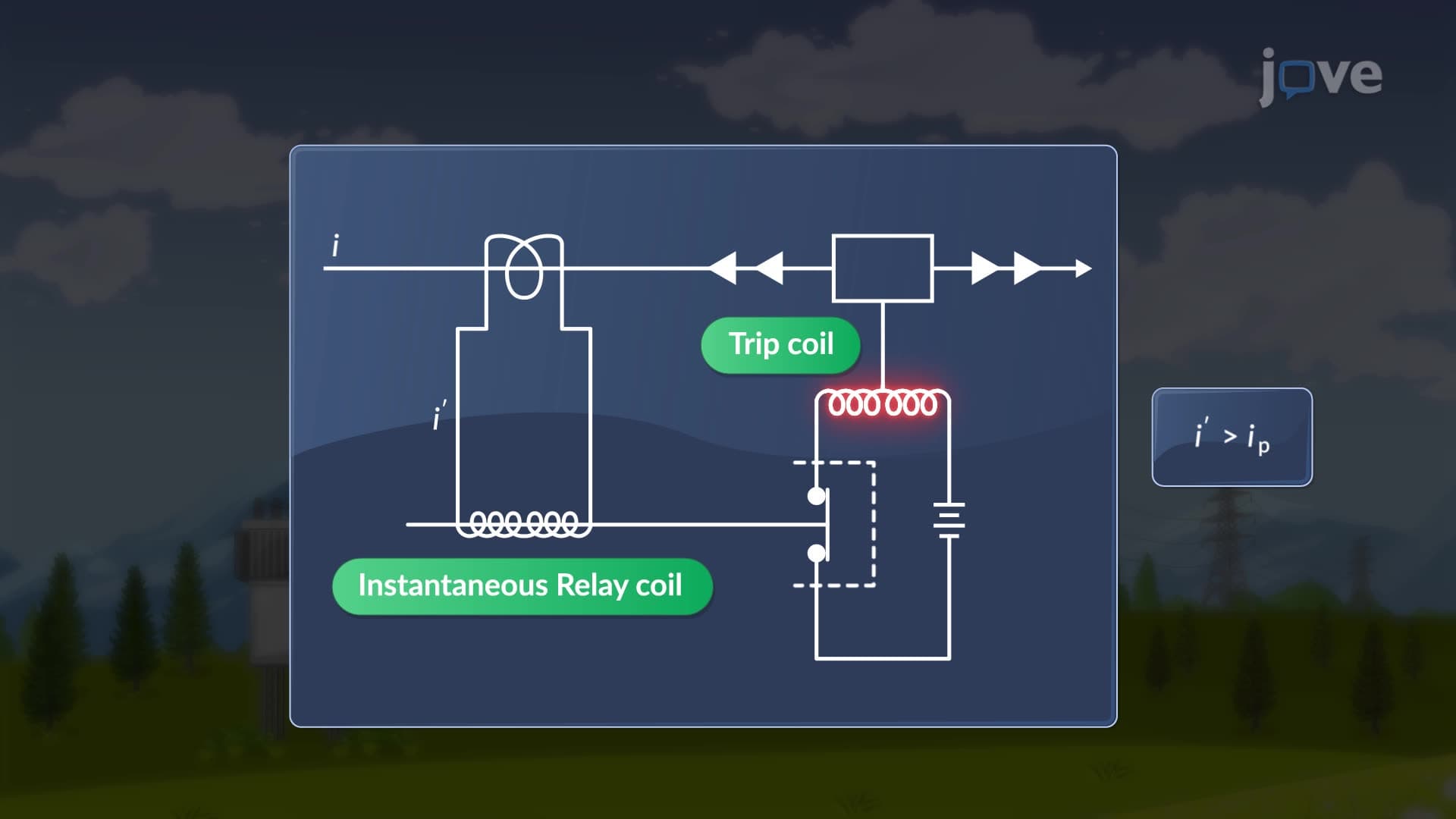

Video Summary: What are Overcurrent Relays
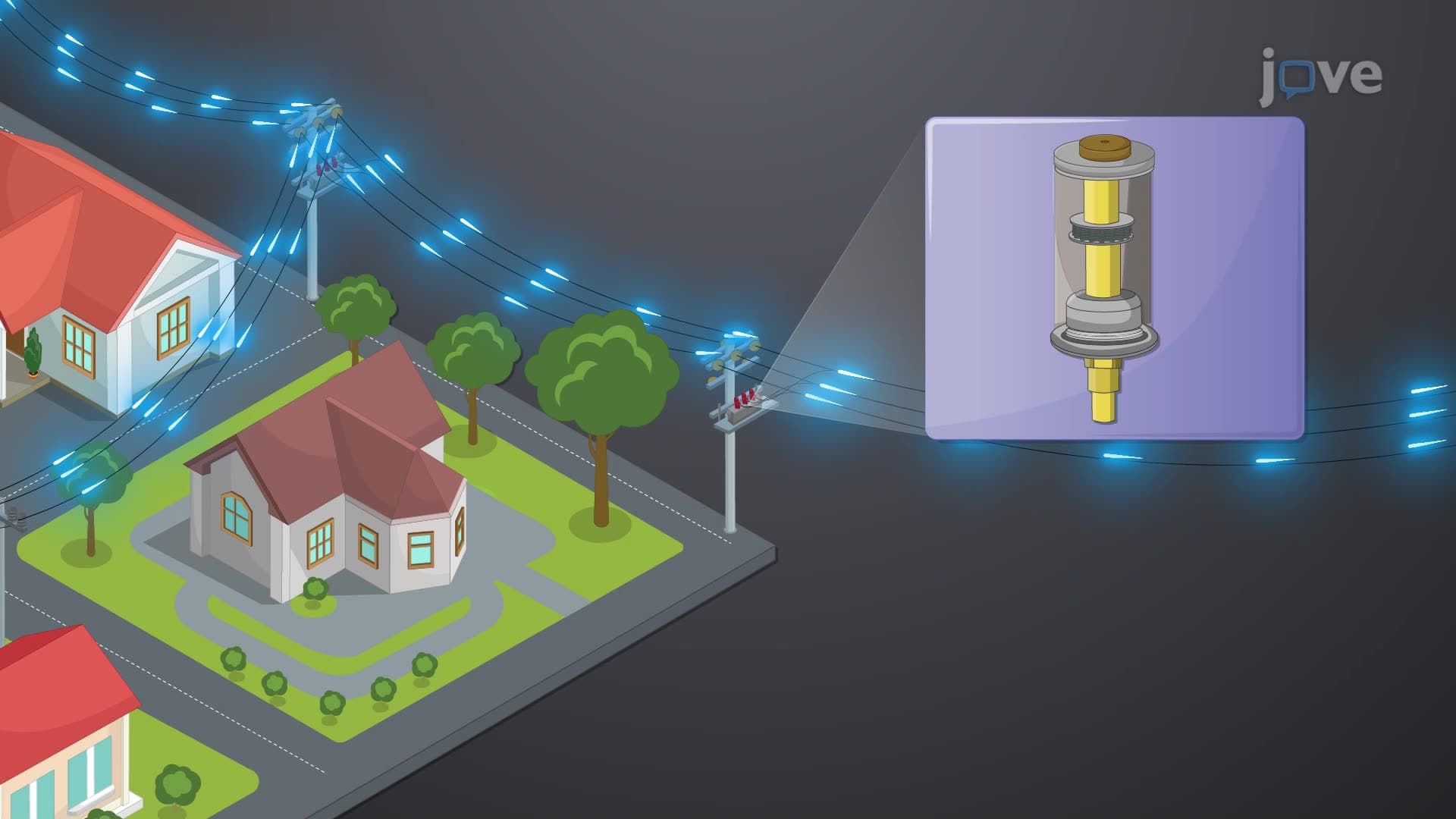
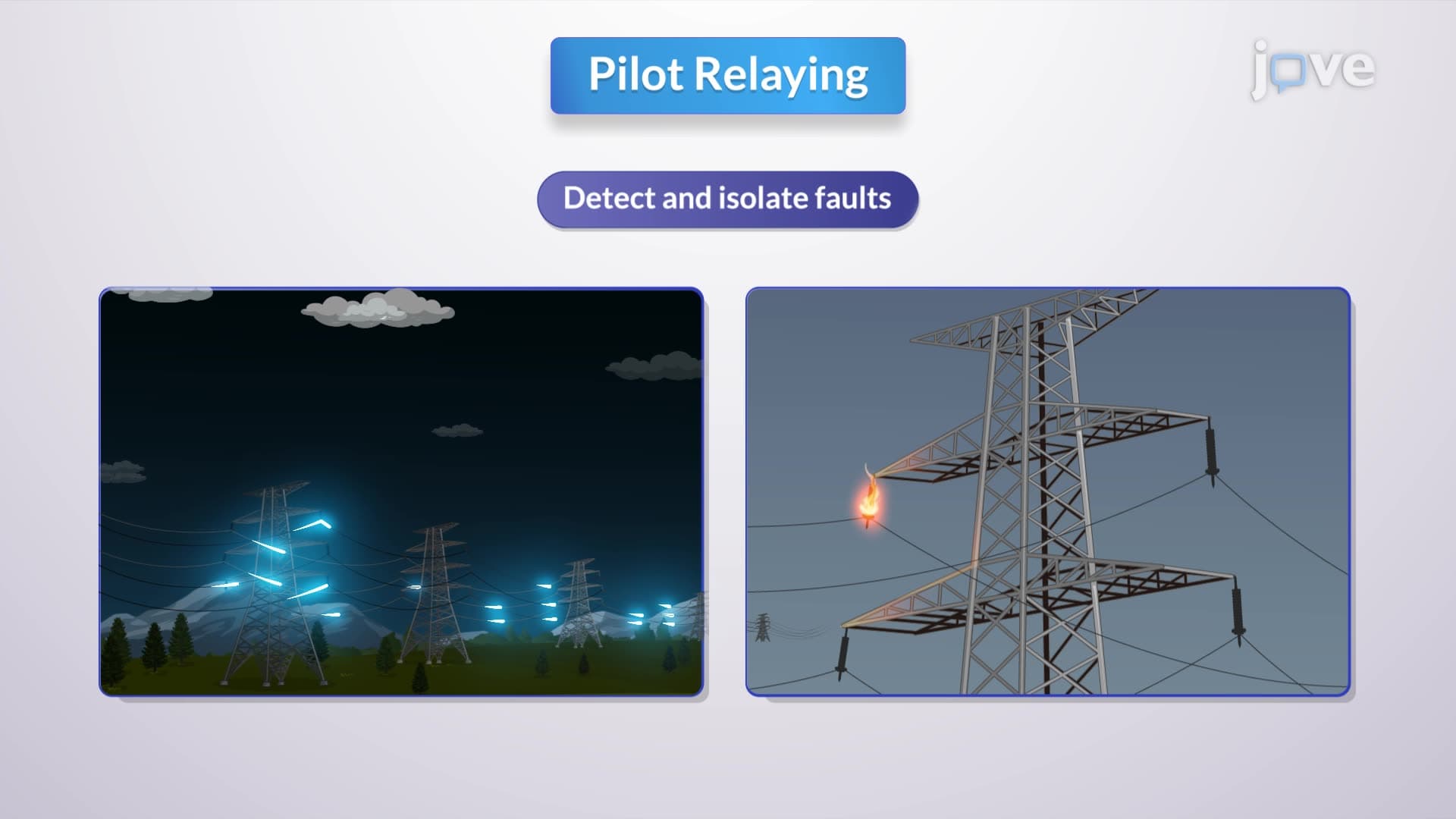
When California's power grid faces extreme summer demand, what prevents catastrophic failures that could leave millions without electricity? Radial system protection relies on sophisticated overcurrent relays that act as electrical guardians, instantly detecting dangerous current surges and isolating faults before they cascade through the network. These critical devices, including instantaneous and time-delay variants, form the backbone of power system safety from residential neighborhoods to major substations. Watch the full video on JoVE Coach to master this concept with expert-led visuals and step-by-step explanations.
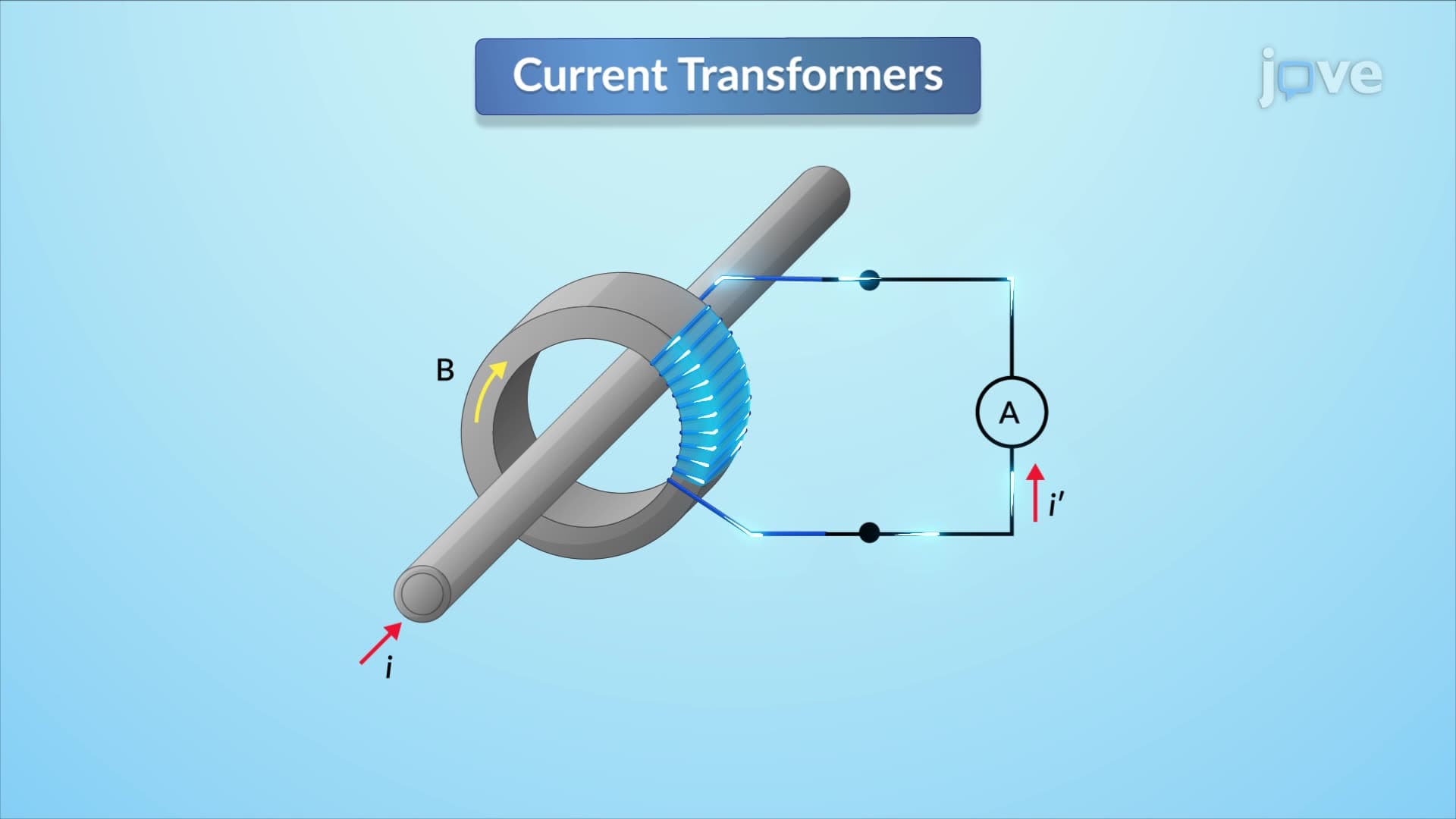
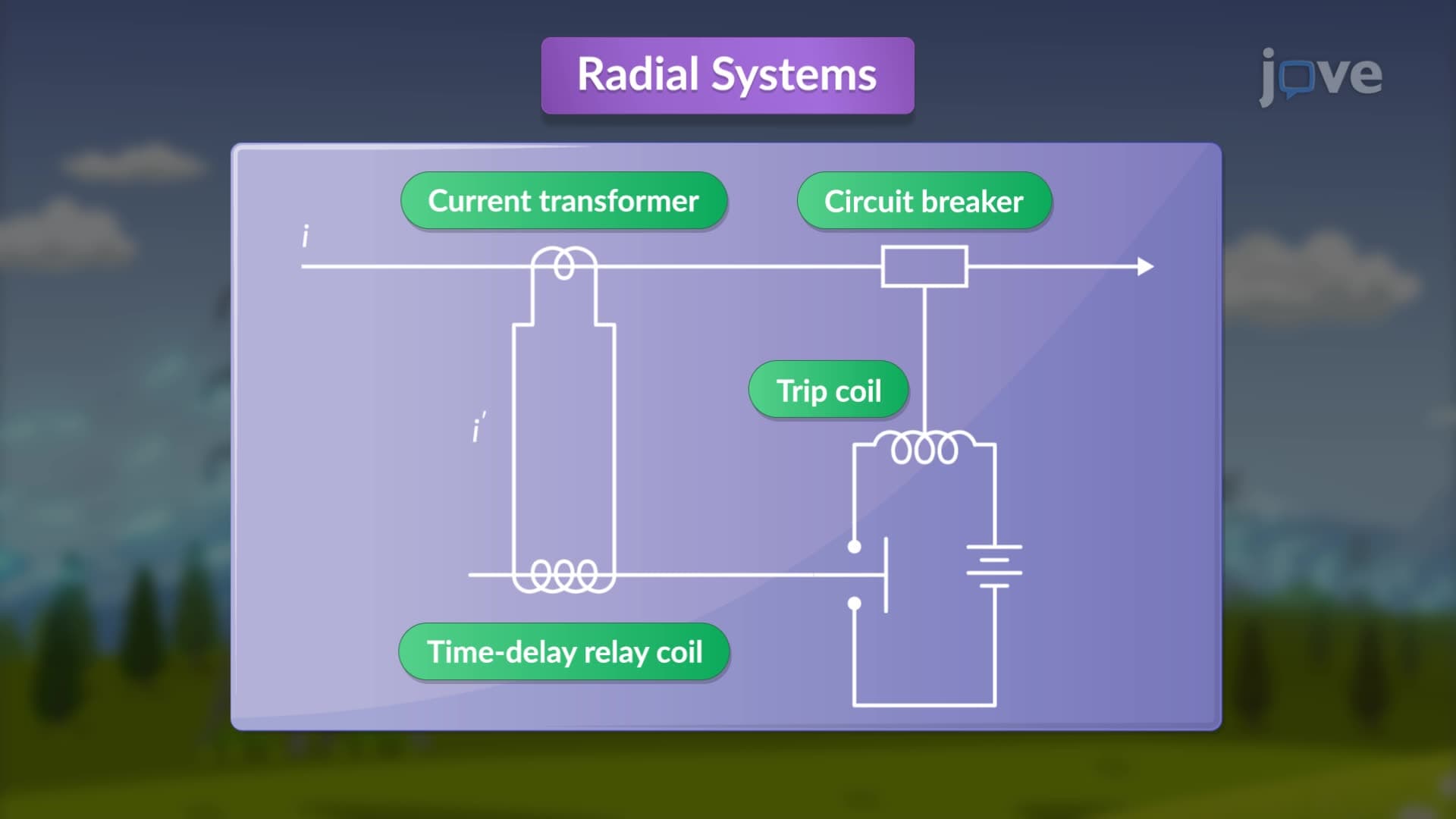
Overcurrent relays represent the cornerstone of electrical power system protection, serving as intelligent switches that monitor current flow and respond to abnormal conditions. These devices connect to current transformers (CTs) to continuously monitor electrical current and automatically isolate faulted sections when dangerous conditions arise. In radial system protection applications, these relays provide the primary defense against equipment damage and system instability.
The radial system protection definition encompasses two distinct relay types, each serving specific protection needs. Instantaneous overcurrent relays operate without intentional delay, tripping immediately when current exceeds the preset pickup value. This rapid response proves essential for protecting expensive equipment like transformers and generators from severe fault currents that could cause immediate damage.
Time-delay overcurrent relays incorporate deliberate delays that vary inversely with fault current magnitude. Higher fault currents produce shorter delays, while moderate overcurrents result in longer delays. This characteristic allows temporary overcurrents-such as motor starting currents or brief load fluctuations-to clear naturally without unnecessary power interruptions. For example, when a large air conditioning system starts up during peak summer demand in Texas, time-delay relays prevent nuisance tripping while maintaining protection against genuine faults.
Understanding radial system protection in detail requires mastery of two fundamental relay settings. The current tap setting determines the pickup current threshold, typically expressed as a multiple of the rated current. Time-dial settings control the delay characteristics for time-overcurrent relays, allowing engineers to coordinate multiple relays in series.
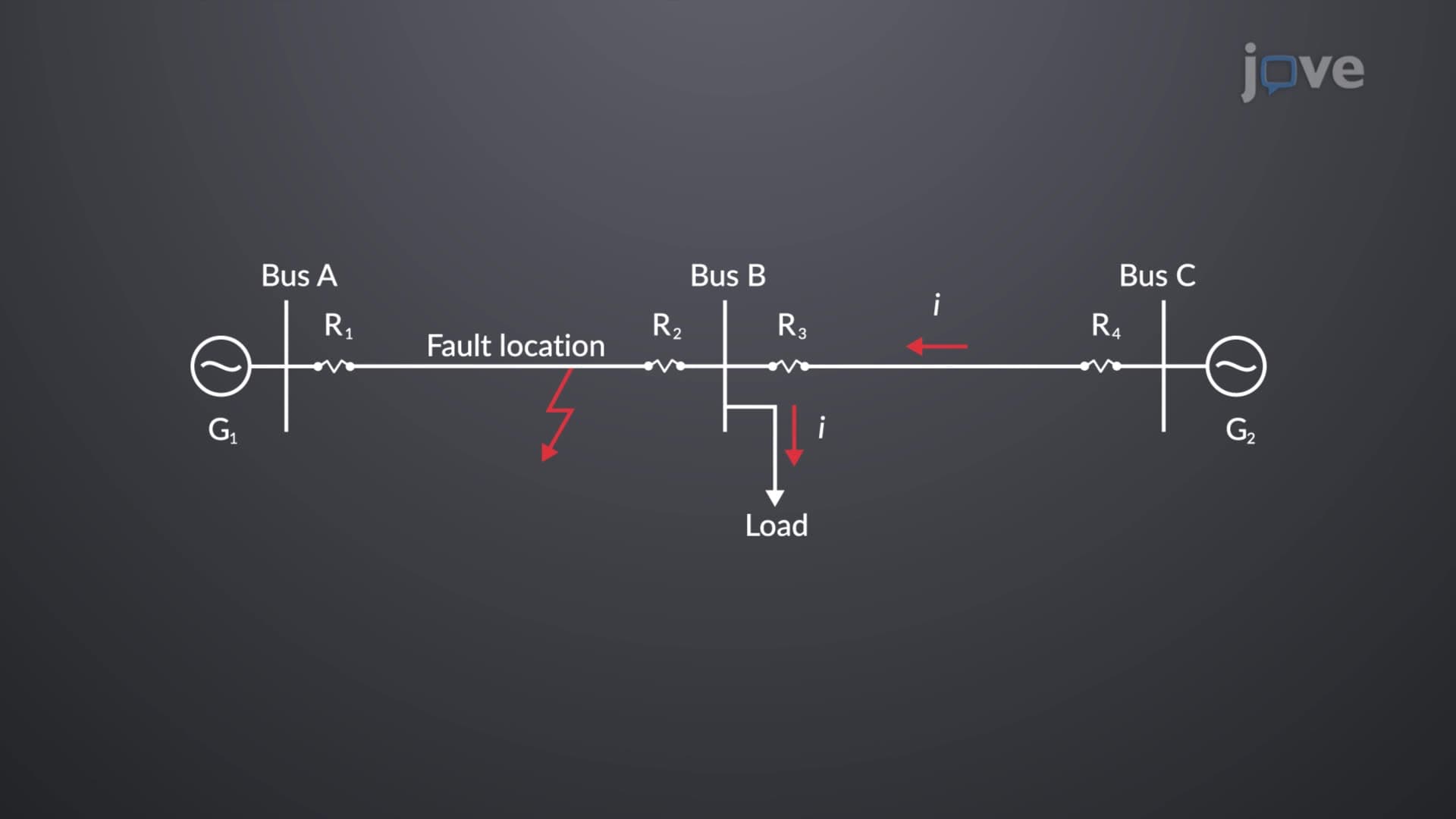
Proper relay coordination ensures that the relay closest to a fault operates first, minimizing the affected area. In radial distribution systems serving residential areas, this coordination prevents a fault on a single street from affecting an entire neighborhood. Engineers use time-current characteristic curves to establish proper coordination margins, typically requiring 0.3 to 0.4 seconds between relay operating times.
Traditional electromechanical overcurrent relays utilize aluminum disc rotation within magnetic fields generated by fault currents. As current increases, the magnetic field strengthens, causing faster disc rotation and quicker contact closure. This principle demonstrates the inverse-time characteristic fundamental to overcurrent protection.
Modern digital relays have largely replaced electromechanical devices in new installations, offering enhanced accuracy, communication capabilities, and advanced protection functions. However, understanding basic electromechanical principles remains crucial for students preparing for AP Physics exams and electrical engineering coursework, as these concepts form the foundation for all overcurrent protection technologies.
Related Micro-courses