Loading…
Loading video…

5,589 views
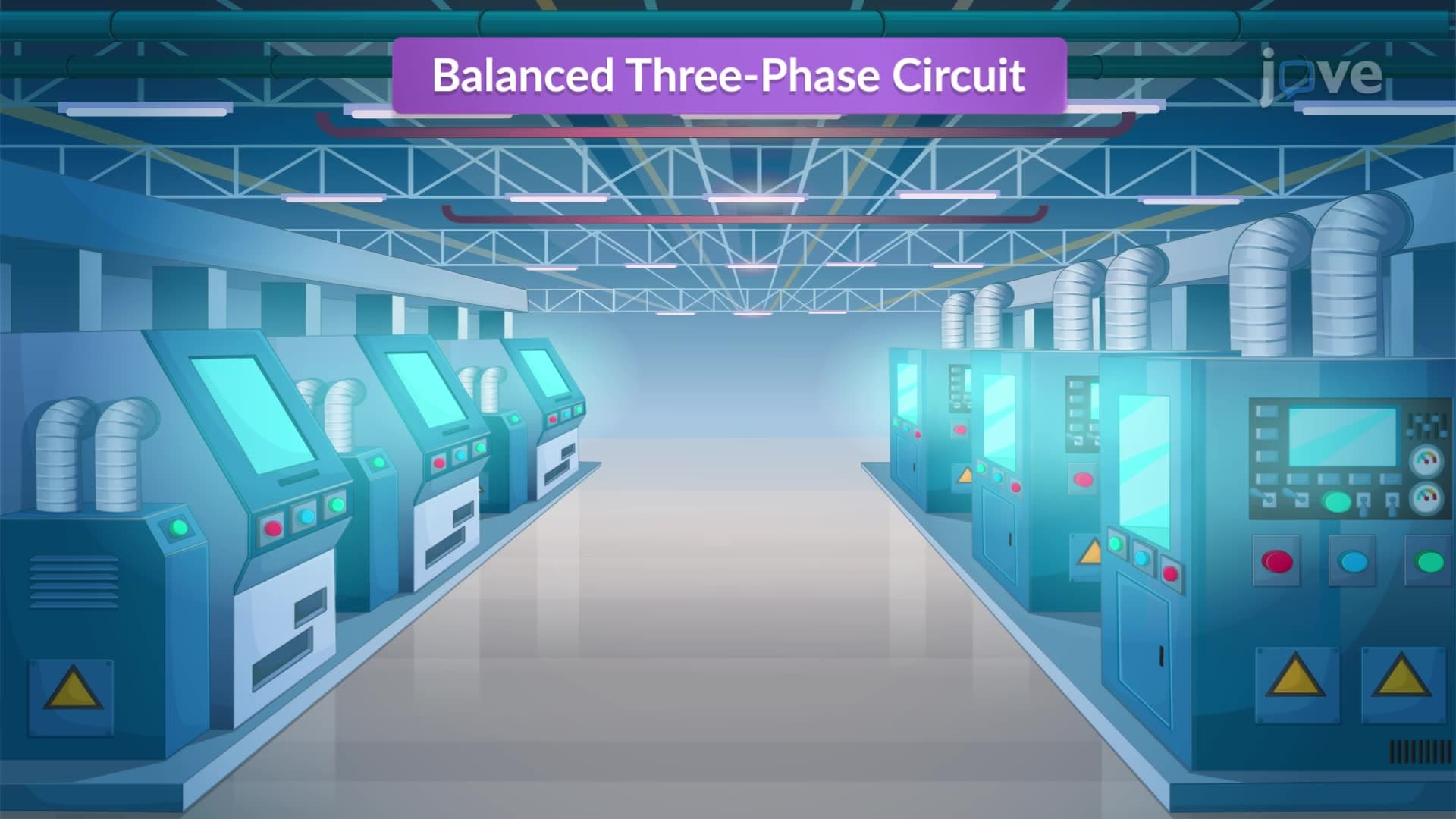
Ever wondered why power distribution systems use three phases instead of just one? Major US manufacturing facilities like Ford's Dearborn plant rely on three-phase power systems because they deliver remarkably stable power output. Understanding power in a three phase circuit explained reveals how industrial equipment achieves consistent energy delivery through balanced voltage phases separated by 120 degrees, enabling efficient operation of heavy machinery and reducing power fluctuations that could damage sensitive equipment. Watch the full video on JoVE Coach to master this concept with expert-led visuals and step-by-step explanations.
Power distribution forms the backbone of modern electrical infrastructure, particularly in industrial and commercial settings. When we examine power distribution definition, it encompasses the systematic delivery of electrical energy from generation sources to end users through interconnected networks. Three-phase power systems represent the most efficient method for power distribution overview in large-scale applications.
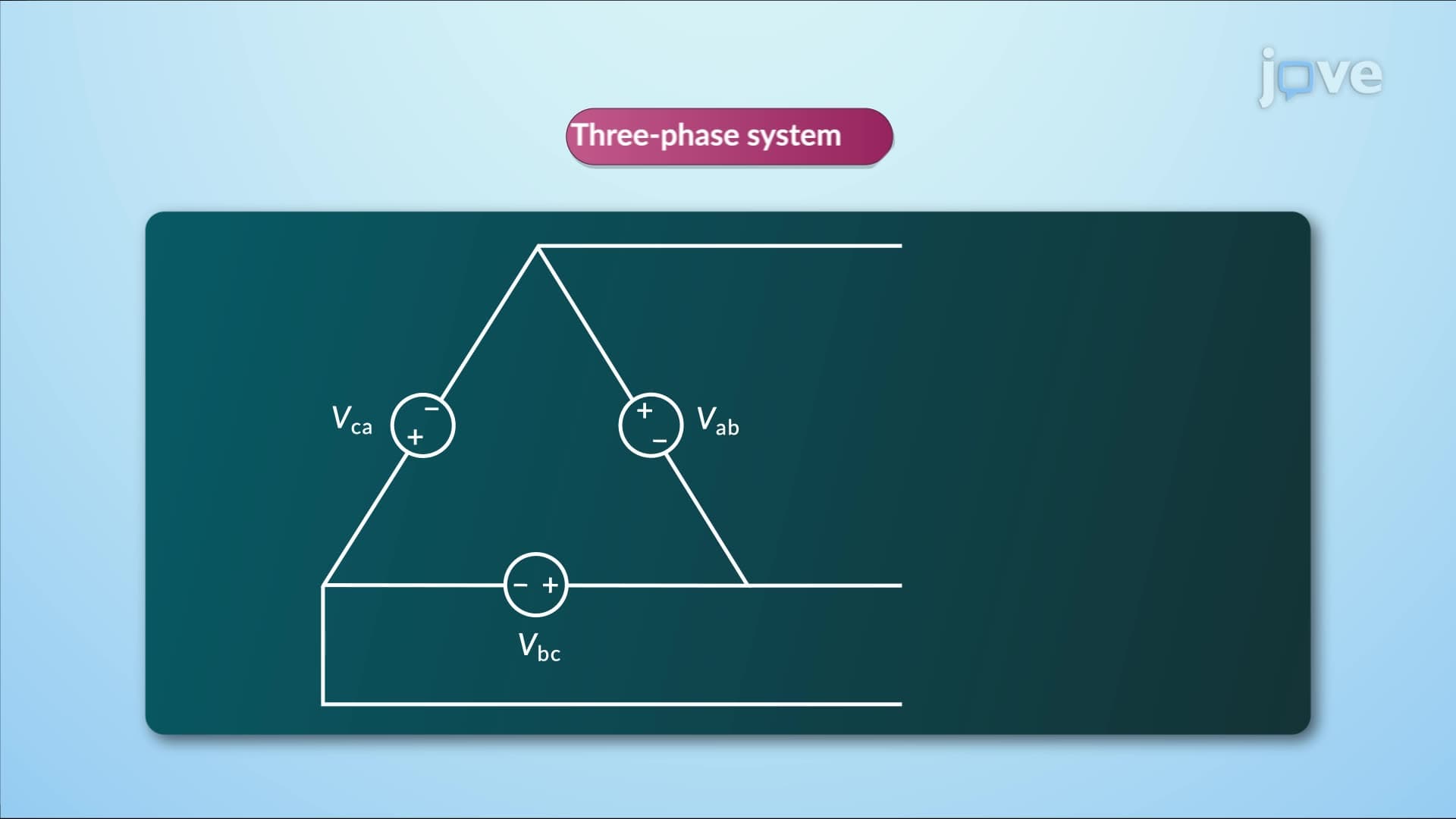
What is power distribution in detail when applied to three-phase circuits? Unlike single-phase systems common in residential applications, three-phase systems utilize three alternating current waveforms, each separated by 120 degrees. This configuration provides several critical advantages that make it the standard for power distribution basics in industrial settings.
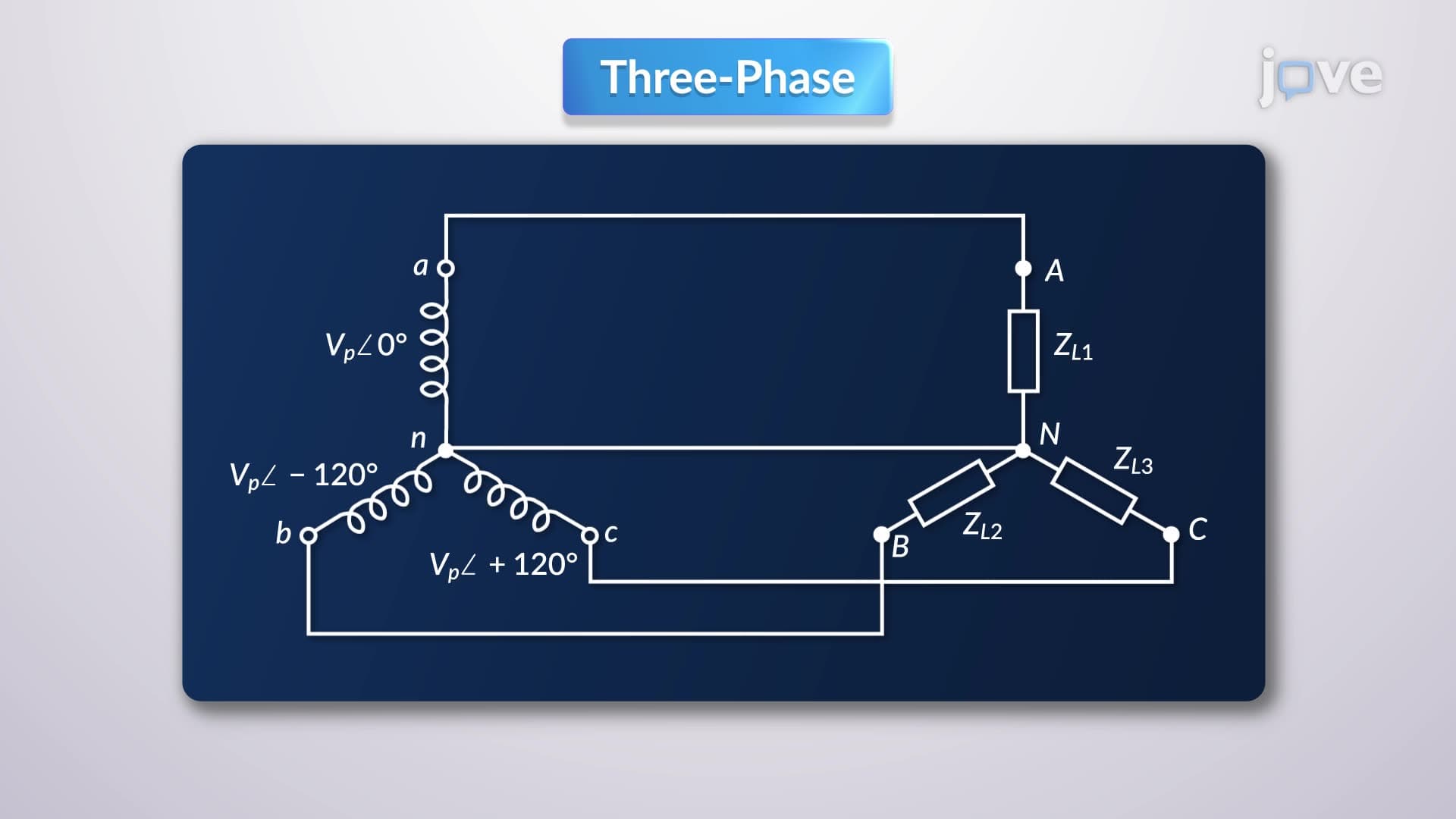
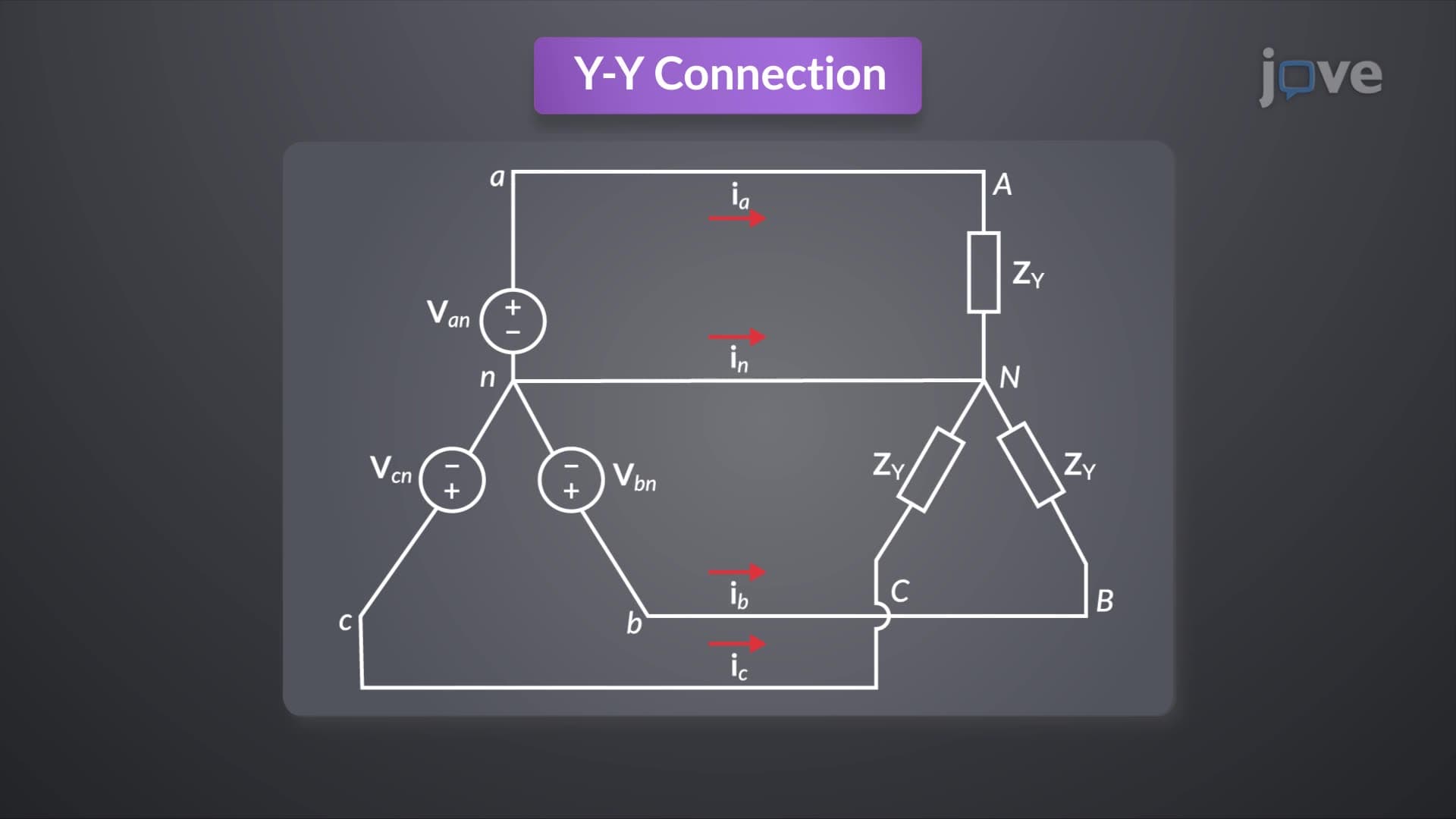
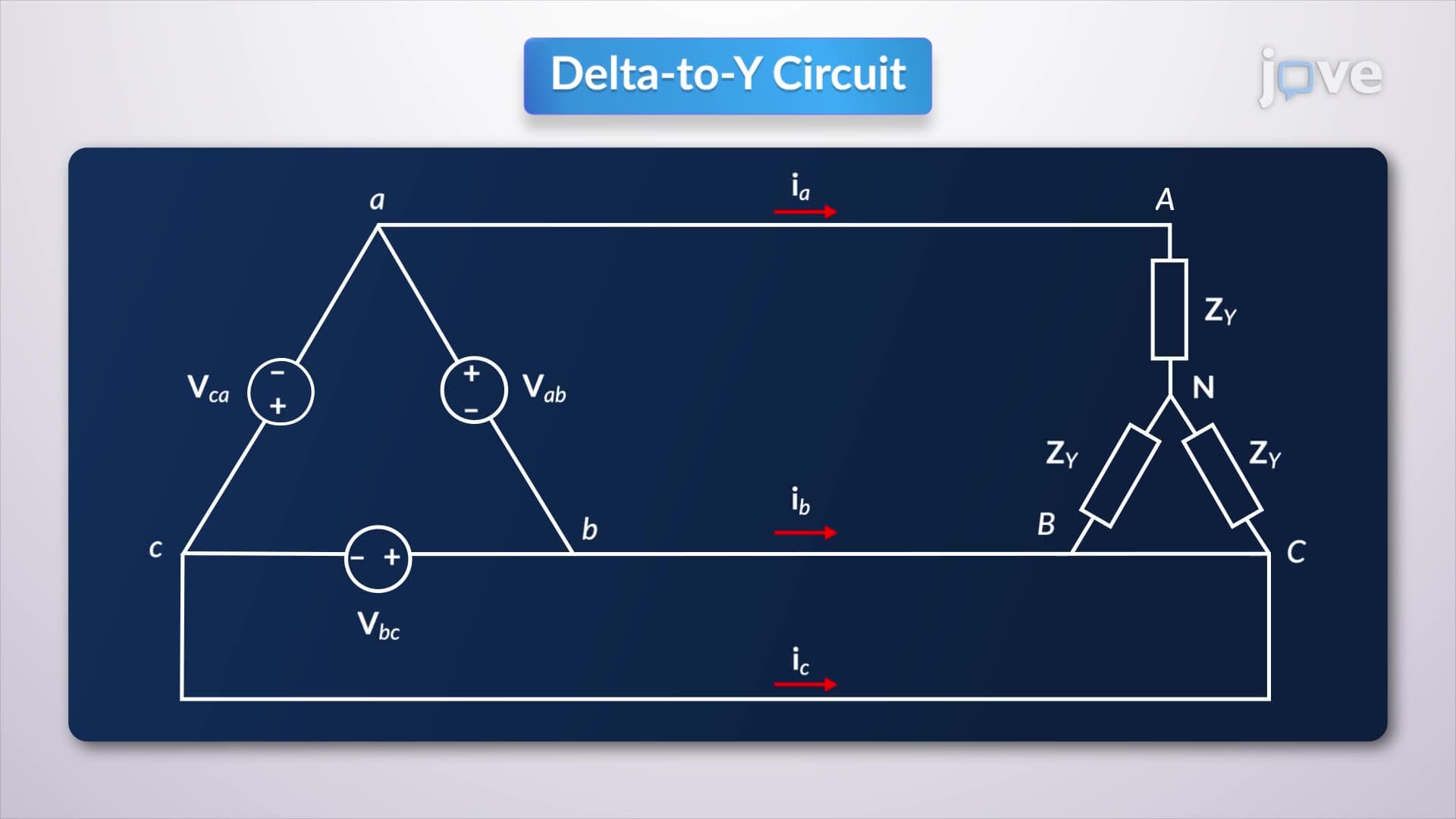
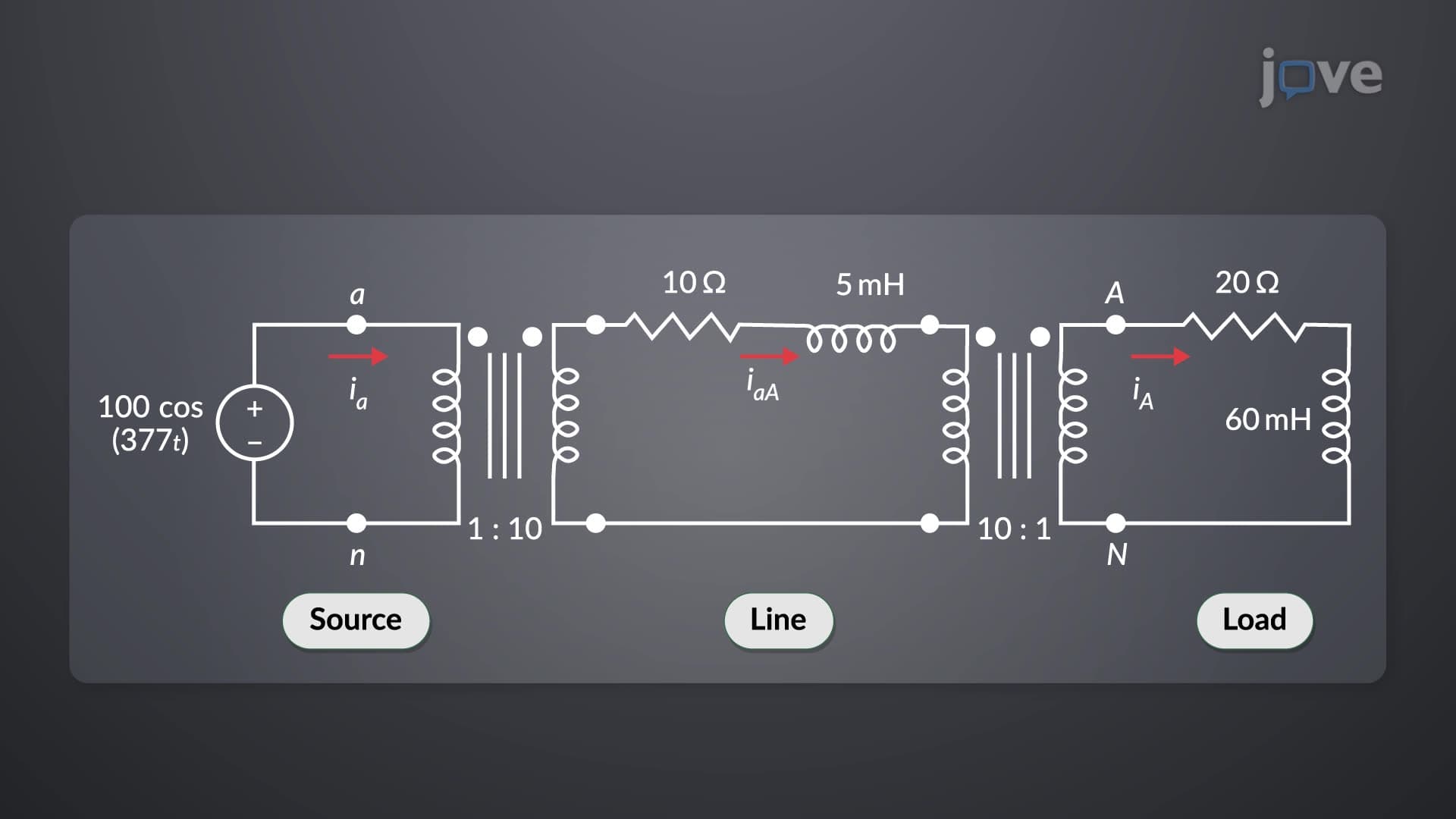
The mathematical foundation relies on balanced loads where each phase carries equal current magnitude. For a Y-connected system, phase voltages relate to line voltages through the relationship: V(line) = √3 × V(phase). This power distribution concept ensures optimal energy transfer while minimizing conductor requirements.
Power distribution study guide principles reveal that instantaneous power in three-phase systems exhibits remarkable stability. While single-phase power fluctuates at twice the frequency of the voltage waveform, three-phase systems maintain nearly constant total power. This occurs because when one phase experiences minimum power, the other phases compensate, creating smooth power delivery essential for industrial machinery.
Active power represents the actual energy consumed by loads, calculated as P = V × I × cos(φ) per phase, where φ represents the phase angle between voltage and current. Reactive power, Q = V × I × sin(φ), indicates the energy stored and released by inductive or capacitive loads without performing useful work. Apparent power combines both components: S = √(P² + Q²).
Understanding power distribution appears frequently in AP Physics C: Electricity and Magnetism exams, particularly in circuit analysis problems. College electrical engineering courses extensively cover three-phase systems in power systems analysis coursework. Students preparing for professional engineering (PE) exams encounter these concepts in power and electrical systems sections.
Major US facilities like General Electric's manufacturing plants in Schenectady, New York, demonstrate practical three-phase applications. These systems power everything from assembly line conveyors to precision machining equipment, where power interruptions could cost thousands of dollars per minute in lost production.
The balanced nature of three-phase systems also reduces harmonic distortion and electromagnetic interference, crucial factors in sensitive manufacturing processes like semiconductor fabrication at Intel facilities across the United States.
Frequently Asked Questions
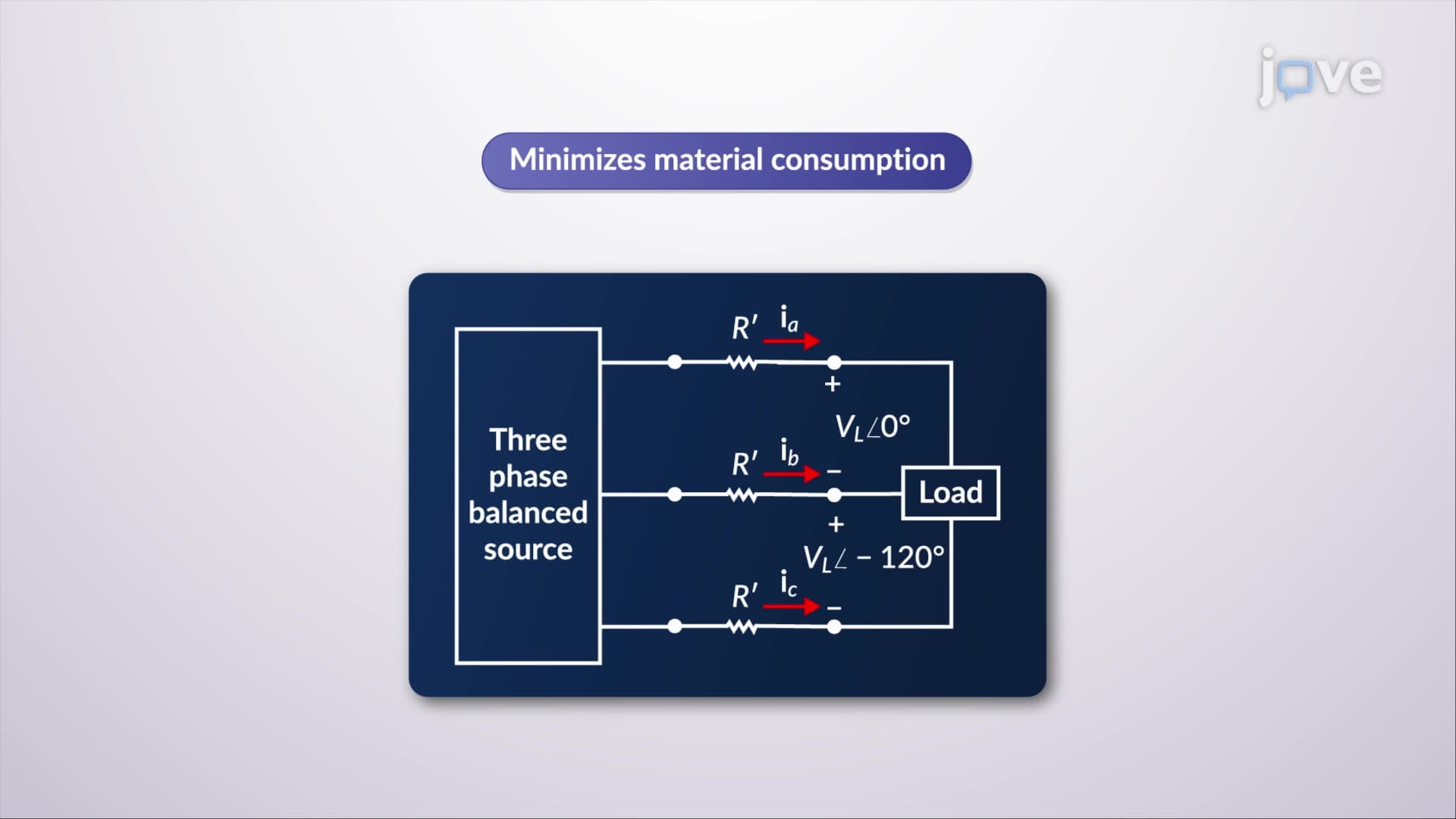
Power in a three phase circuit refers to the electrical energy delivered through three alternating current waveforms separated by 120 degrees, providing stable and efficient power distribution. This system delivers constant power output, reduces conductor material requirements, and enables smooth operation of industrial equipment. Three-phase systems form the standard for commercial and industrial power distribution because they minimize power fluctuations that could damage sensitive machinery.
Power distribution definition in three-phase systems encompasses the systematic delivery of electrical energy through three synchronized alternating current phases to industrial and commercial loads. This method achieves superior efficiency compared to single-phase systems by maintaining nearly constant instantaneous power. The balanced configuration reduces neutral current requirements and optimizes conductor utilization throughout the distribution network.
Focus on AC circuit analysis, phasor diagrams, and RMS calculations from AP Physics C: Electricity and Magnetism. Review complex power concepts, impedance calculations, and basic trigonometry for phase relationships. Understanding single-phase AC circuits, Ohm's law applications, and power factor concepts provides essential foundation knowledge. These prerequisites appear frequently on AP exams and college placement tests.
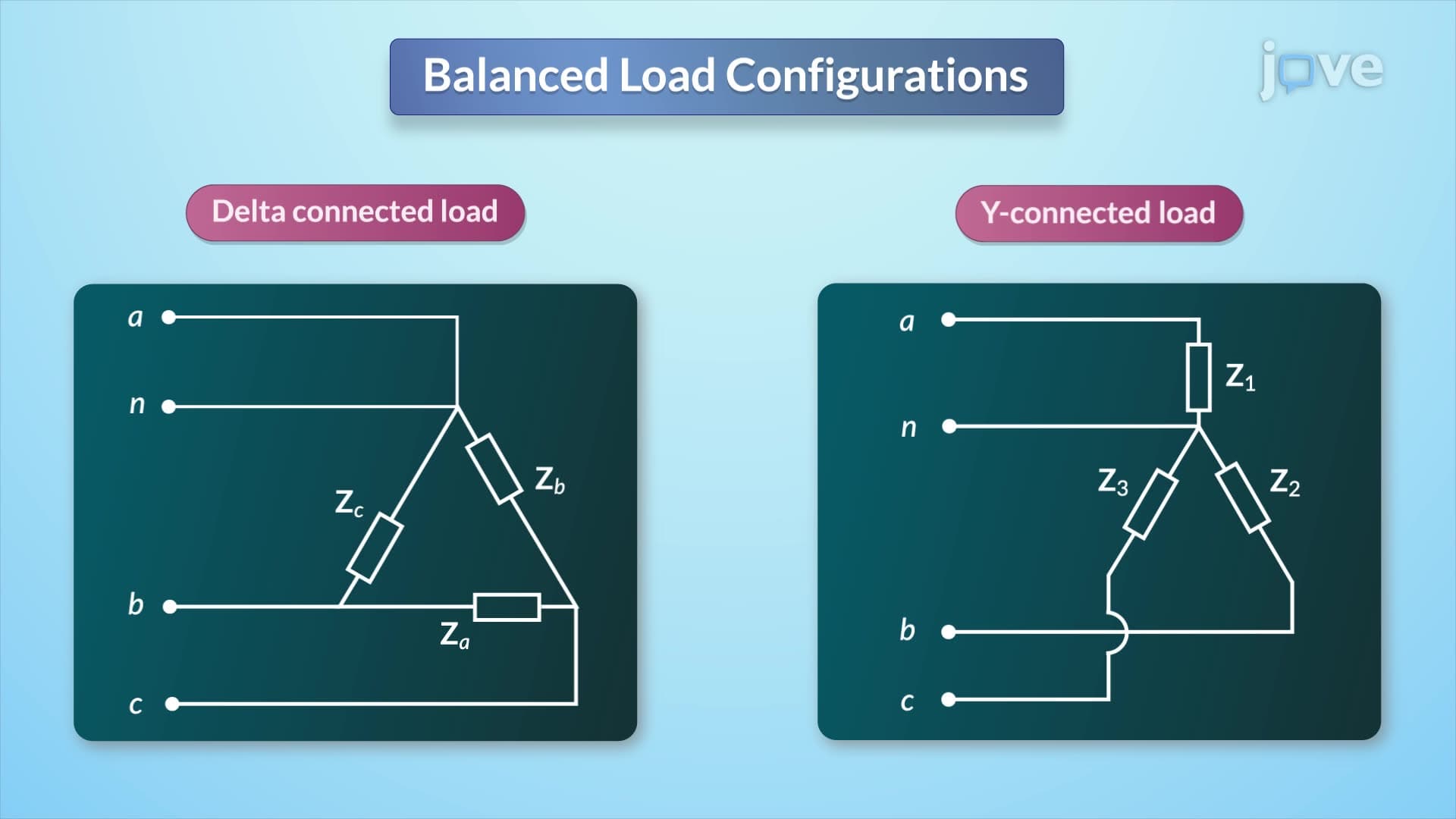
College midterms typically test balanced three-phase circuit analysis, power triangle relationships, and Y-delta transformations. Expect problems involving line-to-phase voltage conversions, total power calculations, and efficiency determinations. Many universities include three-phase motor starting calculations and power factor correction problems. Engineering fundamentals (FE) exam preparation should emphasize these calculation methods.
Manufacturing facilities like Boeing aircraft assembly plants, Tesla automotive production lines, and steel mills throughout the Rust Belt depend on three-phase power for heavy machinery operation. Data centers supporting companies like Google and Amazon require three-phase systems for server farms and cooling equipment. Chemical processing plants, oil refineries, and semiconductor fabrication facilities also utilize three-phase distribution for consistent, high-power industrial processes.
Three-phase power concepts build naturally on single-phase AC circuit knowledge that many students master in AP Physics or pre-engineering courses. The mathematical requirements involve basic trigonometry and algebra that high school students handle routinely. Starting with balanced loads and gradually introducing more complex scenarios makes the topic accessible. Many students successfully learn these concepts through hands-on laboratory experiences and visual demonstrations.
Create phasor diagrams for every problem to visualize phase relationships and use consistent notation for line versus phase quantities. Practice converting between Y and delta configurations using standard formulas, and memorize the √3 relationship between line and phase values. Work through complete power calculations systematically, always checking units and magnitude reasonableness. Form study groups to discuss practical applications and quiz each other on key formulas.
Investigate unbalanced three-phase systems, symmetrical components analysis, and power system protection schemes used in utility networks. Study three-phase motor control systems, variable frequency drives, and power electronics applications in renewable energy systems. Advanced topics include power system stability, load flow analysis, and smart grid technologies that major utilities like Pacific Gas & Electric implement across their distribution networks.
Related Micro-courses
Related Subjects
 Civil Engineering 30 micro-courses›Mechanical Engineering 28 micro-courses›