Loading…
Loading video…

5,589 views
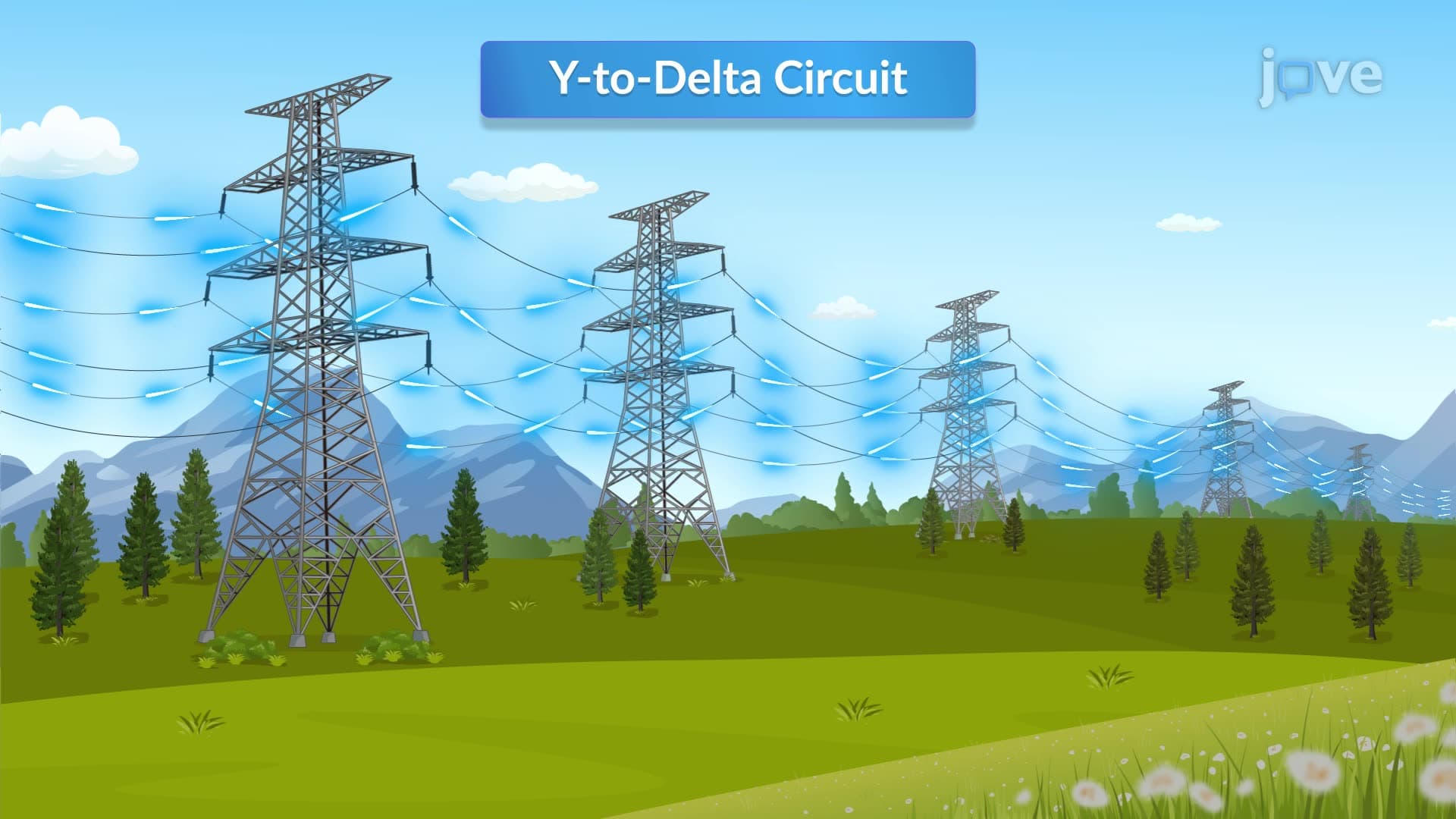
Ever wonder how massive power grids supply electricity to entire cities without losing efficiency? The delta to delta circuit is a fundamental configuration that makes this possible, commonly seen in industrial power systems across the United States. From manufacturing plants in Detroit to data centers in Silicon Valley, understanding how the delta to delta circuit works is crucial for electrical engineering applications. This circuit configuration optimizes power transmission by balancing loads and minimizing losses. The Y To Delta Circuit Explained demonstrates the mathematical relationships and practical applications that make modern electrical distribution possible. Watch the full video on JoVE Coach to master this concept with expert-led visuals and step-by-step explanations.
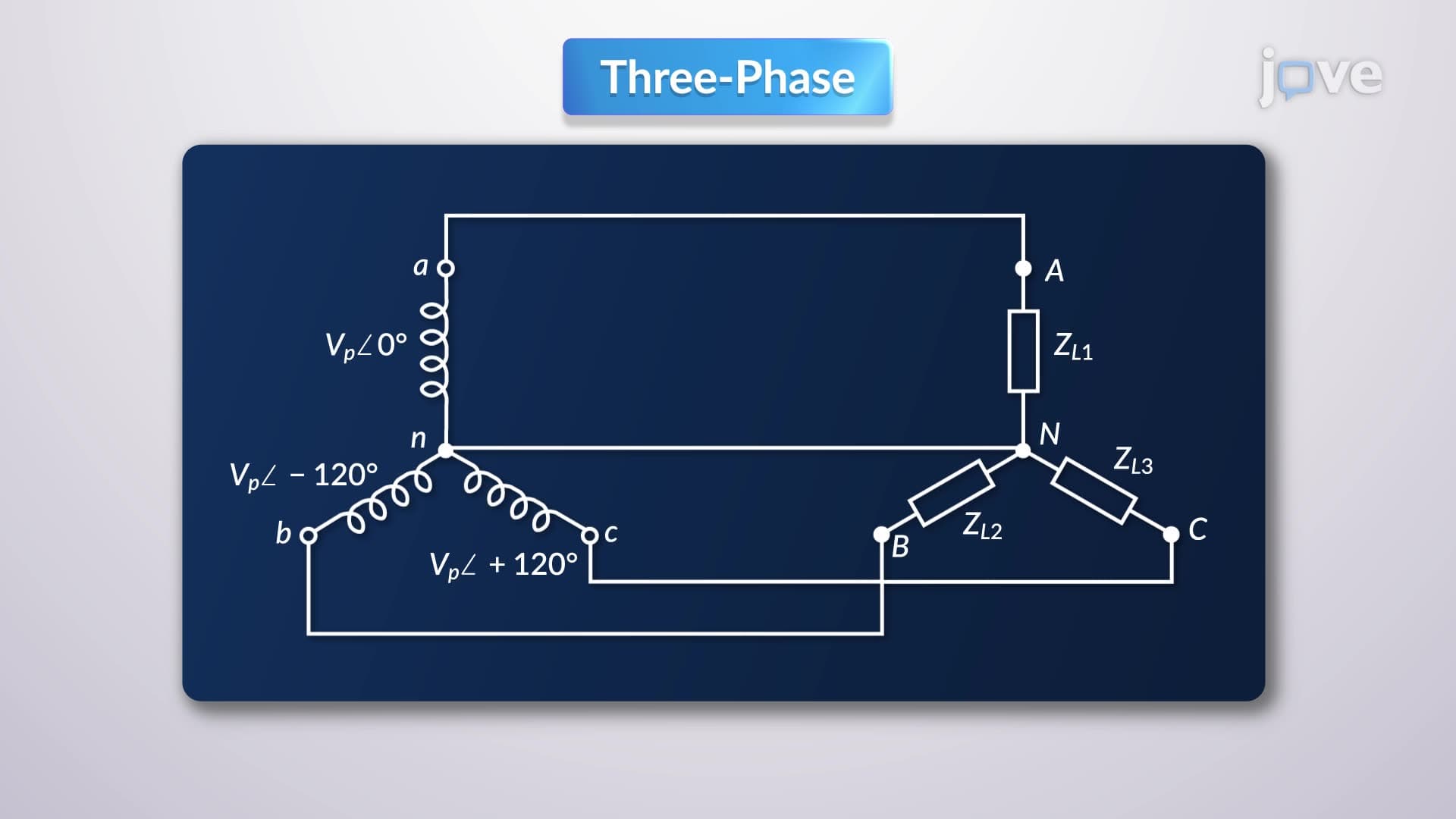
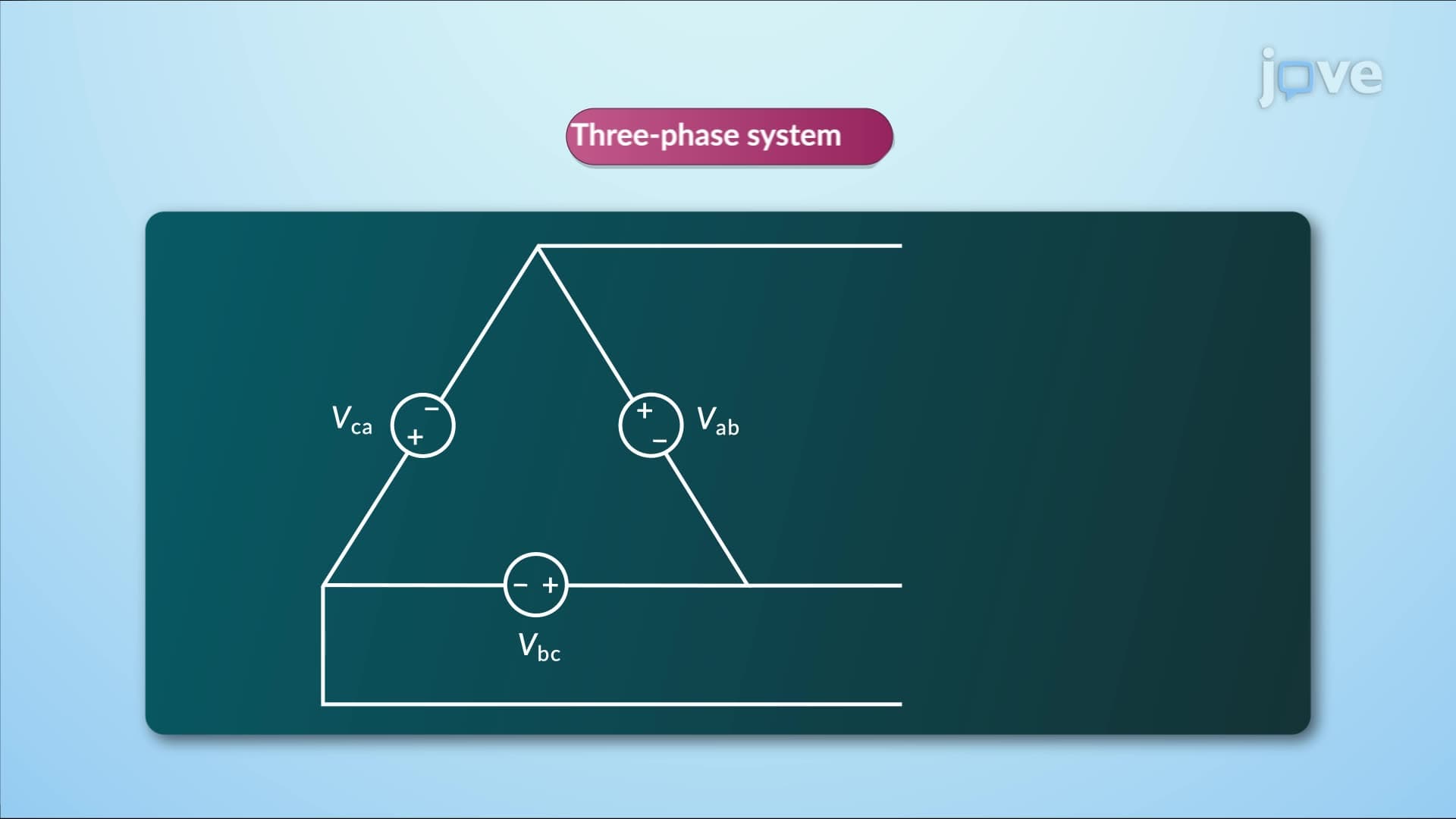
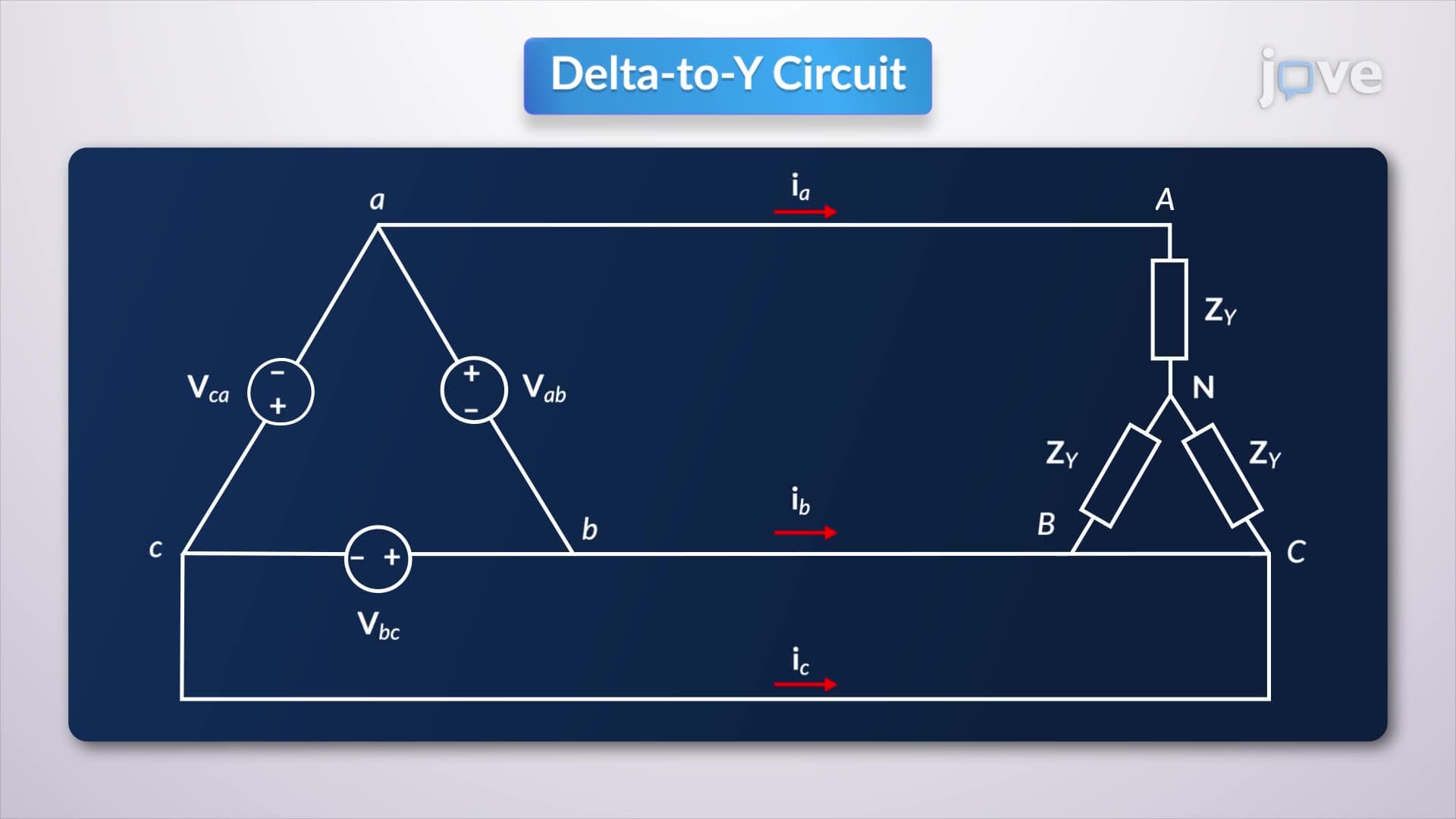
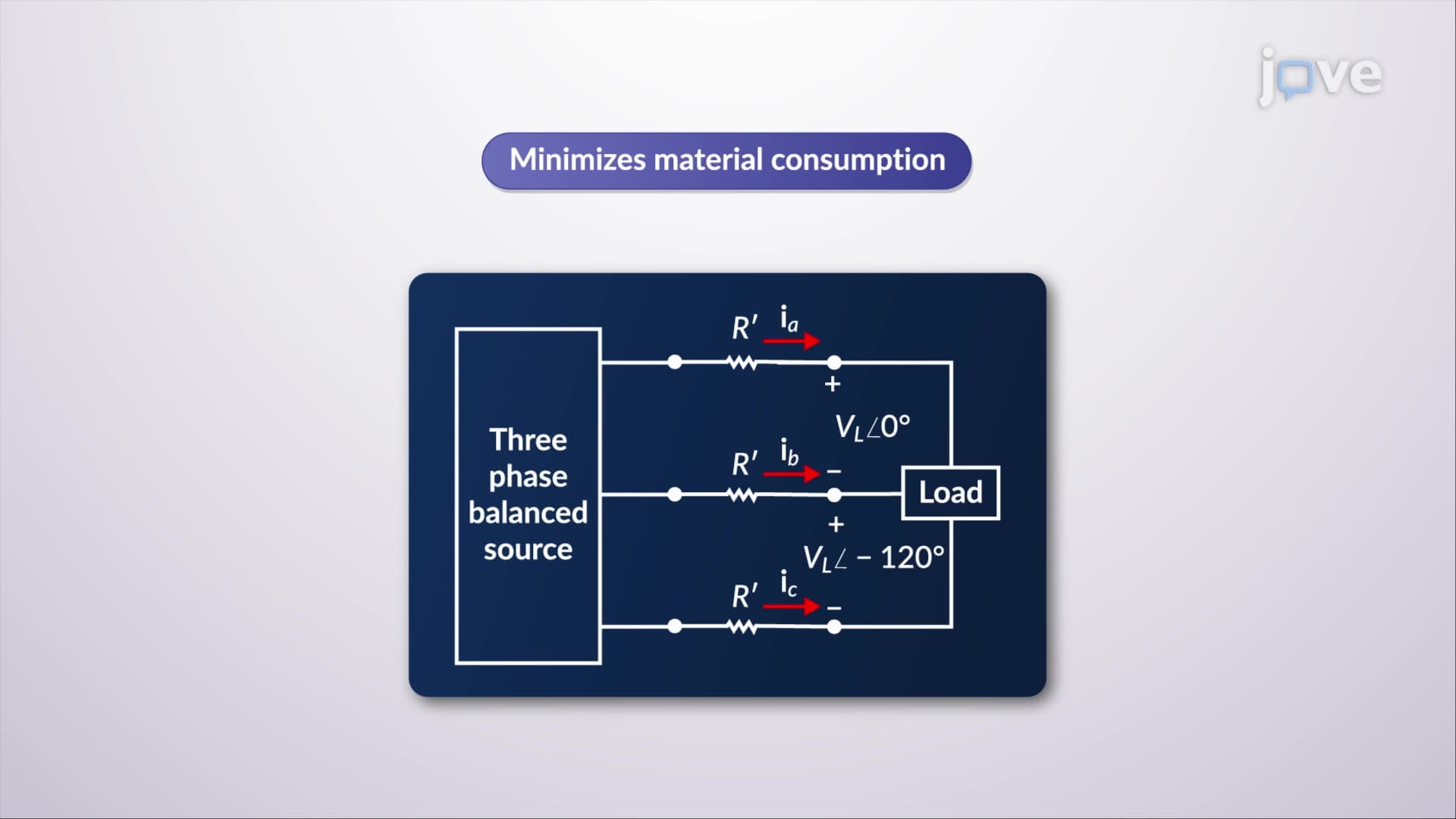
The Y To Delta Circuit represents one of the most important three-phase electrical configurations in power systems engineering. This setup combines Y-connected (star-connected) voltage sources with delta-connected (triangle-connected) loads, creating a balanced system that efficiently distributes electrical power without requiring a neutral conductor. The absence of a neutral line makes this configuration particularly valuable for high-power industrial applications where minimizing conductor costs and installation complexity is essential.
In the United States, this circuit type is extensively used in industrial facilities, commercial buildings, and utility distribution systems. Major manufacturing companies like General Electric and Siemens incorporate these principles in their power distribution equipment, making this knowledge crucial for students preparing for electrical engineering careers or AP Physics examinations.
The mathematical foundation of delta to delta circuit analysis revolves around specific phase relationships and magnitude calculations. When analyzing line currents versus phase currents, the line current magnitudes equal √3 times the corresponding phase current magnitudes, while the line currents lag the phase currents by exactly 30 degrees. This √3 relationship is fundamental to three-phase power calculations and appears frequently on standardized tests including the AP Physics C exam and college-level electrical engineering coursework.
Students should master Kirchhoff's Current Law applications at delta connection nodes, as this principle governs how currents distribute throughout the circuit. Understanding these relationships helps solve complex power distribution problems commonly found in university electrical engineering programs at institutions like MIT, Stanford, and Georgia Tech.
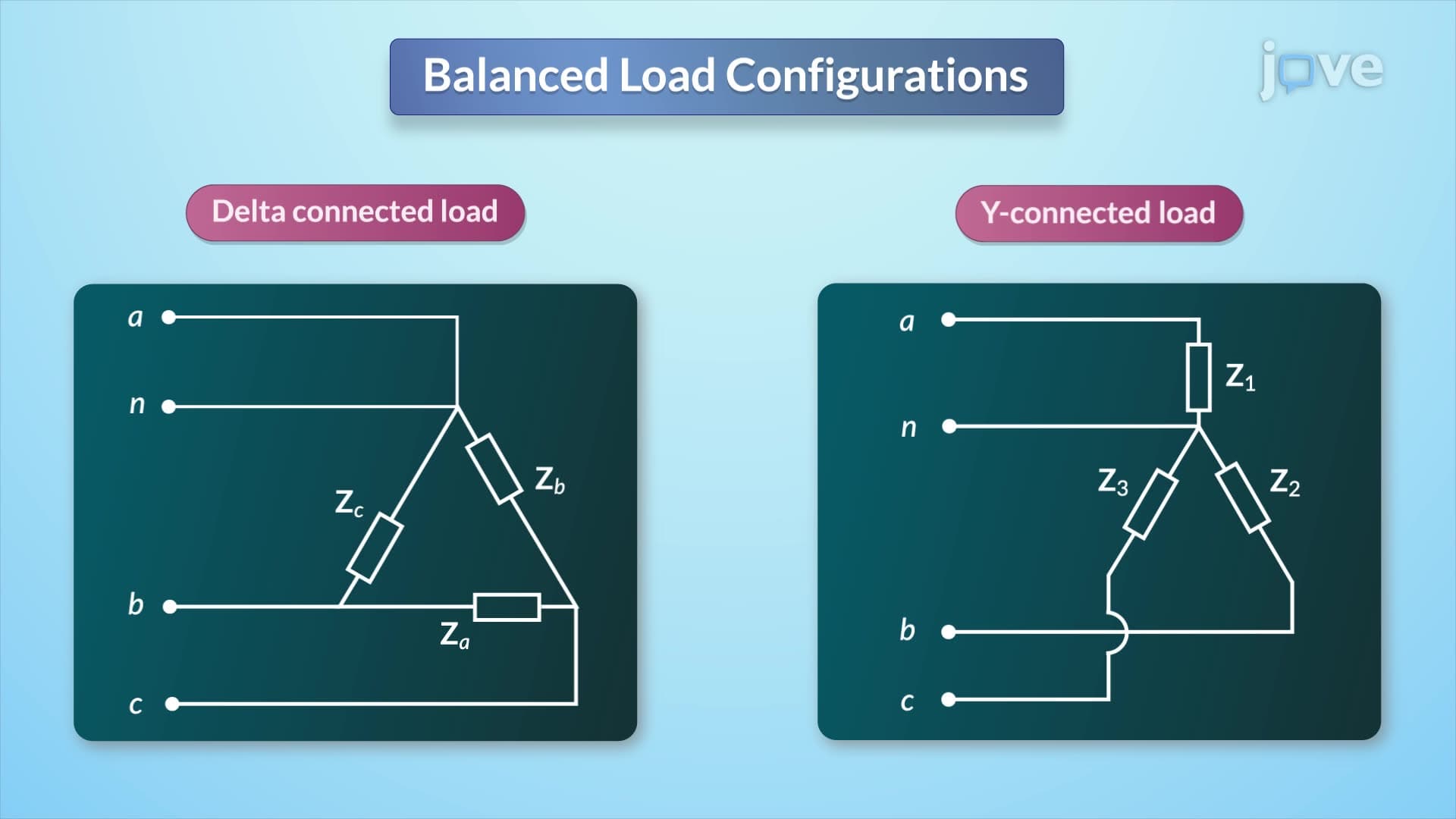
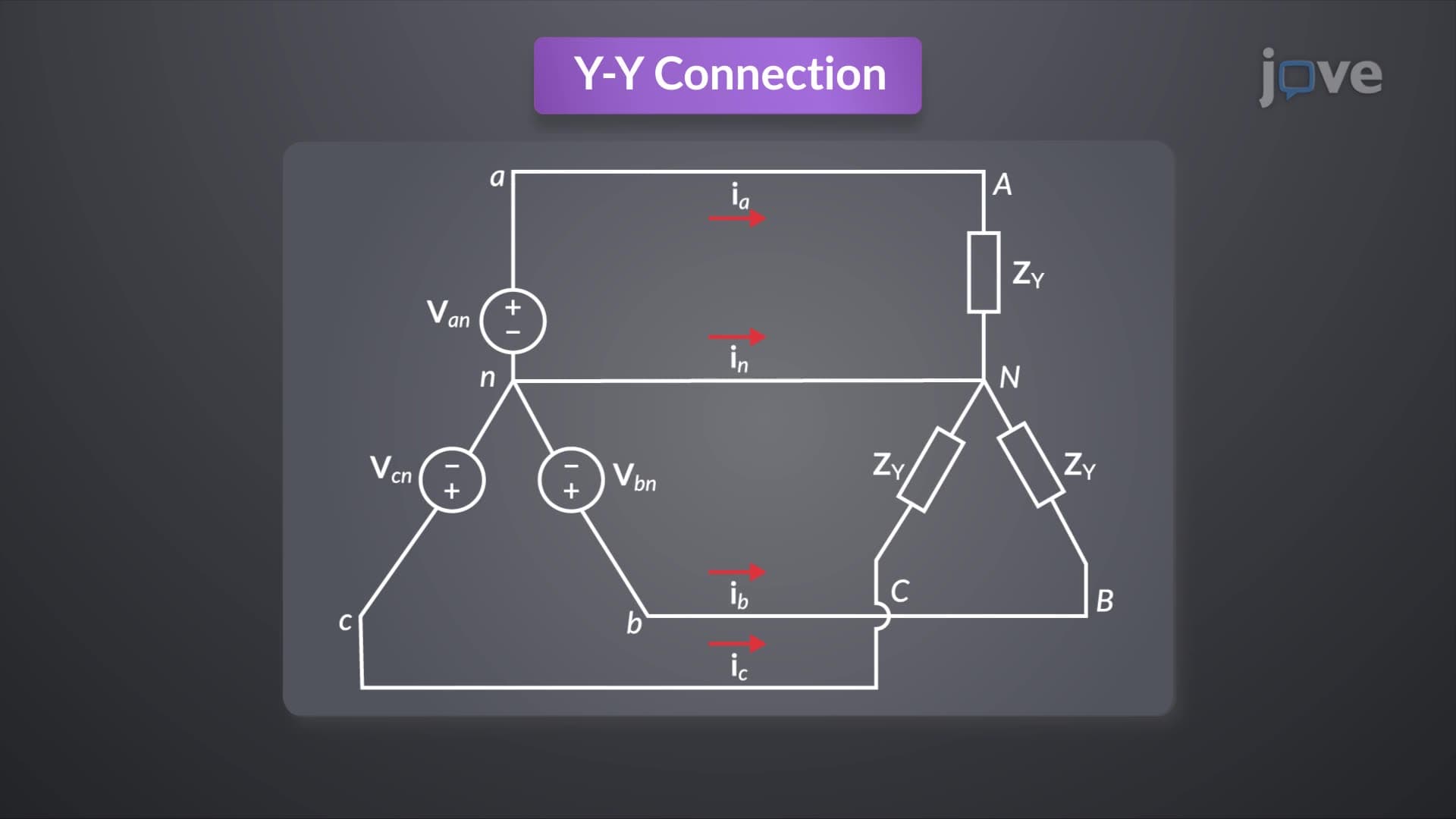
The delta to delta circuit concept extends beyond basic analysis to include transformation techniques that simplify complex calculations. Converting delta-connected loads to equivalent Y-configurations creates balanced Y-to-Y systems, which can then be analyzed using single-phase equivalent circuits. This transformation method reduces three-phase problems to more manageable single-phase calculations, making it an essential problem-solving tool for students.
These transformation techniques prove invaluable for homework assignments, laboratory experiments, and exam preparation. Students studying for the Fundamentals of Engineering (FE) exam will encounter these concepts regularly, as they form the backbone of power systems analysis. The ability to switch between circuit representations demonstrates deep understanding of electrical engineering principles and practical problem-solving skills valued by employers in the energy sector.
Frequently Asked Questions
The Y To Delta Circuit is a three-phase electrical configuration combining Y-connected voltage sources with delta-connected loads, creating balanced power distribution without neutral wires. This setup is crucial for industrial power systems, reducing installation costs while maintaining efficient power delivery to large facilities like manufacturing plants and commercial buildings.
The delta to delta circuit frequently appears in AP Physics C and college exams through problems involving three-phase power calculations, current relationships, and circuit transformations. Students typically encounter questions about the √3 relationship between line and phase currents, 30-degree phase shifts, and delta-to-Y conversion techniques in their coursework and standardized tests.
Key relationships include line current magnitude equals √3 times phase current magnitude, line currents lag phase currents by 30 degrees, and line voltages equal load impedance voltages in balanced systems. These formulas appear consistently on engineering exams and are essential for solving three-phase power problems efficiently.
Major US industries use these circuits in manufacturing facilities, data centers, and commercial buildings. Companies like Tesla's Gigafactories, Amazon's distribution centers, and steel mills across the Rust Belt rely on three-phase power systems based on these principles for efficient, high-power electrical distribution.
While the concept involves complex mathematics, high school students with solid algebra and trigonometry backgrounds can master these principles. Breaking down the analysis into step-by-step procedures and focusing on the key relationships makes the material accessible for motivated students preparing for engineering careers.
Focus on memorizing key formulas, practicing transformation techniques, and working through sample problems systematically. Create visual diagrams showing current flow patterns, use mnemonic devices for phase relationships, and solve past exam questions from AP Physics and college electrical engineering courses to build confidence.
After understanding delta to delta circuits, explore unbalanced three-phase systems, power factor correction, transformer connections, and motor drive applications. These advanced topics build upon the fundamental principles and prepare students for specialized courses in power systems engineering at universities.
This circuit configuration connects to Kirchhoff's laws, Ohm's law, complex number analysis, and power calculations. Understanding these connections helps students see how fundamental electrical principles apply to sophisticated industrial systems, making the material more meaningful and memorable for exam preparation.
Related Micro-courses
Related Subjects
 Civil Engineering 30 micro-courses›Mechanical Engineering 28 micro-courses›